Menu
Fly Box · 33 guides
Other fly patterns.
Specialized families that do not fit cleanly into the main trout-fly categories. Open a guide to identify the fly, see photos and variations, and learn when and how to fish it.
Choose a fly
Compare photos and patterns.
We show a real photo when its identity and usage rights are clear. If only an illustration is available, we label it plainly.
 Real fly photo
Pattern family · Small panfish through large bass sizes
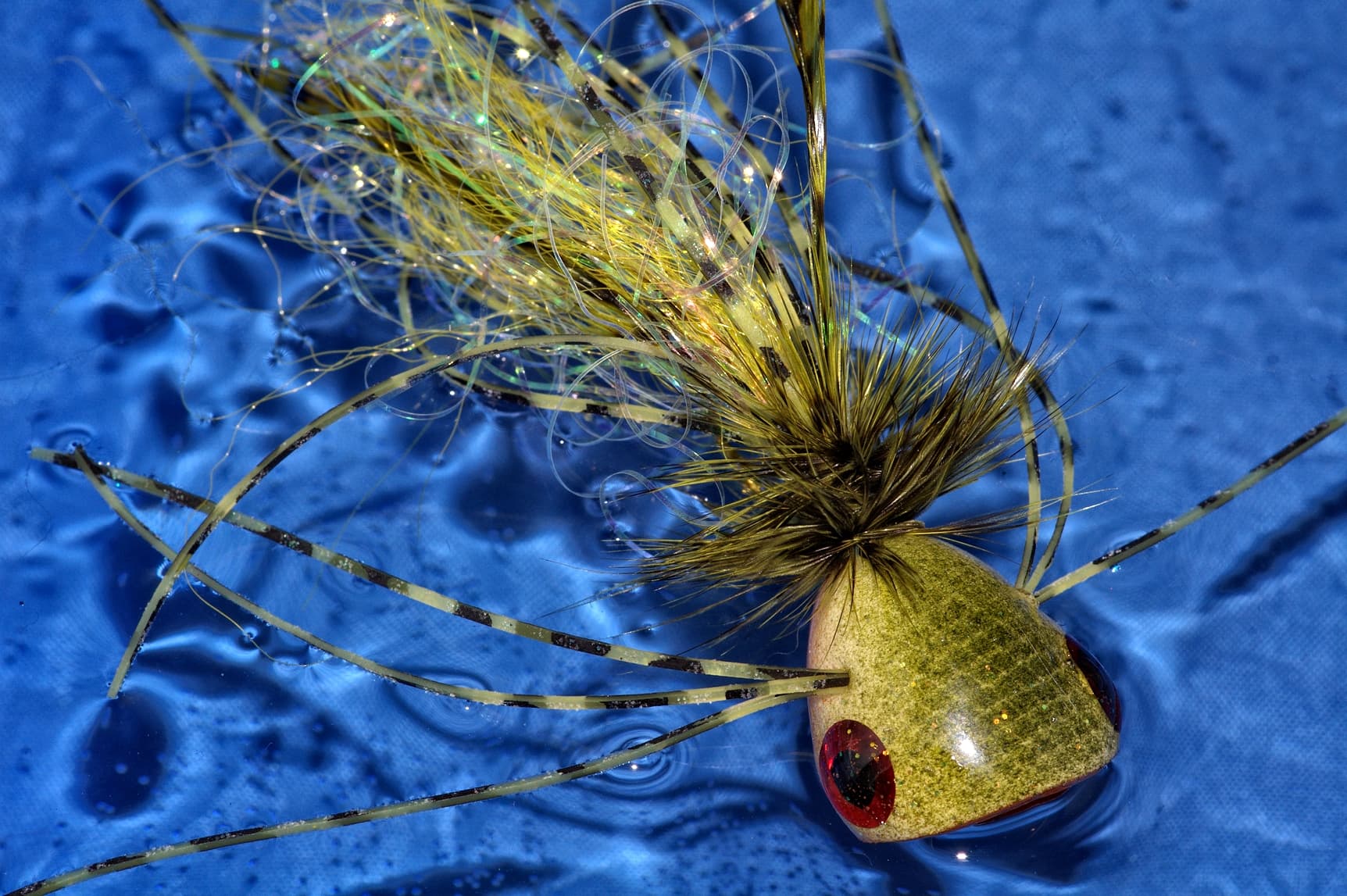
Bass and Panfish Popper Patterns
A surface family defined by a forward face that pushes, spits, or pops water rather than one exact recipe.Open guide ↗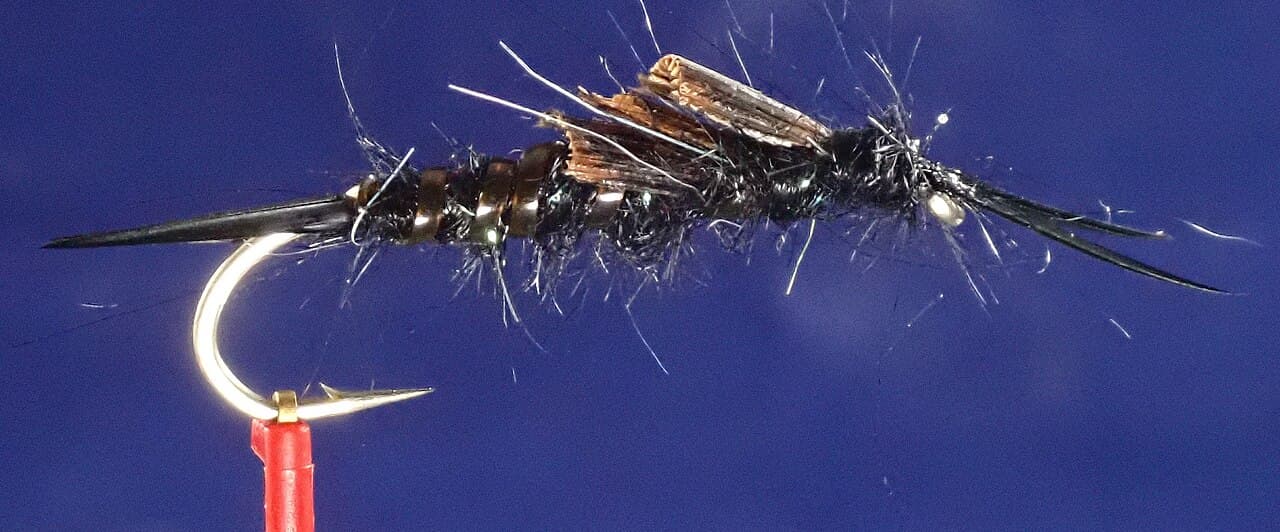 Real fly photo
Pattern family · Small to medium stonefly sizes; verify locally
Black Stonefly Patterns
A dark-stonefly family separating small black nymphs from winged adult patterns.Open guide ↗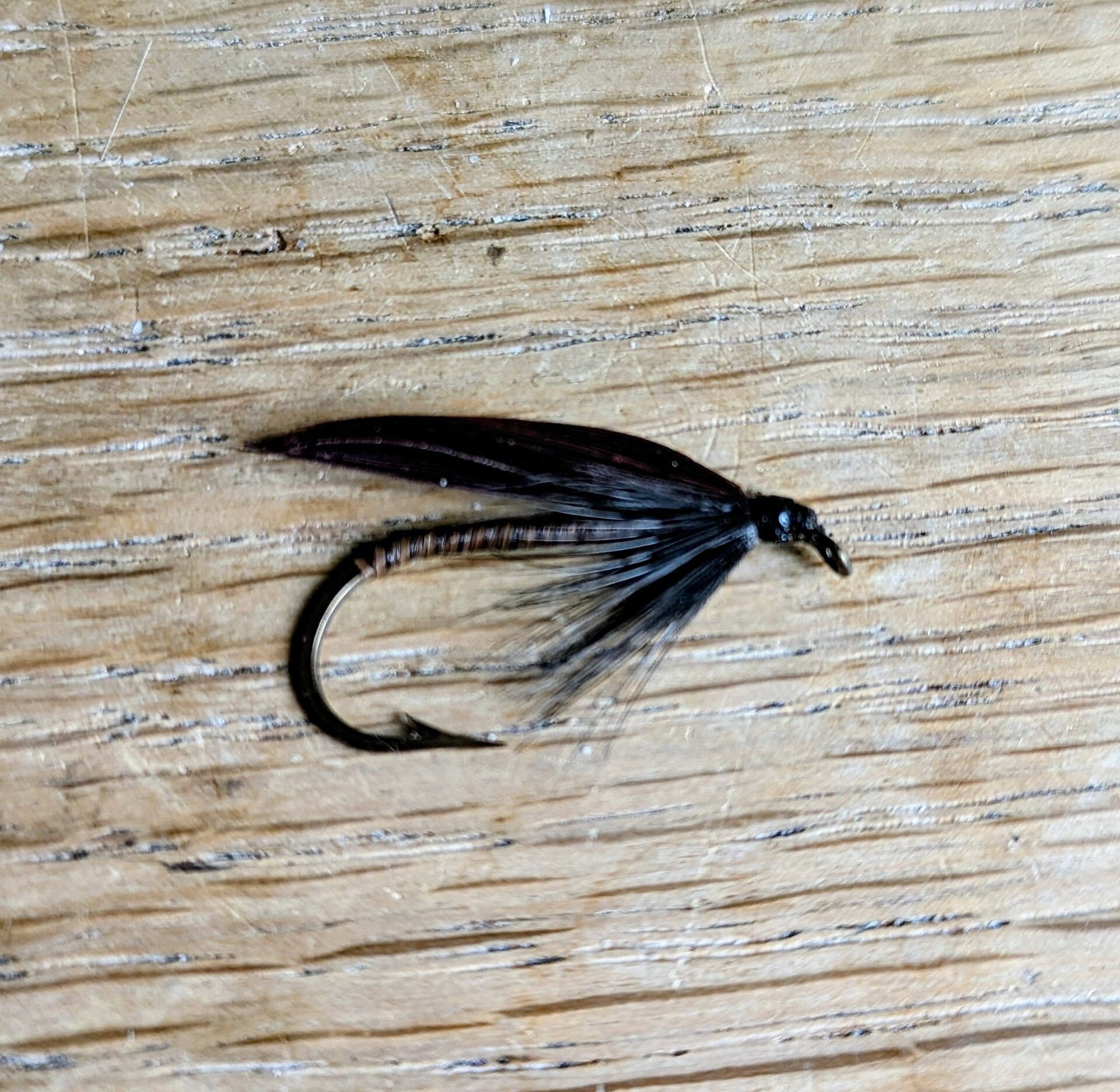 Real fly photo
Pattern family · Small mayfly sizes; verify locally
Blue Quill Patterns
A small eastern mayfly family for Blue Quill nymphs, emergers, duns, and spinners.Open guide ↗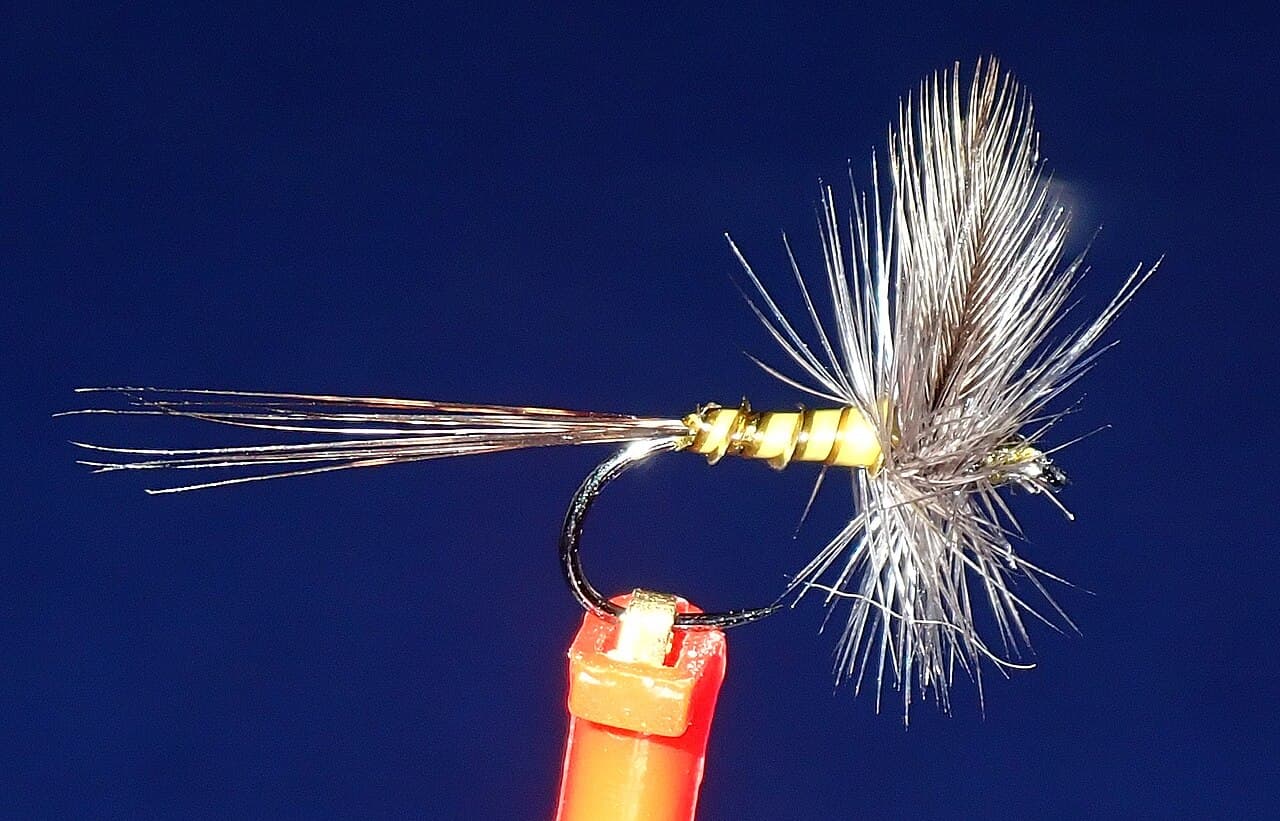 Real fly photo
Pattern family · Often #14–24; stage and river vary
Blue-Winged Olive Patterns
A stage-based family for olive-bodied mayfly nymphs, emergers, adults, cripples, and spinners.Open guide ↗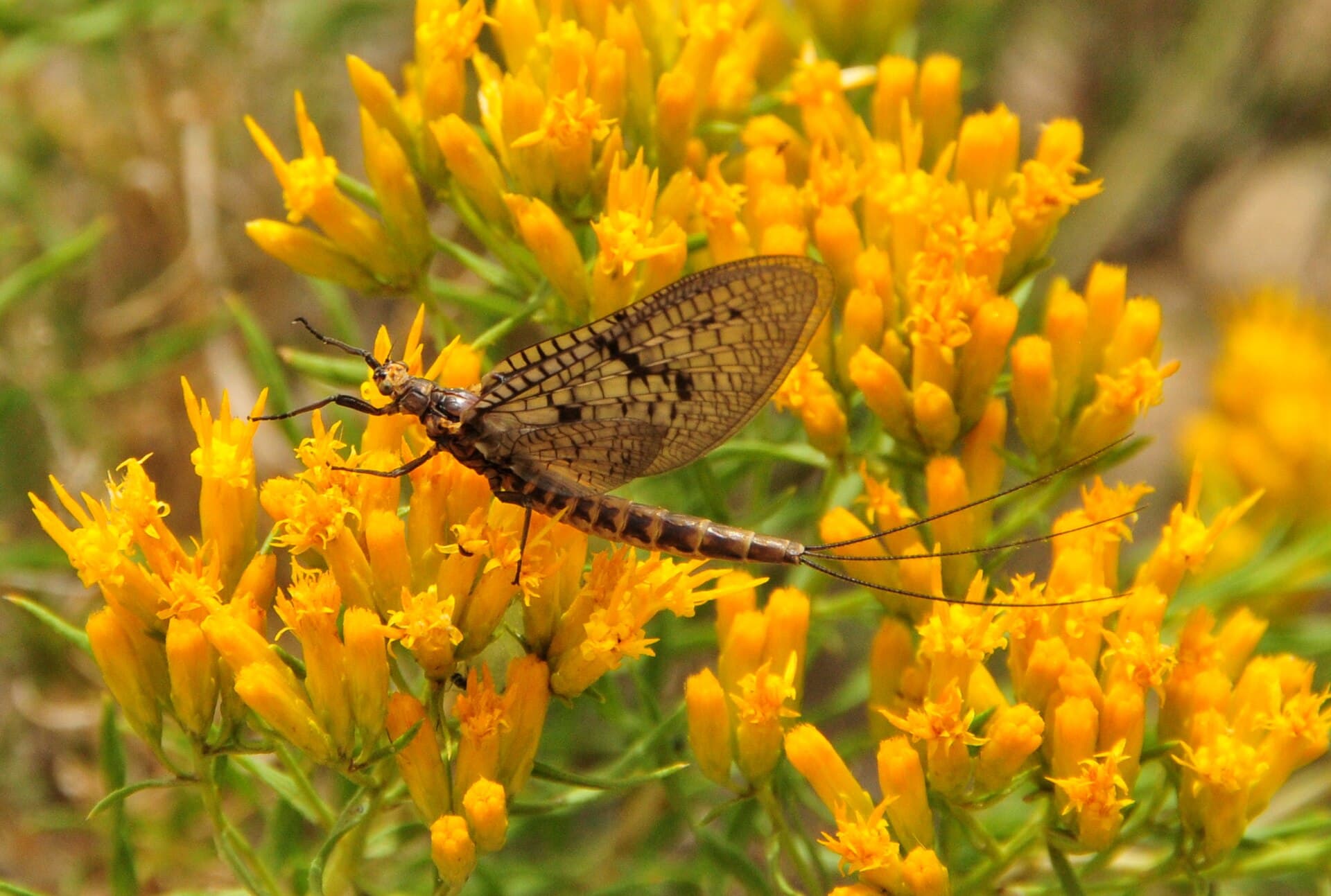 Real fly photo
Pattern family · Large mayfly sizes; verify locally
Brown Drake Patterns
A large-mayfly family separating Brown Drake nymphs, emergers, duns, and pale Coffin Fly spinner forms.Open guide ↗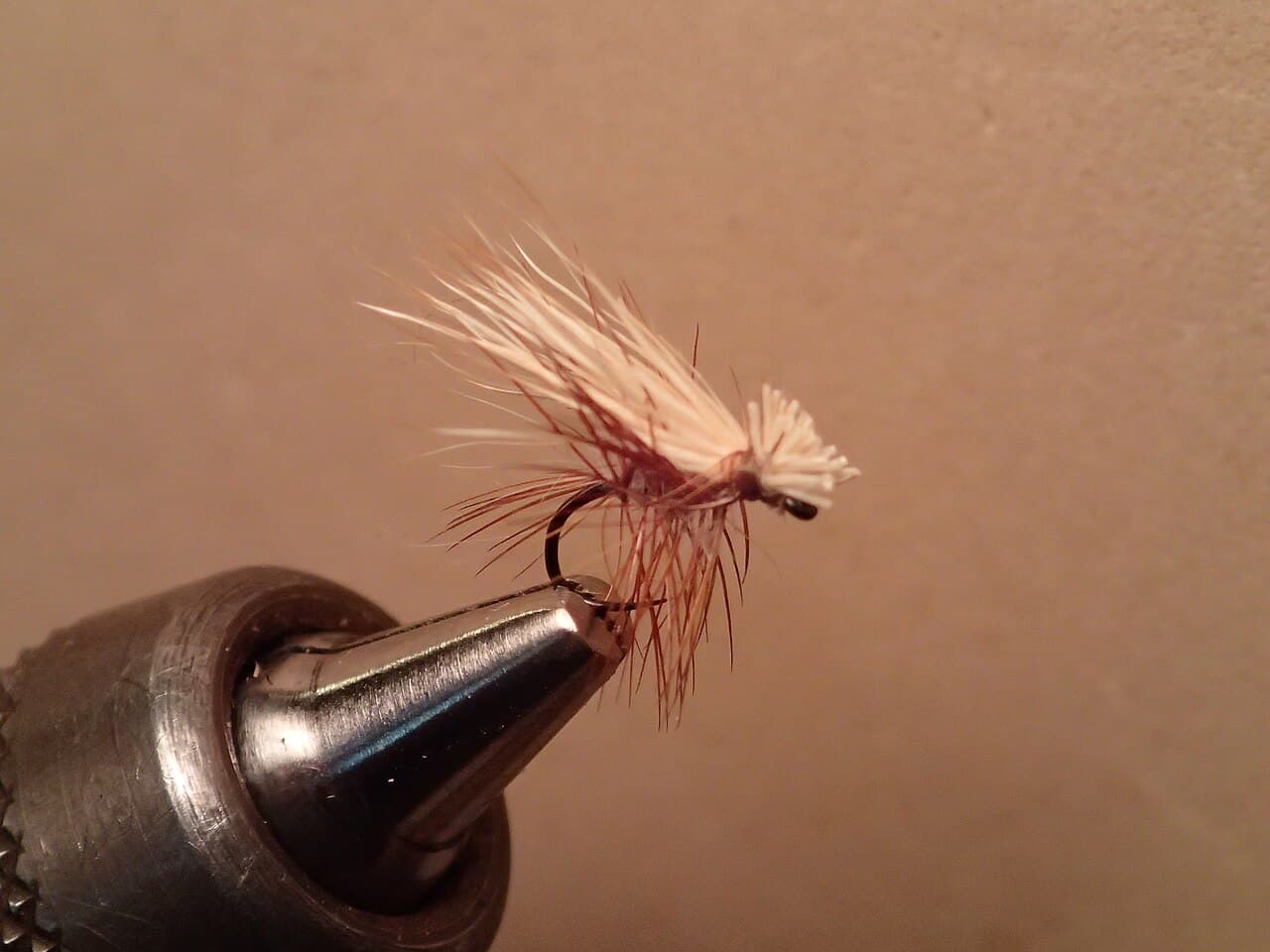 Real fly photo
Pattern family · Match local species; the family label gives no exact size
Caddis Patterns by Stage
A lifecycle guide for caddis larva, pupa, emerger, adult, spent, and skated dry patterns.Open guide ↗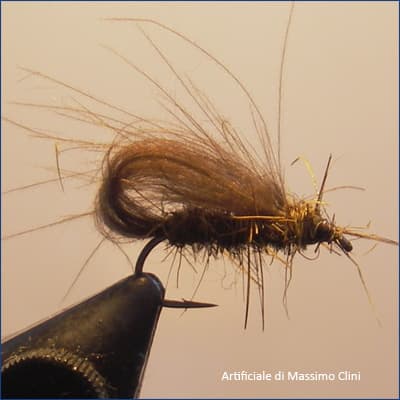 Real fly photo
Pattern family · Varies by species; often #10–18
Caddis Pupa Patterns
A family of subsurface caddis patterns spanning pupa, ascending emerger, and soft-hackle presentations.Open guide ↗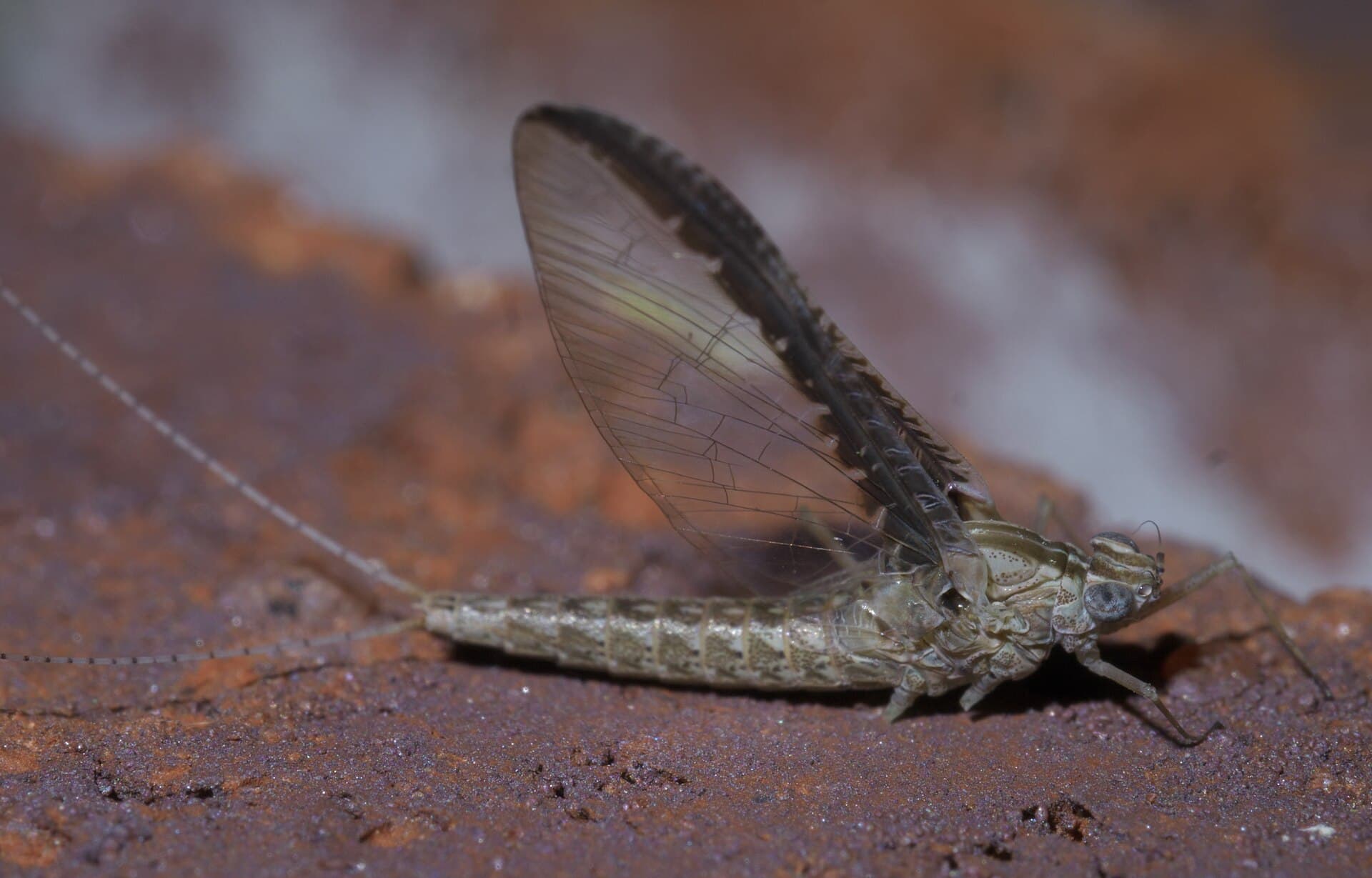 Real fly photo
Pattern family · The reviewed adult references range by species and generation; the Fly Fishers International Callibaetis Parachute source recommends carrying #10–16 rather than trusting one size
Callibaetis Patterns
A source-bounded stillwater guide showing how real Callibaetis adults vary across three named species, and how to choose stage, size, and presentation without treating one mottled-wing dry as the whole hatch.Open guide ↗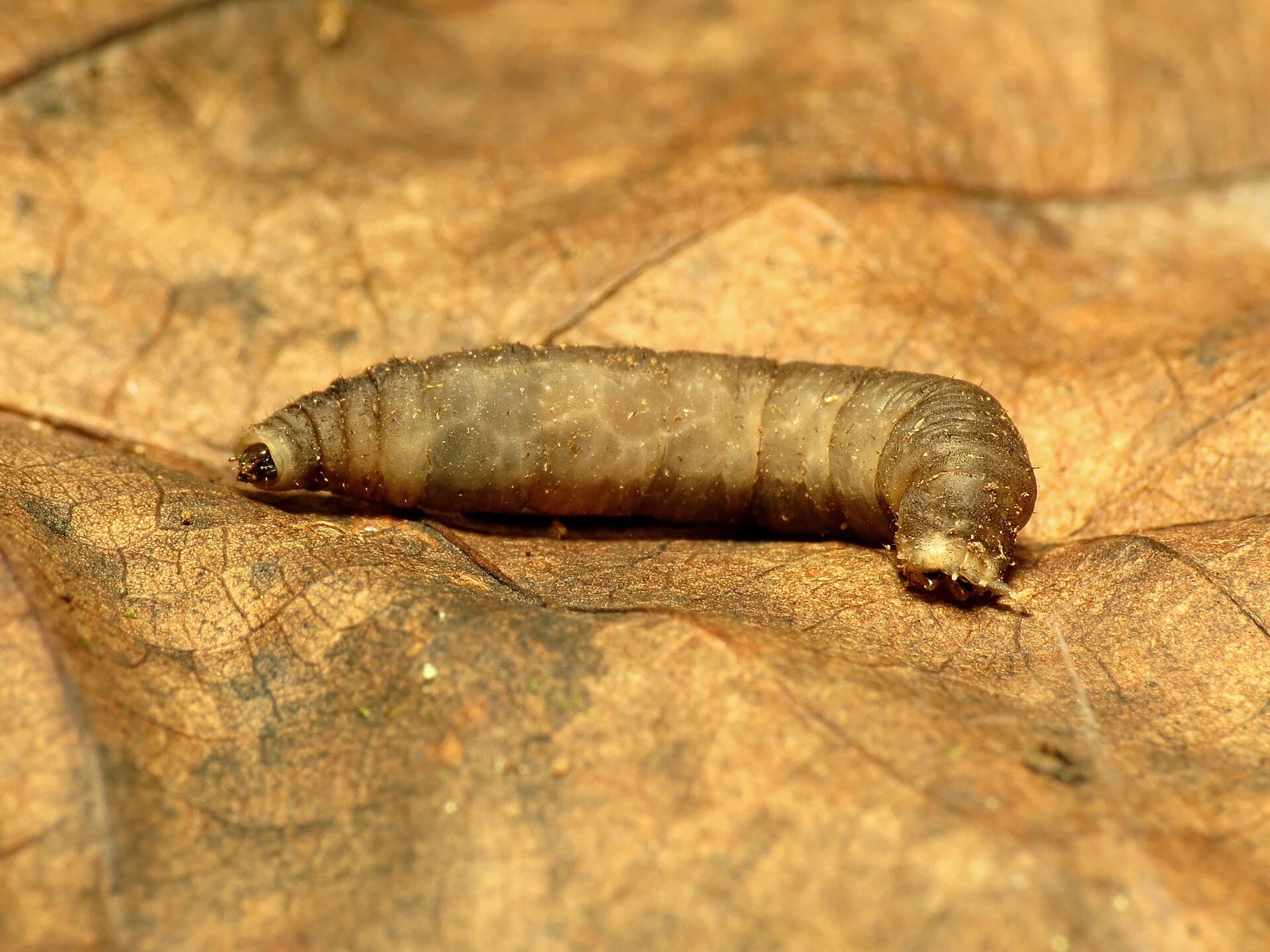 Real fly photo
Pattern family · Aquatic Tipulidae larvae in the USU key span roughly 10–100 mm; match the actual local larva or trusted report, Adult size varies by species
Crane Fly Patterns
A stage guide separating elongated legless crane-fly larvae from gangly one-pair-wing adults while requiring local evidence before either becomes a fishing choice.Open guide ↗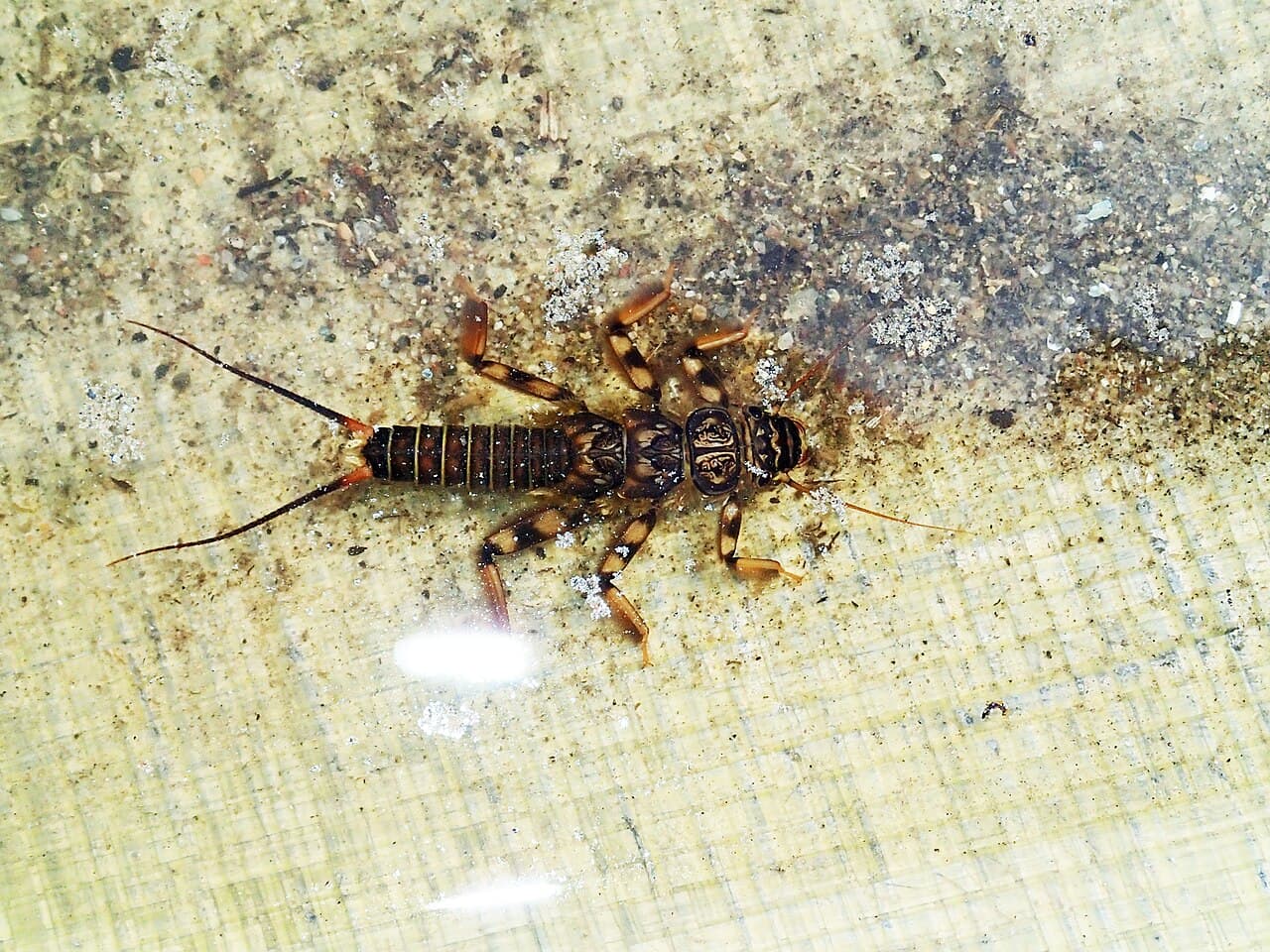 Real fly photo
Pattern family · Large stonefly sizes; nymph references span roughly #4–12
Golden Stonefly Patterns
A large-stonefly family separating robust golden nymphs from winged adult dry patterns.Open guide ↗ Real fly photo
Pattern family · No universal hook size; the photographs contain no scale and common-name usage does not establish the local natural's measured length
Gray Fox Mayfly Patterns
A March Brown and Gray Fox naming guide that uses exact Maccaffertium vicarium natural references while keeping aquatic, emerger, dun, wet, and spinner choices separate.Open guide ↗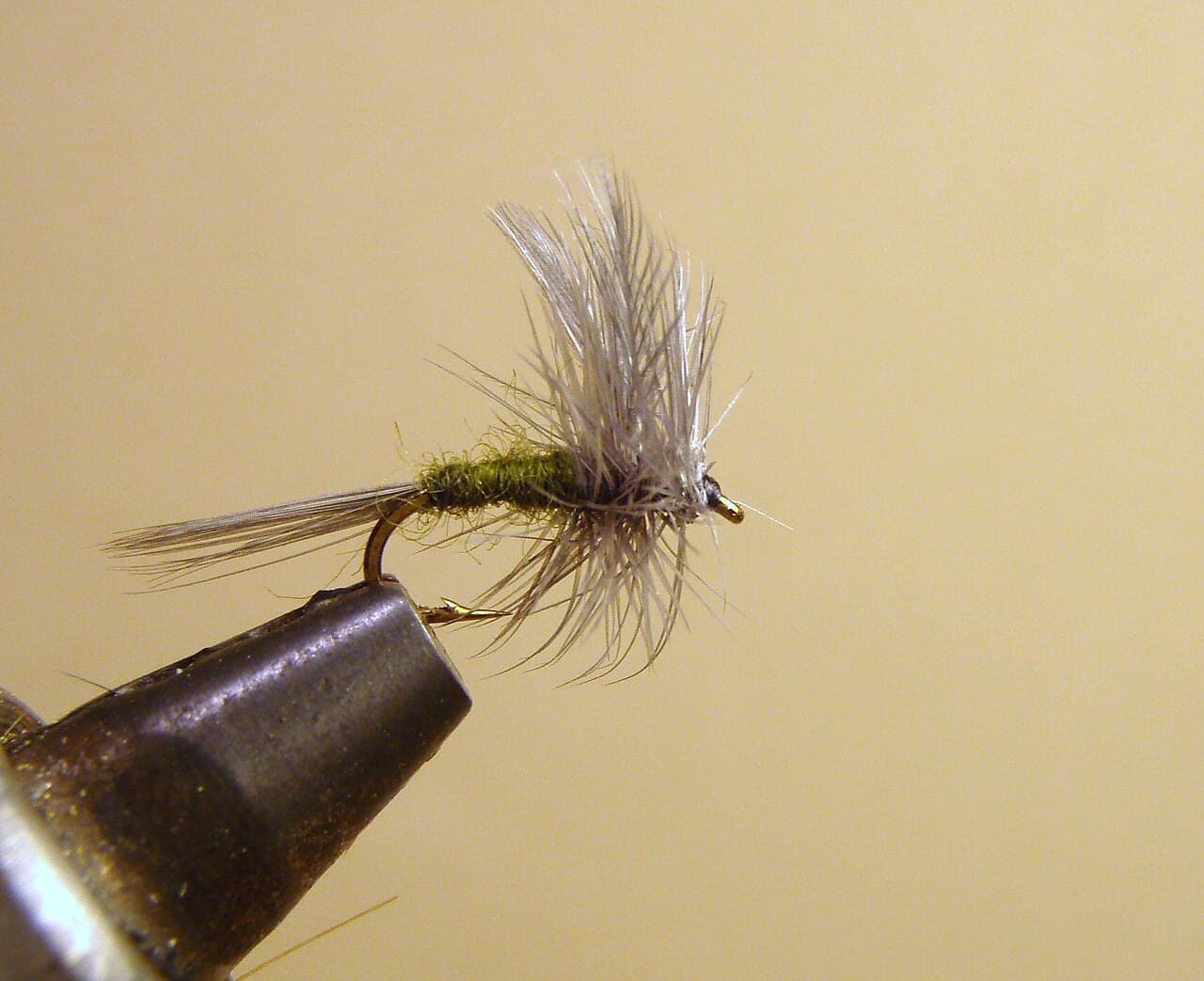 Real fly photo
Pattern family · Large mayfly sizes; verify local species
Green Drake Patterns
A large-mayfly family for Green Drake nymphs, emergers, cripples, duns, and spinners where the hatch occurs.Open guide ↗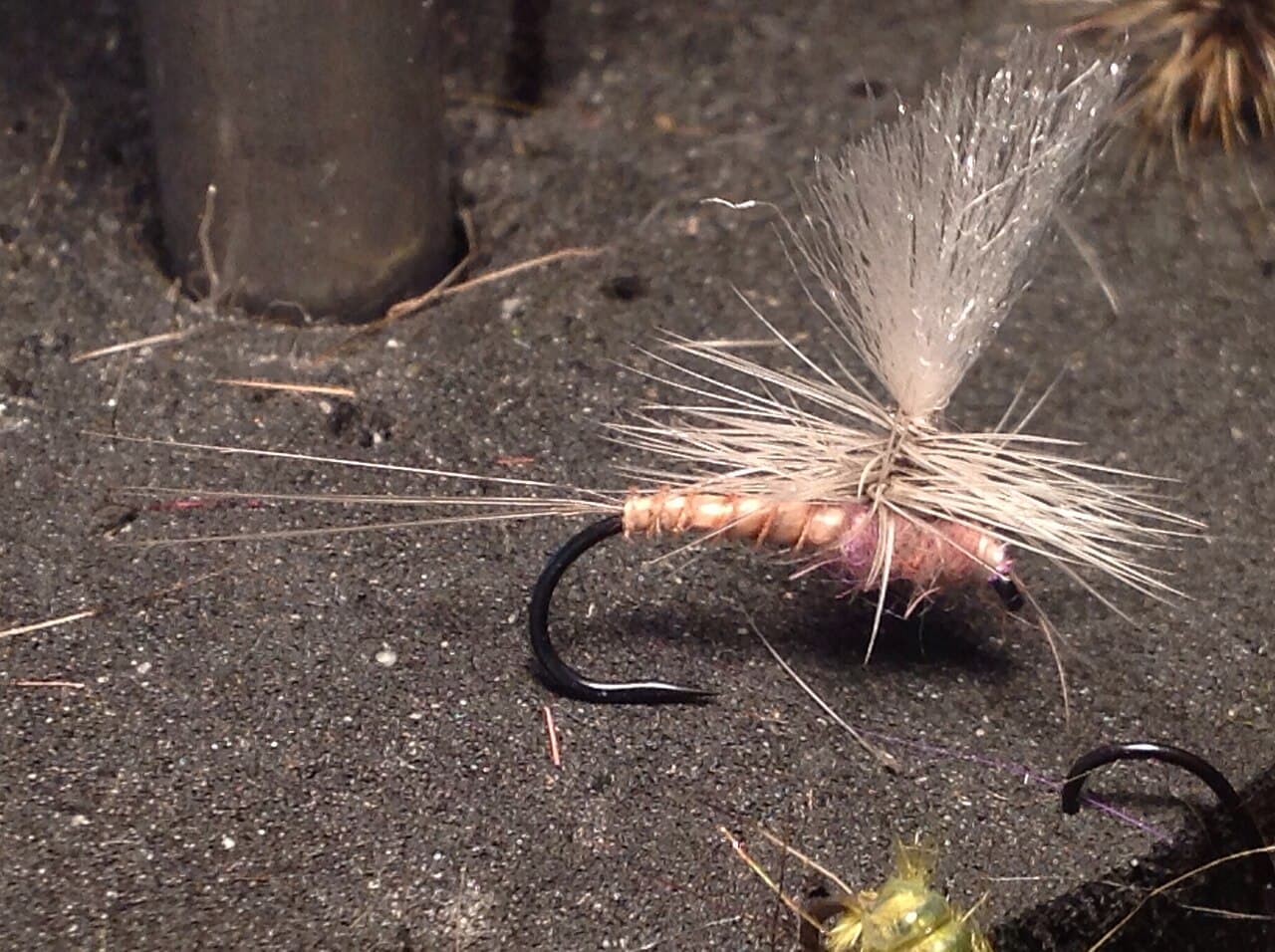 Real fly photo
Pattern family · Often #12–16
Hendrickson Patterns
An eastern mayfly family spanning nymphs, emergers, duns, soft hackles, Sparkle Duns, and spinners.Open guide ↗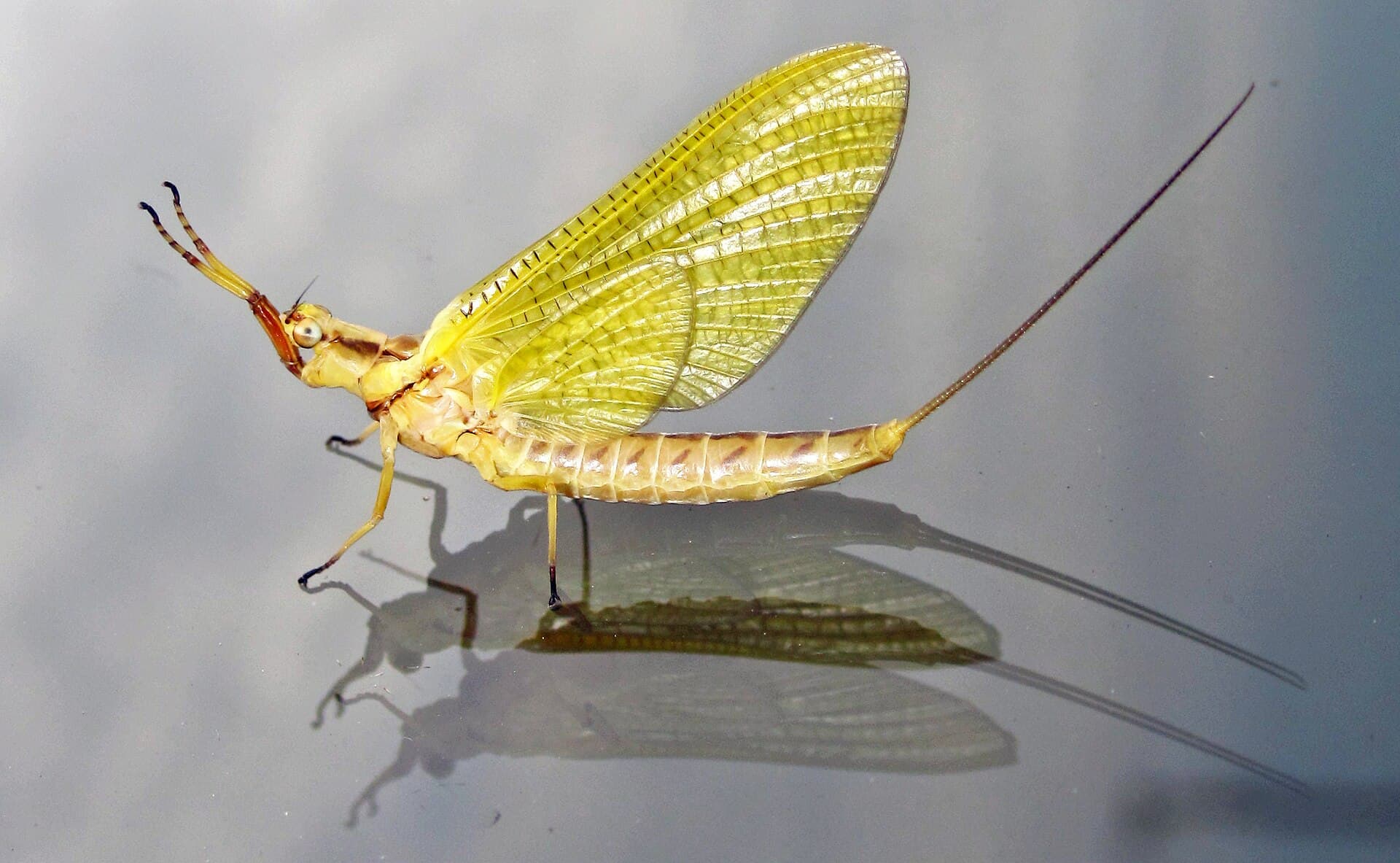 Real fly photo
Pattern family · Large mayfly sizes; verify the local water
Hex Mayfly Patterns
A large-mayfly family for Hexagenia nymph, emerger, dun, and spinner imitations.Open guide ↗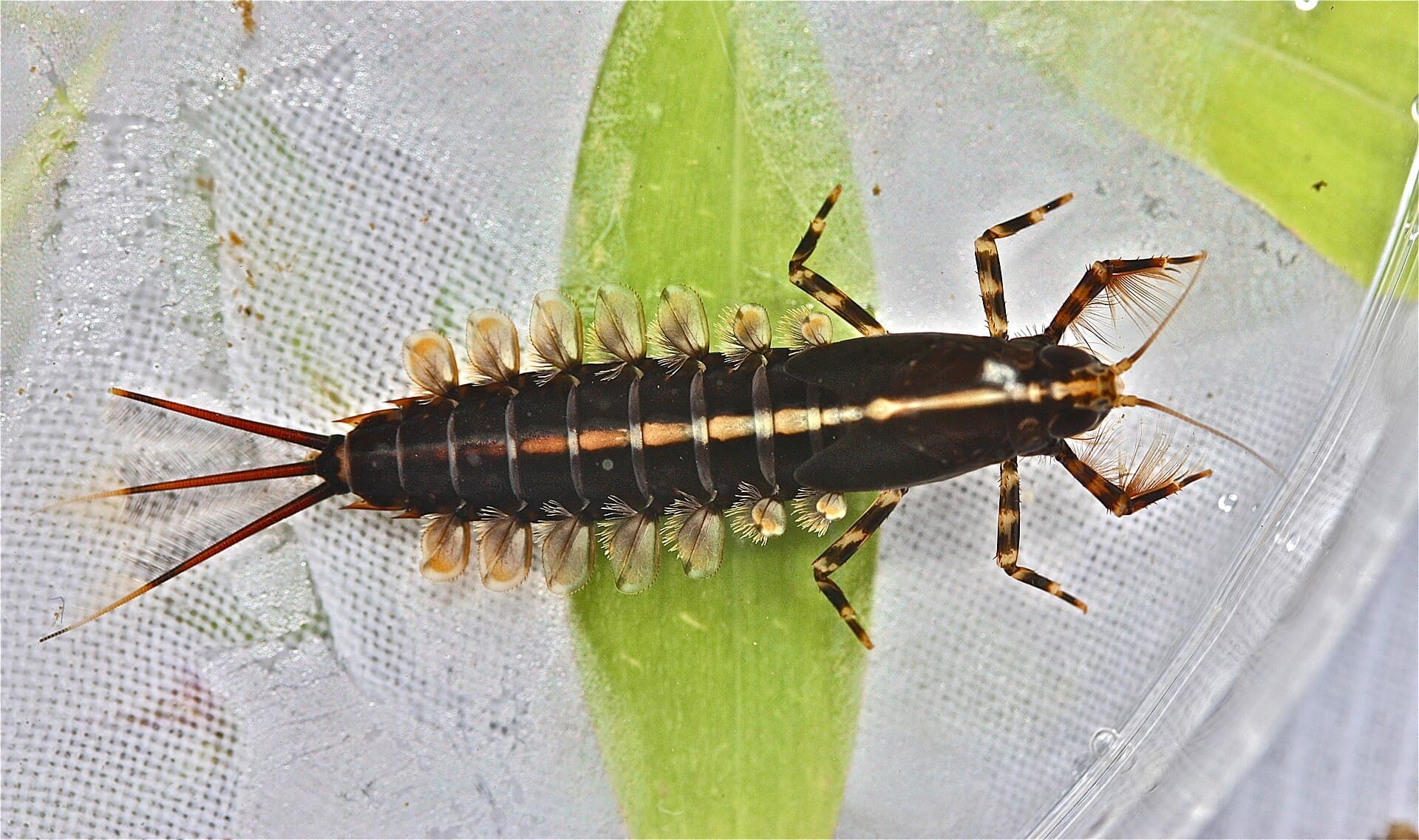 Real fly photo
Pattern family · Often #10–14; verify locally
Isonychia and Mahogany Dun Patterns
A stage-based Isonychia family, including report wording such as Mahogany Dun or Slate Drake.Open guide ↗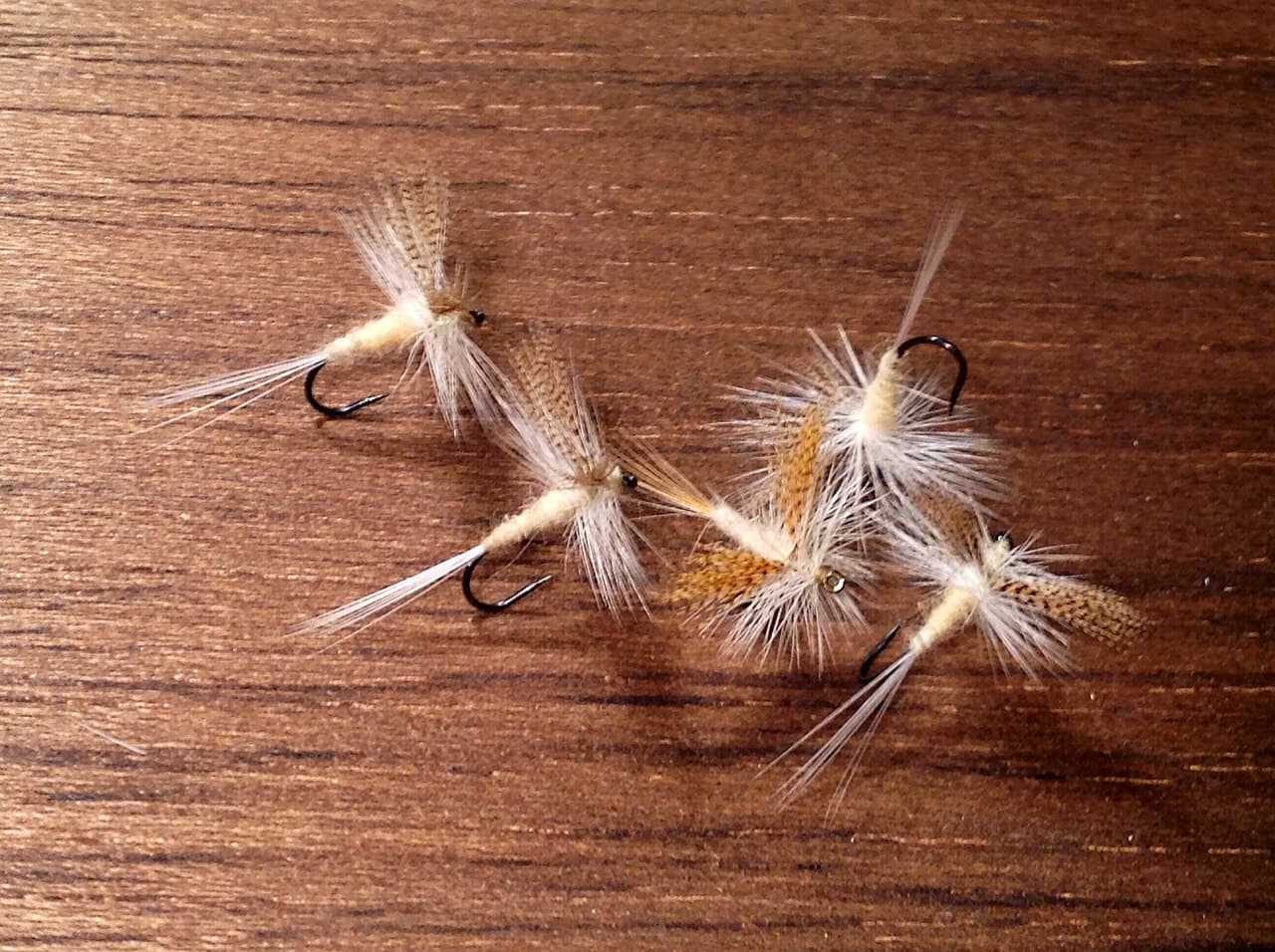 Real fly photo
Pattern family · Often #12–18
Light Cahill Patterns
A pale eastern mayfly family for Light Cahill nymphs, emergers, traditional or parachute dries, and spinners.Open guide ↗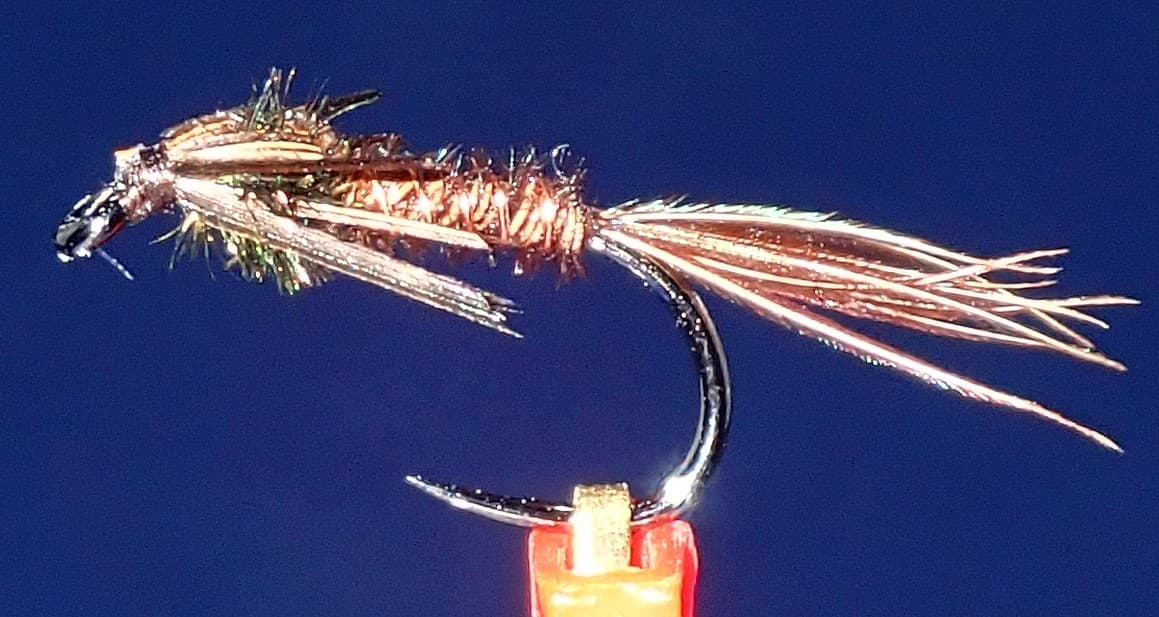 Real fly photo
Pattern family · Match the local insect; the family label gives no exact size
Mayfly Patterns by Stage
A stage-first guide for reports that name a mayfly but do not identify a species or exact fly.Open guide ↗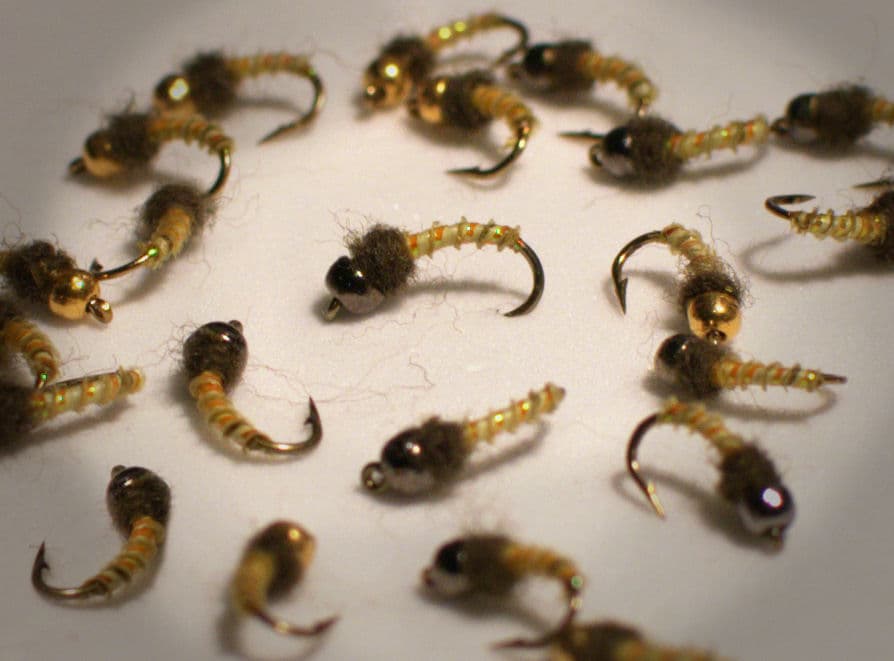 Real fly photo
Pattern family · Often #18–26; local insects vary
Midge Patterns by Stage
A stage-first midge family for larva, pupa, emerger, adult, and cluster patterns.Open guide ↗Real fly photoPattern family · Species and watershed dependent; the family label does not establish a hook size, Claassenia, golden stones, and smaller nocturnal species must not be treated as one scale
Nocturnal Stonefly Patterns
A timing-and-stage guide that separates bottom nymphs, short-winged Claassenia evidence, and long-winged adult dries before a low-light stonefly choice is made.Open guide ↗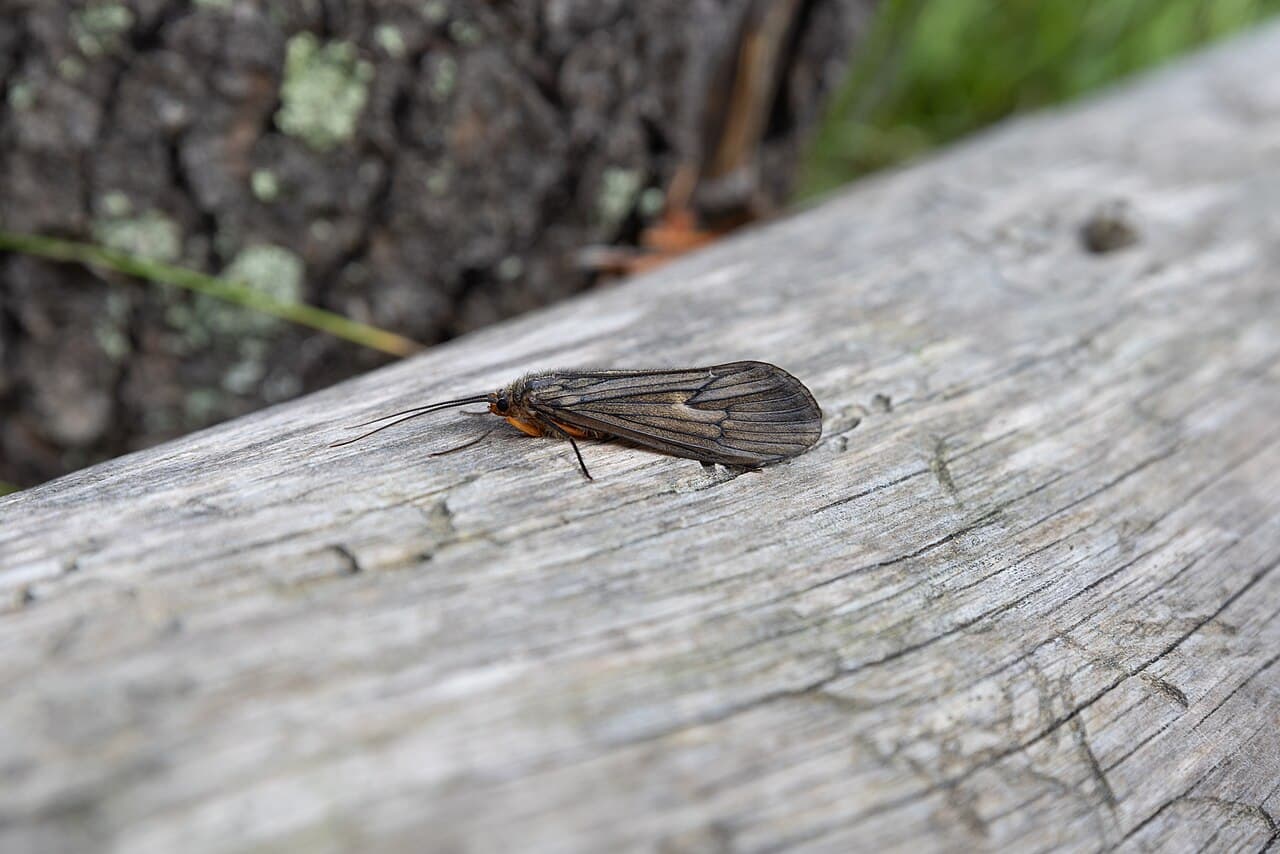 Real fly photo
Pattern family · Often large caddis sizes; verify locally
October Caddis Patterns
A large fall-caddis family separating larva, pupa, wet or emerger, and adult dry forms.Open guide ↗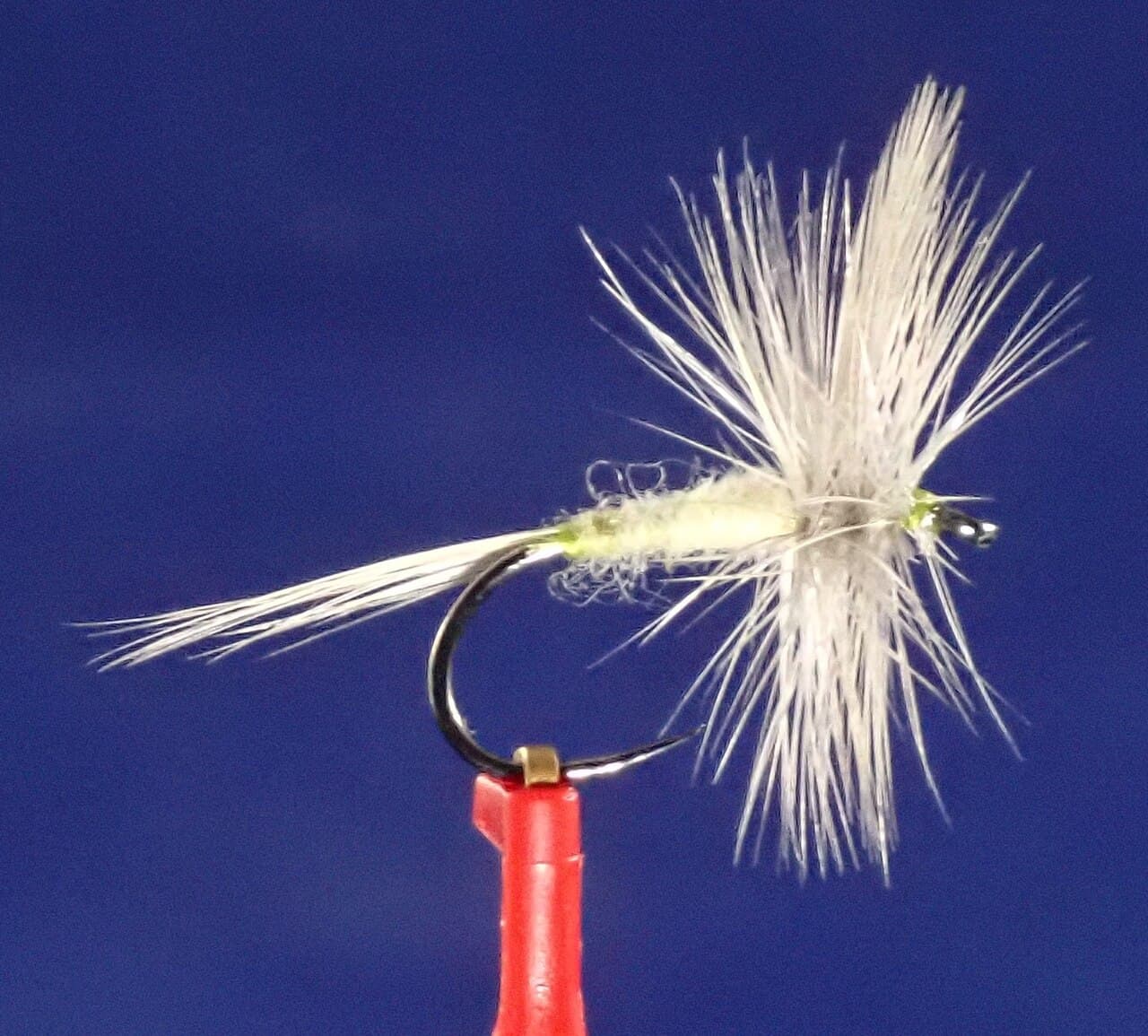 Real fly photo
Pattern family · Often #14–20; verify locally
Pale Morning Dun Patterns
A stage-based PMD family spanning nymphs, emergers, duns, cripples, soft hackles, and spinners.Open guide ↗ Real fly photo
Pattern family · No universal hook size; measure or use a current local source because the photographs provide no scale and the family label can refer to several stages
Quill Gordon Patterns
An early eastern mayfly guide that uses three exact Epeorus pleuralis natural references to separate aquatic anatomy from wet, emerger, dry, and spinner fly choices.Open guide ↗ Real fly photo
Pattern family · Large stonefly sizes; verify the river
Salmonfly Patterns
A very large stonefly family separating crawling nymphs from substantial adult dry patterns.Open guide ↗ Real fly photo
Pattern family · Adult patterns often #8–10; verify locally
Skwala Stonefly Patterns
An early-season stonefly family with separate bottom nymph and low-riding olive adult patterns.Open guide ↗ Real fly photo
Other · 2XL streamer hooks #4, #6, or #8 in the reviewed BSA tying guide, match head size, hook gap, quarry, cover, and casting tackle
Sneaky Pete Slider
A tapered-head bass slider that glides, wakes, and pulses with less blunt surface noise than a cupped-face popper.Open guide ↗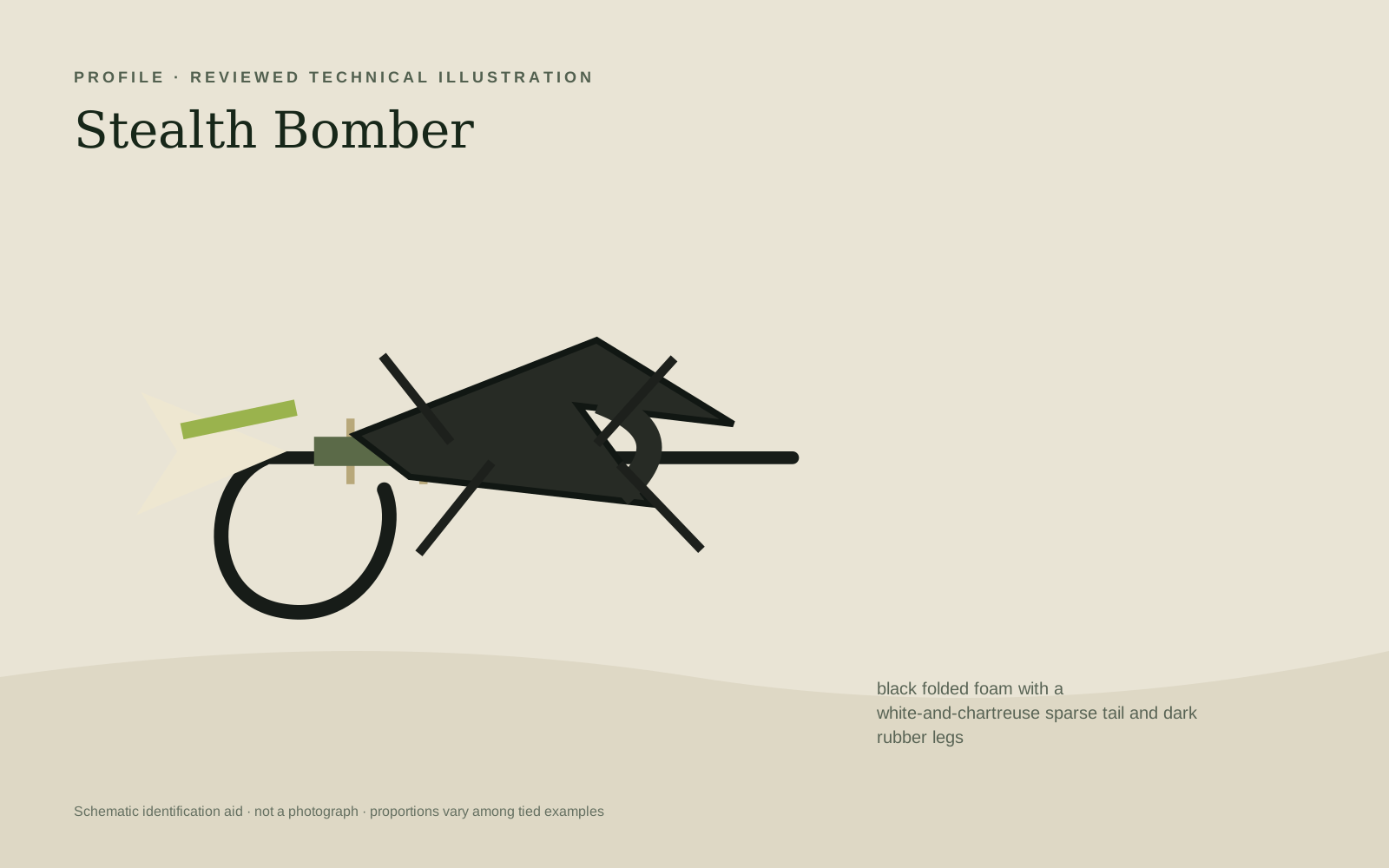 Illustrated view
Other · FFI documents sizes #10 through #2 depending on target
Stealth Bomber
Kent Edmonds's folded-sheet-foam diver and slider for bass, bream, and other warmwater fish.Open guide ↗Real fly photoPattern family · Varies widely by species and river
Stonefly Patterns by Stage
A stage-first guide separating bottom-oriented nymphs from emerging and adult stonefly patterns.Open guide ↗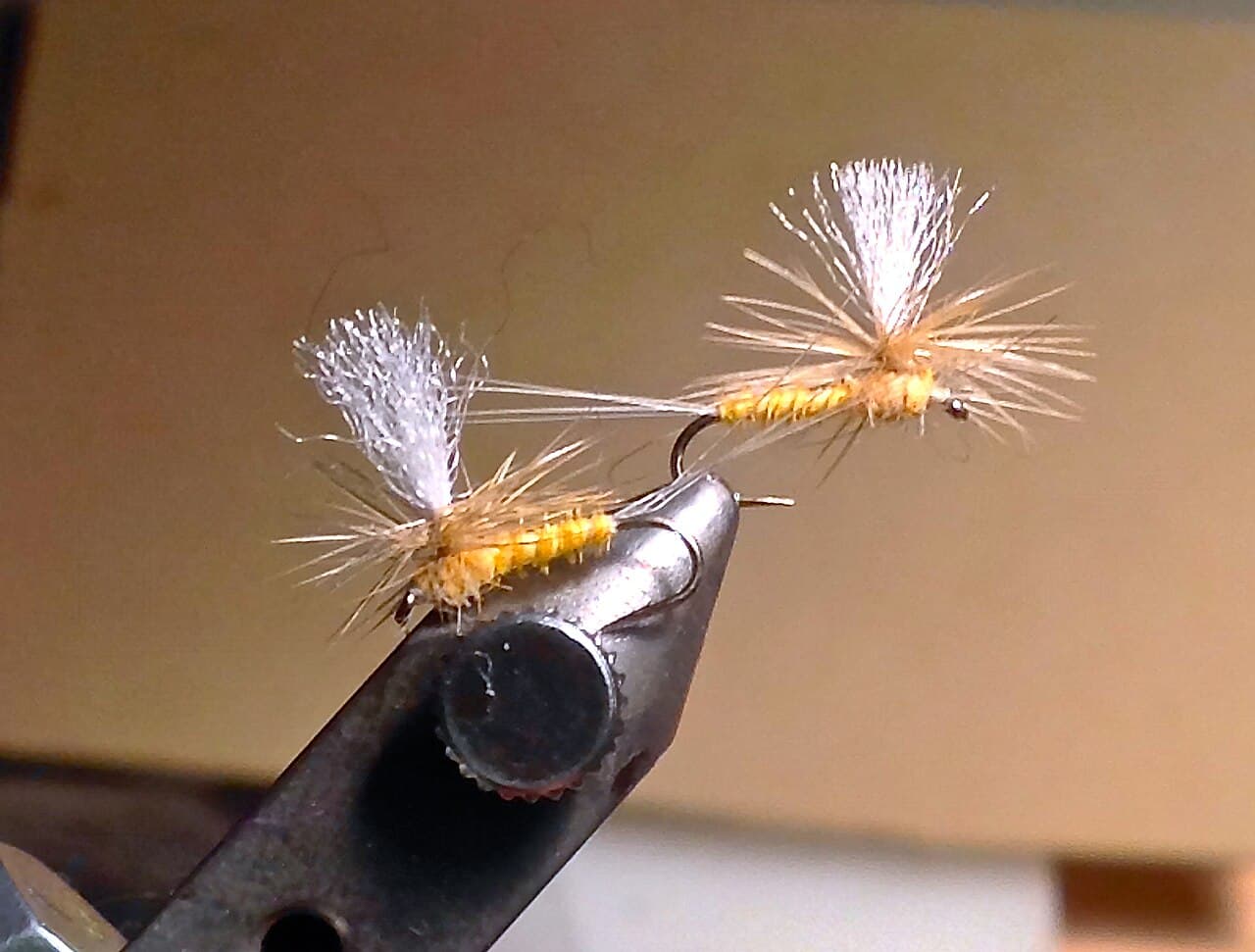 Real fly photo
Pattern family · Often #14–18; verify locally
Sulphur Mayfly Patterns
A pale-mayfly stage family for Sulphur nymphs, emergers, duns, cripples, soft hackles, and spinners.Open guide ↗ Real fly photo
Pattern family · Often #20–24
Trico Patterns
A tiny-mayfly family covering Trico nymphs, emergers, duns, clusters, and spent spinners.Open guide ↗ Real fly photo
Pattern family · Small panfish bugs through large bass flies; match quarry, tackle, casting safety, cover, and the exact head
Warmwater Slider and Diver Patterns
A practical surface-action guide for choosing a quiet gliding slider or a strip-to-dive bug by prey shape, head action, cover, and fish response—not by color alone.Open guide ↗Real fly photoPattern family · Small panfish bugs through large bass flies
Warmwater Surface Bug Patterns
A construction-and-silhouette family for foam, deer-hair, frog, and other warmwater surface bugs without an exact pattern name.Open guide ↗ Real fly photo
Pattern family · Varies by pattern and regulation
Worm Patterns
A regulation-aware decision guide separating fine aquatic worms, aquatic blackworms, terrestrial earthworms, and the many artificial patterns that may suggest them.Open guide ↗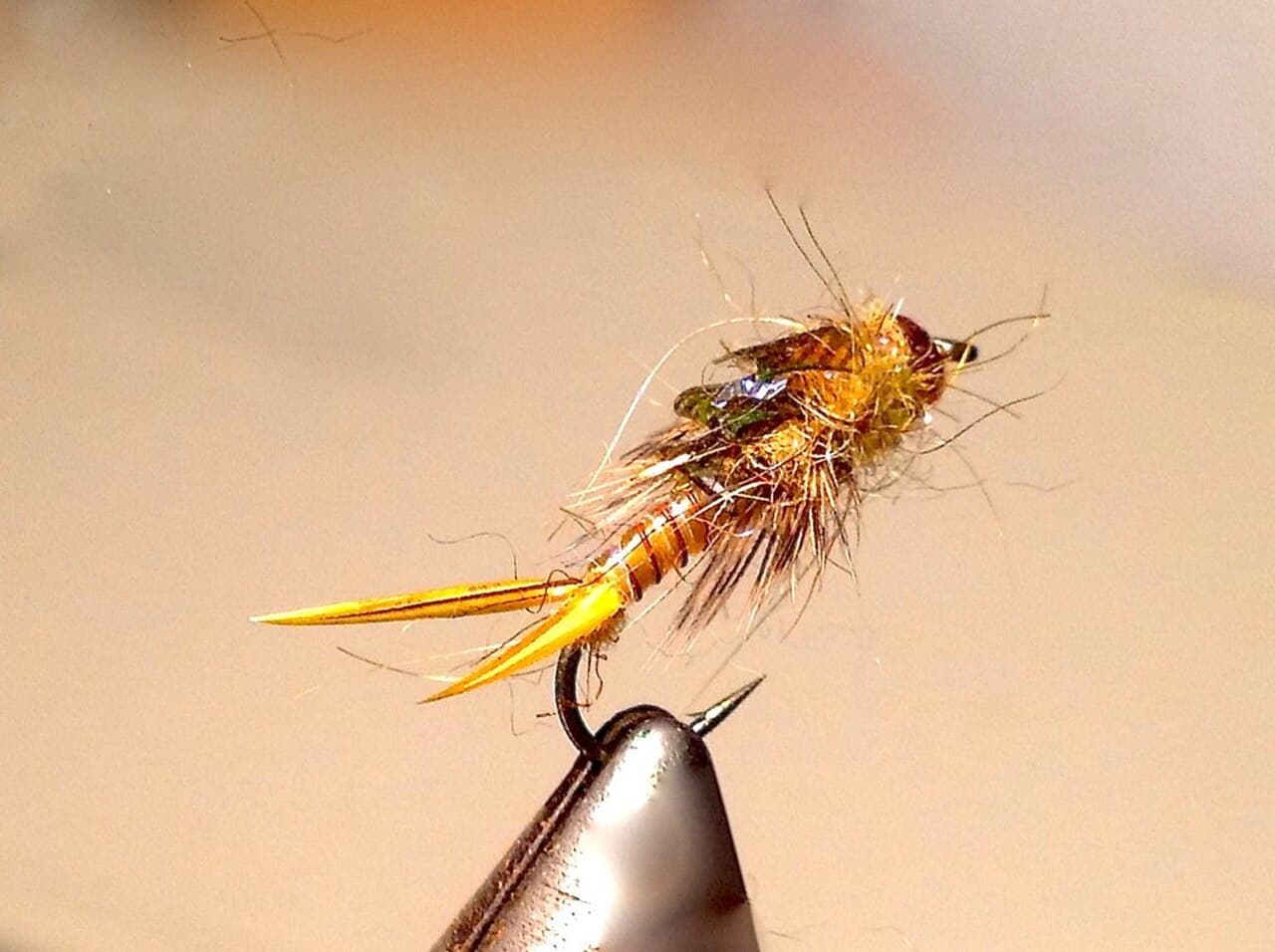 Real fly photo
Pattern family · Often small stonefly sizes; verify locally
Yellow Sally Patterns
A small-stonefly family separating dark or mottled nymphs from yellow-toned adult dry patterns.Open guide ↗Need a specific name?