Technical stage comparison for Light Cahill Patterns with three labeled representative formsReviewed representative comparison
← Fly Box

Pattern family · guide 51

Light Cahill Patterns

A pale eastern mayfly family for Light Cahill nymphs, emergers, traditional or parachute dries, and spinners.

Size range
Often #12–18
Colors reviewed
cream, pale yellow, white or cream hackle
Imitates
pale mayfly nymph, Light Cahill emerger, pale mayfly dun or spinner
How to recognize it

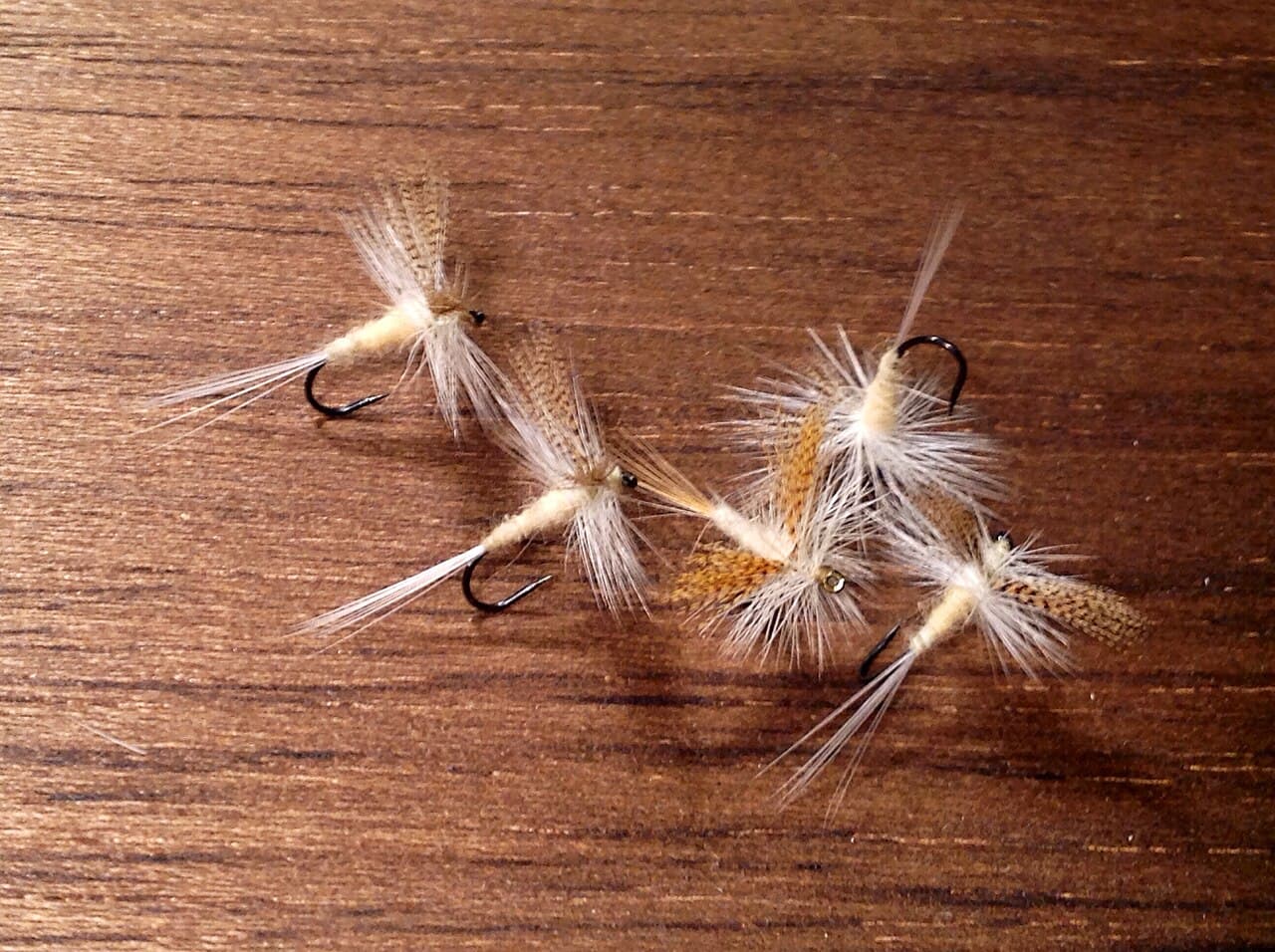
Light Cahill may refer to a hatch group or several different pale fly constructions. Traditional hackled dries, parachutes, Klinkhamer-style emergers, cripples, and spinners must remain labeled by form.

Technical stage comparison for Light Cahill Patterns with three labeled representative forms
Technical illustration

Light Cahill Patterns stage map

A family-level comparison of Light Cahill nymph, Klinkhamer or emerger, Dry or spinner; no single drawing represents the whole family.

View
stage comparison map
Color shown
cream, pale yellow, and white
Look for
pale nymph; hanging-body emerger; traditional or parachute dry; spinner
Open full-size image

On the water

Narrow the family.

The river, depth, insects, and fish behavior still decide the final presentation. These are reviewed starting points—not a claim about what is happening today.

01

When to use it

  • During established pale-mayfly activity in spring or early summer.
  • When stage and size agree with the feeding behavior.
02

How to fish it

  • Use subsurface or hanging-body forms before the fish commit to duns; dead-drift dries or spinners at the surface.
03

Mistakes to avoid

  • Using one parachute image for all Light Cahill wording.
  • Treating a pale color alone as proof of the hatch.

Variant control

Small changes matter.

This stage comparison keeps materially different forms labeled. It is a family guide, not a claim that one fly represents every stage or local species.

Representative stage forms

Light Cahill may refer to a hatch group or several different pale fly constructions. Traditional hackled dries, parachutes, Klinkhamer-style emergers, cripples, and spinners must remain labeled by form.
Colors shown
cream, pale yellow, white or cream hackle
Weighting
Weight and buoyancy depend on the life stage and exact named pattern.

Related patterns

Mayfly Patterns by StageSparkle DunRusty Spinner

Review trail

Sources, rights, and limits.

Pattern facts were reviewed on 2026-07-12. Every image has its own rights record; photographed hand-tied flies may still vary slightly in proportion.

Pattern sources

Orvis NewsHow to Tie a Light Cahill KlinkhamerOrvis NewsPhil's Top 6 Patterns for Spring Mayfly Hatches

Image credits

BlueStreamFly-owned original technical illustration© 2026 BlueStreamFly · Mountain Brook Run LLC