Menu
Fly Box · 12 guides
Terrestrial fly patterns.
Ant, beetle, hopper, and other land-insect patterns for warm-season fishing. Open a guide to identify the fly, see photos and variations, and learn when and how to fish it.
Choose a fly
Compare photos and patterns.
We show a real photo when its identity and usage rights are clear. If only an illustration is available, we label it plainly.
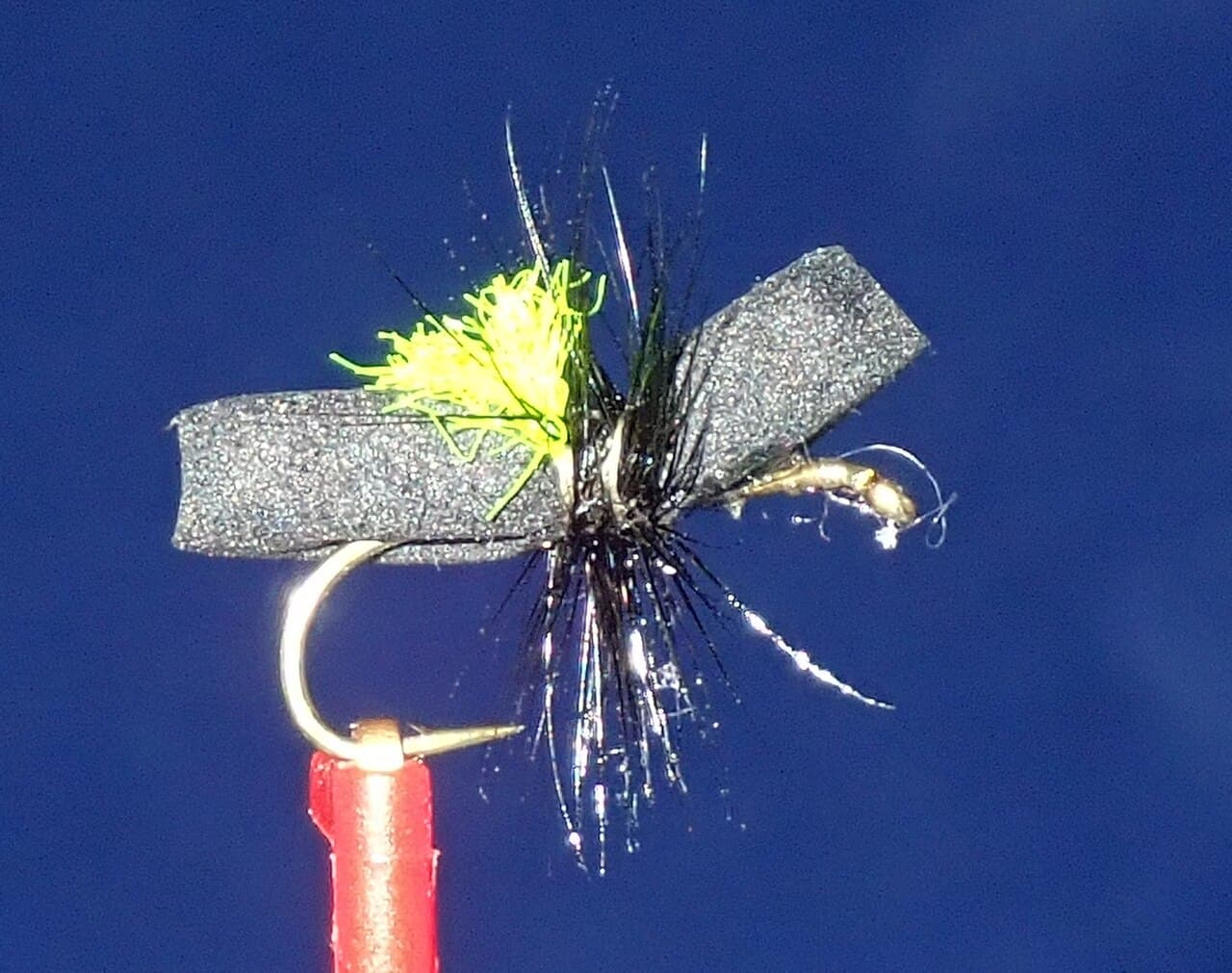 Real fly photo
Pattern family · #12–20
Ant Patterns
Dry and sunken terrestrial patterns unified by an ant's pinched waist and two-lobed body.Open guide ↗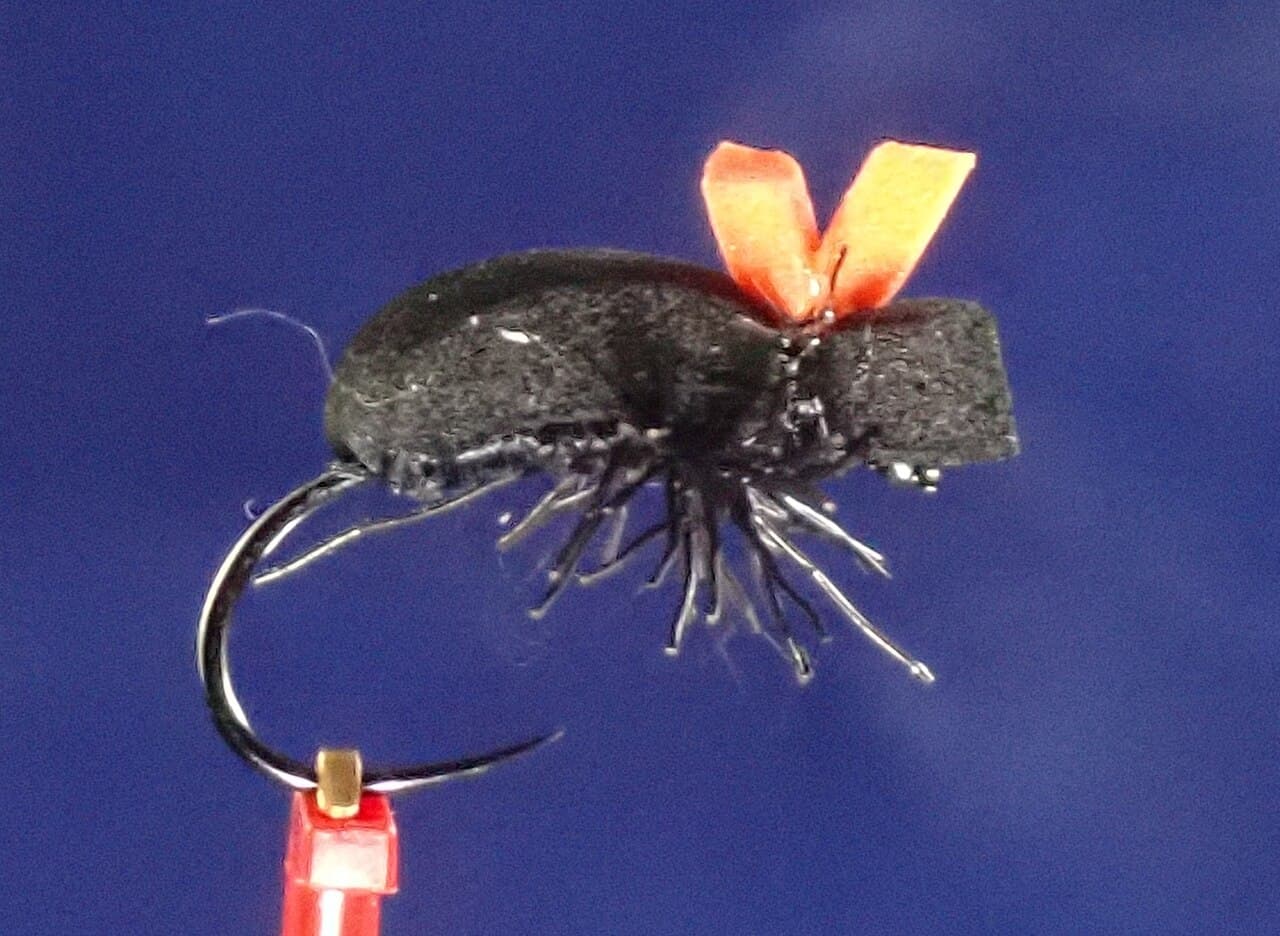 Real fly photo
Pattern family · #10–18
Beetle Patterns
Low-profile terrestrial patterns built to suggest a rounded beetle shell and short legs.Open guide ↗ Real fly photo
Terrestrial · #6–16 in Umpqua's production range, Orvis tying example: #8 on a 3X-long nymph hook
Chubby Chernobyl
A high-floating foam-and-synthetic-yarn attractor with rubber legs, built to remain visible in broken water and suspend a proportionate dropper.Open guide ↗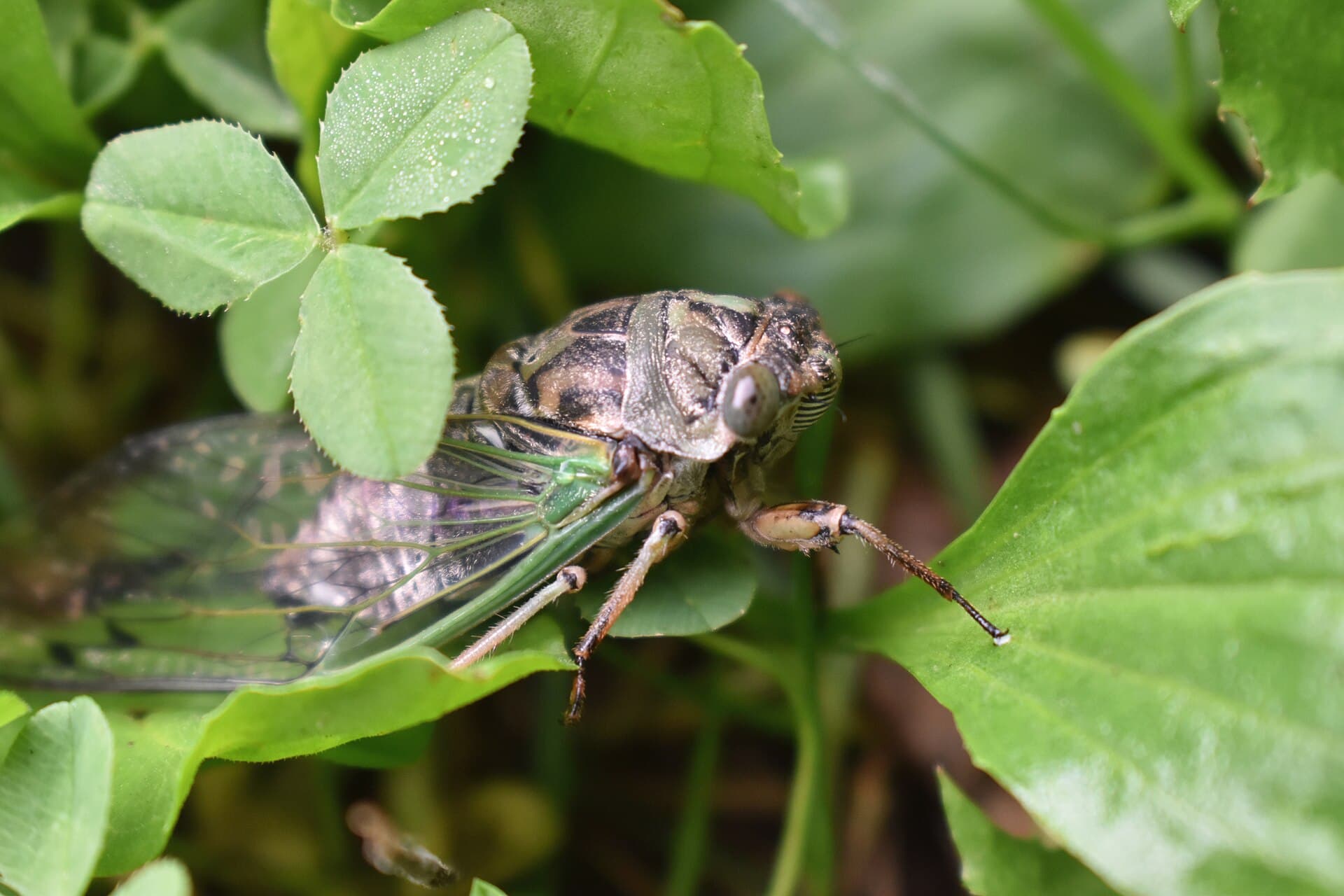 Real fly photo
Pattern family · Large terrestrials; match the local cicada
Cicada Patterns
Large buoyant terrestrial patterns matched to locally present cicadas rather than one universal recipe.Open guide ↗ Real fly photo
Pattern family · University of Minnesota Extension gives a 1/2–3/4 inch body range for field crickets; match the local individual rather than adding antennae or legs to the measured body length
Cricket Patterns
A practical terrestrial guide using one North American field-cricket species to separate adult female, adult male, and wingless nymph silhouettes before choosing an honest floating artificial.Open guide ↗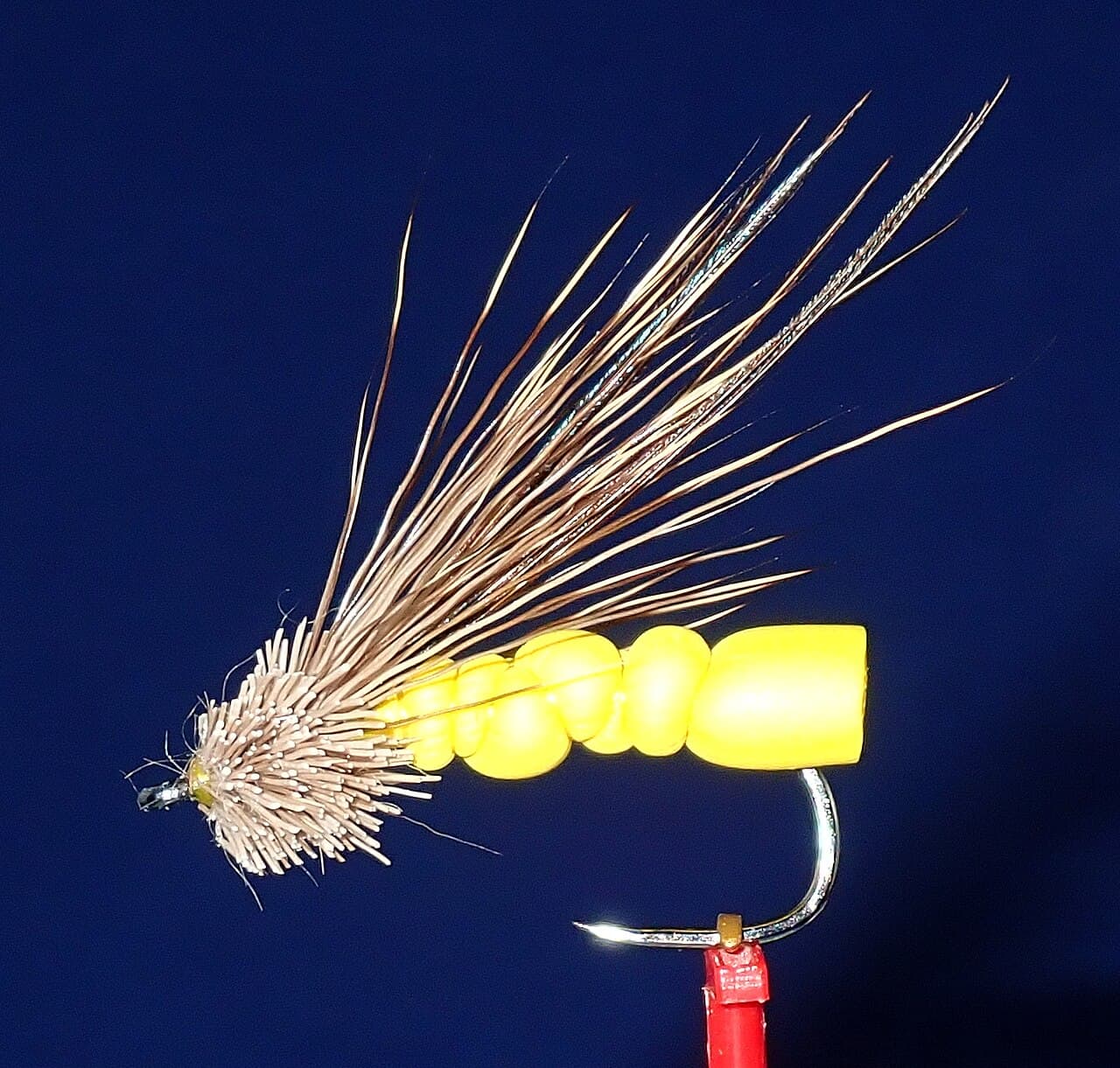 Real fly photo
Pattern family · Small to large; match the report and dropper load
Foam Attractor Dry Patterns
A cross-insect family of buoyant foam dries built for visibility, flotation, and a suggestive terrestrial profile.Open guide ↗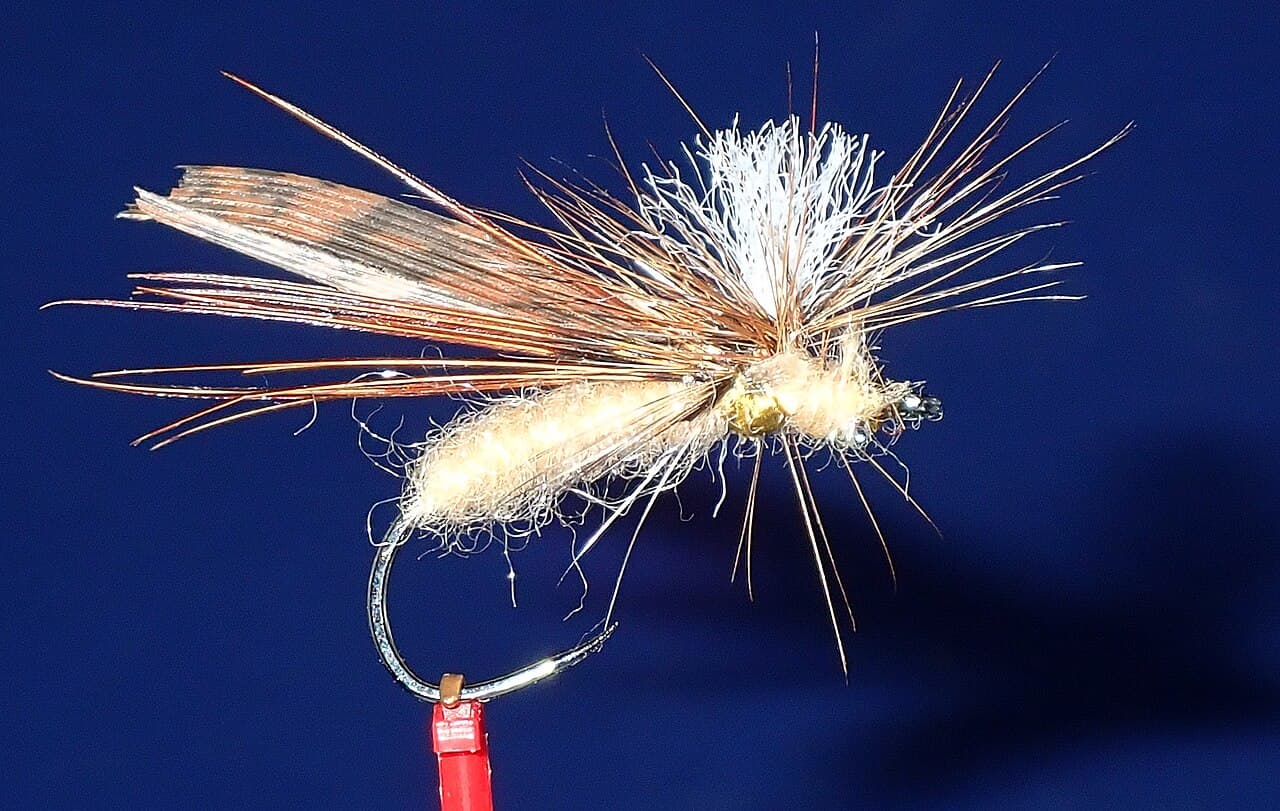 Real fly photo
Pattern family · #6–14
Grasshopper Patterns
A family of foam, hair, and low-riding dry flies used to imitate grasshoppers and other large terrestrials.Open guide ↗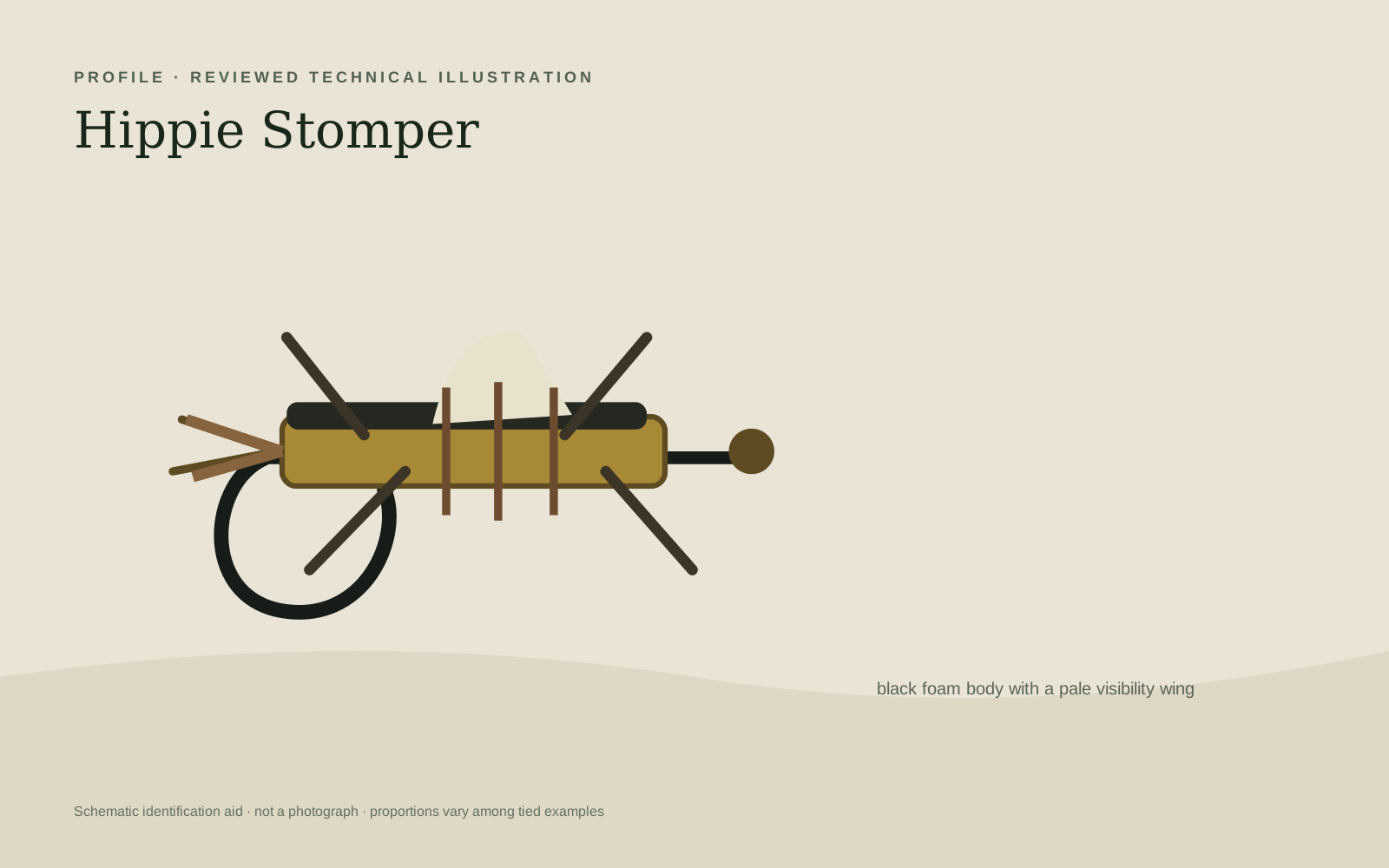 Illustrated view
Terrestrial · Multiple small-to-medium sizes; match the river report
Hippie Stomper
Andrew Grillos's compact foam attractor with a visible wing, hackle, hair tail, and rubber legs.Open guide ↗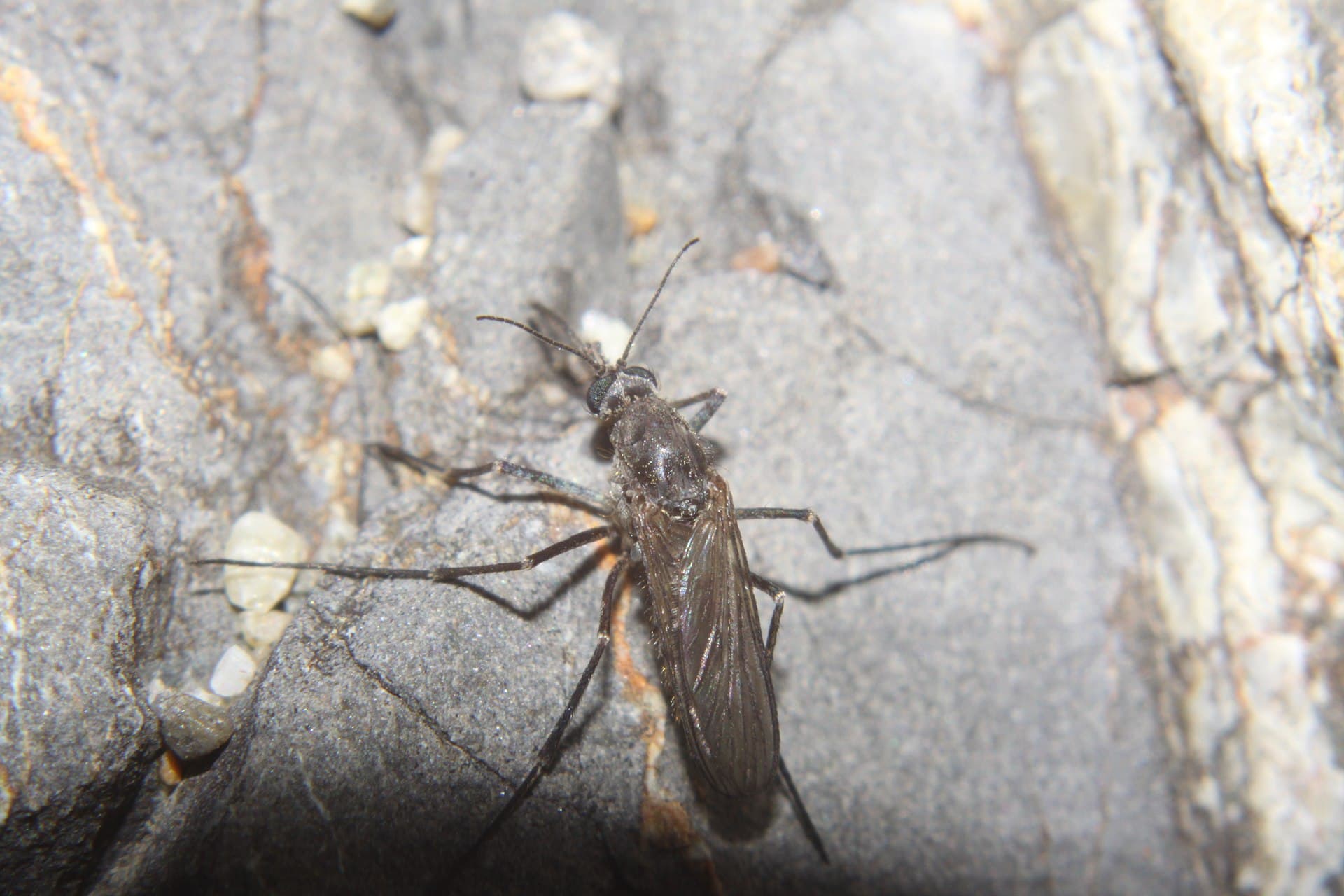 Real fly photo
Pattern family · Small dry-fly sizes; verify locally
Mosquito Patterns
A life-stage guide separating the delicate winged adult from aquatic mosquito larvae and comma-shaped pupae before choosing a fly or waterline.Open guide ↗ Real fly photo
Pattern family · Large surface flies relative to ordinary trout dries; match the exact pattern, quarry, tackle, and local evidence, Do not infer hook size from the natural photographs
Mouse Patterns
A surface-presentation guide that separates small-mammal body proportion, fly construction, and the wake a mouse pattern must create.Open guide ↗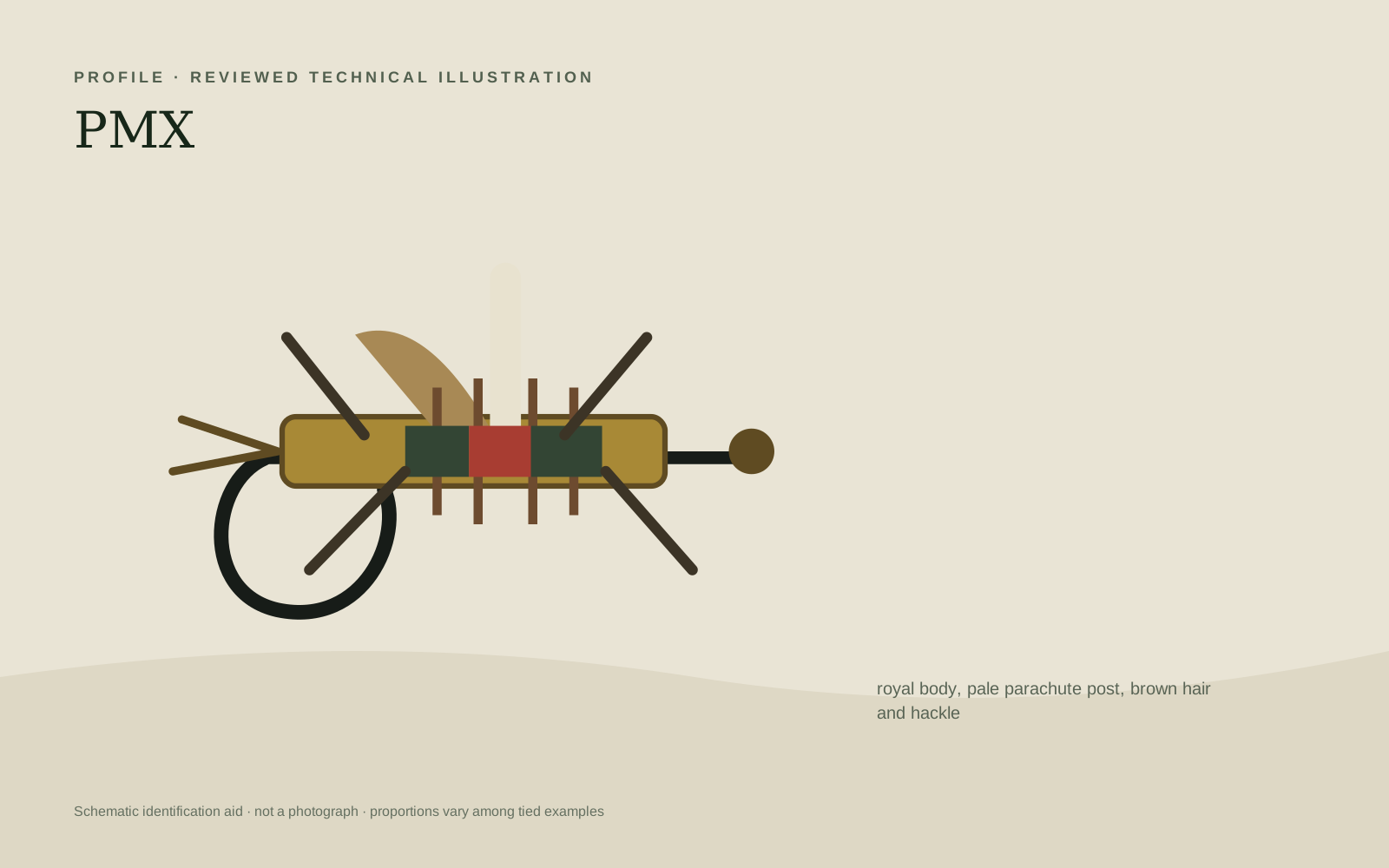 Illustrated view
Terrestrial · #8–14
PMX
A low-riding, highly visible all-purpose attractor with a parachute post, hair, hackle, and rubber legs.Open guide ↗Real fly photoPattern family · Tiny ants through very large cicadas
Terrestrial Patterns
A field guide separating ant, beetle, hopper, cricket, cicada, and general attractor silhouettes.Open guide ↗Need a specific name?