Menu
Fly Box · 7 guides
Egg Flesh fly patterns.
Egg and flesh families used where spawning or carcass food is seasonally relevant. Open a guide to identify the fly, see photos and variations, and learn when and how to fish it.
Choose a fly
Compare photos and patterns.
We show a real photo when its identity and usage rights are clear. If only an illustration is available, we label it plainly.
 Real fly photo
Pattern family · No universal size; match the target species, legal hook rules, tackle, and local forage
Egg Fly Patterns
A family separating tied yarn, chenille, veiled, clustered, and other hook-mounted egg imitations from loose beads and bait.Open guide ↗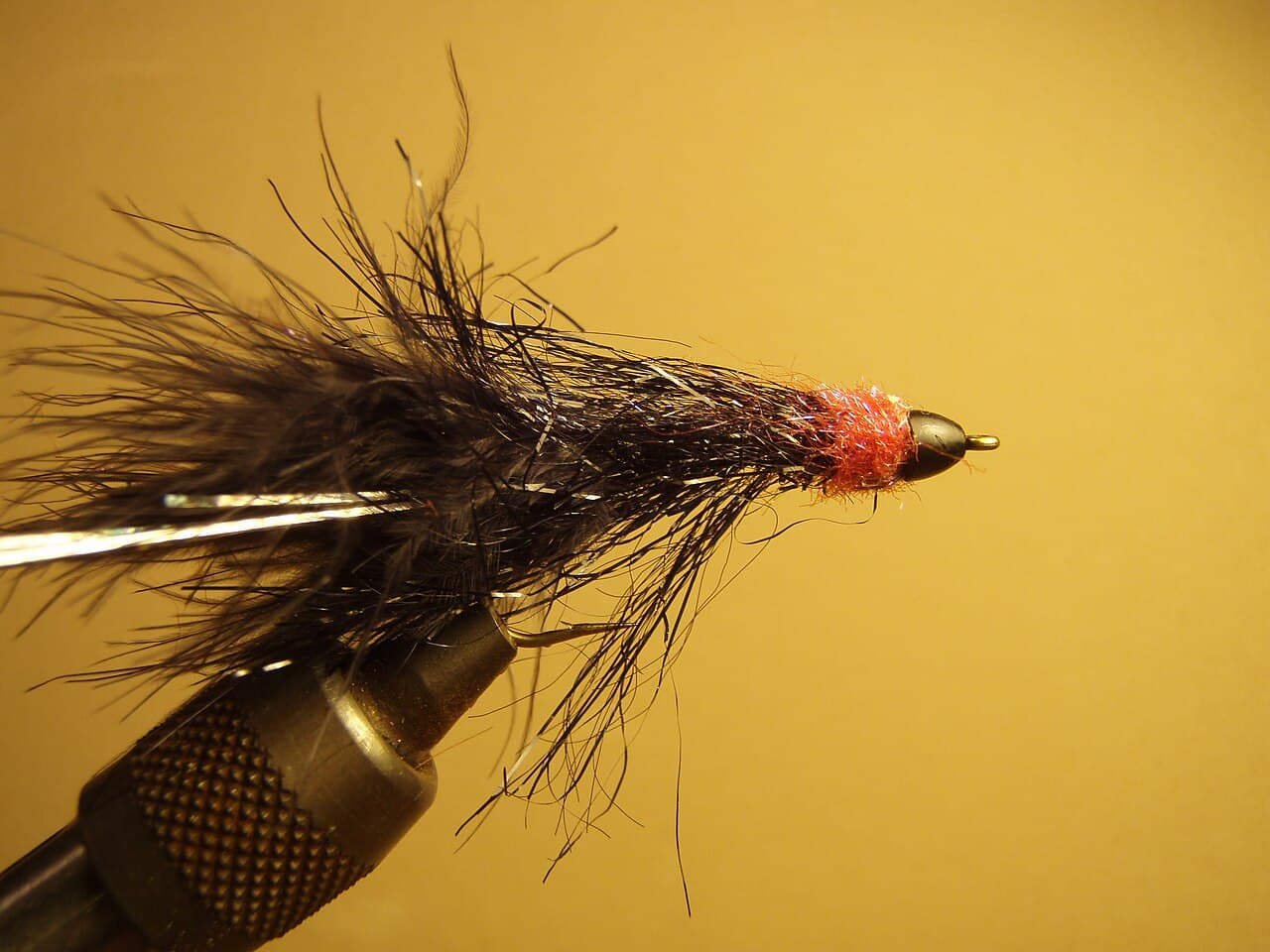 Real fly photo
Egg Flesh · #6–12 in the reviewed Orvis single-hook bead recipe, Tube and salmon or steelhead forms vary; match tackle and regulations
Egg-Sucking Leech
A mobile leech or streamer body combined with a distinct contrasting egg-like front trigger, with bead, cone, tube, rabbit-strip, articulated, and Woolly-Bugger-based forms kept explicitly labeled.Open guide ↗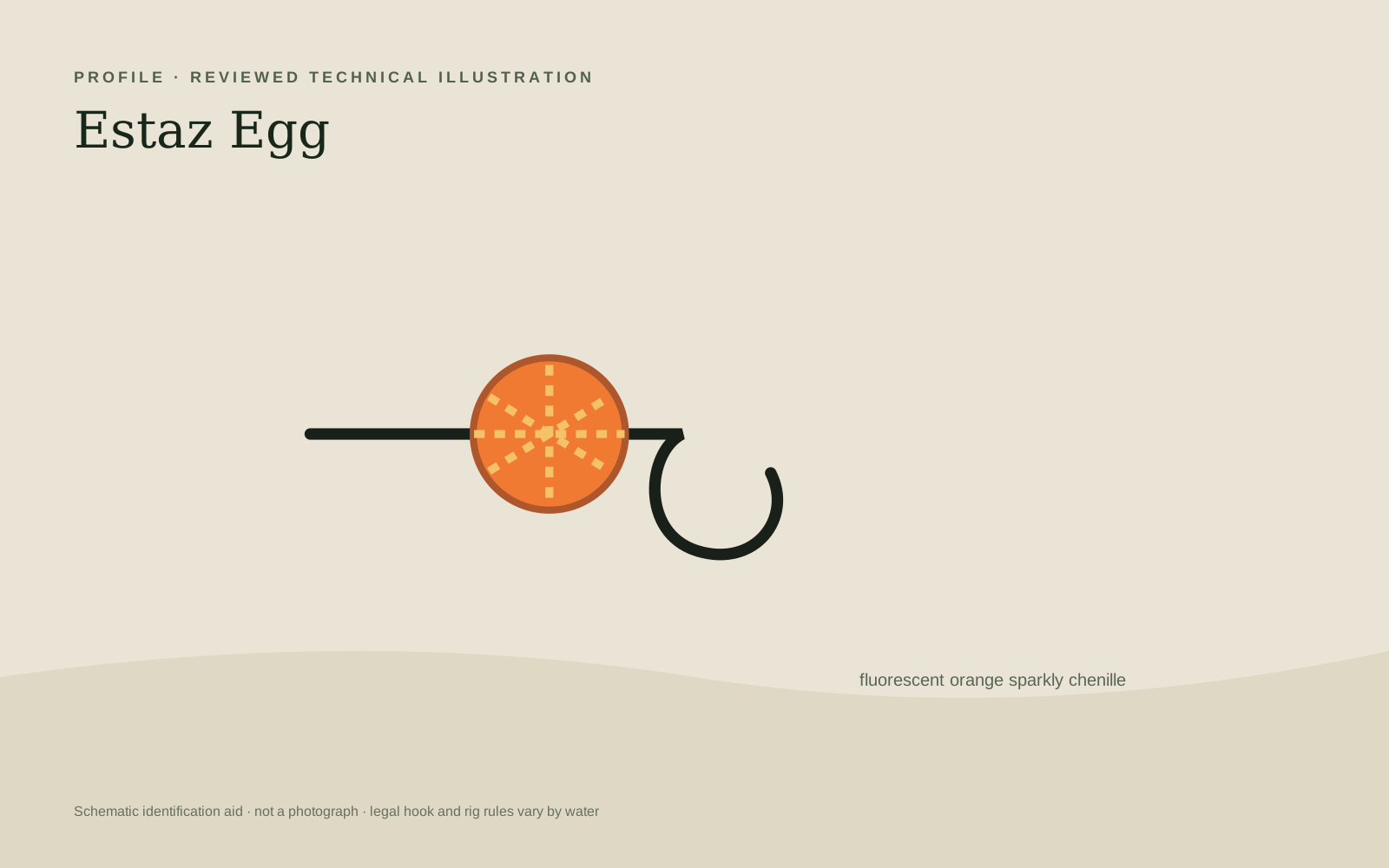 Illustrated view
Egg Flesh · No universal size; match the target species, legal hook rules, tackle, and local forage
Estaz Egg
A bright egg-style fly built from dense sparkly Estaz or similar chenille around the hook.Open guide ↗ Real fly photo
Pattern family · No universal size; match the observed tissue fragments, exact tied form, target fish, hook system, tackle, and regulations
Flesh Fly Patterns
A natural-food family for flies that suggest salmon-flesh fragments carried downstream after spawning, with compact, articulated, washed-out, fresh-color, and egg-and-flesh forms kept distinct.Open guide ↗ Real fly photo
Egg Flesh · Mustad C67S #12 in the reviewed Orvis recipe, match hook, yarn quantity, target fish, and current regulations rather than assuming one universal size
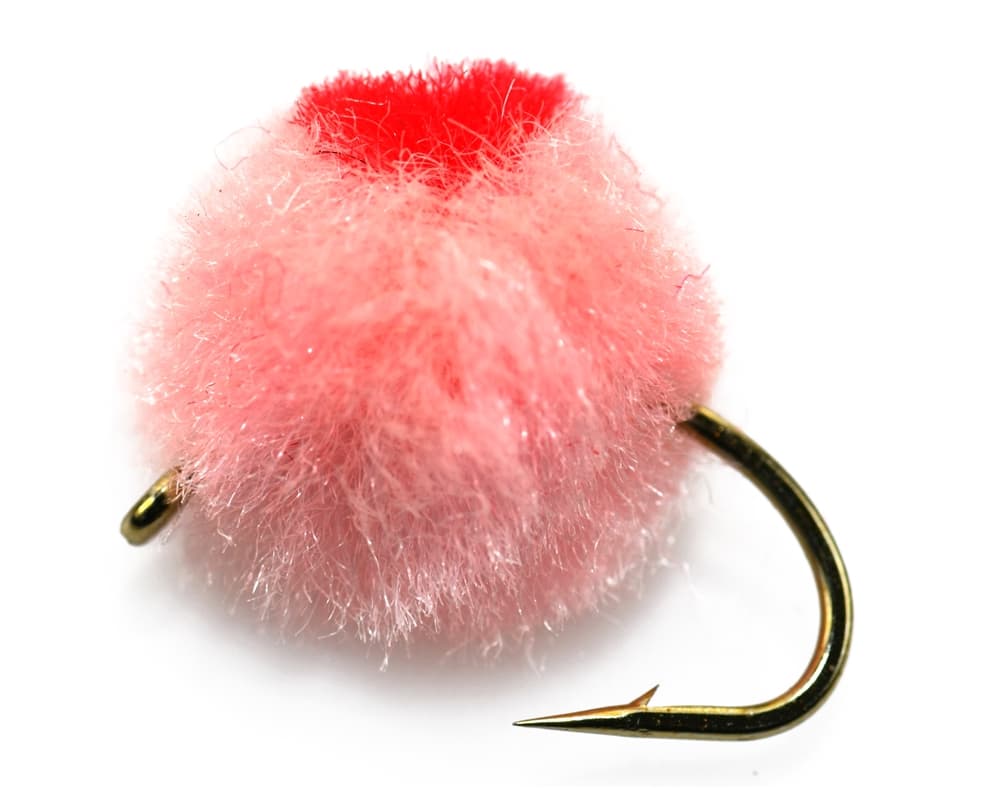
Glo Bug
A sparse clipped-yarn egg fly whose round body and optional contrasting center dot create a compact single-egg profile around a visible hook.Open guide ↗ Real fly photo
Pattern family · NOAA's Atlantic salmon presence table gives a 2–3 cm alevin range; other salmon species and development points vary, so verify the local species and never convert a photograph directly into one hook size
Salmon Alevin Patterns
A lifecycle-first alevin guide showing the tiny translucent fish and attached yolk sac clearly enough to separate it from an egg fly, free-feeding fry, parr, smolt, or generic orange-bead streamer.Open guide ↗ Real fly photo
Egg Flesh · #12–14 in the reviewed Orvis trout recipe, Hook and finished cluster size must fit the target fish, local rules, and observed food
Sucker Spawn
A looped-yarn egg-cluster pattern whose connected bulges create a longer, irregular food profile than a single round egg fly.Open guide ↗Need a specific name?