Menu
Fly Box · 30 guides
Nymph fly patterns.
Subsurface patterns for immature aquatic insects and dependable searching rigs. Open a guide to identify the fly, see photos and variations, and learn when and how to fish it.
Choose a fly
Compare photos and patterns.
We show a real photo when its identity and usage rights are clear. If only an illustration is available, we label it plainly.
 Illustrated view
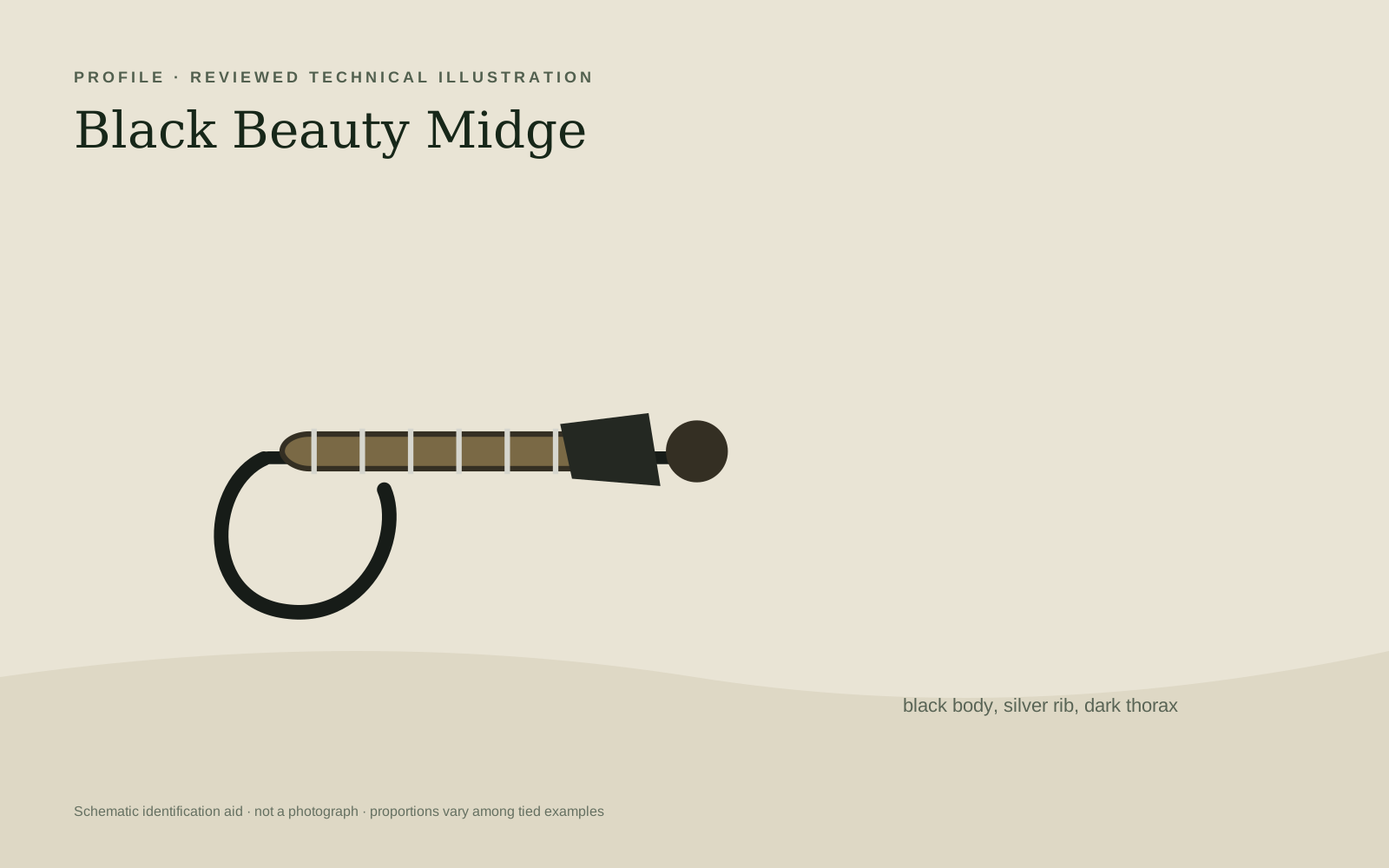
Nymph · #18–24
Black Beauty Midge
Pat Dorsey's sparse black midge-larva or pupa imitation with a fine rib and compact thorax.Open guide ↗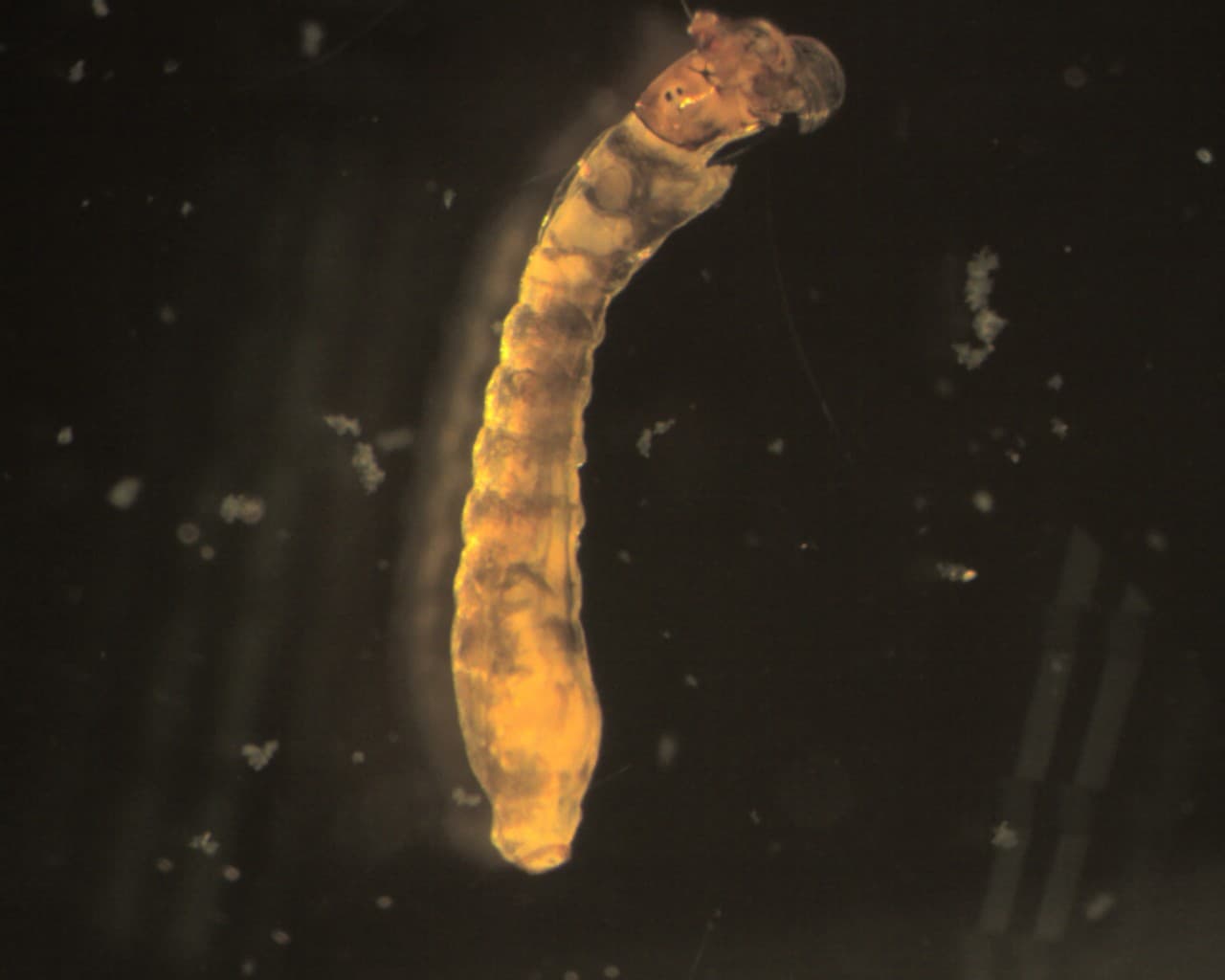 Real fly photo
Pattern family · Utah State University Extension gives a natural-larva range of roughly 3–12 mm; match a sample or trusted report before converting millimeters to a hook
Black Fly Larva Patterns
A flowing-water larva guide separating the club-shaped Simuliidae body, attached colony behavior, and compact cocooned pupa so a tiny dark recommendation does not collapse into a midge or generic thread fly.Open guide ↗ Real fly photo
Pattern family · Species and instar vary; sample or use a trusted local report before choosing hook size
Caddis Larva Patterns
A bottom-stage guide separating exposed net-spinning larvae from portable-case builders without calling every green caddis larva a free-living rockworm.Open guide ↗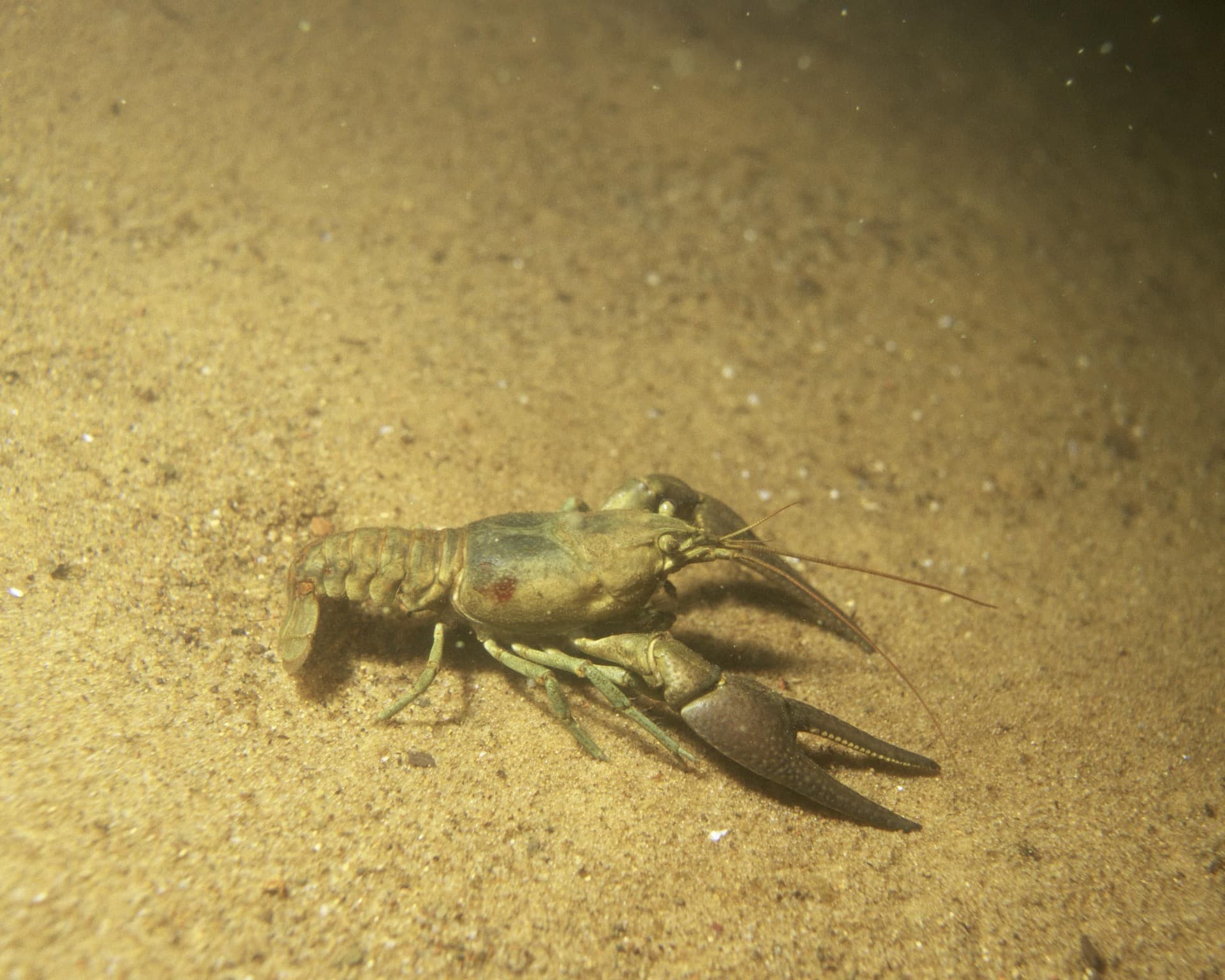 Real fly photo
Pattern family · Common examples span roughly #4–12, but fly mass, prey scale, water depth, leader, and fish behavior matter more than the family label
Carp Fly Patterns
A sight-fishing decision guide for choosing a carp fly by the fish's feeding lane, prey shape, landing softness, sink rate, and hook orientation instead of one universal pattern.Open guide ↗ Real fly photo
Nymph · #10–20 in the reviewed Orvis tying recipe, #12–22 in Umpqua's current John Barr range
Copper John
John Barr's dense attractor nymph, built around a bead, splayed biot tails, wire abdomen, peacock-style thorax, flash-backed dark wing case, and soft legs.Open guide ↗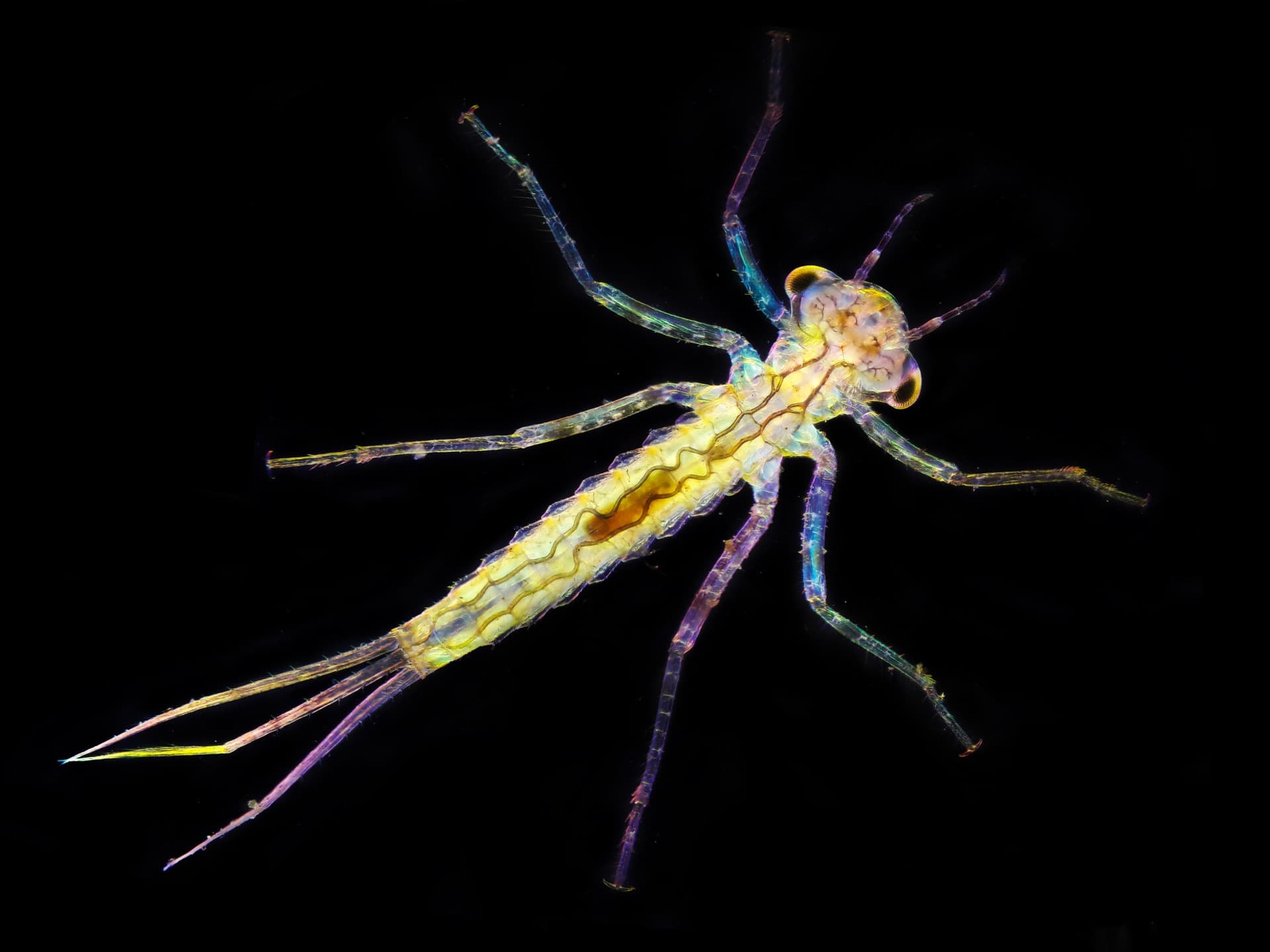 Real fly photo
Pattern family · Match local nymphs; a #10 tying example is documented
Damselfly Nymph Patterns
A slender stillwater-and-slow-water nymph family with a narrow body and three leaf-like tail gills.Open guide ↗ Real fly photo
Pattern family · Mature size varies widely by family and instar; match a local sample or trusted current report instead of one family-wide hook size
Dragonfly Nymph Patterns
A natural-body-plan guide separating streamlined swimming darners from broader crawling and burrowing dragonfly nymphs without collapsing all Odonata into one weighted olive fly.Open guide ↗ Real fly photo
Nymph · Reviewed Orvis standard: #14 on a standard nymph hook, Other competition and jig forms vary; match the measured natural, water depth, hook rules, and tackle
Frenchie Nymph
A slim competition-style Pheasant Tail derivative that replaces the traditional PT thorax and legs with a bright dubbed thorax or collar, a Coq de Leon tail, durable wire rib, and fast-sinking bead.Open guide ↗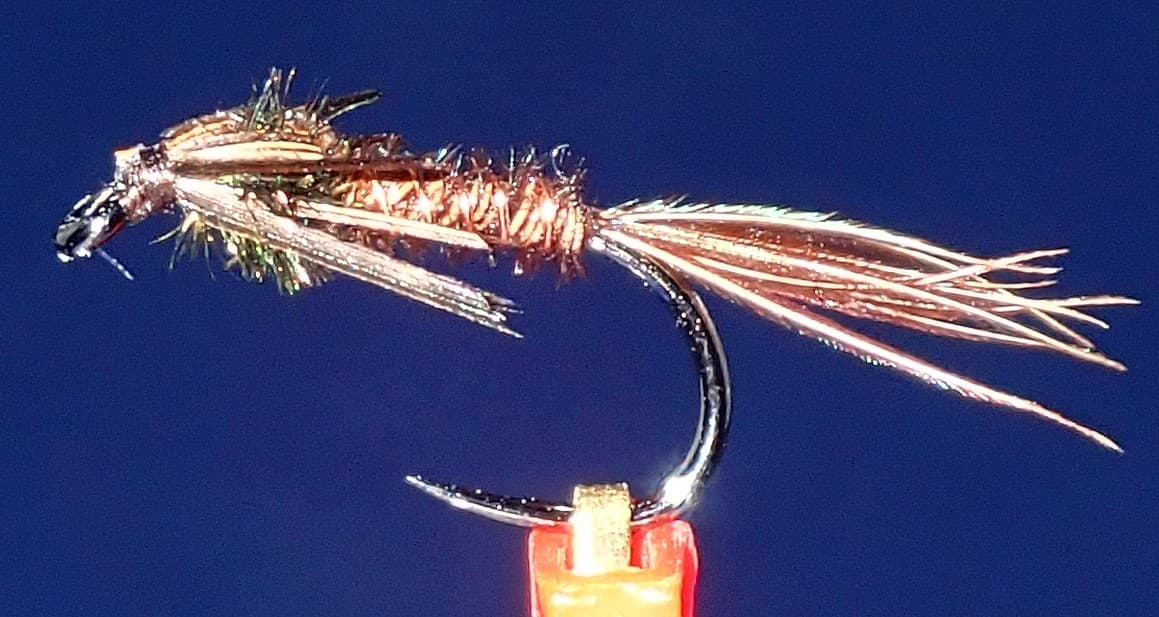 Real fly photo
Pattern family · No universal size; match the local food form and water
General Nymph Patterns
A deliberately broad family for source rows that identify only a nymph's size, weight, or general profile—not its insect or recipe.Open guide ↗ Real fly photo
Nymph · Orvis: #12–20; FFI unweighted example: #10. Match local insects and water
Gold-Ribbed Hare's Ear Nymph
A source-reviewed guide to the Gold-Ribbed Hare's Ear: a rough, generalist nymph whose hare dubbing, metallic rib, tail, thorax, and wing case can suggest several immature aquatic insects without copying one species exactly.Open guide ↗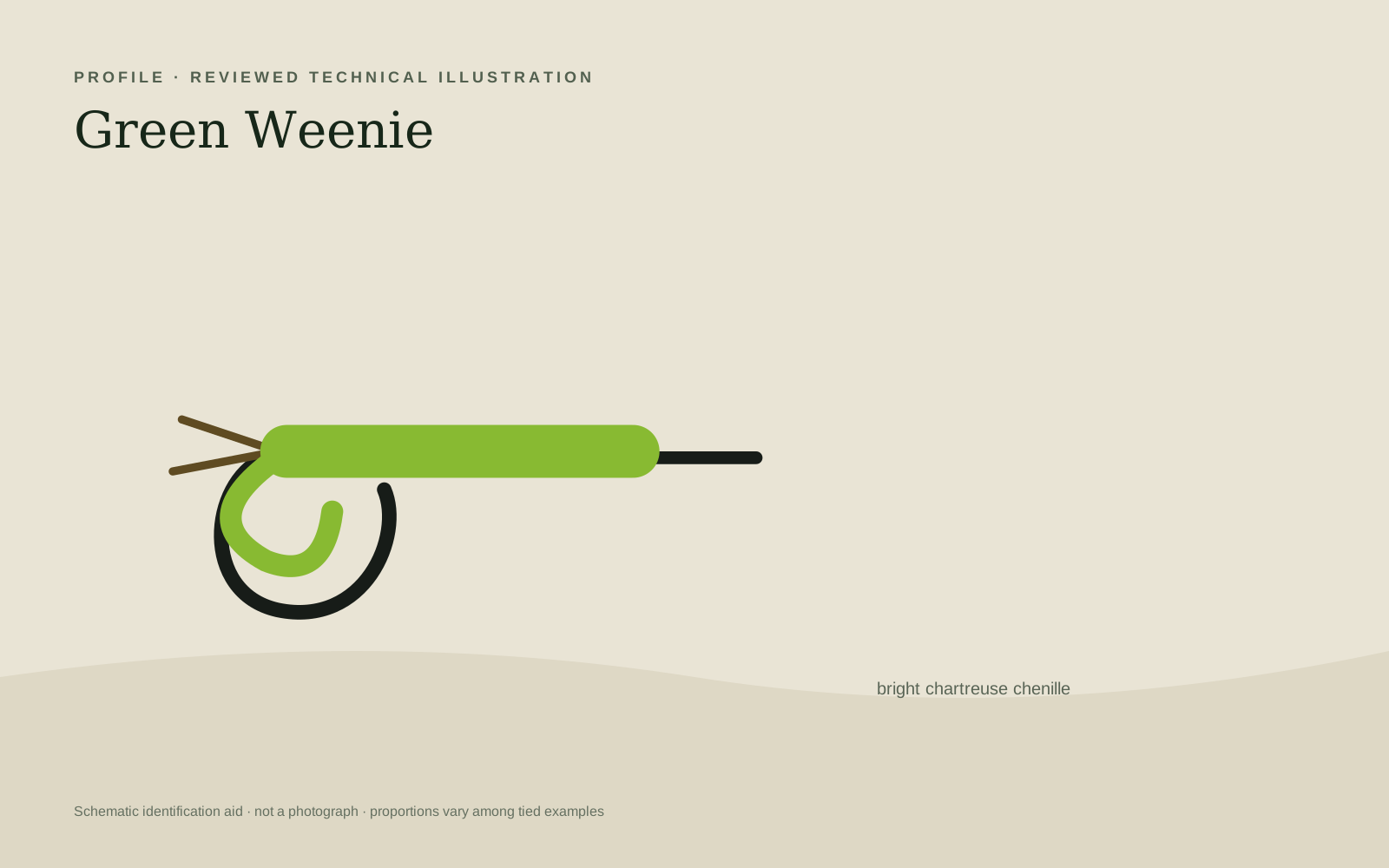 Illustrated view
Nymph · #10–12
Green Weenie
A bright chartreuse chenille pattern with a short looped tail, associated with Pennsylvania trout fishing.Open guide ↗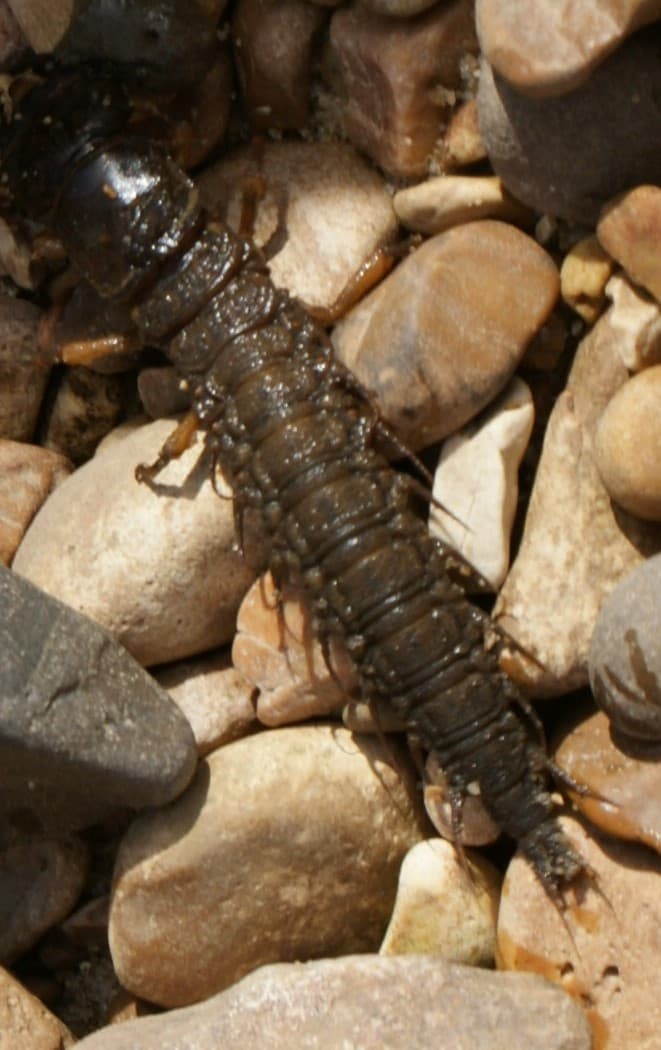 Real fly photo
Pattern family · Large nymph sizes; match local larvae and tackle
Hellgrammite Patterns
A large aquatic-larva family with an elongated segmented body, lateral filaments, six thoracic legs, and paired terminal hooks.Open guide ↗ Real fly photo
Pattern family · No universal size; match the exact jig hook, compatible bead, body length, target, tackle, and current
Jig Fly Patterns
A hook-and-weighting family in which an angled jig hook—and commonly a compatible slotted bead—supports compact nymphs, bottom bugs, and mobile streamers without turning those different bodies into one pattern.Open guide ↗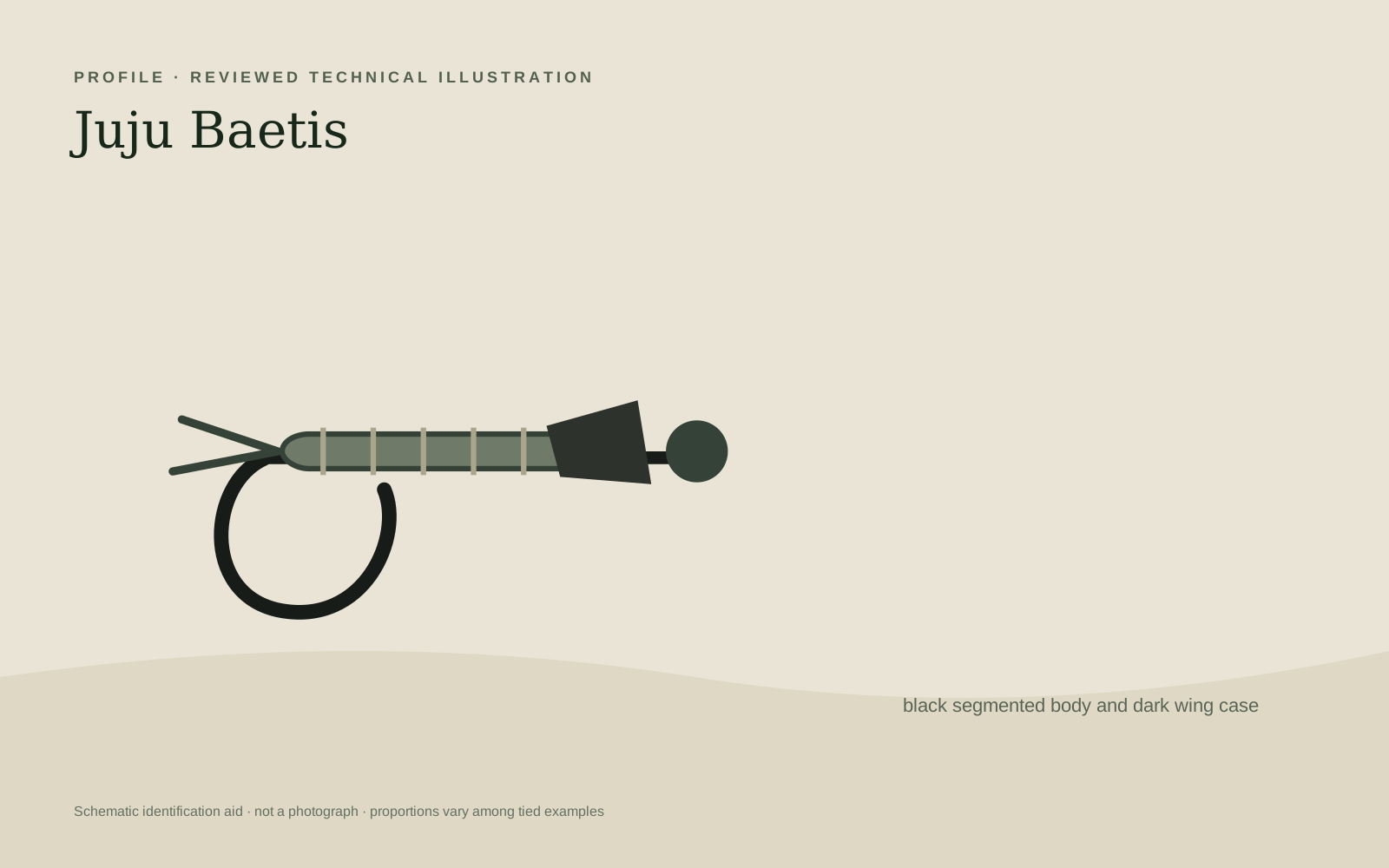 Illustrated view
Nymph · #16–24
Juju Baetis
Charlie Craven's slim Baetis-style nymph with a segmented synthetic body, wing case, and sparse profile.Open guide ↗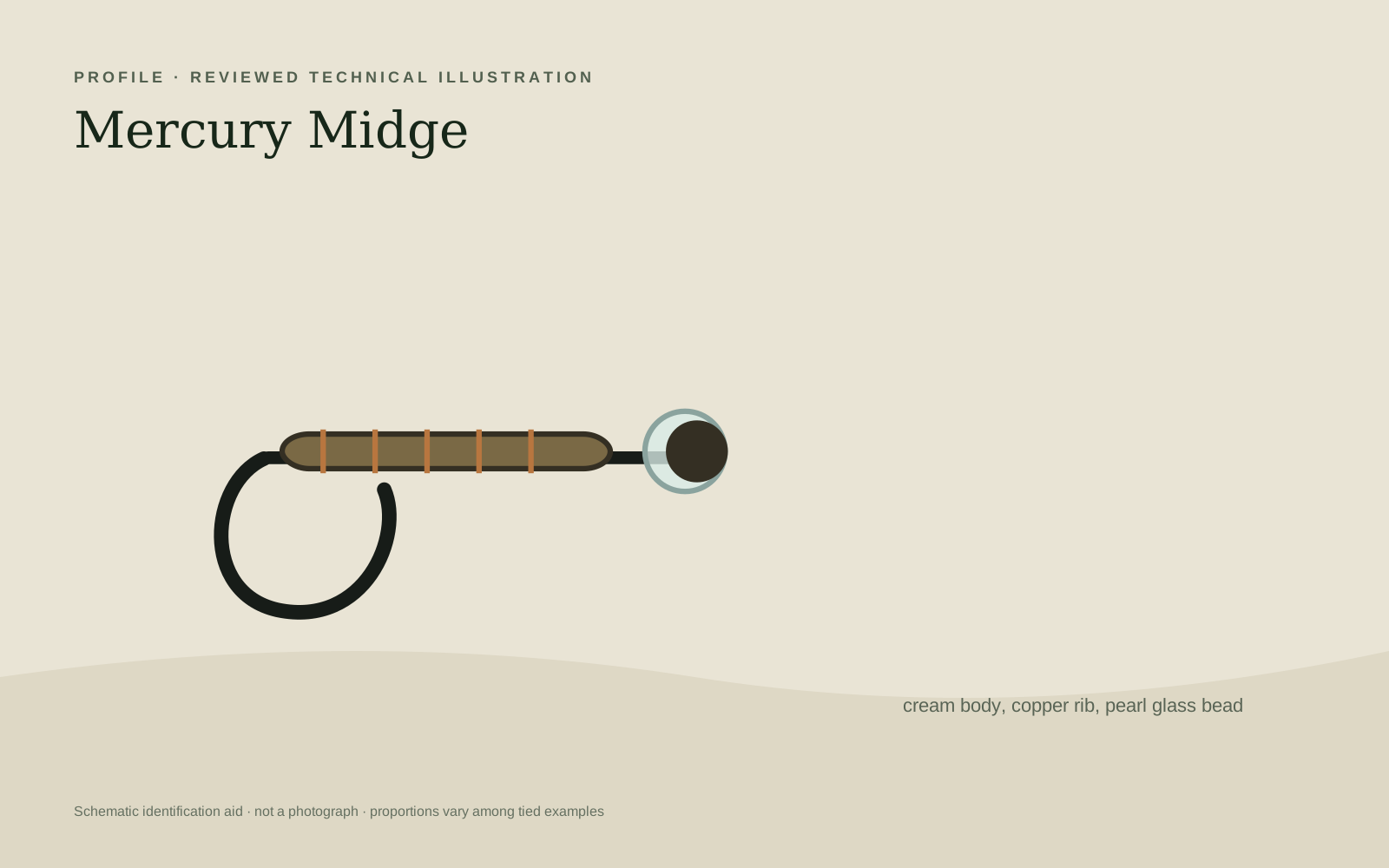 Illustrated view
Nymph · #18–24
Mercury Midge
Pat Dorsey's glass-bead midge pattern with a slim thread body and fine wire rib.Open guide ↗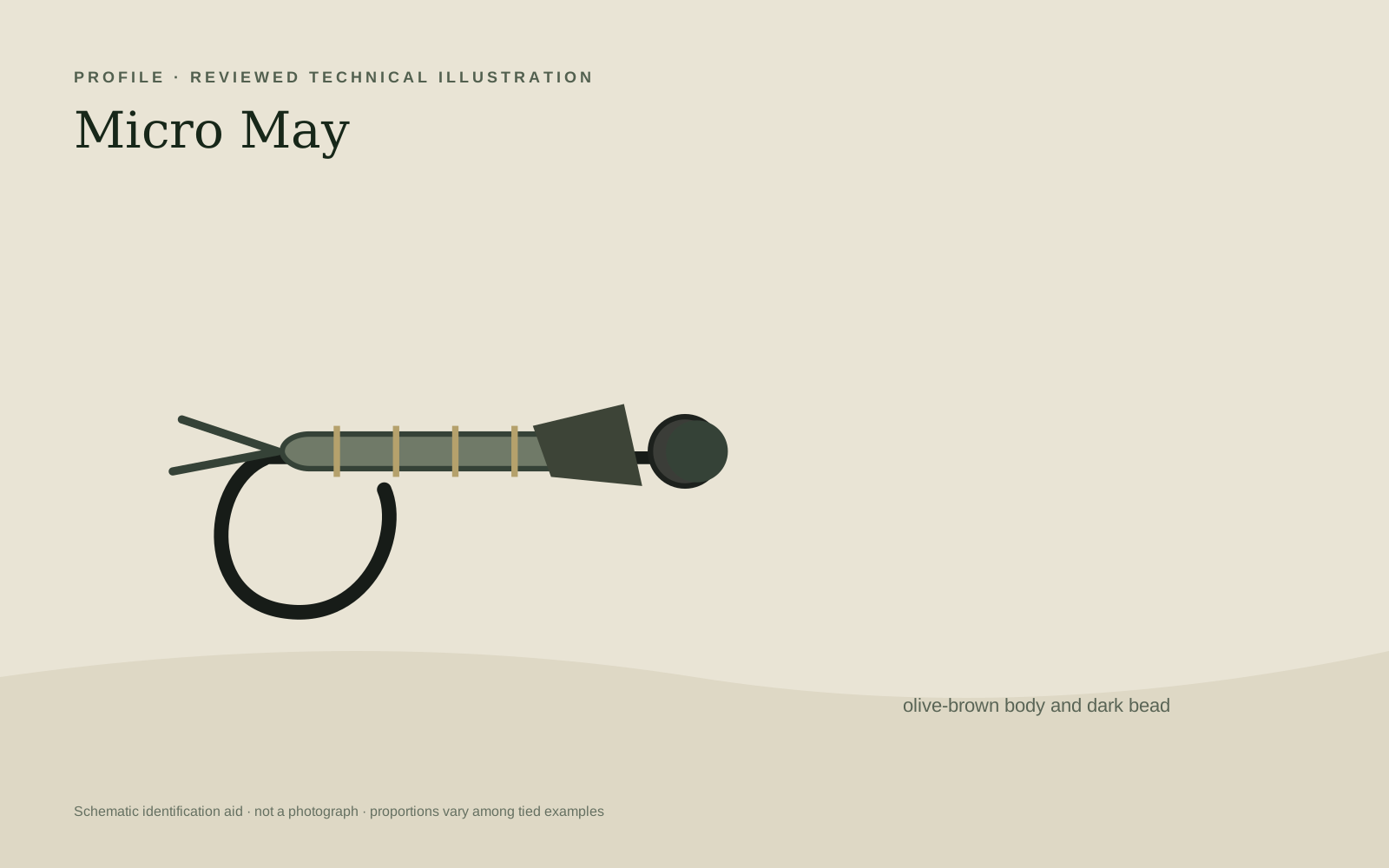 Illustrated view
Nymph · Small tailwater sizes; verify the local form
Micro May
A compact bead-head mayfly nymph used as a small dropper or in a multi-nymph rig.Open guide ↗ Real fly photo
Nymph · #6–10 in the reviewed coffee-and-black club guide, #12 in the reviewed compact Orvis guide form, Match the local stoneflies, lane, tackle, and hook rules rather than treating one size as universal
Pat's Rubber Legs
Pat Bennett's heavy chenille-and-rubber stonefly nymph: simple enough for a guide box, mobile enough for rough current, and variable enough that every bead, color, and hook form must be named.Open guide ↗ Real fly photo
Nymph · #12–18 are common starting sizes; match the insect, water, hook, and legal weight, The photographed green form's exact hook and bead size are not established by its thumbnail
Perdigon Nymph
A bead-led, resin-coated competition nymph built to reach fast or deep lanes with a small, low-drag profile.Open guide ↗Real fly photoNymph · #12–20
Pheasant Tail Nymph
A compact mayfly-nymph pattern whose pheasant-tail fibers and copper rib create a slim, segmented profile.Open guide ↗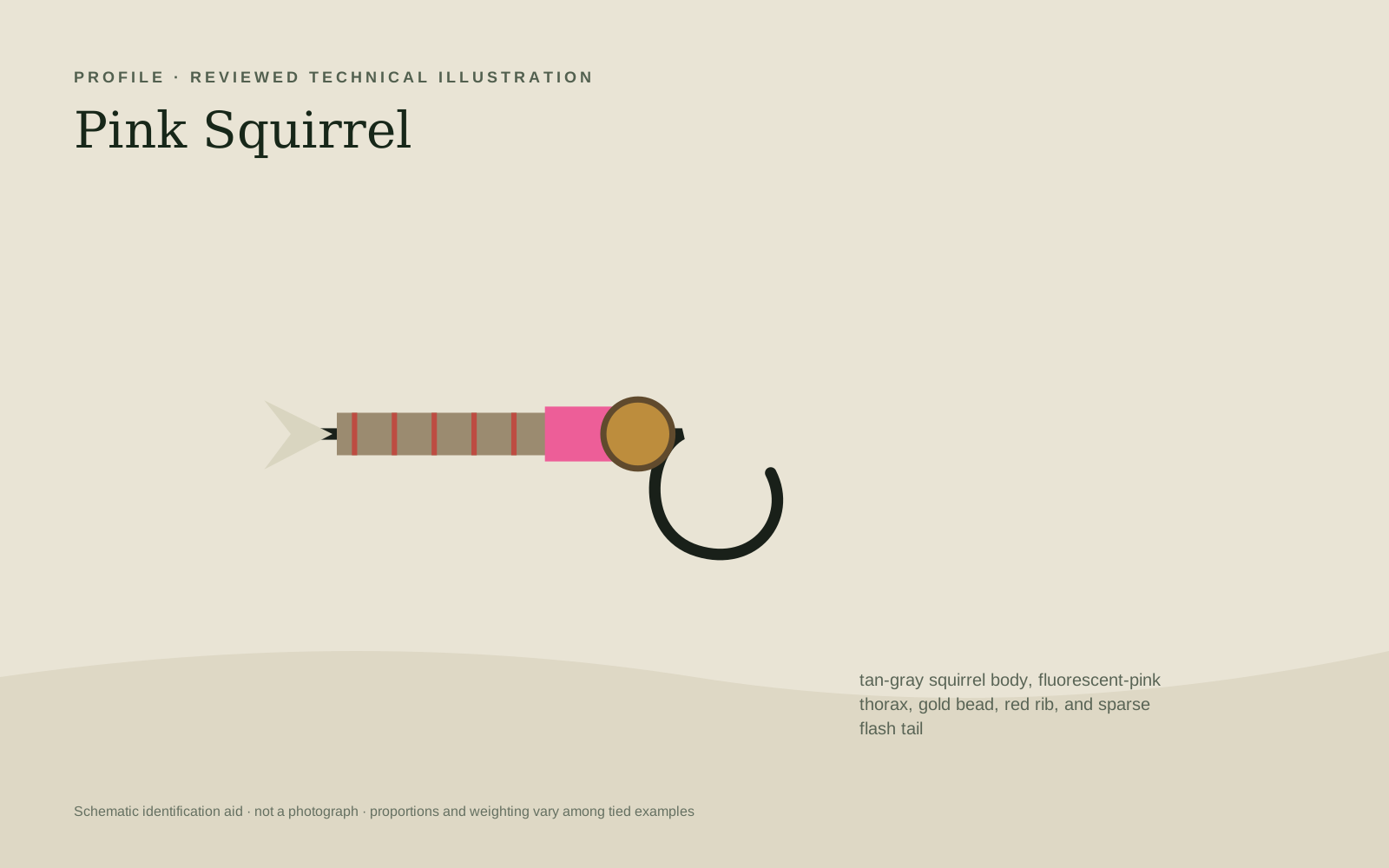 Illustrated view
Nymph · #12–18 in the reviewed Orvis variant
Pink Squirrel
John Bethke's Driftless-region attractor nymph with a buggy squirrel-dubbing body and unmistakable fluorescent-pink thorax.Open guide ↗ Real fly photo
Nymph · Original Doug Prince recipe: #6–12, Orvis bead-head range: #4–18, FFI proportioned demonstration: #12
Prince Nymph
A high-contrast searching nymph built from a peacock-herl body, gold rib, forked brown biot tail, swept brown hackle, and white biot V-wing; the reviewed bead-head form adds weight and flash.Open guide ↗ Real fly photo
Nymph · #12–22 in the reviewed Orvis recipe, Orvis demonstrates #16 and notes #18–20 are common practical sizes
Rainbow Warrior
Lance Egan's compact pearl-and-red attractor nymph, combining a silver bead, pheasant-tail tail, reflective Flashabou abdomen and wing case, rainbow dubbing thorax, and red collar.Open guide ↗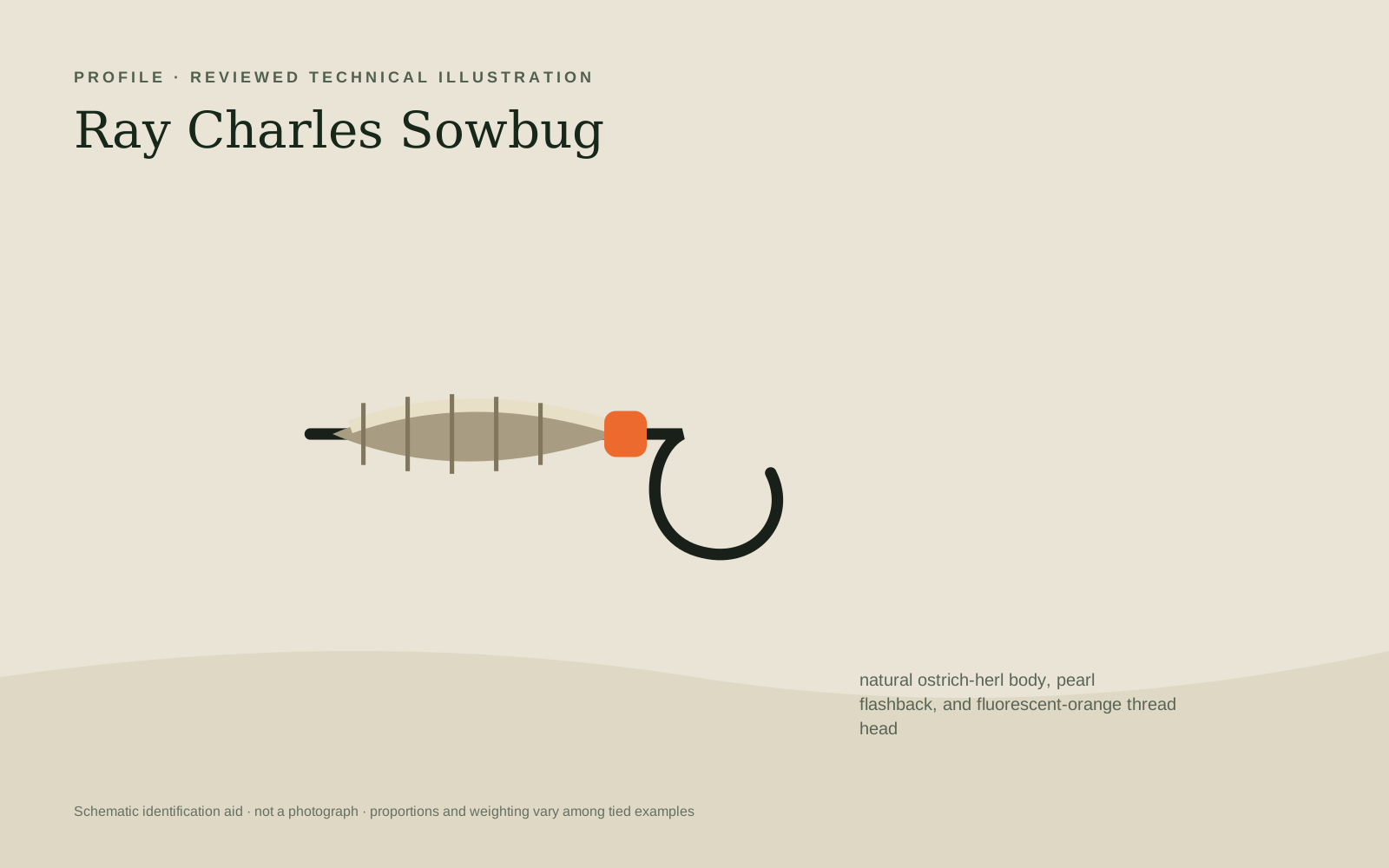 Illustrated view
Nymph · Often #12–18; Orvis demonstrates #16
Ray Charles Sowbug
A Bighorn-origin sowbug pattern with a soft ostrich-herl body, pearl flashback, and bright thread head.Open guide ↗ Real fly photo
Nymph · #8–12 in the reviewed Pacific Northwest guide, #8 in Bob Krumm's archived Ultra Chenille recipe, Other regional recipes vary; match water, rules, and tackle
San Juan Worm
A deliberately simple subsurface worm pattern whose chenille, yarn, wire, or flexible body is secured along a curved hook, with every material and weighted form kept explicitly labeled.Open guide ↗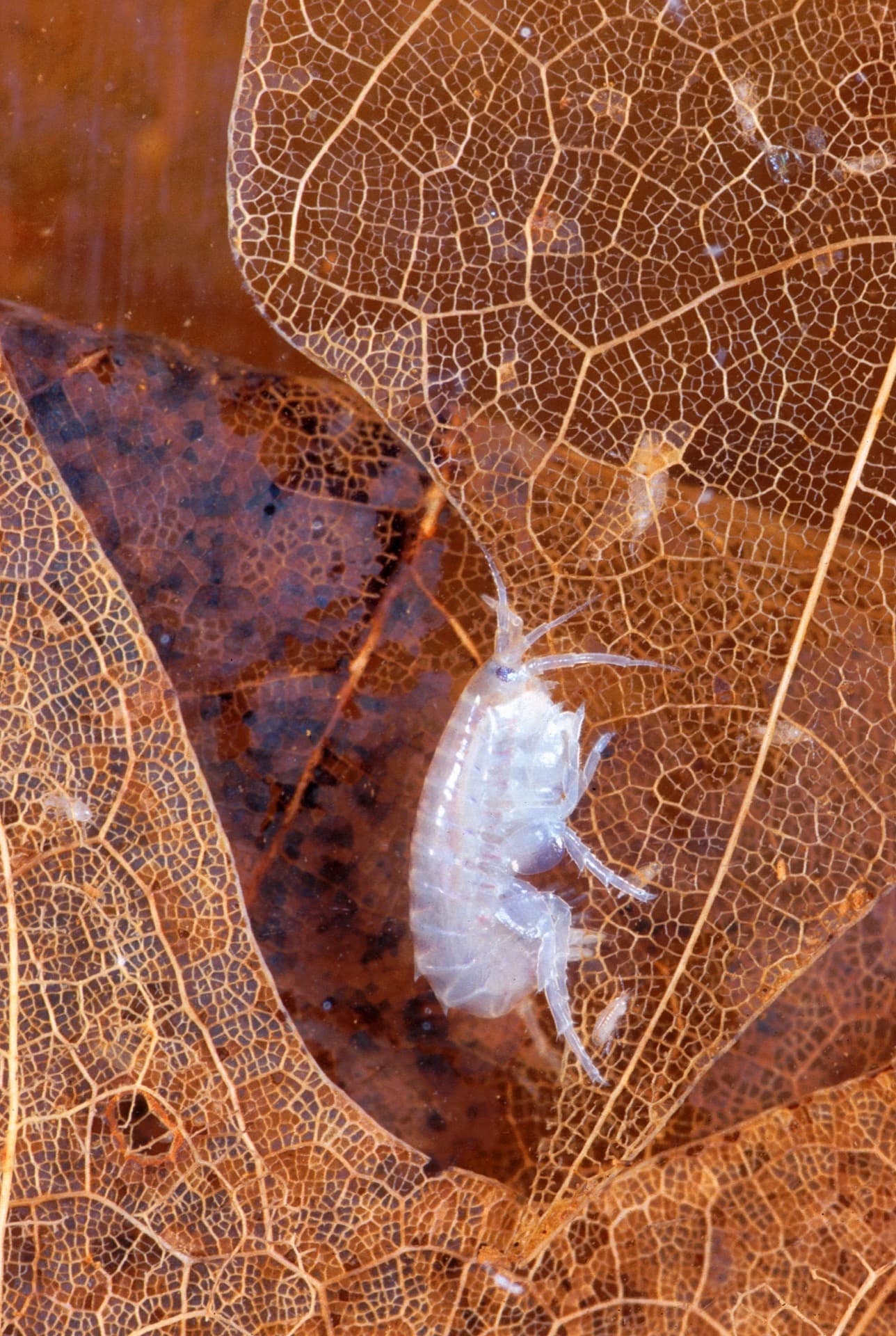 Real fly photo
Pattern family · Commonly #12–18 in the reviewed Simple Scud; naturals vary more widely
Scud Fly Patterns
A freshwater amphipod family defined by a curved shellback, segmented body, many short legs, and locally variable size and color.Open guide ↗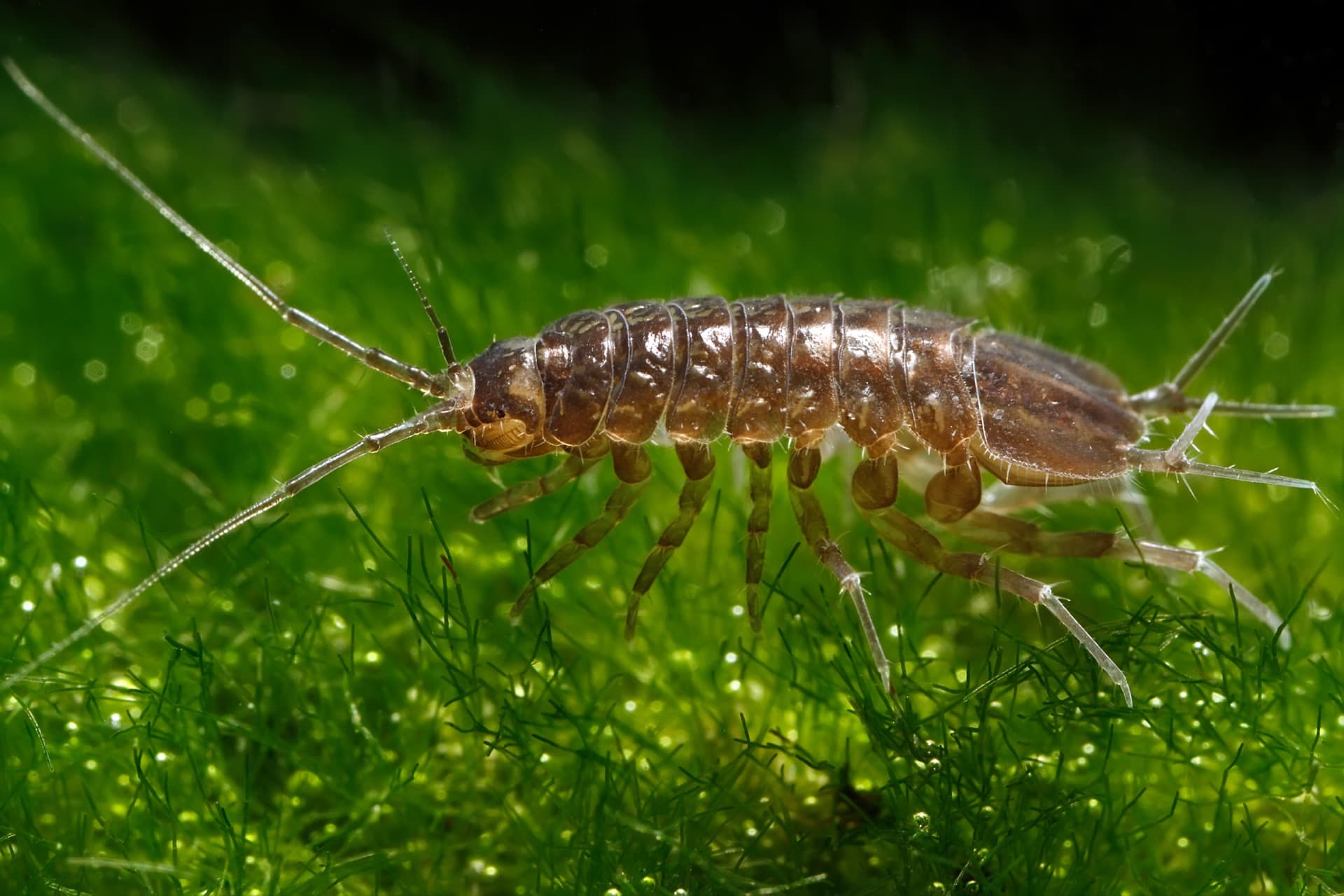 Real fly photo
Pattern family · Often #12–18 in reviewed tailwater patterns
Sowbug and Cress Bug Patterns
A freshwater isopod family with a flattened oval body and overlapping dorsal segmentation, distinct from the side-curved scud profile.Open guide ↗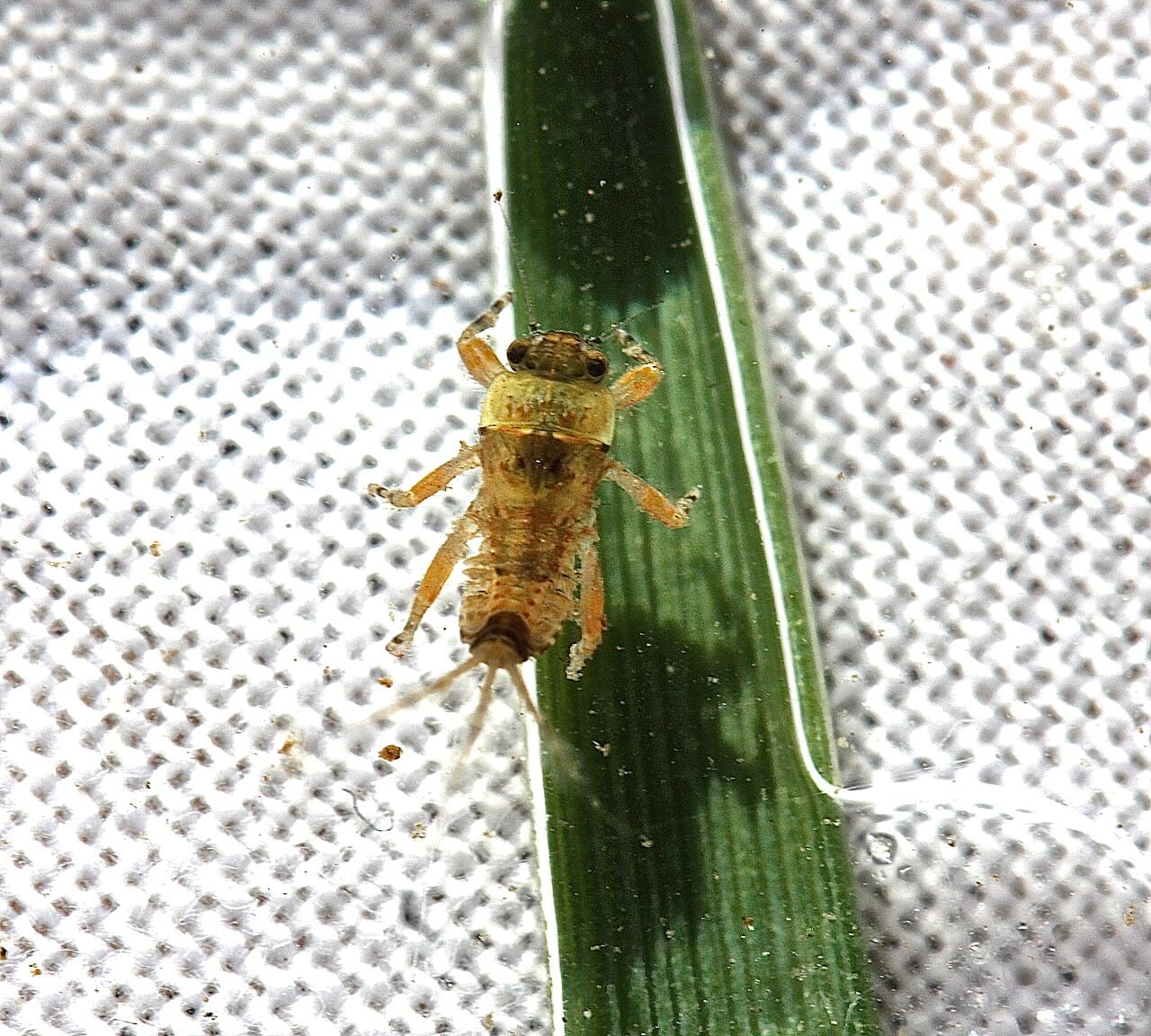 Real fly photo
Pattern family · The reviewed Fly Fish Food Split Case PMD source describes #16–20; BWO and other exact forms require their own measured local size and recipe
Split-Case Nymph Patterns
A construction guide that separates the bright divided wing-case cue from the natural mayfly body, exact PMD or BWO identity, bead, and fishing depth.Open guide ↗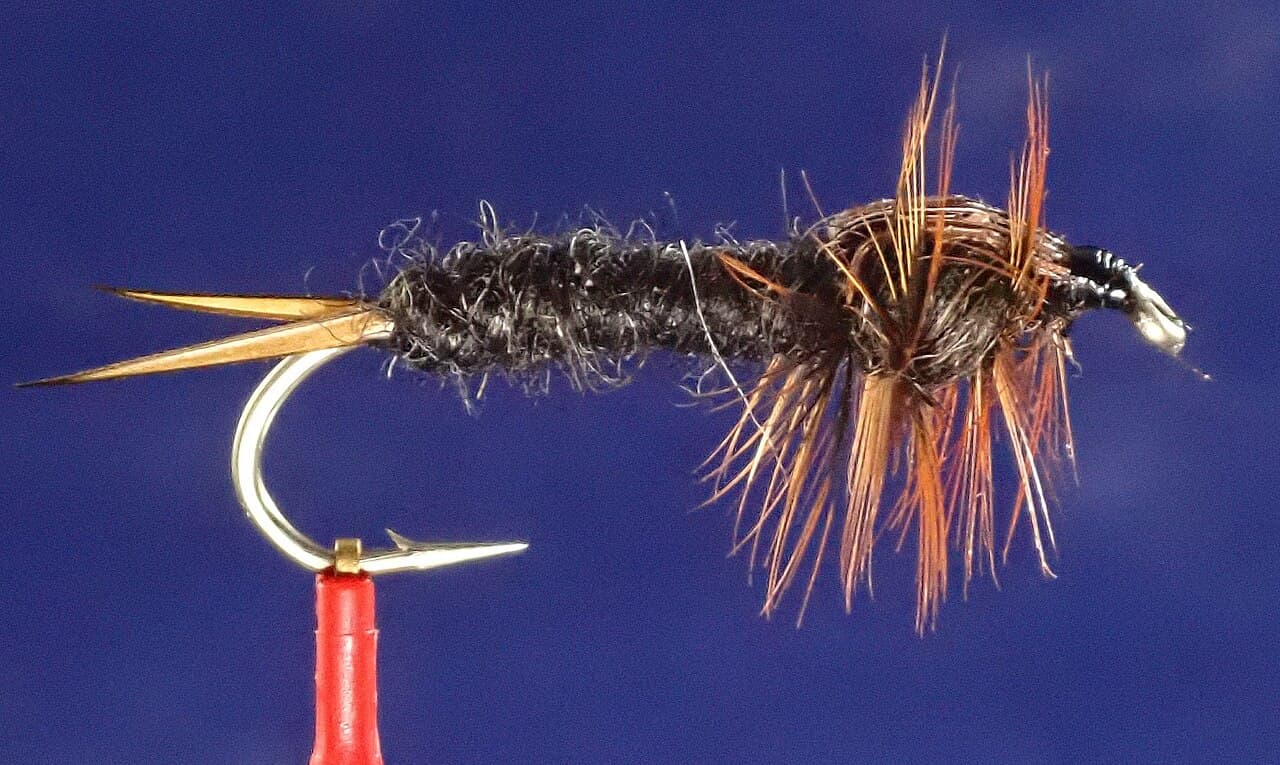 Real fly photo
Pattern family · #4–18 depending on species
Stonefly Nymph Patterns
A broad family of two-tailed, bottom-oriented stonefly nymph imitations in many sizes and weights.Open guide ↗Real fly photoPattern family · Match prey, target fish, and tackle
Warmwater Bottom Bug and Swimming Nymph Patterns
A planning family for jigged, rubber-legged, swimming, and bottom-oriented warmwater nymph wording without an exact recipe.Open guide ↗ Real fly photo
Nymph · #16–22 in the reviewed Orvis recipe, #18–22 is a common practical range; match the local insect
Zebra Midge
A sparse, fast-sinking midge-pupa pattern built from a slim thread body, open wire rib, and small bead.Open guide ↗Need a specific name?