Technical comparison for Damselfly Nymph Patterns with three labeled representative formsReviewed representative comparison
← Fly Box

Pattern family · guide 96

Damselfly Nymph Patterns

A slender stillwater-and-slow-water nymph family with a narrow body and three leaf-like tail gills.

Size range
Match local nymphs; a #10 tying example is documented
Colors reviewed
olive, brown, chartreuse-olive
Imitates
damselfly nymph
How to recognize it

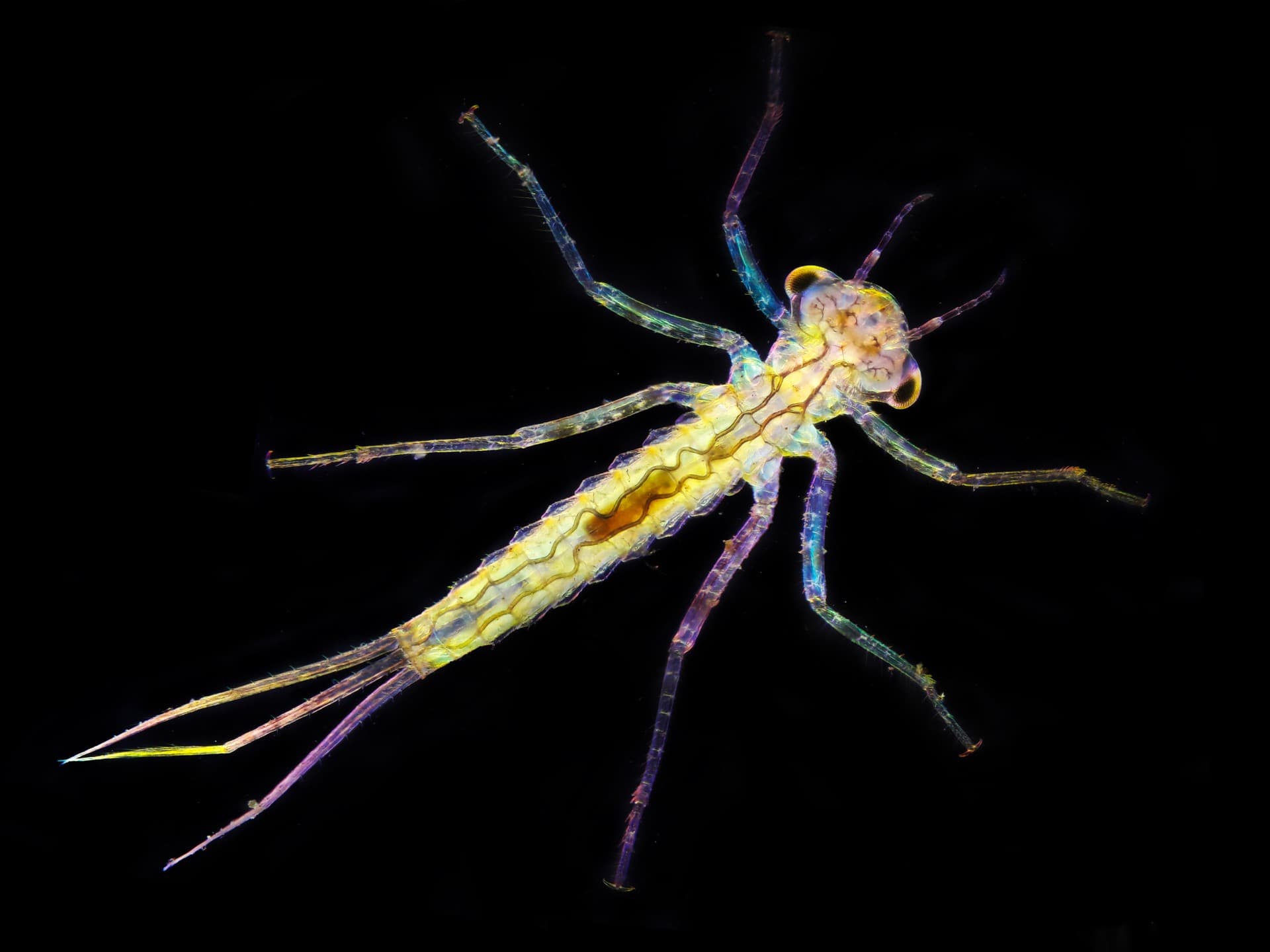
Damselfly nymphs are long and slim, usually olive or brown, and materially narrower than dragonfly nymphs. Balanced, bead-chain, marabou, and unweighted patterns remain labeled variants.

Technical comparison for Damselfly Nymph Patterns with three labeled representative forms
Technical illustration

Damselfly Nymph Patterns comparison map

A family-level comparison of Slender natural profile, Balanced damsel form, Bead-chain swimming nymph; no single drawing represents the whole family.

View
silhouette and action comparison
Color shown
olive, brown, and chartreuse-olive
Look for
slender natural profile; balanced damsel form; bead-chain swimming nymph
Open full-size image

On the water

Narrow the family.

The river, depth, insects, and fish behavior still decide the final presentation. These are reviewed starting points—not a claim about what is happening today.

01

When to use it

  • Around weedbeds, lake margins, and slower river pools during nymph migrations.
  • For trout, bass, panfish, and carp where damsels are present.
02

How to fish it

  • Use an intermediate line or suspended presentation around vegetation when appropriate.
  • Retrieve with short, gentle pulses that preserve the slender swimming profile.
03

Mistakes to avoid

  • Using a stocky dragonfly-nymph image for a damsel.
  • Treating an adult damselfly dry as the same stage.

Variant control

Small changes matter.

This comparison separates materially different silhouettes, head actions, weighting, or swimming orientations. It is a family guide, not a claim that one drawing represents every warmwater fly.

Representative family forms

Damselfly nymphs are long and slim, usually olive or brown, and materially narrower than dragonfly nymphs. Balanced, bead-chain, marabou, and unweighted patterns remain labeled variants.
Colors shown
olive, brown, chartreuse-olive
Weighting
Surface action, sink rate, hook orientation, and snag resistance depend on the exact pattern.

Related patterns

Dragonfly Nymph PatternsCarp Fly PatternsWarmwater Bottom Bug and Swimming Nymph Patterns

Review trail

Sources, rights, and limits.

Pattern facts were reviewed on 2026-07-12. Every image has its own rights record; photographed hand-tied flies may still vary slightly in proportion.

Pattern sources

Orvis NewsDragonfly or Damselfly?Orvis NewsHow to Tie a Damselfly Nymph

Image credits

BlueStreamFly-owned original technical illustration© 2026 BlueStreamFly · Mountain Brook Run LLC