Technical comparison for Warmwater Bottom Bug and Swimming Nymph Patterns with three labeled representative formsReviewed representative comparison
← Fly Box

Pattern family · guide 100

Warmwater Bottom Bug and Swimming Nymph Patterns

A planning family for jigged, rubber-legged, swimming, and bottom-oriented warmwater nymph wording without an exact recipe.

Size range
Match prey, target fish, and tackle
Colors reviewed
olive, black, brown, rust, subtle hot spots
Imitates
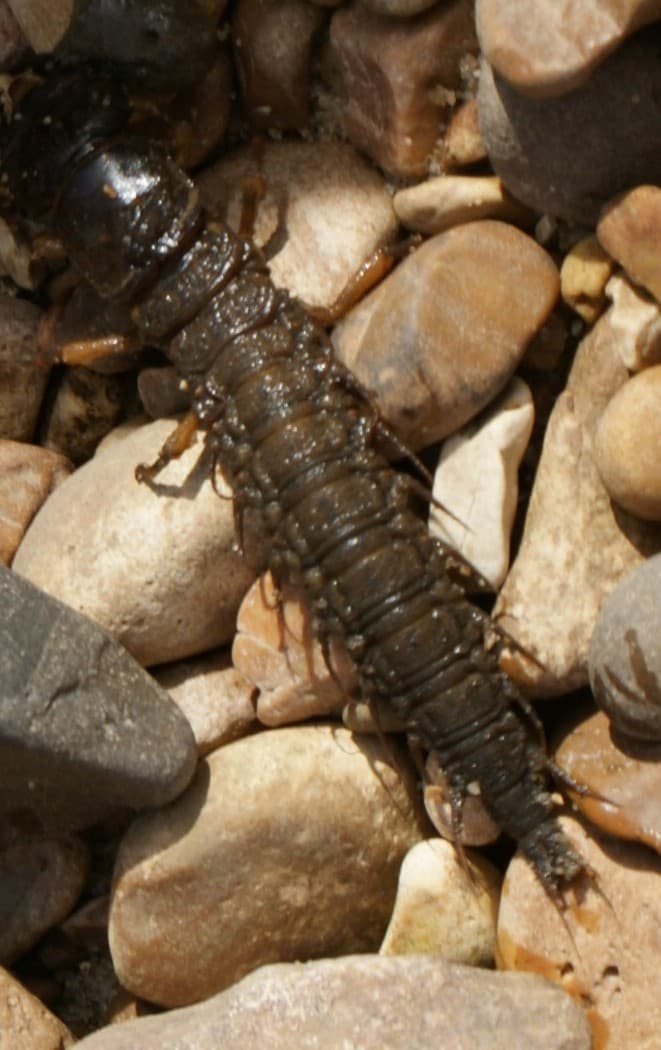
large aquatic nymphs, hellgrammites, juvenile crayfish, general bottom prey
How to recognize it

Bottom bug and swimming nymph are method-and-profile labels. Jig hooks, beads, dumbbells, rubber legs, soft hackles, swimming tails, and weed guards create materially different flies and remain named modifiers.

Technical comparison for Warmwater Bottom Bug and Swimming Nymph Patterns with three labeled representative forms
Technical illustration

Warmwater Bottom Bug and Swimming Nymph Patterns comparison map

A family-level comparison of Hook-up jig bug, Rubber-leg bottom nymph, Mobile swimming nymph; no single drawing represents the whole family.

View
silhouette and action comparison
Color shown
olive, black, brown, rust, and subtle hot spots
Look for
hook-up jig bug; rubber-leg bottom nymph; mobile swimming nymph
Open full-size image

On the water

Narrow the family.

The river, depth, insects, and fish behavior still decide the final presentation. These are reviewed starting points—not a claim about what is happening today.

01

When to use it

  • For bass, panfish, carp, and mixed fisheries when fish are feeding below the surface.
  • Use around rock, current seams, vegetation, and bottom transitions with an appropriate snag plan.
02

How to fish it

  • Dead-drift, suspend, hop, or slowly swim according to the exact fly.
  • Set depth first; then adjust movement rather than assuming every jig bug must bounce bottom.
03

Mistakes to avoid

  • Calling every jig nymph a warmwater bug.
  • Using one rubber-leg shape for every swimming or bottom-oriented nymph.

Variant control

Small changes matter.

This comparison separates materially different silhouettes, head actions, weighting, or swimming orientations. It is a family guide, not a claim that one drawing represents every warmwater fly.

Representative family forms

Bottom bug and swimming nymph are method-and-profile labels. Jig hooks, beads, dumbbells, rubber legs, soft hackles, swimming tails, and weed guards create materially different flies and remain named modifiers.
Colors shown
olive, black, brown, rust, subtle hot spots
Weighting
Surface action, sink rate, hook orientation, and snag resistance depend on the exact pattern.

Related patterns

Hellgrammite PatternsCrayfish and Crawfish PatternsCarp Fly Patterns

Review trail

Sources, rights, and limits.

Pattern facts were reviewed on 2026-07-12. Every image has its own rights record; photographed hand-tied flies may still vary slightly in proportion.

Pattern sources

Orvis Learning CenterFinding and Catching SmallmouthsOrvisBass and Panfish Fishing Flies

Image credits

BlueStreamFly-owned original technical illustration© 2026 BlueStreamFly · Mountain Brook Run LLC