Menu
Fly Box · 12 guides
Dry fly patterns.
Surface patterns for adult mayflies, caddis, midges, and attractor presentations. Open a guide to identify the fly, see photos and variations, and learn when and how to fish it.
Choose a fly
Compare photos and patterns.
We show a real photo when its identity and usage rights are clear. If only an illustration is available, we label it plainly.
 Real fly photo
Dry · #10–20
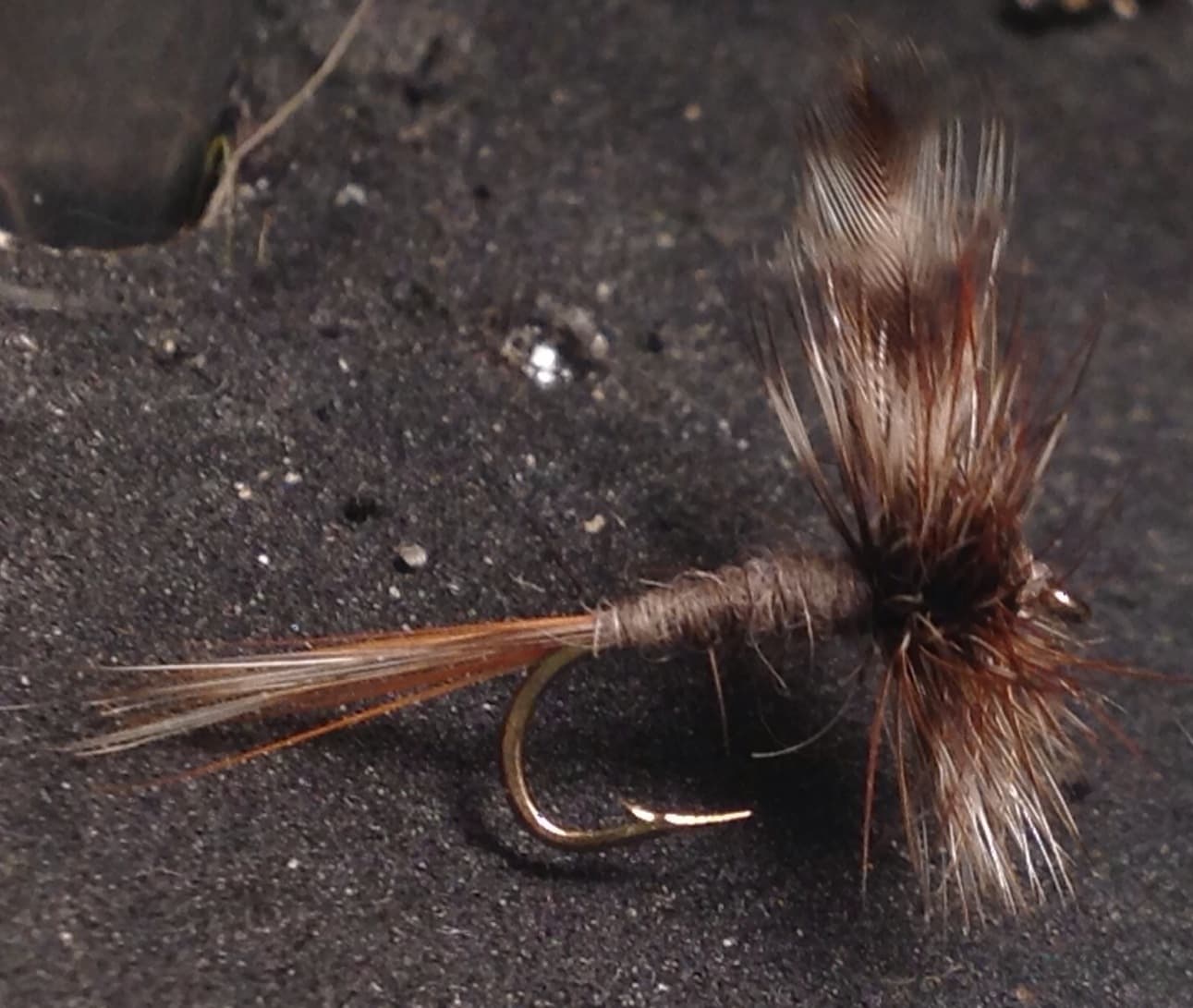
Adams Dry Fly
The classic upright-wing Adams: a gray-bodied dry with mixed brown-and-grizzly tail and hackle.Open guide ↗ Real fly photo
Dry · #10–18
Elk Hair Caddis
A buoyant adult-caddis dry fly with a tented hair wing and palmered hackle that holds up in broken water.Open guide ↗ Real fly photo
Dry · #14–24 in the reviewed Orvis tying source, #18–22 is a useful winter starting range; match the natural
Griffith's Gnat
A simple peacock-herl and grizzly-hackle midge dry that can suggest one tiny adult, a clustered surface meal, or another very small insect at the film.Open guide ↗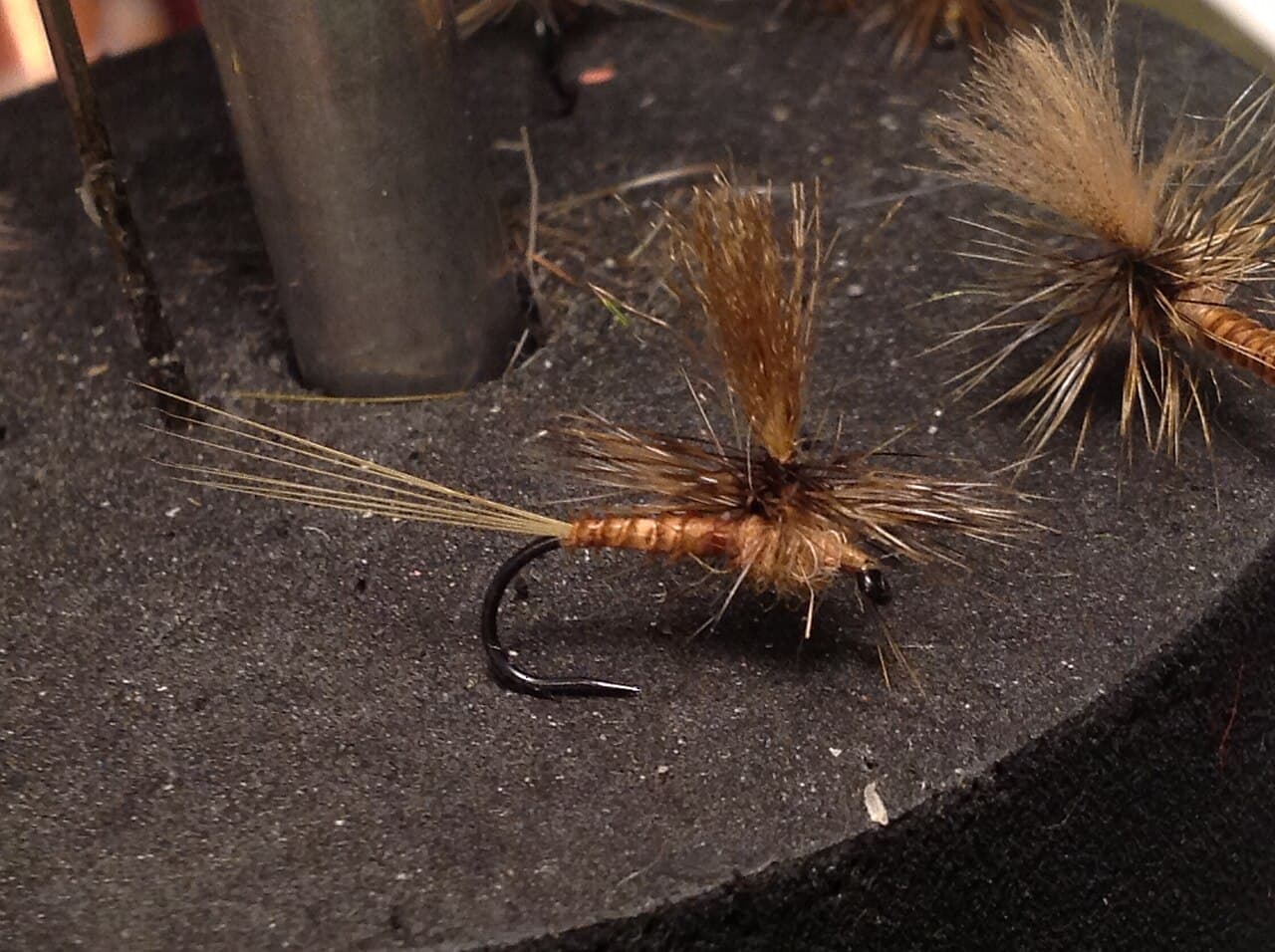 Real fly photo
Pattern family · Commonly #10–14; verify locally
March Brown Dry Flies
A family destination for dry flies used around March Brown mayfly adults—not one exact recipe.Open guide ↗ Real fly photo
Dry · #12–22
Parachute Adams
A highly visible mayfly-style dry with an upright post and hackle wrapped horizontally around that post.Open guide ↗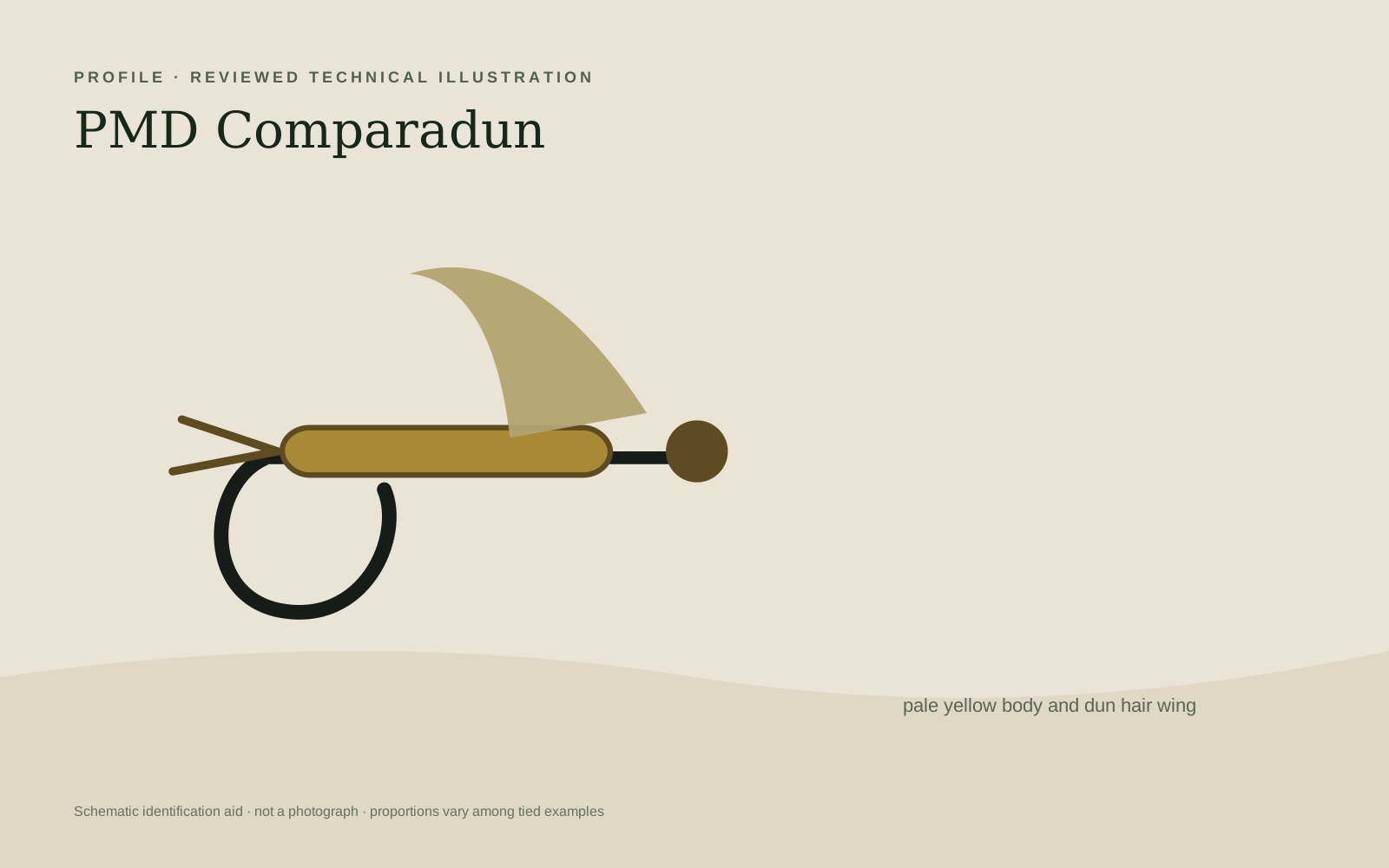 Illustrated view
Dry · #14–18
PMD Comparadun
A low-riding, hackleless Pale Morning Dun dry with a fan-shaped deer-hair wing.Open guide ↗ Real fly photo
Dry · #10–18
Royal Wulff
A buoyant hair-wing attractor with white upright wings, peacock body sections, and a red center band.Open guide ↗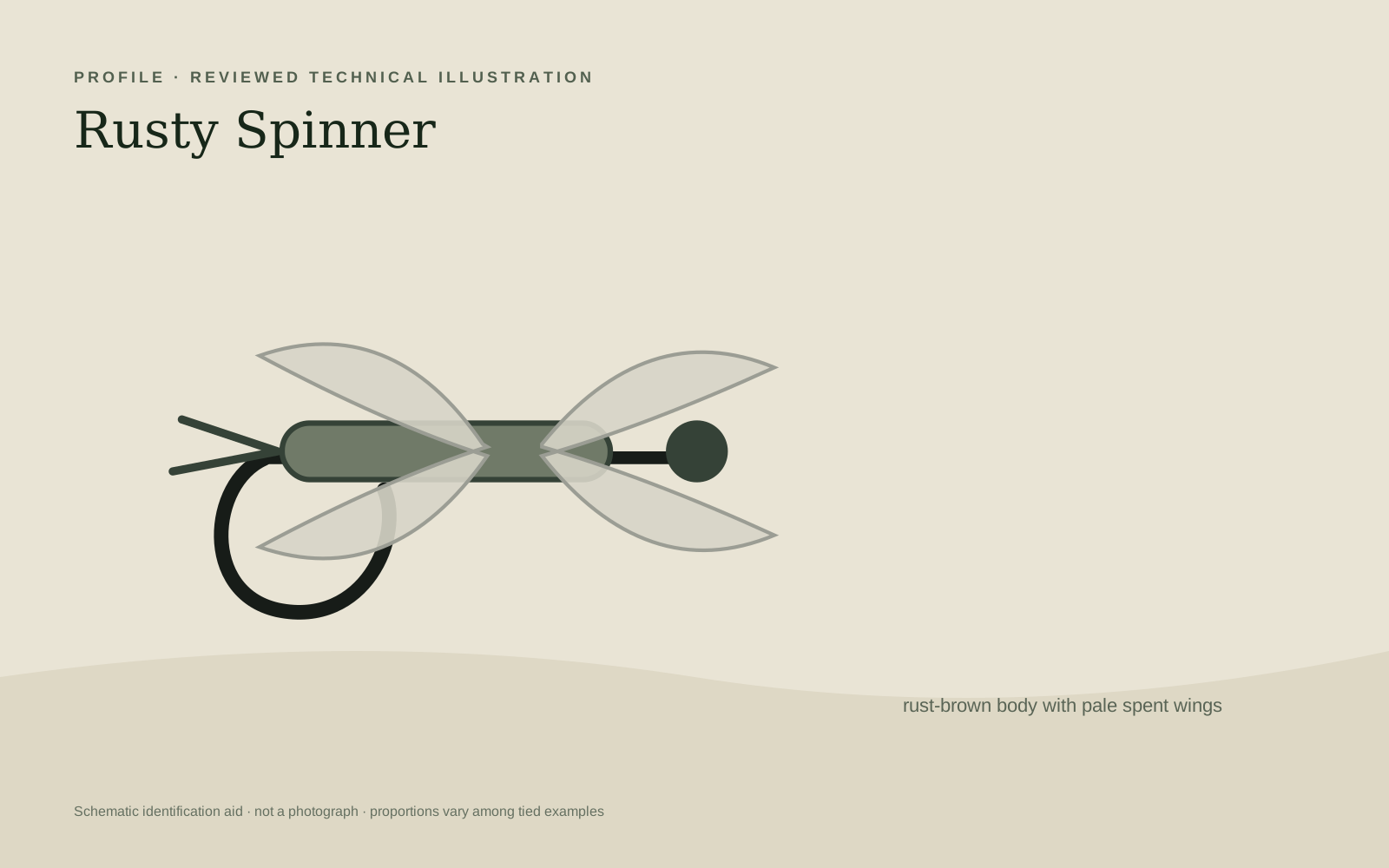 Illustrated view
Dry · #12–18, matched to naturals
Rusty Spinner
A spent-wing mayfly pattern with a rust-brown body, divided tails, and flat outstretched wings.Open guide ↗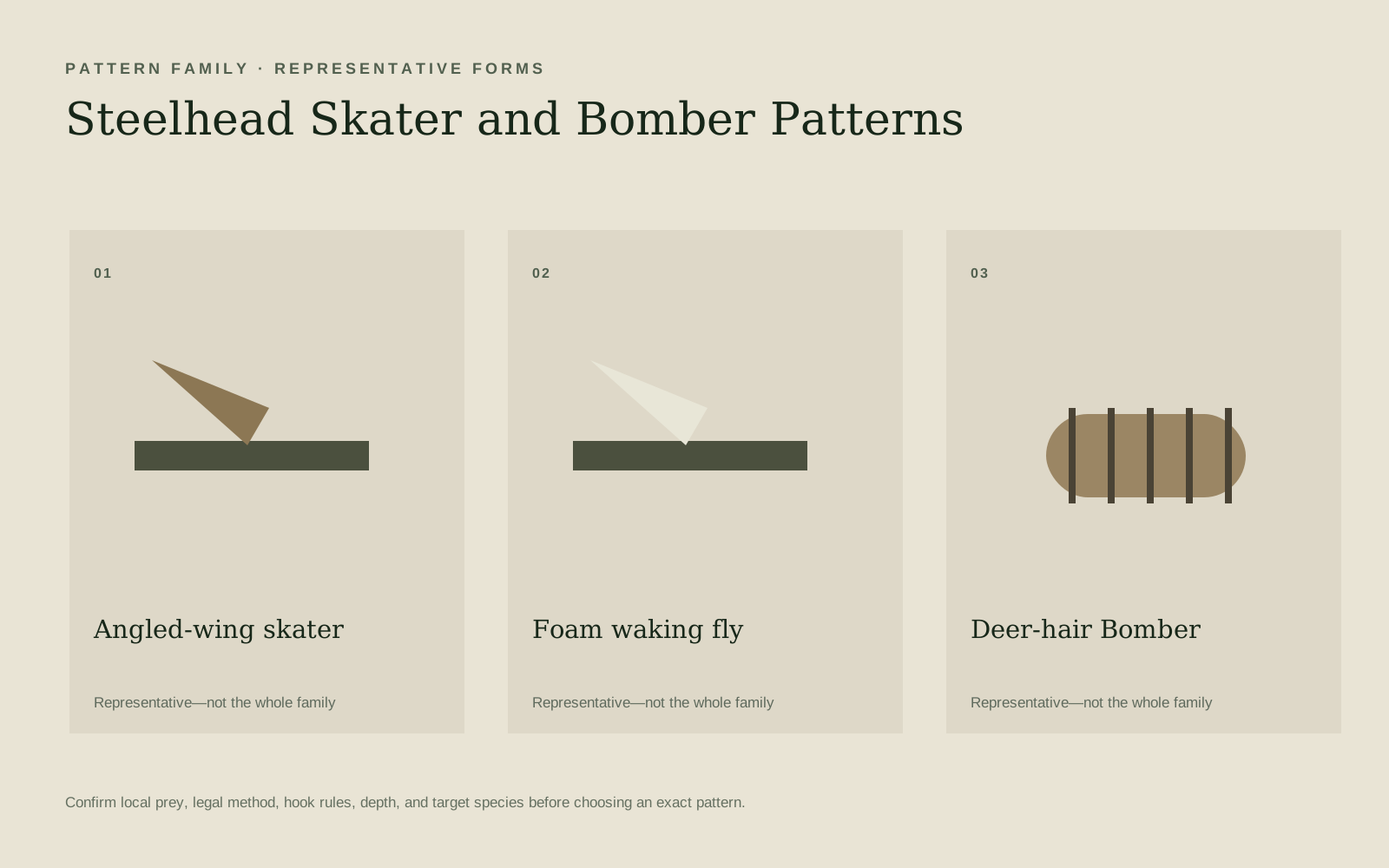 Illustrated view
Pattern family · No universal size; match the target species, legal hook rules, tackle, and local forage
Steelhead Skater and Bomber Patterns
A surface family separating waking or riffle-hitched skaters from bushy floating Bomber-style dries.Open guide ↗ Real fly photo
Dry · #4–16
Stimulator
A buoyant hair-wing attractor and stonefly-style dry built for broken water and dry-dropper use.Open guide ↗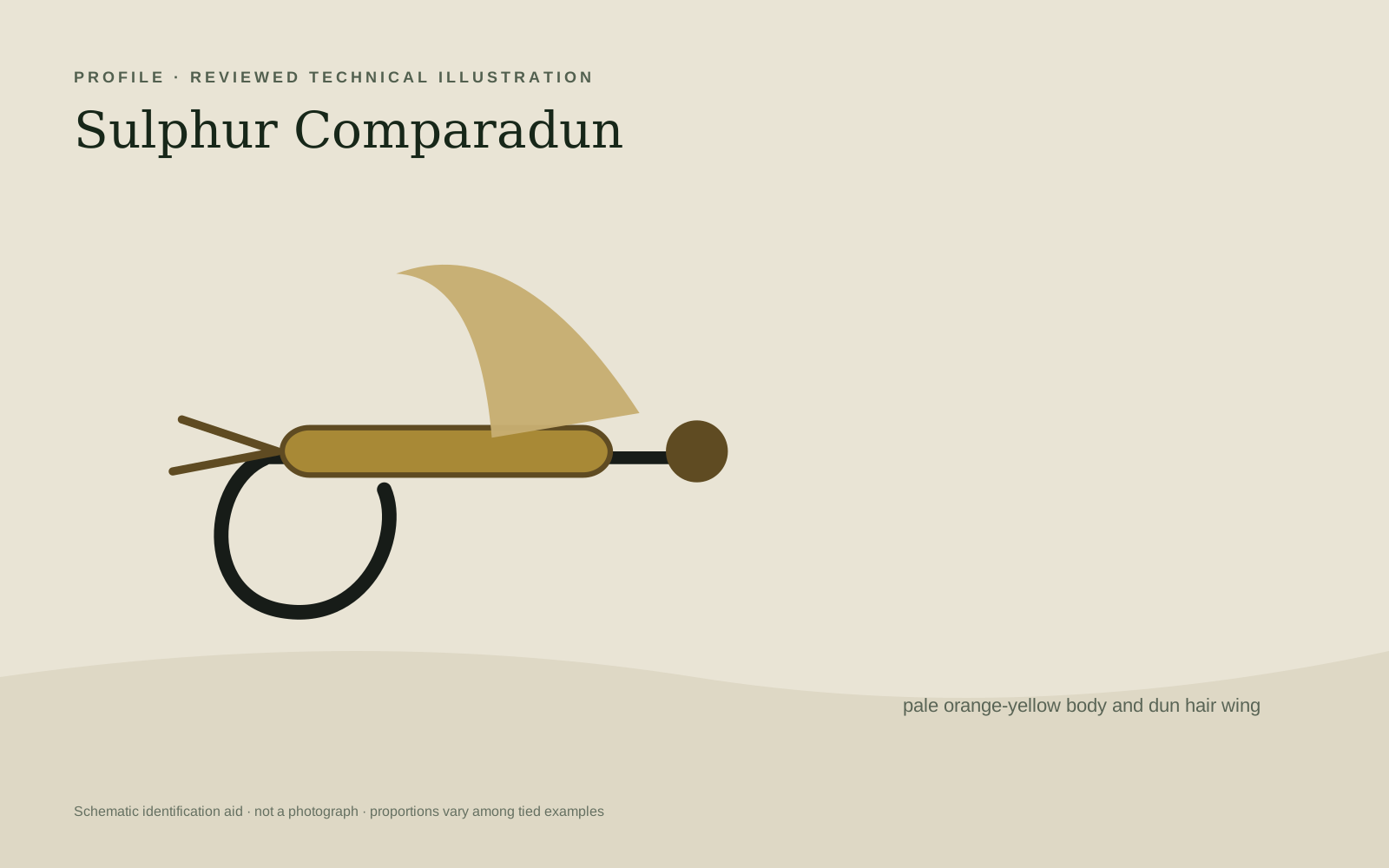 Illustrated view
Dry · Often #14–18; verify locally
Sulphur Comparadun
A pale orange-yellow, hackleless Comparadun tied specifically for Sulphur mayfly duns.Open guide ↗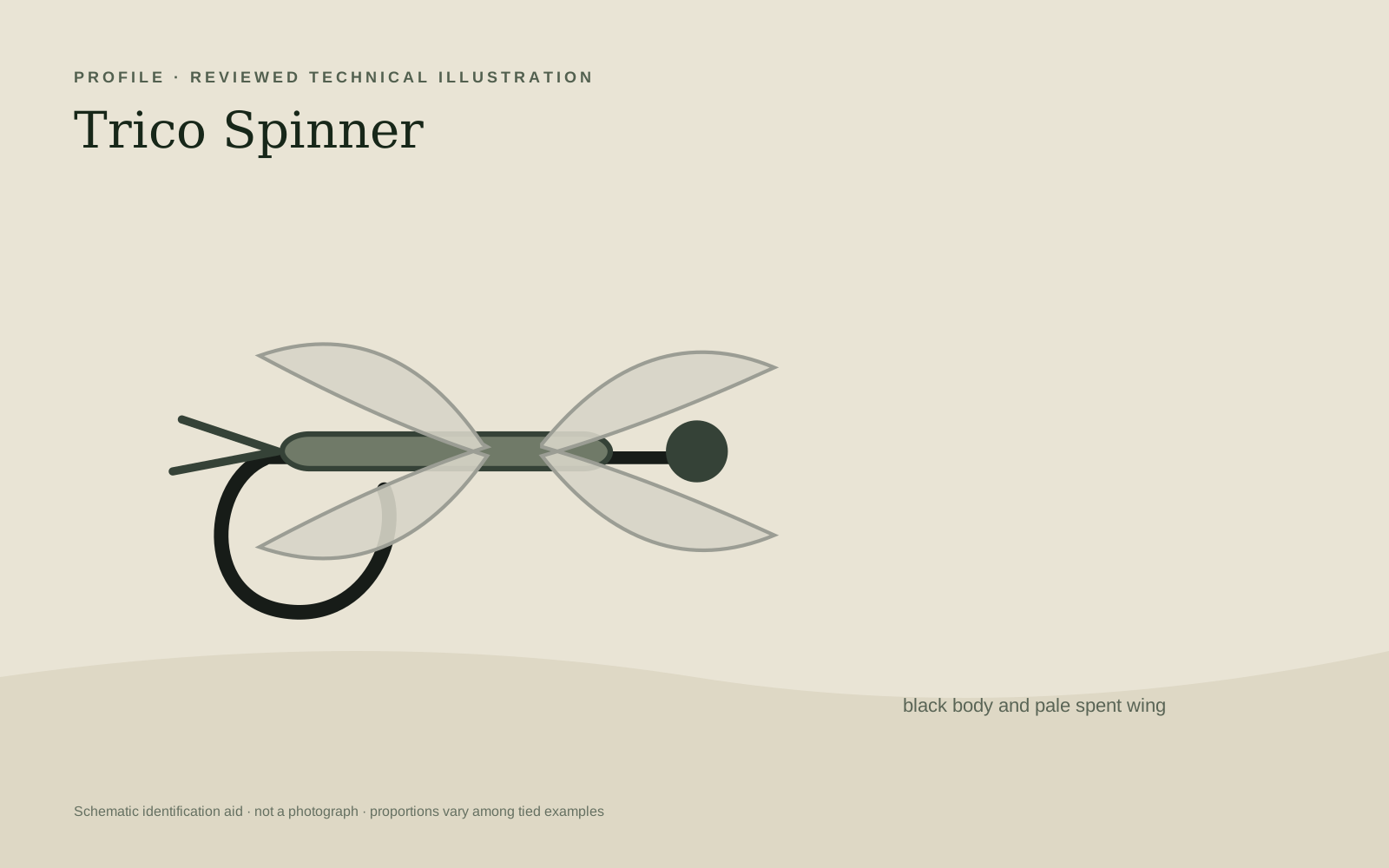 Illustrated view
Dry · #20–24
Trico Spinner
A very small spent-wing pattern for Trico spinner falls, with a sparse low flat profile.Open guide ↗Need a specific name?