When to use it
- Where the target species, water speed, depth, and season support the exact pattern.
- Use the linked river report as a planning lead, then verify current regulations and local conditions before choosing the fly.
 Reviewed representative photograph
Pattern family · guide 124
A surface family separating waking or riffle-hitched skaters from bushy floating Bomber-style dries.
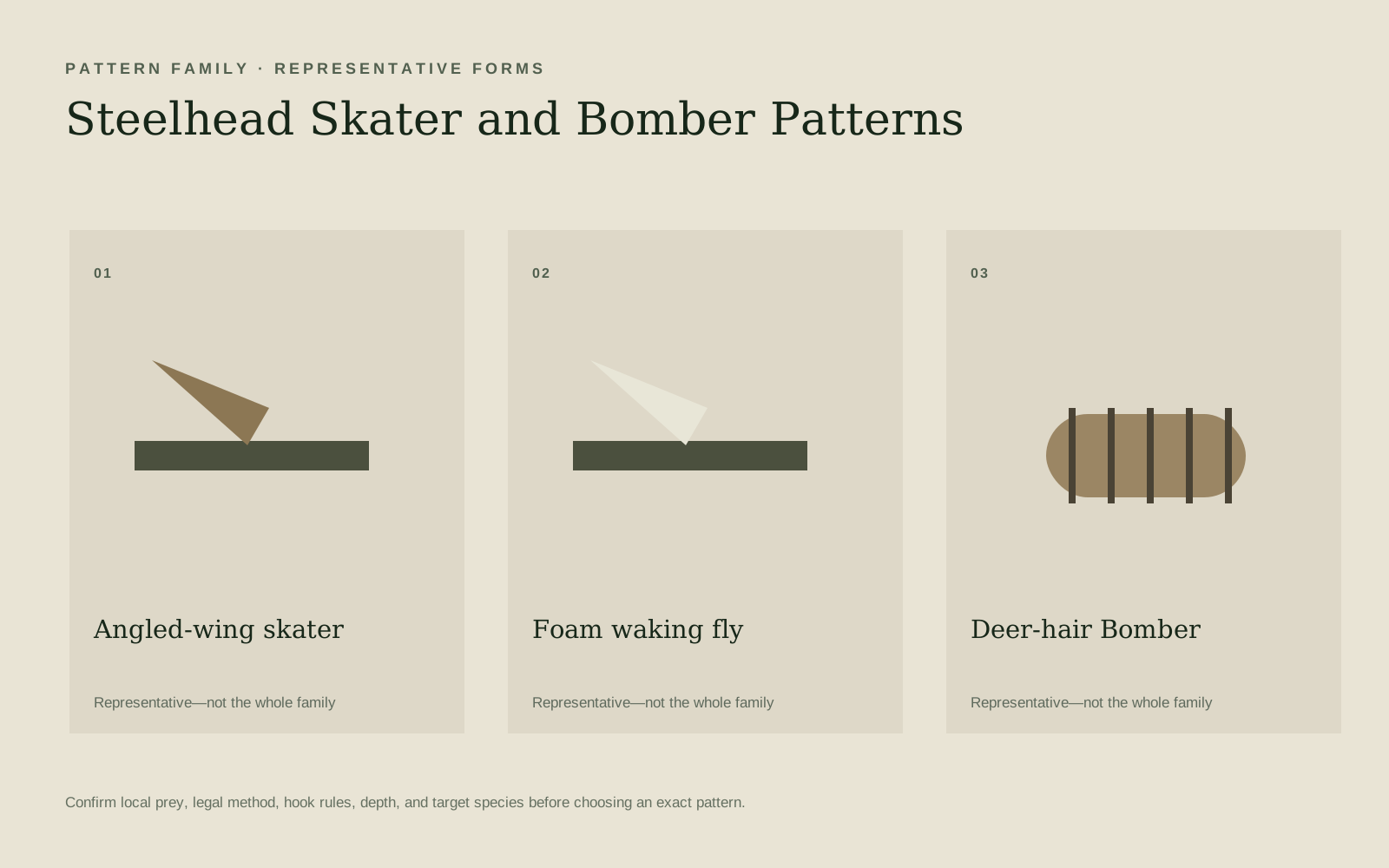
Skaters use angled wings, foam, or clipped hair to wake across current; Bomber-style flies use a buoyant cigar-shaped hair body and hackle. Neither label identifies a single universal dressing.
Representative forms
A family-level comparison of Angled-wing skater, Foam waking fly, Deer-hair Bomber; no single drawing represents the whole family.
On the water
The river, depth, insects, and fish behavior still decide the final presentation. These are reviewed starting points—not a claim about what is happening today.
Variant control
The comparison map separates materially different silhouettes or constructions. It is a family guide—not a claim that one drawing represents every regional, commercial, or guide-tied version.
Representative family forms
Skaters use angled wings, foam, or clipped hair to wake across current; Bomber-style flies use a buoyant cigar-shaped hair body and hackle. Neither label identifies a single universal dressing.Review trail
Pattern facts were reviewed on 2026-07-12. Every image has its own rights record and exact label; natural specimens and hand-tied flies can vary in proportion.
© 2026 BlueStreamFly · Mountain Brook Run LLC