Technical comparison for Scud Fly Patterns with three labeled representative formsReviewed representative comparison
← Fly Box

Pattern family · guide 140

Scud Fly Patterns

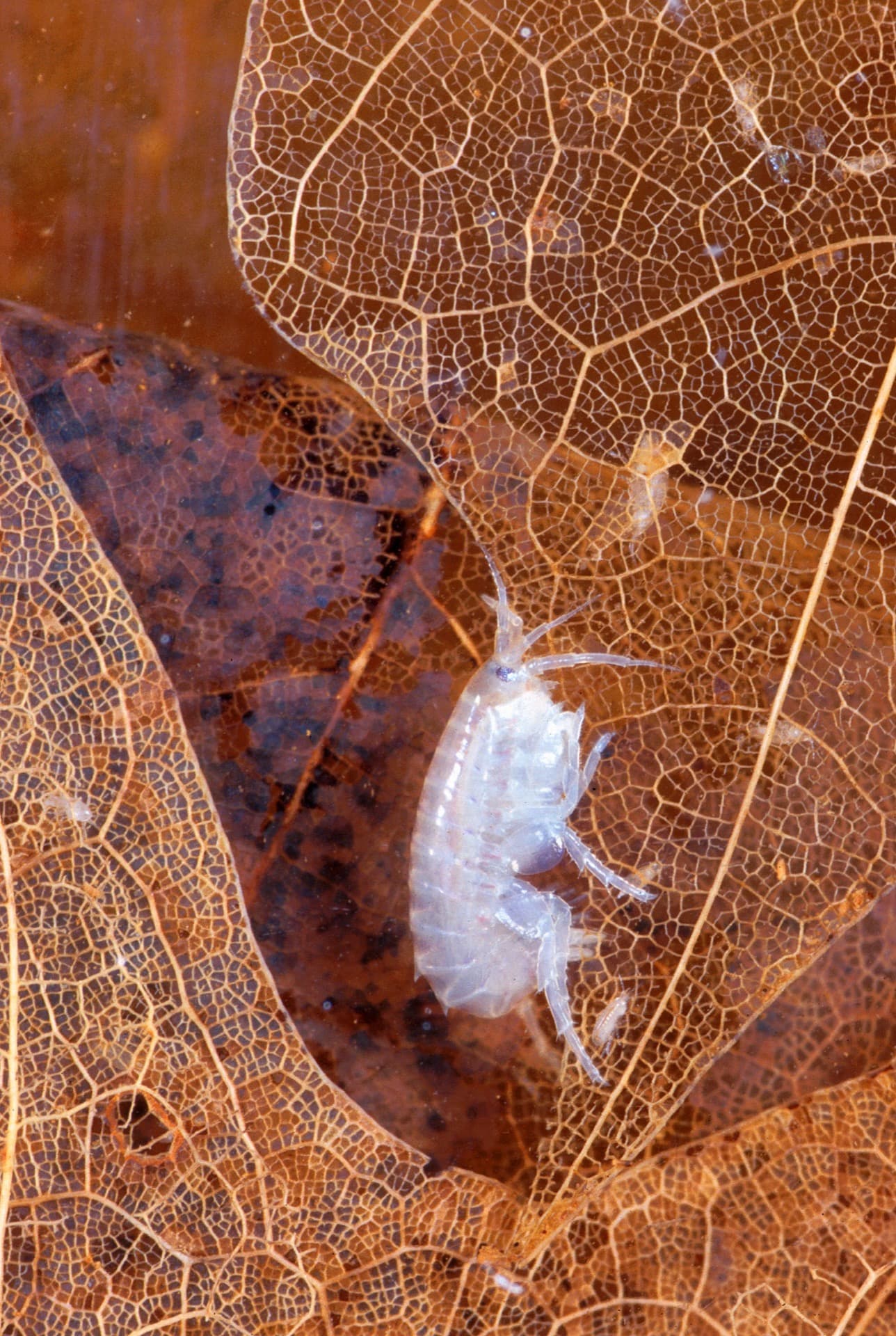
A freshwater amphipod family defined by a curved shellback, segmented body, many short legs, and locally variable size and color.

Size range
Commonly #12–18 in the reviewed Simple Scud; naturals vary more widely
Colors reviewed
olive, tan, gray, orange accents
Imitates
freshwater amphipod, scud
How to recognize it

Scud patterns typically use a curved hook, tapered dubbed body, shellback, rib segmentation, antennae, and brushed legs. Olive, tan, gray, orange, weighted, bead-body, and pregnant forms remain labeled—not aliases for one recipe.

Technical comparison for Scud Fly Patterns with three labeled representative forms
Technical illustration

Scud Fly Patterns comparison map

A family-level comparison of Natural shellback scud, Weighted hot-spot scud, Bead-body scud; no single drawing represents the whole family.

View
silhouette and construction comparison
Color shown
olive, tan, gray, and orange accents
Look for
natural shellback scud; weighted orange-hot-spot scud; bead-body scud
Open full-size image

On the water

Narrow the family.

The river, depth, insects, and fish behavior still decide the final presentation. These are reviewed starting points—not a claim about what is happening today.

01

When to use it

  • When the local food form, size, water type, and target depth support the exact pattern or family member.
  • Use the linked river report as seasonal context, then verify what is present before choosing size and weight.
02

How to fish it

  • Start with a natural drift at the depth fish are using; add a controlled lift, swing, or short movement only when the food form supports it.
  • Adjust depth and drift before treating a bead color or hot spot as the deciding factor.
03

Mistakes to avoid

  • Treating every member of the family as one exact recipe.
  • Letting a generic size, bead, jig, or dropper label erase the pattern's actual body profile and life-stage cues.

Variant control

Small changes matter.

The comparison map separates materially different body profiles, weighting, hooks, or life-stage cues. It is a family guide—not one universal recipe.

Representative family forms

Scud patterns typically use a curved hook, tapered dubbed body, shellback, rib segmentation, antennae, and brushed legs. Olive, tan, gray, orange, weighted, bead-body, and pregnant forms remain labeled—not aliases for one recipe.
Colors shown
olive, tan, gray, orange accents
Weighting
Bead material, underbody weight, hook orientation, and rig weight determine sink rate; a family name does not.

Related patterns

Sowbug and Cress Bug PatternsRay Charles SowbugPink Squirrel

Review trail

Sources, rights, and limits.

Pattern facts were reviewed on 2026-07-12. Every image has its own rights record; photographed hand-tied flies may still vary slightly in proportion.

Pattern sources

Orvis Learning CenterSimple Scud Pattern and Tying Instructions

Image credits

BlueStreamFly-owned original technical illustration© 2026 BlueStreamFly · Mountain Brook Run LLC