When to use it
- When the local food form, size, water type, and target depth support the exact pattern or family member.
- Use the linked river report as seasonal context, then verify what is present before choosing size and weight.
Pattern family · guide 141
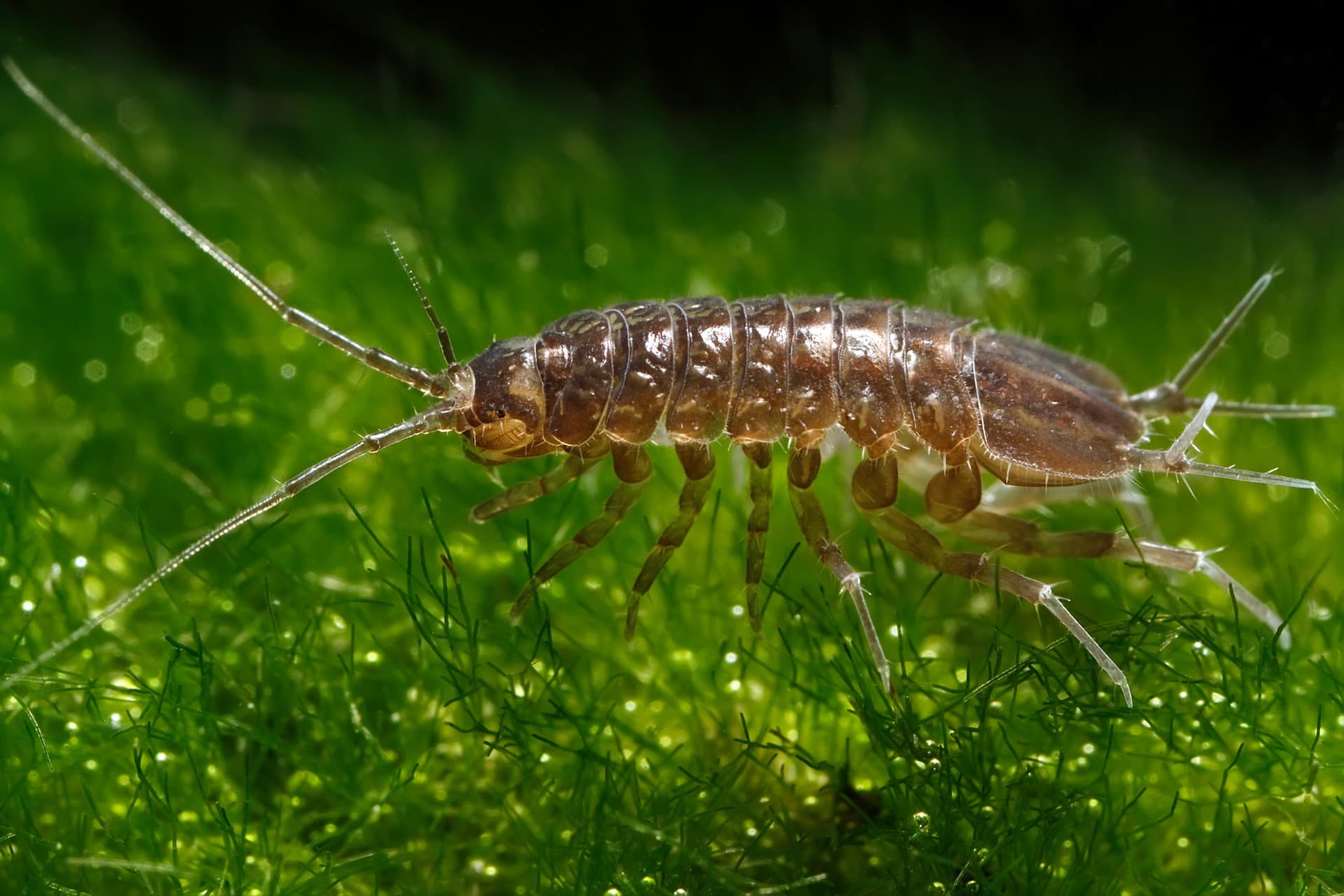
A freshwater isopod family with a flattened oval body and overlapping dorsal segmentation, distinct from the side-curved scud profile.
Sowbug and cress-bug flies are generally flatter and more oval than scuds, with a segmented back and legs along both sides. Soft-hackle, dubbed, ostrich-herl, fire-bead, hot-bead, and pink forms remain labeled.
Representative forms
A family-level comparison of Flat segmented sowbug, Soft-hackle sowbug, Hot-bead cress bug; no single drawing represents the whole family.
On the water
The river, depth, insects, and fish behavior still decide the final presentation. These are reviewed starting points—not a claim about what is happening today.
Variant control
The comparison map separates materially different body profiles, weighting, hooks, or life-stage cues. It is a family guide—not one universal recipe.
Representative family forms
Sowbug and cress-bug flies are generally flatter and more oval than scuds, with a segmented back and legs along both sides. Soft-hackle, dubbed, ostrich-herl, fire-bead, hot-bead, and pink forms remain labeled.Review trail
Pattern facts were reviewed on 2026-07-12. Every image has its own rights record; photographed hand-tied flies may still vary slightly in proportion.