When to use it
- In mountain streams and broken water.
- When visibility, flotation, and a general terrestrial profile are useful.
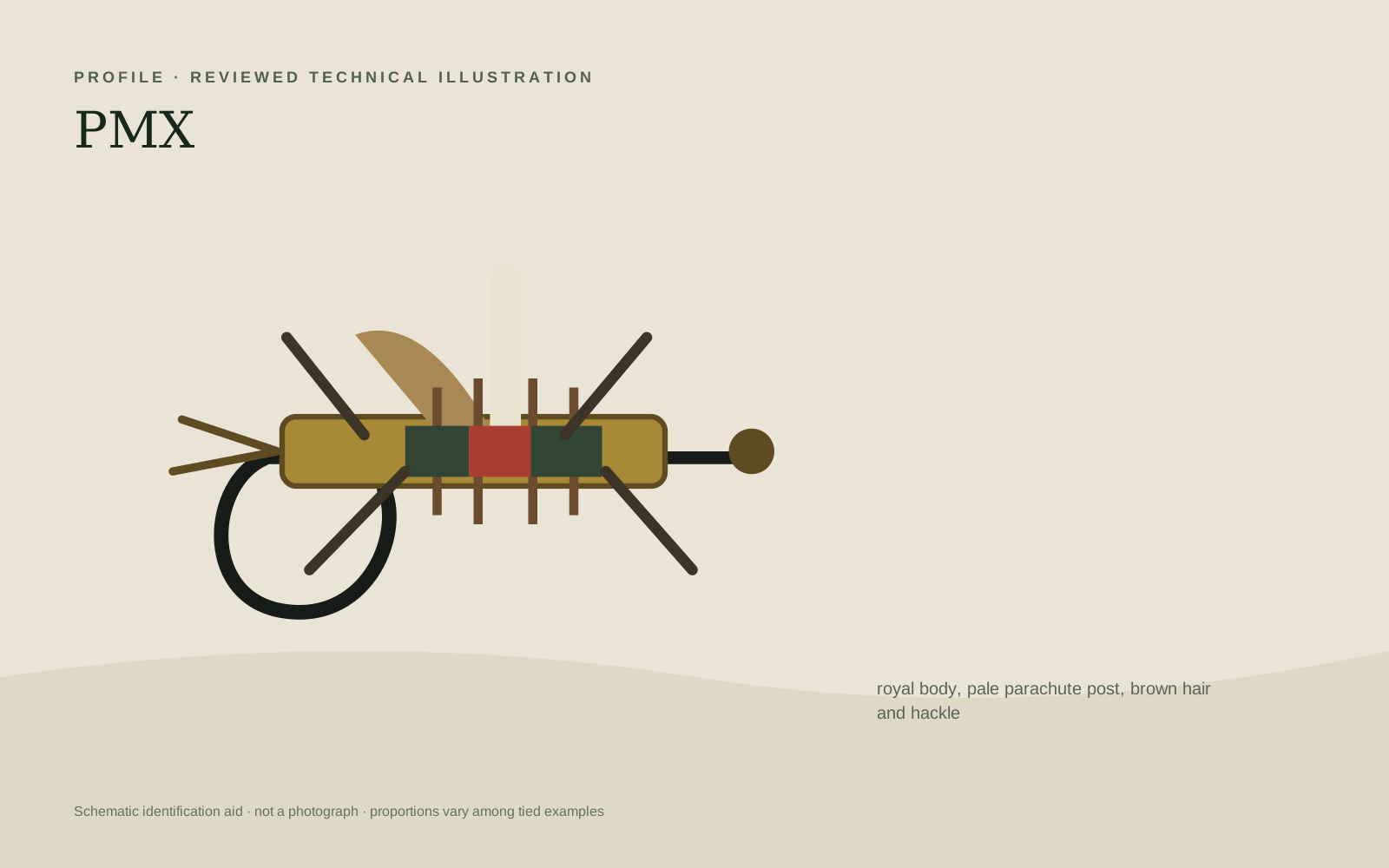 Reviewed technical illustration
Terrestrial · guide 61
A low-riding, highly visible all-purpose attractor with a parachute post, hair, hackle, and rubber legs.
The PMX combines a parachute-style post and hackle with a substantial hair-bodied profile and rubber legs. Royal and other color versions remain labeled variants rather than separate insects.
Identification views
A schematic profile emphasizing parachute post and hackle and hair wing and tail.
On the water
The river, depth, insects, and fish behavior still decide the final presentation. These are reviewed starting points—not a claim about what is happening today.
Variant control
Three reviewed technical illustrations show the identifying profile, construction, and fishing orientation. They are schematic field-guide aids, not photographs.
Reviewed core form
The PMX combines a parachute-style post and hackle with a substantial hair-bodied profile and rubber legs. Royal and other color versions remain labeled variants rather than separate insects.Review trail
Pattern facts were reviewed on 2026-07-12. Every image has its own rights record and exact label; natural specimens and hand-tied flies can vary in proportion.
© 2026 BlueStreamFly · Mountain Brook Run LLC
© 2026 BlueStreamFly · Mountain Brook Run LLC
© 2026 BlueStreamFly · Mountain Brook Run LLC