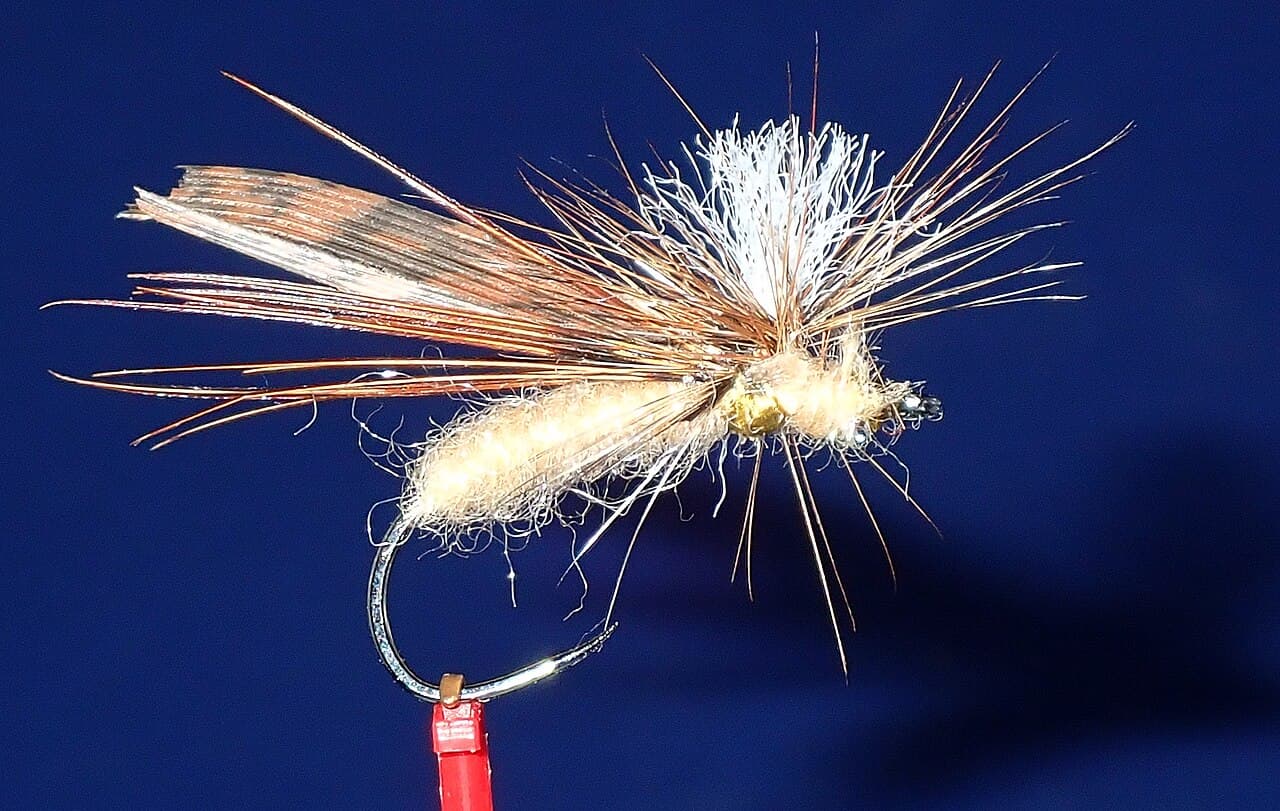
Technical comparison illustration for the Grasshopper Patterns family with clearly labeled representative formsReviewed representative comparison
← Fly Box

Pattern family · guide 21

Grasshopper Patterns

A family of foam, hair, and low-riding dry flies used to imitate grasshoppers and other large terrestrials.

Size range
#6–14
Colors reviewed
tan, yellow, olive, brown
Imitates
grasshopper, large terrestrial
How to recognize it

Hopper patterns share a substantial body and long rear-leg impression, but foam, deer hair, wing construction, and waterline differ widely among named patterns.

Technical comparison illustration for the Grasshopper Patterns family with clearly labeled representative forms
Technical illustration

Grasshopper Patterns family map

A family-level comparison of Foam hopper, Hair-wing hopper, Slim low-riding hopper; no single drawing represents the entire family.

View
family comparison map
Color shown
tan, yellow, olive, and brown
Look for
long rear legs; substantial body; foam or hair construction; high-floating profiles
Open full-size image

On the water

Narrow the family.

The river, depth, insects, and fish behavior still decide the final presentation. These are reviewed starting points—not a claim about what is happening today.

01

When to use it

  • During late-summer terrestrial activity.
  • Along grassy banks and wind-exposed edges.
02

How to fish it

  • Land it close to cover and dead-drift first.
  • Use an occasional twitch when natural hoppers are active.
03

Mistakes to avoid

  • Treating hopper-dropper as an exact fly.
  • Using one foam profile for all hopper patterns.

Variant control

Small changes matter.

This first family destination uses a reviewed comparison map. Each named representative remains labeled, and the family is not presented as one exact fly.

Representative family forms

A comparison of materially different forms anglers may mean when they use this family label.
Colors shown
tan, yellow, olive, brown
Weighting
Varies by exact pattern; verify the named destination before choosing weight.

Related patterns

Chubby ChernobylStimulatorAnt PatternsBeetle Patterns

Review trail

Sources, rights, and limits.

Pattern facts were reviewed on 2026-07-12. Every image has its own rights record; photographed hand-tied flies may still vary slightly in proportion.

Pattern sources

Orvis NewsFive Top Tandem-Rig Combos for TroutOrvis NewsHow to Tie and Fish Tandem Rigs

Image credits

BlueStreamFly-owned original technical illustration© 2026 BlueStreamFly · Mountain Brook Run LLC