Technical comparison for Cicada Patterns with three labeled representative formsReviewed representative comparison
← Fly Box

Pattern family · guide 72

Cicada Patterns

Large buoyant terrestrial patterns matched to locally present cicadas rather than one universal recipe.

Size range
Large terrestrials; match the local cicada
Colors reviewed
black, brown, olive, orange, green
Imitates
adult cicada
How to recognize it

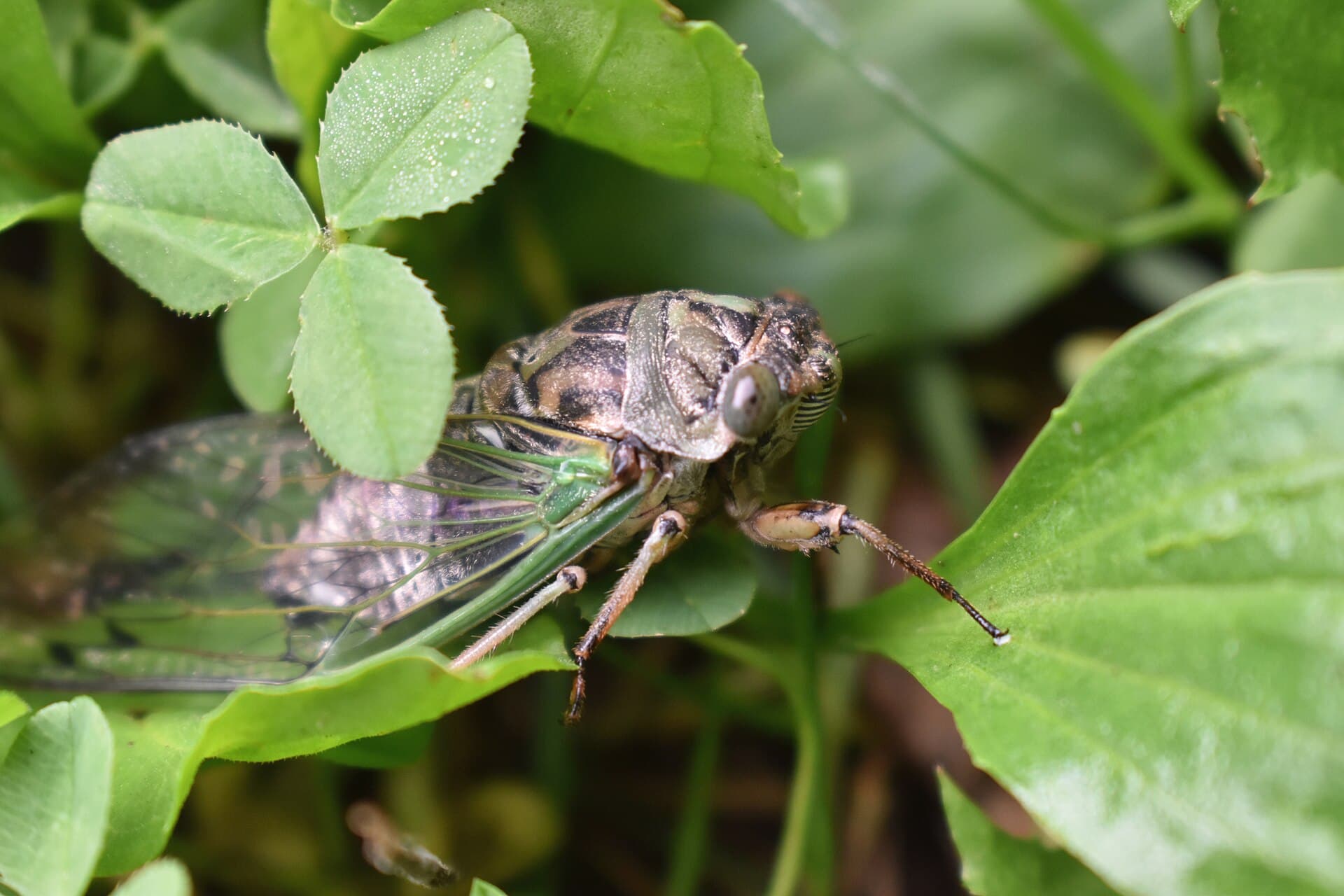
Cicada species differ in size, color, wing tone, and seasonal timing. The family map emphasizes the broad body, transparent roof-like wings, and strong legs without assigning one exact local species.

Technical comparison for Cicada Patterns with three labeled representative forms
Technical illustration

Cicada Patterns comparison map

A family-level comparison of Compact cicada, Broad-wing cicada, Local color and size form; no single drawing represents the whole family.

View
stage or silhouette comparison
Color shown
black, brown, olive, orange, and green
Look for
broad foam silhouette; roof-like translucent wings; strong legs and local colors
Open full-size image

On the water

Narrow the family.

The river, depth, insects, and fish behavior still decide the final presentation. These are reviewed starting points—not a claim about what is happening today.

01

When to use it

  • Only when cicadas are locally present or falling on the water.
02

How to fish it

  • Present firmly near wooded banks, then dead-drift or add an occasional restrained twitch.
03

Mistakes to avoid

  • Claiming one color is universal.
  • Using a brood or timing claim without local evidence.

Variant control

Small changes matter.

This comparison separates materially different insect, stage, or pattern forms. It is a family guide, not a claim that one fly represents every local species.

Representative family forms

Cicada species differ in size, color, wing tone, and seasonal timing. The family map emphasizes the broad body, transparent roof-like wings, and strong legs without assigning one exact local species.
Colors shown
black, brown, olive, orange, green
Weighting
Weight and buoyancy depend on the insect, life stage, and exact named pattern.

Related patterns

Terrestrial PatternsFoam Attractor Dry Patterns

Review trail

Sources, rights, and limits.

Pattern facts were reviewed on 2026-07-12. Every image has its own rights record; photographed hand-tied flies may still vary slightly in proportion.

Pattern sources

Orvis NewsIncredible Cicada Fishing in New ZealandOrvis NewsTom's Secret Tips for Fishing Terrestrial Flies

Image credits

BlueStreamFly-owned original technical illustration© 2026 BlueStreamFly · Mountain Brook Run LLC