Why it works
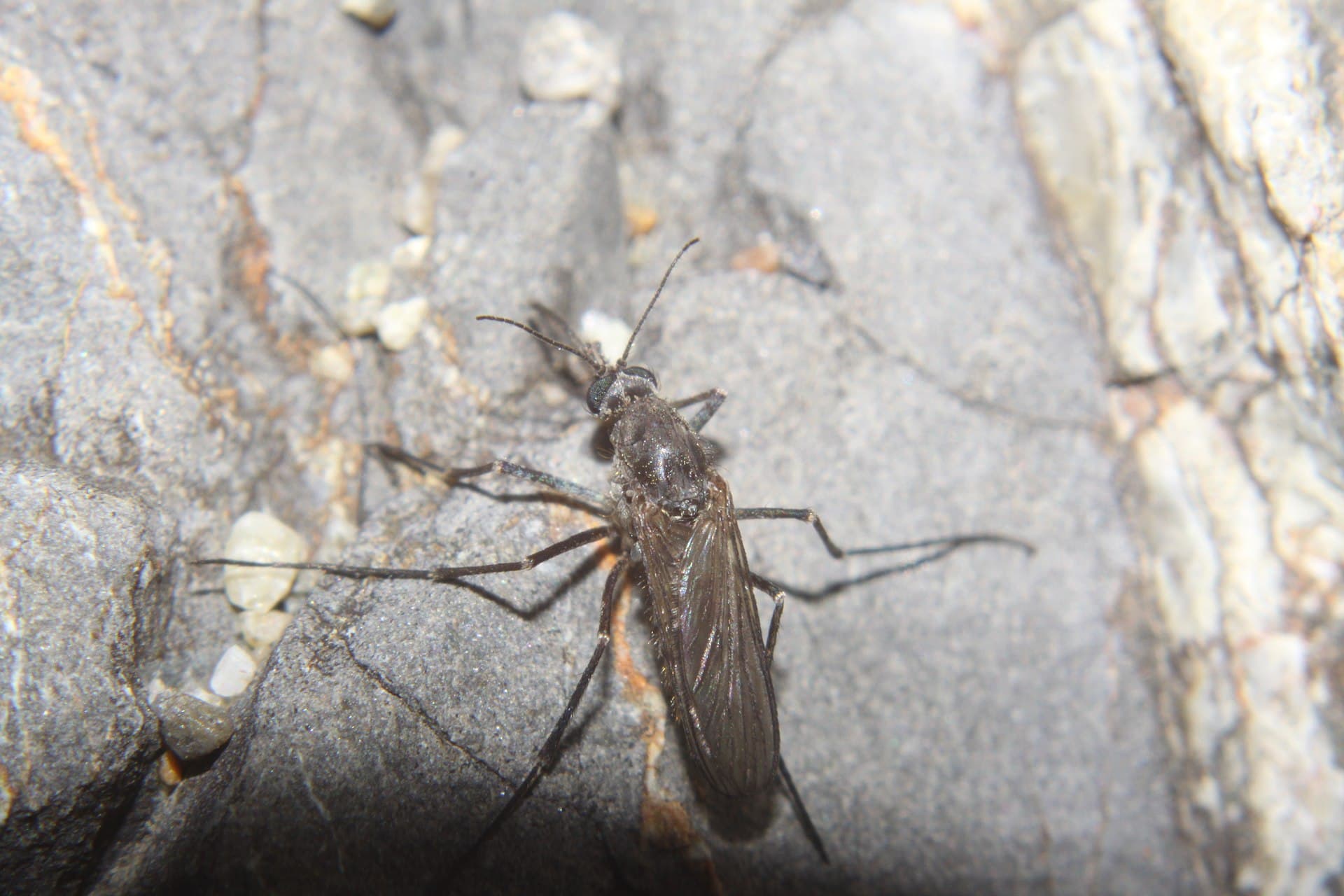
- Mosquitoes move through sharply different aquatic larval, aquatic pupal, and winged adult stages, giving fish different sizes, silhouettes, motion, and water positions rather than one generic small-insect target.
- Larvae hang from or move beneath the surface, pupae form a compact curved profile near the film, and adults may sit on or fall onto the surface; matching that position is more useful than selecting a gray fly by name alone.
- The photographs make stage recognition possible while preserving an important limit: a mosquito report does not prove which stage fish are eating or that every nearby still-water species is relevant to the river.