Detailed field photograph of a natural Giant Salmonfly Pteronarcys californica adult on a green leafRepresentative photo · one form in this family

Fly family · guide 68

Salmonfly Patterns

A very large stonefly family separating crawling nymphs from substantial adult dry patterns.

Size range
Large stonefly sizes; verify the river
Common colors
dark brown nymph, orange-brown adult, mottled wing
Imitates
salmonfly nymph, adult salmonfly
How to recognize it

Salmonfly is a hatch label, not a single dry fly. Nymphs are heavy and bottom-oriented; adults are large winged stoneflies represented by several distinct foam and hair patterns.

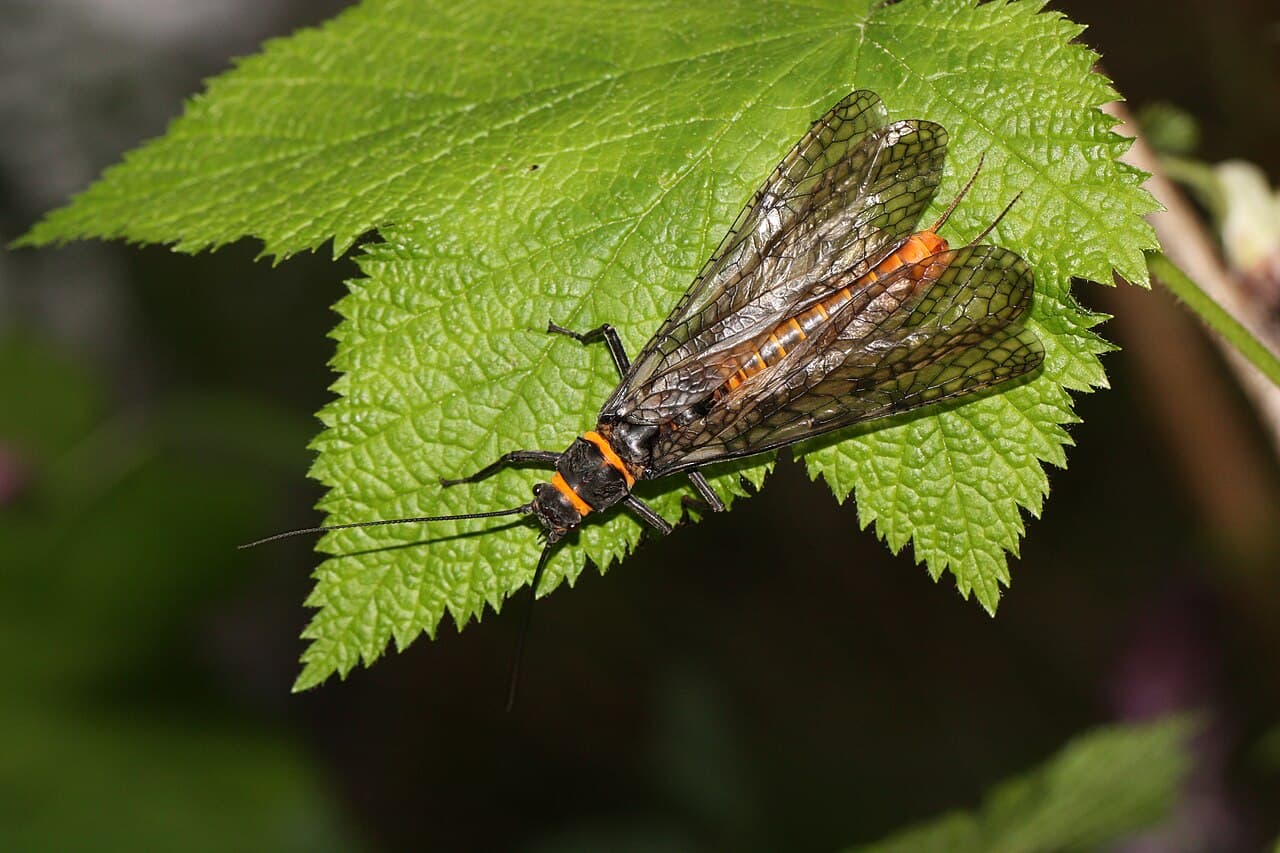
Detailed field photograph of a natural Giant Salmonfly Pteronarcys californica adult on a green leaf
Representative photo · one form in this family

Natural Pteronarcys californica adult

Natural-insect reference—not an artificial fly. Use it for the real adult's scale, dark folded wings, and orange accents; verify the local species.

View
stage comparison — natural Giant Salmonfly adult reference
Color shown
black-brown wings and body with strong orange abdominal and collar markings
Look for
The large natural adult shows long antennae, four dark net-veined wings, two tails, and orange body accents beneath the folded wings.
Open full-size photo

On the water

Choose the right version.

Use these tips as a starting point. The river, depth, insects, and fish behavior still decide the final presentation.

01

Why it works

  • Large salmonfly nymphs are substantial bottom food before the adult event, while the winged surface stage creates a separate bank-side opportunity.
  • Rubber Legs supplies a mobile substantial nymph profile and the Orange Stimulator supplies flotation, wing length, and a visible adult silhouette.
  • The natural adult shows that dark net-veined wings cover much of the orange body, guarding against choosing an oversized orange dry by color alone.
02

When to use it

  • Only where local reports, shucks, nymph migration, or adult sightings establish a current salmonfly event.
  • Use the nymph approach before and during bankward movement; use the adult dry only once winged insects or fish response make it credible.
  • Verify local species and size because Pteronarcys californica is a western reference, not proof for every river using large-stonefly wording.
03

How to fish it

  • Dead-drift the Rubber Legs approach near bottom through deep seams, pockets, and bank-side migration lanes with tackle appropriate to its weight.
  • Present the Orange Stimulator near banks and broken-water lanes without drag, adding motion only when observed adults support it.
  • Use the natural adult photograph to compare scale, wing shape, antennae, tails, and orange placement rather than treating it as an artificial pattern.
04

Mistakes to avoid

  • Assuming all large orange dries are salmonflies.
  • Treating a hatch prediction as a current observation.

Make the choice

Choose the form before the color.

A family name is only a starting point. Use the waterline, construction, and observed food to narrow it to the form that fits the river.

  1. Choose the Rubber Legs form as one substantial mobile nymph approach and keep its exact weighting labeled.
  2. Choose the Orange Stimulator as one buoyant adult approach only when its size, wing, and orange tone fit the local insect.
  3. Use the natural Giant Salmonfly adult only for identification and scale; it is not a fly pattern or universal watershed claim.

Common variations

Small changes can make a different fly.

Three verified, non-AI photographs compare a natural Pteronarcys californica adult with clearly labeled Rubber Legs nymph and Orange Stimulator adult-dry approaches. The two artificial flies keep their names and are not presented as universal exact salmonfly recipes.

Rubber Legs stonefly nymph approach

A substantial bottom-stage form with a variegated body and flexible legs.
Colors shown
dark brown-black, tan legs
Weighting
Weight varies by exact construction; match tackle and depth.

Orange Stimulator adult approach

A buoyant long-winged orange adult-dry option that keeps its exact pattern name.
Colors shown
orange, brown, tan hair
Weighting
Unweighted dry fly.

Natural Pteronarcys californica adult

A natural adult reference for large scale, dark folded wings, antennae, tails, and orange markings.
Colors shown
black-brown, orange
Weighting
Not applicable; this image shows a natural insect.

Related patterns

Stonefly Patterns by StageStonefly Nymph PatternsPat's Rubber LegsStimulatorChubby Chernobyl

How this guide was checked

Fly information and photo sources.

Guide checked on 2026-07-13. Every image has its own source and usage record. Natural insects and hand-tied flies can vary in shape and proportion.

Pattern sources

Orvis NewsTop 5 Salmonfly Dries for the Madison RiverOrvis NewsMatch the Hatch by Observing Flight Patterns

Image credits