Technical stage comparison for Hex Mayfly Patterns with three labeled representative formsReviewed representative comparison
← Fly Box

Pattern family · guide 53

Hex Mayfly Patterns

A large-mayfly family for Hexagenia nymph, emerger, dun, and spinner imitations.

Size range
Large mayfly sizes; verify the local water
Colors reviewed
tan, brown, cream, pale yellow
Imitates
Hexagenia nymph, Hex emerger, Hex dun, Hex spinner
How to recognize it

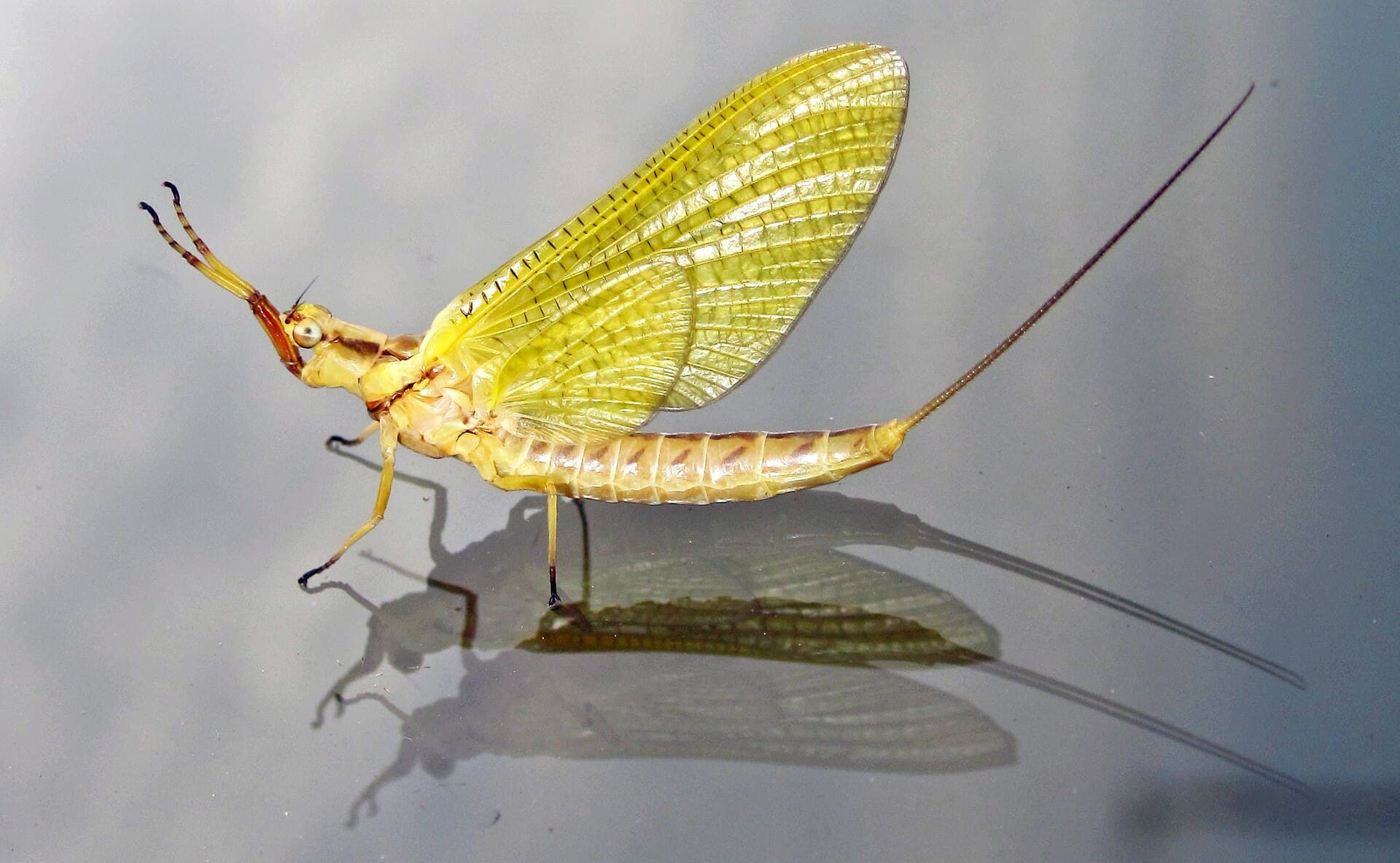
The current inventory specifies Hex nymph most often, but the broader hatch includes burrowing nymphs, emerging forms, large upright duns, and spent spinners. These forms must remain separate.

Technical stage comparison for Hex Mayfly Patterns with three labeled representative forms
Technical illustration

Hex Mayfly Patterns stage map

A family-level comparison of Hex nymph, Hex emerger, Hex dun or spinner; no single drawing represents the whole family.

View
stage comparison map
Color shown
tan, brown, cream, and pale yellow
Look for
burrowing nymph; large emerger; upright dun; spent spinner
Open full-size image

On the water

Narrow the family.

The river, depth, insects, and fish behavior still decide the final presentation. These are reviewed starting points—not a claim about what is happening today.

01

When to use it

  • Only in lakes or rivers with established Hexagenia activity.
  • When the seasonal and daily stage is plausible.
02

How to fish it

  • Fish nymphs below before emergence; use emergers, large dries, or spinners only as the hatch progresses.
03

Mistakes to avoid

  • Turning 'Hex nymph' into a dry-fly recommendation.
  • Using one large pale dry for every stage.

Variant control

Small changes matter.

This stage comparison keeps materially different forms labeled. It is a family guide, not a claim that one fly represents every stage or local species.

Representative stage forms

The current inventory specifies Hex nymph most often, but the broader hatch includes burrowing nymphs, emerging forms, large upright duns, and spent spinners. These forms must remain separate.
Colors shown
tan, brown, cream, pale yellow
Weighting
Weight and buoyancy depend on the life stage and exact named pattern.

Related patterns

Mayfly Patterns by StageBrown Drake Patterns

Review trail

Sources, rights, and limits.

Pattern facts were reviewed on 2026-07-12. Every image has its own rights record; photographed hand-tied flies may still vary slightly in proportion.

Pattern sources

Orvis NewsHow to Match the HatchOrvis NewsPhil's Top 6 Patterns for Spring Mayfly Hatches

Image credits

BlueStreamFly-owned original technical illustration© 2026 BlueStreamFly · Mountain Brook Run LLC