Technical comparison for Crane Fly Patterns with three labeled representative formsReviewed representative comparison
← Fly Box

Pattern family · guide 76

Crane Fly Patterns

A lifecycle family separating long subsurface crane-fly larvae from gangly winged adults.

Size range
A #12 larva guide form is documented; verify local adults
Colors reviewed
cream, gray-tan, olive-brown, mottled adult
Imitates
crane-fly larva, adult crane fly
How to recognize it

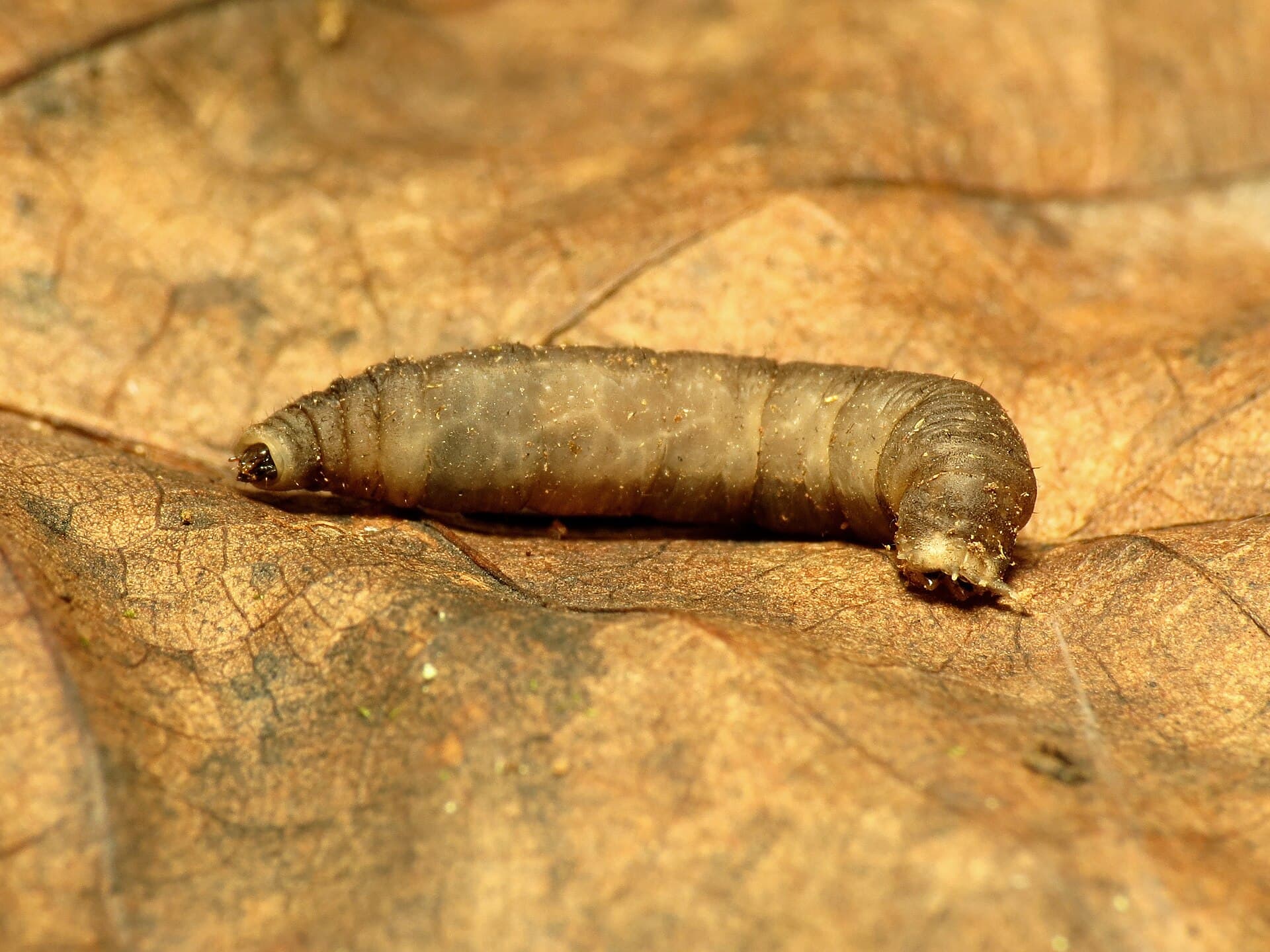
Crane-fly larvae are elongated, segmented, and bottom-oriented; adults have long legs and wings at the surface. The two stages should never share one generic visual.

Technical comparison for Crane Fly Patterns with three labeled representative forms
Technical illustration

Crane Fly Patterns comparison map

A family-level comparison of Crane-fly larva, Emerging crane fly, Adult crane-fly dry; no single drawing represents the whole family.

View
stage or silhouette comparison
Color shown
cream, gray-tan, olive-brown, and mottled brown
Look for
long segmented larva; emerging form; long-legged winged adult
Open full-size image

On the water

Narrow the family.

The river, depth, insects, and fish behavior still decide the final presentation. These are reviewed starting points—not a claim about what is happening today.

01

When to use it

  • Where crane flies occur and the relevant stage is active.
02

How to fish it

  • Dead-drift weighted larvae near bottom; use adult patterns on top only when adults are present.
03

Mistakes to avoid

  • Showing the adult for a larva recommendation.
  • Assuming every long larva is a crane fly.

Variant control

Small changes matter.

This comparison separates materially different insect, stage, or pattern forms. It is a family guide, not a claim that one fly represents every local species.

Representative family forms

Crane-fly larvae are elongated, segmented, and bottom-oriented; adults have long legs and wings at the surface. The two stages should never share one generic visual.
Colors shown
cream, gray-tan, olive-brown, mottled adult
Weighting
Weight and buoyancy depend on the insect, life stage, and exact named pattern.

Related patterns

Terrestrial Patterns

Review trail

Sources, rights, and limits.

Pattern facts were reviewed on 2026-07-12. Every image has its own rights record; photographed hand-tied flies may still vary slightly in proportion.

Pattern sources

Orvis NewsHow to Tie a Crane Fly Larva

Image credits

BlueStreamFly-owned original technical illustration© 2026 BlueStreamFly · Mountain Brook Run LLC