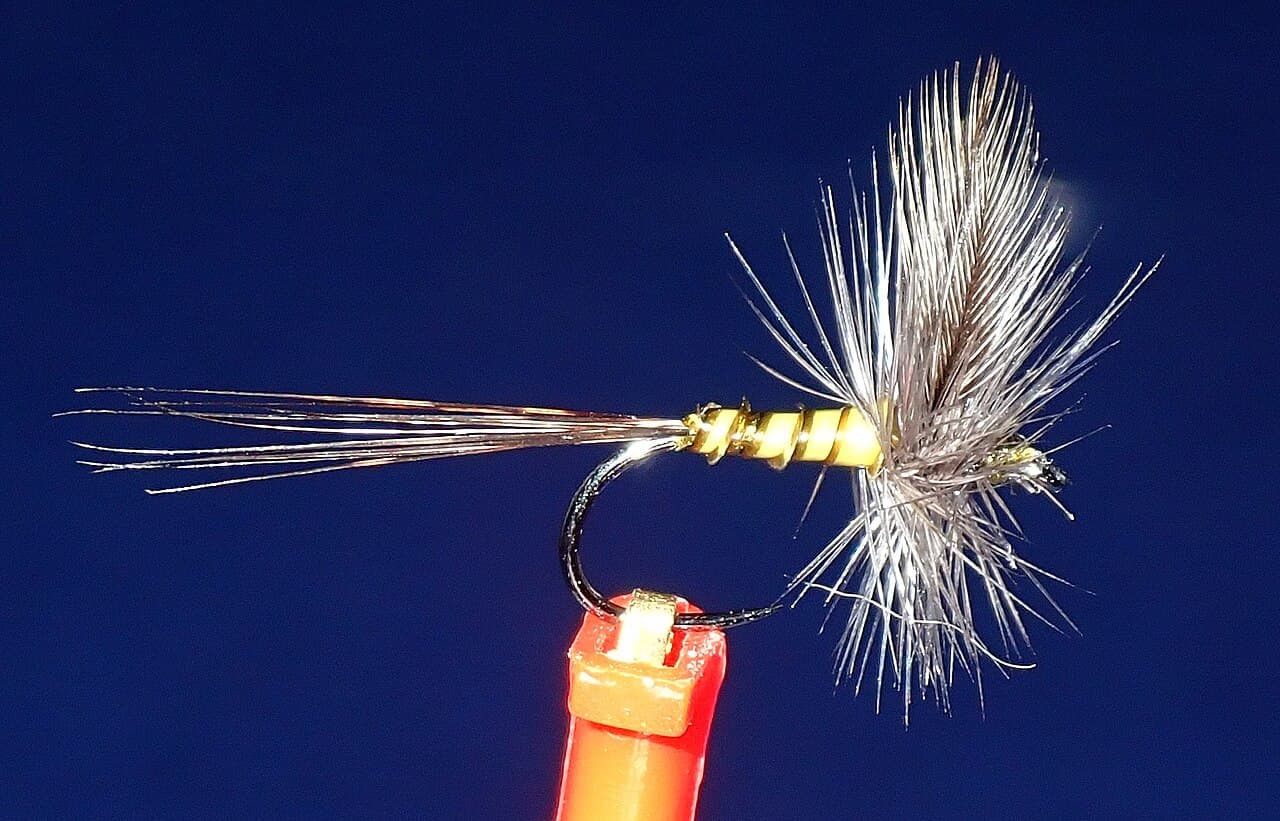
Side photograph of a BWO Hen-Winged Olive Biot dry fly with an upright gray wing and segmented olive bodyRepresentative photo · one form in this family

Fly family · guide 16

Blue-Winged Olive Patterns

A stage-based family for olive-bodied mayfly nymphs, emergers, adults, cripples, and spinners.

Size range
Often #14–24; stage and river vary
Common colors
olive, brown-olive, blue-gray wing
Imitates
blue-winged olive mayfly stages, Baetis-type mayflies
How to recognize it

BWO describes a hatch group, not one fly. Nymph, emerger, dry, cripple, and spinner profiles must stay separate because they occupy different parts of the water column.

Side photograph of a BWO Hen-Winged Olive Biot dry fly with an upright gray wing and segmented olive body
Representative photo · one form in this family

BWO Hen-Winged Olive Biot

This upright hen-wing form represents an adult-dun presentation; it is not a nymph, emerger, or universal BWO recipe.

View
family comparison — upright hen-wing adult dry
Color shown
yellow-olive biot body with gray hen wing and hackle
Look for
A slim segmented biot body, paired upright feather wing, and conventional hackle create a clearly visible adult-dun form.
Open full-size photo

On the water

Choose the right version.

Use these tips as a starting point. The river, depth, insects, and fish behavior still decide the final presentation.

01

Why it works

  • BWO is a hatch-family label, so the useful imitation changes as the insect moves from a slim swimming nymph to the surface transition and then to a winged adult.
  • A low body and trailing shuck can match a vulnerable transition, while upright wings and hackle or CDC create materially different adult footprints and flotation.
  • Size, feeding depth, rise form, and water texture usually tell the angler more than choosing a different olive shade without changing stage.
02

When to use it

  • During a verified BWO window, especially in cool or overcast conditions or whenever actual mayfly activity confirms the opportunity.
  • Use a nymph before surface activity, a low emerger or Sparkle Dun when fish feed in the film, and an adult dry only for consistent surface takes.
  • Let the linked river report establish seasonal context, then confirm insect size and fish behavior at the water before choosing a form.
03

How to fish it

  • Dead-drift a slim nymph at the depth fish are using, reducing weight as activity moves upward rather than forcing the same rig through every stage.
  • Fish the Sparkle Dun flush in the film with a drag-free drift; its low body and trailing shuck are the point of the design.
  • Present the hen-wing, quill, or CDC adult without drag, choosing the waterline and visibility that fit the current; change stage before chasing an unrelated color.
04

Mistakes to avoid

  • Showing one dry as the whole BWO family.
  • Calling every small olive mayfly a current BWO hatch.

Make the choice

Choose the form before the color.

A family name is only a starting point. Use the waterline, construction, and observed food to narrow it to the form that fits the river.

  1. Use the natural Baetis specimen only to study the slim abdomen, tails, wing pads, legs, and gills. It is not an artificial fly and does not identify the exact local BWO species.
  2. Choose the Sparkle Dun when fish key on the low emerger-to-dun transition and a trailing shuck is useful.
  3. Choose the hen-wing or quill-bodied hackled adult when an upright, more visible dry footprint suits riffles or a clear adult rise.
  4. Choose the CDC-wing adult for a softer, more diffuse wing profile in calmer water; keep CDC care separate from conventional hackle treatment.
  5. Open the linked RS2, Sparkle Dun, PMD Comparadun, or mayfly-stage pages when the exact pattern or a different mayfly family is actually named.

Common variations

Small changes can make a different fly.

Five verified, non-AI photographs compare four artificial BWO forms with one clearly labeled natural Baetis-nymph anatomy reference. The natural specimen supports stage recognition; it is not a fly pattern or a claim about the exact species in every river.

Natural Baetis nymph reference

A scientific specimen photograph for recognizing natural nymph anatomy, not an artificial fly or universal local species claim.
Colors shown
pale olive-tan natural specimen
Weighting
Not applicable; this image shows a natural insect.

Olive Sparkle Dun

A low hackleless transition form with a trailing shuck and upright deer-hair wing.
Colors shown
olive body, pale wing, brown shuck
Weighting
Unweighted film pattern.

Hen-Winged Olive Biot

A segmented biot-bodied adult with paired upright feather wings and conventional hackle.
Colors shown
yellow-olive body, gray wing and hackle
Weighting
Unweighted dry fly.

Blue-Winged Olive Quill

A quill-bodied hackled adult shown in two hand-tied examples.
Colors shown
yellow-olive quill body, pale upright wing
Weighting
Unweighted dry fly.

CDC-Winged Olive Biot

A segmented adult form with a softer CDC wing rather than a paired hen wing.
Colors shown
yellow-olive body, pale CDC wing
Weighting
Unweighted dry fly.

Related patterns

RS2PMD ComparadunSparkle DunMayfly Patterns by Stage

How this guide was checked

Fly information and photo sources.

Guide checked on 2026-07-13. Every image has its own source and usage record. Natural insects and hand-tied flies can vary in shape and proportion.

Pattern sources

Orvis NewsTop 5 Autumn Olive PatternsOrvis NewsHow to Fish Emergers

Image credits