RiverReports preview · current series loading
Recent flow
RiverReports gauge
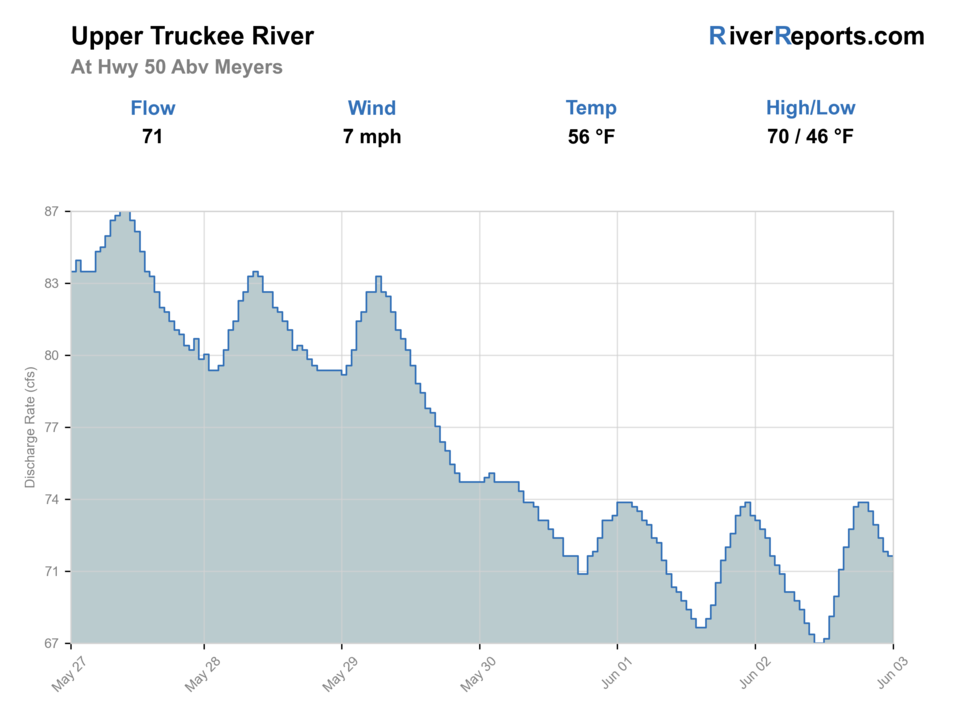
Showing the available RiverReports chart while the current structured flow series loads. Check the chart on RiverReports Opens in a new tab.
Flow is high for this time of year.
No access method is recommended today. Review the live conditions below before choosing another river or day.
Rating updatedRiver local time:
USGS shows 14 cfs. The flow has been stable over about 6 hours. USGS marks this reading provisional and may revise it. USGS records for this date (1991-2025, 35 readings) show a median near 8 cfs and the upper quartile near 11 cfs; today's flow is high for the date. Fishable water may exist, but do not rate it highly without a safe access, clarity, and wading or boat plan.
NWS air forecast near
This is an air forecast, not a river-temperature reading. Check the water with a stream thermometer before fishing in hot weather.
RiverReports gauge
Showing the available RiverReports chart while the current structured flow series loads. Check the chart on RiverReports Opens in a new tab.
Light Rain Likely
The National Weather Service forecast is temporarily unavailable.
RiverReports gauge: Upper Truckee River
Seasonal starting points, not a live hatch report. Match what you see on the water.
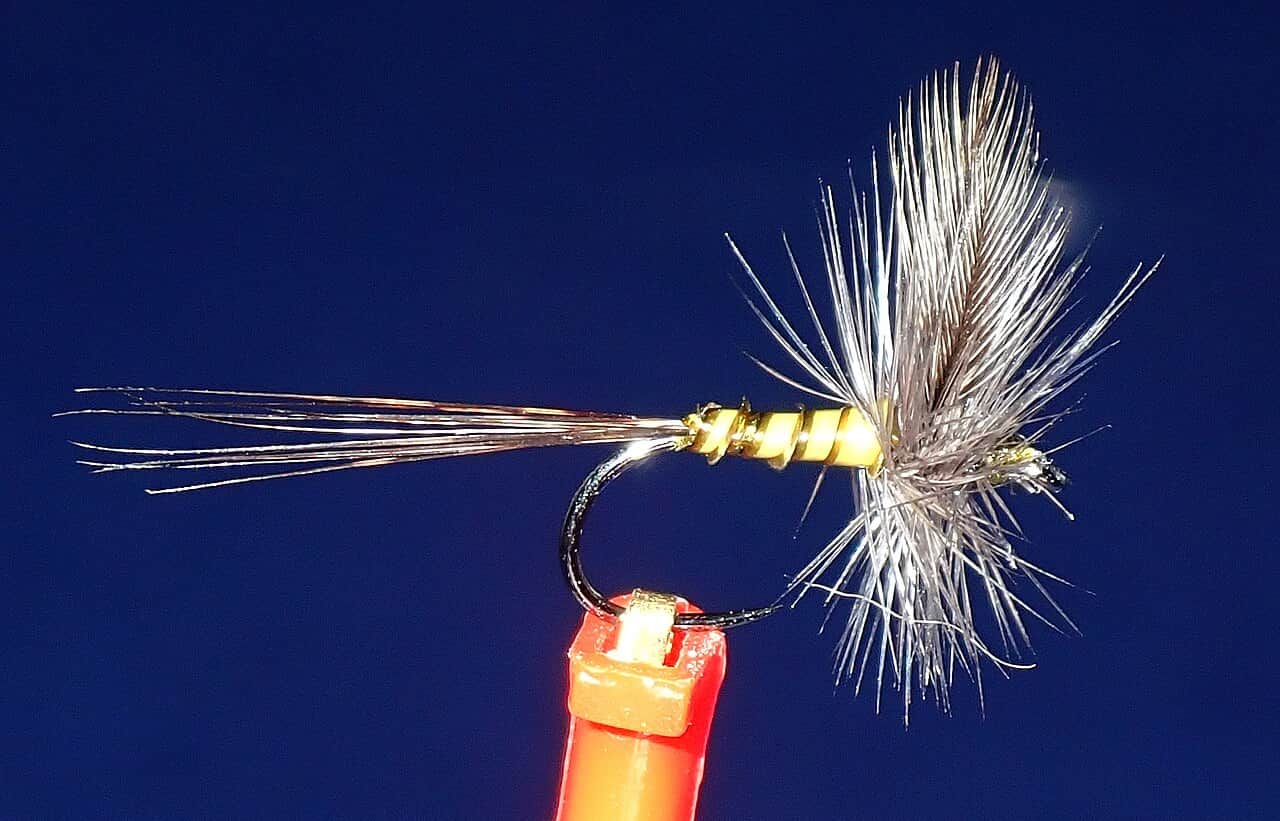
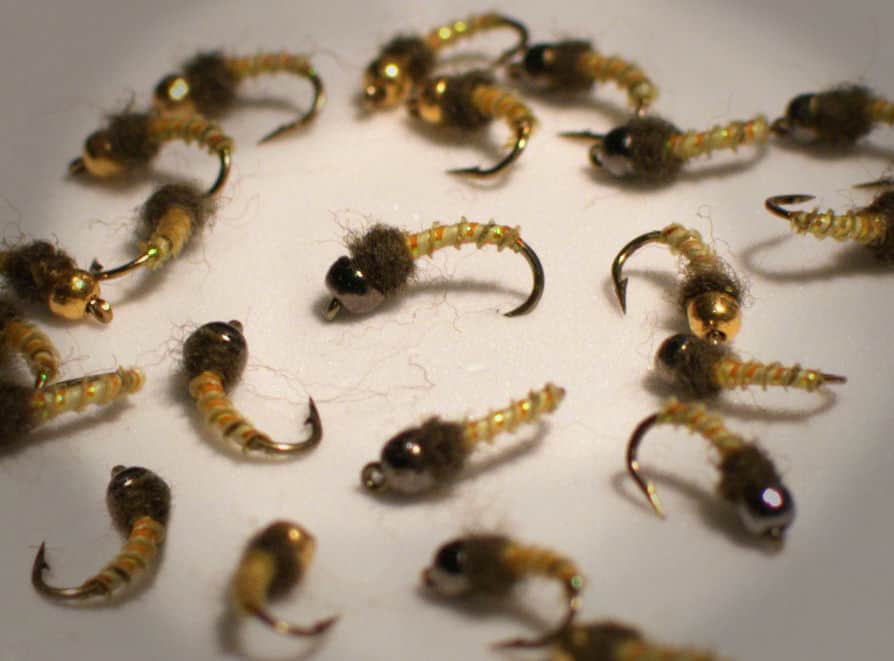
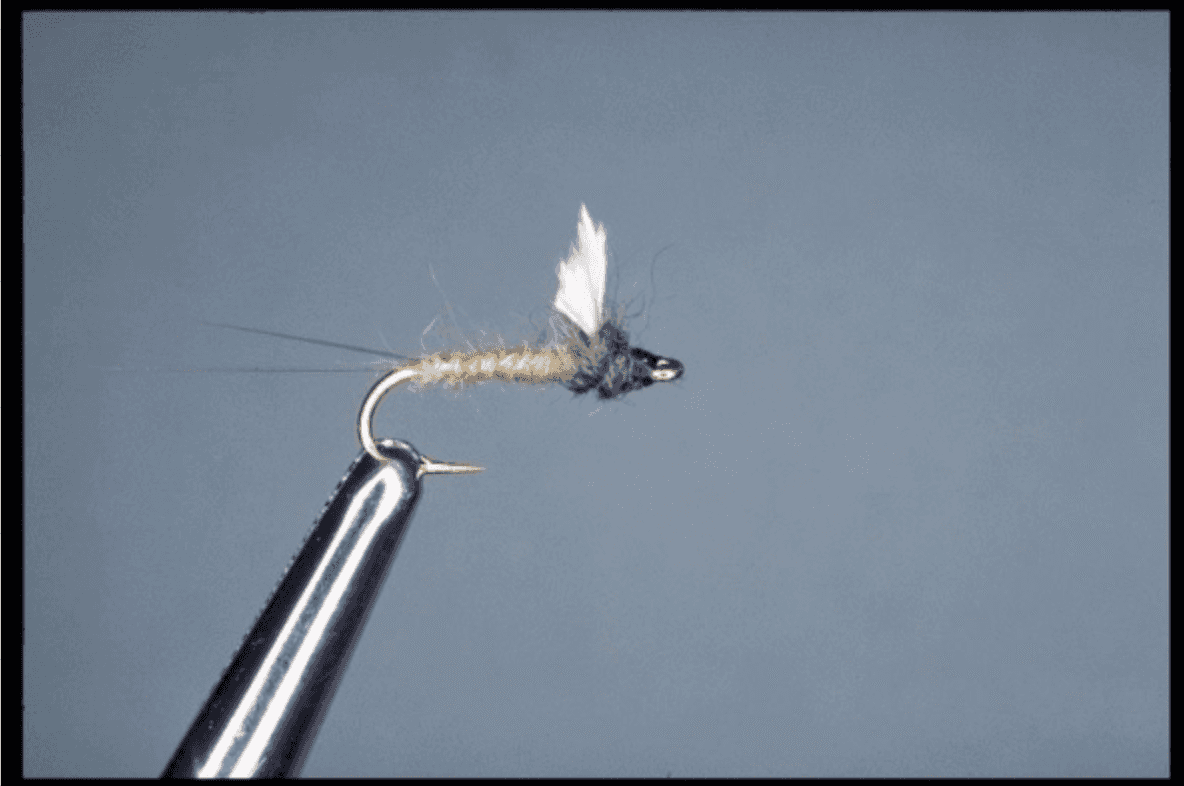
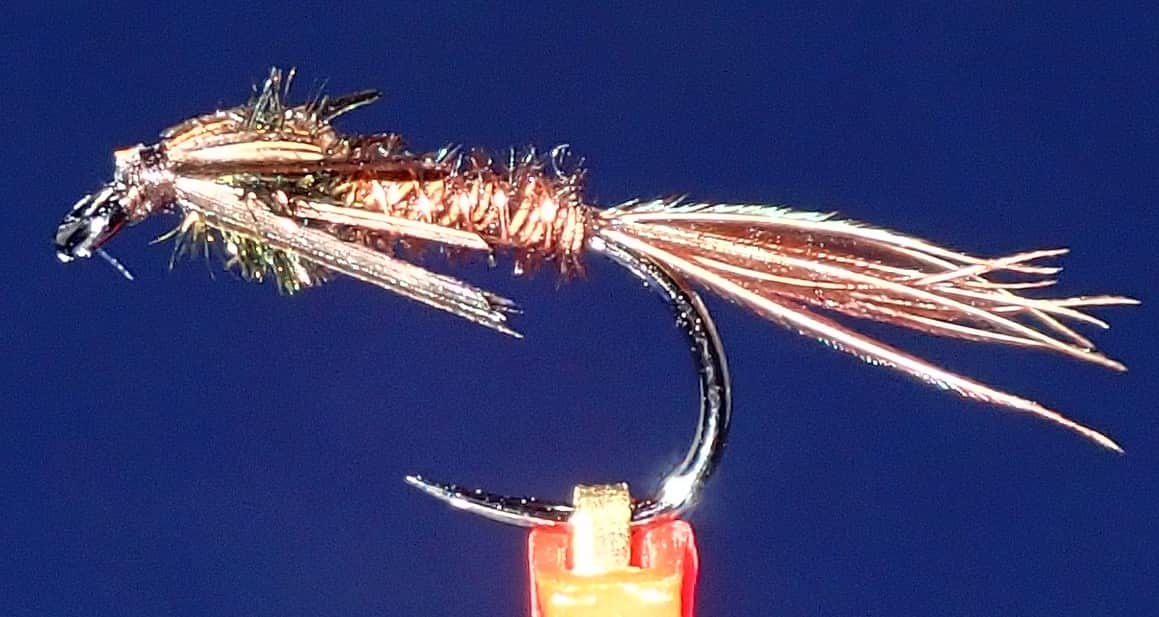
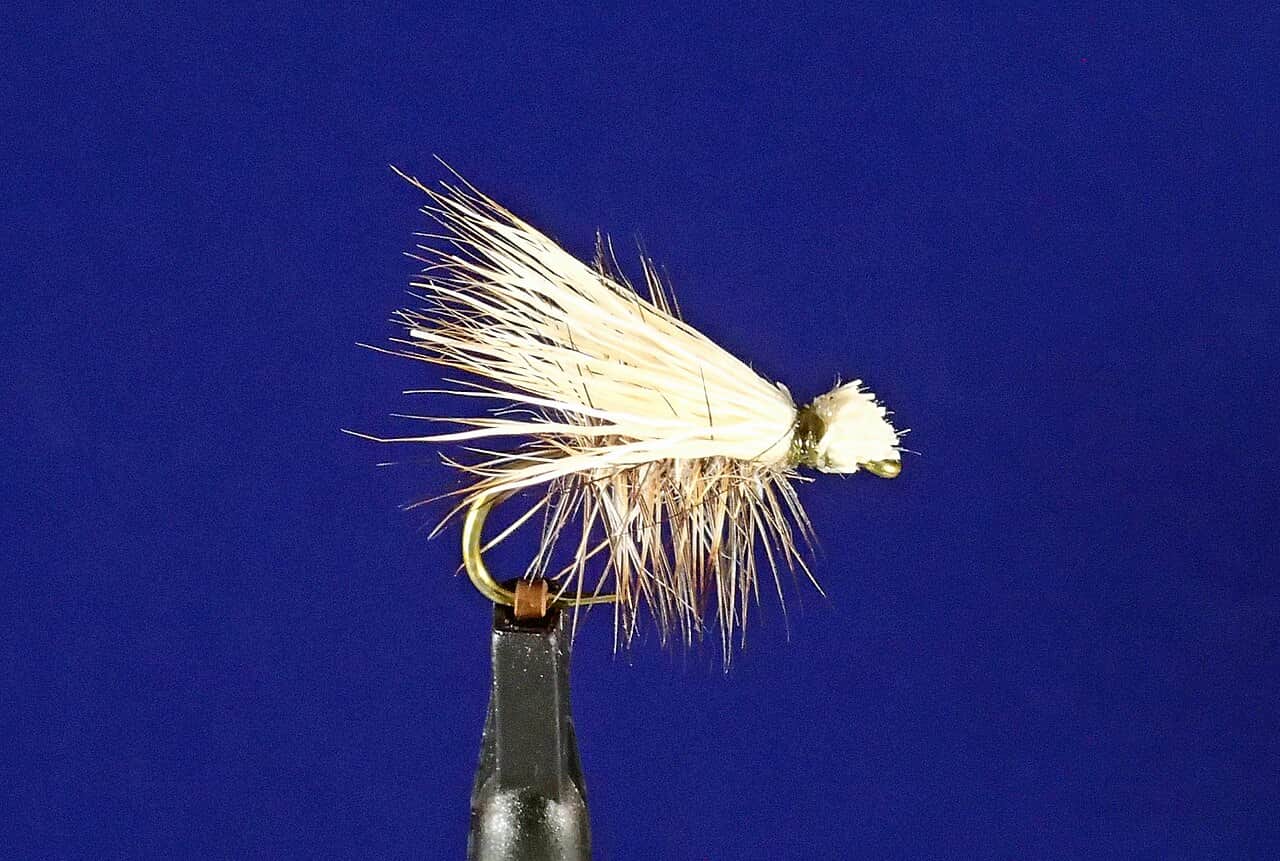
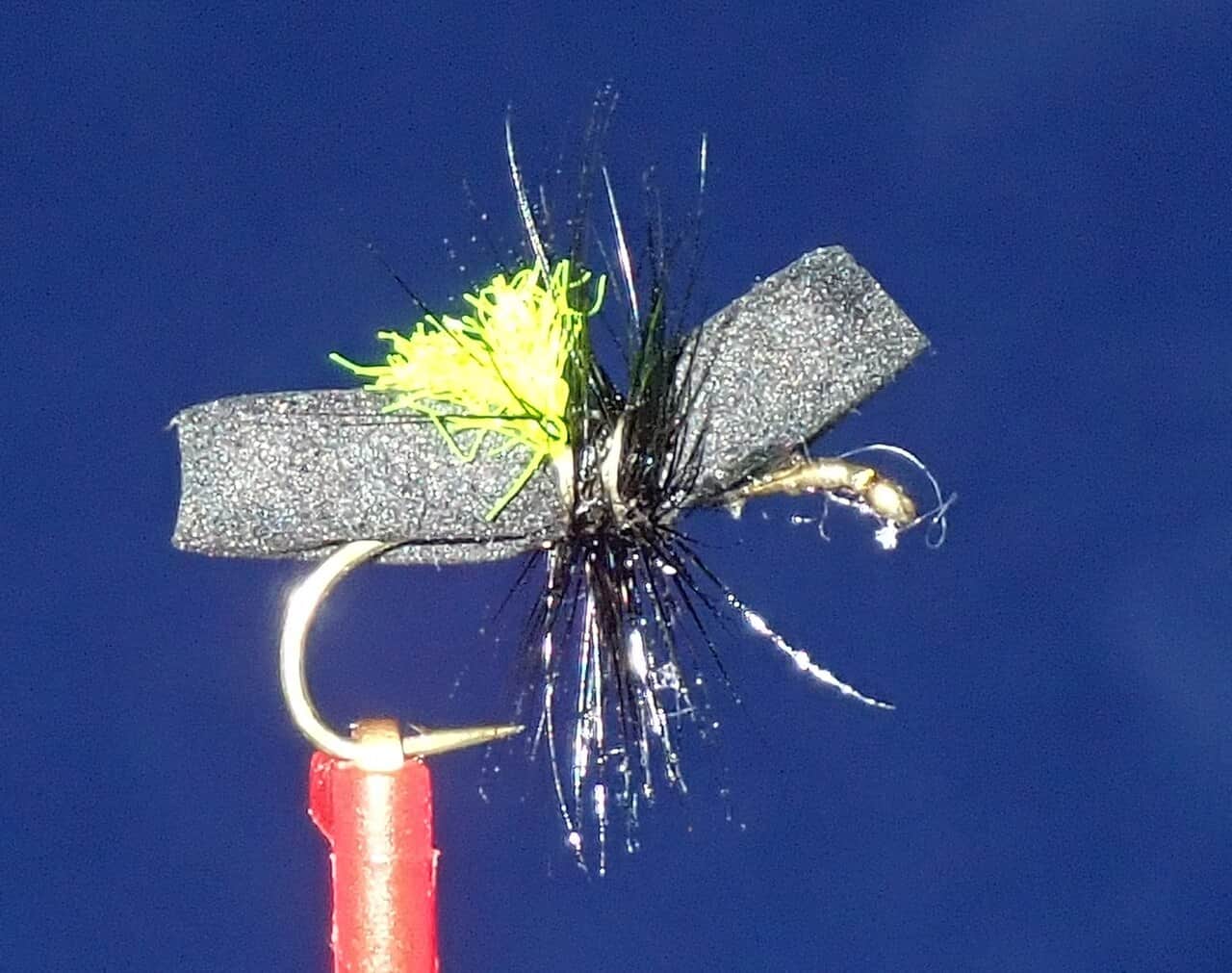
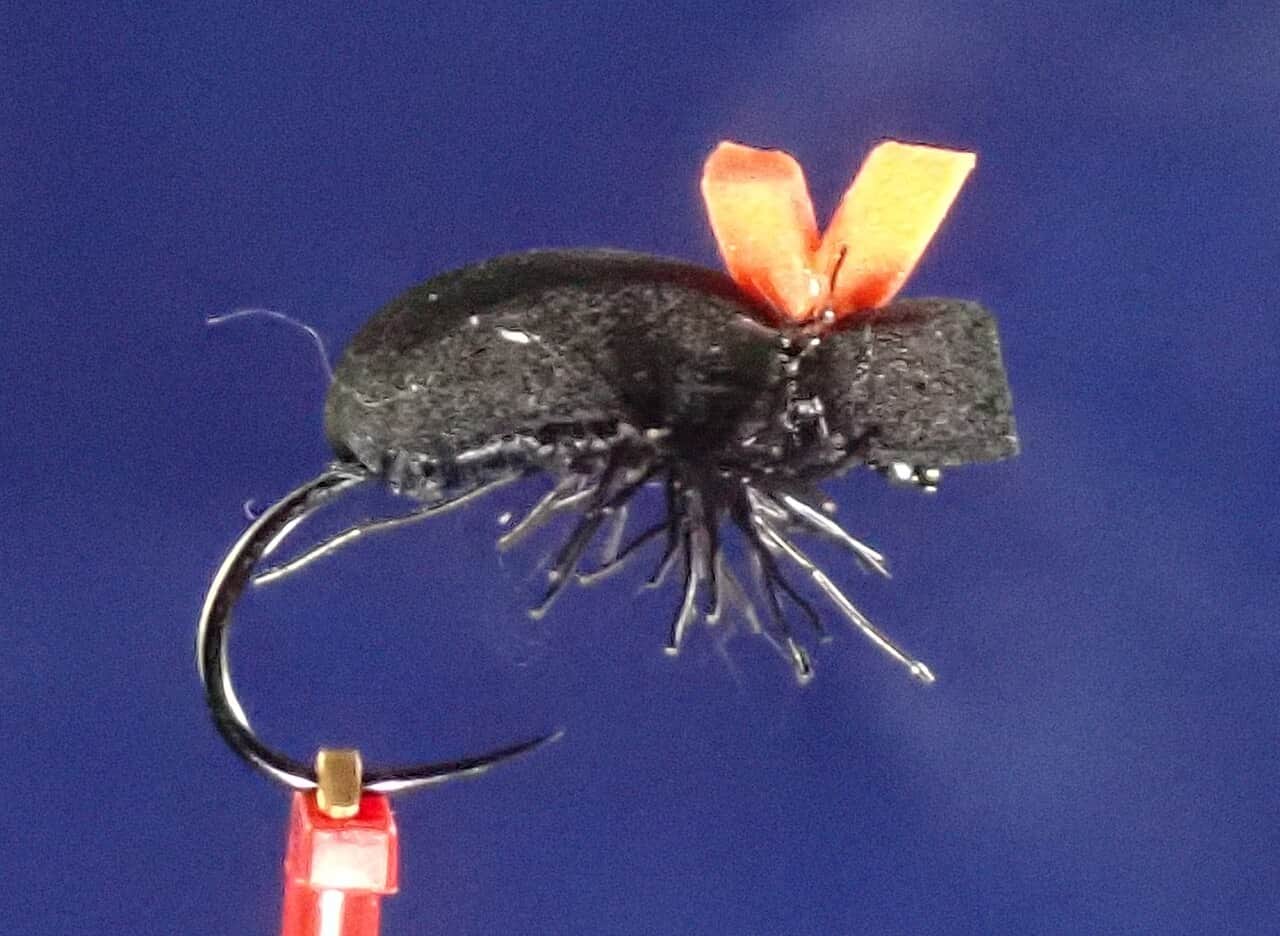
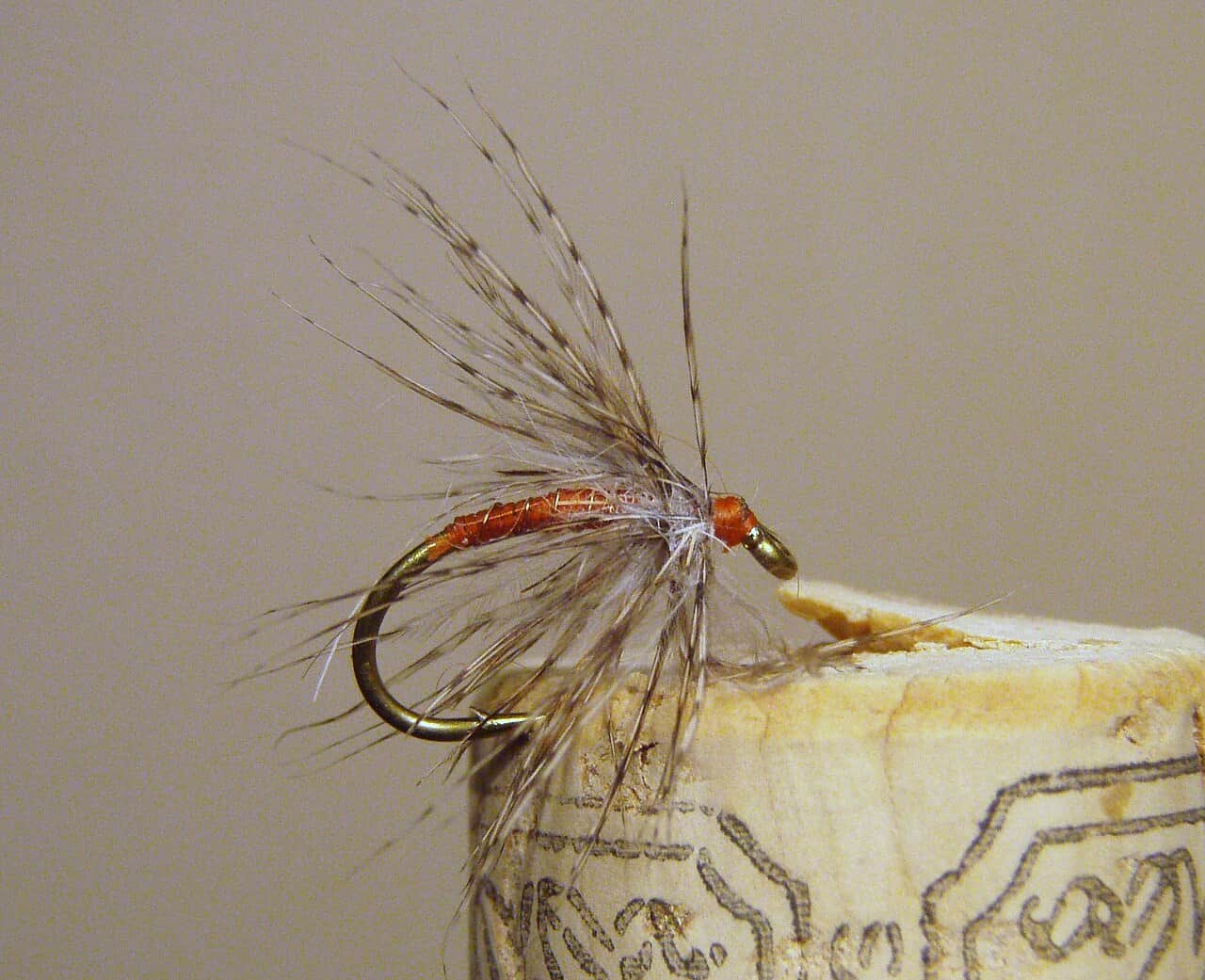
Also try hopper-dropper
Each fly name opens its matching Fly Box guide.
Stable late summer and early fall windows usually give the cleanest Upper Truckee fishing. In high water, the river turns into a bank-sensitive restoration area where caution matters more than forcing a cast.
Use longer leaders, smaller dries or nymphs, and stay well back from cut banks.
Best all-around condition for short indicator rigs, terrestrials, and slow-bank drifts.
Treat it as a scouting day or move elsewhere. Soft banks and unclear channels raise the cost of mistakes.
Carry a thermometer and end the trout plan if the water warms into stress territory.
No access method is recommended in today's conditions. Review the live river and weather checks before making another plan.
Not recommended today. Recheck the river, weather, and access before planning another trip.
Not recommended today. Recheck the river, weather, and access before planning another trip.
Not recommended today. Recheck the river, weather, and access before planning another trip.
Is Upper Truckee River worth the trip today? Check flow, weather, hatches, access, and rules for California before you go.
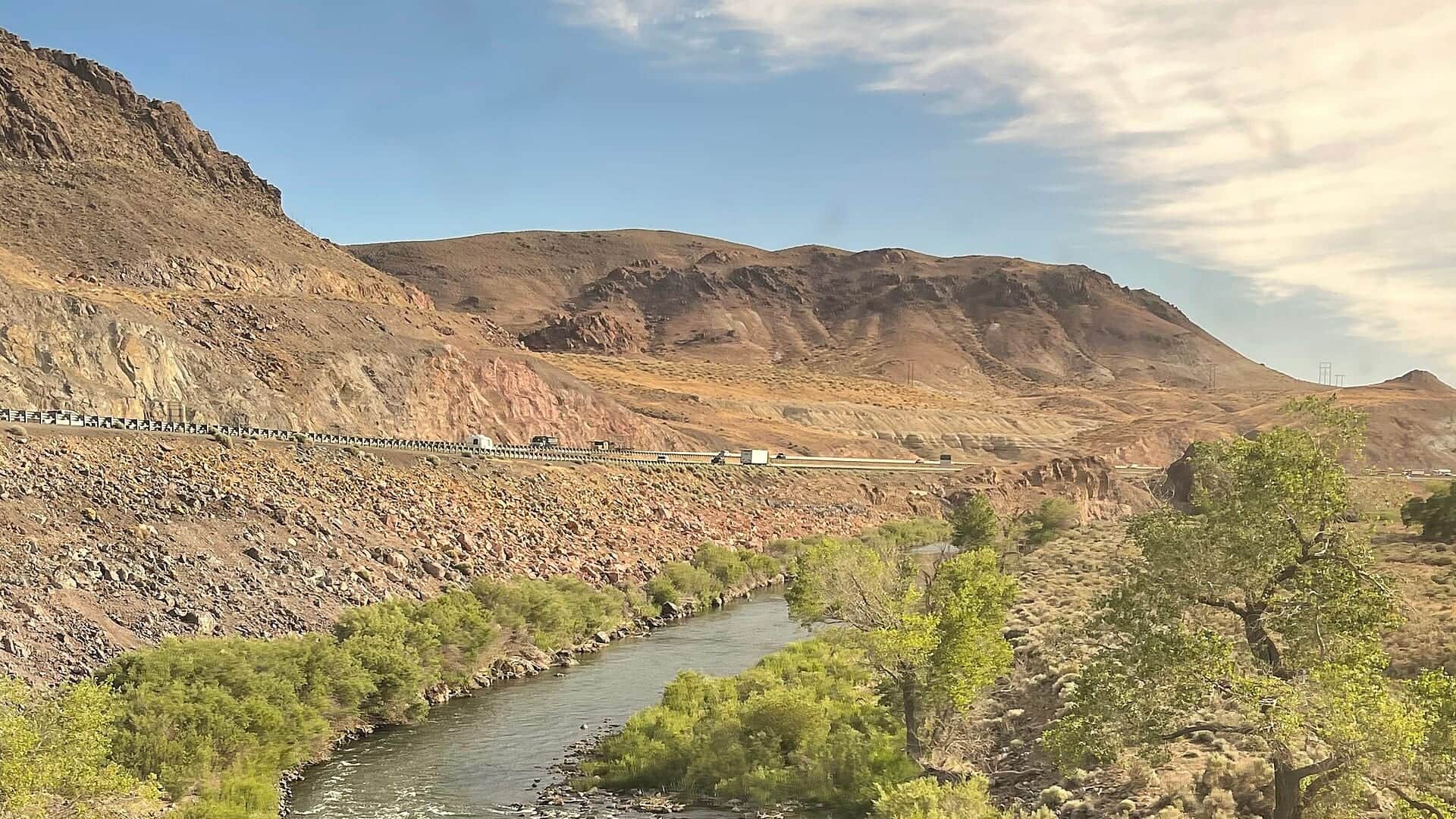
The Upper Truckee is most useful for anglers when flows are moderate, banks are stable enough to approach carefully, and you are willing to fish slower bends, undercut banks, and shaded seams instead of forcing long blind drifts.
USGS shows 14 cfs. The flow has been stable over about 6 hours. USGS marks this reading provisional and may revise it. USGS records for this date (1991-2025, 35 readings) show a median near 8 cfs and the upper quartile near 11 cfs; today's flow is high for the date. Fishable water may exist, but do not rate it highly without a safe access, clarity, and wading or boat plan.
This month is not listed as a top seasonal window in this page's reviewed season notes. Use current regulations, flow, temperature, and access checks before treating the score as a slam dunk.
An active public alert is in effect near this forecast point, so the score is capped at caution until conditions are checked. NWS alert: Lake Wind Advisory issued October 22 at 1:58PM PDT until October 24 at 8:00AM PDT by NWS Reno NV.
The current NWS air forecast is about 45F, and the next 24-hour high reaches about 52F. Light Rain Likely.
Skip during flooded meadow conditions, soft-bank runoff, or warm summer afternoons that put trout under stress.
Moderate stable flows with clear edges, defined undercuts, and temperatures cool enough for ethical trout handling.
Skip during flooded meadow conditions, soft-bank runoff, or warm summer afternoons that put trout under stress.
Stay based near Meyers, check the gauge and weather first, fish one durable access section carefully, and keep Truckee River as the backup if the meadow feels too soft or warm.
Truckee River is the cleanest nearby backup when the Upper Truckee is too soft, too warm, or too flooded to fish responsibly.
Use these places as starting points. Open the access link below and check posted signs before you park or enter.
Use current California inland fishing rules for the Tahoe basin before you fish, and double-check any local closures or species-handling guidance that applies to Lahontan cutthroat trout waters.
The most straightforward public area for meadow access planning. Enter only where the bank and trail conditions support it.
Best for short condition checks and quick drifts when water is clear and the banks are firm enough to approach carefully.
Useful for anglers willing to cover less water and fish slower holding lies with a light footprint.
Official agencies and primary river operators come first. Secondary tools are labeled so you know what carries the most weight.
Check what is allowed, where the rule applies, and whether the river is open.
Check the latest river reading and forecast before you leave.
Check public entry points, land rules, and seasonal access changes.
Use these links for stocking, safety, and other local details.
Check what is allowed, where the rule applies, and whether the river is open.
Open the current rules and check the river section, season, and special limits.
Open the current rules and check the river section, season, and special limits.
Check the latest river reading and forecast before you leave.
Open this page and check the latest safety advice before your trip.
Open this river reading to check the latest level, flow, and update time.
Open this river reading to check the latest level, flow, and update time.
Check public entry points, land rules, and seasonal access changes.
Open the land or access page, then check signs before you park or enter.
Use these links for stocking, safety, and other local details.
Open this page for more river information and check when it was last updated.
What was checked: This report uses official regulation, flow, weather, access, and public-land sources first, then adds practical planning guidance for fly anglers.
Live measurements and forecasts keep their provider timestamps. Rules, access, and trip guidance use the source-review date shown here. BlueStreamFly planning advice is editorial interpretation, not an agency notice.
First-hand experience: BlueStreamFly does not claim a first-hand visit or local field test for this report unless a real contributor is explicitly named and linked.
This is a wade-first page. Most anglers do best with short walk-in sessions rather than trying to float the meadow channel.
Use RiverReports for a quick trend read, then verify with USGS 103366092 above Meyers before you decide whether the meadow is clear and fishable enough.
A good day has moderate flow, firm enough banks to access responsibly, cool water, and enough clarity to fish cut banks, willow edges, and slower seams.