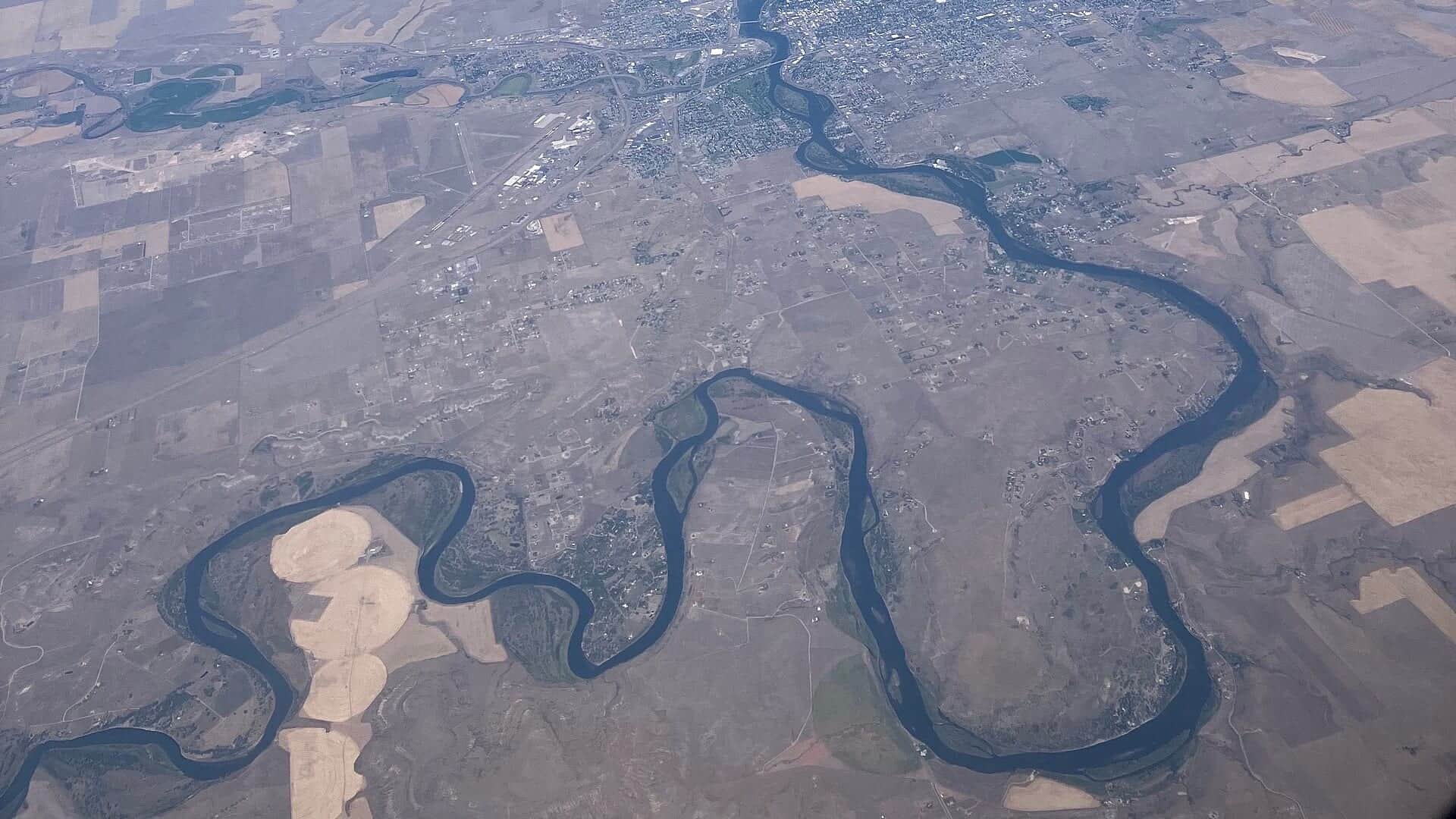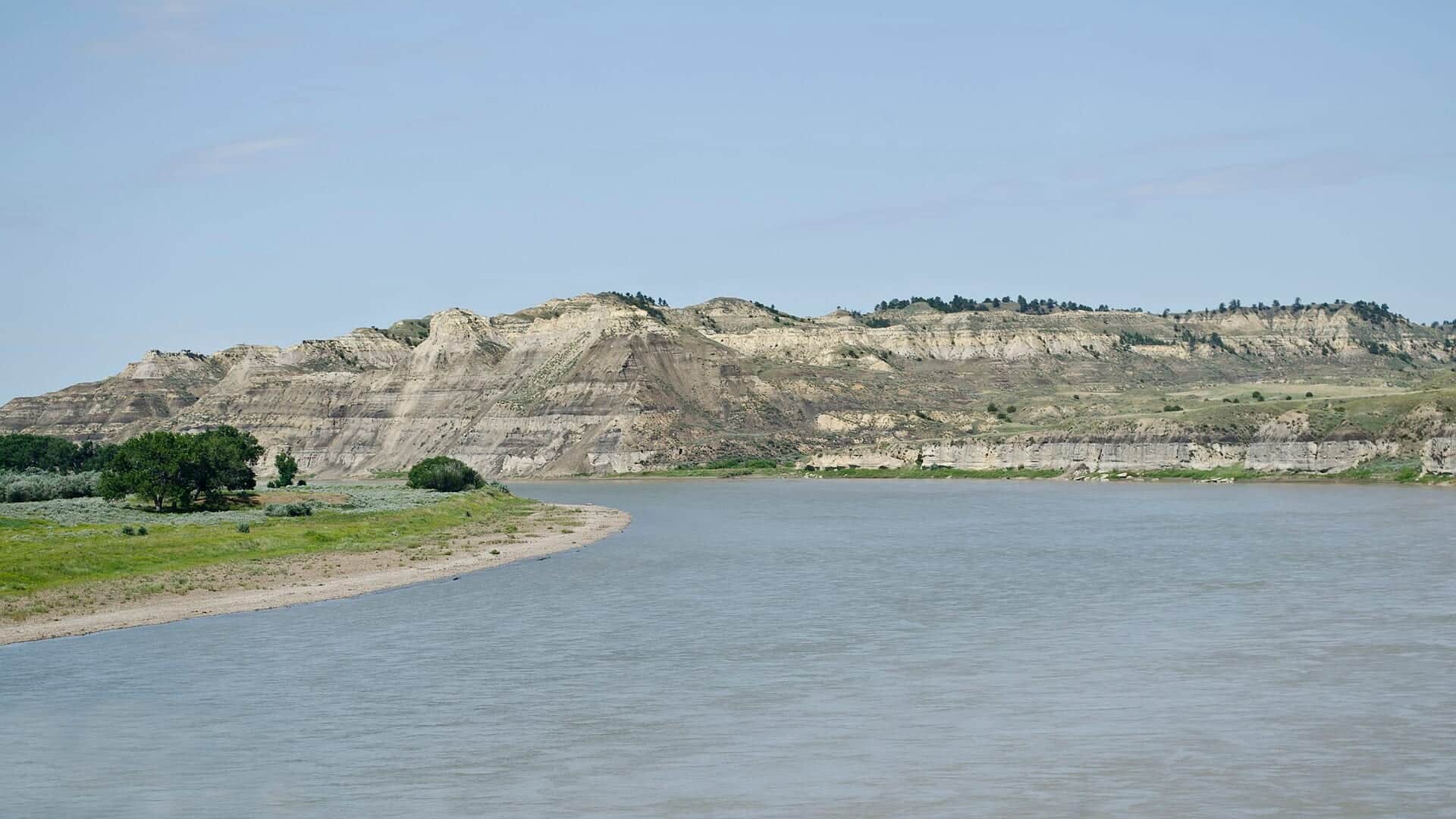
Yellowstone River at Sidney Montana
All Montana reports

Fly fishing report · West

Yellowstone River

A practical Yellowstone River report for the Paradise Valley and Livingston corridor, with flow, hatches, access, regulations, and safe-day planning.

Check flow & weather
Today's river scoreHigh source confidence
Poor

Best option: Wade.

Wading is in play only where your chosen access has clear footing, legal entry, and no forced crossings.

Updated Jul 13, 11:17 PM UTCUsually refreshes about every 45 minutes
Recommended approachWade

Mode scores adjust the river-wide score for the risks of wading, bank fishing, or floating.

Wade · Best fit44/100

Wading is in play only where your chosen access has clear footing, legal entry, and no forced crossings.

Bank / edge44/100

Bank and edge fishing remains a practical low-commitment option if access is legal and footing is safe.

Float44/100

A float is in play where this report supports boat access and wind, releases, and shuttle logistics are manageable.

Confirm before you leave

Flow and weather right now.

Use the flow trend to confirm the score before you leave. Weather can change the safest and most productive fishing window.

Loading current flow and weather.

River strategy

Treat the Livingston gauge and FWP restriction page as the first two checks.

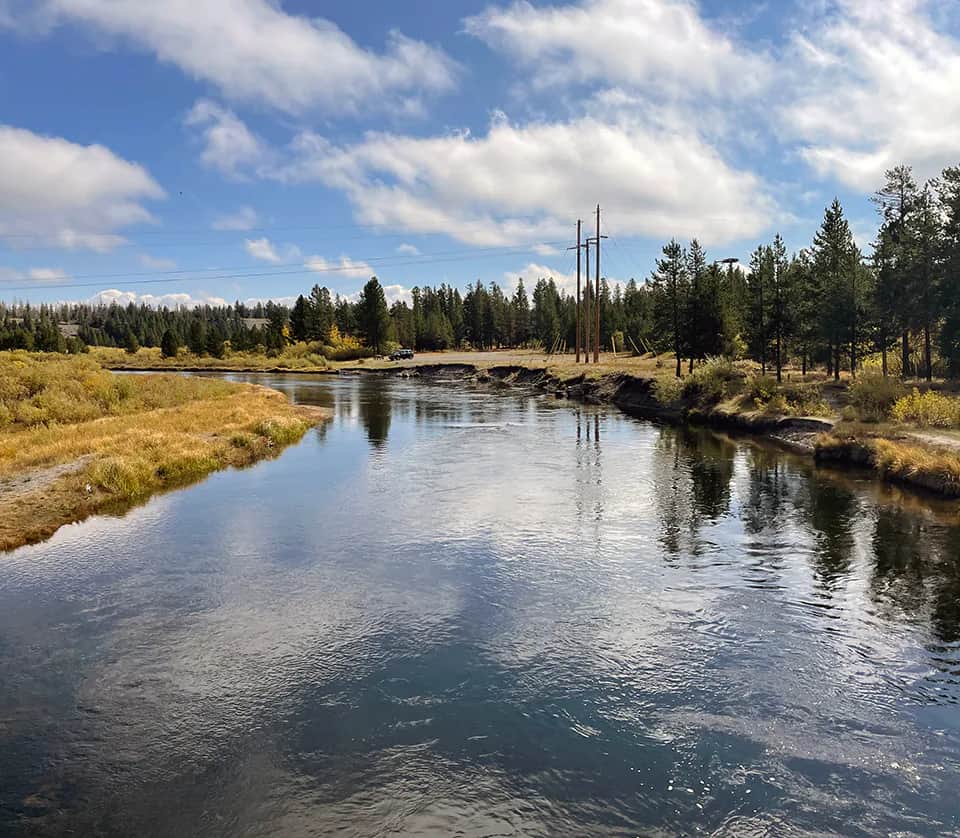
The Yellowstone is a large, free-flowing river. It can be excellent when flow is stable and temperatures are safe, but runoff, wind, or warm summer water can turn a good plan into a poor one quickly.

  • Use the Livingston gauge for Paradise Valley and town-section planning.
  • Check Montana FWP current restrictions before committing to a trout day.
  • Fish banks, shelves, and soft inside seams instead of trying to cover the whole river.
  • Expect different rules and species issues as you move from the upper trout corridor to lower river water.
Why this score moved
Best mode nowLowers score

Wade: Wading is in play only where your chosen access has clear footing, legal entry, and no forced crossings.

FlowUse caution

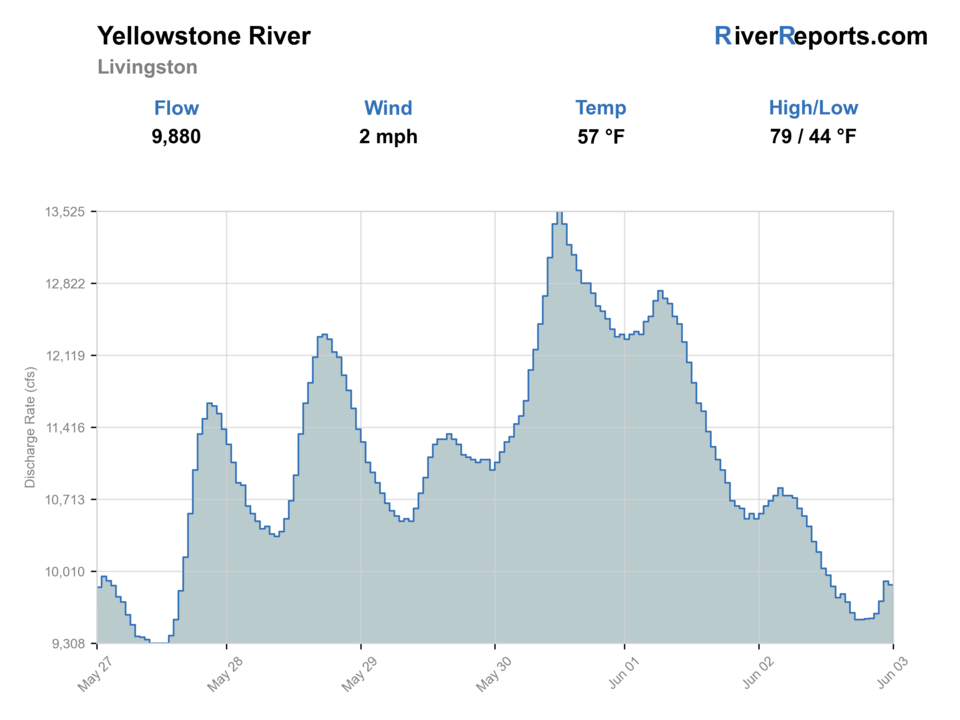
USGS shows 4,370 cfs with a stable over about 6 hours trend. same-date USGS history (1897-2025, 101 readings) puts normal around 7,610 cfs and the lower quartile near 5,420 cfs; today's flow is below normal for the date. This is below normal, so edge depth, temperature, and pressure matter.

Target choiceUse caution

Trout and salmonids need extra handling discipline in this temperature window; consider warmwater targets where that matches the river and rules.

Water temperatureUse caution

USGS water temperature is about 70F. Fish early and stop if handling stress is likely.

Public alertUse caution

A heat alert is active near this forecast point, so the score is capped until water temperature and fish-handling risk are checked. NWS alert: Extreme Heat Warning issued July 13 at 1:08PM MDT until July 14 at 12:00AM MDT by NWS Billings MT.

Read the water

What changes the plan.

Best bets are stable post-runoff flows, cool mornings, and days with enough clarity to fish dry-droppers or streamers along edges. If the river is rising, dirty, restricted, or too warm, move to a colder tributary or fish early and stop.

01

Stable and clear

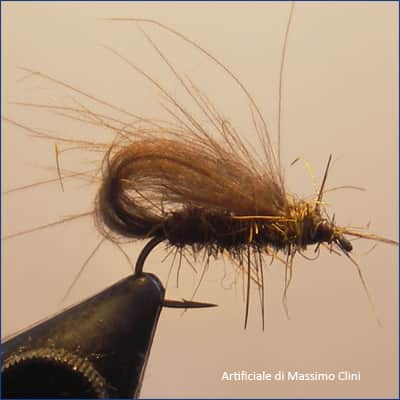
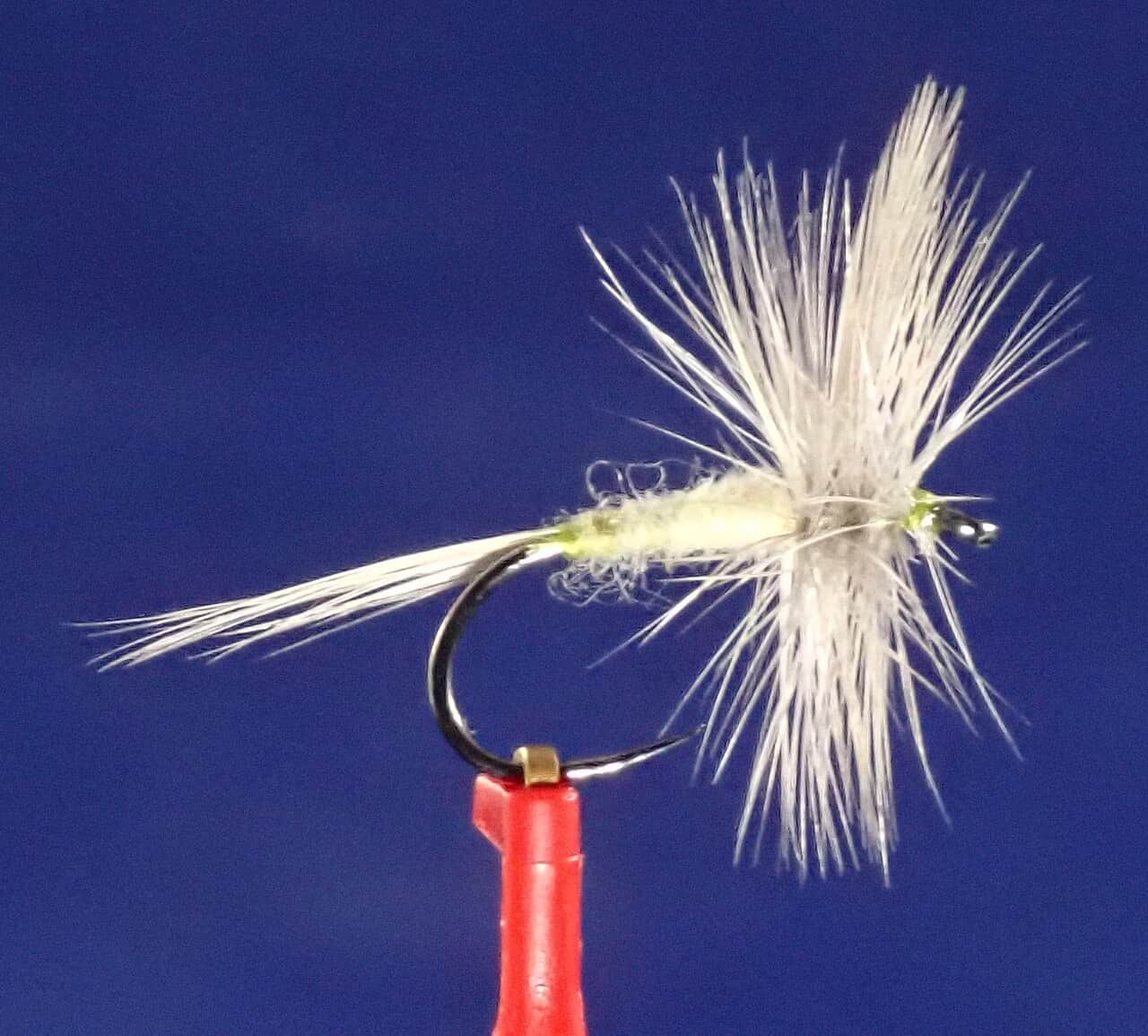
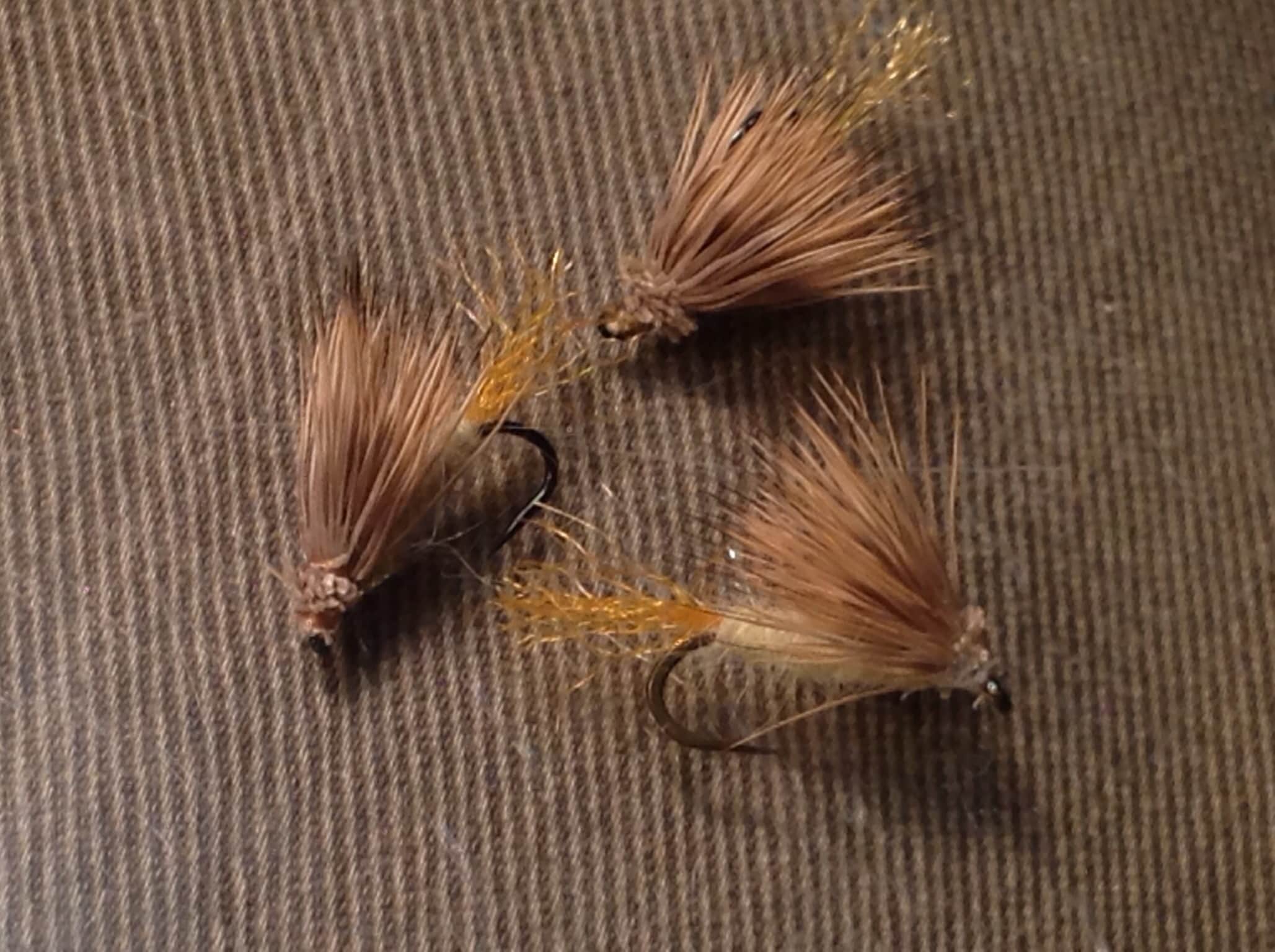
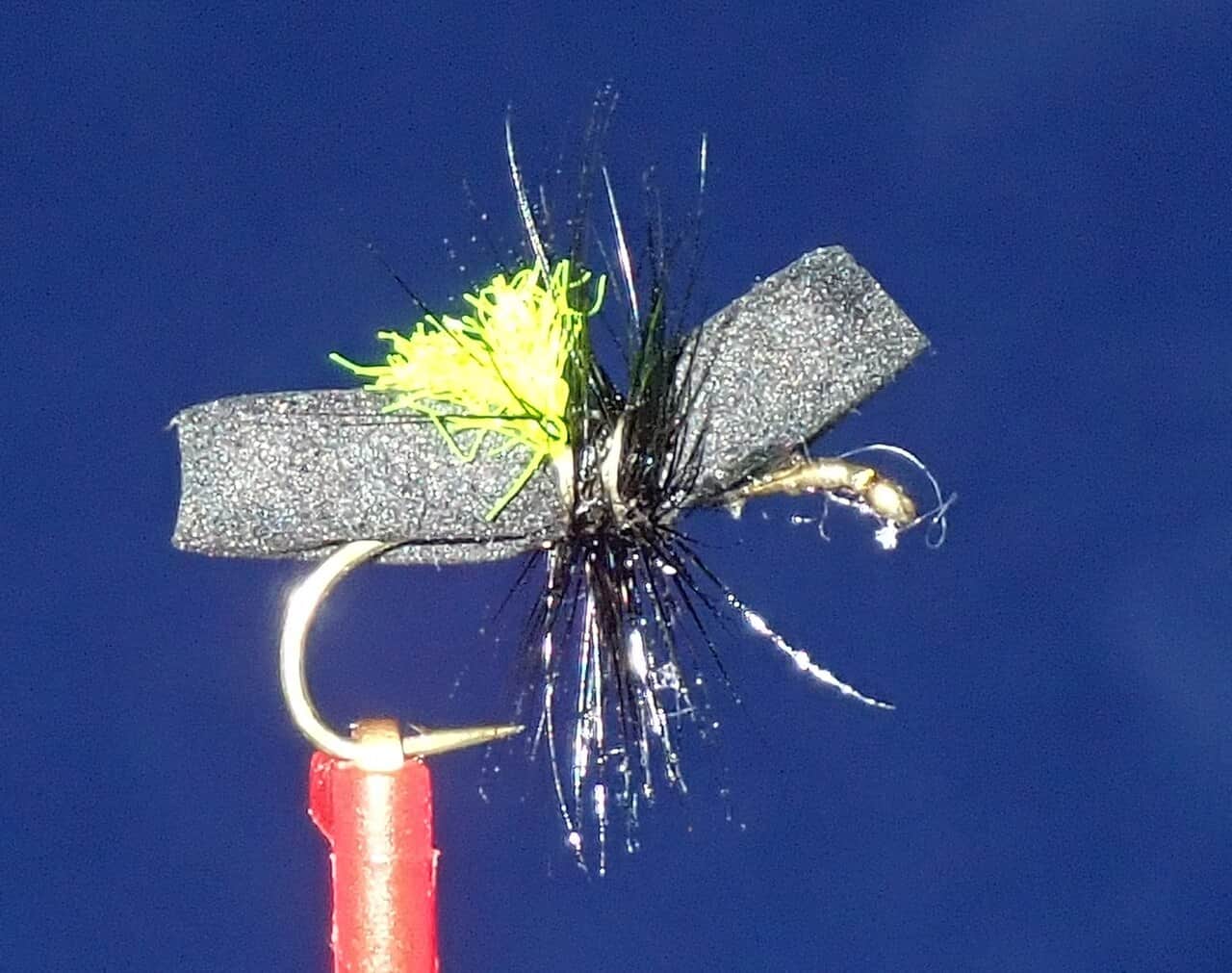
Fish dry-droppers, caddis, PMDs, terrestrials, and streamer edges.

02

High or rising

Avoid aggressive wading and look for protected banks only if safe.

03

Runoff stain

Use large dark streamers or wait until clarity returns.

04

Warm water

Check restrictions, fish early, and stop trout fishing before handling becomes risky.

Field plan

Fish it with intention.

Best flows

Use RiverReports and USGS 06192500 near Livingston together. Dropping post-runoff water and cool stable mornings are the cleanest windows; rising dirty water or hot low conditions should move the plan to another river or a shorter safe edge.

When to skip

Skip or pivot when runoff is rising, FWP restrictions are active, water temperatures make trout handling poor, wind makes boat control unsafe, or the public access and takeout plan is not clear.

Local plan

Start with the Livingston gauge, current restrictions, and one access pair such as a Livingston-area or Mallard's Rest plan. Then decide whether the day is a nymph, dry-dropper, hopper, or streamer window.

Backup water

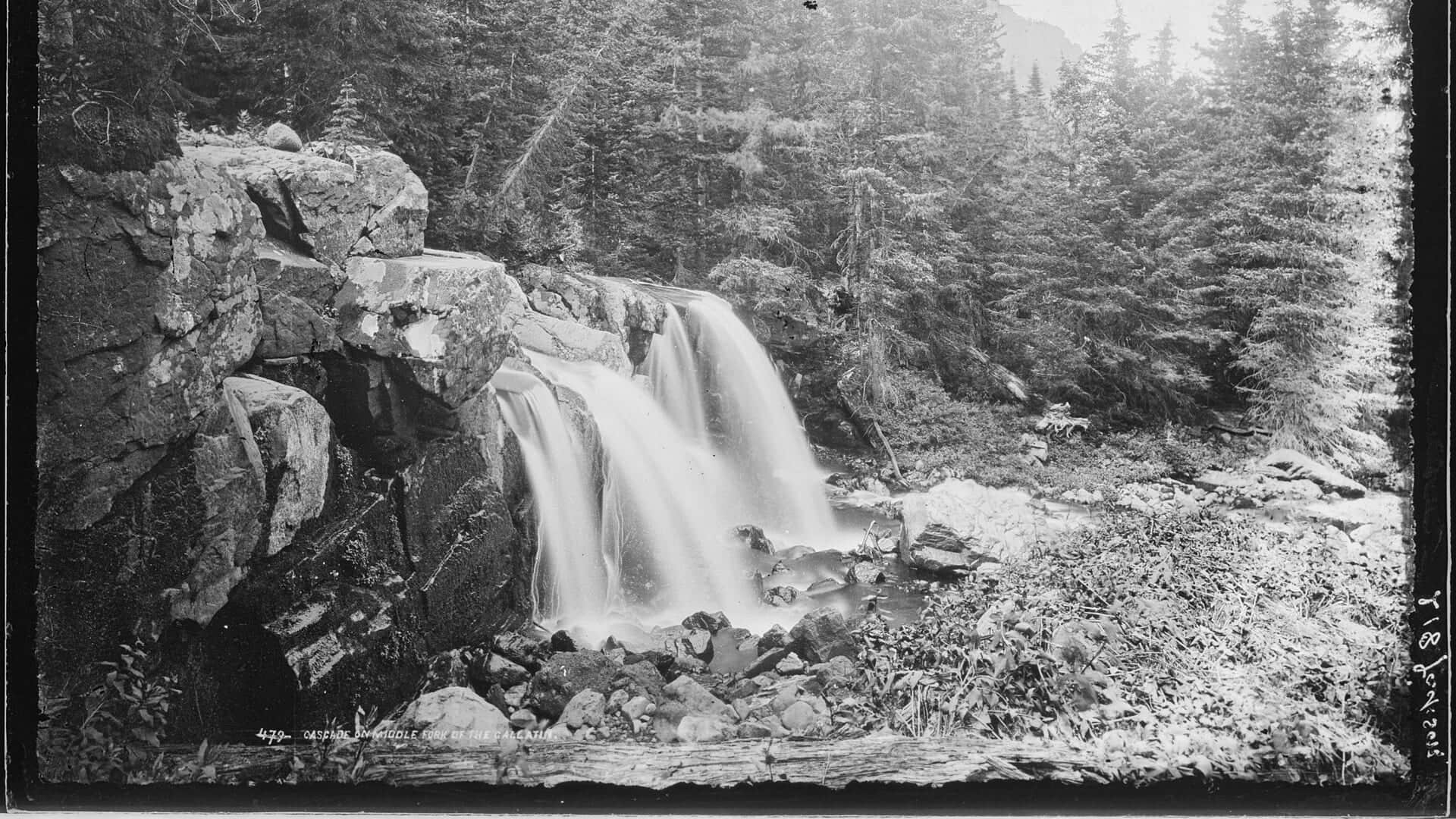
If the Yellowstone is high, dirty, hot, windy, or crowded, compare the Gallatin for canyon wading, the Madison for a different west-side freestone, or the Missouri for steadier tailwater conditions.

Hatches & flies

Bring a flexible box.

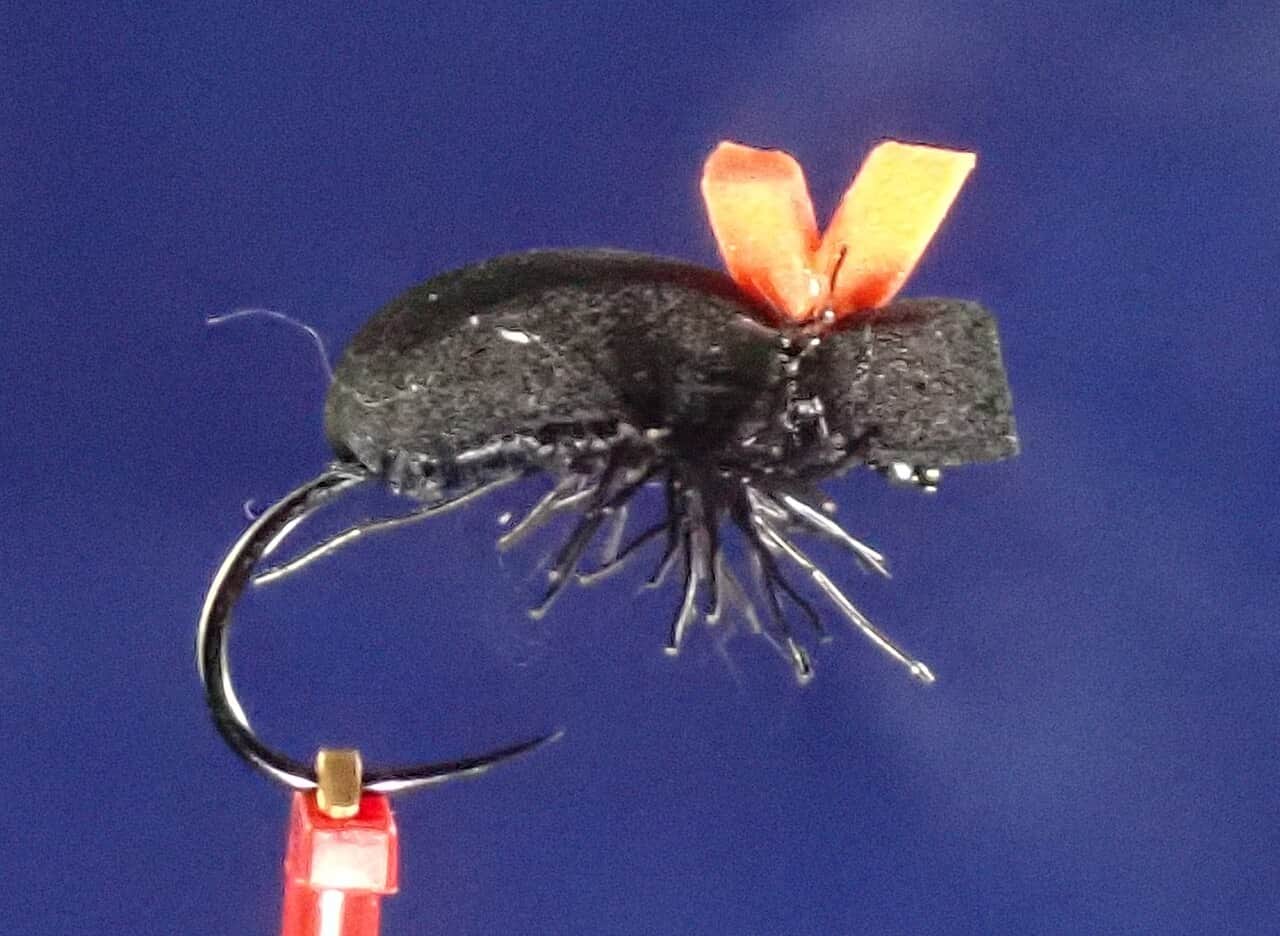
TimingWhat to watchUseful flies
01

Start with the Livingston gauge, then decide whether the day is better for floating, careful wading, or skipping the river.

02

Fish bank-soft spots and inside shelves with a large dry and a weighted dropper after runoff clears.

03

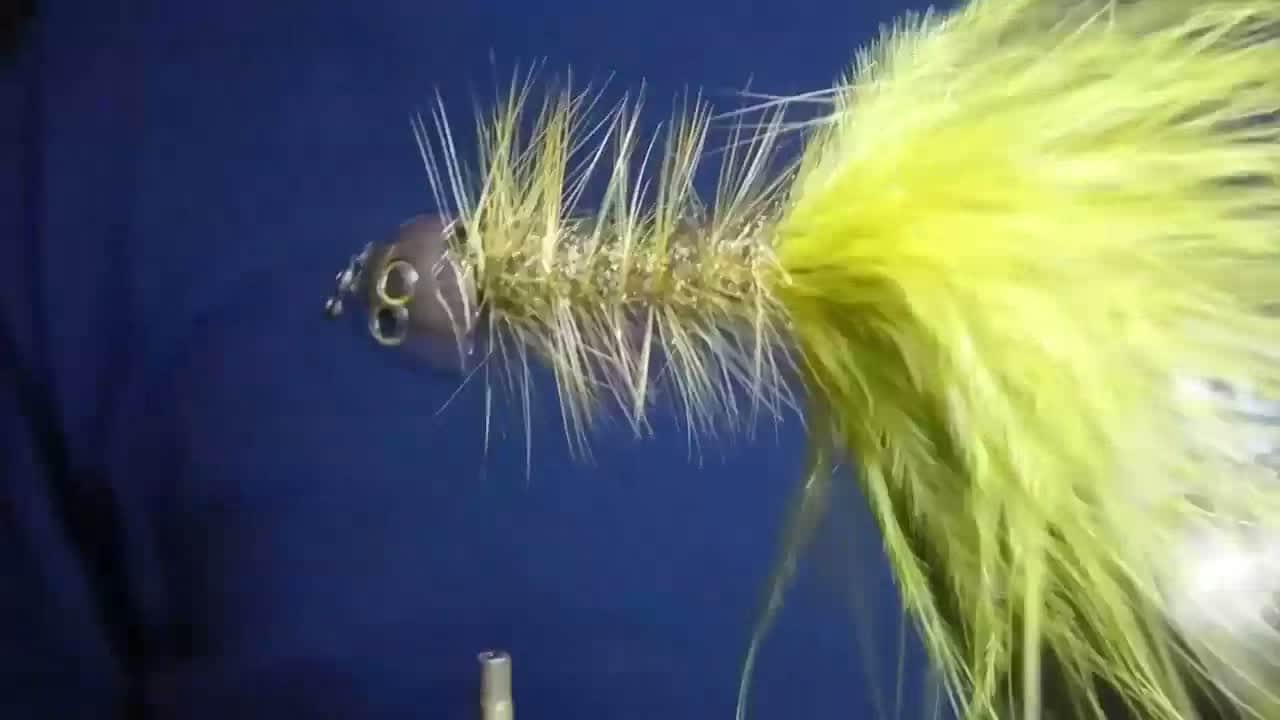
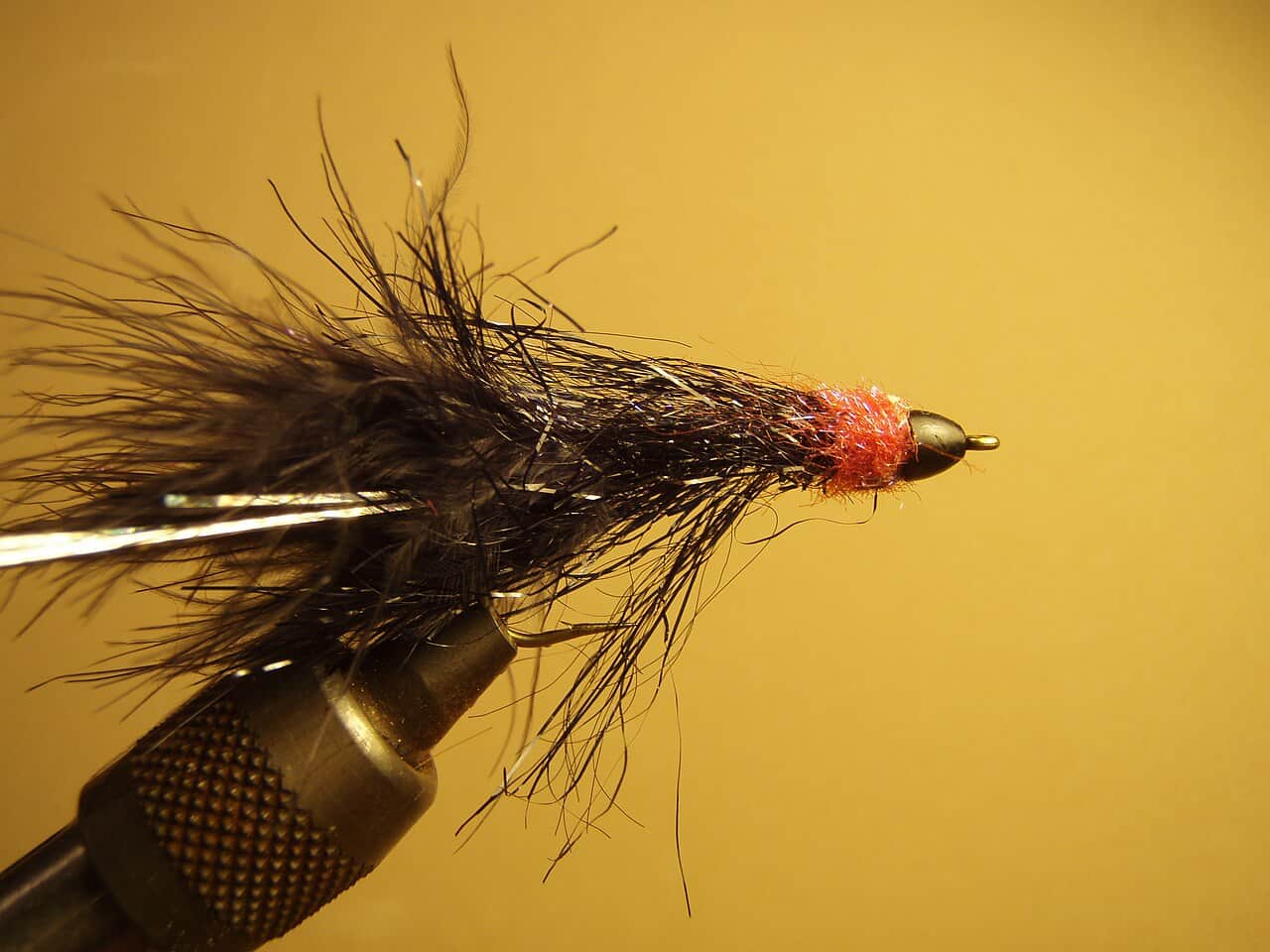
Use streamers on cloud cover, slight stain, or low light, but keep casts tight to structure.

04

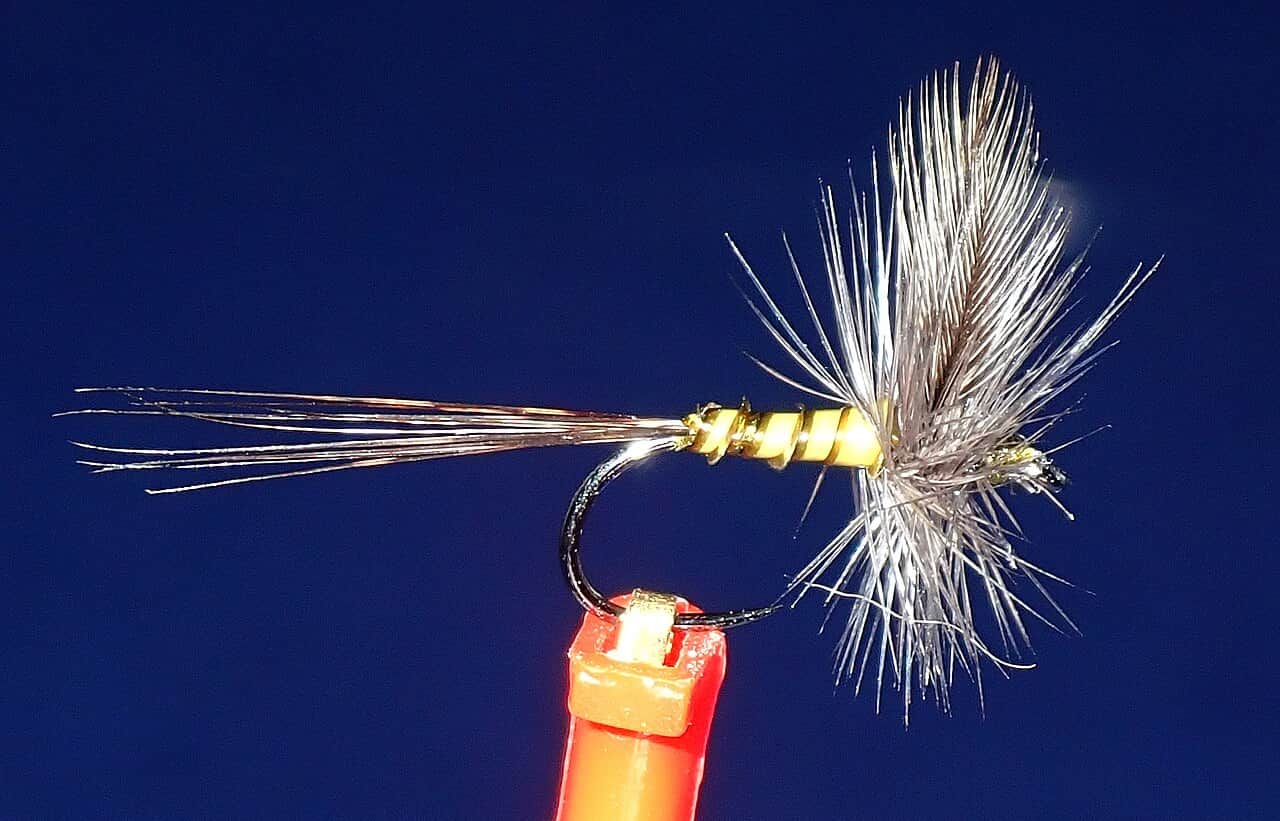
Carry smaller caddis, PMDs, and BWOs for riffle pods when the river calms down.

05

Check FWP restrictions and smallmouth/cutthroat rules before fishing a different reach.

Access & responsibility

Know the entry. Know the exit.

Montana FWP regulations include reach-specific trout and smallmouth bass rules on the Yellowstone. Check FWP regulations, restrictions, and access information before fishing.

01

Mallard's Rest FAS

Popular Paradise Valley access with boat and wade planning.

02

Pine Creek Bridge area

Important upper-river rule and access reference point.

03

Carter's Bridge and Mayor's Landing

Livingston-area access points for town-section planning.

Transparent sources

Check the facts behind the plan.

Last material review: 2026-05-31

Common questions

Before you leave.

What should I check first before fishing the Yellowstone River?+

Check RiverReports or USGS at Livingston, FWP restrictions, water temperature, wind, clarity, and the exact reach rules.

Are there special regulations on the Yellowstone River?+

Yes. Rules differ by reach, especially for cutthroat and smallmouth bass. Use current Montana FWP regulations.

What flies should I bring for the Yellowstone River?+

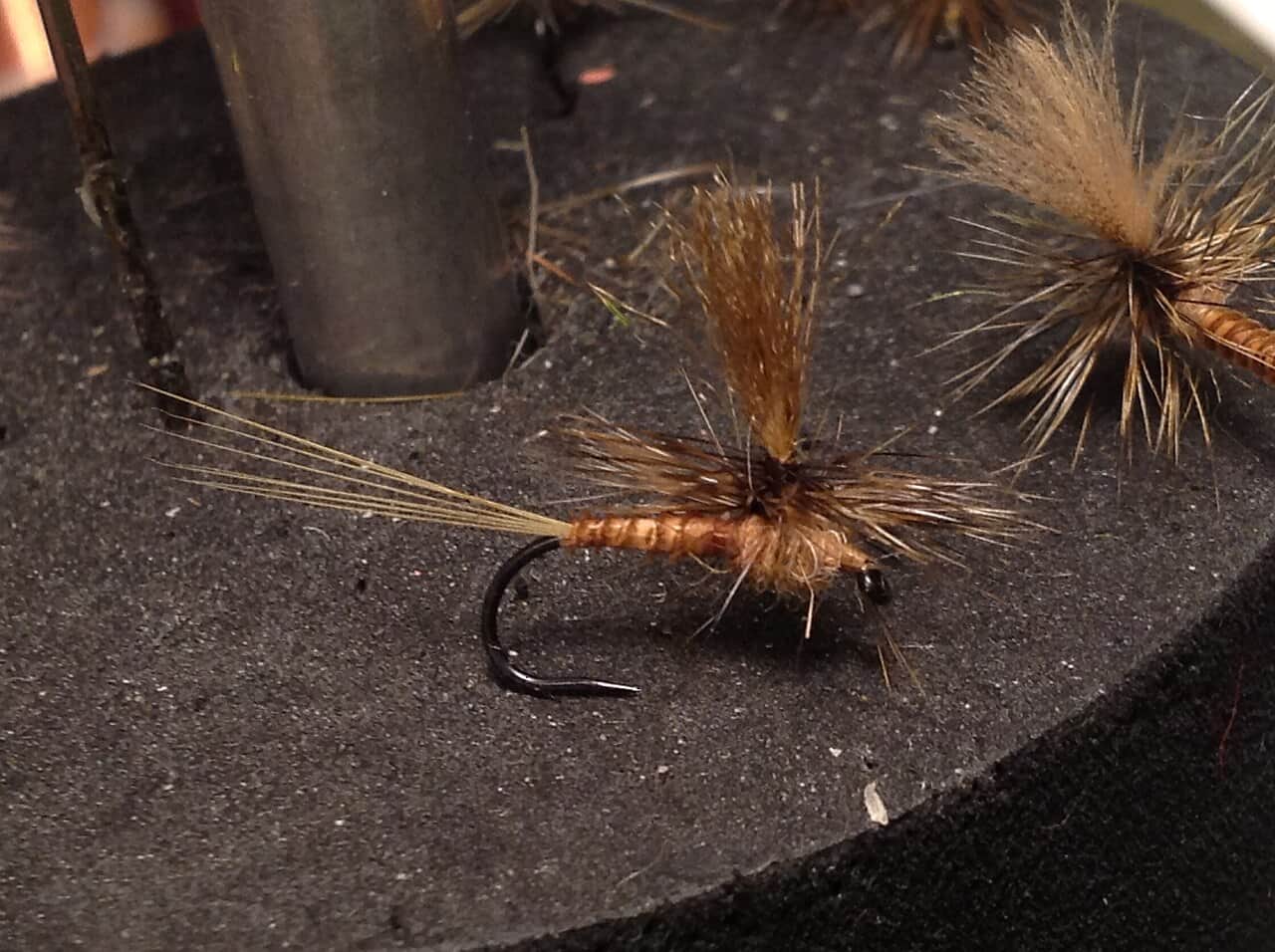
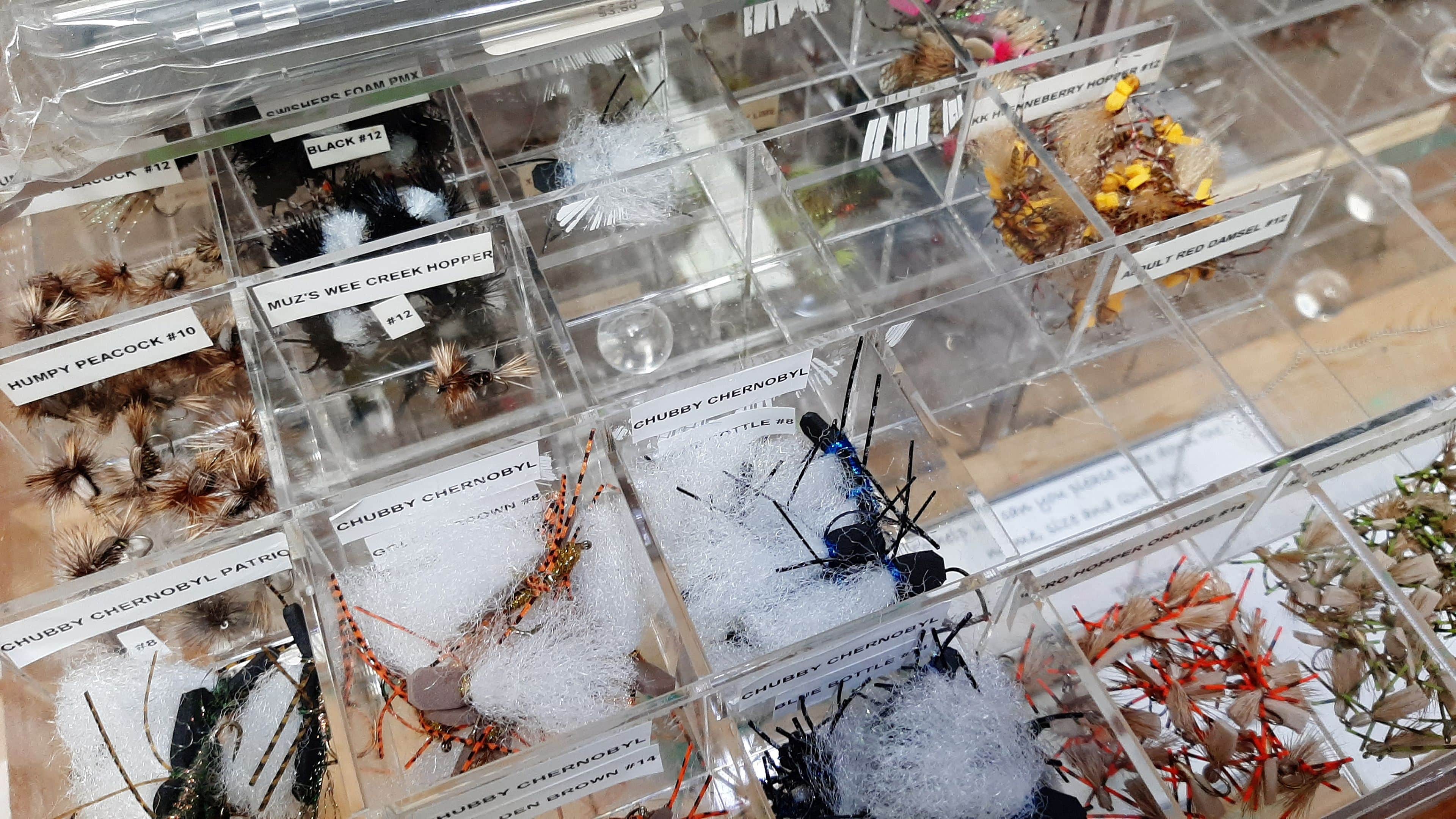
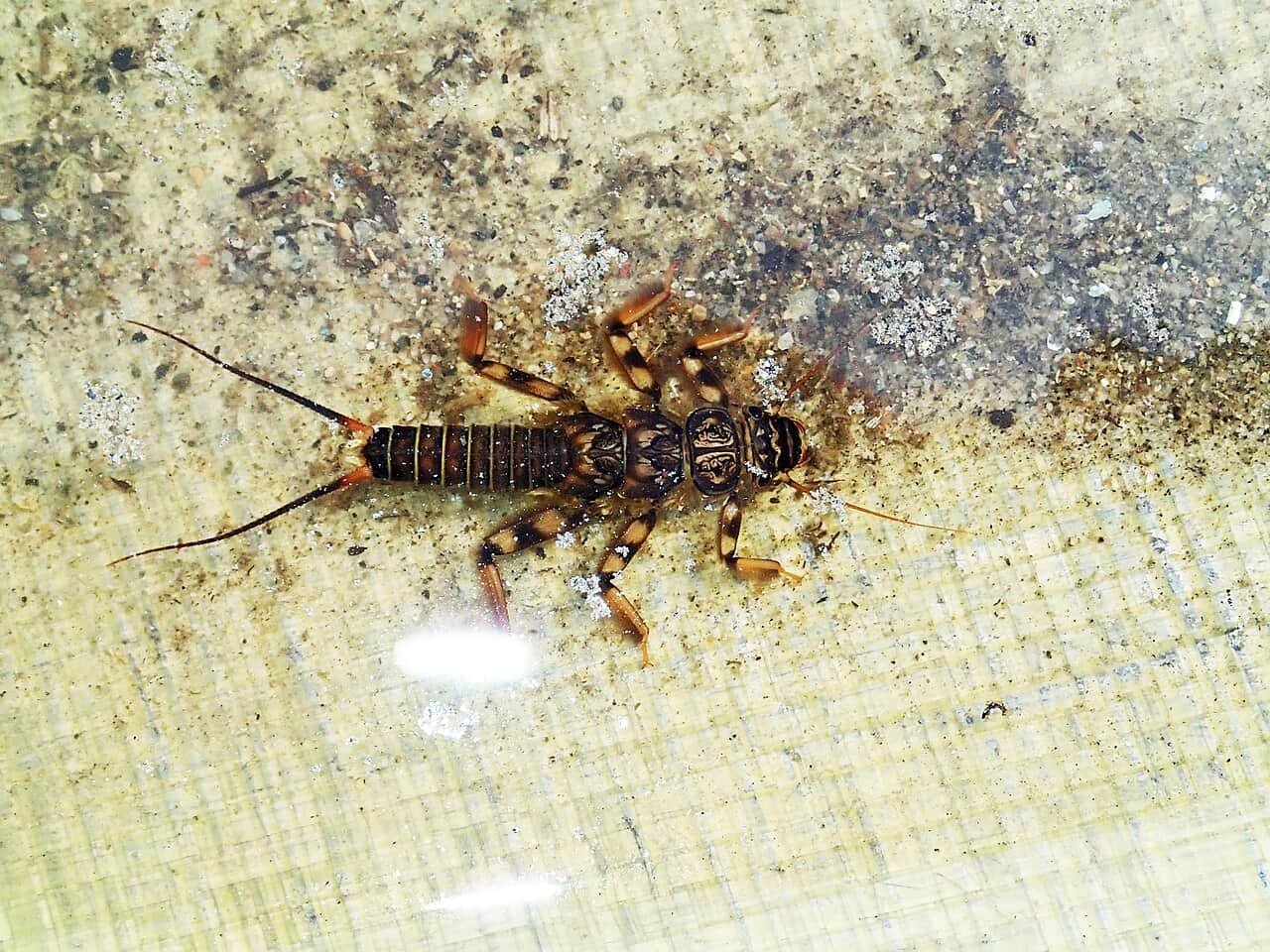
Bring the hatch-chart flies, a few confidence nymphs, and a streamer or warmwater box that matches the river's species. Then adjust for water temperature, clarity, and the insects or baitfish you actually see.

Can I wade the Yellowstone River?+

Yes in public reaches, but it is big water. Wade conservatively and respect private-land boundaries.

When should I skip the Yellowstone River?+

Skip it when flows are unsafe, water is too warm for trout, emergency closures are active, or legal access for the reach is not clear.