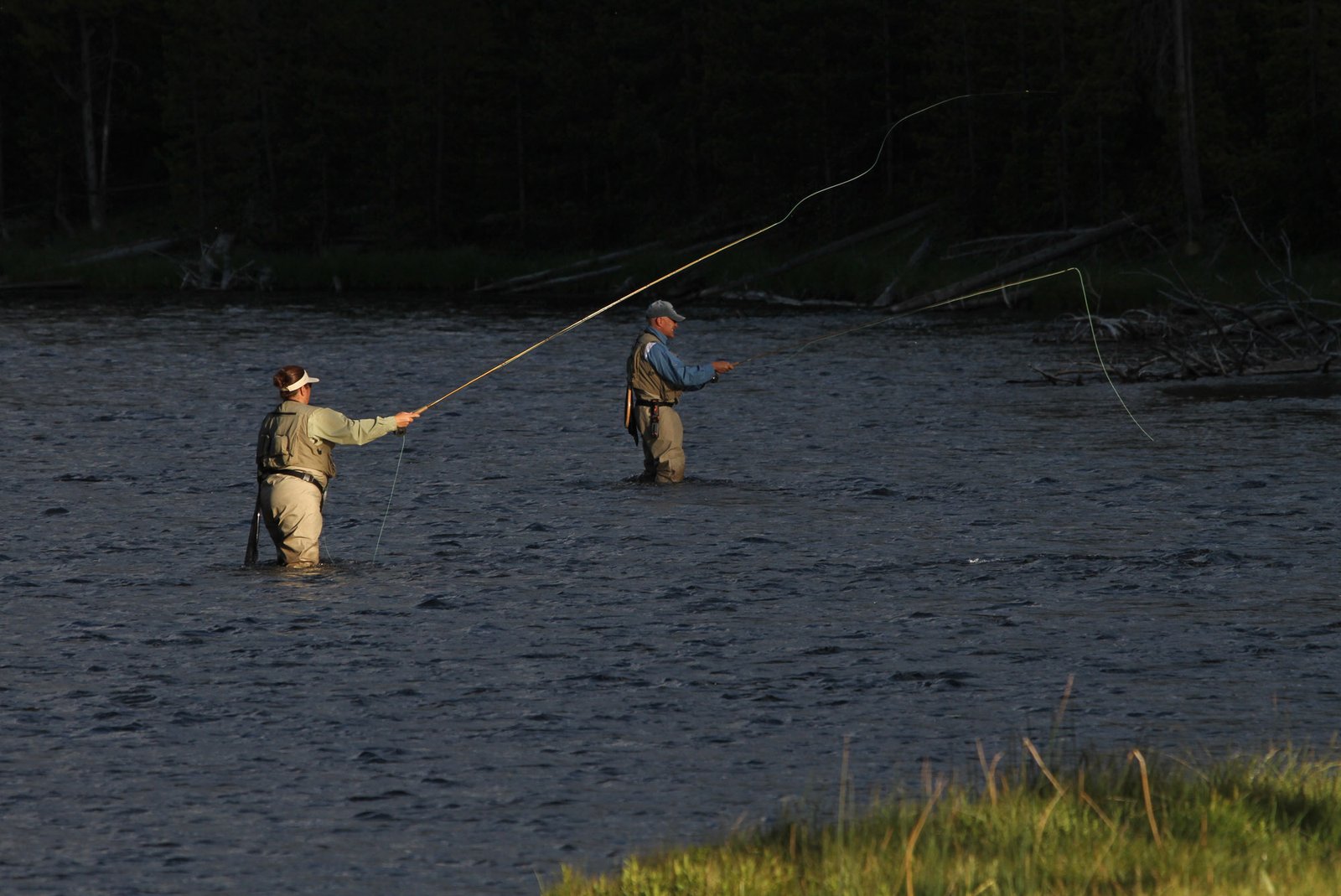
Start with one exact access point
A river name is not an access plan. Pick the exact launch, parking area, bridge corridor, trailhead, or bank access you want to use before you leave home.
Find the named parking area or entry on the manager's map, then check the current rules for that spot. Public water does not guarantee a public route to it.
Use official maps first, then backup tools
Official access maps answer different questions. A federal fishing map helps you spot Fish and Wildlife Service waters. State wildlife maps often show fishing areas, trout waters, boat ramps, and bank access. Forest and park pages explain whether a specific access point is public and what rules apply there.
Use those official pages first. Then use backup tools only to add detail, not to override the official answer.
- Use the state wildlife access map when you need a fast first answer.
- Open the managing agency page when the river runs through a park, forest, refuge, or special regulation area.
- Treat crowd-sourced map pins and old forum posts as hints, not proof.
| Tool | What it answers | Why it matters |
|---|---|---|
| State fish and wildlife access map | Where public fishing areas, trout waters, or launches are listed | This is often the fastest way to confirm that anglers are expected there. |
| Land-manager page | Hours, closures, parking limits, fees, and site-specific rules | A public access point can still be closed, gated, permit-only, or daylight-only. |
| Gauge and weather forecast | Whether changing flow or weather could affect the route | A legally open access can still have dangerous conditions. |
Use the official source to confirm access, then assess current conditions separately.
Do not assume bridges, pullouts, and forest boundaries are public fishing access
This is the mistake that burns time and creates trespass problems. A bridge crossing, roadside turnout, or strip of national forest on the map does not automatically mean you have legal fishing access from that exact spot.
Some public waters pass through a patchwork of private and public ground. Some public lands have little or no bank ownership on the main river. Some access points are public for launching only, not for parking all day or walking wherever you want.
| Looks public | What can still be wrong | Better move |
|---|---|---|
| Bridge crossing | No legal shoulder parking or no safe public walk-in route | Find the signed access point tied to that reach. |
| National forest boundary nearby | Private land may still line the bank or sit between the road and river | Check the site page and map for the actual access corridor. |
| Boat ramp or launch | Fishing, bank use, or daytime parking may have separate rules | Read the site rules before treating it as an all-day fishing base. |
| Forum tip or old pin | Gate, closure, ownership, or parking rules may have changed | Verify it on the current official page the same day. |
A spot that looks public on a casual map can still fail the legal entry or parking check.
Check closures, hours, and special rules the same day
Access fails most often on the last step. The river may be open, but the lot is closed for damage. The gate may lock at a set hour. The park may allow fishing only in certain waters or seasons. That is why same-day status matters.
If the access point is run by a park, refuge, forest, county, or state program, read the current alerts page before you leave. When the spot matters enough to make or break the trip, a same-day check is faster than a wrong drive.
Build a backup access plan before you drive
A strong fishing plan has a primary access point and a backup. If the first lot is closed, crowded, flooded, or clearly wrong for the conditions, you should already know the next legal option.
Check the backup with the same care as the first choice. Do not improvise a private-land crossing when the original access is closed.
- Save the primary access point, backup access point, and river report before you leave.
- If parking or ownership feels unclear at the truck, do not force it. Move to the confirmed backup.
- If both access points fail, switch rivers or end the trip instead of improvising on private land.