Montana / Greater Yellowstone
Madison River
A practical upper Madison report for West Yellowstone, Hebgen, Quake Lake, and the fast riffle water downstream.
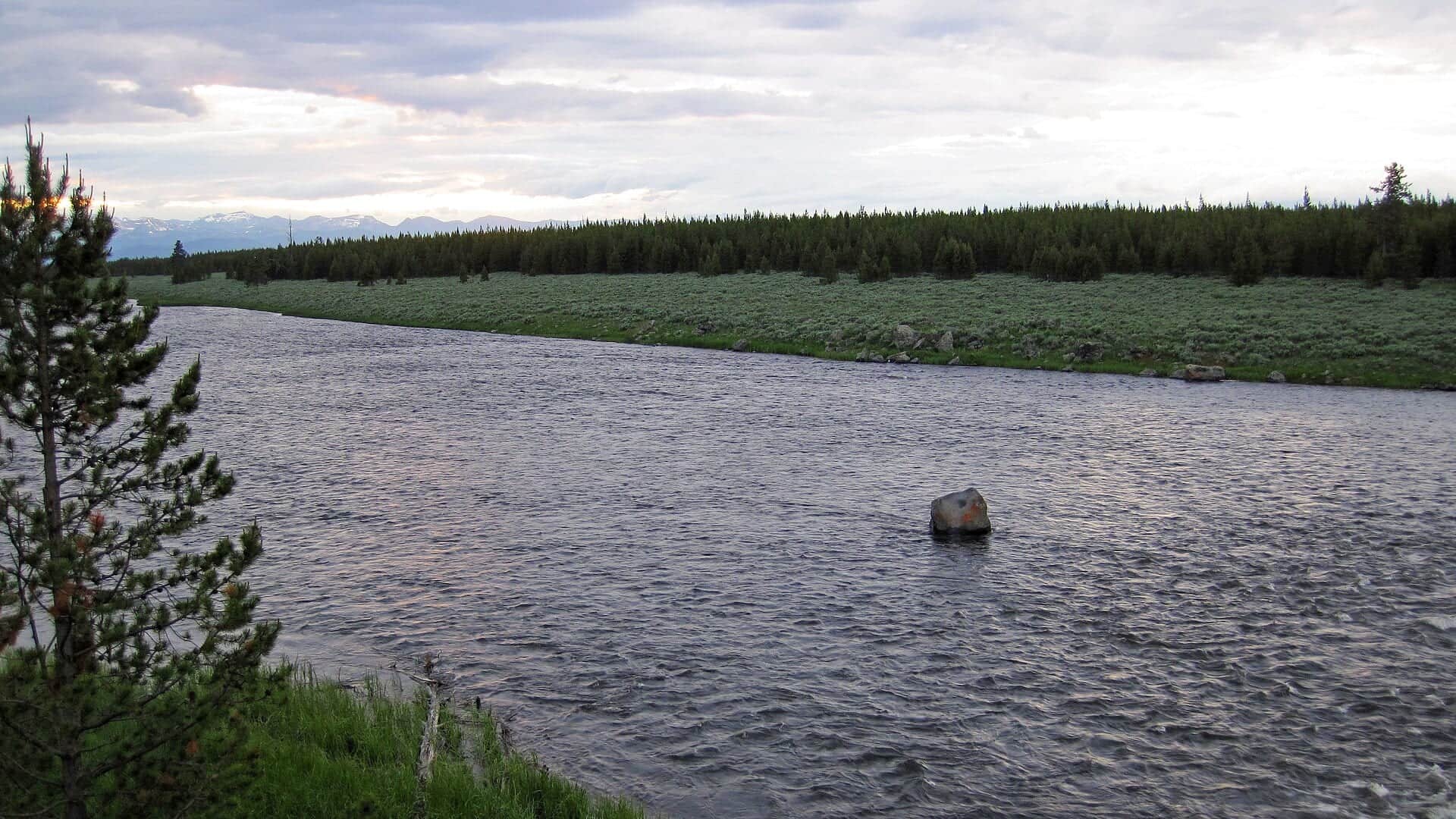
Image: Madison River (just downstream from the Madison Landslide, Madison County, Montana, USA) (44618013430) / CC BY 2.0 / James St. JohnFishability now: Madison River fishability today
GreatData confidence: High96/100
Fishable now because West Yellowstone gauge is falling, weather is mild, and no public alert is active.
Flow observed
4:30 PM UTC
Weather observed
4:00 PM UTC
Score calculated
4:50 PM UTC
Why this rating
Flow
Water temperature
Public alerts
Next 6-12 hours
Improving / hold
A falling gauge and usable weather should keep the next 6-12 hours in play unless tributaries stain or heat builds.
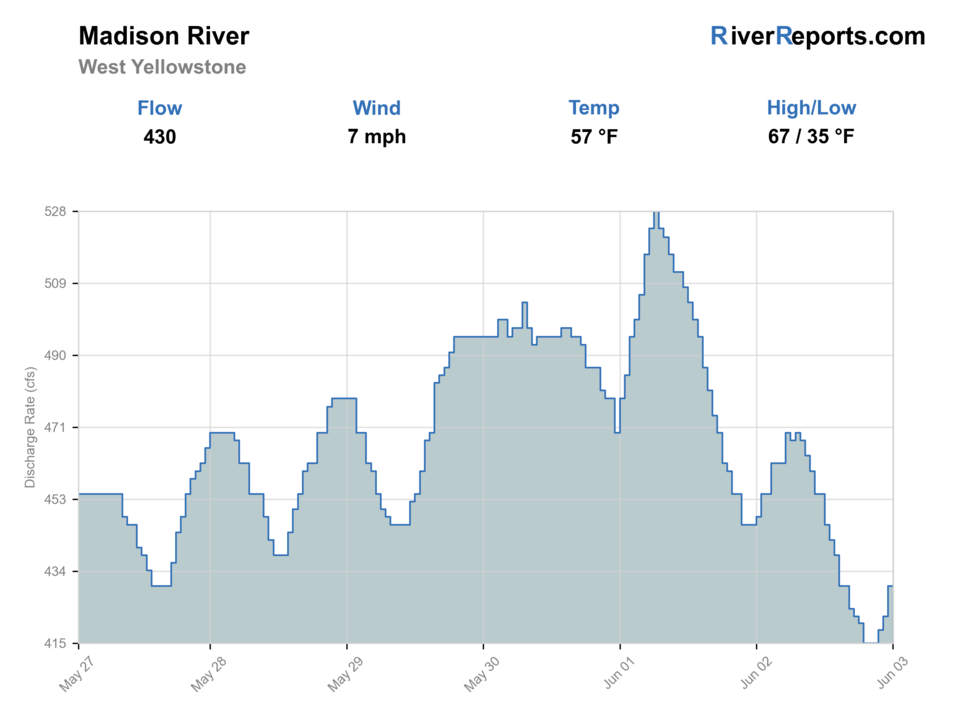
USGS flow
430 cfs
Current trend: flow falling, rating likely holding strong unless weather or clarity changes.
More planning details: flies, flow bands, and live source checks
Fish it today
Start here
Split the day by section before leaving town: park-boundary and upper-river checks near West Yellowstone, classic fifty-mile-riffle decisions around Lyons Bridge and Raynolds Pass, then lower-valley alternatives only if your original section is too busy or too high.
Best flow clue
Use the West Yellowstone trend to frame the day, then match it to the section. Stable medium flows are the most forgiving for dry-droppers and nymphs; high pushy water should narrow you to edges, short drifts, and fewer crossing ideas.
Skip trigger
Skip crossings when the river is pushy, when afternoon temperatures are stressing trout, when wind turns accurate presentations into guesswork, or when crowd pressure at the reach you chose would force sloppy wading around other anglers.
Flow decision bands
Best starting window
Stable or gently falling live flow is the cleanest planning signal unless the route profile says otherwise.
Skip or scale back
Rising, stained, hot, or unsafe water should move the plan to banks, backup water, or a later check.
USGS flow
430 cfs
Current trend: flow falling, rating likely holding strong unless weather or clarity changes.
Live USGS flow
430 cfs / falling about 17%
Live NWS forecast
60F / Sunny
Live water temperature
62F from USGS
No NWS alert flag
No active NWS alert was returned for this forecast point.
Use the West Yellowstone gauge for the upper-river reference, then compare with downstream gauges if you plan to fish below Quake Lake.
Expect strong current, slick rocks, and long riffle water. A wading staff is worth carrying.
Dry-dropper, nymph, and streamer plans all have a place, but the best choice depends on flow and season.
Check Montana FWP regulations and temporary restrictions before fishing, especially during warm summer weather.
Editorial review
How this report is maintained
This report starts with official regulation, access, flow, weather, and public-river sources, then adds practical planning guidance for anglers.
Byline
BlueStreamFly editorial desk
Reviewed by
BlueStreamFly source review
Maintained by
BlueStreamFly
Last material review
2026-05-31
Report confidence
High confidence
89/100
Strong Montana regulation, access, RiverReports plus USGS flow support, and weather coverage make this a dependable upper Madison planning page. Confidence is capped by section-to-section differences, wind, temperature swings, and crowd pressure that can change quickly.
Regulations
Montana FWP regulations provide the current rule-check path for section-specific Madison decisions.
Flow support
RiverReports coverage is backed by USGS 06037500 near West Yellowstone.
Access support
FWP recreation, fishing-access, and stream-access sources support the upper-river public-access framework.
Weather and safety
The forecast point is linked and the report calls out wind, temperature, slick riffles, and unsafe crossing conditions.
Angler usefulness
The page separates section choice, wade-versus-float framing, pressure timing, and backup-water decisions.
Editorial review
A public correction path, source standards page, and public review history are included.
Source and access review
2026-05-28 / material content or source review
Montana Fish, Wildlife and Parks regulation, Madison recreation, statewide fishing-access, and stream-access pages were rechecked alongside the USGS West Yellowstone gauge, RiverReports chart support, and the National Weather Service forecast point.
2026-05-28
Replaced a stale access source and added best-use fit, wade-versus-float guidance, flow-based skip triggers, crowd timing, access nuance, backup-water planning, an editorial correction path, and a page-specific report-confidence meter.
2026-05-24
Initial source-reviewed report published with flows, weather, hatches, flies, tactics, access, regulations, and FAQs.
Angler planning edge
Local details that change the plan
Best for
Experienced wade anglers who want riffle water rather than long pool fishing, Dry-dropper, caddis, PMD, and terrestrial windows when flows are stable and cool, Trips where you can start early and choose a specific access corridor instead of sampling the whole river, Comparing a classic freestone-riffle day against nearby stillwater or park-water backups
Wade or float
Treat the upper Madison as a wade-strong page first, with float decisions layered on after you confirm access, wind, and the exact section. Many visiting anglers do better by fishing one riffle lane thoroughly than by committing to a long float in marginal wind or elevated flow.
Best flows
Use the West Yellowstone trend to frame the day, then match it to the section. Stable medium flows are the most forgiving for dry-droppers and nymphs; high pushy water should narrow you to edges, short drifts, and fewer crossing ideas.
When to skip
Skip crossings when the river is pushy, when afternoon temperatures are stressing trout, when wind turns accurate presentations into guesswork, or when crowd pressure at the reach you chose would force sloppy wading around other anglers.
Local plan
Split the day by section before leaving town: park-boundary and upper-river checks near West Yellowstone, classic fifty-mile-riffle decisions around Lyons Bridge and Raynolds Pass, then lower-valley alternatives only if your original section is too busy or too high.
Pressure
Popular access points and famous riffles get busy fast in prime summer windows. Early starts, weekdays, and a willingness to fish secondary riffle lanes usually matter more than changing flies every ten minutes.
Access nuance
Montana's stream-access law helps on the water, but legal entry still depends on a public bridge, right-of-way, or signed access site. Do not treat visible roadside water or fence gaps as permission to cross private land.
Backup water
If the Madison is crowded, too warm, or blown out by wind, pivot to Hebgen Lake for a different style of day or to the Gallatin when you want a separate road-access freestone option.
About the river
Setting, character, and why it fishes the way it does.
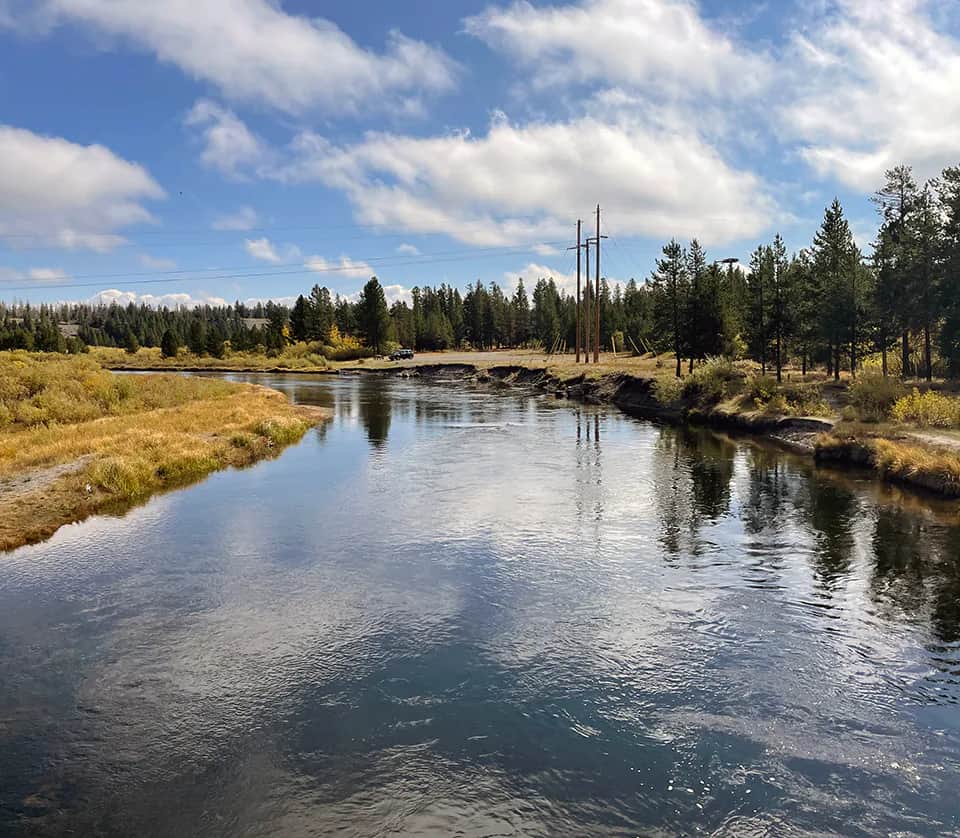
The Madison begins near the West Entrance of Yellowstone where the Firehole and Gibbon rivers join, then runs toward Hebgen Reservoir before continuing through the famous upper Madison corridor.
Montana FWP describes the upper Madison above Ennis Lake as the 50-mile riffle, a heavily used and highly regarded trout fishery. That character matters: the river has miles of broken riffle, pocket water, and fast seams rather than endless deep pools.
The West Yellowstone gauge is useful for planning the upper end of the system. USGS lists the station as Madison River near West Yellowstone, MT, with a drainage area of 438 square miles.
Target species
Rainbow trout
A primary trout target in riffle water and seams. Fish often respond to nymphs, caddis, PMDs, and terrestrials when conditions line up.
Brown trout
Present through the Madison system and often more structure-oriented. Streamers, stonefly nymphs, and low-light dry fly windows can matter.
Mountain whitefish
Common in many Montana trout rivers and useful as a sign that nymph depth and drift are close.
Reading the water
Low and clear
Use longer leaders, smaller droppers, lighter tippet, and avoid walking through likely holding lanes.
Stable medium flow
This is the most flexible window for dry-dropper rigs, tight-line nymphs, soft hackles, and covering riffle edges.
High or pushy
Stay close to the bank, skip risky crossings, and fish inside bends, soft shelves, and streamer water near structure.
Warm afternoons
Carry a thermometer in summer. If water temperatures climb into stressful trout conditions, fish early, move to colder water where legal, or stop.
Best seasons
Spring
Baetis, midges, caddis, and streamer windows can be useful, but runoff and reservoir releases can change wade safety quickly.
Early summer
A major hatch period with salmonflies, caddis, PMDs, and stonefly nymphs in play. Watch flows closely during runoff transition.
Late summer
Terrestrials, caddis, and attractor dry-dropper fishing can be excellent, but heat and crowding make timing important.
Fall
Cooler water, fewer anglers, blue-winged olives, nymphs, and streamer fishing make fall one of the strongest planning windows.
Winter
Conditions are slower and colder. Midges, small nymphs, and careful access planning matter more than covering miles of water.
Preferred flow source
Madison River at West Yellowstone
RiverReports is the preferred chart source when coverage exists. When a matching USGS gauge exists, keep it open as the official backstop for station data and current hydrograph context.

USGS data chart
Official USGS trend
Streamflow over the latest USGS reporting window.
Latest
430 cfs
Jun 3, 4 PM UTC
Weather
River weather report
Weather can change wading safety, road access, water temperature, hatches, and the best time of day to fish.
Live forecast loads as you reach this section
This keeps the report fast while still using the official National Weather Service forecast point.
Hatches and flies
Hatch chart and fly picks
March to April
Midges and blue-winged olives
Zebra midges, RS2-style emergers, small pheasant tails, BWO dries
May to June
Caddis, PMDs, stoneflies, early salmonflies
Elk hair caddis, PMD comparaduns, prince nymphs, stonefly nymphs
Late June to July
Salmonflies, golden stones, PMDs, caddis
Chubby Chernobyls, Stimulators, PMD dries, caddis pupa
August to September
Hoppers, ants, beetles, caddis, small mayflies
Foam hoppers, ants, beetles, small attractors, soft hackles
October to winter
Blue-winged olives and midges
Small BWO dries, zebra midges, slim nymphs, small streamers
Dry flies
Chubby Chernobyl, Stimulator, elk hair caddis, PMD comparadun, Parachute Adams
Use during visible rises, riffle edges, pocket water, and summer attractor-dropper fishing.
Nymphs
Pheasant tail, hare's ear, prince nymph, perdigon, zebra midge, stonefly nymph
Use when fish are not rising or when you need to reach the deeper slots between riffles.
Streamers
Sculpin, sparkle minnow, small leech, woolly bugger
Use early, late, during stained water, or along undercut banks and boulder structure.
Soft hackles
Partridge and orange, partridge and green, caddis soft hackles
Swing through riffle tailouts when caddis or small mayflies are active.
Tactics
How to fish it
Treat the upper Madison as a lane-by-lane river. Pick one riffle, identify the soft edge, and fish each depth before moving.
A dry-dropper is a strong searching rig when flows are approachable. Use a buoyant attractor and adjust dropper depth often.
For nymphing, use enough weight to tick bottom occasionally, but avoid dragging heavy rigs through shallow riffle lanes.
During caddis or PMD activity, skate or swing a soft hackle below a dry fly before changing spots.
For streamer fishing, make short, accurate casts to banks, boulders, and color changes rather than blind-casting the whole river.
Rigging
Rod, leader, and setup notes
A 9-foot 5-weight covers most wade fishing. Carry a 6-weight if wind, streamers, or heavier stonefly rigs are likely.
Use 9- to 12-foot leaders for dries and dry-droppers. Go longer and lighter when the river is low and clear.
For nymph rigs, adjust depth constantly. The Madison changes from shin-deep riffle to deeper slot quickly.
Bring 3X through 6X tippet so you can switch from salmonfly or hopper rigs to small mayfly or midge work.
Access
Access and planning notes
West Yellowstone / park boundary area
Access checkWade / float / trail
Match to local conditions
When to pick it
Useful for upper-river planning near the USGS gauge. Confirm Yellowstone and Montana boundary rules before fishing.
Caution
Confirm current rules, legal access, and water safety before committing.
Raynolds Pass FAS
Access checkWade / float / trail
Match to local conditions
When to pick it
Montana FWP lists Raynolds Pass on the Madison River with camping, toilet, and gravel ramp facilities.
Caution
Confirm current rules, legal access, and water safety before committing.
Lyons Bridge area
Access checkWade / float / trail
Match to local conditions
When to pick it
A major upper Madison planning landmark and common transition point for float and wade decisions.
Caution
Confirm current rules, legal access, and water safety before committing.
Hebgen and Quake Lake corridor
Access checkWade / float / trail
Match to local conditions
When to pick it
Use this corridor to match flow, road access, and wind. The river changes character around the impounded sections.
Caution
Confirm current rules, legal access, and water safety before committing.
Do not assume all water is legally or practically accessible from the road. Use signed public access and respect private property.
FWP access sites and BLM sites may have camping, parking, stay-limit, or commercial-use rules.
Wind can make casting difficult in the Madison Valley. Carry heavier dries, shorter nymph casts, and a streamer option.
This is popular water. Give anglers room and avoid stepping into active fishing lanes.
Regulations
Check before fishing
Use Montana FWP's current fishing regulations and restrictions page before every trip. The Central District has broad year-round opportunities, but Madison River sections can have specific exceptions, boat rules, and temporary warm-water restrictions.
Best first check
RiverReports flow chart plus USGS 06037500
Best beginner plan
Fish a shorter riffle section carefully instead of trying to cover miles
Crowd strategy
Go early, fish weekdays, and have a backup access point
Safety trigger
Skip crossings when the river is pushy or visibility is poor
Gear
Helpful gear for this water
Wading staff
Fast riffles, slick cobble, and pushy current make a staff practical even for confident waders.
Thermometer
Summer water temperature should shape when and whether you fish for trout.
Wind-ready leader kit
Carry heavier tippet and shorter leaders for windy hopper, stonefly, or streamer windows.
Layered rain shell
Greater Yellowstone weather changes quickly, especially around afternoon storms.
Nearby water
Other water to research
Backup logic
Primary plan slips
Compare Hebgen Lake, Gallatin River, Firehole and Gibbon rivers only after checking current rules, access, and safety.
Hebgen Lake
A nearby stillwater option that changes the trip plan when wind, river flow, or hatches make the river difficult.
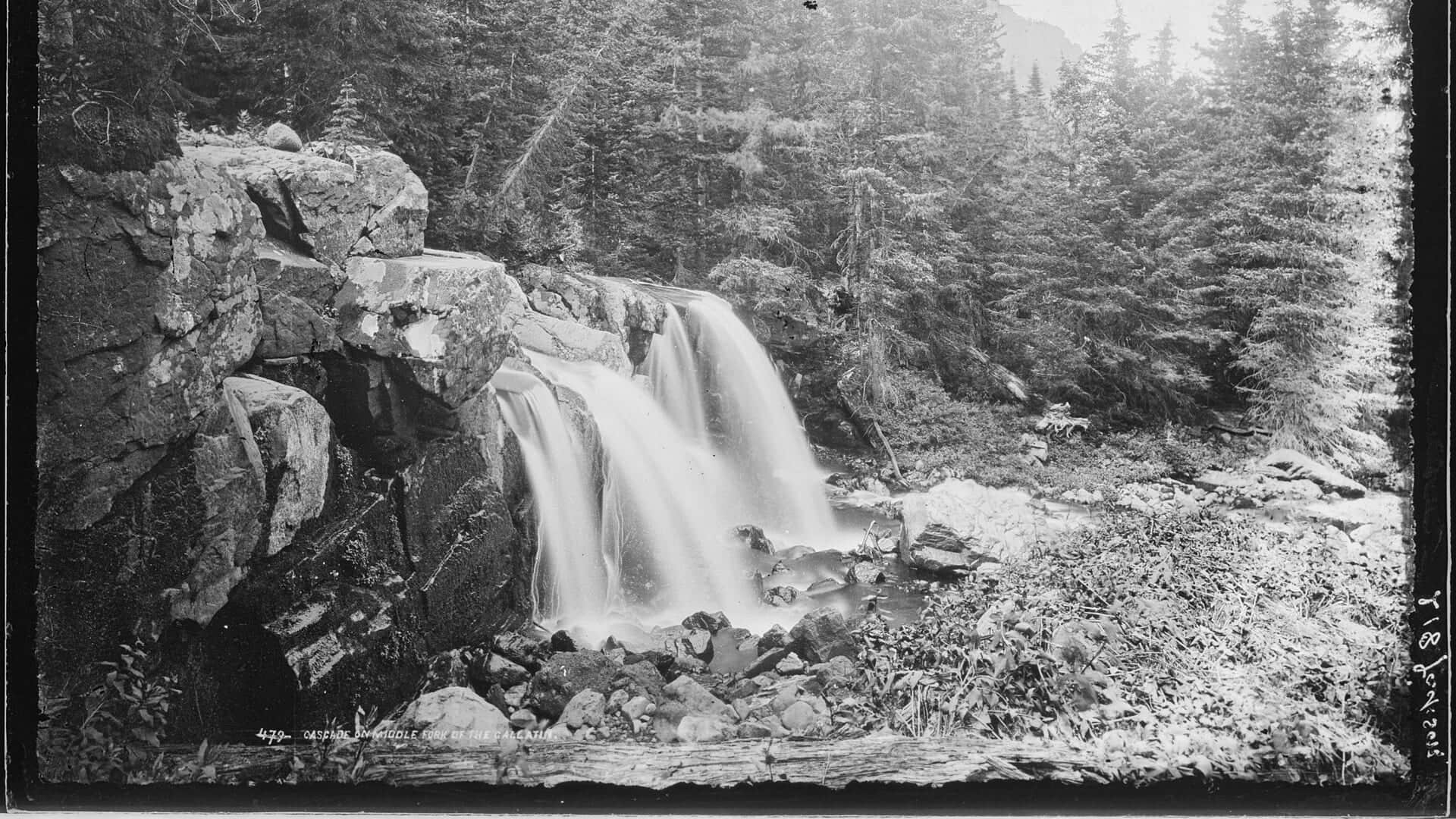
Gallatin River
A regional alternative when you need different flows, road access, or less pressure.
Firehole and Gibbon rivers
Important Yellowstone headwater context. Verify National Park rules and current closures before fishing.
FAQ
Fast answers
Is Madison River fishable today?
Madison River looks very fishable right now. The live score is 96/100, based on current flow, weather, public alerts, and the report's planning context. Recheck the linked gauge and forecast before leaving because conditions can change quickly after rain, heat, access changes, or flow swings.
What flow is best for Madison River?
Use the West Yellowstone trend to frame the day, then match it to the section. Stable medium flows are the most forgiving for dry-droppers and nymphs; high pushy water should narrow you to edges, short drifts, and fewer crossing ideas.
When should I skip Madison River?
Skip crossings when the river is pushy, when afternoon temperatures are stressing trout, when wind turns accurate presentations into guesswork, or when crowd pressure at the reach you chose would force sloppy wading around other anglers.
Is Madison River safe to wade right now?
The fishability score is not a wading guarantee. Wade only where your chosen access has safe edges, clear footing, legal entry, and no forced crossings; high, rising, stained, or storm-affected water should be treated conservatively.
What flow source should I use for the Madison near West Yellowstone?
Use the RiverReports page for the quick chart and USGS 06037500 as the official station reference.
Is the Madison good for dry flies?
Yes, especially during caddis, PMD, salmonfly, terrestrial, and fall BWO windows. Dry-dropper fishing is often a practical search method when fish are not visibly rising.
Is the Madison easy to wade?
Some edges and riffles are approachable, but the river is fast, cold, and slick. Avoid crossings in elevated flows and carry a wading staff.
Do regulations change by section?
Yes. Check Montana FWP regulations, restrictions, and access-site rules before fishing because section-specific and temporary rules can apply.
Sources
Source set for this report
Reviewed 2026-05-31