Fly Fishing Casting 101: First Cast, Practice Drills, and Beginner Water
Start with one clean cast, one safe practice setup, and water that gives the cast room to work.
Fast answer
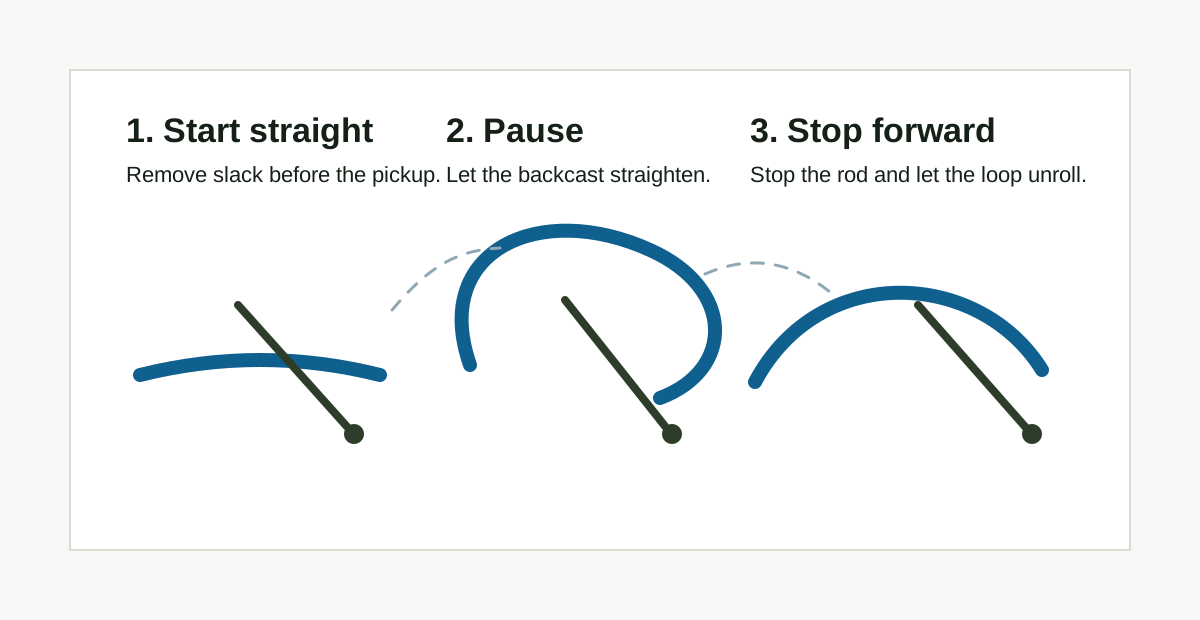
The first cast to learn is the pick-up-and-lay-down cast: start with the line straight, remove slack, lift smoothly, pause for the line to straighten behind you, then stop the forward cast and let the loop unroll toward the target.
- Practice at 20 to 30 feet before chasing distance.
- Use yarn or a hookless fly until the motion is safe.
- Pick open, moderate water before you pick the fly.
What to do next
Practice the short cast with eye protection, then choose a river report with safe access, moderate flow, and room behind or beside you.
Start with one clean cast
Most beginners do not need ten casts on day one. They need one repeatable cast that puts the fly in front of a fish without panic, slack, or a hooked hat.
Start with the pick-up-and-lay-down cast. Keep the fly line straight on grass or quiet water, lift the rod smoothly, pause long enough for the line to straighten behind you, then make a forward stroke and stop the rod so the loop can unroll.
Think of the cast as three parts: remove slack, wait for the line, then stop the rod. The stop is what gives the line a clean loop instead of a pile.
- Use yarn or a practice fly until the motion feels safe.
- Wear eye protection before you cast with a hook.
- Start with a straight line and as little slack as possible.
- Use a smooth lift, a real pause, and a firm forward stop.
- Aim for clean delivery before extra distance.
Practice before you fish
Practice should feel simple. A lawn, field, pond edge, or wide gravel bar is better than a brushy trout stream when you are still learning the motion.
A good first goal is not a long cast. It is a quiet 25-foot cast that lands mostly straight. That catches more beginner fish than a long cast with slack, splash, and tangled line.
- Set a paper plate, leaf, or hat on the grass and cast near it.
- Practice at 20 to 30 feet before trying to reach farther.
- Stop when the line is straight instead of waving the rod constantly.
- Keep the fly away from people, pets, cars, windows, and overhead lines.
| Practice block | Goal | Stop when |
|---|---|---|
| First 5 minutes | Make short casts with yarn and no hook. | The line lands mostly straight three times in a row. |
| Next 10 minutes | Aim near a small target at 20 to 30 feet. | The fly lands close without extra false casts. |
| Final 5 minutes | Practice one roll cast setup and one clean pickup. | You can reset the line without rushing. |
Good first goal
Make a quiet 25-foot cast that lands mostly straight. Accuracy and control matter more than distance.
Use a roll cast when there is no room behind you
A roll cast helps when a normal backcast is blocked by brush, a steep bank, a high wall, or another angler. It is also useful for a quick reset on small creeks and streams.
The roll cast is not a magic fix for every tight spot. It still needs room in front of you, safe footing, and enough water or line tension to form the cast.
- Use it when brush or a bank blocks your backcast.
- Use it to reset line on small streams.
- Use it when a normal false cast would be unsafe or annoying.
- Do not use it as an excuse to stand in unsafe current.
Choose water that makes casting easier
The first fishing spot should help you, not punish you. Open banks, moderate current, safe footing, and a short cast are better than tight trees and fast pocket water on your first day.
That is where a BlueStreamFly river report helps. Check the fishability score, access notes, flow trend, weather, and skip triggers before you drive. Choose the water before choosing the fly.
For a first day, the best water is not always the famous water. It is the water where you can stand safely, make one short cast, and see what the fly is doing.
- Pick an access with open room behind or beside you.
- Look for soft edges, inside bends, pools, and broad riffle tails.
- Avoid steep banks, blind crossings, and heavy current while learning.
- Choose bank fishing if the river is fishable but not friendly for wading.
| Water choice | Why it helps beginners | Check this first |
|---|---|---|
| Open bank or gravel bar | Gives room for a short backcast and safer footing. | Access notes, parking, and public-bank guidance. |
| Soft inside bend | Slower current makes the drift easier to see. | Flow trend, water clarity, and safe edge access. |
| Pool tailout | Fish can sit close, so a 20- to 30-foot cast is enough. | Wading risk, slippery rock, and other anglers. |
| Brushy pocket water | Good fishing later, but hard for a first cast. | Save it until roll casts and line control improve. |
BlueStreamFly rule
Choose the water before choosing the fly. A good beginner spot makes short casts, safe footing, and clear decisions easier.
Common beginner casting mistakes
Most bad beginner casts come from rushing. The line needs time to straighten. If you start the next stroke too soon, the cast collapses, the leader piles up, and the fly lands with a slap.
The other big mistake is trying to cast too far. Fish often sit closer than beginners think, especially along banks, seams, and soft water next to current.
Use the result of the cast as feedback. A beginner does not need to diagnose every detail. Fix the simple problem first.
- Too much wrist movement instead of a controlled rod stroke.
- No pause on the backcast.
- Starting with slack on the water or grass.
- False casting too much instead of fishing the fly.
- Practicing in brush, wind, or unsafe water too early.
- Trying to reach far fish before learning close fish.
| What you see | Most likely cause | Fix |
|---|---|---|
| Leader lands in a pile | You started the forward cast before the backcast straightened. | Pause longer and stop the rod higher. |
| Fly snaps or pops | The forward stroke started too hard or too soon. | Slow down and make a smoother acceleration. |
| Line will not lift cleanly | Too much slack is on the grass or water. | Strip in slack and start with the line straight. |
| Cast slaps the water | The rod tip dropped too low on the forward stroke. | Stop the rod higher and let the loop unroll. |
| You keep catching brush | The spot does not fit a normal backcast. | Move, roll cast, or pick a more open access. |
A simple first-river plan
Pick one easy access, one short rig, and one realistic casting lane. Spend the first 20 minutes making clean short casts before you worry about changing flies.
Then fish close water first. Cast to the edge, the foam line, the inside seam, or the soft tailout before you walk through it. Move less than you think, and make each cast with a reason.
If the river report says flows are high, crossings are unsafe, storms are active, or the best water requires technical wading, make the first trip a practice day from shore or choose a different water.
- Check the river report and skip if water, heat, storms, or access look wrong.
- Start with open bank water before wading.
- Fish 20 to 35 feet first.
- Change position before forcing a harder cast.
- End the session with one thing to practice next time.
| Before you leave | Good beginner sign | Reason to switch plans |
|---|---|---|
| Fishability score | Moderate or better with clear reasons. | Poor, unknown, unsafe, or based on stale data. |
| Flow trend | Stable, slowly falling, or normal for the reach. | Fast rising, flood-affected, or pushy for wading. |
| Access | Open bank, public pullout, or easy trail water. | Steep bank, private boundary uncertainty, or hard crossings. |
| Weather | Mild wind and no nearby lightning risk. | Thunderstorms, strong wind, heat stress, or poor visibility. |
Related BlueStreamFly guides
How to Read USGS Streamflow for Fly Fishing
Use this before a first trip so the casting spot matches current flow and wading risk.
Read guideWhat Flow Is Too High to Wade?
A beginner-friendly casting lane is not useful if the water is too pushy or crossings are unsafe.
Read guideFly Fishing After Rain
Rain can change clarity, access, and the safe places where a short cast works.
Read guideRelated river reports
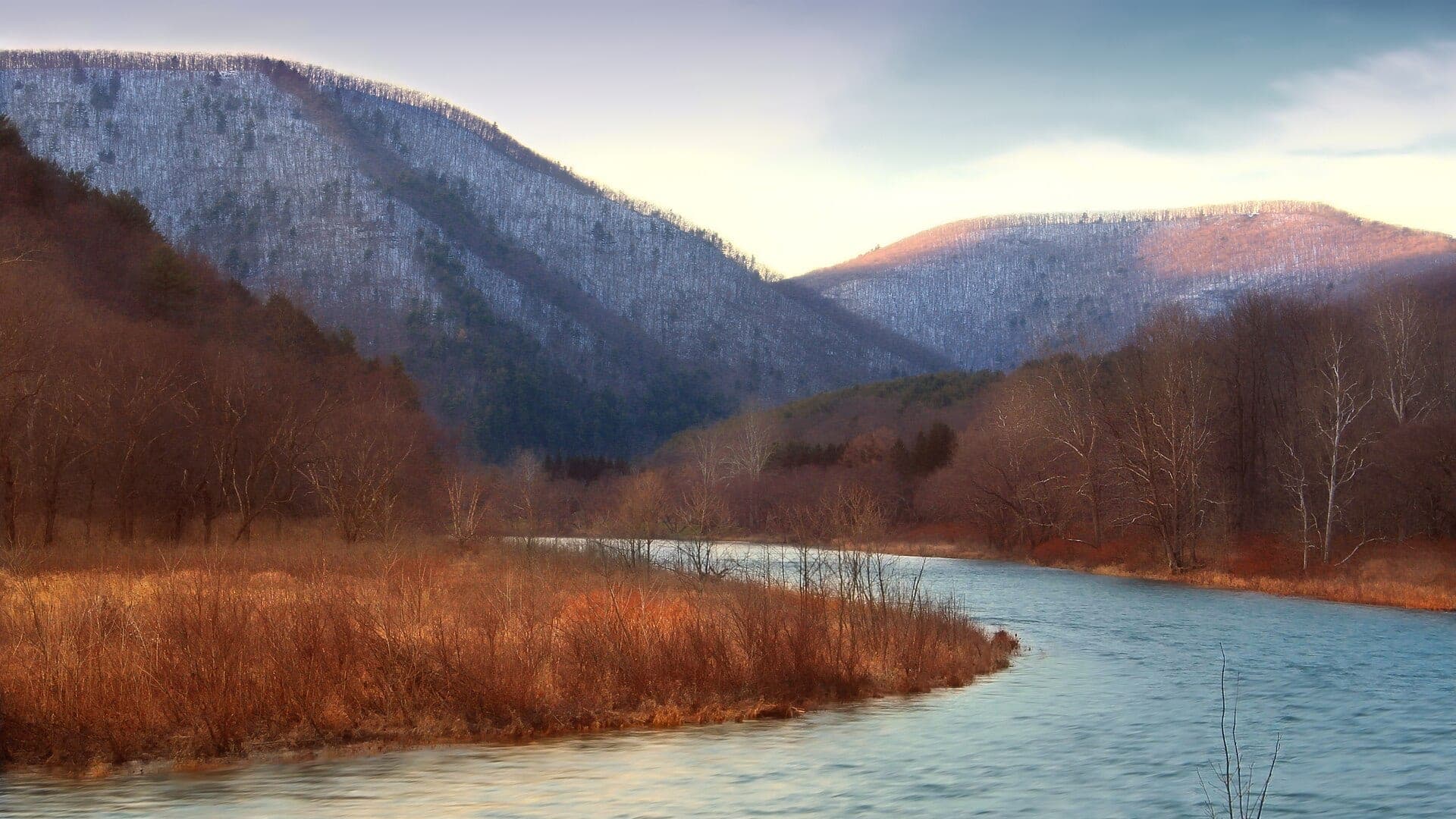
Pine Creek, Pennsylvania
A gauge-backed report with open-water planning, access context, and a clear fishability read.
Open reportMadison River, Montana
A big western river where wind, space, flow, and access selection shape the casting plan.
Open reportTruckee River, Nevada
An urban-access river where choosing room, footing, and safe flows matters for beginners.
Open reportLittle Red River, Arkansas
A tailwater where beginners need to match casting practice to generation and safe bank access.
Open reportFarmington River, Connecticut
A technical trout river where public access, flow, and beginner-safe water choice matter.
Open reportDeerfield River, Massachusetts
A release-influenced river where beginners should check flows before choosing a casting lane.
Open reportCommon questions
What is the easiest fly cast for beginners?
The easiest first cast is usually the pick-up-and-lay-down cast. It teaches line control, timing, and a clean forward stop without adding too many moving parts.
Can I practice fly casting without a hook?
Yes. Beginners should practice with yarn or a hookless practice fly first. It is safer and lets you focus on the casting motion instead of worrying about the hook.
When should I use a roll cast?
Use a roll cast when there is not enough safe room behind you for a normal backcast, such as brushy creeks, steep banks, and tight stream corridors.
How far should a beginner be able to cast?
A controlled 20- to 30-foot cast is enough for many beginner trout situations. Accuracy, line control, and safe water choice matter more than distance.
What water is best for beginner fly casting?
Choose open bank water, soft edges, pool tailouts, or broad riffle tails where a short cast works and footing is safe. Avoid brushy, fast, or technical water on the first day.
Do beginners need to false cast a lot?
No. Too much false casting usually creates more tangles and fewer drifts. Make one clean pickup, one forward cast, and then fish the fly.
Sources
- Pick-Up and Lay-Down Cast
Fly Fishers International
- Casting Instruction
Fly Fishers International
- Roll Casting Technique
Take Me Fishing
- Fly Casting
Take Me Fishing
- Gearing Up for Fishing
National Park Service