RiverReports preview · current series loading
Recent flow
RiverReports gauge
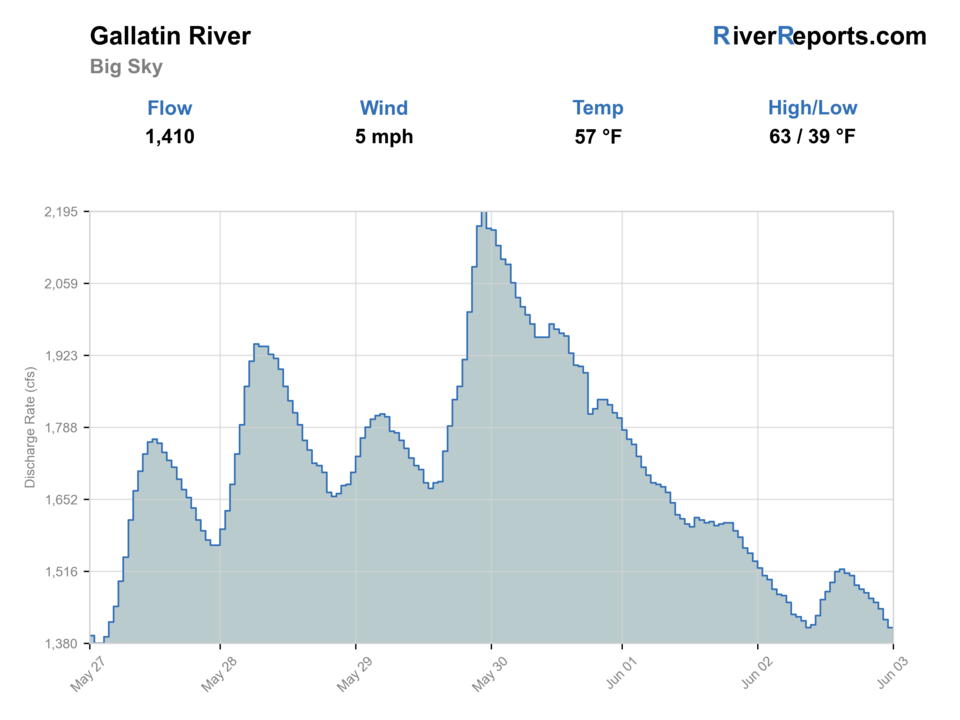
Showing the available RiverReports chart while the current structured flow series loads. Check the chart on RiverReports Opens in a new tab.
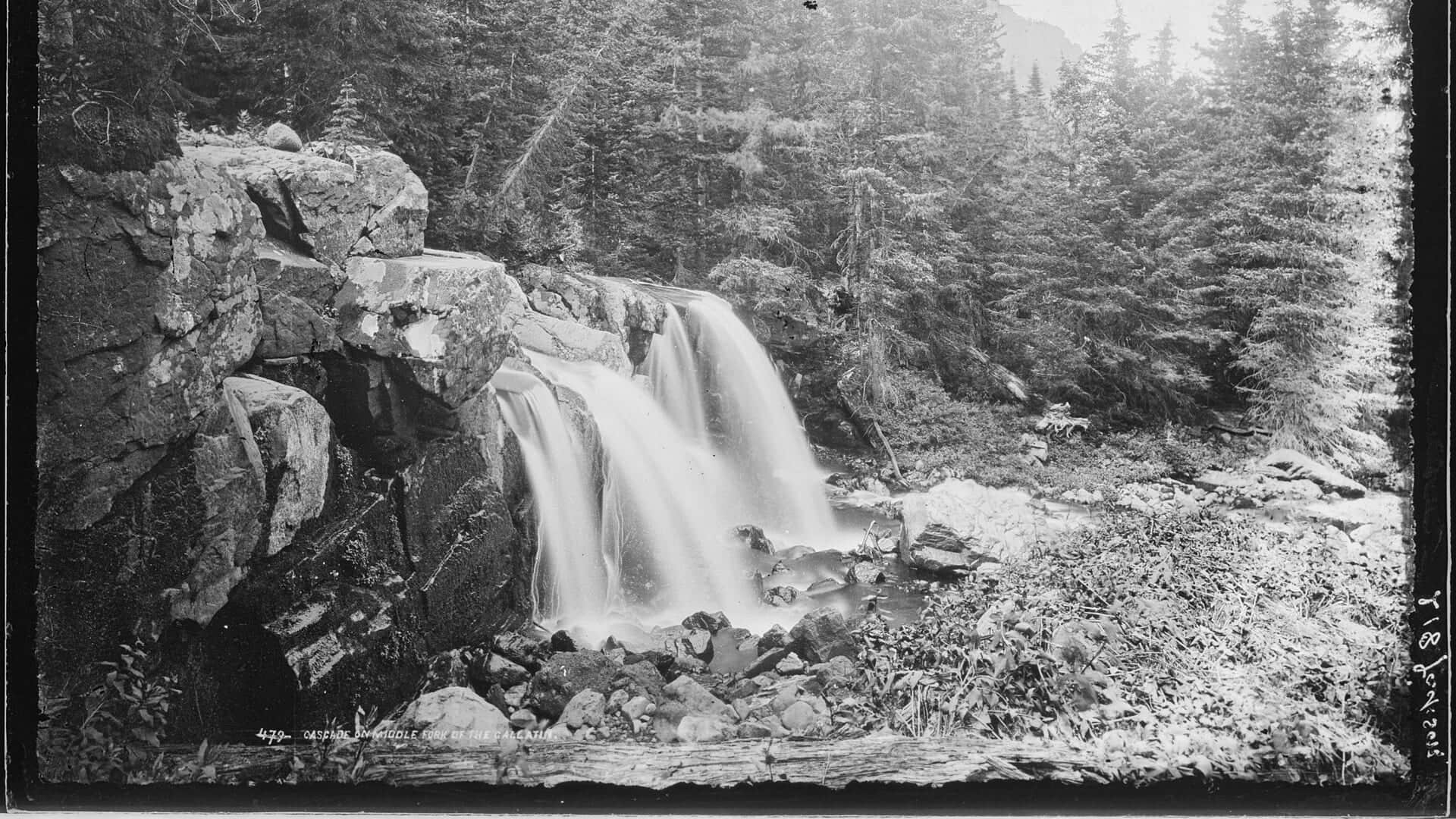
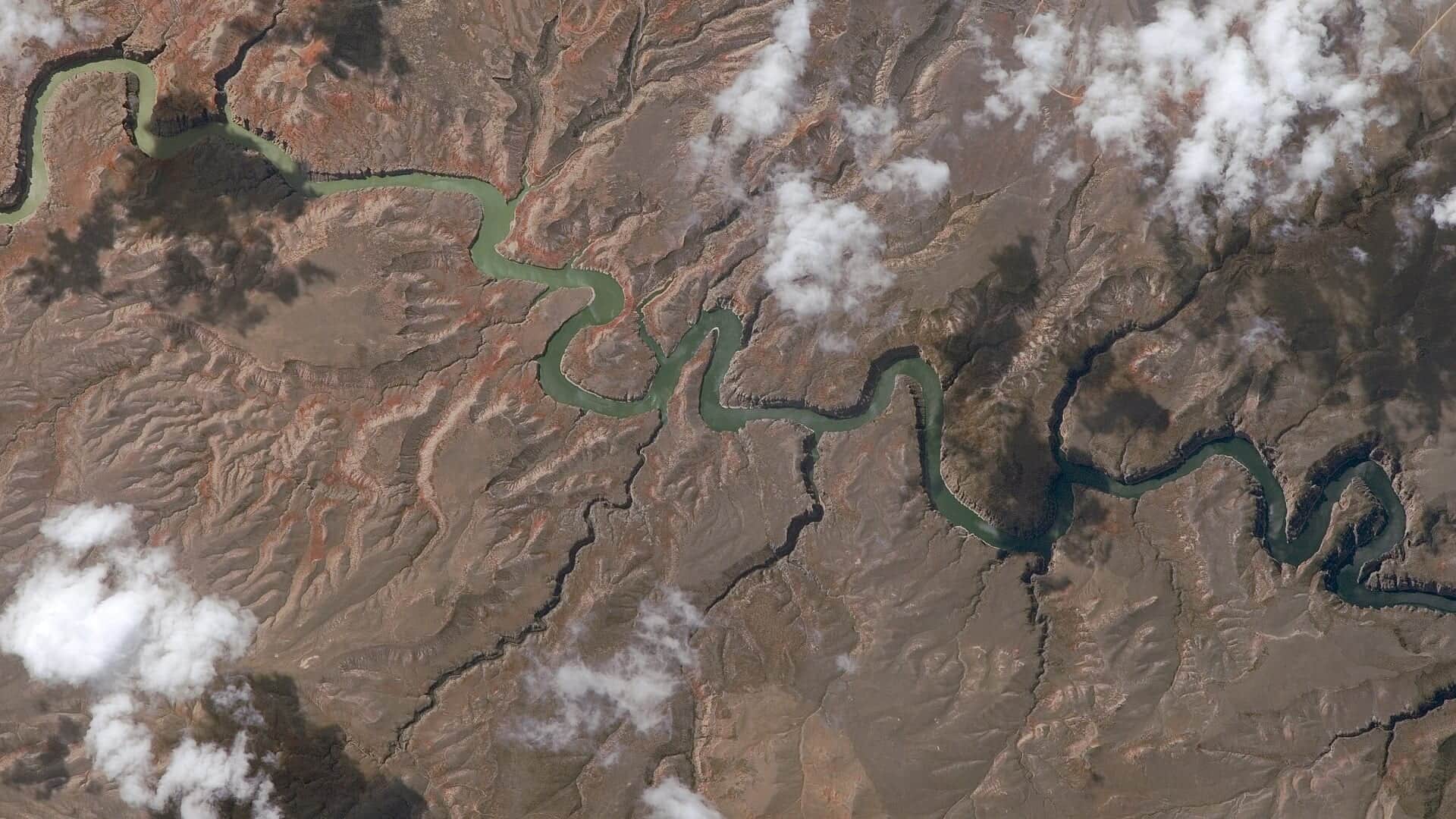
Photo: William Henry Jackson Opens in a new tab. · Public domain
Best option: Wading. Wading is in play only where your chosen access has clear footing, legal entry, and no forced crossings.
Rating updatedRiver local time:
USGS shows 228 cfs. The flow has been stable over about 6 hours. USGS marks this reading provisional and may revise it. USGS records for this date (2020-2026, 7 readings) show a median near 296 cfs and the lower quartile near 283 cfs; today's flow is below normal for the date. This is below normal, so edge depth, temperature, and pressure matter.
NWS air forecast near
RiverReports gauge
Showing the available RiverReports chart while the current structured flow series loads. Check the chart on RiverReports Opens in a new tab.
Partly Cloudy
The National Weather Service forecast is temporarily unavailable.
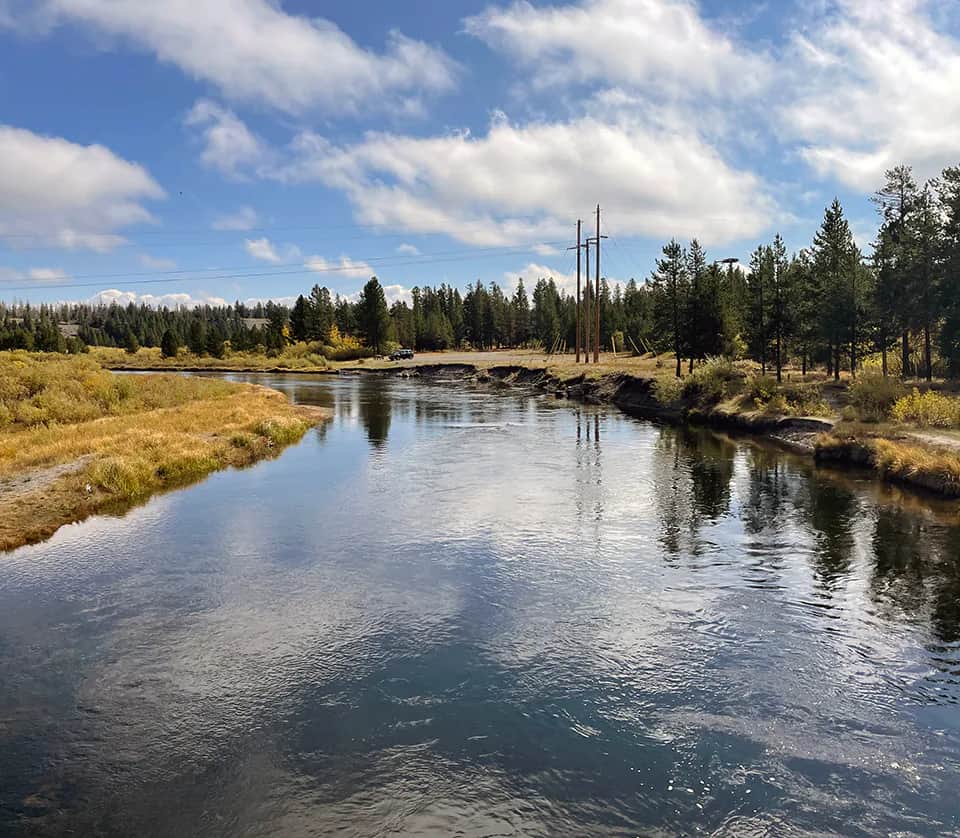
RiverReports gauge: Gallatin River near Big Sky
Seasonal starting points, not a live hatch report. Match what you see on the water.
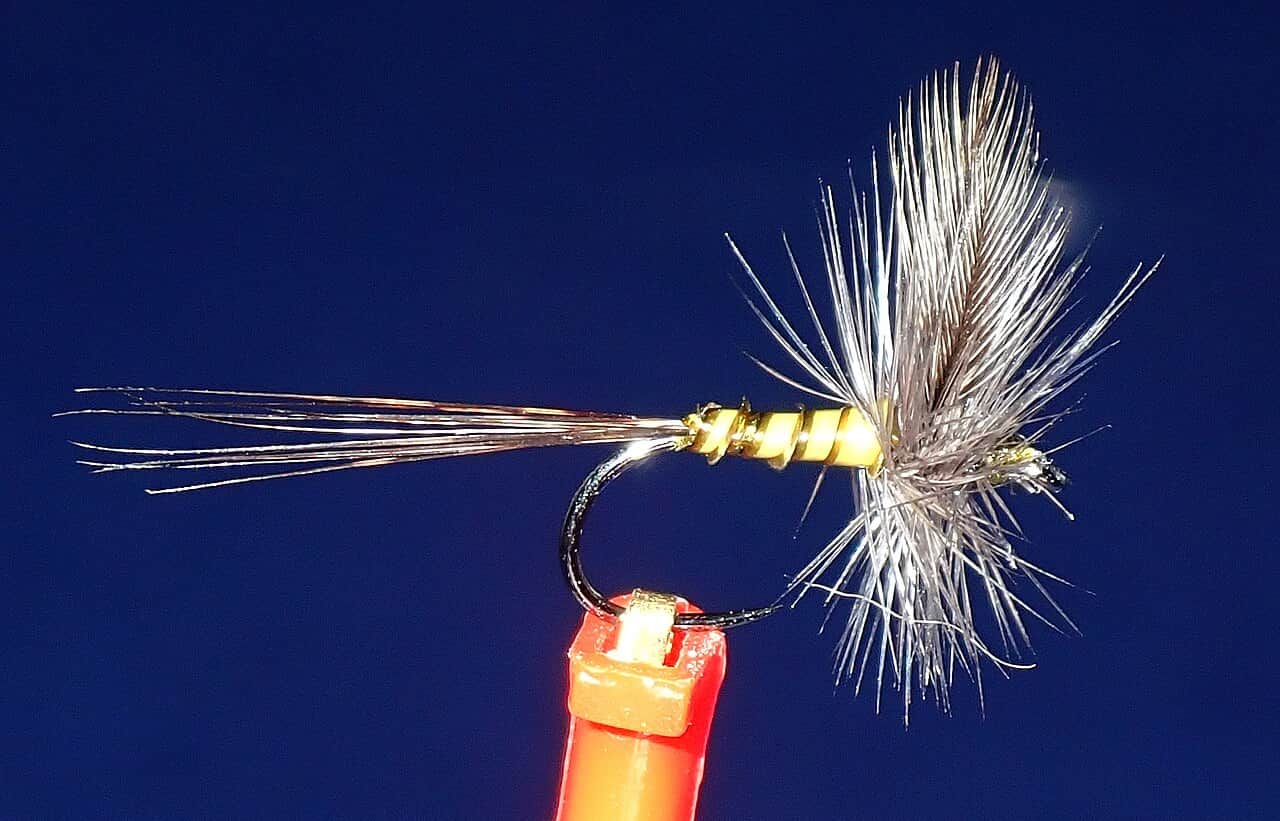
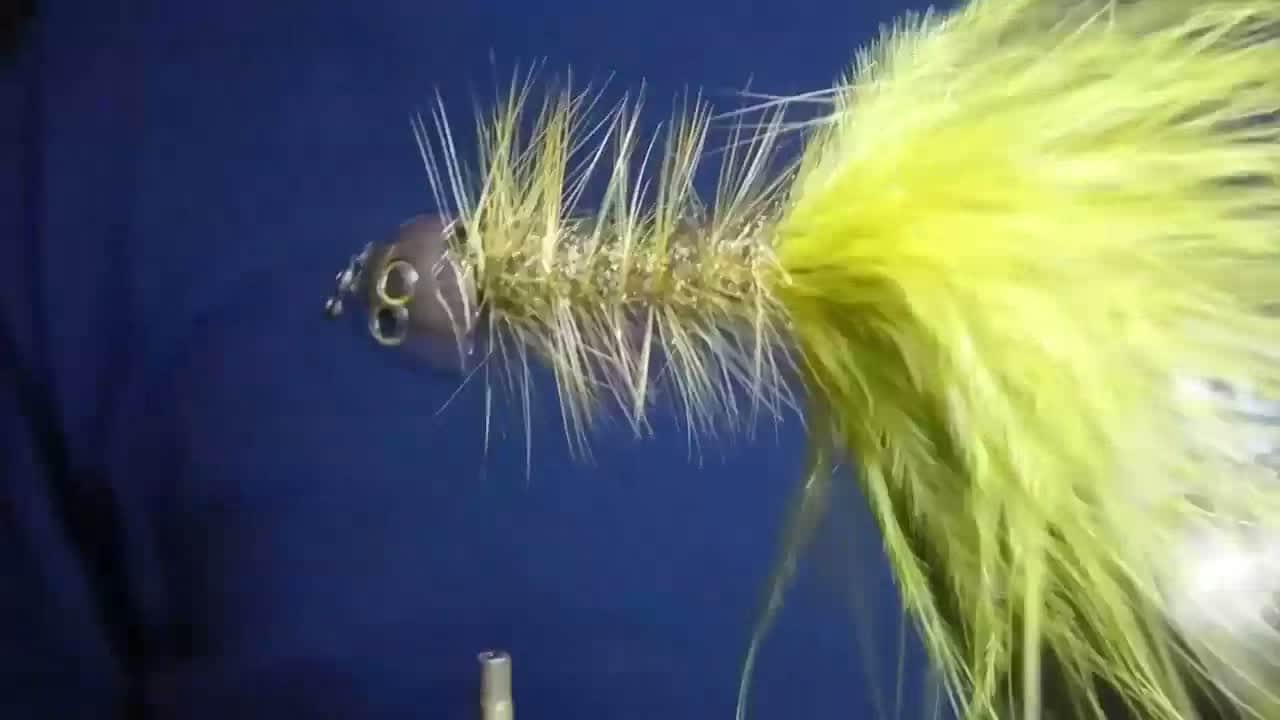
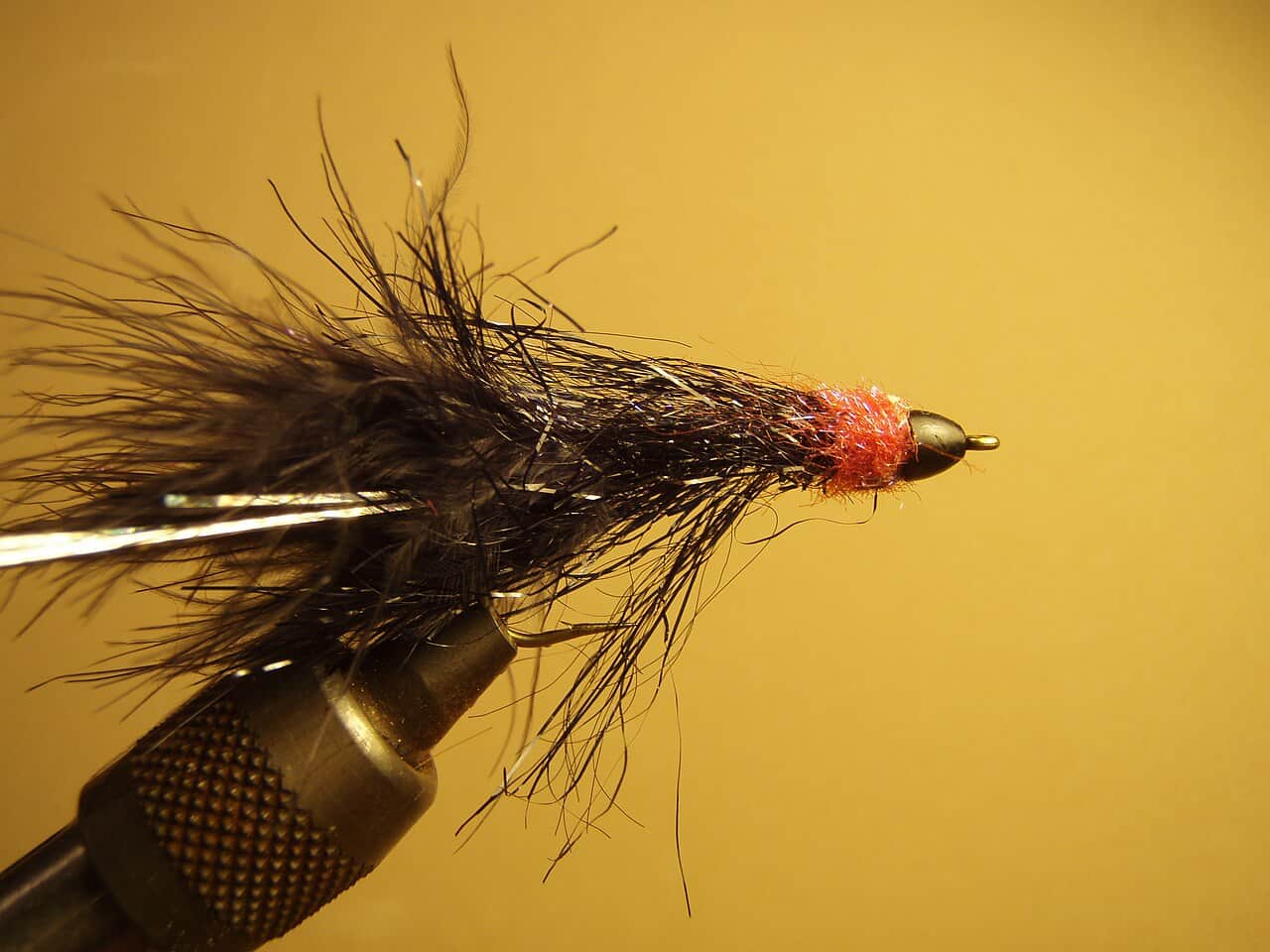
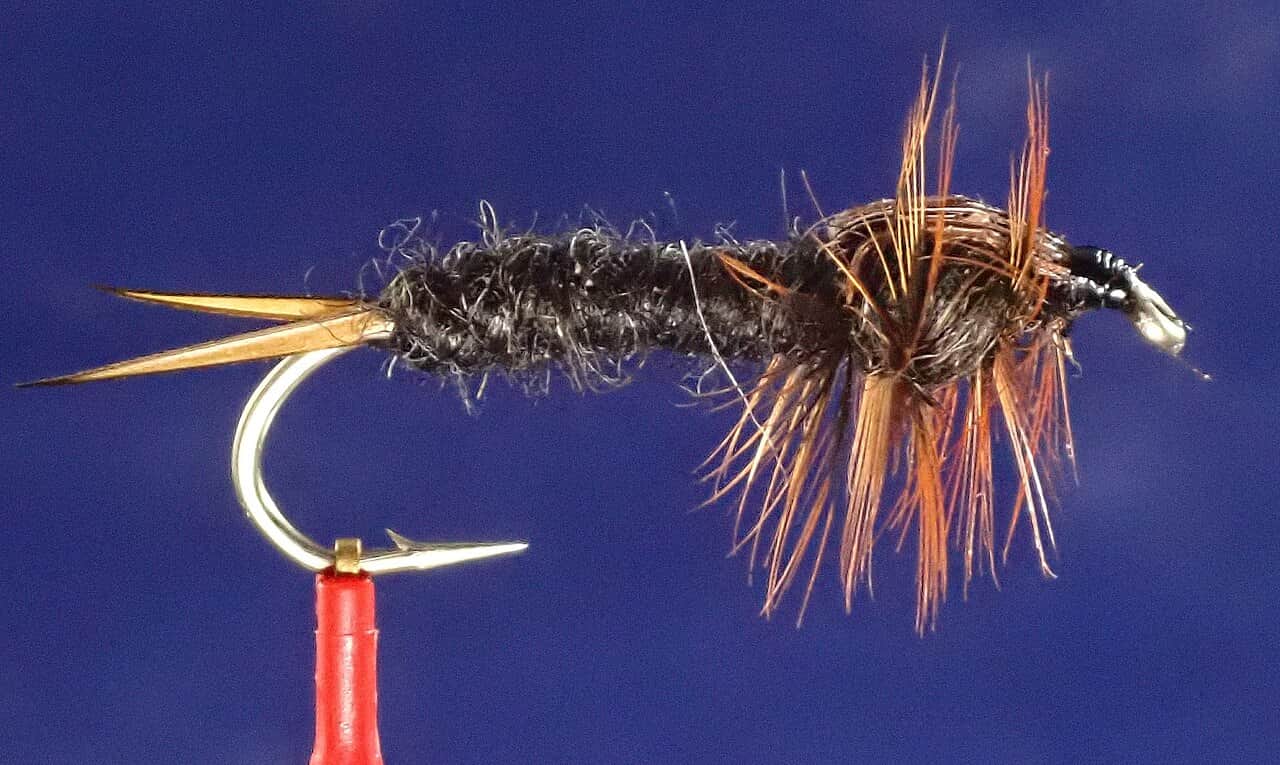
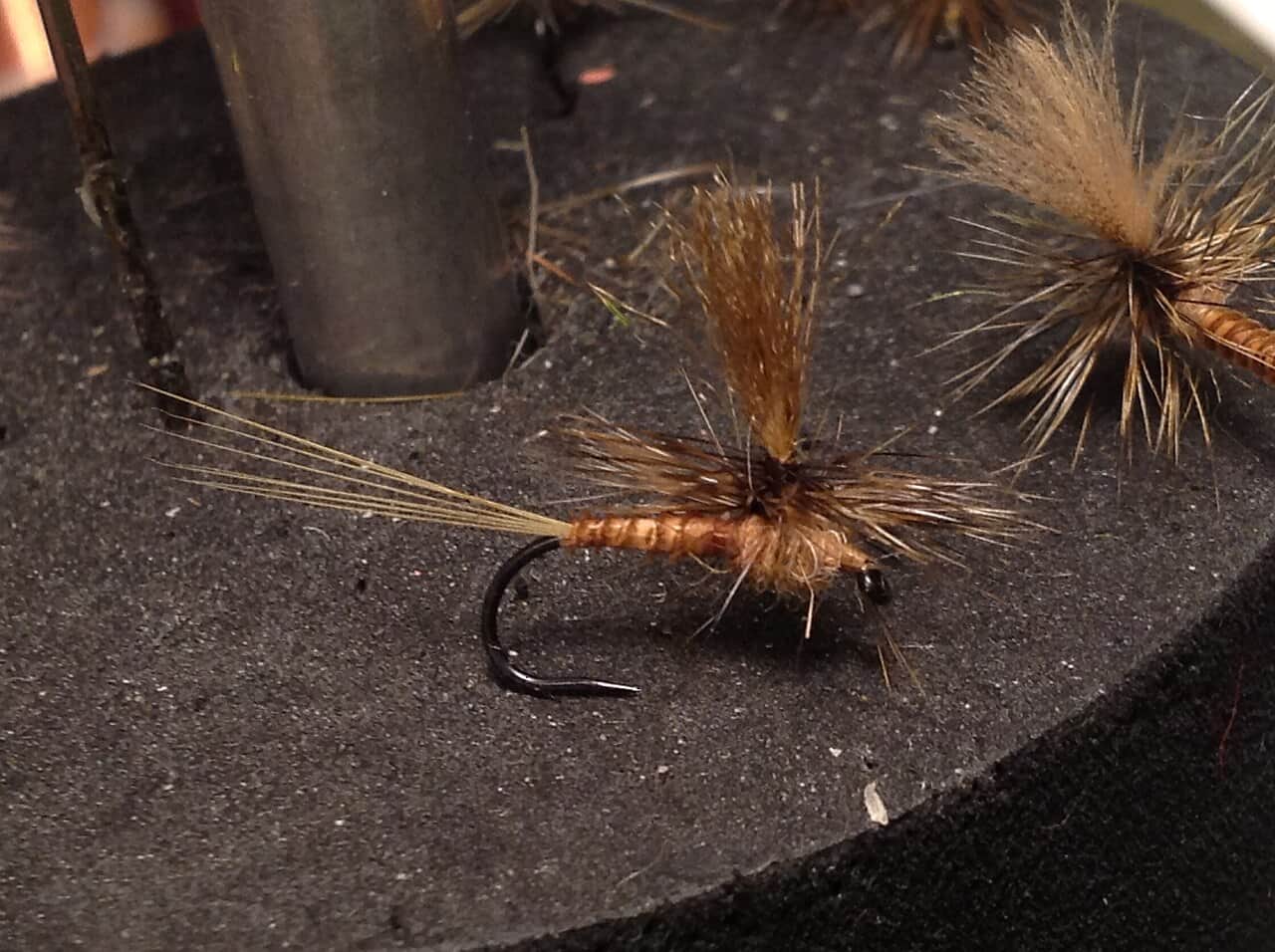
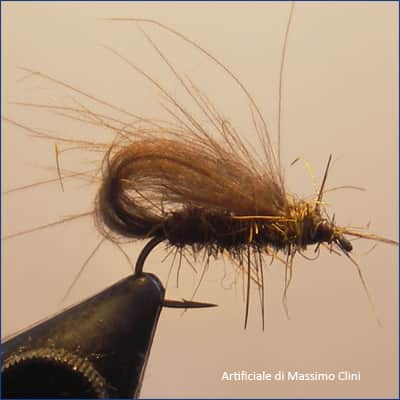
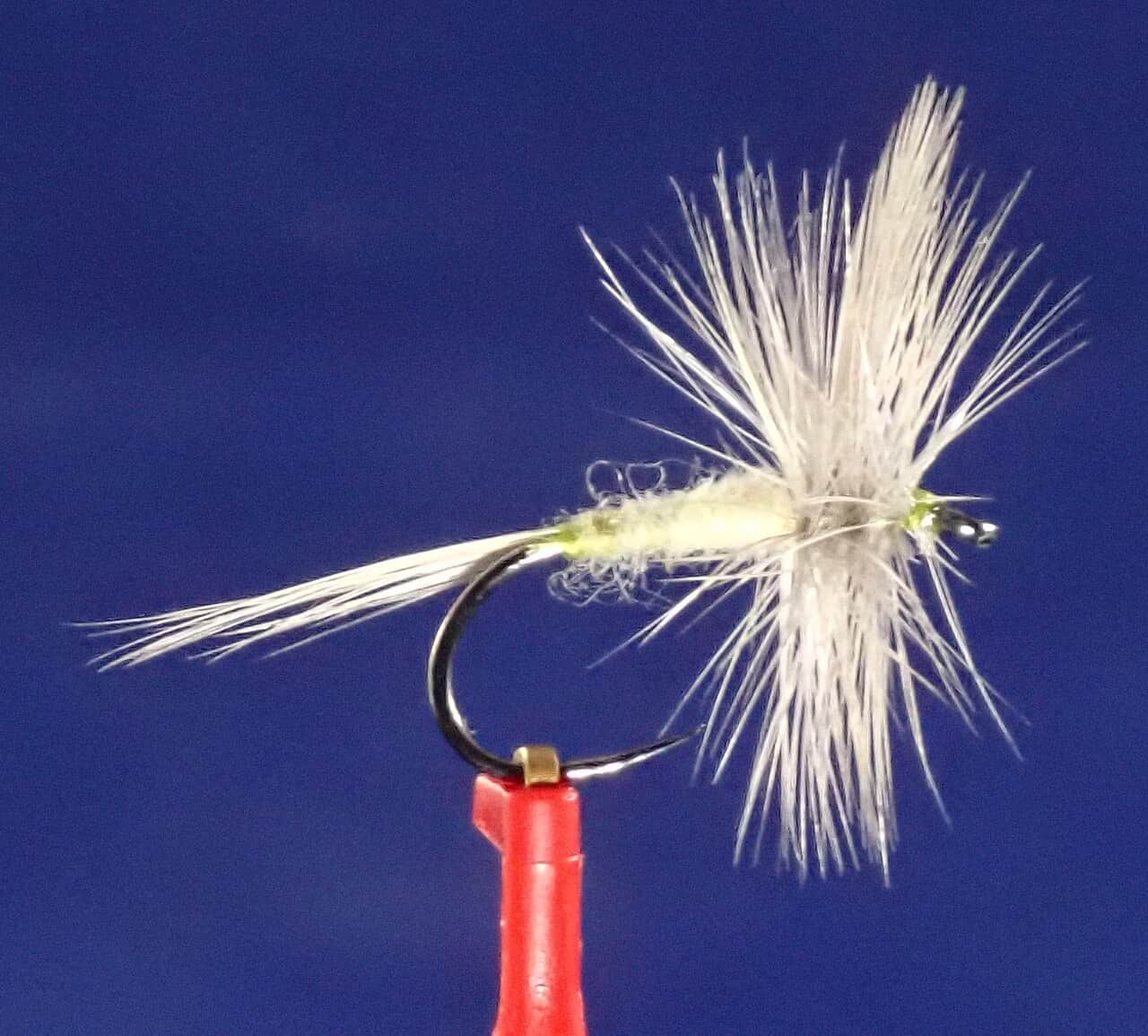
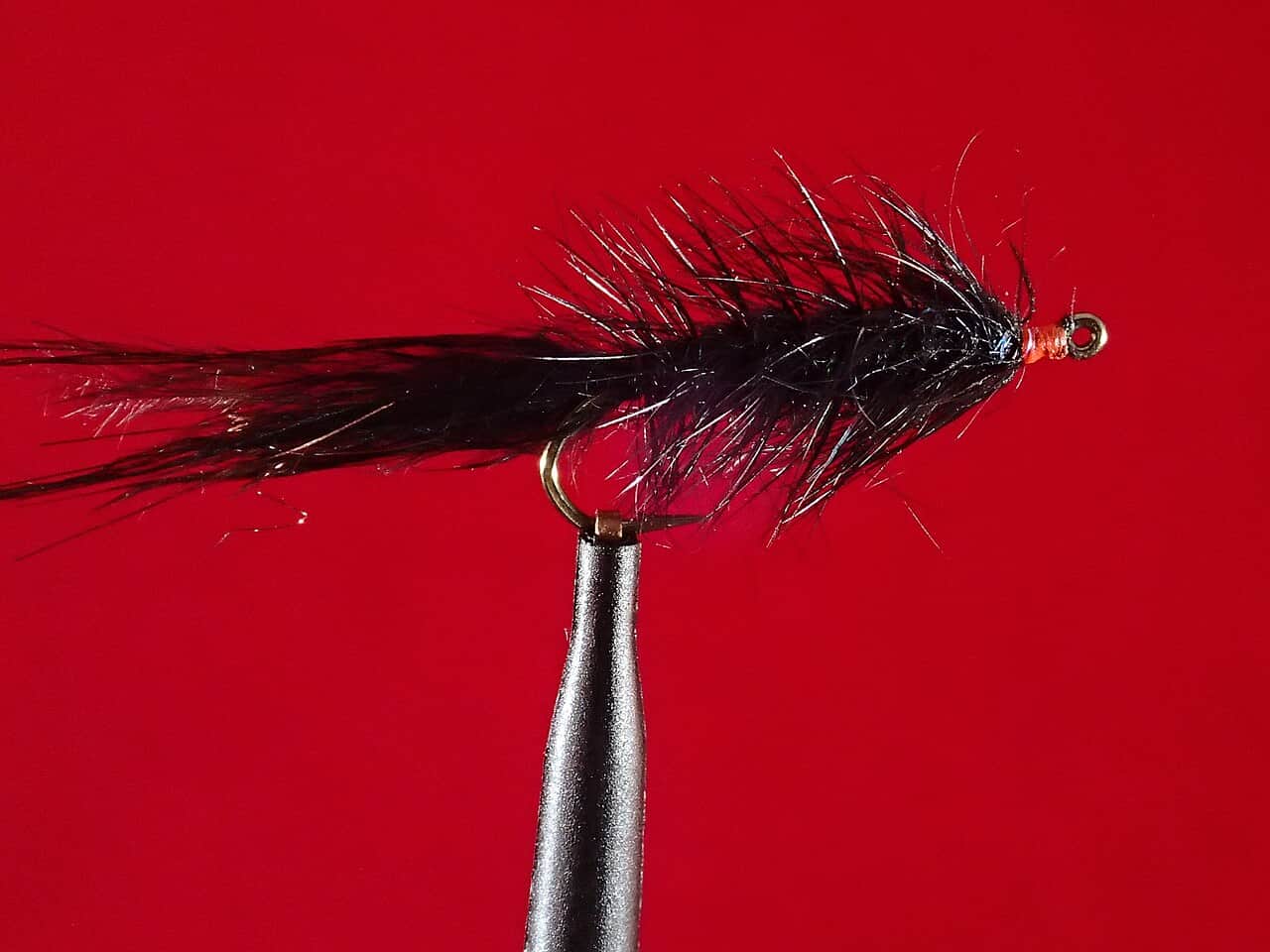
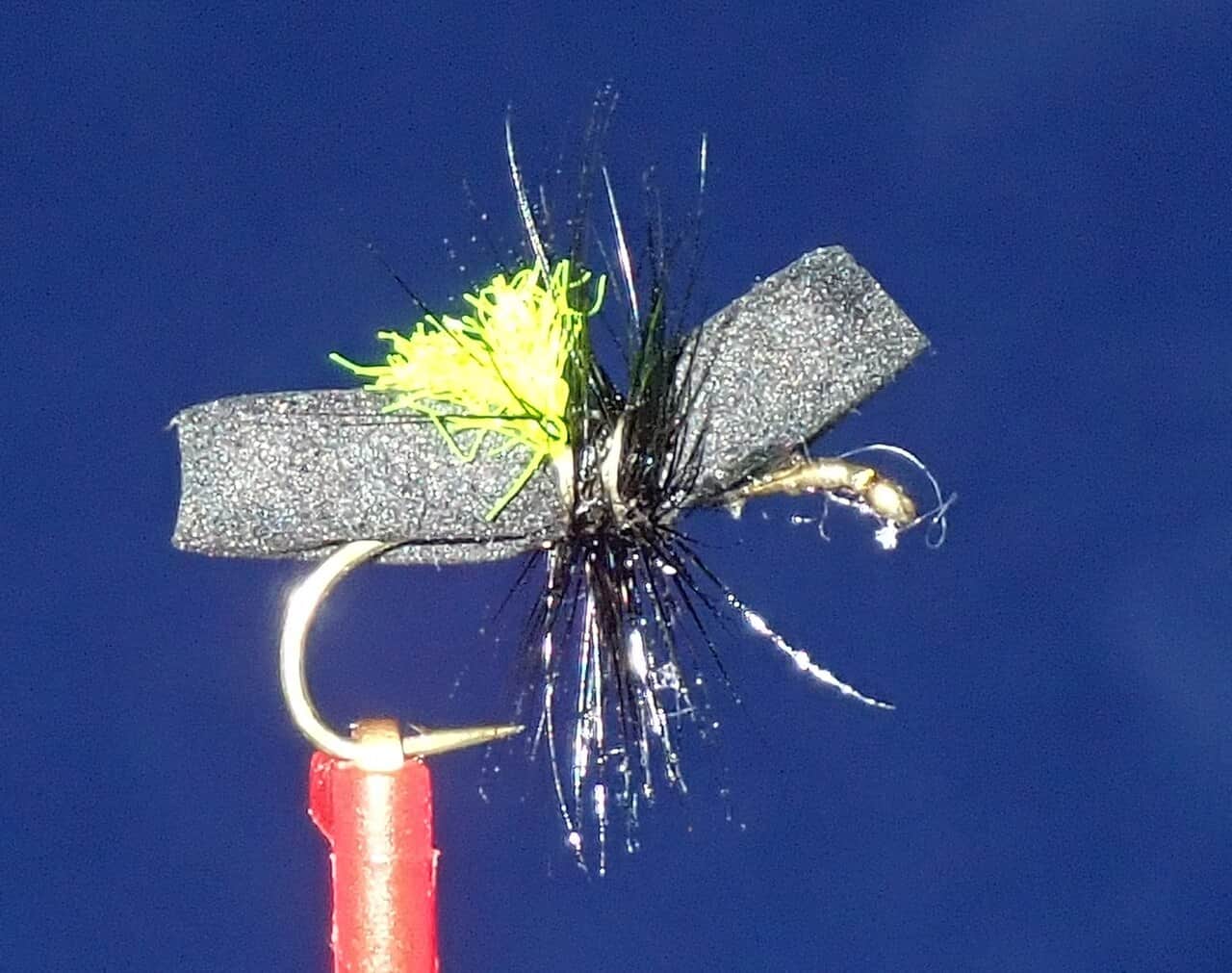
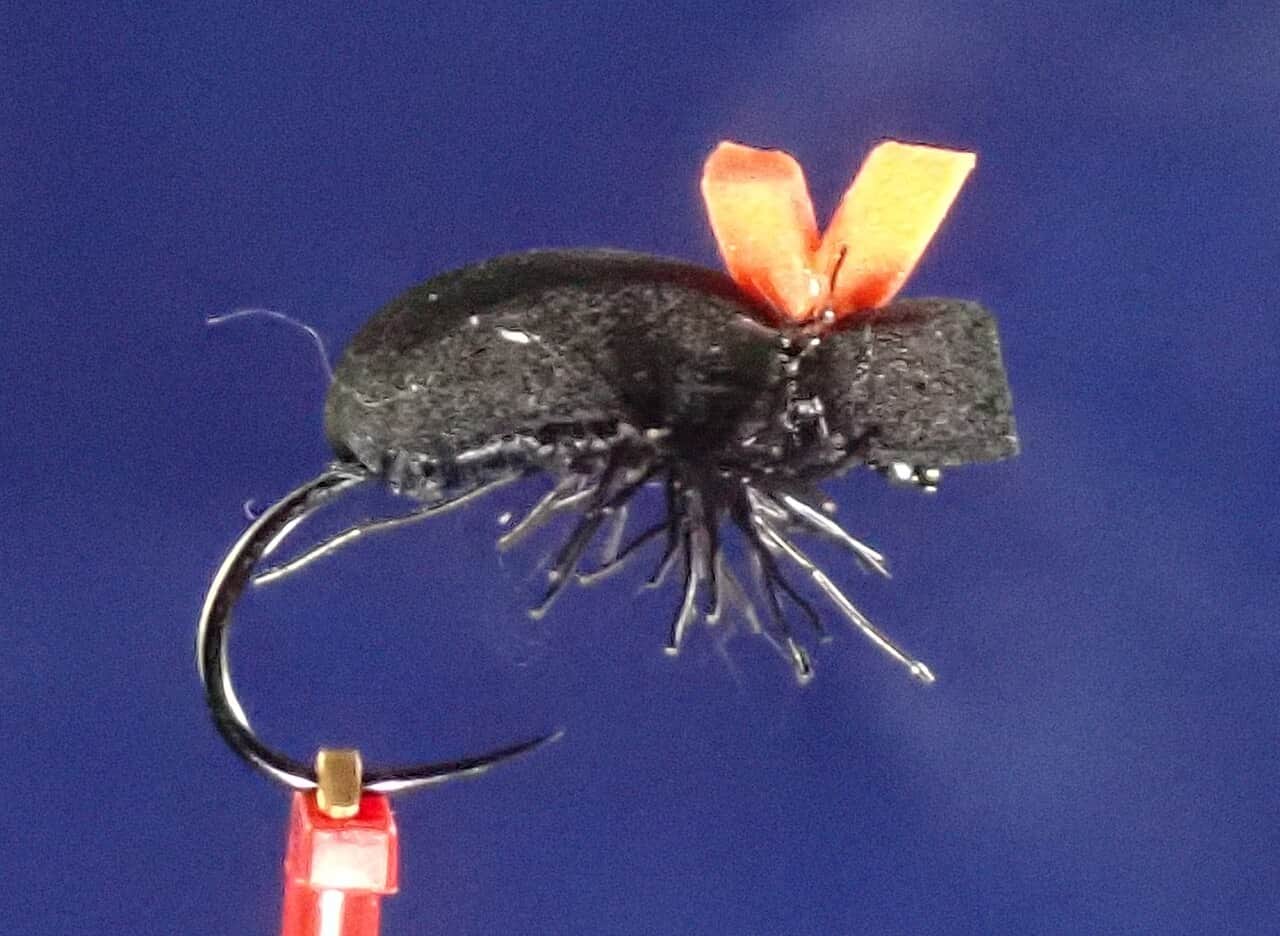
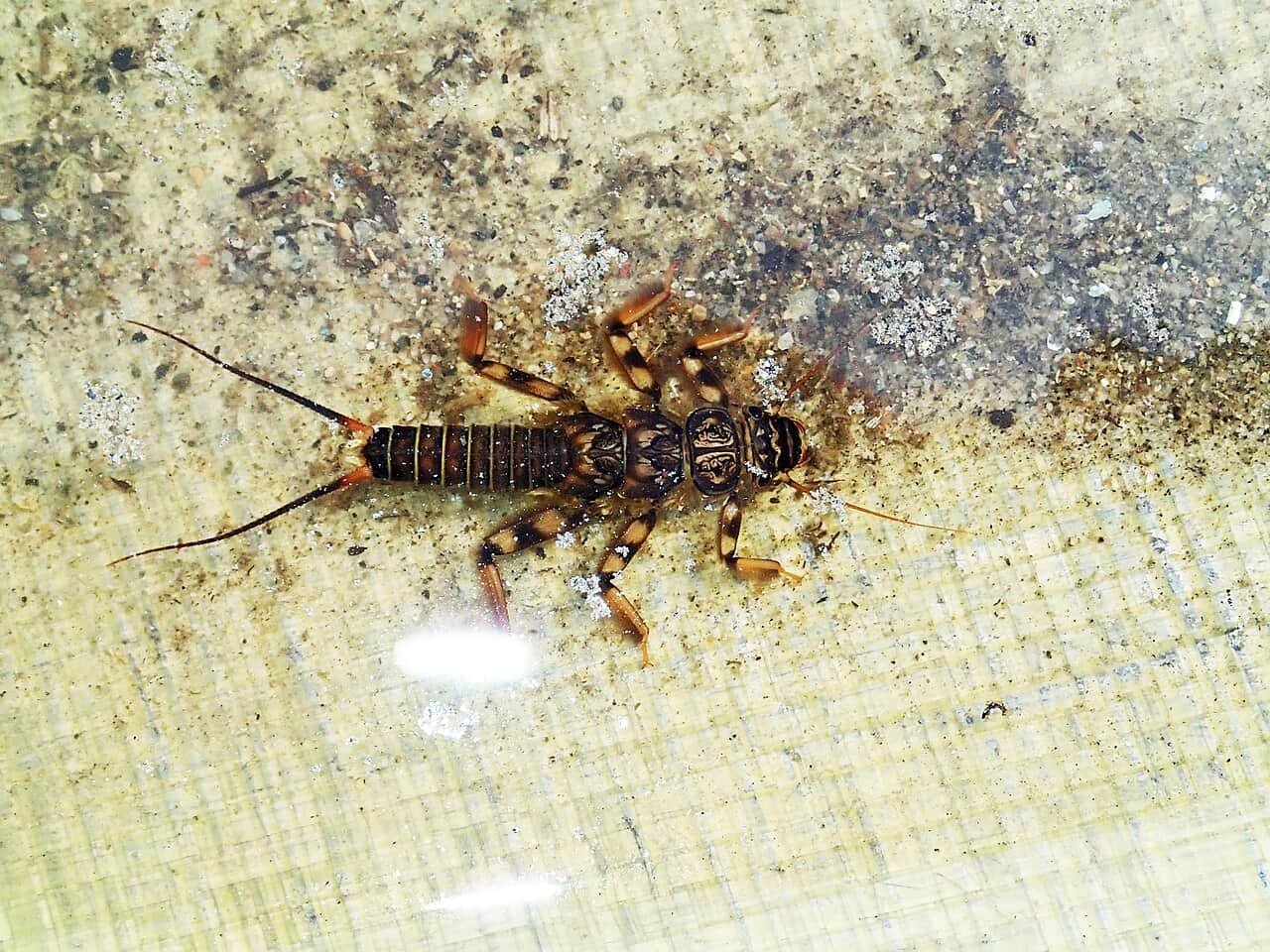
Also try Mahogany, October caddis
Each fly name opens its matching Fly Box guide.
The Gallatin is strongest when runoff is dropping, clarity returns, and cool water lets trout use pocket water, banks, and riffles. High runoff, storms, or heat should push you to a safer plan.
Fish big stonefly nymphs, streamers, and bank-soft water only where wading is safe.
Use caddis, PMDs, hoppers, ants, and dry-droppers through pocket water.
Use longer leaders, smaller droppers, shade, and careful approaches.
Wait for clarity or fish only safe soft edges with larger darker flies.
These scores compare the risks of wading, bank fishing, and floating.
Wading is in play only where your chosen access has clear footing, legal entry, and no forced crossings.
This report does not recommend bank fishing on this reach.
This report does not recommend floating this reach.
Is Gallatin River worth the trip today? Check flow, weather, hatches, access, and rules for Montana before you go.
The Gallatin is a classic Montana freestone, but the main state-water reach is not a normal boat-fishing plan. Check flow, access, and FWP rules before treating a roadside pullout as simple water.
USGS shows 228 cfs. The flow has been stable over about 6 hours. USGS marks this reading provisional and may revise it. USGS records for this date (2020-2026, 7 readings) show a median near 296 cfs and the lower quartile near 283 cfs; today's flow is below normal for the date. This is below normal, so edge depth, temperature, and pressure matter.
An active public alert is in effect near this forecast point, so the score is capped at caution until conditions are checked. NWS alert: Winter Weather Advisory issued October 21 at 10:53PM MDT until October 24 at 12:00AM MDT by NWS Great Falls MT.
Wade: Wading is in play only where your chosen access has clear footing, legal entry, and no forced crossings.
Fall: BWOs, October caddis, and streamers can be good as crowds and heat fade.
USGS water temperature is about 44.2F, and the rolling 24-hour high did not trigger a heat caution. USGS marks the temperature data provisional and may revise it.
Use RiverReports and USGS 06043120 near Big Sky together. Dropping runoff and clear cool summer flow are the strongest windows. Rising water, storm color, or hot low conditions should narrow the plan or move it elsewhere.
Skip or pivot when runoff makes crossings unsafe, storms add color, FWP restrictions or boat rules do not fit the plan, roadside parking is unsafe, or water temperature makes trout handling questionable.
Start with the Big Sky flow and one defined canyon access plan. Fish pocket water methodically, move safely between pullouts, and save lower-river access ideas for a separate check.
If the Gallatin is high, colored, hot, or too crowded, compare the Madison for a different west-side trout plan, the Missouri for steadier tailwater conditions, or the Bighorn for a technical tailwater trip.
Use these places as starting points. Open the access link below and check posted signs before you park or enter.
Montana FWP rules include Gallatin-specific method and reach rules. Check current FWP rules and restrictions before fishing.
Primary upper Gallatin flow and weather context for this page.
Useful wading access, but parking, traffic, and private land require care.
Lower access context with official FWP Fishing Access Site pages.
Official agencies and primary river operators come first. Secondary tools are labeled so you know what carries the most weight.
Check what is allowed, where the rule applies, and whether the river is open.
Check the latest river reading and forecast before you leave.
Check public entry points, land rules, and seasonal access changes.
Use these links for stocking, safety, and other local details.
Check what is allowed, where the rule applies, and whether the river is open.
Open the current rules and check the river section, season, and special limits.
Check the latest river reading and forecast before you leave.
Open this page and check the latest safety advice before your trip.
Open this river reading to check the latest level, flow, and update time.
Open this river reading to check the latest level, flow, and update time.
Check public entry points, land rules, and seasonal access changes.
Open the land or access page, then check signs before you park or enter.
Open the land or access page, then check signs before you park or enter.
Open the land or access page, then check signs before you park or enter.
Use these links for stocking, safety, and other local details.
Open this page and check the latest safety advice before your trip.
What was checked: This Gallatin River report is maintained from RiverReports and USGS Big Sky flow data, Montana FWP fishing regulations, current closure and restriction sources, stream-access law, FishMT access records, weather, media-credit, and Gallatin Canyon wade-fishing planning sources.
Live measurements and forecasts keep their provider timestamps. Rules, access, and trip guidance use the source-review date shown here. BlueStreamFly planning advice is editorial interpretation, not an agency notice.
First-hand experience: BlueStreamFly does not claim a first-hand visit or local field test for this report unless a real contributor is explicitly named and linked.
Check the Big Sky flow, canyon weather, FWP restrictions, boat rules, and water temperature before choosing a pullout.
Yes. FWP lists Gallatin-specific reach and boat-fishing restrictions, and current restrictions may apply.
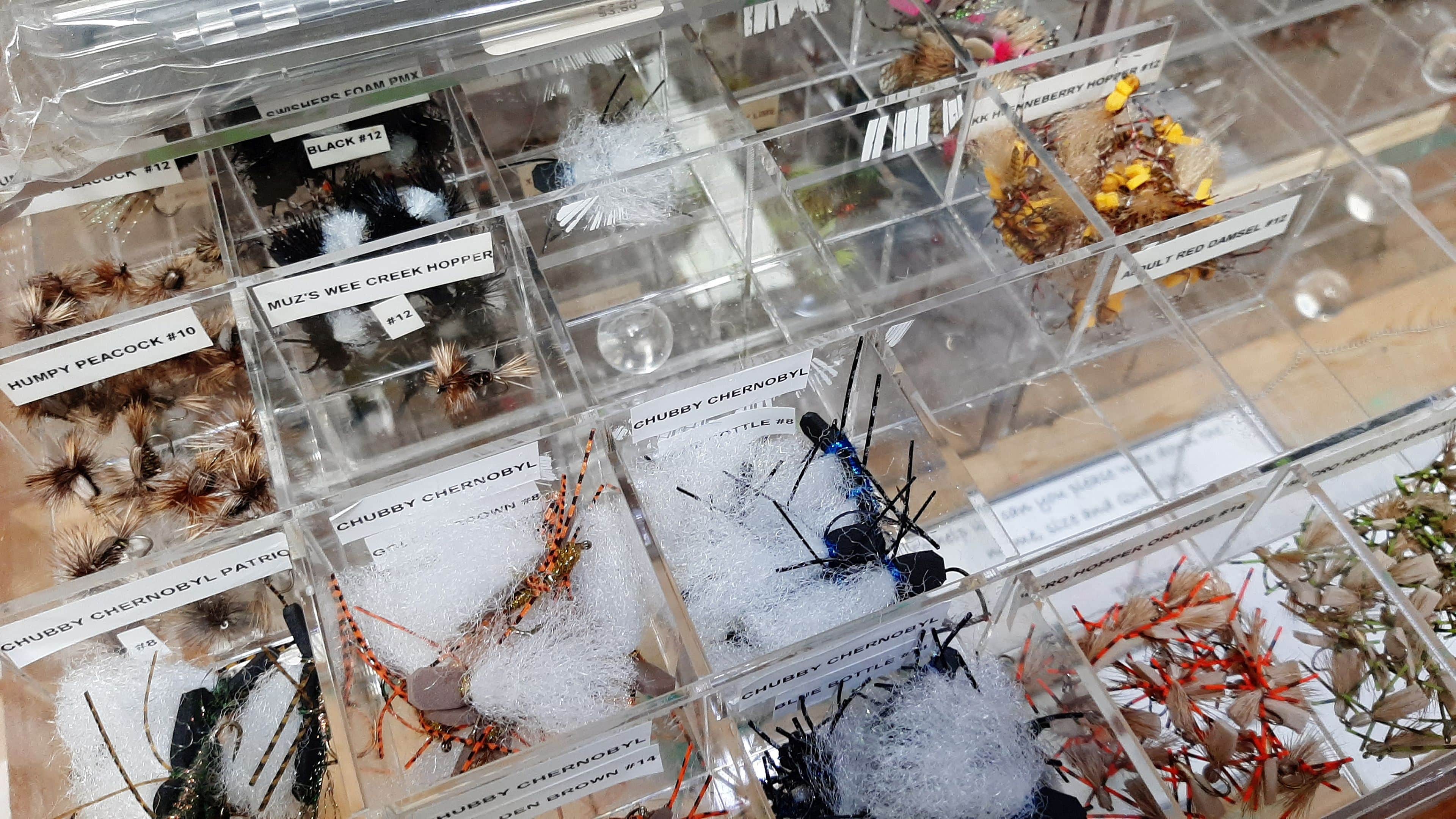
Bring the hatch-chart flies, a few confidence nymphs, and a streamer box. Then adjust for water temperature, clarity, and the insects you actually see.
Yes, much of the canyon is wade-oriented, but flows are fast and access is mixed. Use official sites and legal pullouts.
Skip it when flows are unsafe, temperatures stress trout, wildfire or emergency closures are active, or legal access for the reach is not clear.