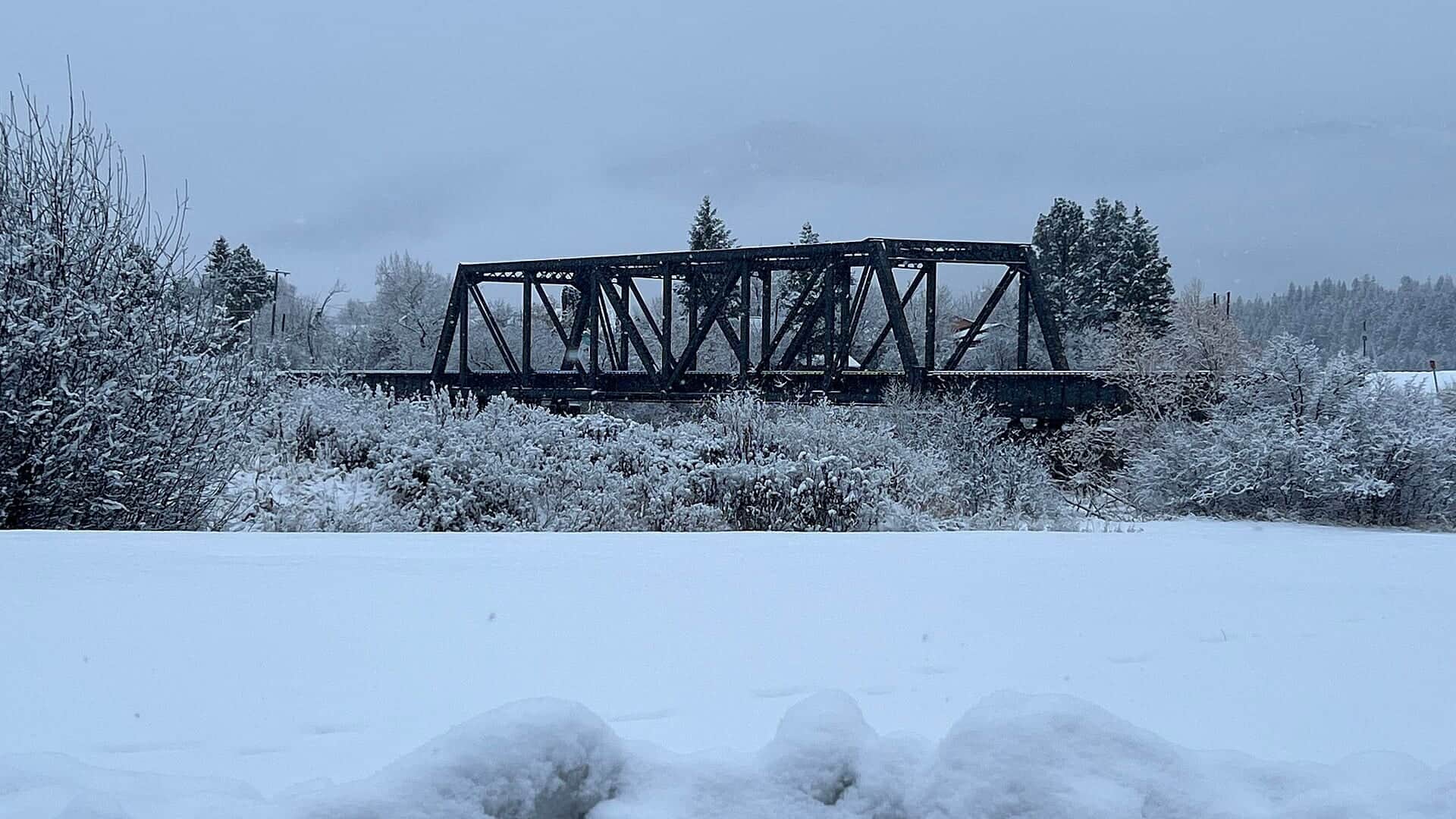
Wading is in play only where your chosen access has clear footing, legal entry, and no forced crossings.

Menu
Fly fishing report · West
Blackfoot River
A Blackfoot River report for anglers checking Bonner flow, access corridor rules, cutthroat and bull-trout safeguards, hatches, and weather.
Check flow & weatherBest option: Wade.
Wading is in play only where your chosen access has clear footing, legal entry, and no forced crossings.
Mode scores adjust the river-wide score for the risks of wading, bank fishing, or floating.
This report does not describe this as a primary mode. Verify legal access, depth, launches, and retreat options before planning around it.
A float is in play where this report supports boat access and wind, releases, and shuttle logistics are manageable.
Confirm before you leave
Flow and weather right now.
Use the flow trend to confirm the score before you leave. Weather can change the safest and most productive fishing window.
River strategy
Start with flow, temperature, and the corridor rules.
The Blackfoot can be a great freestone trout day, but it is also fast, cold, and sensitive. Use the Bonner gauge, check current FWP restrictions, and match your plan to access rules before fishing.
- Use the Bonner gauge for the lower-river trend and do not wade heavy mid-channel current during runoff.
- Treat cutthroat and bull-trout handling carefully; when in doubt, release fish quickly and keep them wet.
- FWP's recreation corridor has specific access and camping rules, so plan stops before launching.
- In summer heat, fish early, carry a thermometer, and leave trout alone when temperatures climb.
USGS water temperature is about 68F. Fish early and stop if handling stress is likely.
USGS shows 1,480 cfs with a stable over about 6 hours trend. same-date USGS history (1898-2024, 92 readings) puts the normal middle range around 1,150 cfs-2,360 cfs. Flow is inside the same-date normal range, so weather, temperature, and access become the next checks.
Early summer: Runoff drop brings salmonfly, golden stone, caddis, and streamer opportunities.
No active NWS alert was returned for this forecast point.
Skip or pivot when FWP restrictions are active for your timing, water temperature is unsafe, runoff is pushy, corridor access or camping rules are unclear, or native-fish handling would be poor.
Read the water
What changes the plan.
The best Blackfoot windows are stable post-runoff flows, cool mornings, and enough clarity for fish to use banks, riffles, and softer seams. Rising, muddy, hot, or restricted water should change the plan.
Post-runoff green
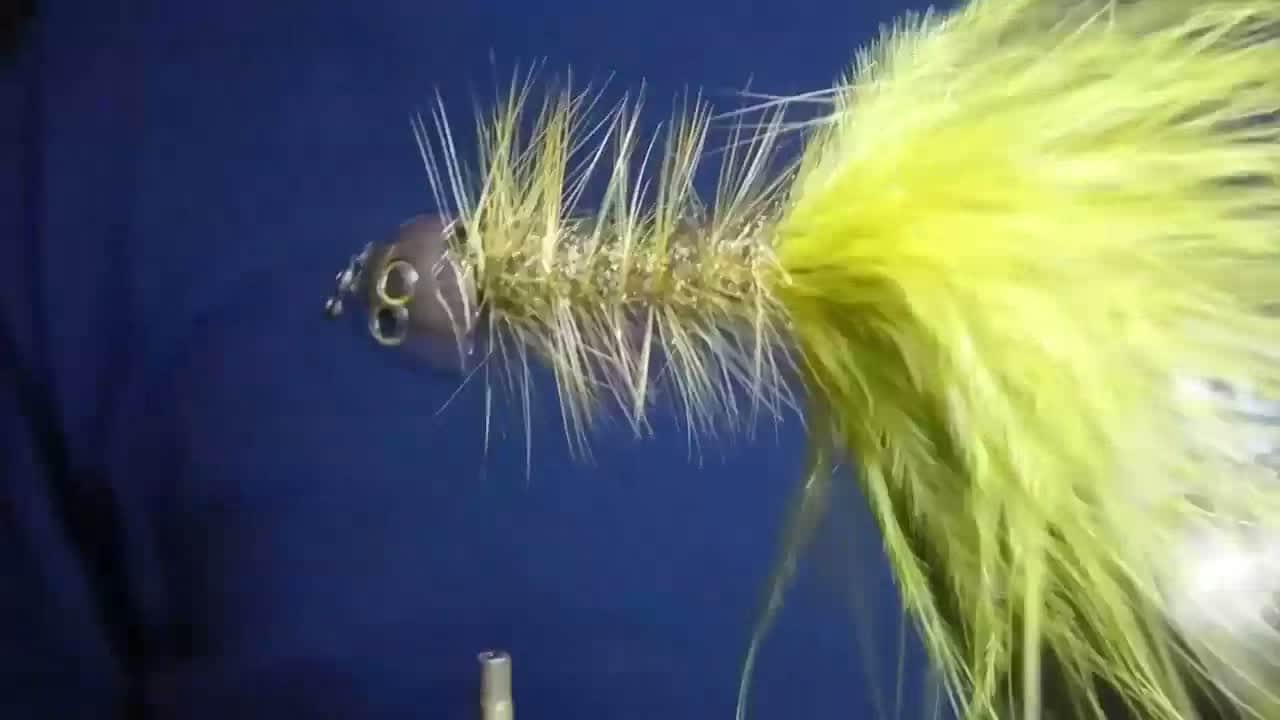
Fish stonefly dries, rubberlegs, and streamers tight to banks and soft current.
Clear summer flow
Use hoppers, ants, caddis, and dry-droppers around shade and riffle edges.
High or muddy
Stay near soft edges only if safe, or wait for the river to drop and clear.
Warm low water
Check FWP restrictions and fish early, or move to colder water if trout are stressed.
Field plan
Fish it with intention.
Use RiverReports and USGS 12340000 near Bonner together. Dropping post-runoff water and cool stable mornings are the cleanest windows; high, muddy, or hot low water should move the plan to safer edges or a different river.
Skip or pivot when FWP restrictions are active for your timing, water temperature is unsafe, runoff is pushy, corridor access or camping rules are unclear, or native-fish handling would be poor.
Start with the Bonner gauge and the recreation-corridor plan. Then decide whether the day is a bank-focused dry-dropper float, a roadside wade session, or a short streamer window around clouds and clarity.
If the Blackfoot is high, warm, crowded, or restricted, compare Rock Creek for a wade-focused creek plan, the Clark Fork for larger Missoula water, or the Bitterroot for another freestone option.
Hatches & flies
Bring a flexible box.
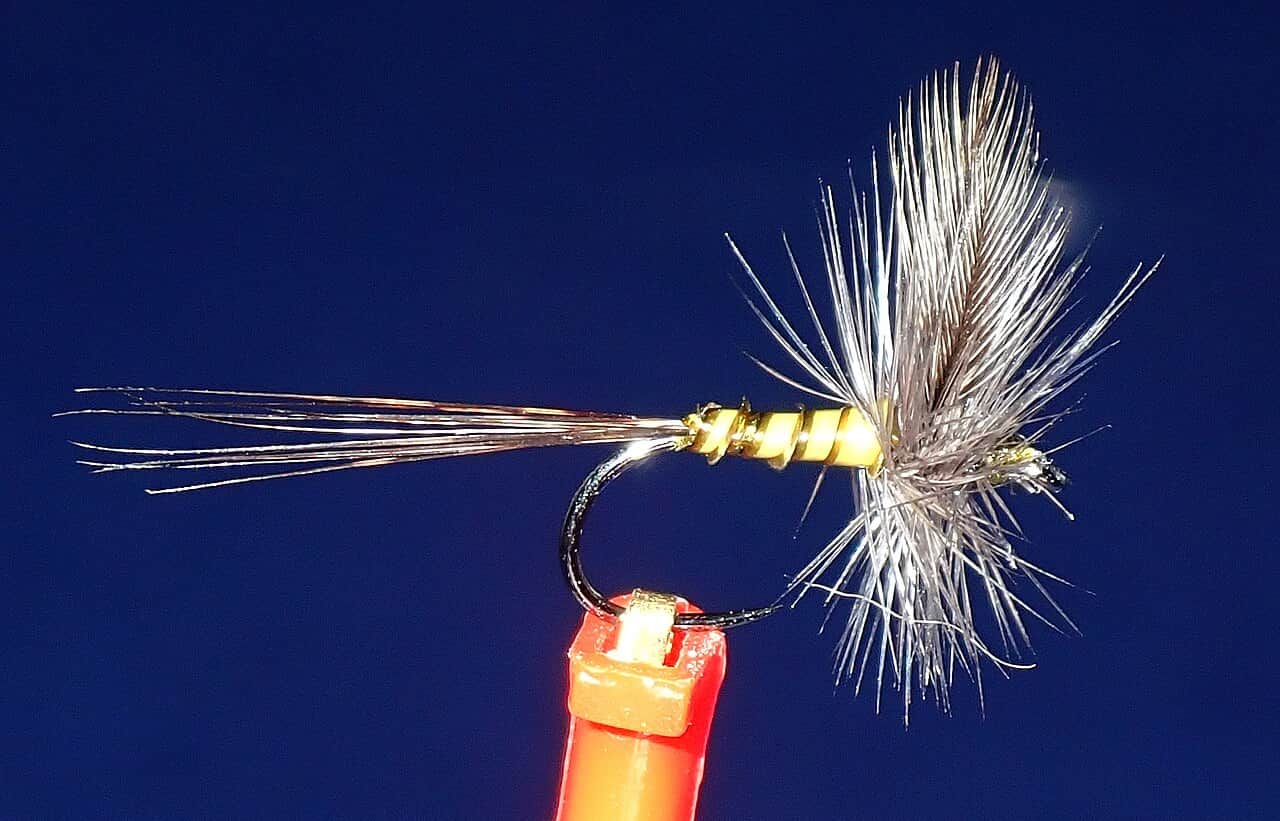
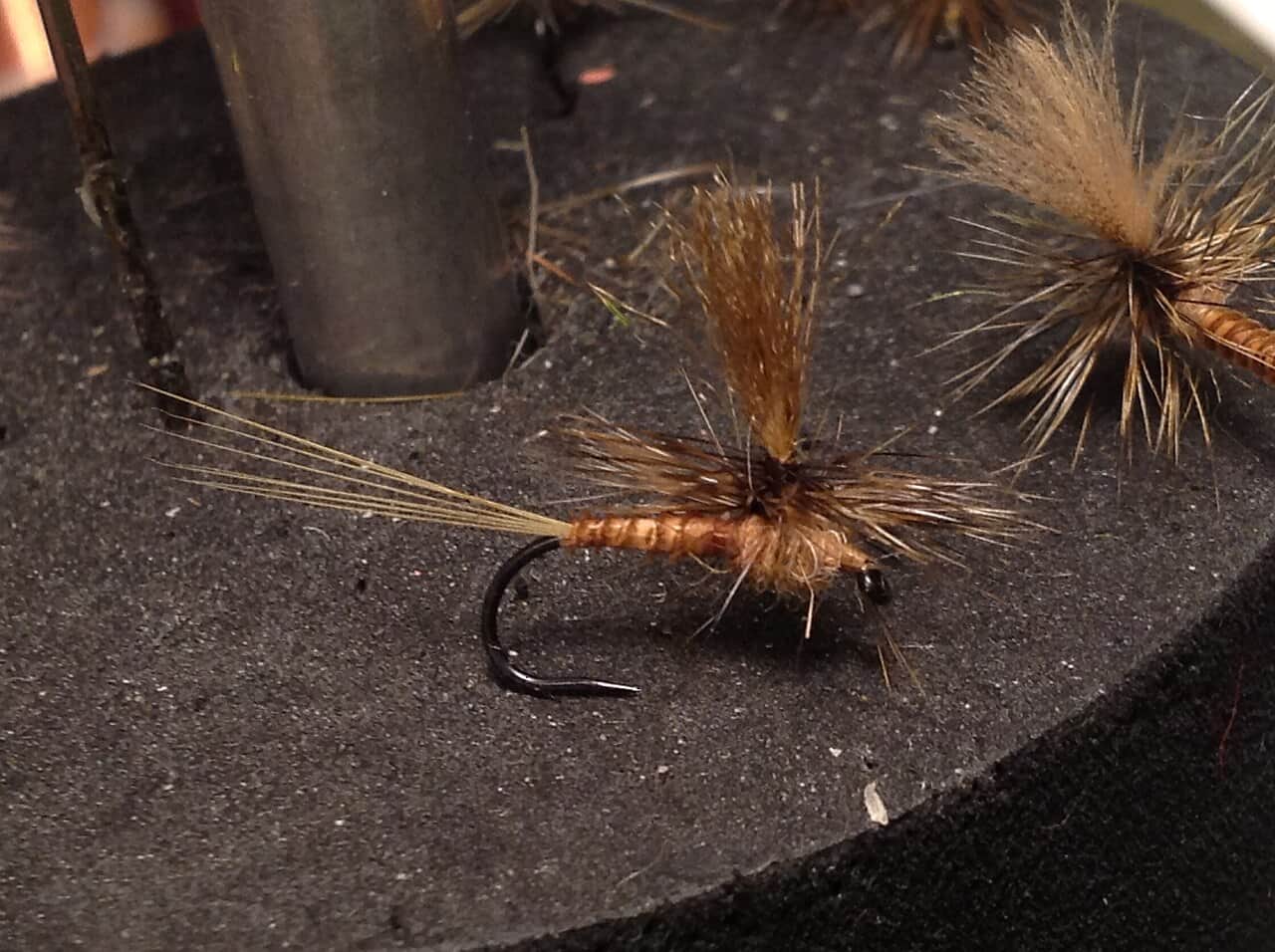
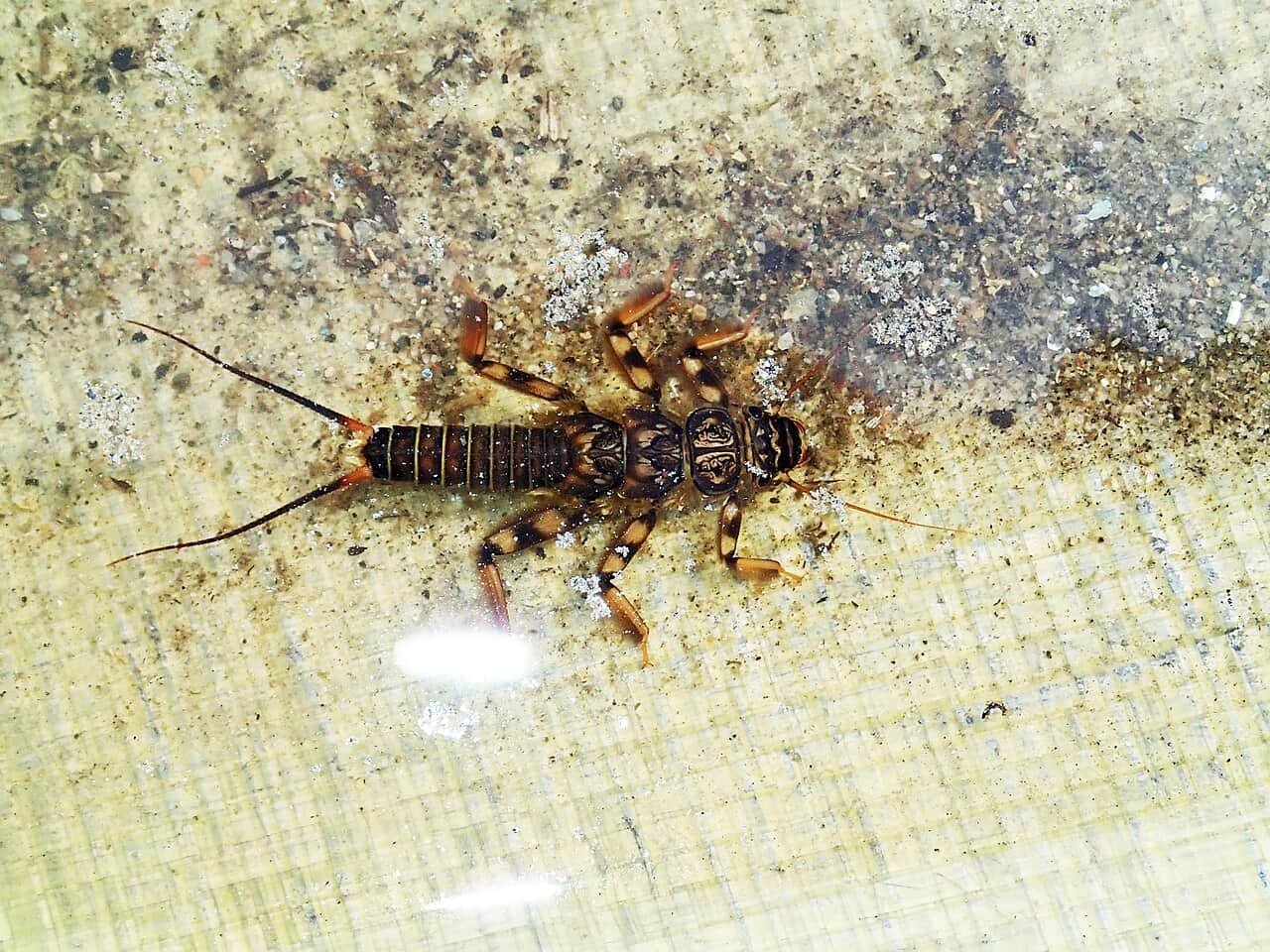
Reviewed family · report says “Skwala dry”Skwala Stonefly PatternsSkwala is an insect and hatch label. Dark olive-brown nymphs and olive adult dries are materially different forms; seasonal timing also varies by watershed.See family guide ↗
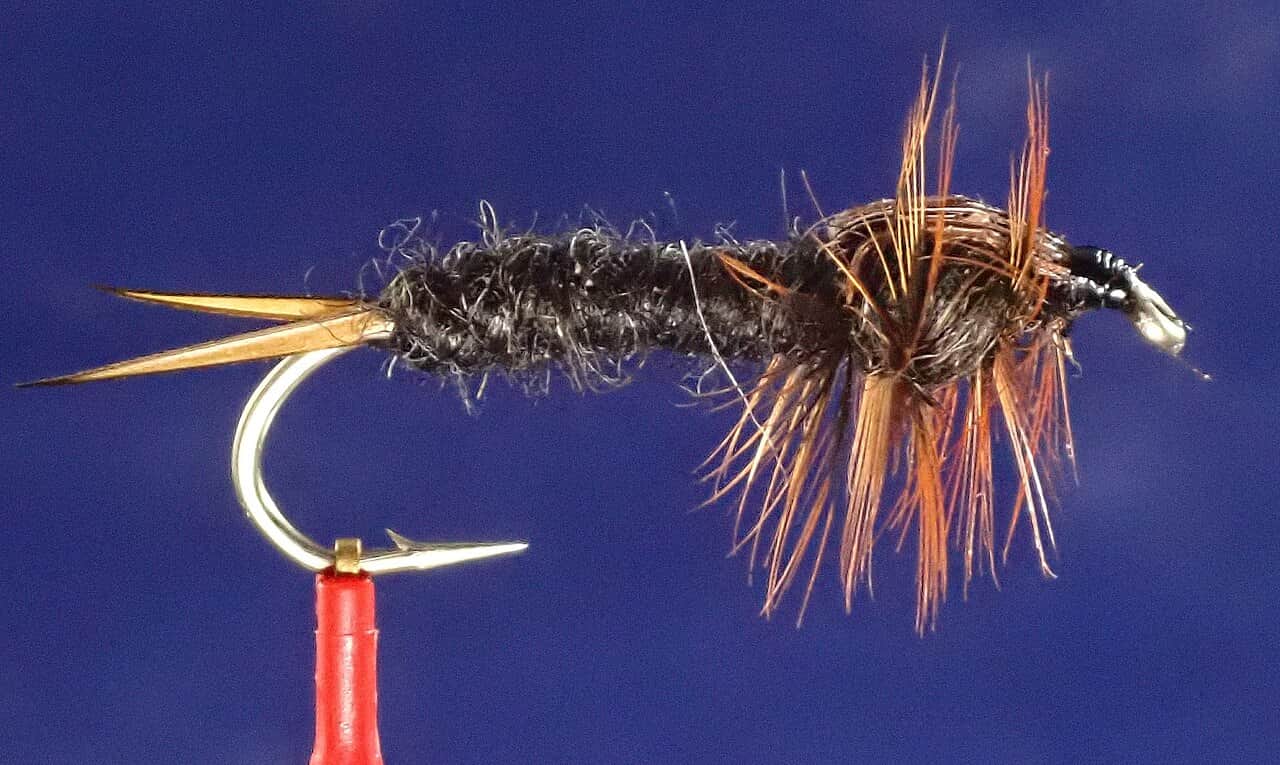
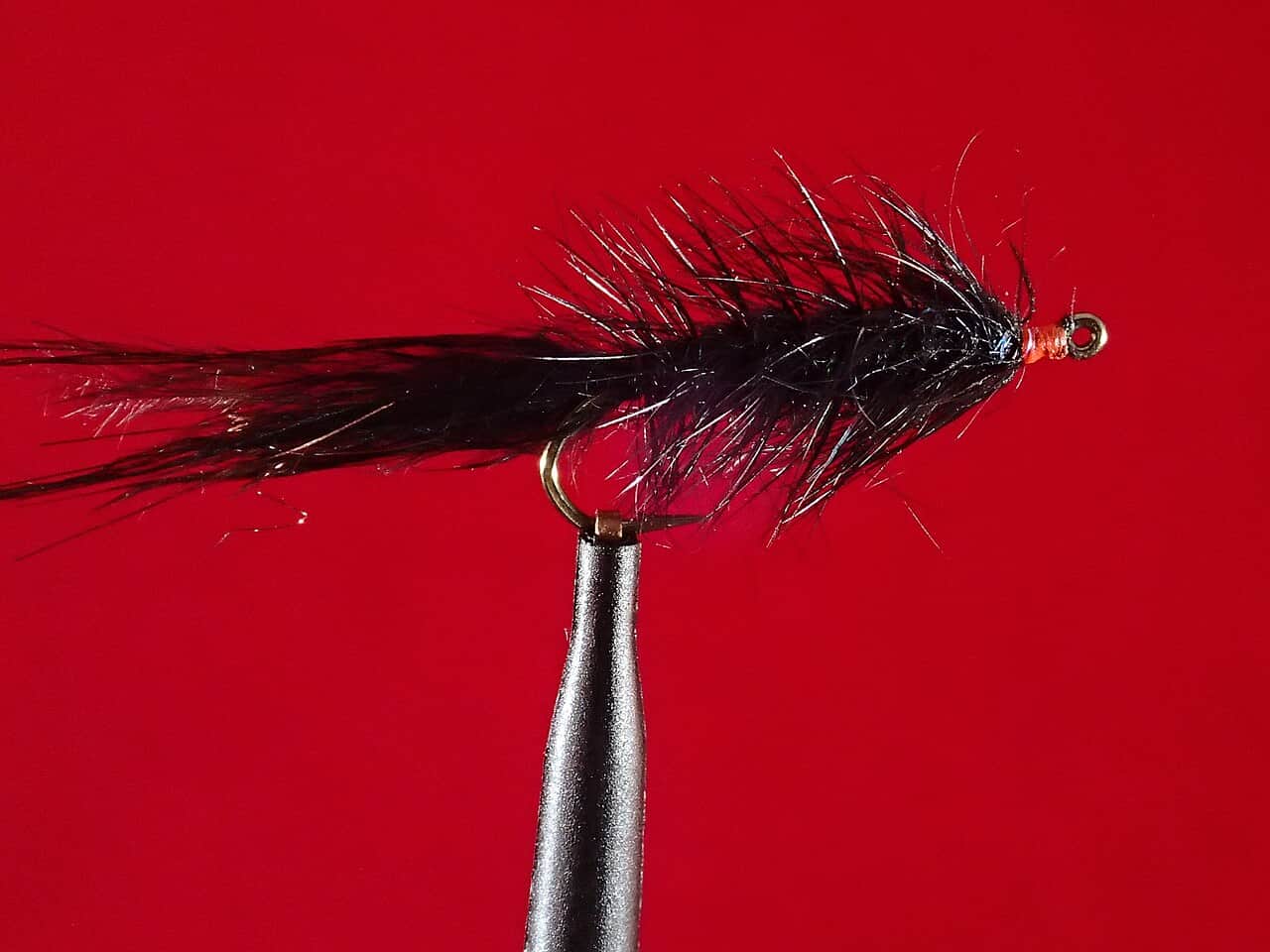
Reviewed family · report says “rubberleg”Stonefly Nymph PatternsStonefly nymph patterns generally emphasize two tails, a broad thorax, segmented abdomen, and bottom contact; rubber legs, biots, beads, and jig hooks define different exact forms.See family guide ↗+ 3 more reviewed guides in the Fly Box
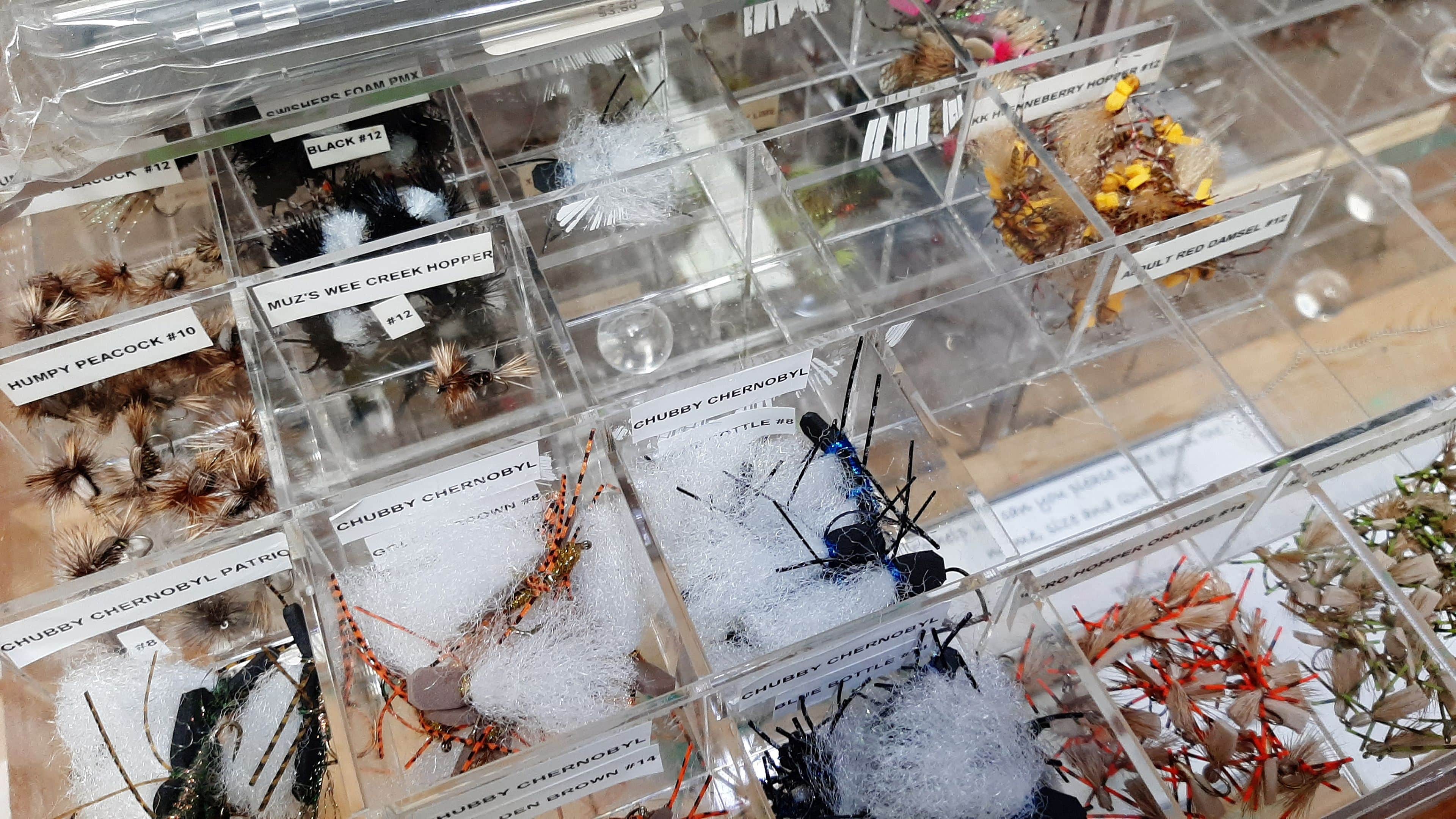
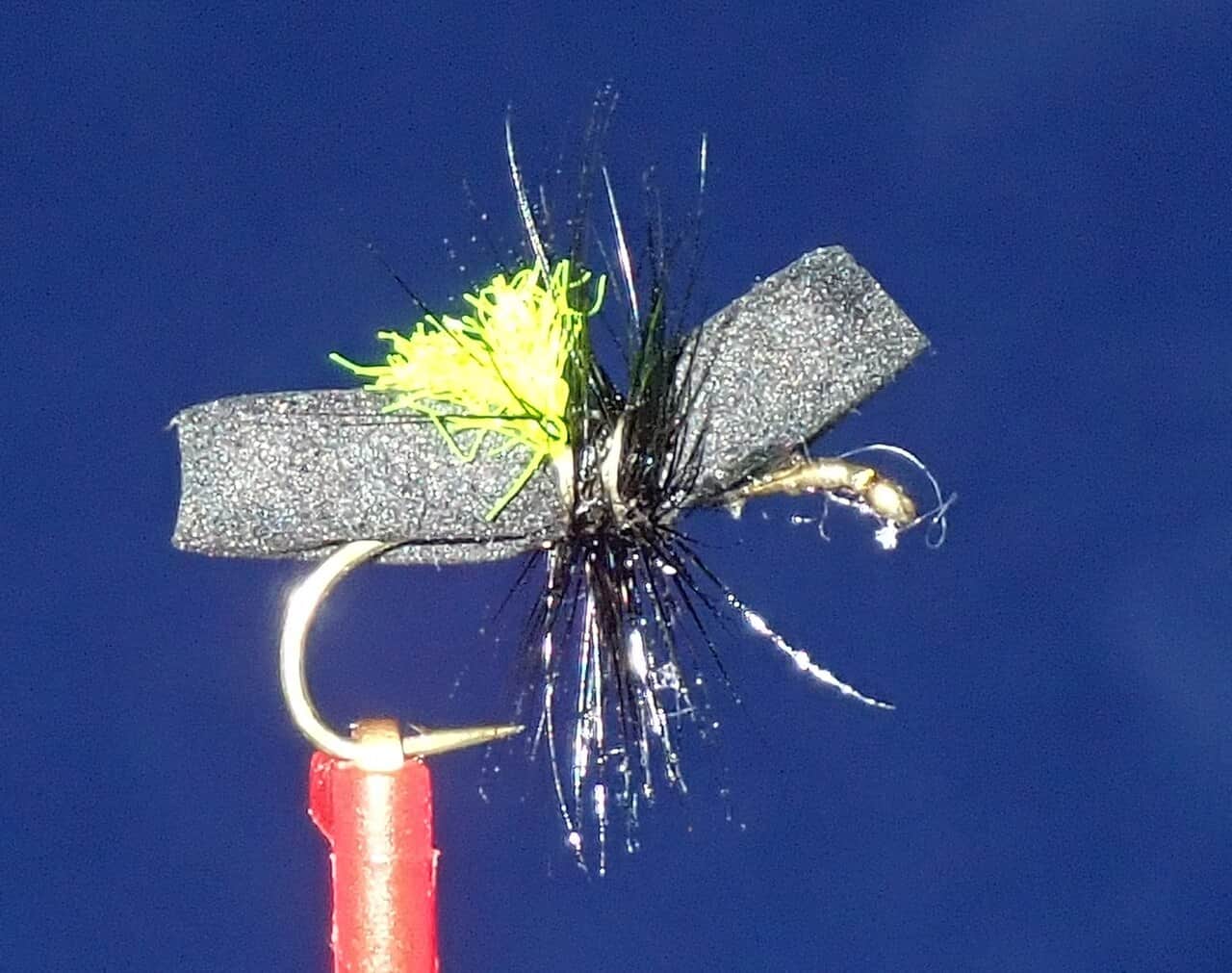
Reviewed pattern · report says “Chubby Chernobyl”Chubby ChernobylIdentify the construction, not the color: a long foam overbody over a segmented dubbed underside, rubber legs at two tie-in stations, two distinct buoyant synthetic-yarn wing sections, and a short flash tail. The paired wing stations and layered foam-and-dubbing body separate the reviewed Chubby from the original Chernobyl Ant and from generic foam hoppers or beetles.See photos & how to fish it ↗
Reviewed family · report says “foam ant”Ant PatternsAnt patterns can be foam, fur-bodied, winged, or sunken. The narrow waist and paired body lobes matter more than one material recipe.See family guide ↗
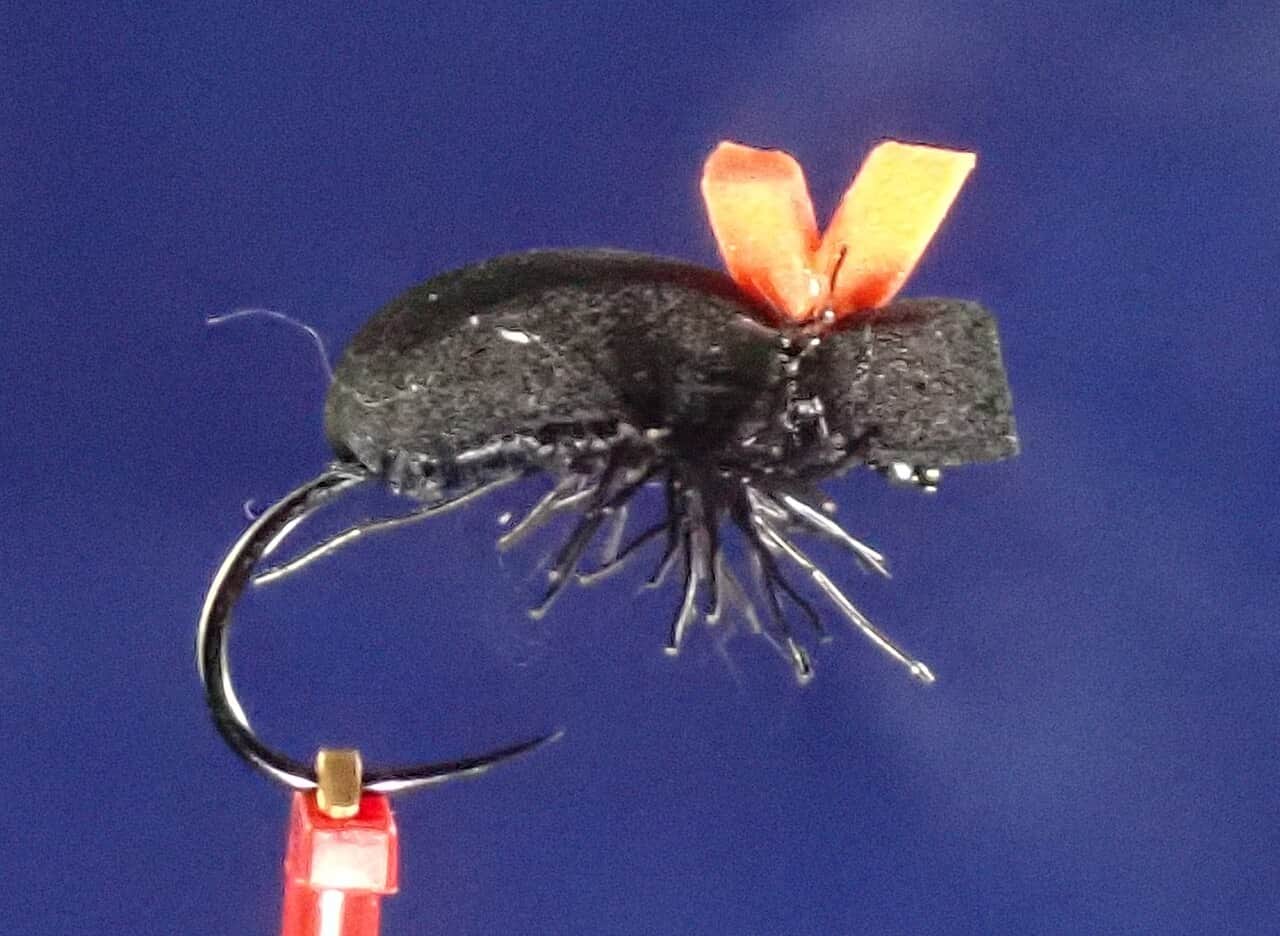
Reviewed family · report says “beetle”Beetle PatternsBeetle flies range from simple foam shells to hair-bodied and sunken forms. A rounded back and compact profile distinguish the family from ants and hoppers.See family guide ↗+ 2 more reviewed guides in the Fly Box
Reviewed family · report says “Mahogany”Isonychia and Mahogany Dun PatternsIsonychia nymphs are active swimmers; emergers, parachute or other dry forms, and spinners occupy different levels. Mahogany Dun can be regional hatch wording, so it does not identify one exact fly recipe.See family guide ↗
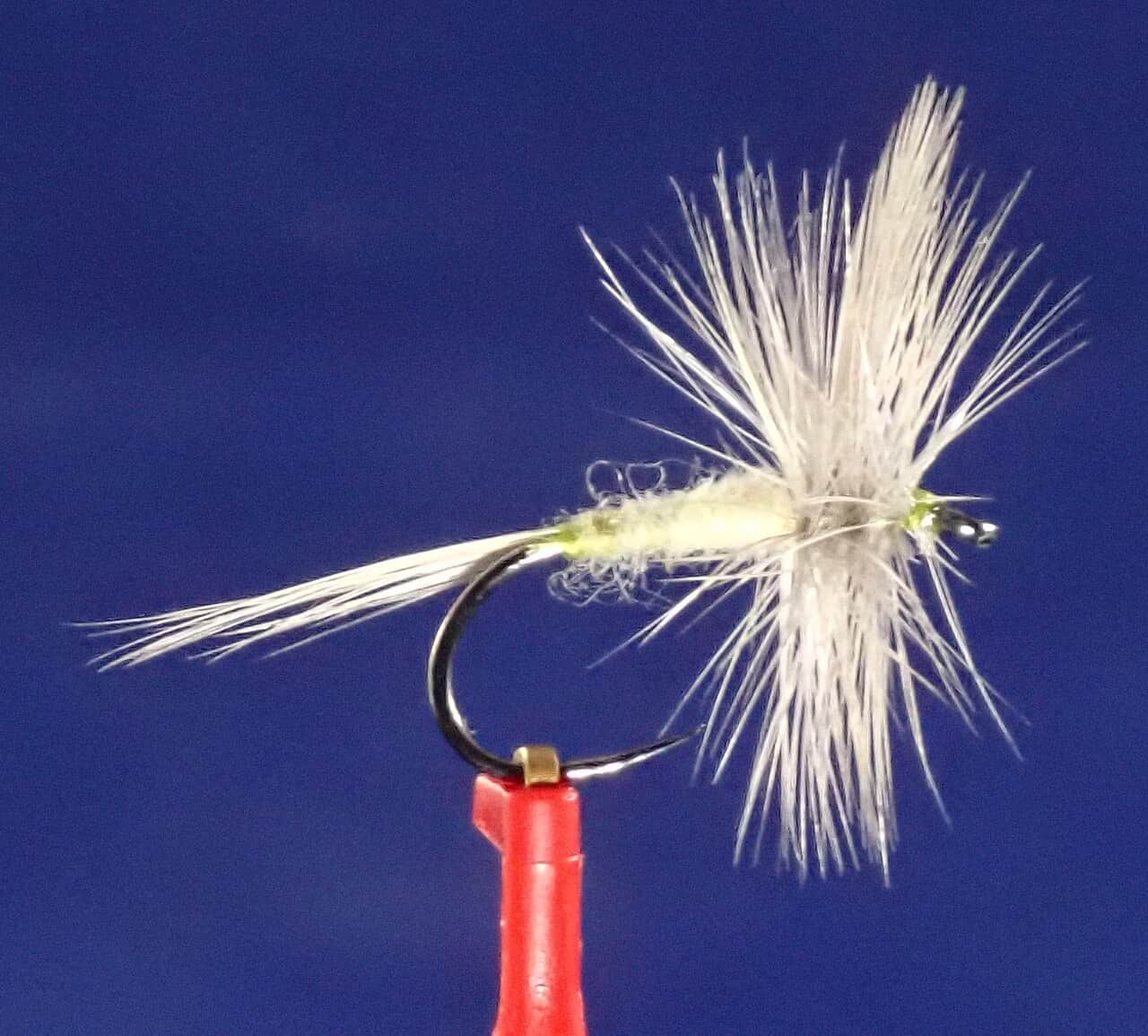
Reviewed family · report says “BWO”Blue-Winged Olive PatternsBWO describes a hatch group, not one fly. Nymph, emerger, dry, cripple, and spinner profiles must stay separate because they occupy different parts of the water column.See family guide ↗+ 3 more reviewed guides in the Fly Box Fish banks and inside seams first after runoff; trout often avoid the heaviest current.
Use a dry-dropper through broken pocket water, then switch to a single dry when fish look up.
During summer, cover shade, grass banks, and undercuts with hoppers and ants before noon.
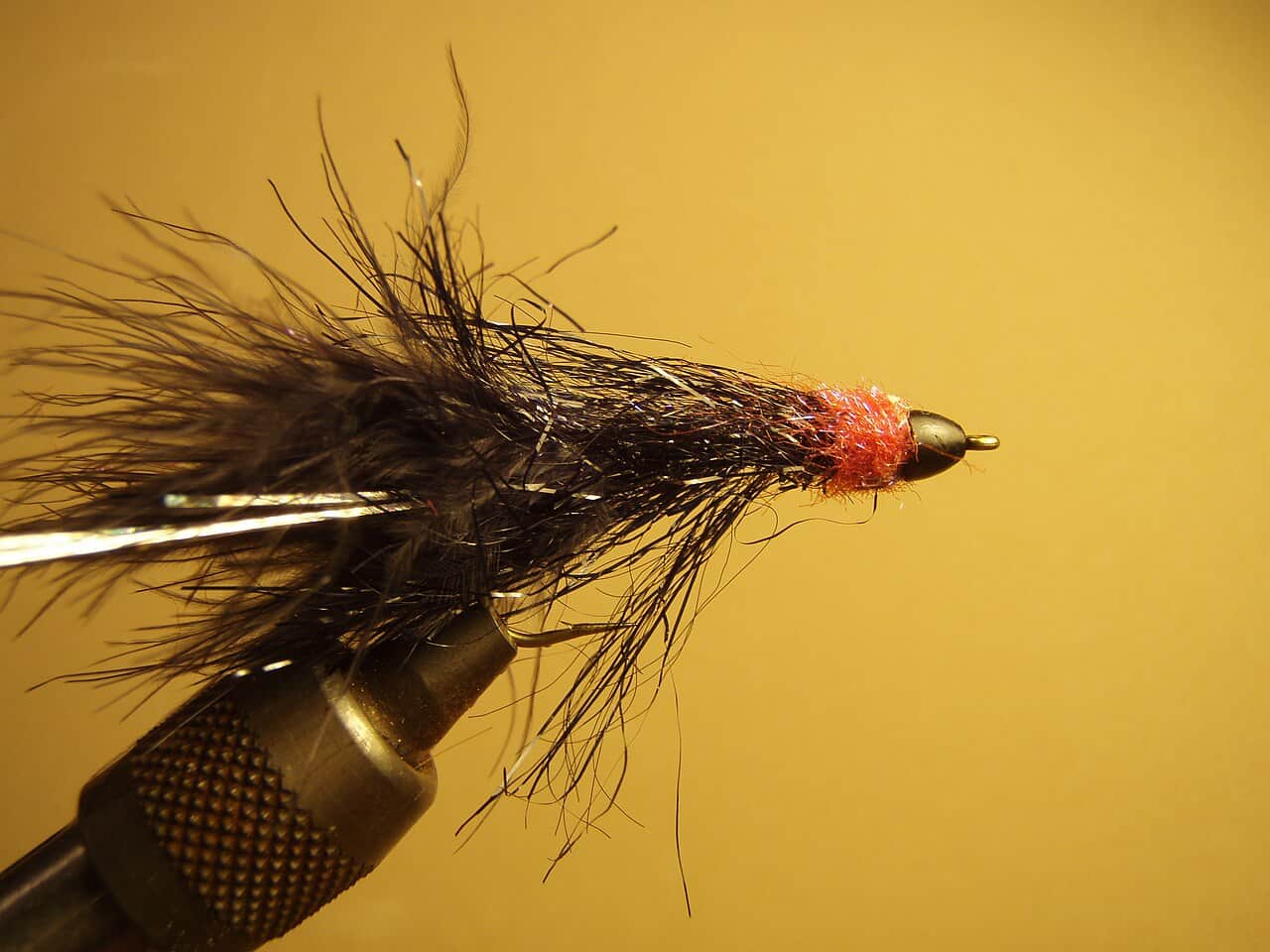
Streamer fish cloudy days, stained edges, and deeper bends with a controlled swing or strip.
Give native trout short fights, wet hands, and fast releases.
Access & responsibility
Know the entry. Know the exit.
Montana FWP regulations and current waterbody restrictions control seasons, harvest, methods, protected species, and heat-related closures. Check the current FWP pages before fishing.
Russell Gates to Johnsrud corridor
FWP identifies this as the managed Blackfoot River recreation corridor with special planning rules.
Bonner gauge reach
Primary flow reference for the lower Blackfoot and Missoula-area fishing plans.
Upper valley access
Use official sites and posted public land; private ranch banks require permission.
Transparent sources
Check the facts behind the plan.
Last material review: 2026-05-31
Common questions
Before you leave.
What should I check first before fishing the Blackfoot River?+
Check the Bonner gauge, FWP current restrictions, water temperature, weather, and the corridor access plan.
Are there special regulations on the Blackfoot River?+
Yes. Blackfoot rules include native-trout protections and reach-specific limits, so read the current FWP regulations.
What flies should I bring for the Blackfoot River?+
Bring the hatch-chart flies, a few confidence nymphs, and a streamer box. Then adjust for water temperature, clarity, and the insects you actually see.
Can I wade the Blackfoot River?+
Yes in many places, but flows are pushy and access is not continuous. Use official sites and stay within Montana stream-access rules.
When should I skip the Blackfoot River?+
Skip it when flows are unsafe, temperatures stress trout, wildfire or emergency closures are active, or legal access for the reach is not clear.