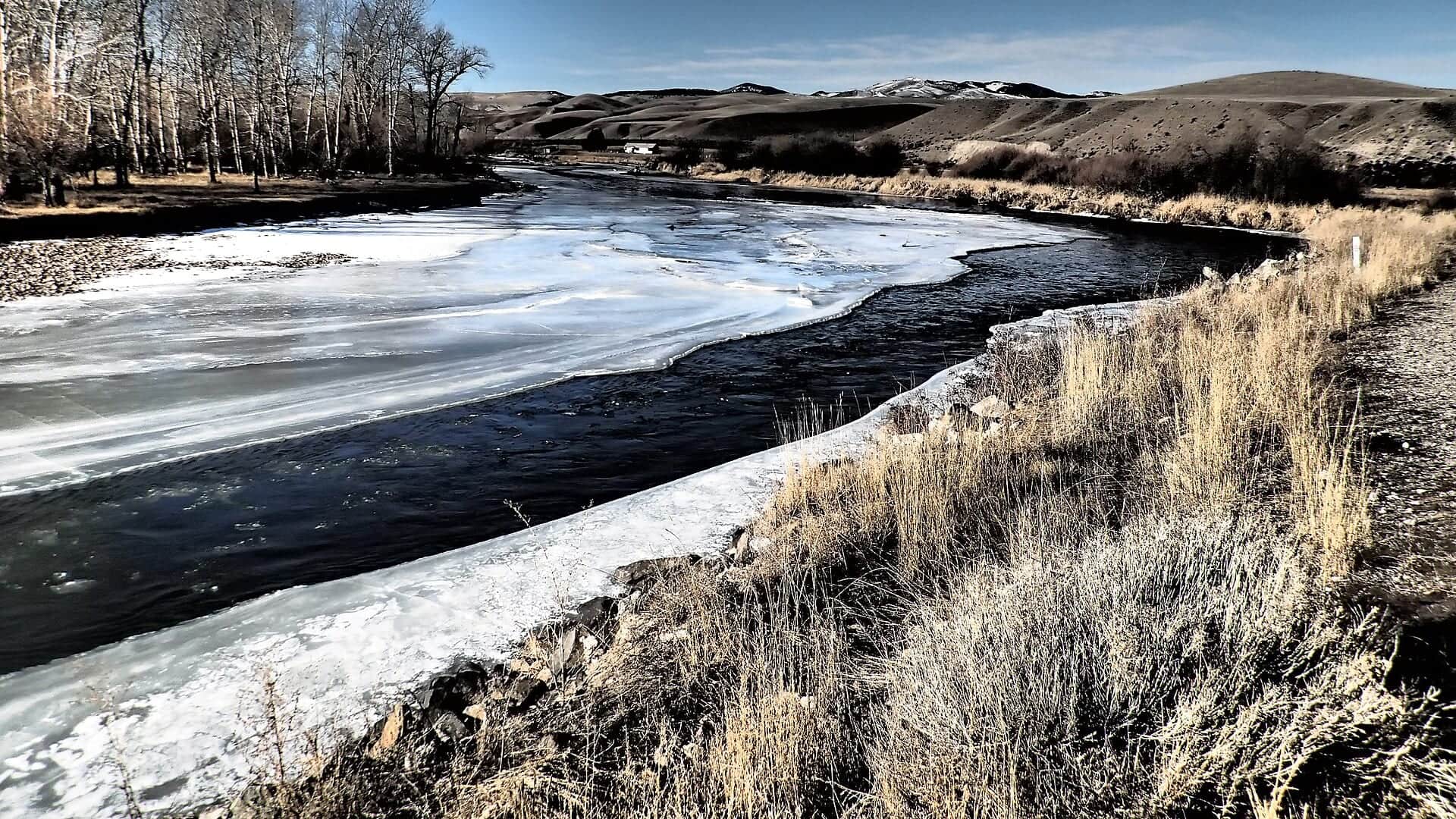
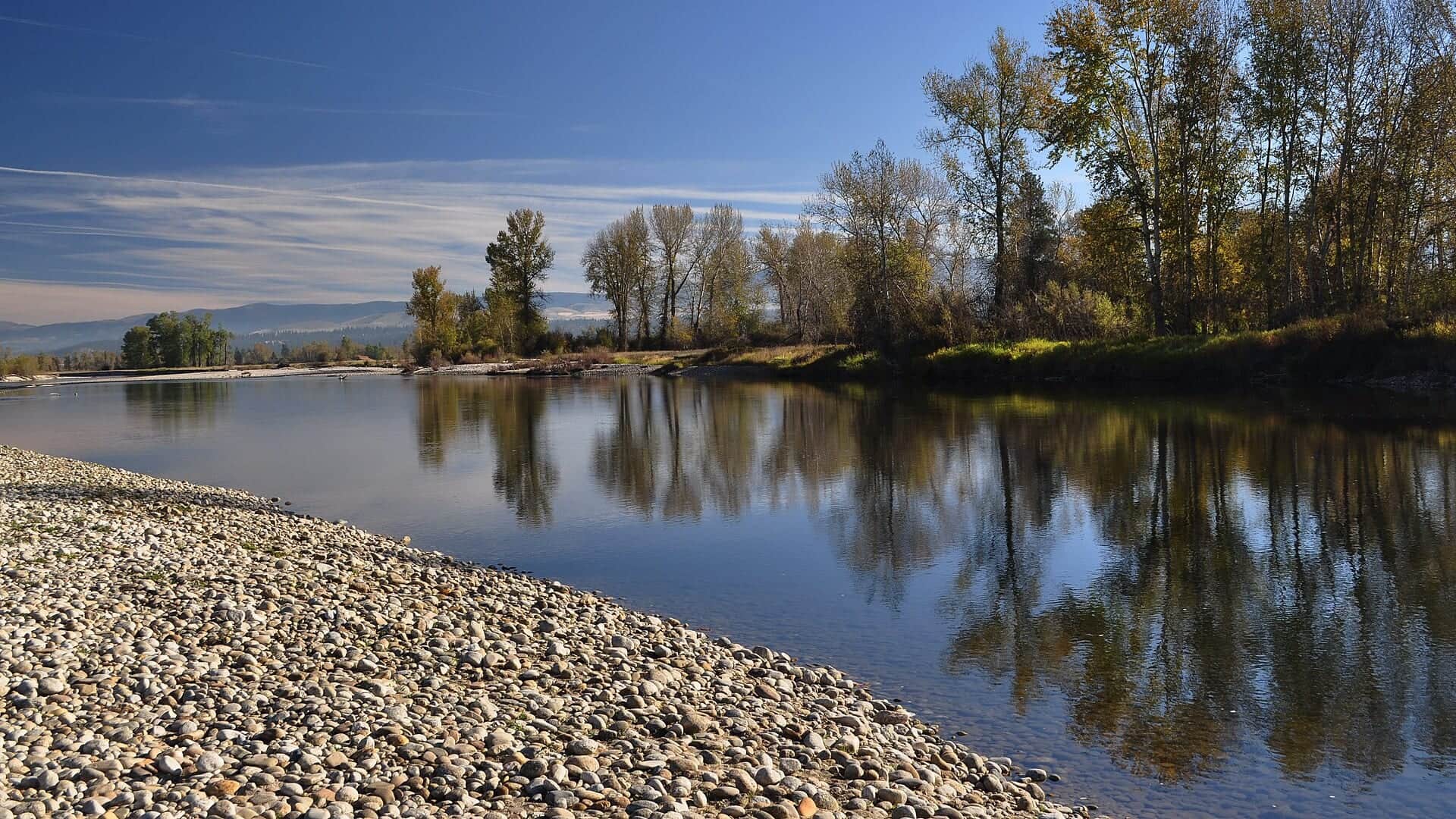
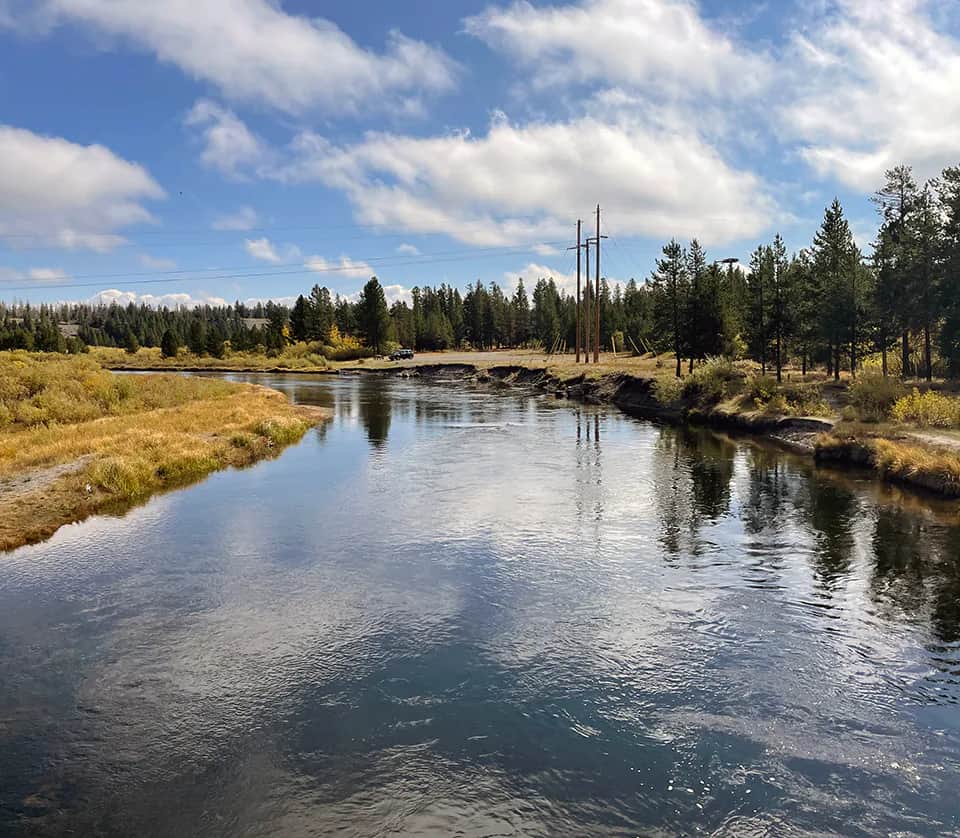
Big Hole River near Pennington Bridge Montana

Montana / West

Big Hole River

A Big Hole River report for Montana trout anglers checking Glen flow, drought restrictions, grayling conservation, hatches, access, and weather.

Image: Big Hole River near Pennington Bridge Twin Bridges January 2015 09 / CC BY-SA 4.0 / Mike Cline

Fishability now: Big Hole River fishability today

GreatData confidence: High

96/100

Fishable now because the live gauge is falling, weather is mild, and no public alert is active.

Flow observed

4:30 PM UTC

Weather observed

5:00 PM UTC

Score calculated

5:25 PM UTC

Why this rating

Flow

Water temperature

Public alerts

Next 6-12 hours

Improving / hold

A falling gauge and usable weather should keep the next 6-12 hours in play unless tributaries stain or heat builds.

More planning details: flies, flow bands, and live source checks

Fish it today

Start here

Start with FWP restrictions and the Glen gauge. Then decide whether the day is a stonefly bank plan, a summer hopper float, an early-morning low-water session, or a fall streamer window.

Best flow clue

Use USGS 06026210 near Glen for the page's flow trend. Stable post-runoff water is the cleanest window; low warm water should trigger early fishing only if legal, quick handling, or a move to cooler water.

Skip trigger

Skip or move on when FWP restrictions are active for your timing, water temperature is unsafe for trout or grayling, flow is too low for an ethical float, or ranch-country access is unclear.

Flow decision bands

Low but still possible

Low clear Big Hole water can still fish, but drought, grayling care, warm temperatures, and legal restriction windows should tighten the plan quickly.

Best post-runoff window

Stable or slowly dropping Glen flow with cool mornings and current restriction checks is the cleanest signal for stoneflies, caddis, PMDs, hoppers, and streamer water.

Pushy or unsafe

Heavy runoff, fast side channels, or any float that depends on uncertain exits should move the day to safer edges or another river.

Drought and grayling caution

Hoot-owl restrictions, warm water, low ethical float depth, and grayling handling concerns can override an otherwise fishable-looking graph.

USGS flow

3,170 cfs

Open

Current trend: flow falling, rating likely holding strong unless weather or clarity changes.

Live USGS flow

3,220 cfs / falling about 15%

Live NWS forecast

65F / Sunny

Live water temperature

-1799966F from USGS

No NWS alert flag

No active NWS alert was returned for this forecast point.

Primary waterMelrose, Maiden Rock, Glen, and middle Big Hole trout water
Flow checkUSGS Big Hole River near Glen 06026210
Access styleFWP fishing access sites, float planning, wade windows, and drought-restriction checks
ReviewedMay 31, 2026

Use USGS Glen flow for this page; RiverReports coverage was not reliable enough to use as the visual source.

Check FWP restrictions every time because hoot-owl and closure updates can change quickly.

Stoneflies, caddis, PMDs, hoppers, and fall streamers all matter, but only when water conditions support trout handling.

Respect Arctic grayling conservation and handle all trout quickly during warm or low water.

Editorial review

How this report is maintained

This Big Hole River report is maintained from USGS Glen flow data, Montana FWP fishing regulations, current closure and restriction sources, Big Hole drought-management information, FishMT waterbody and access records, weather, media-credit, and freestone trout planning sources.

Byline

BlueStreamFly editorial team

Reviewed by

BlueStreamFly source review

Maintained by

Mountain Brook Run LLC

Last material review

2026-05-31

Report confidence

High confidence

90/100

High confidence: USGS flow, Montana FWP regulations, current closure and restriction checks, drought-management context, FishMT access, weather, and image credit are present. Confidence is moderated by fast-changing temperature restrictions, ranch-country access, float logistics, and seasonal grayling conservation needs.

Regulations

Montana FWP regulations, current restrictions, and FishMT waterbody context are linked.

Flow support

USGS 06026210 near Glen gives the reviewed flow trend for the middle Big Hole.

Access support

FishMT access records support planning, but exact site status, ranch boundaries, and float logistics remain day-specific.

Weather and safety

The National Weather Service point resolved and the page calls out runoff, sweepers, warm water, restrictions, and remote-road planning.

Angler usefulness

The page separates hatches, drought, grayling, access, temperature, float, and backup-water decisions.

Editorial review

A public correction path, source standards page, image credit, and public review history are included.

Fishability source review

2026-05-31 / material content or source review

USGS 06026210 near Glen, Montana FWP regulations and restrictions, Big Hole drought-management context, FishMT access records, and the National Weather Service point were rechecked before adding the Pine Creek-standard current-fishability layer.

2026-05-31

Upgraded the page to the Pine Creek fishability standard with drought-aware flow decision bands, access cards, backup logic, and a reviewed route profile.

2026-05-28

Added drought-aware trip fit, wade-versus-float framing, grayling and warm-water skip cues, ranch-country access nuance, backup-water suggestions, editorial review signals, and a page-specific report-confidence meter after source review.

2026-05-25

Initial source-reviewed report published with flows, weather, hatches, flies, tactics, access, regulations, and FAQs.

Angler planning edge

Local details that change the plan

Best for

Montana freestone anglers planning stonefly, caddis, PMD, hopper, and fall streamer days around Melrose, Maiden Rock, and Glen, Trips where FWP restrictions, drought conditions, water temperature, and Arctic grayling conservation need to be checked before fishing, Float or wade days that require legal FWP access sites, shuttle timing, and a conservative warm-water exit plan, Anglers comparing the Big Hole with the Bitterroot, Bighorn, and Madison when runoff, low water, or restrictions change the day

Wade or float

Treat the Big Hole as a mixed wade-and-float freestone. A good plan starts with restrictions and temperature, then confirms legal access, wood, flow, wind, and shuttle timing before choosing a reach.

Best flows

Use USGS 06026210 near Glen for the page's flow trend. Stable post-runoff water is the cleanest window; low warm water should trigger early fishing only if legal, quick handling, or a move to cooler water.

When to skip

Skip or move on when FWP restrictions are active for your timing, water temperature is unsafe for trout or grayling, flow is too low for an ethical float, or ranch-country access is unclear.

Local plan

Start with FWP restrictions and the Glen gauge. Then decide whether the day is a stonefly bank plan, a summer hopper float, an early-morning low-water session, or a fall streamer window.

Pressure

Pressure follows hatch timing and floatable water. Launch spacing, early starts, and a backup reach matter more than adding another fly pattern.

Access nuance

FishMT access records support public planning, but fences, ranch roads, access-site status, and float logistics still need current confirmation before the day starts.

Backup water

If the Big Hole is high, low, warm, restricted, or logistically awkward, compare the Bighorn for a steadier tailwater, the Bitterroot for another freestone option, or the Madison for a different Montana trout plan.

About the river

Setting, character, and why it fishes the way it does.

The Big Hole River is a high-value Montana freestone that runs through ranch valleys, cottonwood bottoms, riffles, glides, and famous stonefly and hopper water.

It is also one of the rivers where conservation context matters. Arctic grayling, drought plans, low summer flows, and temperature restrictions should be part of the report, not buried as a footnote.

This page focuses on the middle river around Melrose, Maiden Rock, and Glen because that is where many fly anglers build float and wade plans and where the reviewed USGS gauge gives a useful current trend.

Target species

Brown trout

A primary target around banks, riffles, buckets, and streamer water.

Rainbow trout

Common in productive reaches and responsive to hatches and nymph rigs.

Arctic grayling

A conservation-sensitive native species; handle carefully and follow current rules.

Brook trout and mountain whitefish

Present in parts of the system; use proper identification before harvest.

Reading the water

Runoff edge

Use stonefly nymphs, streamers, and bank tactics only where clarity and safety allow.

Post-runoff stable

Prime dry-dropper, caddis, PMD, and stonefly fishing through riffles and banks.

Low and warm

Check restrictions, fish early if legal, and stop when trout handling is unsafe.

Fall cooling

Use BWOs, mahoganies, October caddis, and streamers in cloud cover.

Best seasons

Spring

Skwalas, March Browns, and streamer windows before full runoff.

Early summer

Runoff drop, salmonflies, golden stones, caddis, and PMDs can be excellent.

Late summer

Hoppers can be strong, but drought and hoot-owl checks are mandatory.

Fall

Cooling water, BWOs, mahoganies, and streamer fishing return.

USGS flow

Big Hole River near Glen

This is the fallback for rivers that are not covered by RiverReports. Use the official USGS monitoring page for the live hydrograph, station metadata, and current water trend.

Open USGS gauge

USGS data chart

Big Hole River near Glen

Streamflow over the latest USGS reporting window.

Latest

3,170 cfs

Jun 3, 5 PM UTC

Site

06026210

Low / high

1,760 / 3,830 cfs

Source

Open USGS

Weather

River weather report

Weather can change wading safety, road access, water temperature, hatches, and the best time of day to fish.

Live forecast loads as you reach this section

This keeps the report fast while still using the official National Weather Service forecast point.

Hatches and flies

Hatch chart and fly picks

March to April

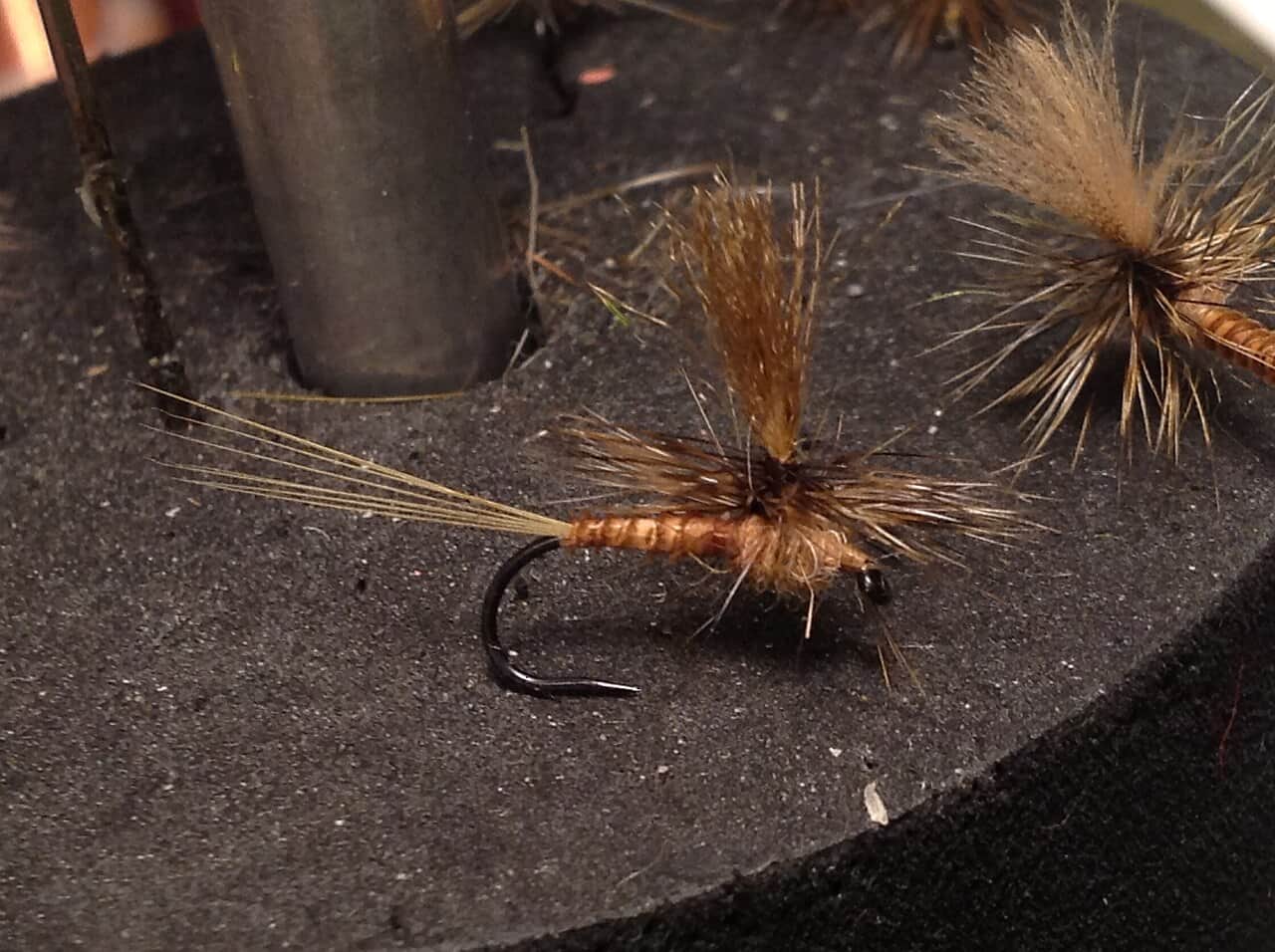
Skwalas, March Browns, BWOs, midges

Skwala dry, rubberleg, March Brown, BWO emerger, midge

May to June

Runoff edge, salmonflies, golden stones, caddis, PMDs

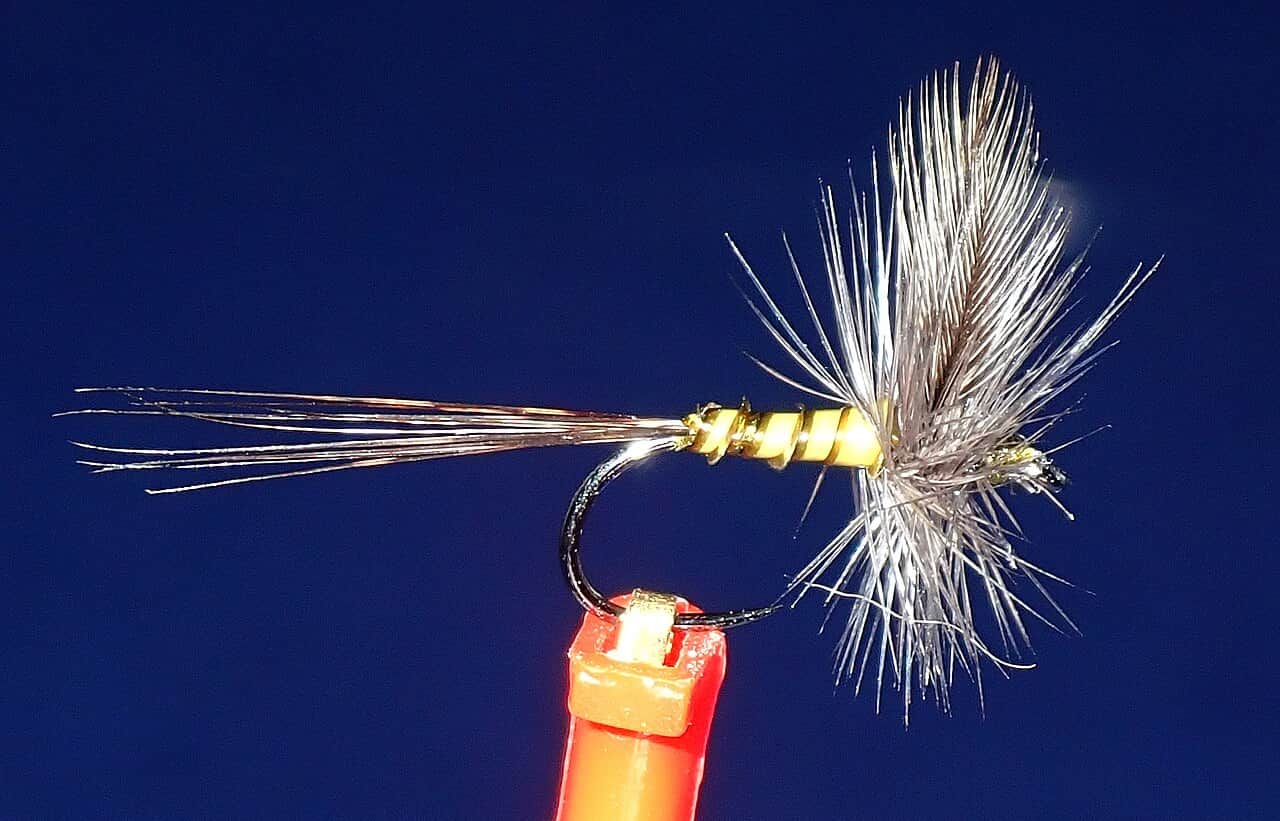
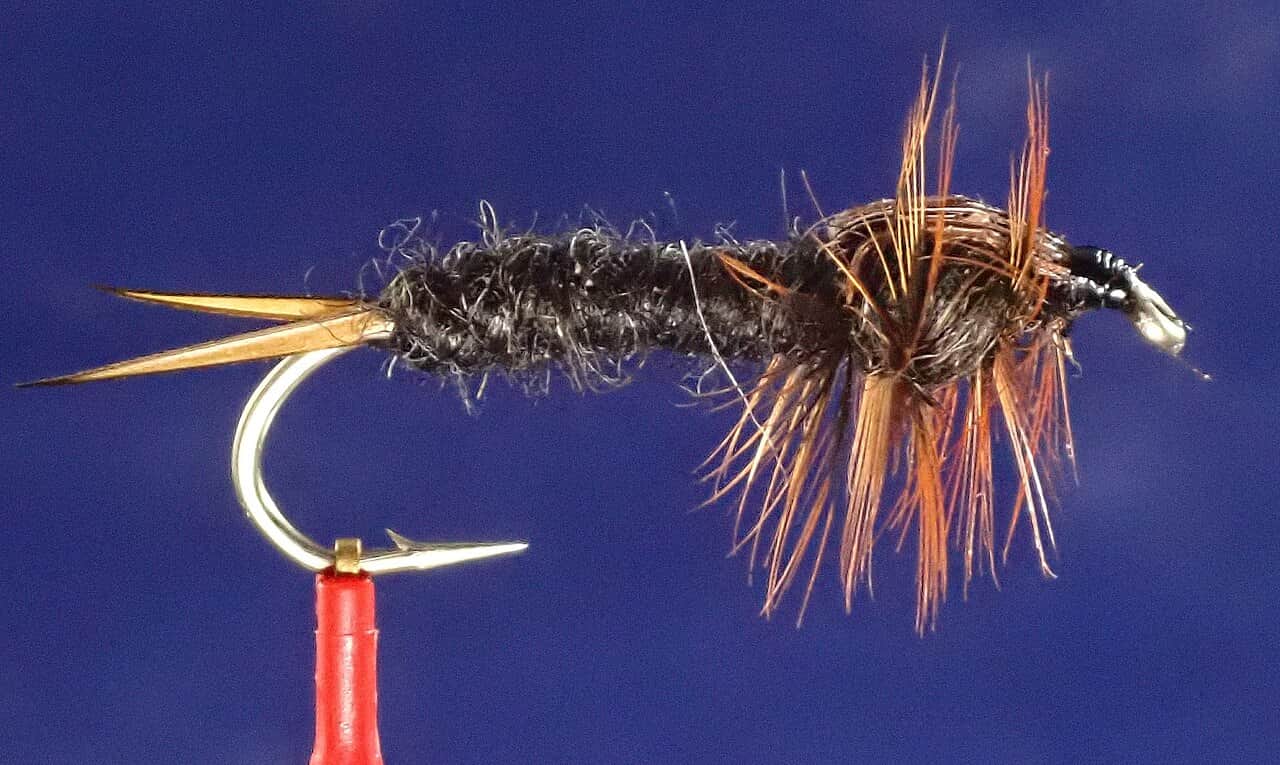
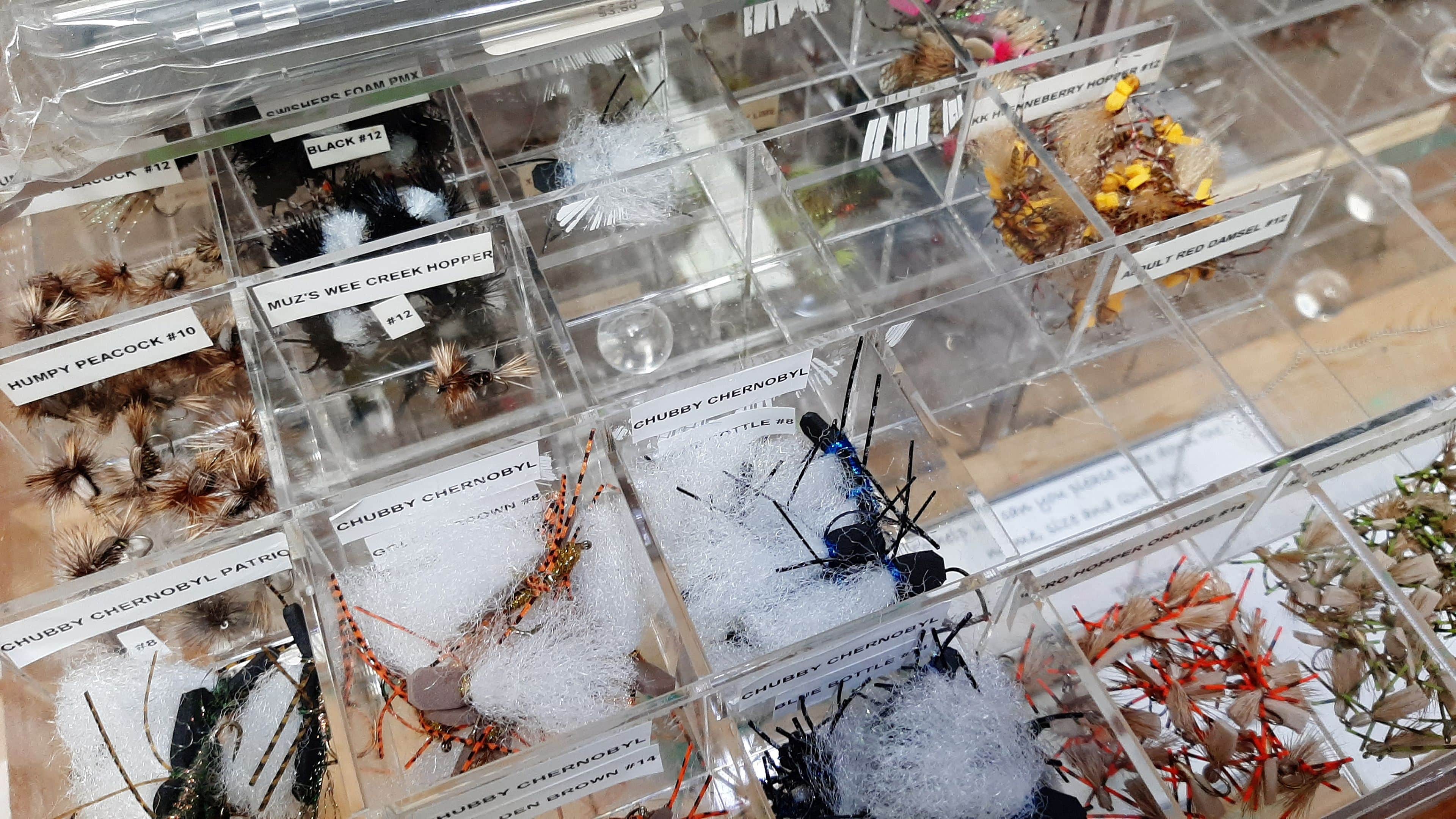
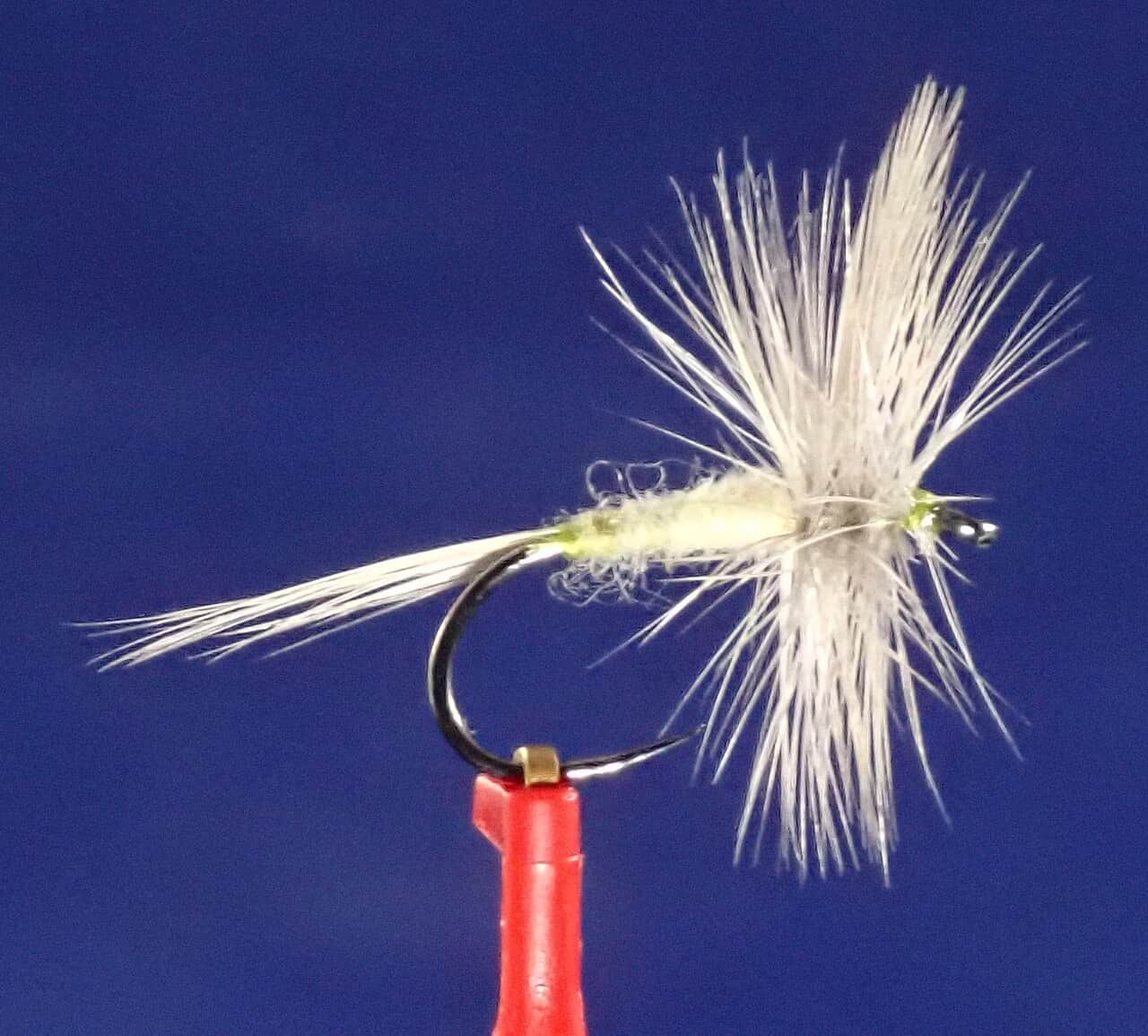
Chubby Chernobyl, Pat's rubber legs, caddis, PMD, big streamer

July to August

Hoppers, ants, beetles, nocturnal stones, spruce moths where present

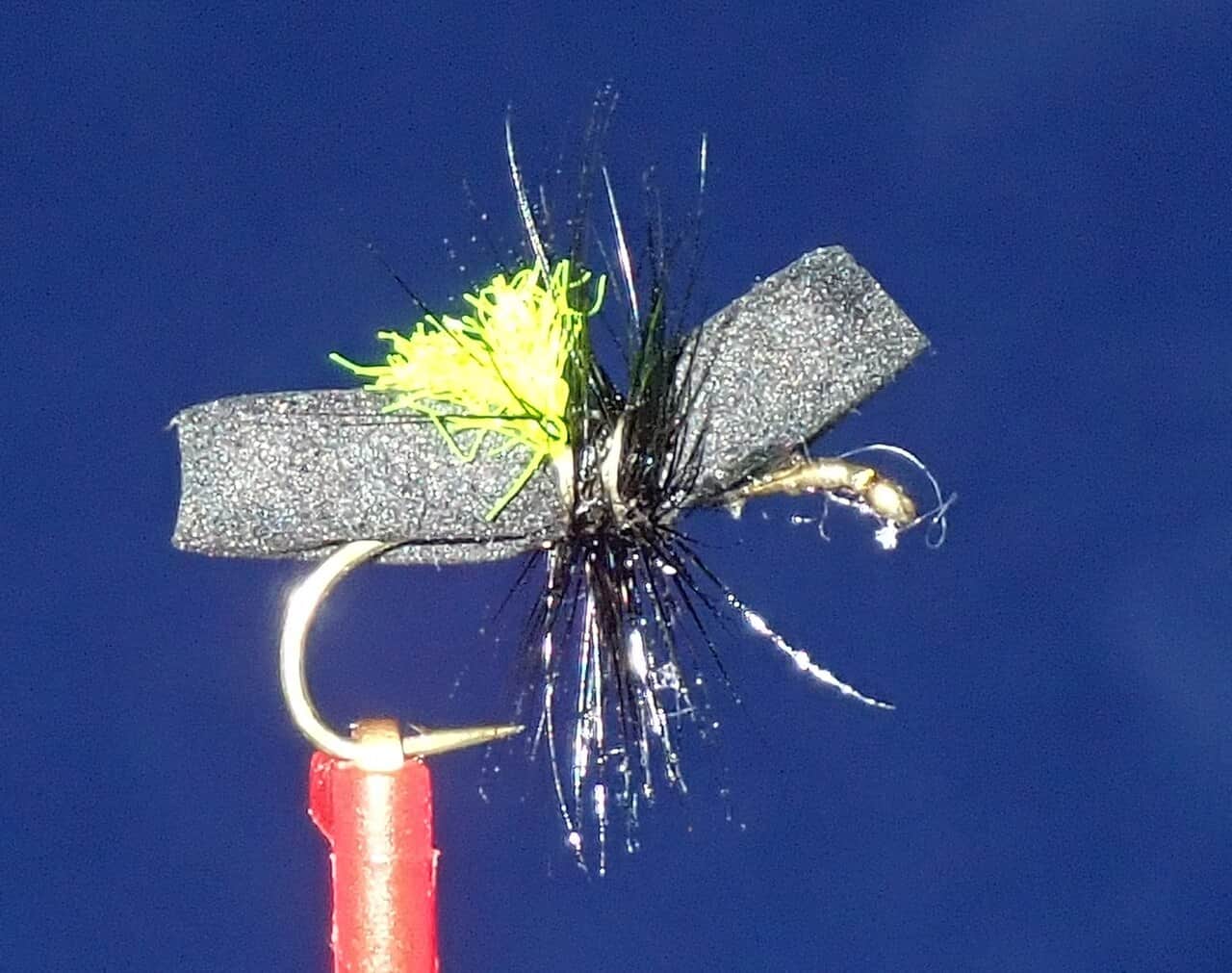
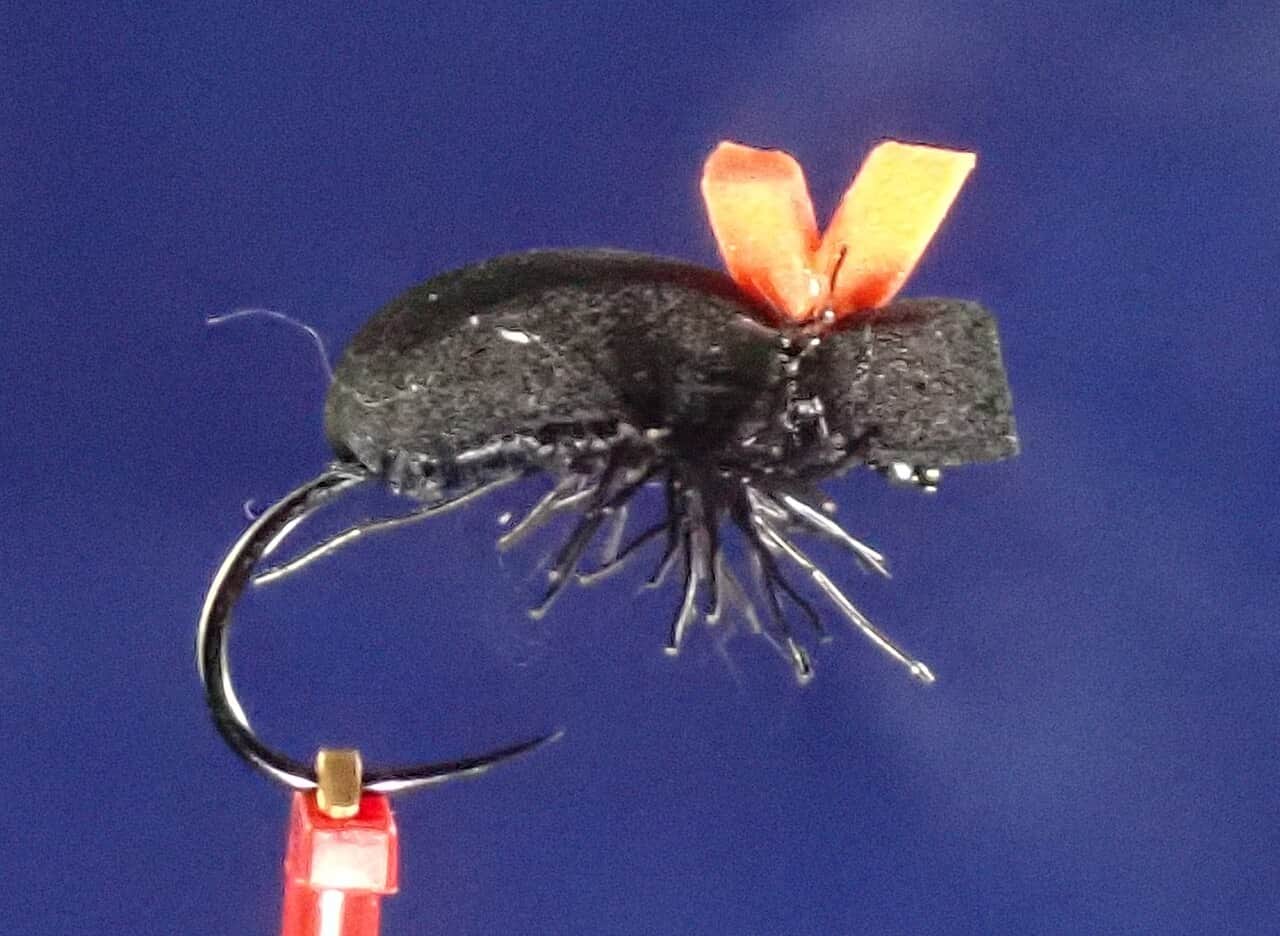
Hopper-dropper, foam ant, beetle, nocturnal stone, small nymph

September to October

Mahoganies, BWOs, October caddis, baitfish, fall streamers

BWO, mahogany dun, October caddis, sculpin, leech

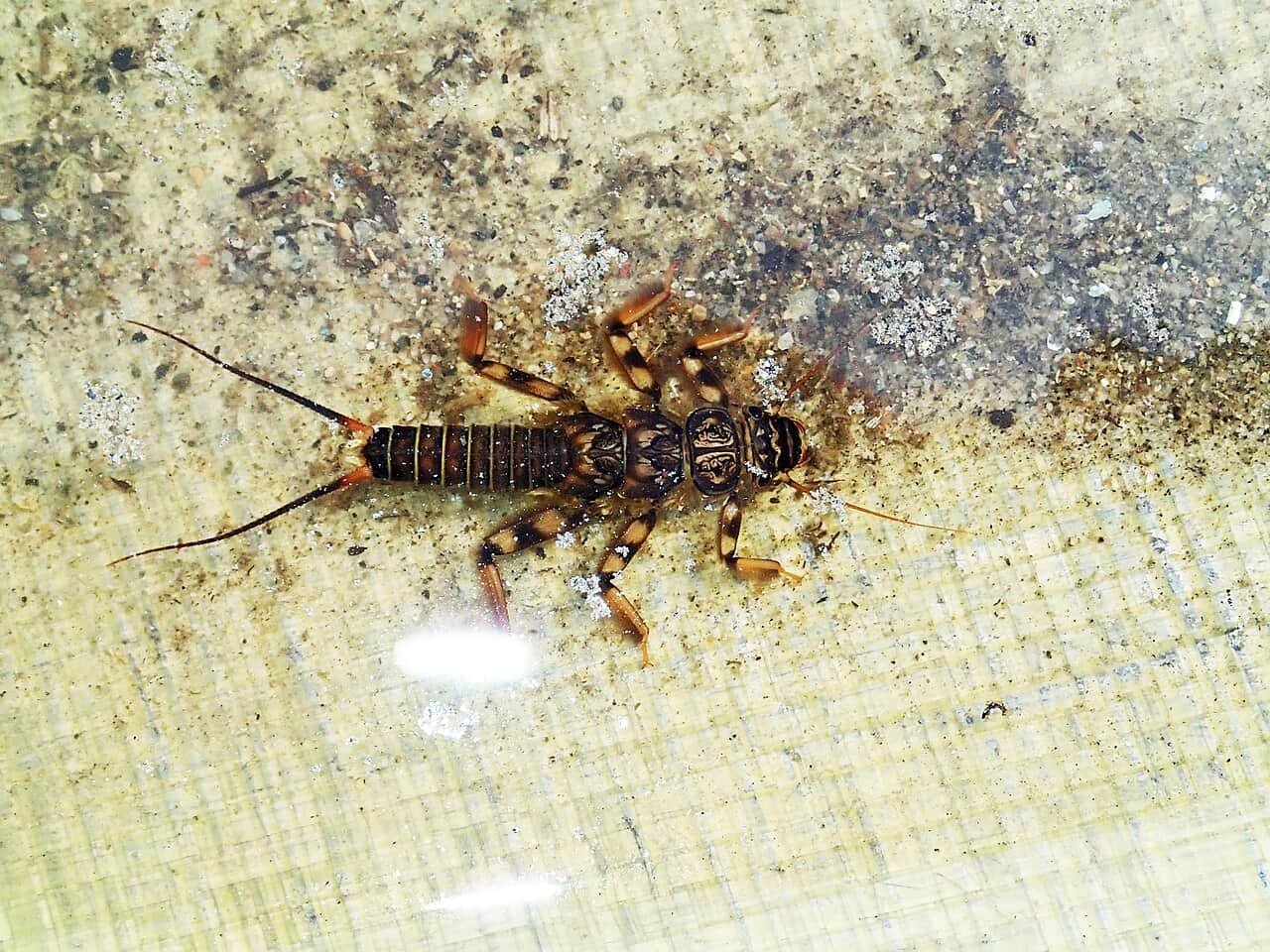
Stoneflies

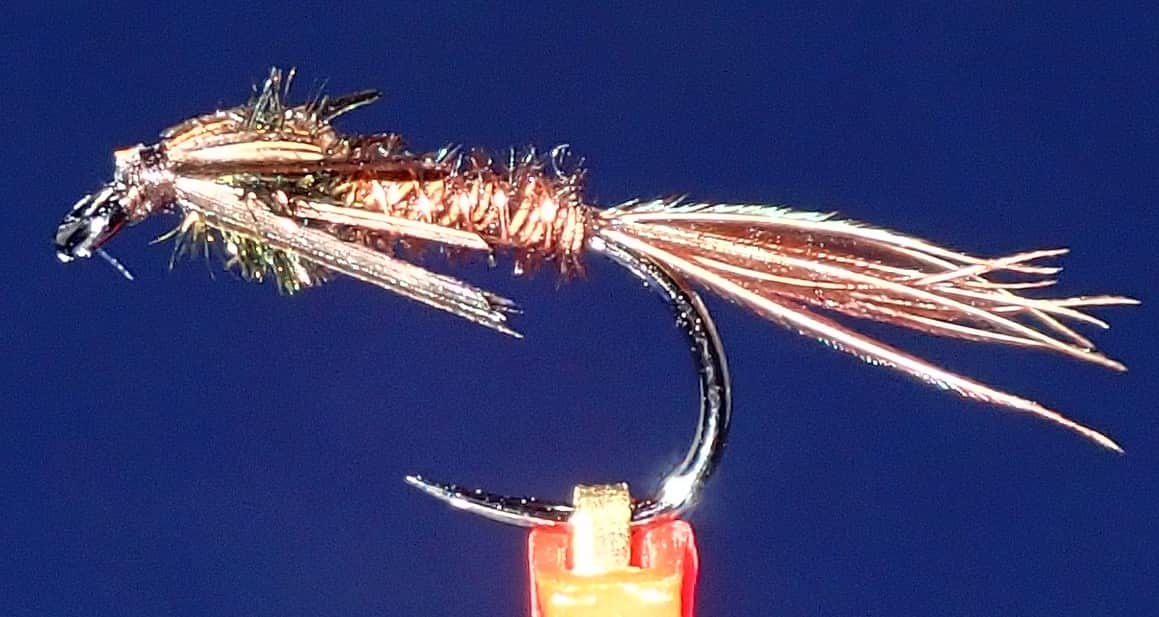
Pat's rubber legs, Chubby Chernobyl, golden stone, skwala

Use before, during, and after stonefly movement or when trout hold tight to banks.

Mayflies and caddis

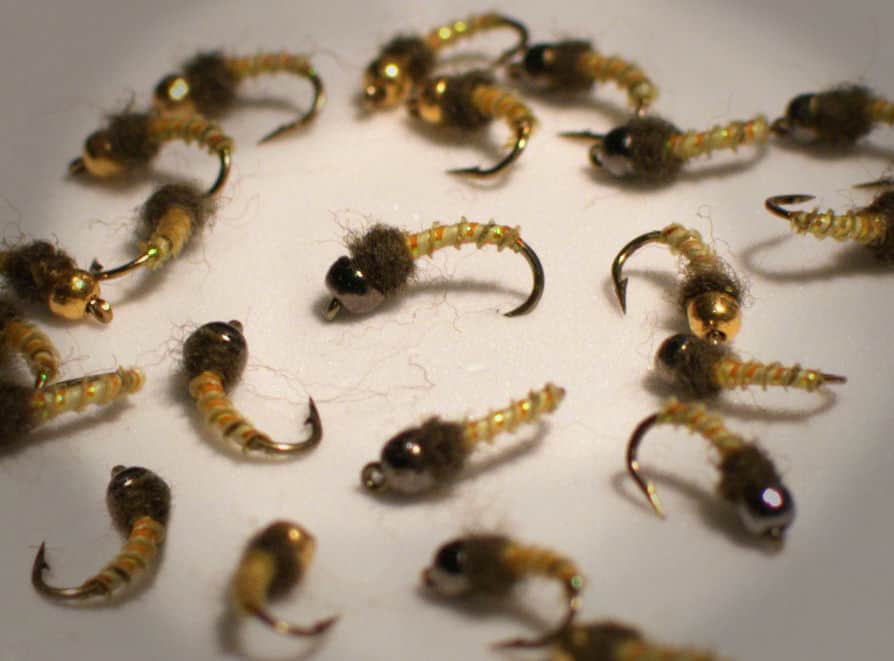
BWO, March Brown, PMD, caddis pupa, X-caddis

Use during spring and fall hatches or summer evening riffle feeding.

Terrestrials

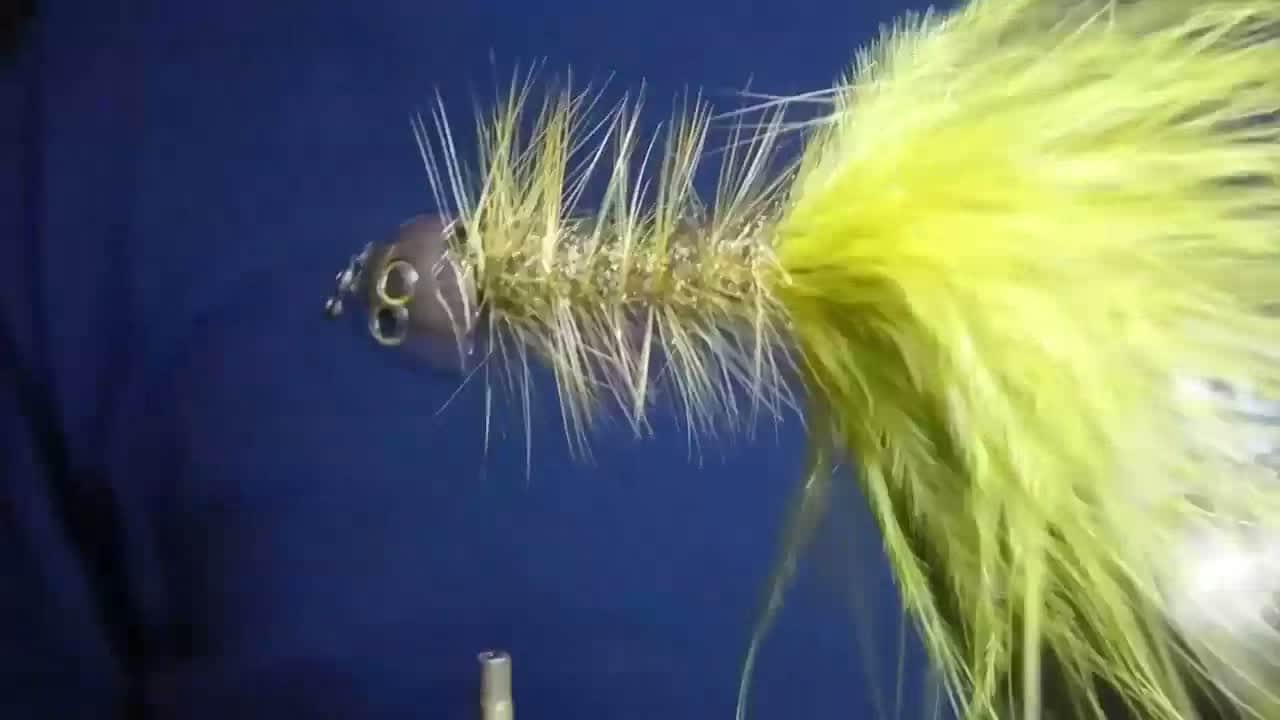
Hoppers, ants, beetles, hopper-dropper rigs

Use in summer, especially near grassy banks and undercut edges.

Streamers

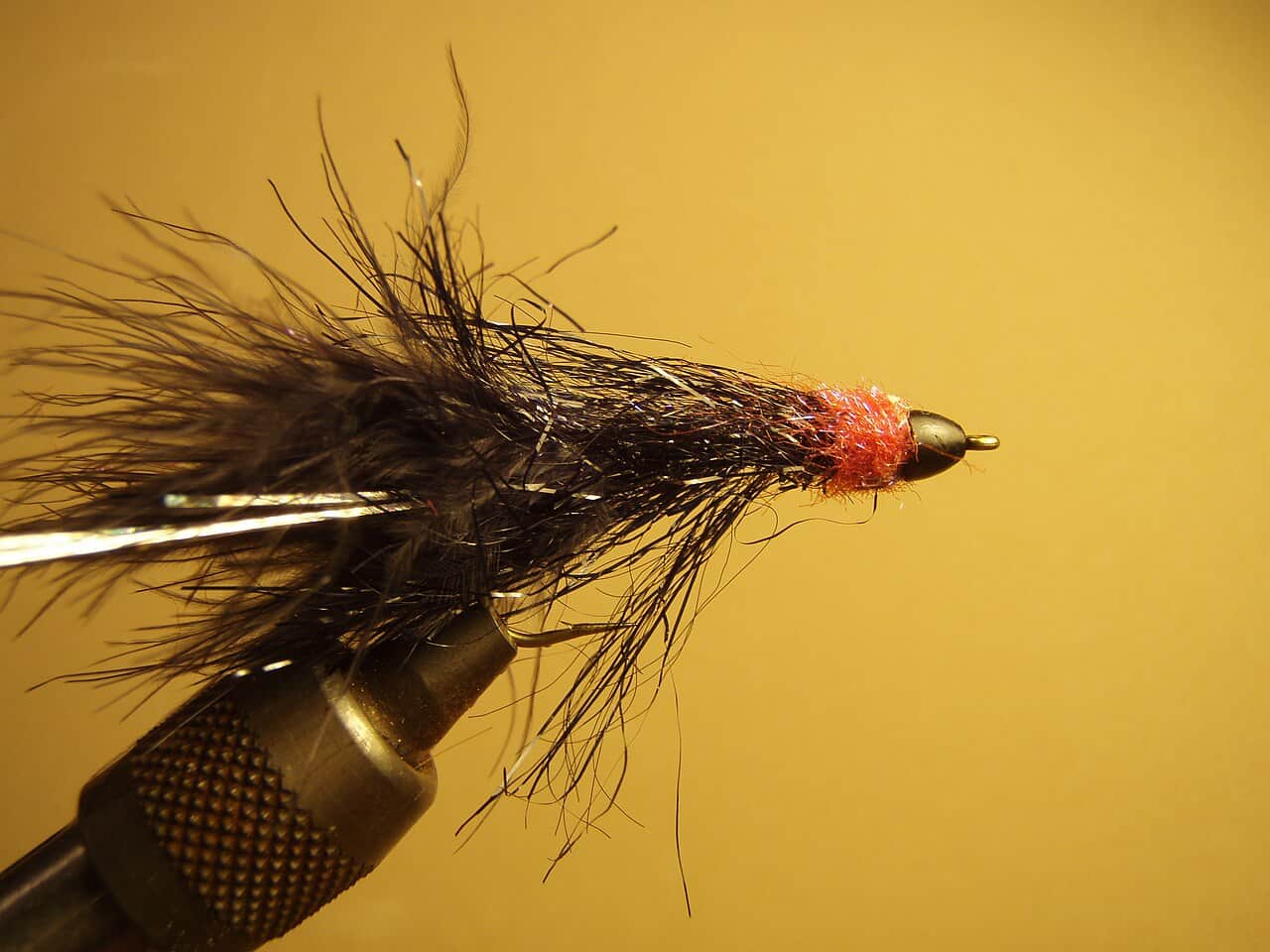
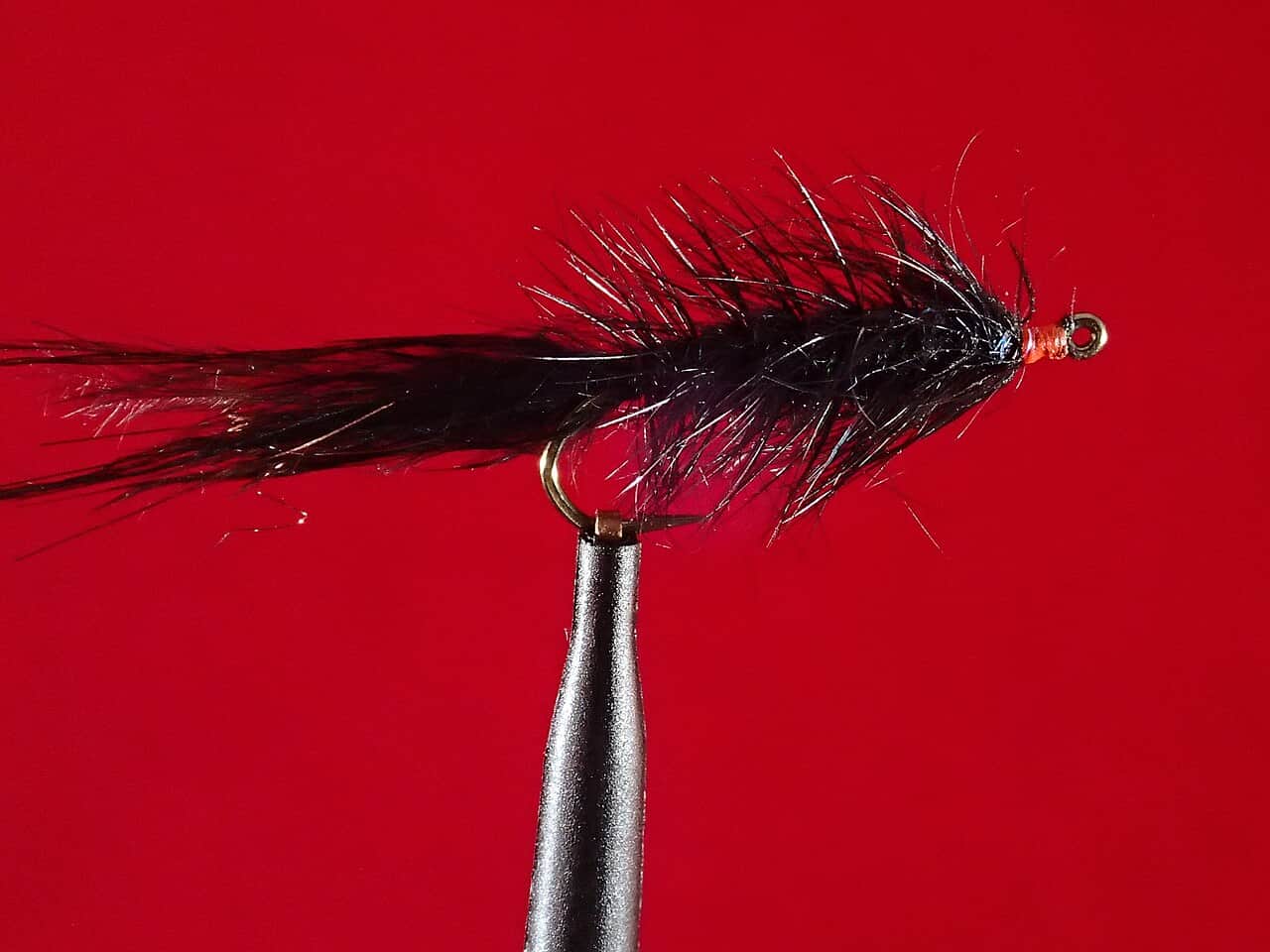
Sculpin, sparkle minnow, leech, small articulated patterns

Use in runoff edges, cloudy weather, fall, or when larger trout are hunting.

Tactics

How to fish it

Read FWP restriction pages before checking fly boxes; the river may not be fishable all day.

During stonefly season, fish banks, soft edges, and buckets with large dries or rubberlegs.

Use hopper-dropper rigs in summer only when water temperature and restrictions allow trout fishing.

Float plans should include verified put-ins, take-outs, and enough time for wind or low flow.

Handle grayling and trout quickly, keep fish wet, and avoid unnecessary photos during warm water.

Rigging

Rod, leader, and setup notes

A 5-weight works for dries; a 6-weight is better for wind, stoneflies, and streamers.

Carry 3X to 5X tippet, heavy rubberlegs, caddis, PMDs, hoppers, and fall streamers.

Use a thermometer and check it more than once during warm months.

Bring a wading staff for slick riffles and uneven freestone crossings.

For floating, carry spare oars, layers, sun protection, and a conservative shuttle plan.

Access

Access and planning notes

Glen gauge and middle river

Primary flow decision

Wade / float / trail

Gauge / wade / float

When to pick it

Start here when you need one reviewed trend before choosing between a wade-focused day and a float plan.

Caution

The gauge does not settle every ranch-road, fence, or take-out detail on its own.

Melrose and Maiden Rock access sites

Public launch and wade anchors

Wade / float / trail

FishMT access / wade / float

When to pick it

Use these when legal public entry, shuttle planning, and realistic reach length decide the day.

Caution

Access-site status, fences, and private banks still need current confirmation before launching or walking in.

Upper versus lower valley choice

Backup reach planning

Wade / float / trail

Road scout / reach swap

When to pick it

Pick this when runoff, temperature, or hatch timing makes one part of the river fit better than another.

Caution

Do not assume one valley reading or one hatch window fits the entire Big Hole.

FWP access sites and river restrictions should be checked before committing to a float.

Ranch-country banks are not automatically public access. Use legal sites and respect fences and posted land.

The river can become too warm or low for ethical trout handling even when a hatch is happening.

Regulations

Check before fishing

Montana FWP regulations, current waterbody closures, hoot-owl restrictions, and access-site rules control the Big Hole plan. Check them before fishing.

Primary base

Melrose, Wise River, Divide, or Dillon

Best day style

FWP fishing access sites, float planning, wade windows, and drought-restriction checks

Check first

FWP closures and restrictions, Glen flow, water temperature, access-site status, and weather

Safety

Runoff, sweepers, low warm water, hoot-owl closures, remote roads, and float logistics

Gear

Helpful gear for this water

5-weight rod

Covers dries, light nymphs, and most trout presentations.

6-weight rod

Better for wind, stonefly rigs, streamers, and hopper-dropper banks.

Wading staff

Useful in pushy freestone water, slick tailouts, and tailwater ledges.

Thermometer

Use it during summer heat and stop trout fishing when handling becomes unsafe.

Nearby water

Other water to research

Backup logic

High water

Skip marginal crossings and questionable drifts, then compare the Bighorn or another steadier tailwater if runoff still dominates.

Heat or restrictions

Fish early only when temperatures and current FWP restrictions support trout or grayling handling, otherwise move to a colder or more stable option.

Float logistics

Use a shorter legal access pair or switch to a wade plan when shuttle, wind, or exit certainty is not good enough.

Access issue

Use confirmed FishMT access only and pivot to another river if fences, ranch roads, or site status make the entry uncertain.

Bitterroot River

Another western Montana freestone with Skwalas, hoppers, and summer restriction checks.

Bighorn River

A steadier Montana tailwater option when freestones are high, warm, or restricted.

Madison River

A famous nearby freestone-tailwater mix with different flow and access planning.

FAQ

Fast answers

Is Big Hole River fishable today?

Big Hole River looks very fishable right now. The live score is 96/100, based on current flow, weather, public alerts, and the report's planning context. Recheck the linked gauge and forecast before leaving because conditions can change quickly after rain, heat, access changes, or flow swings.

What flow is best for Big Hole River?

Use USGS 06026210 near Glen for the page's flow trend. Stable post-runoff water is the cleanest window; low warm water should trigger early fishing only if legal, quick handling, or a move to cooler water.

When should I skip Big Hole River?

Skip or move on when FWP restrictions are active for your timing, water temperature is unsafe for trout or grayling, flow is too low for an ethical float, or ranch-country access is unclear.

Is Big Hole River safe to wade right now?

The fishability score is not a wading guarantee. Wade only where your chosen access has safe edges, clear footing, legal entry, and no forced crossings; high, rising, stained, or storm-affected water should be treated conservatively.

What should I check first before fishing the Big Hole River?

Check Montana FWP restrictions, Glen flow, water temperature, access-site status, and weather before fishing.

Are there special regulations on the Big Hole River?

Yes. Montana regulations plus current restrictions or hoot-owl closures can change the day.

Is the Big Hole River a good fly-fishing river?

Yes, if you match the reach, season, target species, water temperature, and current access rules. This report is built to help you choose that plan.

What flies should I bring for the Big Hole River?

Bring the hatch-chart flies, confidence nymphs, and a backup streamer or warmwater box so you can adjust to flow, clarity, and temperature.

How should I plan access for the Big Hole River?

Use FWP fishing access sites and legal float/wade access. Ranch banks and informal pullouts are not automatically public.