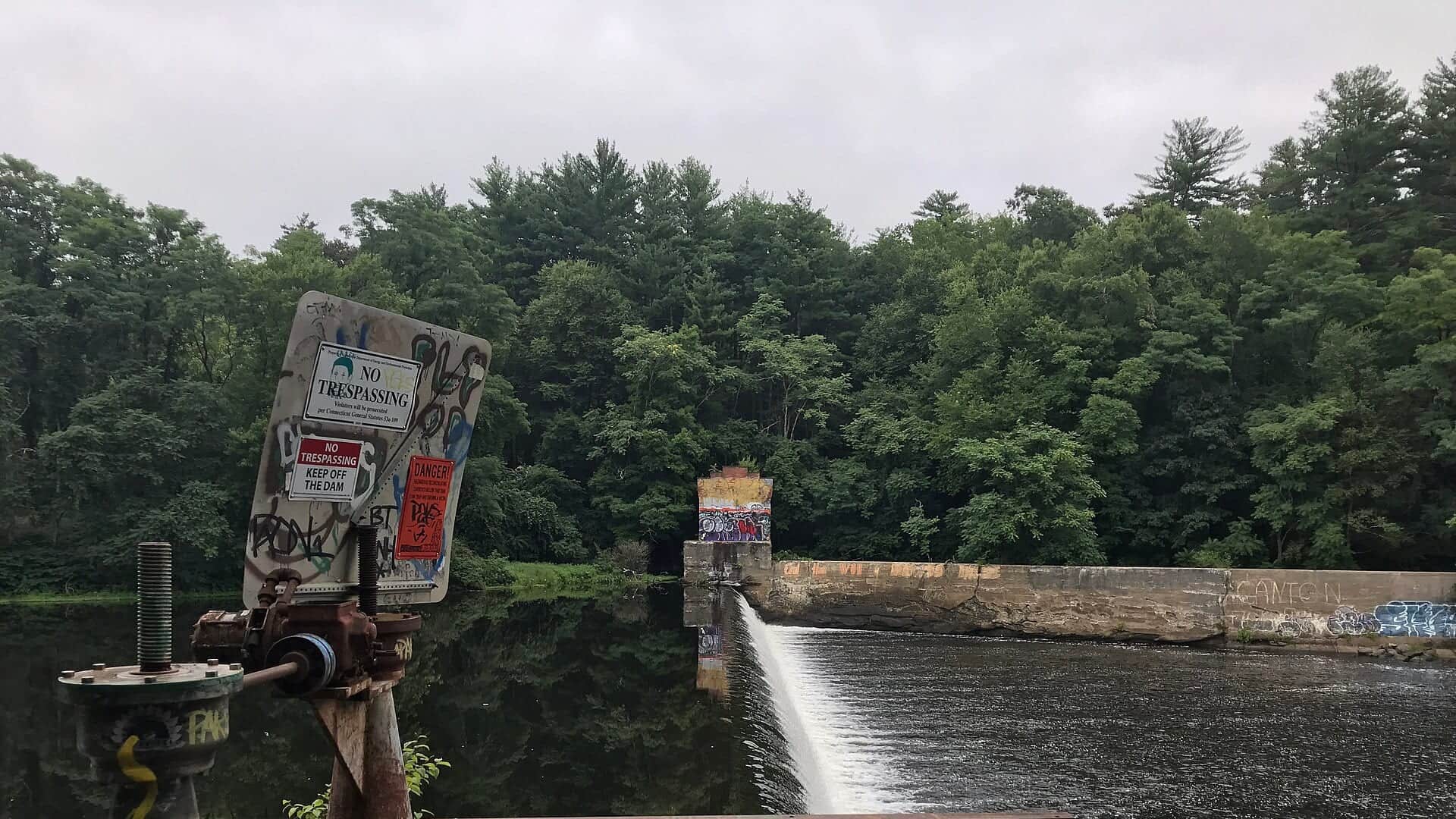
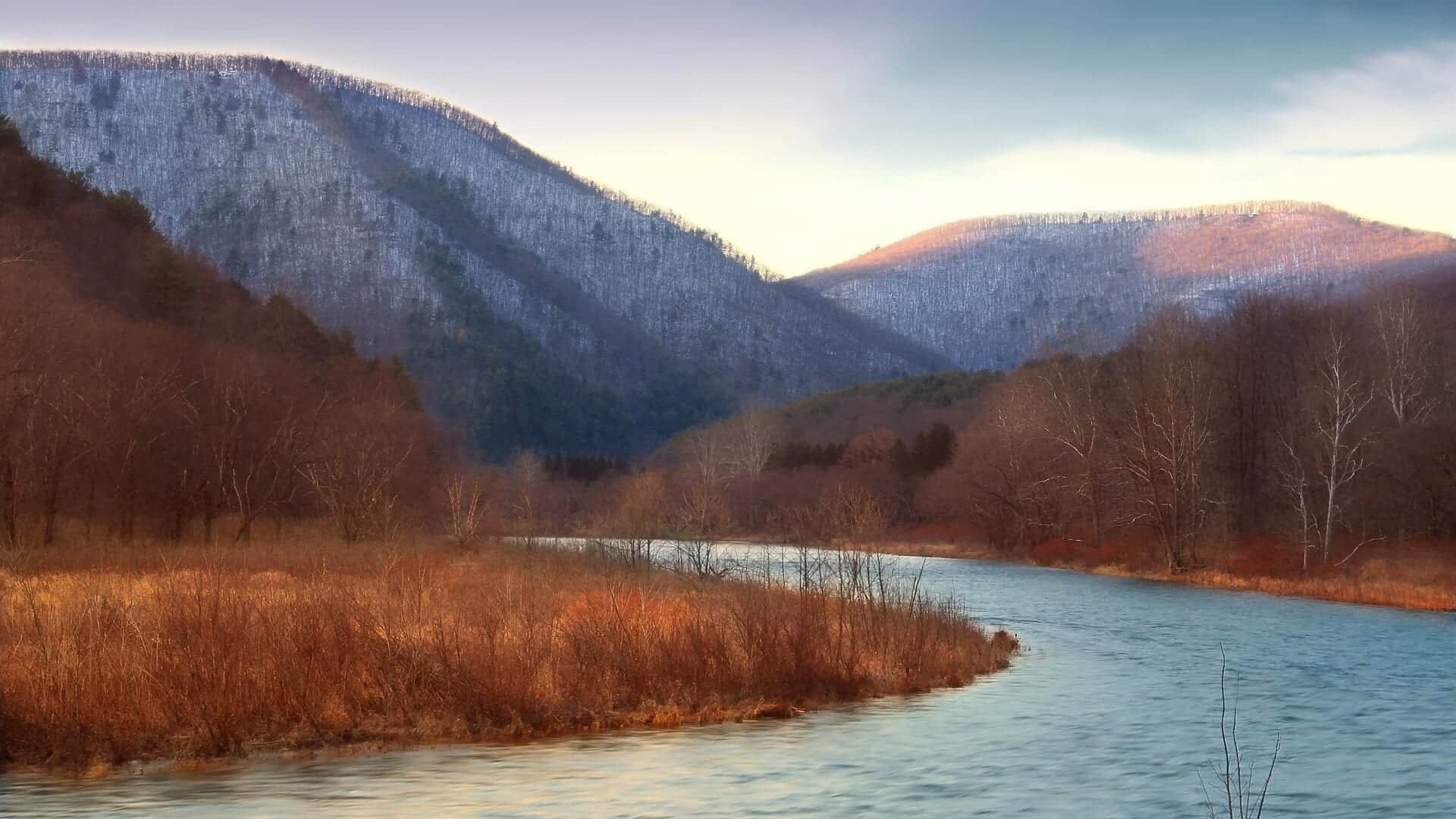
Housatonic River falls in Falls Village Connecticut

Connecticut / Northeast

Housatonic River

A Housatonic River report for Falls Village, the Trout Management Area, fly-fishing-only water, USGS flow checks, hatches, smallmouth context, and thermal-refuge rules.

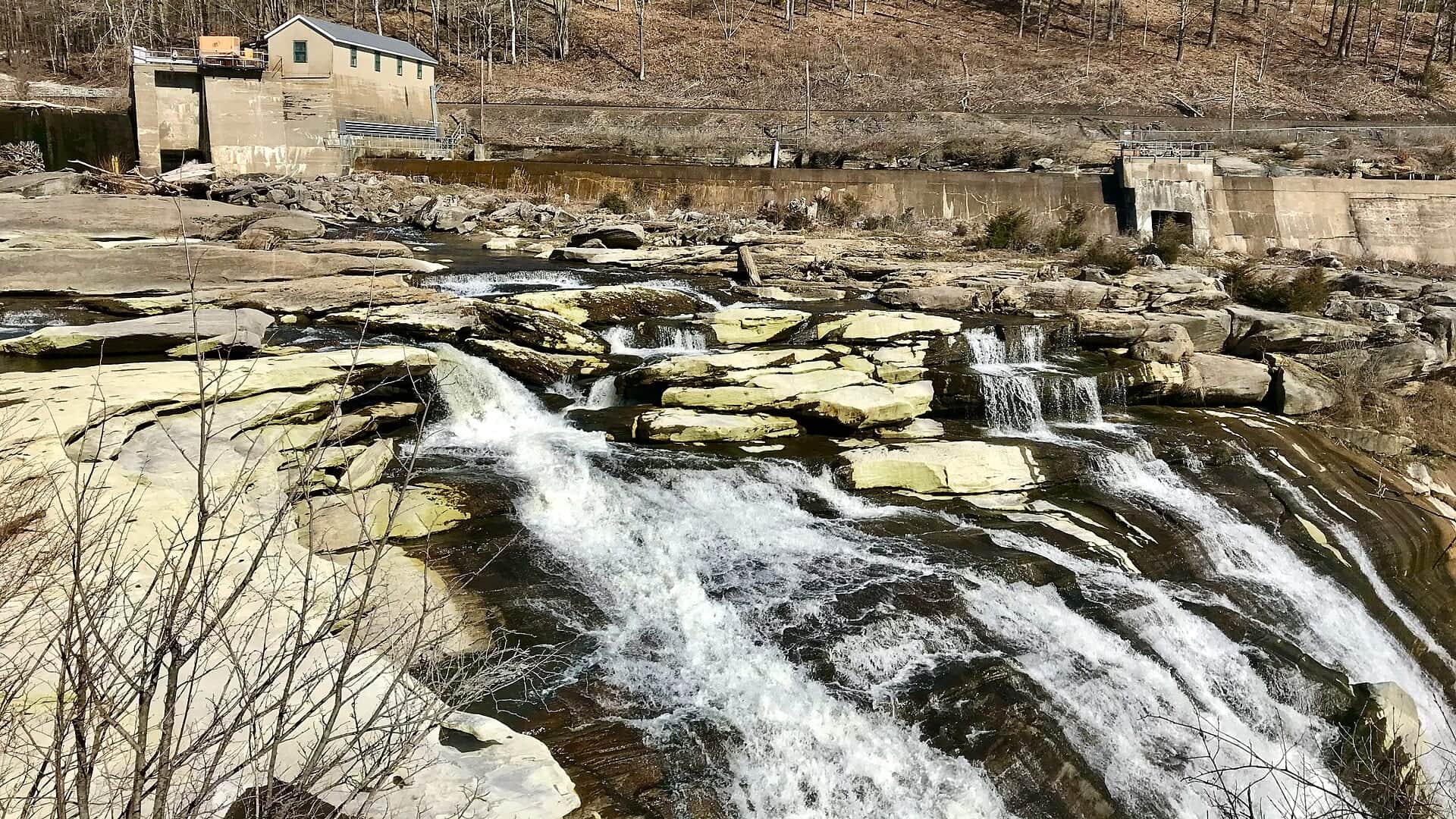
Image: The Housatonic River's "Great Falls" in Falls Village, Connecticut viewed from the Appalachian Trail / CC BY-SA 4.0 / Morrowlong

Fishability now: Housatonic River fishability today

GreatData confidence: High

96/100

Fishable now because Falls Village gauge is stable, weather is usable, and no public alert is active.

Flow observed

5:15 PM UTC

Weather observed

6:00 PM UTC

Score calculated

6:13 PM UTC

Why this rating

Flow

Weather

Public alerts

Next 6-12 hours

Hold

Stable live data supports staying with the plan, but recheck the gauge and forecast before leaving.

More planning details: flies, flow bands, and live source checks

Fish it today

Start here

Choose the plan before leaving: Falls Village and Cornwall-area trout water, a smallmouth-focused warmwater reach, or a bank-only scouting day if flow and temperature do not support wading.

Best flow clue

Use USGS 01199000 and the NOAA Falls Village page together. Moderate, stable flows give the best wading and dry-fly windows; high water, heat, or refuge closures should move the plan toward banks, bass, or another river.

Skip trigger

Skip trout fishing when water is too warm, thermal-refuge rules affect the area, flow is too pushy for safe wading, consumption guidance conflicts with harvest goals, or the exact fly-only/TMA boundary is unclear.

Flow decision bands

Low but fishable

Low clear big-river water can fish from banks and safer lanes when temperatures and current rules support trout or bass plans.

Best large-river window

Stable or falling Falls Village flow, cool water, and current CT DEEP rule checks give the best wade, dry-fly, wet-fly, nymph, and streamer signal.

Pushy or unsafe

High or rising flow should stop deep wading, island moves, and uncertain crossings on this larger river.

Temperature and advisory caution

Thermal refuge rules, warm-water trout restraint, and PCB consumption guidance can override a fishable graph.

USGS flow

404 cfs

Open

Current trend: flow stable, so weather, temperature, and access checks drive the next change.

Live USGS flow

414 cfs / stable

Live NWS forecast

76F / Sunny

Water temperature not verified

Heat guidance uses weather and river type unless an official water-temperature value is available.

No NWS alert flag

No active NWS alert was returned for this forecast point.

Primary waterFalls Village, Cornwall, and TMA context
GaugeUSGS 01199000 Housatonic River at Falls Village
Access styleTMA access, road pullouts, state park areas, trails, and private banks
ReviewedMay 31, 2026

Use the Falls Village gauge before deciding whether to wade.

Check CT DEEP Trout Management Area and fly-only boundary language.

Respect seasonal thermal refuge closures near protected tributary mouths.

Read fish-consumption advisories and avoid overstating harvest recommendations.

Editorial review

How this report is maintained

This report is maintained from current regulation, access, flow, weather, and public planning sources so anglers can make better trip decisions than a raw gauge or generic overview would allow.

Byline

BlueStreamFly editorial team

Reviewed by

BlueStreamFly source review

Maintained by

Mountain Brook Run LLC

Last material review

2026-05-31

Report confidence

Good confidence

88/100

Good confidence: USGS 01199000, NOAA Falls Village, CT DEEP Housatonic River, CT river regulation, PCB advisory, and weather sources support the page. Confidence is moderated by broad access planning, large-river wading risk, thermal-refuge complexity, and trout-versus-bass seasonal judgment.

Regulations

CT DEEP river regulation and Housatonic guidance support TMA, fly-only, thermal-refuge, and species planning.

Access

CT DEEP river context supports planning, but anglers still need signed local access and private-bank checks for the exact reach.

Flow and weather

USGS 01199000, NOAA Falls Village gauge context, and the National Weather Service point are attached to the route.

Fishing usefulness

The page now separates Falls Village flow, big-river wading safety, trout versus bass timing, thermal and advisory checks, signed access, and Farmington backup choices.

Fishability dashboard and source review

2026-05-31 / material content or source review

USGS Housatonic River at Falls Village flow, CT DEEP Housatonic River guidance, CT DEEP river and stream regulations, Housatonic PCB advisory information, NOAA Falls Village gauge context, and the National Weather Service point were checked before updating the current fishability guidance.

2026-05-31

Updated Housatonic River with Falls Village gauge guidance, large-river access cards, thermal and advisory cautions, trout-versus-bass backup cues, stable fishability SEO, and confidence signals.

2026-05-28

Added Housatonic River trip-fit guidance, Falls Village gauge framing, trout-versus-smallmouth timing, thermal-refuge caution, consumption-advisory reminders, access nuance, backup-water suggestions, editorial review signals, and a page-specific report-confidence meter after source review.

2026-05-24

Initial source-reviewed report published with flows, weather, hatches, flies, tactics, access, regulations, and FAQs.

Angler planning edge

Local details that change the plan

Best for

Anglers who want a larger Connecticut trout and smallmouth river rather than a tight tailwater plan, Trips where Falls Village flow, temperature, thermal-refuge rules, and exact TMA language are checked first, Spring and fall trout fishing with caddis, mayflies, wet flies, nymphs, and streamers on bigger water, Warm-season fly anglers willing to switch to smallmouth bass when trout handling is not responsible

Wade or float

Treat the Housatonic as a big wade-and-bank-access river first. Floating, bass water, and trout TMA sections can all be valid, but each one needs a separate rule, temperature, and access check.

Best flows

Use USGS 01199000 and the NOAA Falls Village page together. Moderate, stable flows give the best wading and dry-fly windows; high water, heat, or refuge closures should move the plan toward banks, bass, or another river.

When to skip

Skip trout fishing when water is too warm, thermal-refuge rules affect the area, flow is too pushy for safe wading, consumption guidance conflicts with harvest goals, or the exact fly-only/TMA boundary is unclear.

Local plan

Choose the plan before leaving: Falls Village and Cornwall-area trout water, a smallmouth-focused warmwater reach, or a bank-only scouting day if flow and temperature do not support wading.

Pressure

Pressure concentrates around easy pullouts, TMA water, and famous hatch evenings. Large water spreads anglers out, but it also punishes poor wading decisions.

Access nuance

The river has public planning anchors, but it also has private banks, special-rule sections, and protected thermal-refuge areas. Stay with signed access and current CT DEEP boundaries.

Backup water

If the Housatonic is high, warm, or regulation-limited, compare the Farmington River for colder tailwater context or Pine Creek for a different Northeast trout plan.

About the river

Setting, character, and why it fishes the way it does.

The Housatonic River is one of Connecticut's larger river systems, flowing through a valley of public access points, historic towns, and mixed trout and warmwater habitat.

In the northwest Connecticut trout corridor, the Falls Village and Cornwall-area water gives fly anglers a larger, more powerful alternative to smaller tailwaters.

The river also has a serious pollution and consumption-advisory history tied to PCBs, so harvest and table-fare language should stay source-based and conservative.

Thermal refuge closures near tributary mouths are important because trout need colder water during summer stress periods.

Target species

Brown trout

A main target in managed trout water, especially around riffles, ledges, and deeper banks.

Rainbow trout

Present in managed trout reaches and stocking-supported sections.

Smallmouth bass

A useful warmwater target when trout water is too warm or lower reaches fit a bass plan.

Largemouth bass and other warmwater species

Relevant in slower or warmer sections; rules and advisories should be checked.

Reading the water

Low clear summer

Fish early, watch temperatures, and consider bass instead of trout if water is warm.

Medium safe flow

Nymphs, wets, dries, and streamers can all work across riffles and ledges.

High water

Large-river wading gets dangerous quickly; fish from safe banks or wait.

Thermal refuge period

Stay out of posted refuge zones and avoid harassing trout near cold tributary mouths.

Best seasons

Spring

Classic mayfly and caddis activity can create strong trout windows when flows are safe.

Early summer

Iso, caddis, sulphur, and evening dry-fly windows can be productive before heat dominates.

Late summer

Trout can be stressed; smallmouth bass may be the better ethical fly-rod option.

Fall

Cooling water brings BWOs, streamers, and better trout conditions.

USGS flow

Housatonic River at Falls Village

This is the fallback for rivers that are not covered by RiverReports. Use the official USGS monitoring page for the live hydrograph, station metadata, and current water trend.

Open USGS gauge

USGS data chart

Housatonic River at Falls Village

Streamflow over the latest USGS reporting window.

Latest

414 cfs

Jun 3, 5 PM UTC

Site

01199000

Low / high

360 / 788 cfs

Source

Open USGS

Weather

River weather report

Weather can change wading safety, road access, water temperature, hatches, and the best time of day to fish.

Live forecast loads as you reach this section

This keeps the report fast while still using the official National Weather Service forecast point.

Hatches and flies

Hatch chart and fly picks

Spring

Hendricksons, BWOs, caddis

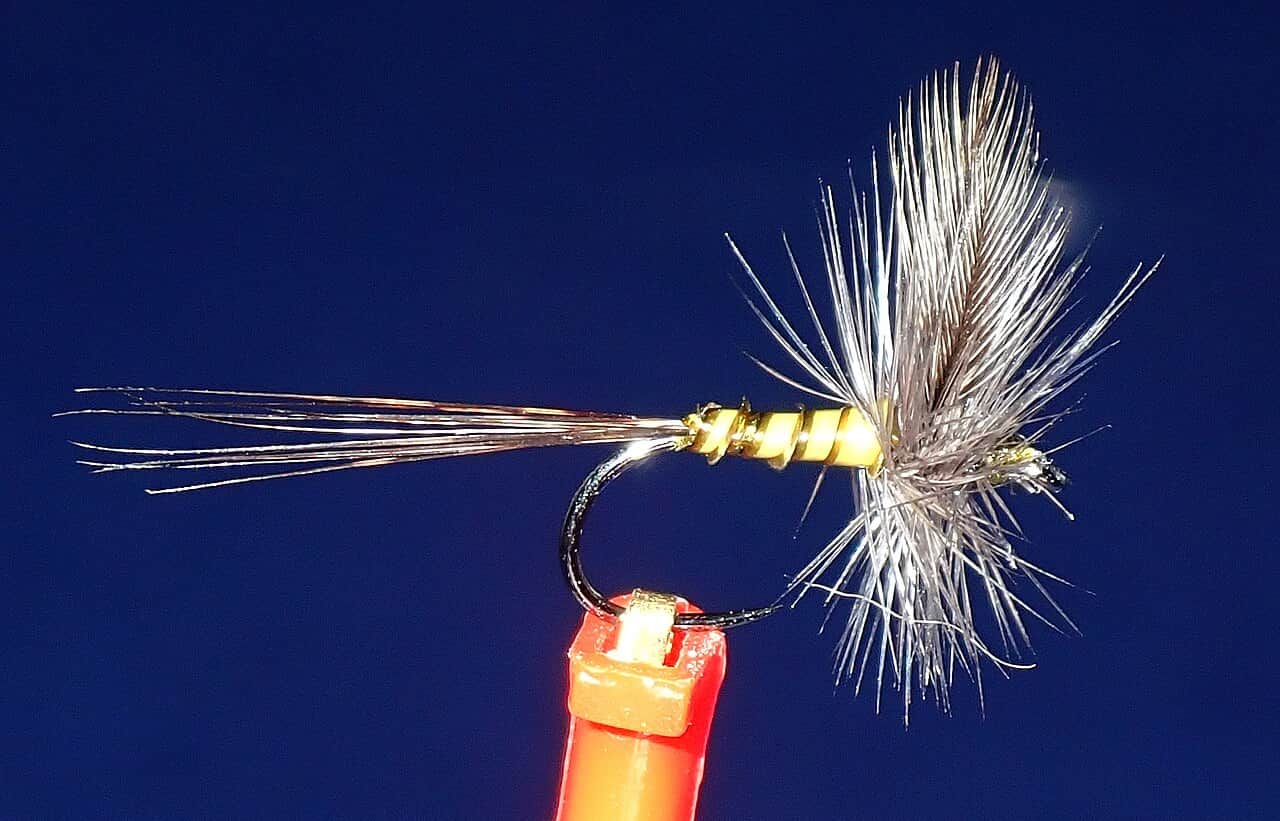
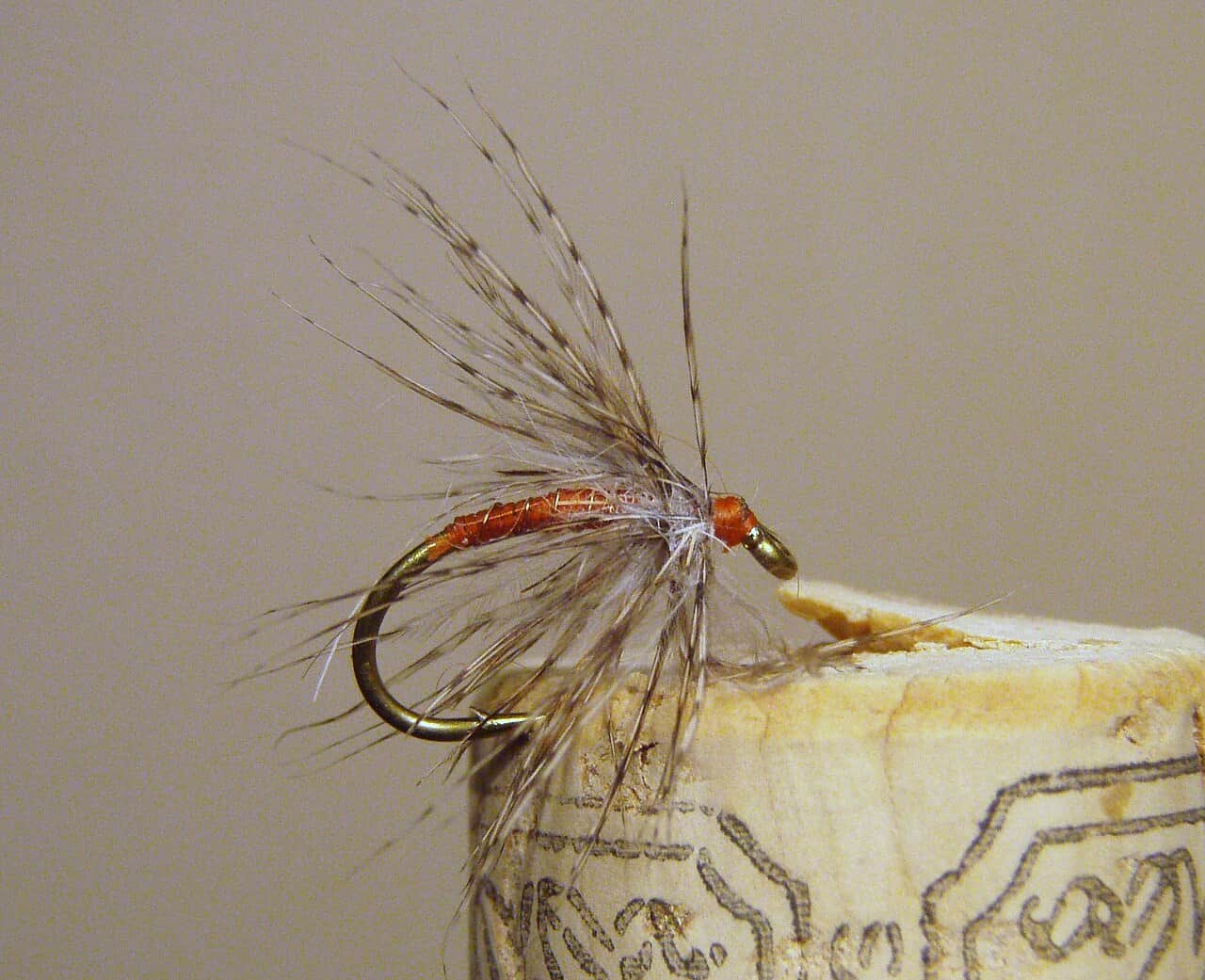
Hendrickson dry, BWO emerger, caddis pupa, soft hackle

Early summer

Sulphurs, Isonychia, caddis, cahills

Iso nymph, sulphur dry, caddis dry, light cahill

Summer

Terrestrials, caddis, tricos in softer water

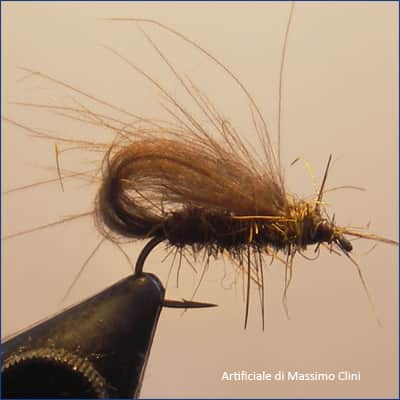
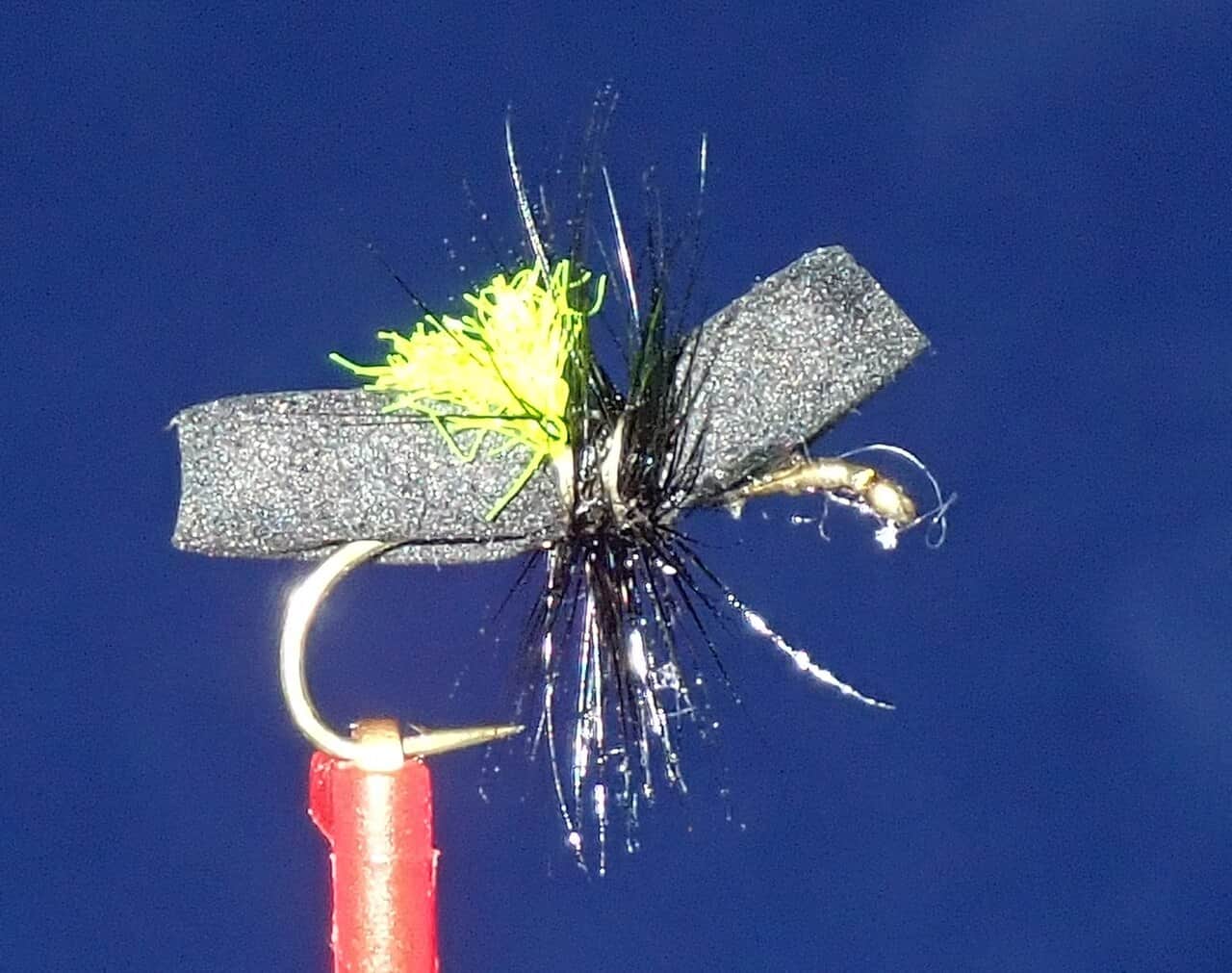
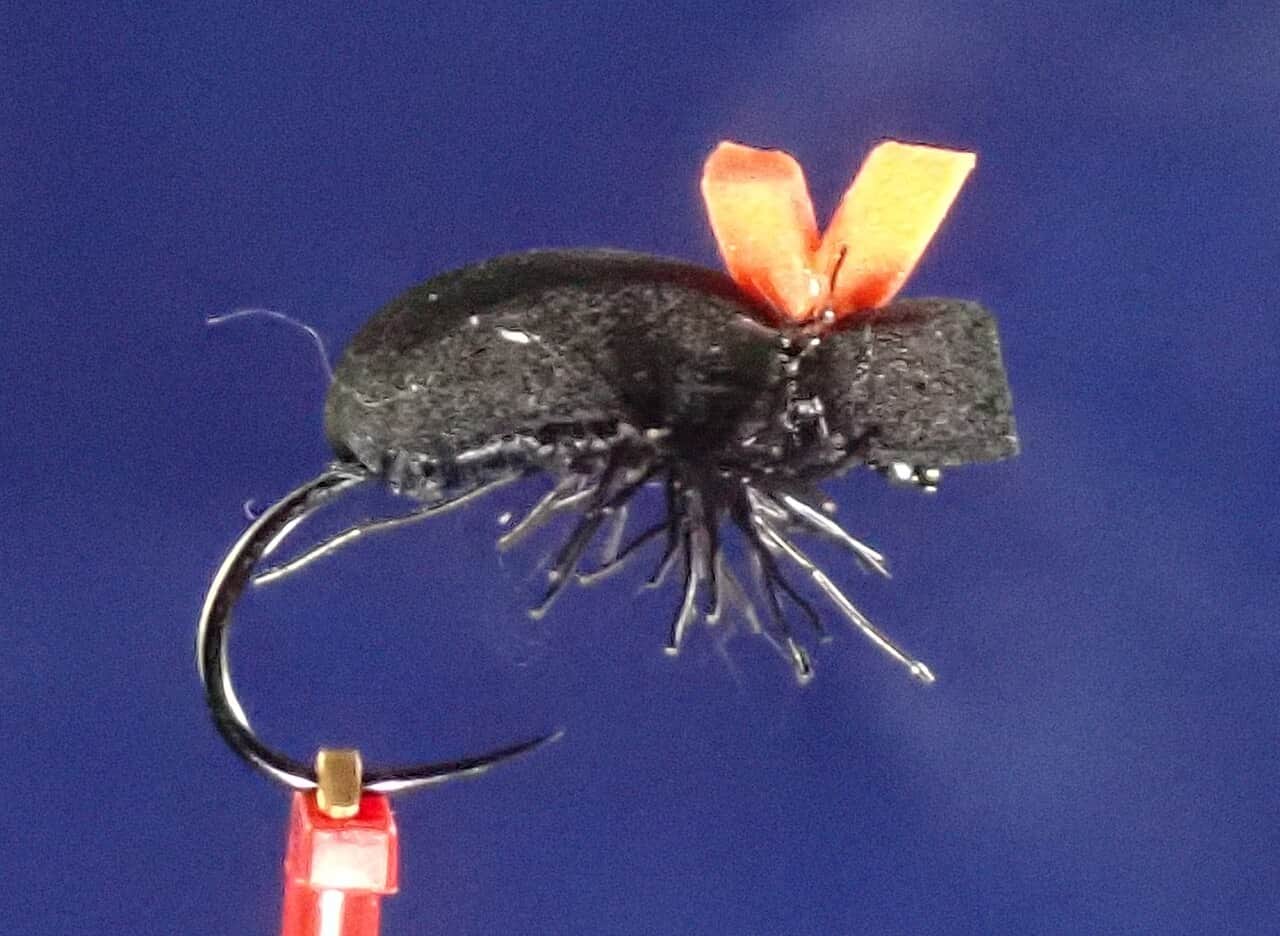
Ant, beetle, hopper, trico spinner, small bass popper

Fall

BWOs, October caddis, midges

BWO dry, October caddis, zebra midge, streamer

Large-river nymphs

Iso nymph, pheasant tail, hare's ear, caddis pupa, stonefly

Use through riffles, ledges, and drop-offs when fish are not rising.

Dry flies

Hendrickson, BWO, sulphur, Iso, caddis, terrestrial

Use during visible hatches and evening feeding windows.

Streamers

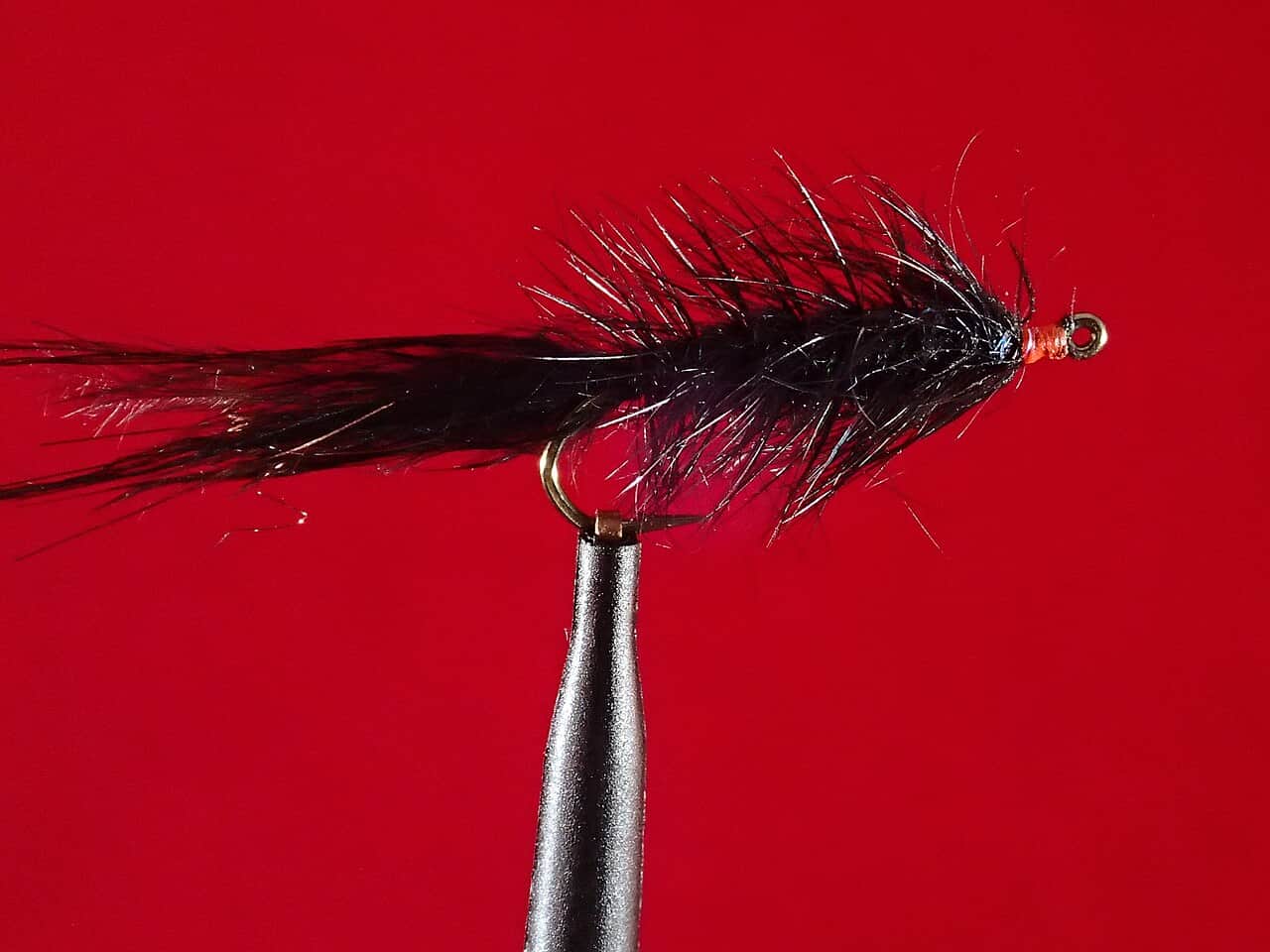
Sculpin, leech, bugger, crayfish, baitfish

Use in higher flows, low light, or for trout and bass along structure.

Bass flies

Poppers, streamers, crayfish, baitfish patterns

Use when warm water makes smallmouth bass the better target.

Tactics

How to fish it

Check the Falls Village flow before stepping into the river.

Choose trout or bass based on temperature, reach, and rules.

Swing wet flies and soft hackles during mayfly and caddis movement.

Avoid posted thermal refuge zones from summer into early fall.

Treat consumption guidance as an official-source issue, not a guess.

Rigging

Rod, leader, and setup notes

A 9-foot 5-weight works for most trout fishing.

Use a 6-weight for streamers, wind, or smallmouth bass.

Carry 3X to 6X depending on fly size and species.

Bring a wading staff for ledges and large-river push.

Use a thermometer in summer and switch targets when needed.

Access

Access and planning notes

Falls Village gauge and trout corridor

Primary big-river decision

Wade / float / trail

Gauge / wade / bank

When to pick it

Start here when flow and water temperature decide whether trout wading is realistic.

Caution

Large-river wading can become unsafe before it looks extreme from shore.

CT DEEP Housatonic River planning

Rules and reach context

Wade / float / trail

TMA / fly-only / species plan

When to pick it

Use it when the exact trout, bass, refuge, or fly-only context matters.

Caution

Reach-specific boundaries and seasonal rules need current confirmation.

Advisory and NOAA stage check

Safety and harvest context

Wade / float / trail

Advisory / stage / bank scout

When to pick it

Pick it before keeping fish, wading bigger lanes, or choosing a family outing.

Caution

Stage, consumption guidance, and weather alerts are separate checks.

The lower three miles of the TMA include fly-fishing-only rules under CT DEEP language.

Thermal refuge closures protect tributary mouths during summer stress periods.

Large-river wading should be conservative at higher flows.

Fish-consumption guidance is part of responsible planning on this river.

Regulations

Check before fishing

CT DEEP lists Housatonic River Trout Management Area rules, fly-only sections, thermal refuge closures, and fish-consumption advisories. Check the current DEEP pages before fishing.

Primary base

Falls Village, Cornwall, or Kent

Best day style

TMA access, road pullouts, state park areas, trails, and private banks

Check first

CT DEEP TMA rules, thermal refuge closures, flow, temperature, and advisories

Safety

Large water, wading ledges, warm temperatures, PCB advisories, and dam-influenced flows

Gear

Helpful gear for this water

Wading staff

Important on large slippery ledges and changing flows.

Thermometer

Use it before targeting trout in summer.

Streamer and bass box

Useful when flows, low light, or warm water shift the plan.

Long leader setup

Helpful for clear riffles and dry-fly flats.

Nearby water

Other water to research

Backup logic

High water

Wait for the Falls Village trend to settle or compare the Farmington for a colder tailwater-style plan.

Heat

Shift from trout to smallmouth or stop trout pressure when water temperatures and refuge rules require restraint.

Storms or stain

Delay when rain, lightning, or dirty big-river flow makes wading and visibility poor.

Access issue

Use signed local access and CT DEEP guidance only; pivot if private banks, TMA limits, or refuge boundaries are unclear.

Farmington River

A colder Connecticut tailwater option with a different rule and hatch profile.

Pine Creek

A Pennsylvania freestone report with larger valley water and rail-trail access.

Catskill trout rivers

Nearby New York options should be checked as their pages are added.

FAQ

Fast answers

Is Housatonic River fishable today?

Housatonic River looks very fishable right now. The live score is 96/100, based on current flow, weather, public alerts, and the report's planning context. Recheck the linked gauge and forecast before leaving because conditions can change quickly after rain, heat, access changes, or flow swings.

What flow is best for Housatonic River?

Use USGS 01199000 and the NOAA Falls Village page together. Moderate, stable flows give the best wading and dry-fly windows; high water, heat, or refuge closures should move the plan toward banks, bass, or another river.

When should I skip Housatonic River?

Skip trout fishing when water is too warm, thermal-refuge rules affect the area, flow is too pushy for safe wading, consumption guidance conflicts with harvest goals, or the exact fly-only/TMA boundary is unclear.

Is Housatonic River safe to wade right now?

The fishability score is not a wading guarantee. Wade only where your chosen access has safe edges, clear footing, legal entry, and no forced crossings; high, rising, stained, or storm-affected water should be treated conservatively.

Is the Housatonic only a trout river?

No. It has important trout water, but smallmouth bass can be a better target when water warms.

Which gauge should I use?

Use USGS 01199000, Housatonic River at Falls Village, for the main trout-corridor flow context.

What are thermal refuge closures?

They protect cold tributary-mouth areas where trout gather during summer heat. Stay out of posted closed zones.

Can I keep fish from the Housatonic?

Check CT DEEP rules and consumption advisories first. This page does not recommend harvest without current official guidance.