Canyon Creek water or watershed scenery in Arizona

Arizona / Southwest

Canyon Creek

A practical Mogollon Rim report for Canyon Creek near Young, with RiverReports flow context, trout tactics, access notes, current regulation cautions, weather, and source links.

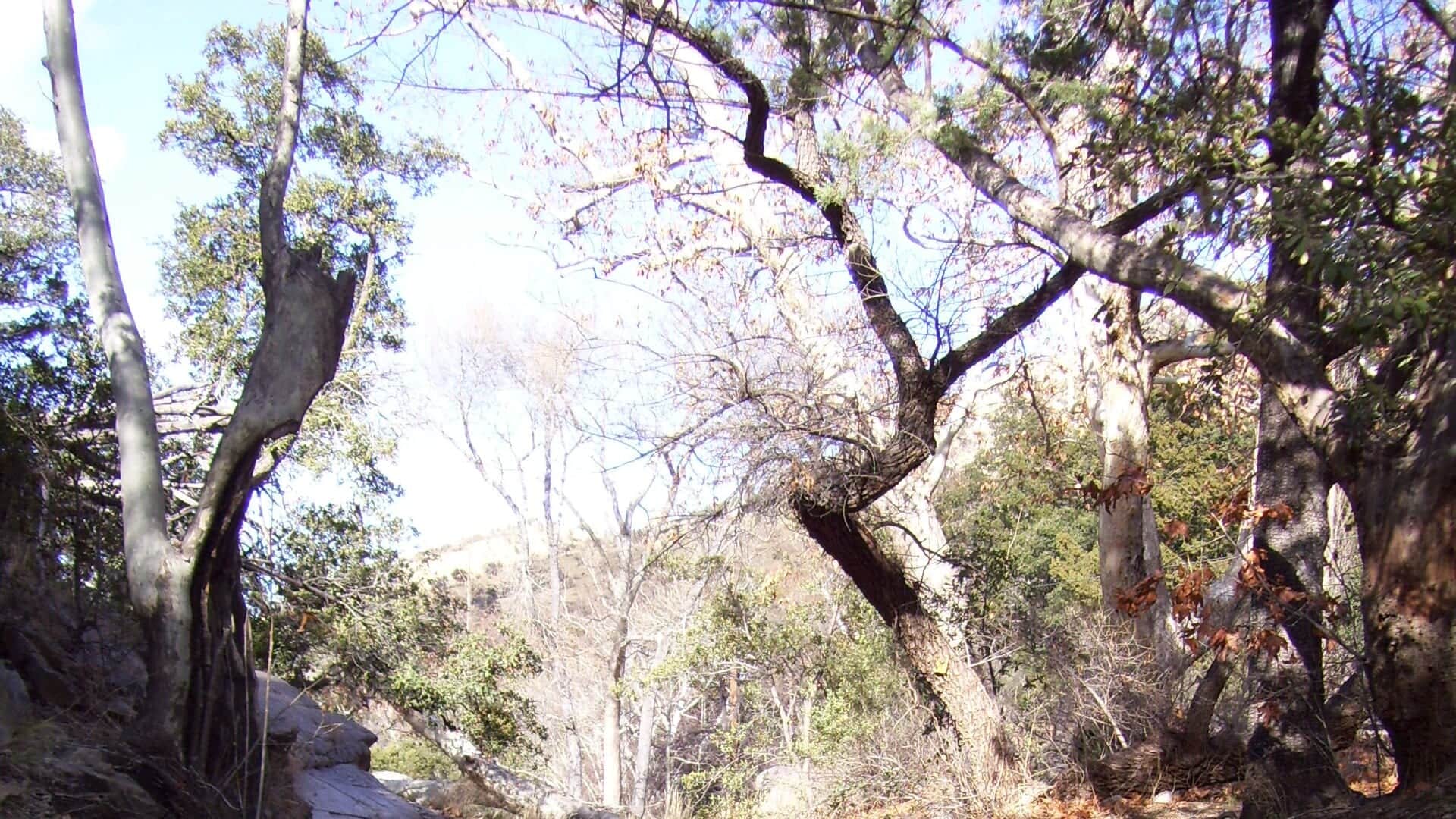
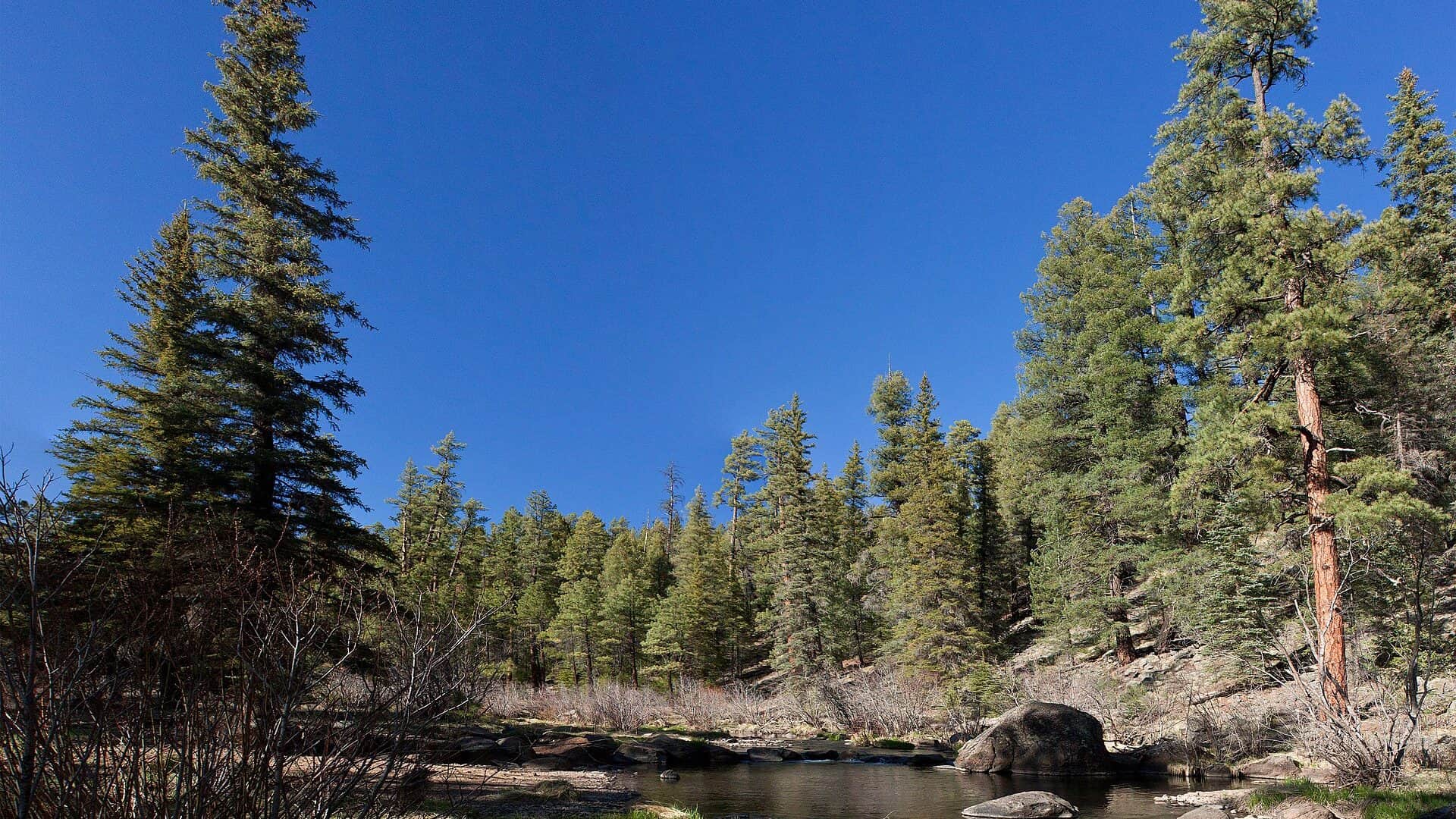
Image: Madera Canyon creek Arizona 2012 / CC BY-SA 3.0 / $1LENCE D00600D

Fishability now: Canyon Creek fishability today

GreatData confidence: High

93/100

Fishable now because flow has been checked, weather is usable, and no public alert is active.

Flow observed

5:45 PM UTC

Weather observed

6:00 PM UTC

Score calculated

6:15 PM UTC

Why this rating

Flow

Water temperature

Public alerts

Next 6-12 hours

Hold

Stable live data supports staying with the plan, but recheck the gauge and forecast before leaving.

More planning details: flies, flow bands, and live source checks

Fish it today

Start here

Start by choosing the rule and access segment: Upper Canyon Creek or Valentine Ridge for upper access, OW Bridge for the regulation split, and downstream boundary water only when rules, roads, and permits are clear.

Best flow clue

Use the RiverReports/USGS stage trend instead of a magic cfs number. Stable gage height and clear water are the best window; rising, stained, snowy, or road-limited conditions should move the plan to safer access or another water.

Skip trigger

Skip or scale back when the gage is rising, water is stained, lightning is possible, FR 512/33/188 are muddy or snowy, OW Bridge or reservation-boundary rules are uncertain, or your gear is not clean enough for a mudsnail-sensitive creek.

Flow decision bands

Low and clear

Fishable with stealth when water stays cold; use small dries, light droppers, and avoid lining shallow pools.

Best stable-stage window

Stable gage height with clear water is the best signal for pocket-water dry-droppers, light nymphs, and careful upstream presentations.

Pushy or stained

Rising stage, storm color, or heavy pool current should move you to safe edges, short scouting, or another creek.

Road/weather hold

Snow, monsoon rain, or muddy unpaved roads can make the day poor even if the creek later clears.

USGS flow

2 ft

Open

Current trend: previous-score comparison will become more useful after repeated live checks.

Live USGS flow

1.74 ft / no clear trend

Live NWS forecast

83F / Sunny

Live water temperature

60F from USGS

No NWS alert flag

No active NWS alert was returned for this forecast point.

Primary waterMogollon Rim trout creek
GaugeUSGS 09497830 above Cow Creek
Flow sourceRiverReports with USGS gage-height fallback
ReviewedMay 31, 2026

Use RiverReports for the quick visual check and USGS 09497830 for official gage-height context.

Treat rising water, muddy roads, snow, or lightning as reasons to simplify or skip the plan.

The Forest Service lists artificial fly and lure rules, with catch-and-release trout rules from OW Bridge to the Fort Apache Reservation boundary.

Clean and dry wading gear. Arizona regulations list New Zealand mudsnail at Canyon Creek.

Editorial review

How this report is maintained

This report is maintained from official stage, weather, Forest Service, Arizona regulation, and access sources, then converted into practical same-day trout guidance.

Byline

BlueStreamFly editorial desk

Reviewed by

BlueStreamFly source review

Maintained by

BlueStreamFly

Last material review

2026-05-31

Report confidence

High confidence

83/100

Strong stage, weather, Forest Service, and Arizona regulation support makes the Canyon Creek planning guidance dependable. Confidence is capped by stage-only flow context, road conditions, monsoon storms, and reach-specific rules that need a same-day check.

Regulations

Arizona regulations and Forest Service rule notes support the OW Bridge and artificial-fly/lure planning cautions.

Flow support

RiverReports and USGS 09497830 provide gage-height context rather than a simple discharge-only trout window.

Access support

Tonto National Forest pages support the upper campground, Valentine Ridge, unpaved-road, and seasonal-access framework.

Weather and safety

NWS support is paired with monsoon, snow, road, lightning, and invasive-species skip triggers.

Angler usefulness

The page separates stage reading, road decisions, rule boundaries, access style, and backup-water choices.

Editorial review

A public correction path, source standards page, latest verified note, and change log are included.

Fishability source review

2026-05-31 / material content or source review

RiverReports and USGS gage-height support, Arizona fishing regulations, Tonto National Forest access notes, road-condition cautions, invasive-species guidance, and the National Weather Service forecast point were rechecked before adding the current fishability decision layer.

2026-05-31

Upgraded the page to the Pine Creek fishability standard with a reviewed route profile, stage-based flow guidance, access cards, backup logic, source-confidence meter, and a top-page current-fishability answer.

2026-05-24

Initial source-reviewed report published with flows, weather, hatches, flies, tactics, access, regulations, and FAQs.

Angler planning edge

Local details that change the plan

Best for

Small-stream trout anglers who can check stage, roads, and rules before leaving, Dry-dropper, light nymph, and small dry-fly fishing when the creek is clear and stable, Mogollon Rim walk-and-wade days where access and road conditions matter as much as fly choice, Anglers prepared to clean gear and avoid spreading mudsnails to the next water

Wade or float

Treat Canyon Creek as a small walk-and-wade creek, not a float or broad-wading plan. Move slowly, fish upstream where possible, and avoid forced crossings when stage or storms are up.

Best flows

Use the RiverReports/USGS stage trend instead of a magic cfs number. Stable gage height and clear water are the best window; rising, stained, snowy, or road-limited conditions should move the plan to safer access or another water.

When to skip

Skip or scale back when the gage is rising, water is stained, lightning is possible, FR 512/33/188 are muddy or snowy, OW Bridge or reservation-boundary rules are uncertain, or your gear is not clean enough for a mudsnail-sensitive creek.

Local plan

Start by choosing the rule and access segment: Upper Canyon Creek or Valentine Ridge for upper access, OW Bridge for the regulation split, and downstream boundary water only when rules, roads, and permits are clear.

Pressure

Campground and bridge access can concentrate anglers. The best fishing often comes from moving carefully between small pools instead of repeatedly casting at the first obvious water.

Access nuance

Forest roads are part of fishability here. Unpaved access, winter cold, monsoon mud, bear-safe camping, no-trash-service sites, and reservation-boundary planning can change a good-looking fishing day.

Backup water

If Canyon Creek is high, stained, crowded, or road-limited, compare Black River, Tonto Creek, or the Little Colorado only after checking their current rules, flow, and access.

About the river

Setting, character, and why it fishes the way it does.

Canyon Creek drains Mogollon Rim country east of Payson and north of Young before dropping toward the Salt River system. For anglers, it fishes like a high-country Arizona trout creek rather than a broad tailwater or a large freestone river.

The useful planning landmarks are Upper Canyon Creek Campground, Valentine Ridge, Forest Roads 512, 33, and 188, OW Bridge, and the downstream boundary toward Fort Apache Reservation land. The legal and practical plan changes as you move between those reaches.

The Forest Service describes Upper Canyon Creek Campground as set in ponderosa pine, white fir, and Douglas fir, with Canyon Creek popular for rainbow trout. That makes the page a trout-trip planner, but not a guarantee that every reach has the same fish, access, or rule set on the day you go.

Target species

Rainbow trout

The Forest Service identifies Canyon Creek as popular with anglers fishing for rainbow trout near Upper Canyon Creek and Valentine Ridge.

Other trout

Arizona rules manage Canyon Creek as trout water, but do not assume the same fish mix or harvest rule applies in every reach.

Non-target aquatic life

Keep wading gear clean and dry between waters. Arizona's regulations list New Zealand mudsnail at Canyon Creek.

Reading the water

Low and clear

Stay back from the water, use 5X or 6X, and make the first drift count. Small dries, dry-droppers, and light nymphs are better than heavy rigs.

Stable gage height

This is the best all-around window for pocket water, pool heads, riffle edges, and short upstream presentations.

Rising or stained

Fish close edges and deeper pools only if wading is safe. Small dark streamers and heavier nymphs beat delicate dry-fly fishing.

Storm or snow access

Forest Service notes say FR 512, FR 33, and FR 188 are unpaved, with four-wheel drive or chains advised after heavy rain or snow.

Best seasons

Spring

Good when roads are open and the creek is not jumping after rain or snowmelt. Blue-winged olives, midges, caddis, and small attractors are useful.

Early summer

Often the easiest dry-dropper window before hotter weather and monsoon storms make water temperature and afternoon lightning more important.

Monsoon season

Fish early and watch the sky. Local storms can change water color, road conditions, and safe exit options quickly.

Fall

Clear water, cooler days, and lower pressure can reward careful dry-fly and nymph fishing.

Winter

A limited access period. Forest Service notes say winter temperatures can dip into the teens, and road conditions can require chains or four-wheel drive.

Preferred flow source

Canyon Creek above Cow Creek near Young

RiverReports is the preferred chart source when coverage exists. When a matching USGS gauge exists, keep it open as the official backstop for station data and current hydrograph context.

USGS data chart

Official USGS trend

Gauge height over the latest USGS reporting window.

Latest

2 ft

Jun 3, 5 PM UTC

Site

09497830

Low / high

2 / 2 ft

Source

Open USGS

Weather

River weather report

Weather can change wading safety, road access, water temperature, hatches, and the best time of day to fish.

Live forecast loads as you reach this section

This keeps the report fast while still using the official National Weather Service forecast point.

Hatches and flies

Hatch chart and fly picks

March to April

Midges, blue-winged olives, early small mayflies

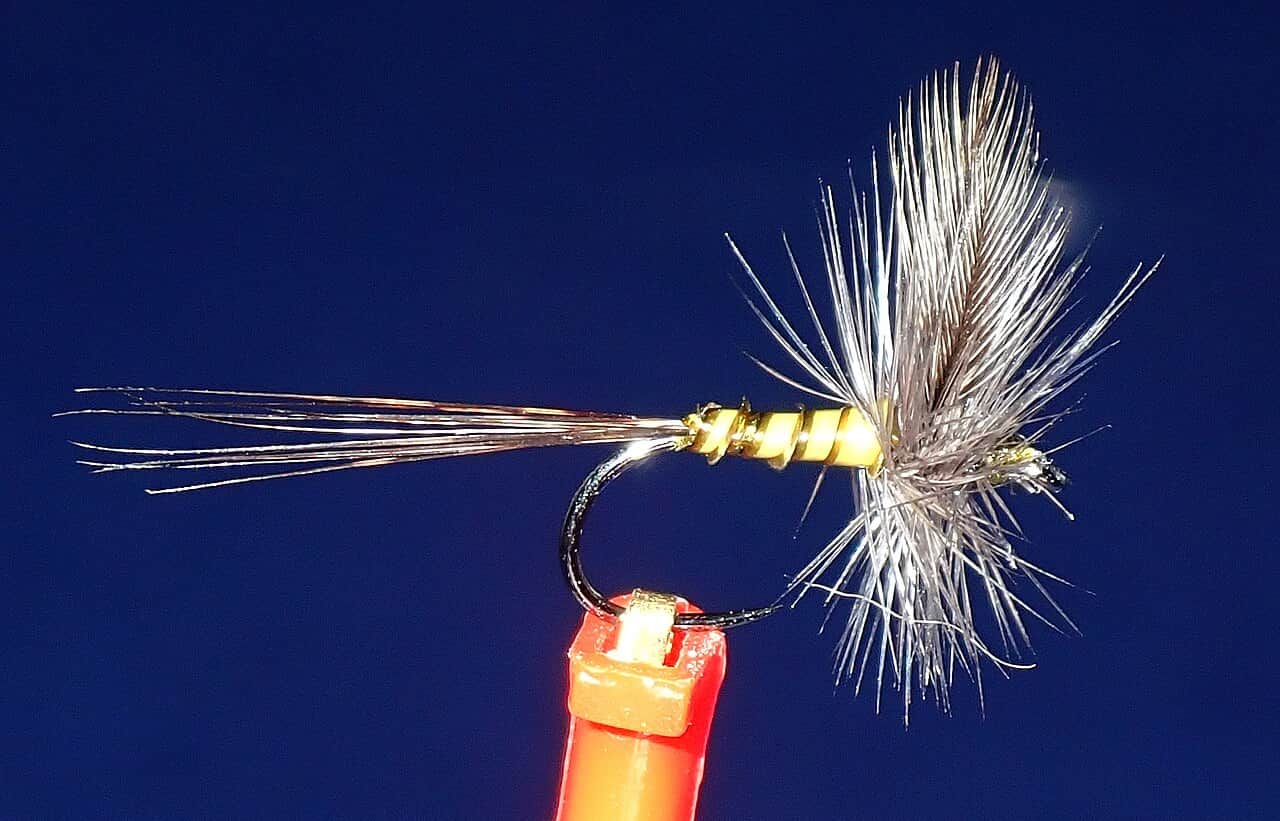
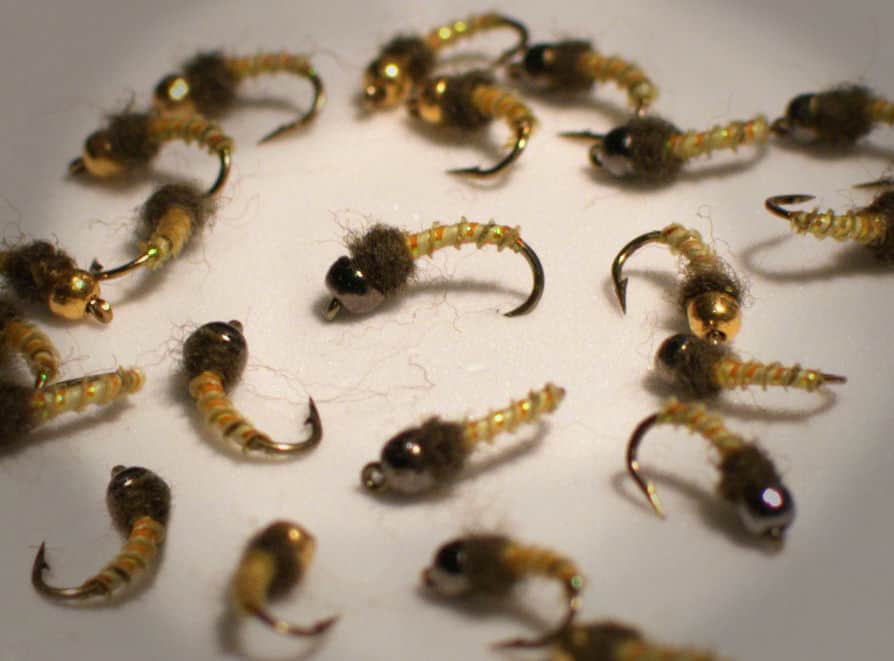
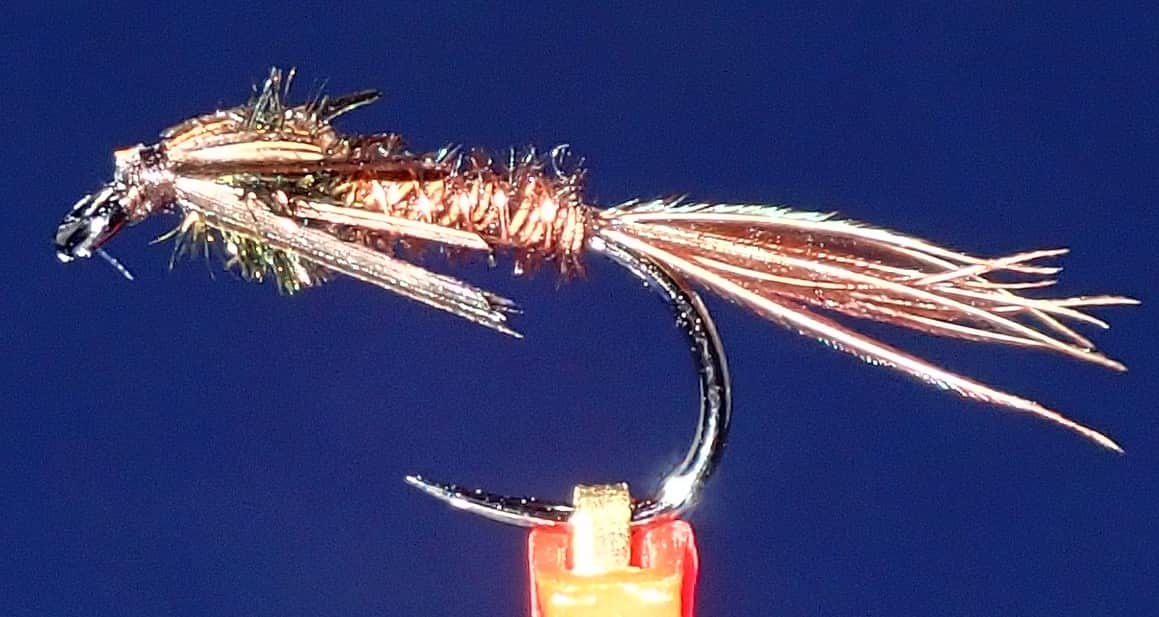
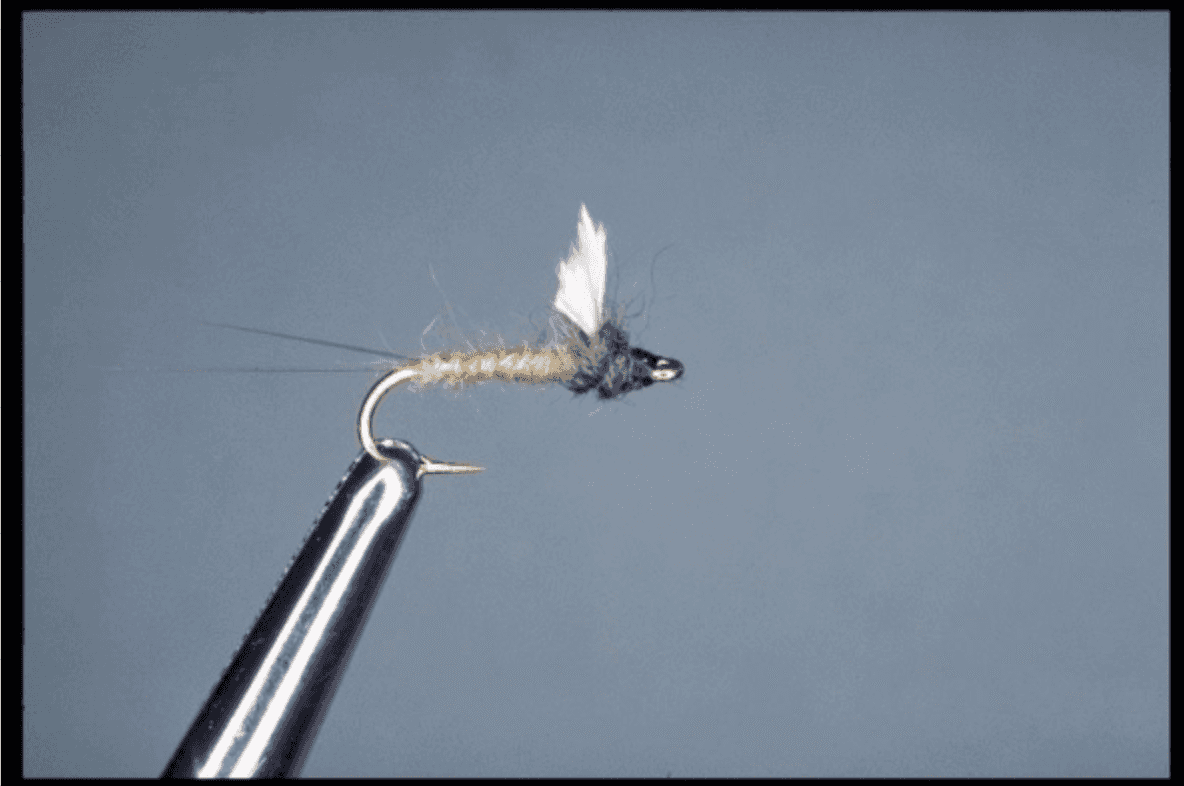
Zebra midges, RS2-style emergers, BWO dries, pheasant tails

April to June

Caddis, blue-winged olives, small mayflies, occasional stonefly activity

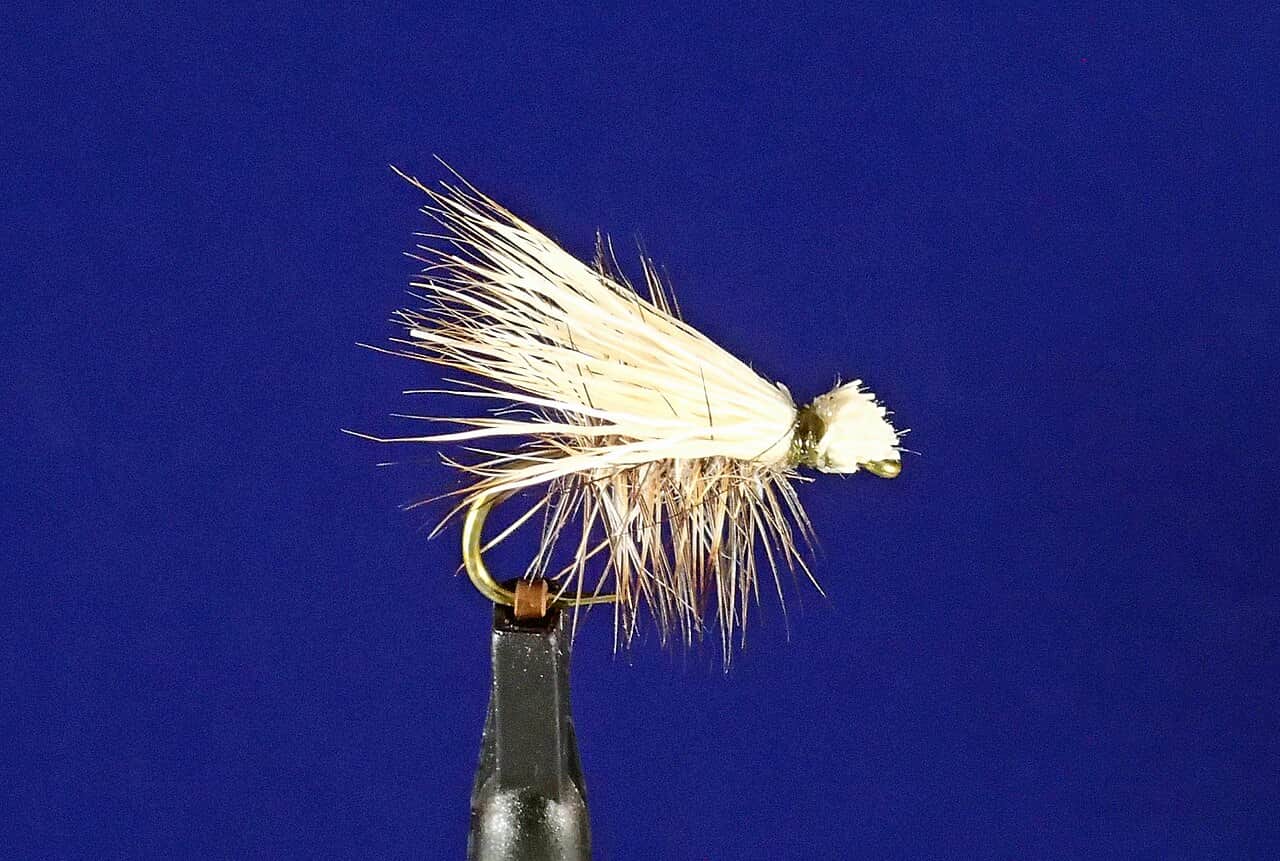
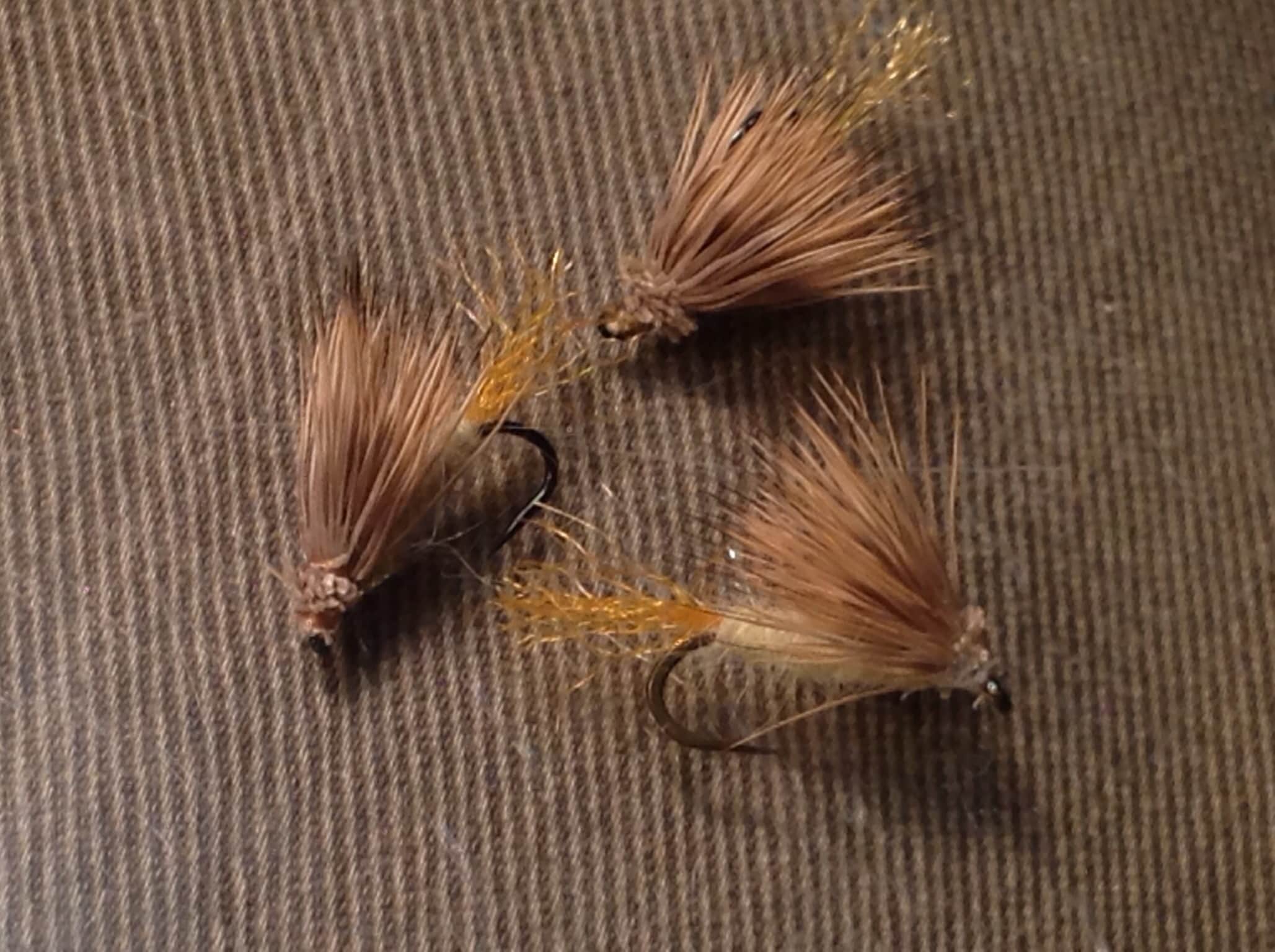
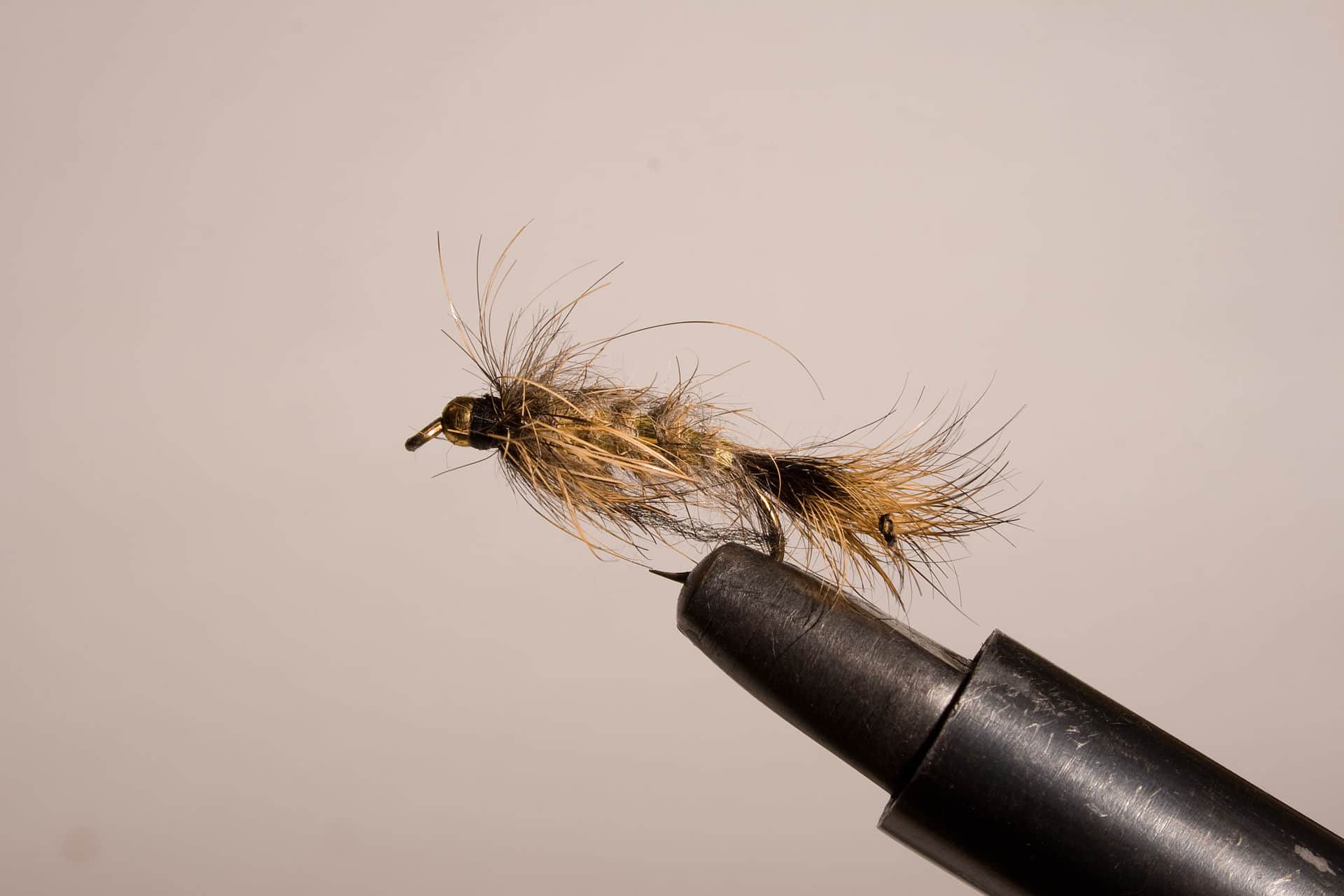
Elk hair caddis, X-caddis, hare's ears, prince nymphs, small stimulators

Summer

Terrestrials, caddis, sparse attractor-dry windows

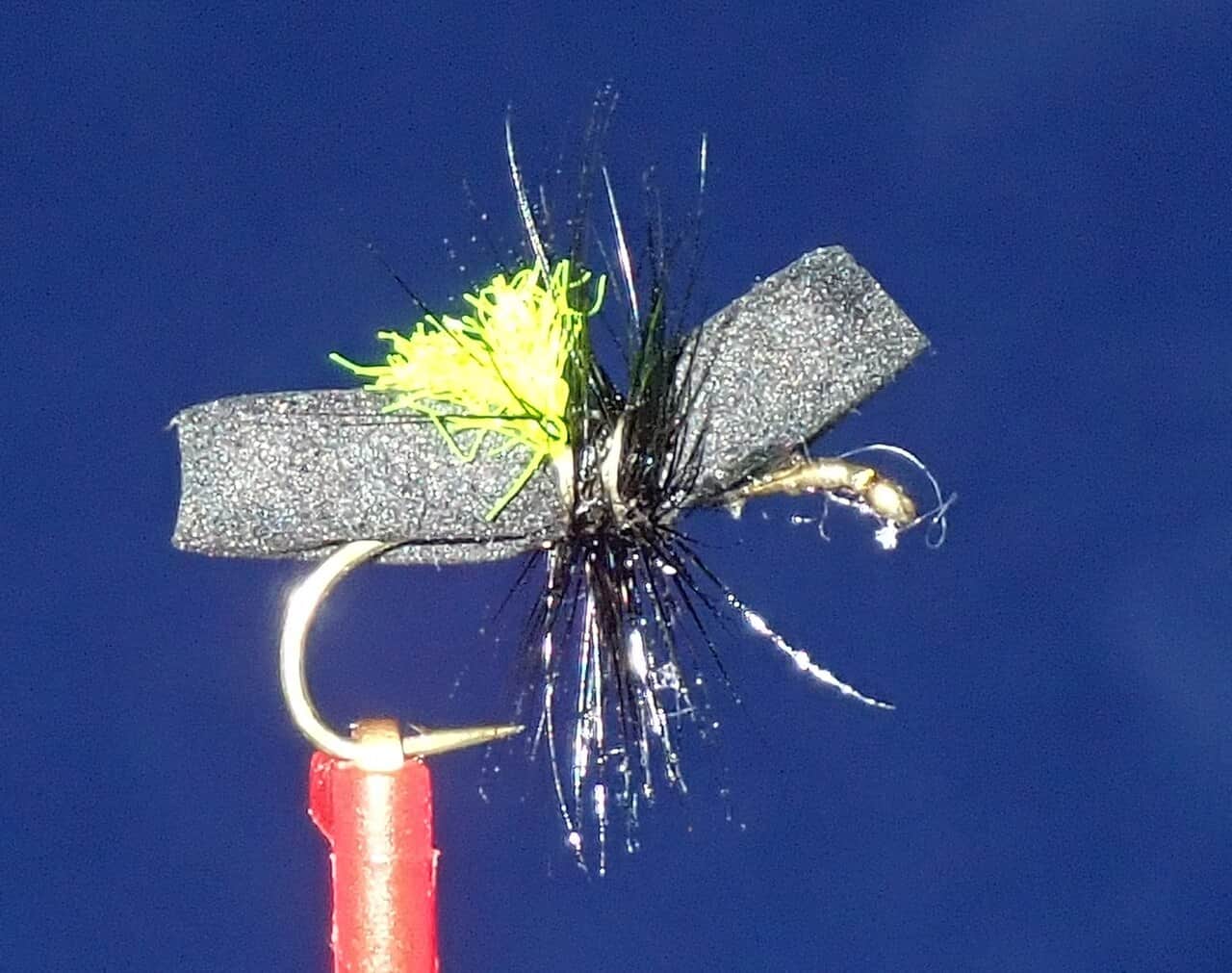
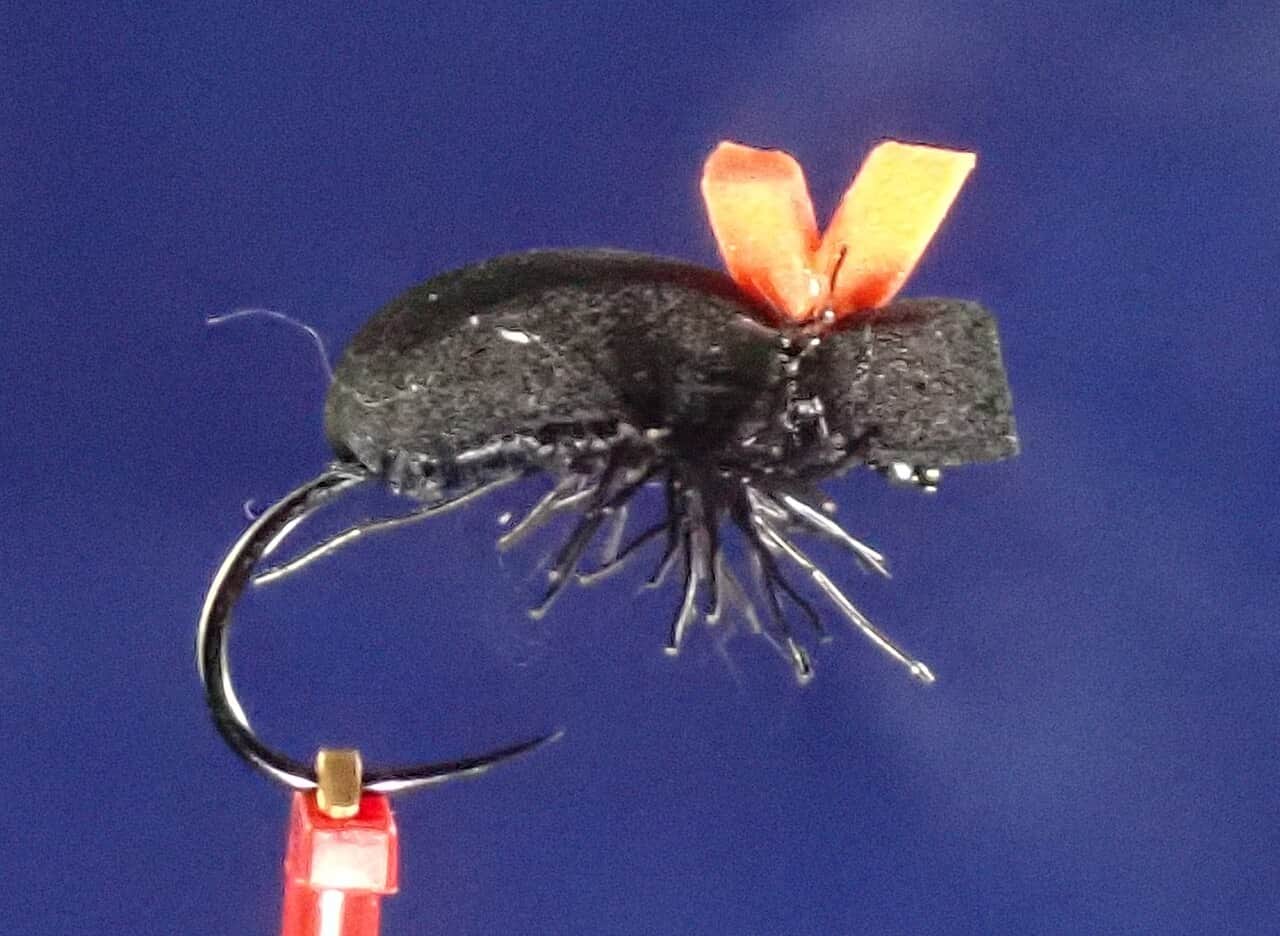
Ants, beetles, small hoppers, parachute Adams, dry-droppers

Fall

Blue-winged olives, midges, light caddis

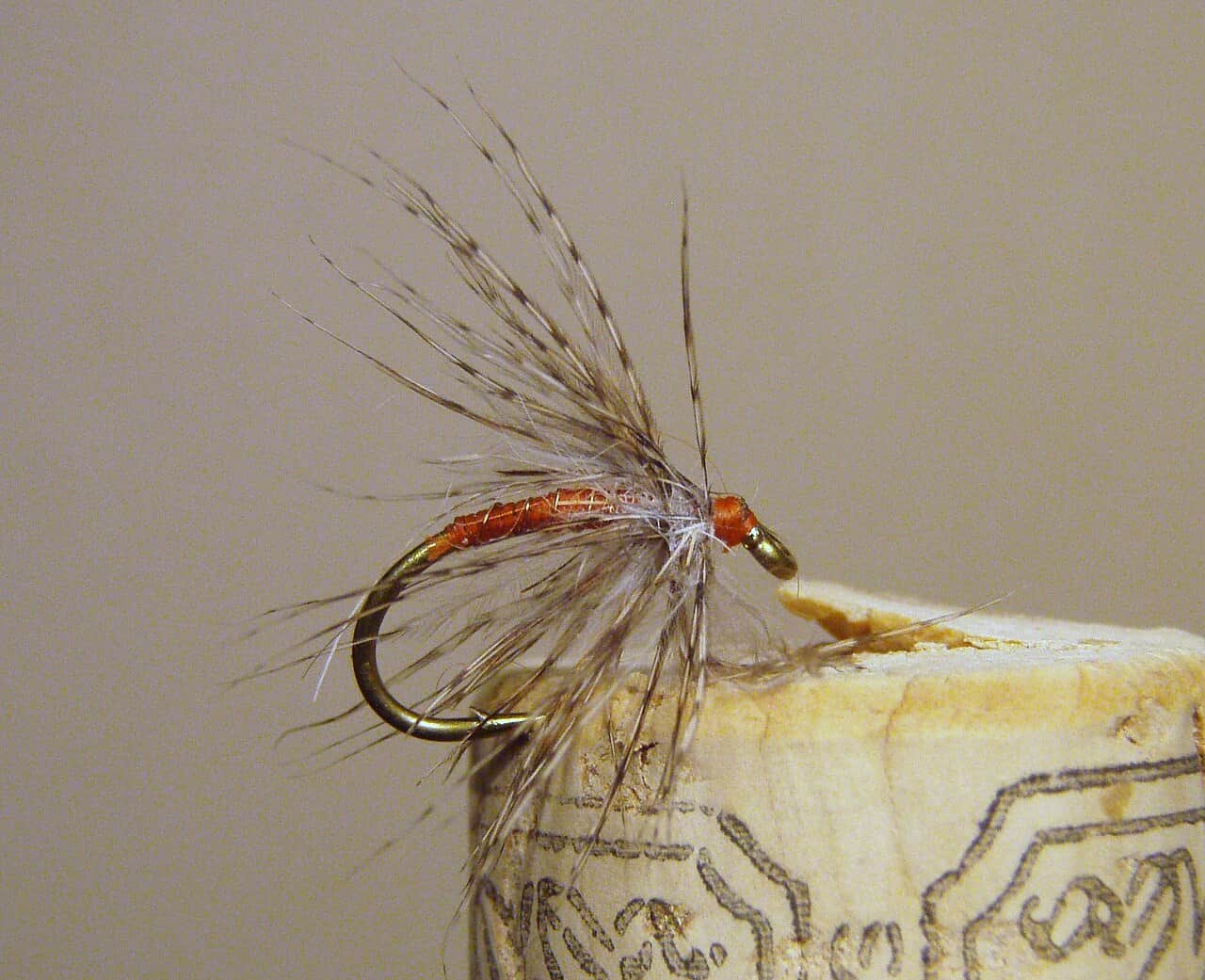
Small BWO dries, midge emergers, soft hackles, slim pheasant tails

High or stained water

Limited surface focus

Small buggers, leeches, dark jig streamers, bead-head nymphs

Small dries

Parachute Adams, BWO, elk hair caddis, X-caddis, ant, beetle, small hopper

Use in low clear water, shaded pockets, riffles, and summer terrestrial windows.

Nymphs

Pheasant tail, hare's ear, prince nymph, perdigon, zebra midge, caddis pupa

Use under a dry, indicator, or tight-line setup through pool heads, seams, and pocket water.

Dry-droppers

Stimulator, chubby dry, or parachute dry with a small tungsten dropper

Use to cover broken water without dragging too much weight through shallow trout lies.

Small streamers

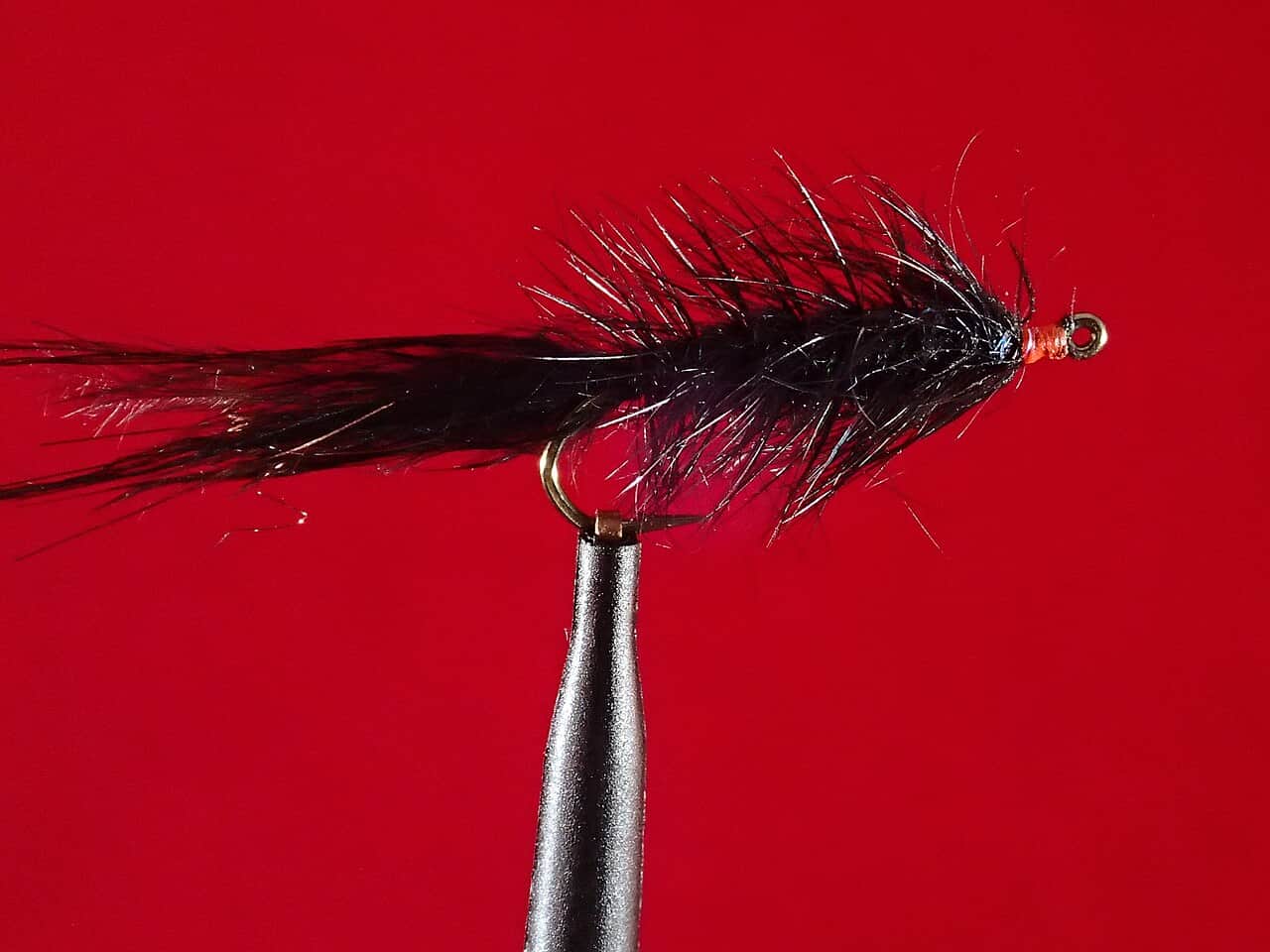
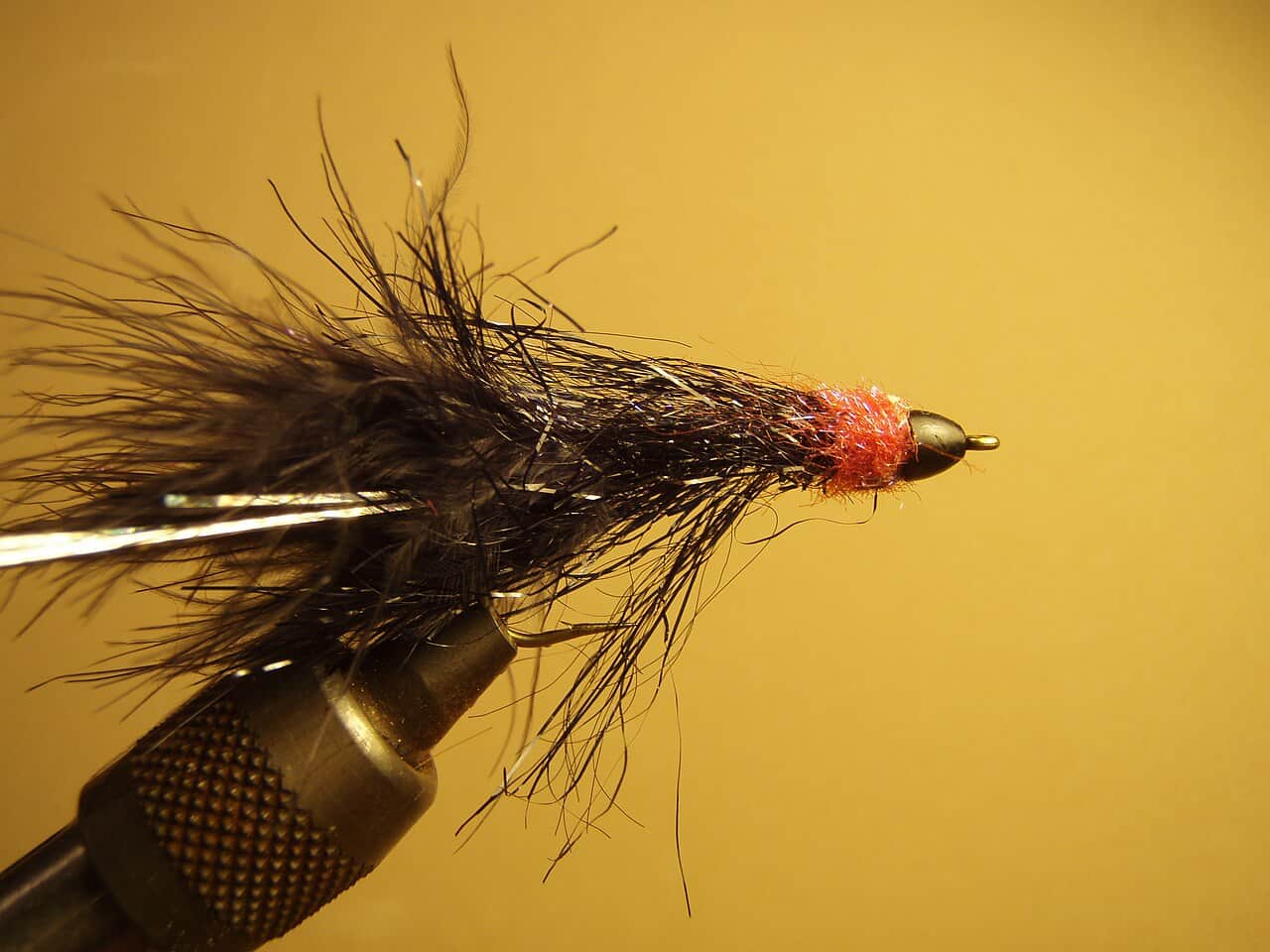
Olive bugger, black bugger, mini leech, small sculpin, dark jig streamer

Use near undercut banks, deeper pools, and slightly stained water after flows bump.

Tactics

How to fish it

Start with the reach. Upper Canyon Creek, Valentine Ridge, and the OW Bridge area have different access and regulation questions.

Use short upstream casts and keep false casting low. This is not a place where long casts help more than careful positioning.

Fish the head of pools first, then the soft inside edges, then the tailout. One clean drift before stepping into the water can save the best fish.

In low water, use small dries or a light dry-dropper and avoid lining the pool with a heavy indicator.

If water is off-color but safe, fish small streamers and nymphs close to structure rather than forcing dry flies.

Stop and clean gear before leaving the drainage so mudsnails or other aquatic hitchhikers do not move to another creek.

Rigging

Rod, leader, and setup notes

A 7.5- to 9-foot 3-weight or 4-weight handles most dry, dry-dropper, and light nymph work.

Use 9- to 12-foot leaders ending in 5X or 6X for low clear water.

Carry a small split-shot selection, but keep rigs light enough to avoid snagging shallow pockets.

A short 4X streamer leader is enough for small buggers and leeches when the creek is higher or stained.

Wear sticky traction and carry a staff if you plan to move through slick pools or uneven canyon footing.

Access

Access and planning notes

Upper Canyon Creek Campground

Upper creek start

Wade / float / trail

Campground access / walk-and-wade

When to pick it

Use it when you want a direct upper-creek visual check and roads are dry enough for a clean exit.

Caution

No trash service and small-water impact mean pack out everything and avoid trampling banks.

Valentine Ridge

Dispersed access base

Wade / float / trail

Road scout / walk-and-wade

When to pick it

Pick it when upper access is open, roads are sound, and you want more room than the first campground pool.

Caution

FR access can be the limiter after heavy rain or snow; do not force muddy road plans.

OW Bridge

Regulation split check

Wade / float / trail

Bridge scout / rules checkpoint

When to pick it

Use it when your plan depends on the catch-and-release trout reach below the bridge.

Caution

Confirm the current rule table, barbless-hook needs, and boundary context before fishing downstream.

FR 512 / FR 33 / FR 188

Road-condition decision

Wade / float / trail

Access route check

When to pick it

Treat these roads as part of the fishing decision whenever storms, snow, or mud are possible.

Caution

A fishable creek is not useful if the return road becomes unsafe.

Do not treat a mapping pin as permission. Use signed Forest Service access, current road status, and legal public water access.

Upper Canyon Creek Campground has no trash service and no potable water. Plan to pack everything out.

Forest Service pages list bear-proof food storage reminders for both Upper Canyon Creek and Valentine Ridge.

If storms are forming, leave extra time for unpaved roads. Muddy roads can outlast a short fishing window.

Because New Zealand mudsnail is listed for Canyon Creek, scrub, drain, and dry boots, waders, nets, and floatant bottles before fishing another water.

Regulations

Check before fishing

Check the current Arizona fishing regulations and posted Forest Service information before fishing. Forest Service pages for Canyon Creek list a four-trout limit upstream of OW Bridge, artificial fly and lure only, and catch-and-release trout rules from OW Bridge to the Fort Apache Reservation boundary with artificial fly and lure only and single barbless hooks. If your plan approaches reservation land, confirm separate access and permit requirements.

Primary towns

Payson, Young, Heber-Overgaard

Best day style

Small-stream walk-and-wade with road-condition checks

Check first

RiverReports, USGS stage, NWS forecast, roads, regulations

Safety

Unpaved roads, monsoon storms, winter cold, bears, mudsnails

Gear

Helpful gear for this water

Thermometer

Useful during warm periods so trout handling decisions are based on actual water temperature.

Boot-cleaning kit

Bring a brush and dry bag for gear so mud and invasive species do not move to the next water.

Compact dry-dropper box

Small dries, tungsten droppers, and a few caddis patterns cover most normal conditions.

Road and camp kit

Offline maps, water, trash bags, tire gear, and cold-weather layers matter around the unpaved access roads.

Nearby water

Other water to research

Backup logic

High or stained stage

Fish only safe edges if visibility allows, or compare Black River, Tonto Creek, and Little Colorado after checking their gauges and rules.

Monsoon, snow, or road issue

Use the road condition as a hard stop and keep the day to safer paved or verified access options.

Regulation uncertainty

Stay above the rule boundary you understand or choose another legal water rather than guessing around OW Bridge or reservation land.

Muddy or unclean gear

Clean and dry boots, waders, and nets before moving to any backup water because Canyon Creek is mudsnail-sensitive.

Black River

A larger White Mountains planning alternative with its own flow, permit, and road questions.

Tonto Creek

Another Rim-country trout stream to compare when Canyon Creek roads or flows are not right.

Little Colorado River

A White Mountains option where special regulations and access planning also matter.

FAQ

Fast answers

Is Canyon Creek fishable today?

Canyon Creek looks very fishable right now. The live score is 93/100, based on current flow, weather, public alerts, and the report's planning context. Recheck the linked gauge and forecast before leaving because conditions can change quickly after rain, heat, access changes, or flow swings.

What flow is best for Canyon Creek?

Use the RiverReports/USGS stage trend instead of a magic cfs number. Stable gage height and clear water are the best window; rising, stained, snowy, or road-limited conditions should move the plan to safer access or another water.

When should I skip Canyon Creek?

Skip or scale back when the gage is rising, water is stained, lightning is possible, FR 512/33/188 are muddy or snowy, OW Bridge or reservation-boundary rules are uncertain, or your gear is not clean enough for a mudsnail-sensitive creek.

Is Canyon Creek safe to wade right now?

The fishability score is not a wading guarantee. Wade only where your chosen access has safe edges, clear footing, legal entry, and no forced crossings; high, rising, stained, or storm-affected water should be treated conservatively.

Is Canyon Creek in Arizona good for fly fishing?

Yes, when access, water, and rules line up. It is a small high-country trout creek, so careful approaches, light rigs, and current regulation checks matter more than long casts.

What gauge should I check?

Use the RiverReports Canyon Creek page for the quick chart and USGS 09497830 above Cow Creek near Young for the official gage-height reference.

What flies should I bring?

Carry small caddis, blue-winged olives, midges, ants, beetles, dry-droppers, pheasant tails, hare's ears, zebra midges, and a few small olive or black streamers.

Are there special regulations?

Yes. Forest Service information lists artificial fly and lure rules, and catch-and-release trout rules from OW Bridge to the Fort Apache Reservation boundary. Always verify the current Arizona regulations before fishing.