Yakima River Canyon in Washington

Washington / Pacific Northwest

Yakima River

A trout-focused Yakima Canyon report for Umtanum, Cle Elum, Ellensburg, and Roza planning, with flow, hatches, access, weather, and rules.

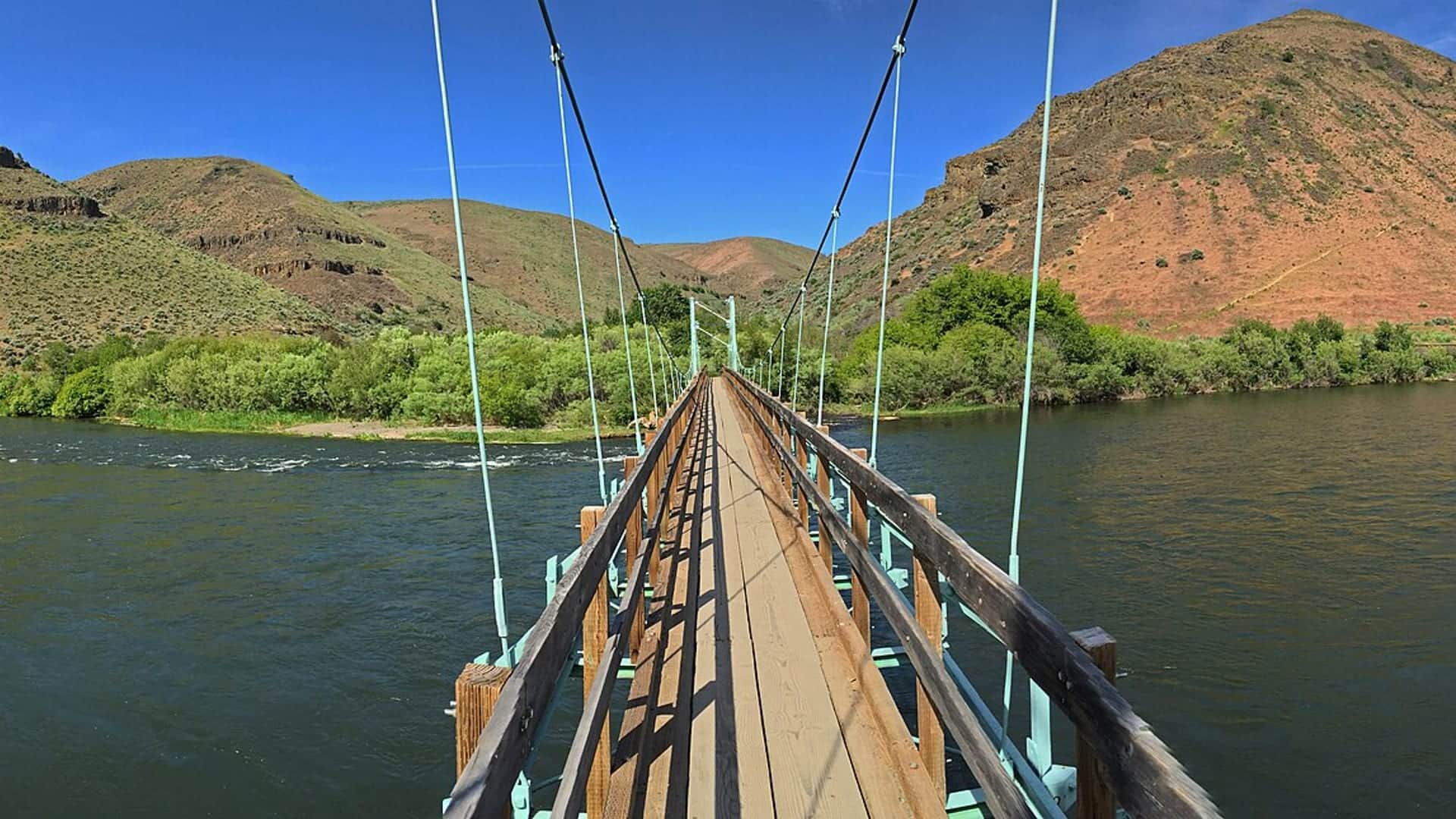
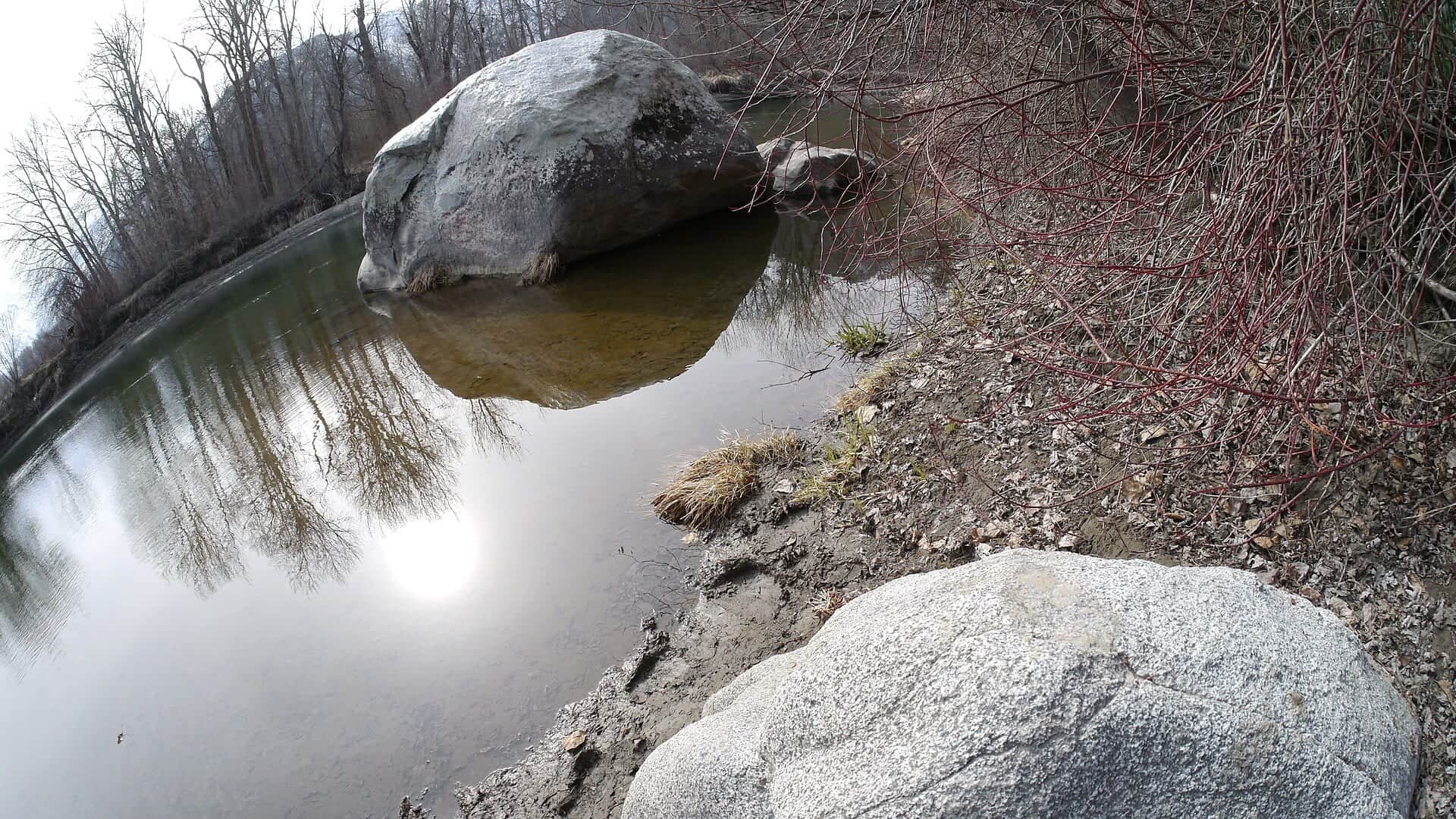
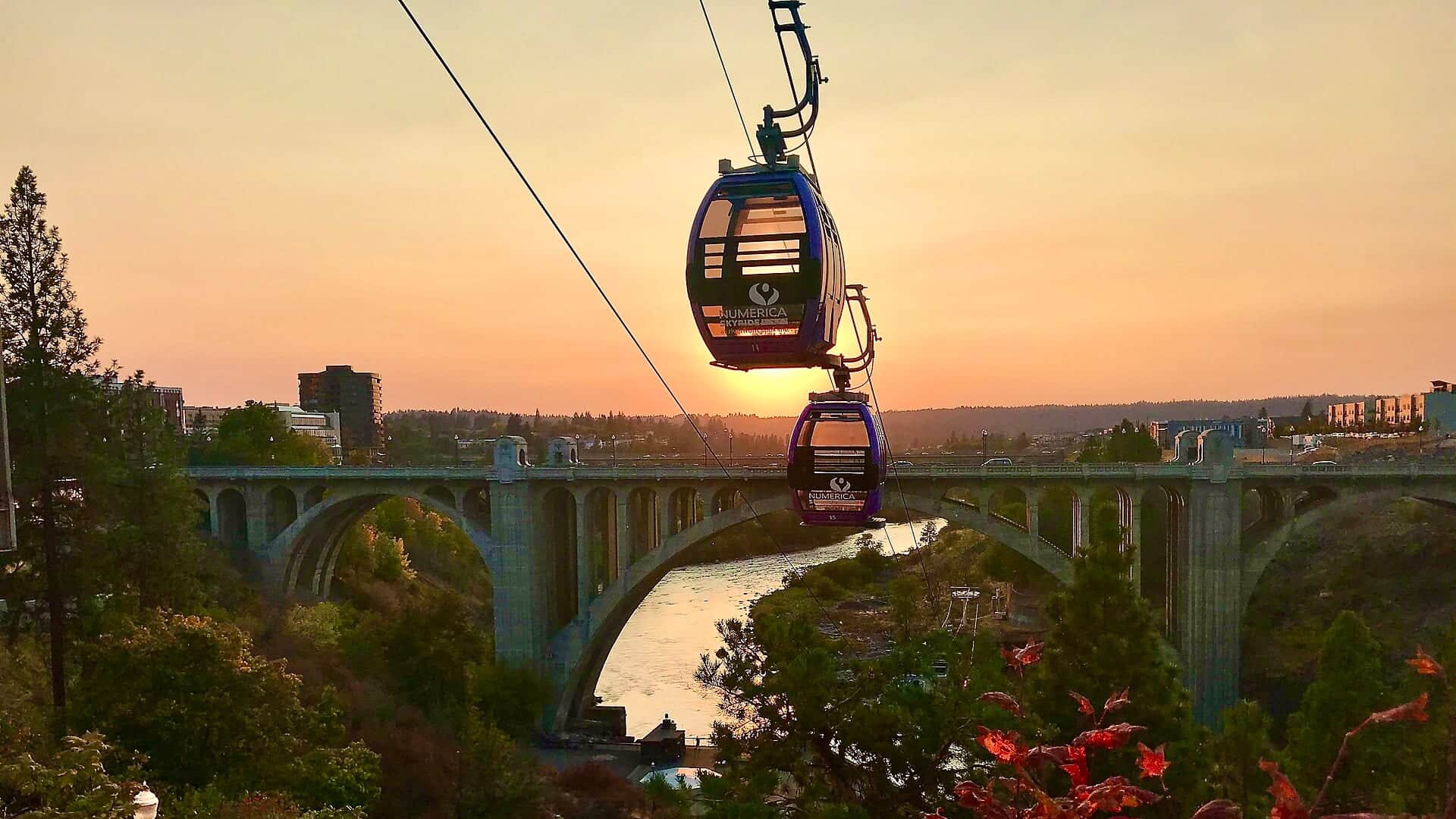
Image: Yakima River Canyon - 26718232170 / CC BY 2.0 / Bureau of Land Management Oregon and Washington

Fishability now: Yakima River fishability today

CautionData confidence: High

69/100

Cautious now because Umtanum gauge is rising, weather is mild, and a public alert may affect the plan.

Flow observed

5:15 PM UTC

Weather observed

6:00 PM UTC

Score calculated

6:18 PM UTC

Why this rating

Flow

Weather

Public alert

Next 6-12 hours

Watch

Recheck within the next few hours; rising water or active weather can change clarity and wading quickly.

More planning details: flies, flow bands, and live source checks

Fish it today

Start here

Pick the access style first: Umtanum for a canyon base, BLM recreation sites for bank and launch planning, or upper trout water only after matching flows to the reach. Then choose dries, nymphs, or streamers based on the hatch window.

Best flow clue

Use USGS 12484500 at Umtanum as the core canyon trend. Stable moderate flows are the easiest fit; high irrigation water favors experienced floats and edge tactics, while very low or warm water should shift the plan to dawn, shade, or another option.

Skip trigger

Skip or shorten the Yakima when flow changes make the chosen wade unsafe, when wind turns a float into a control problem, when summer heat threatens trout recovery, or when salmon-related rules create confusion outside the trout plan.

Flow decision bands

Stable canyon flow

Stable Umtanum flow is the easiest trout signal for wading, floating, and hatch planning.

Best wade or float window

Match the flow to the access style: moderate stable water for wades, higher controlled irrigation flow for experienced floats.

Wind, heat, or flow change

Wind can wreck boat control, summer heat can stress trout, and changing releases can erase safe wade lines.

Launch and crowd pressure

Public canyon access is strong, but launches, pullouts, boat traffic, and private edges still shape the day.

USGS flow

2,450 cfs

Open

Current trend: flow rising, rating can drop quickly if clarity or wading safety deteriorates.

Live USGS flow

2,450 cfs / rising about 16%

Live NWS forecast

68F / Chance Rain Showers

Water temperature not verified

Heat guidance uses weather and river type unless an official water-temperature value is available.

Active public alerts

Wind Advisory issued June 3 at 1:58AM PDT until June 4 at 12:00AM PDT by NWS Pendleton OR

Primary waterYakima Canyon and upper trout corridor
GaugeUSGS 12484500 at Umtanum
Access styleCanyon floats, BLM recreation sites, bank access, and selective trout water
ReviewedJune 1, 2026

Use Umtanum flow for the Yakima Canyon float and wade decision.

Spring Skwalas, March Browns, caddis, PMDs, hoppers, and October caddis can all matter.

Irrigation flows can make a familiar wade unsafe or a float faster than expected.

Treat salmon rules as separate from the trout plan and check WDFW before targeting anything else.

Editorial review

How this report is maintained

This report is maintained from current regulation, access, flow, weather, and public planning sources so anglers can make better trip decisions than a raw gauge or generic overview would allow.

Byline

BlueStreamFly editorial team

Reviewed by

BlueStreamFly source review

Maintained by

Mountain Brook Run LLC

Last material review

2026-06-01

Report confidence

High confidence

91/100

High confidence: WDFW regulation and emergency-rule sources, BLM canyon access, Umtanum access, USGS Umtanum flow, weather coverage, media credit, and route-specific Yakima trout guidance support the page. Confidence remains short of perfect because irrigation flow, summer heat, wind, and species-specific rule changes can alter the day quickly.

Regulations

WDFW permanent and emergency-rule sources are attached, including Yakima salmon context to keep salmon rules separate from trout planning.

Access

BLM Yakima River Canyon and Umtanum Recreation Area sources support the main public-access and launch framework.

Flow and weather

USGS 12484500 at Umtanum and the National Weather Service point support live flow and weather decisions.

Fishing usefulness

The page now separates canyon wade-versus-float decisions, hatch timing, irrigation flow, wind, heat, pressure, and backup-water choices.

Fishability dashboard and source review

2026-06-01 / material content or source review

WDFW regulations, emergency-rule pages, Yakima River salmon rule context, BLM Yakima River Canyon information, Umtanum Recreation Area access, USGS Umtanum flow, National Weather Service data, and BLM media-credit sources were checked before updating the current-fishability decision layer.

2026-06-01

Updated Yakima River to the current fishability-page standard with Umtanum flow bands, canyon wade and float access cards, backup cues, stable fishability SEO, and confidence signals.

2026-05-28

Added Yakima trip-fit guidance, canyon wade and float planning, Umtanum gauge framing, access nuance, pressure timing, backup-water suggestions, editorial review signals, and a page-specific report-confidence meter after source checks.

2026-05-25

Initial source-reviewed report published with flows, weather, hatches, flies, tactics, access, regulations, and FAQs.

Angler planning edge

Local details that change the plan

Best for

Anglers who want Washington's clearest trout-centered report in this group, especially for Yakima Canyon planning, Float or wade days that start with Umtanum flow, wind, temperature, and public access checks, Hatch-matching trips built around Skwalas, March Browns, caddis, PMDs, hoppers, October caddis, or nymphing when bugs are quiet, Central Washington plans that need a dependable trout option when west-side rivers are high or legally uncertain

Wade or float

Treat the Yakima as a true wade-or-float report. The canyon supports both, but irrigation releases, wind, boat traffic, and limited pullouts mean the safest choice depends on the Umtanum trend and the access site you actually plan to use.

Best flows

Use USGS 12484500 at Umtanum as the core canyon trend. Stable moderate flows are the easiest fit; high irrigation water favors experienced floats and edge tactics, while very low or warm water should shift the plan to dawn, shade, or another option.

When to skip

Skip or shorten the Yakima when flow changes make the chosen wade unsafe, when wind turns a float into a control problem, when summer heat threatens trout recovery, or when salmon-related rules create confusion outside the trout plan.

Local plan

Pick the access style first: Umtanum for a canyon base, BLM recreation sites for bank and launch planning, or upper trout water only after matching flows to the reach. Then choose dries, nymphs, or streamers based on the hatch window.

Pressure

Pressure is predictable around Skwala and spring dry-fly windows, sunny canyon weekends, and the most obvious launches. Early starts, weekday floats, and a backup reach help more than chasing the busiest hatch crowd.

Access nuance

BLM canyon access and Umtanum information give a strong public framework, but parking, launch timing, wind, rattlesnake season, and private edges still matter. Do not assume a pullout is a safe wade entry just because it is near the river.

Backup water

If the Yakima is too high, too warm, or too windy, compare the Wenatchee only after rule checks, the Spokane for an eastern Washington redband option, or the Missouri as a larger tailwater-style trout benchmark.

About the river

Setting, character, and why it fishes the way it does.

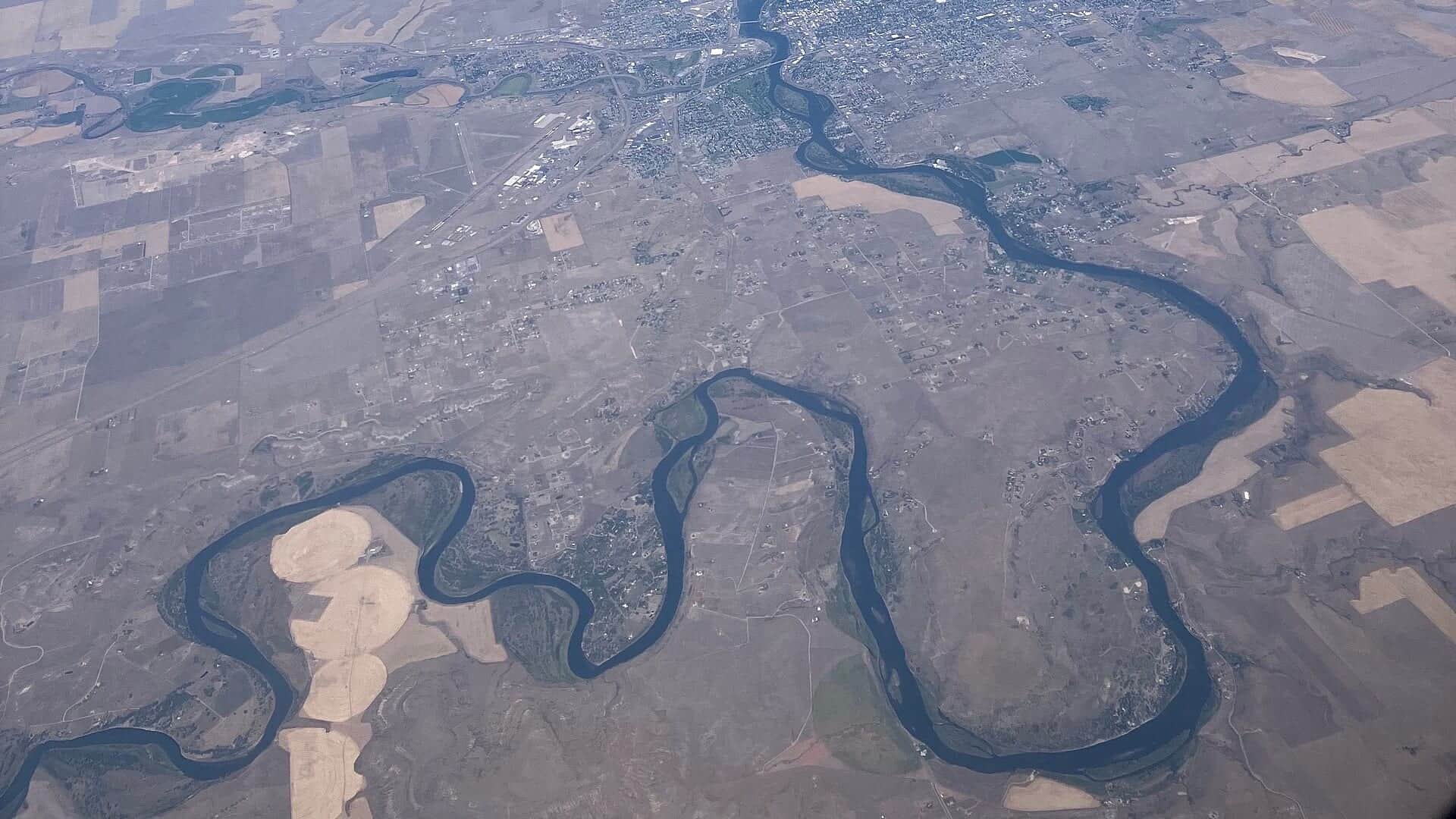
The Yakima is Washington's best-known river trout destination. This page scopes the practical fly-fishing corridor from the upper river and Ellensburg area into the Yakima Canyon around Umtanum, Lmuma, Bighorn, and Roza.

The river is shaped by irrigation releases, canyon wind, floating pressure, and a long hatch calendar. That makes live flow more useful than a generic seasonal paragraph.

The lower warmwater and salmon contexts are different enough that this report stays focused on trout-oriented canyon and upper-river planning.

Target species

Rainbow trout

The primary fly-fishing target in the canyon and upper trout corridor.

Cutthroat trout

Present in parts of the system; handle carefully and follow reach rules.

Mountain whitefish

Common and useful during nymphing windows.

Salmon

Separate from the trout plan and subject to emergency closures.

Reading the water

Stable canyon flow

Best for matching dries, nymphs, and float speed.

High irrigation flow

Float planning improves, but wading can become unsafe.

Low clear flow

Use longer leaders, smaller flies, and careful bank approaches.

Hot weather

Fish early, check temperature, and stop trout handling when water is stressful.

Best seasons

Spring

Skwalas, March Browns, BWOs, and caddis make a prime dry-fly window.

Summer

PMDs, caddis, hoppers, and early starts define the plan.

Fall

October caddis, BWOs, and streamer windows improve as water cools.

Winter

Nymphing midges and small stones works during stable, safe flows.

USGS flow

Yakima River at Umtanum

This is the fallback for rivers that are not covered by RiverReports. Use the official USGS monitoring page for the live hydrograph, station metadata, and current water trend.

Open USGS gauge

USGS data chart

Yakima River at Umtanum

Streamflow over the latest USGS reporting window.

Latest

2,450 cfs

Jun 3, 4 PM UTC

Site

12484500

Low / high

1,710 / 2,450 cfs

Source

Open USGS

Weather

River weather report

Weather can change wading safety, road access, water temperature, hatches, and the best time of day to fish.

Live forecast loads as you reach this section

This keeps the report fast while still using the official National Weather Service forecast point.

Hatches and flies

Hatch chart and fly picks

February to April

Midges, BWOs, Skwalas, March Browns, and early caddis

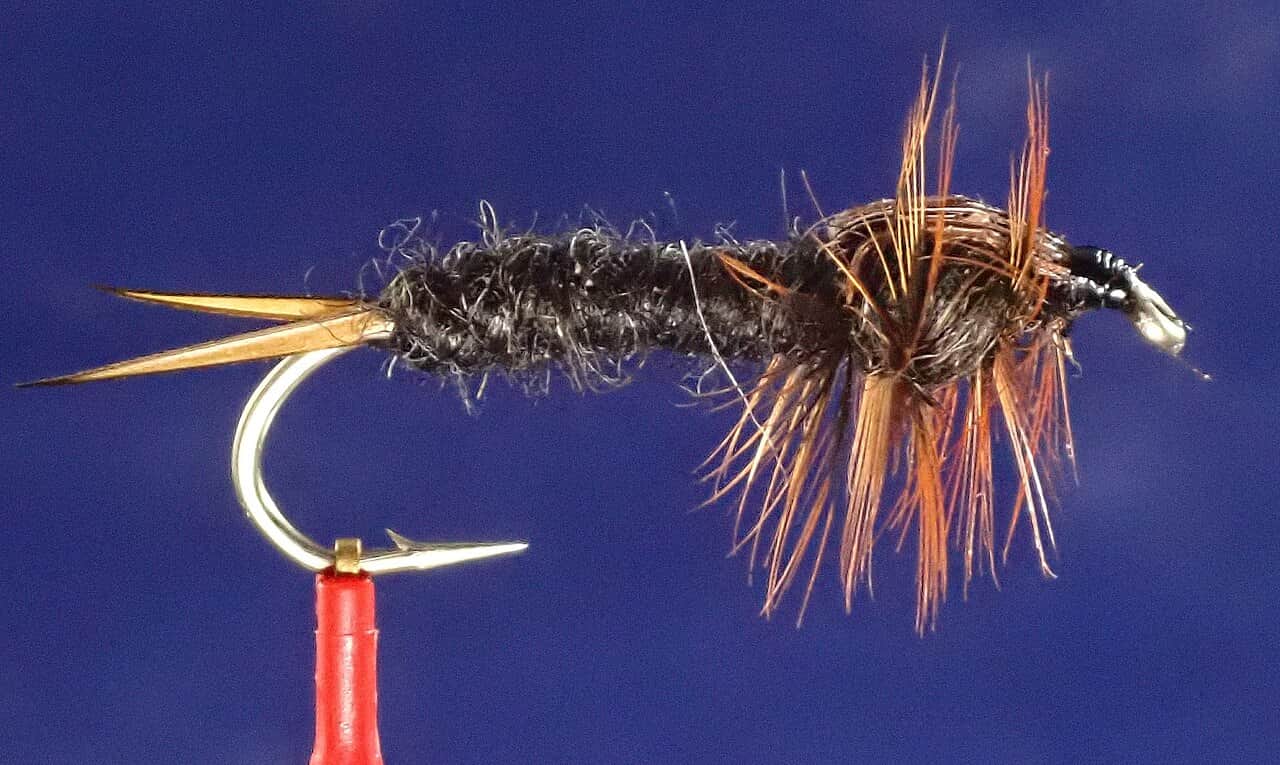
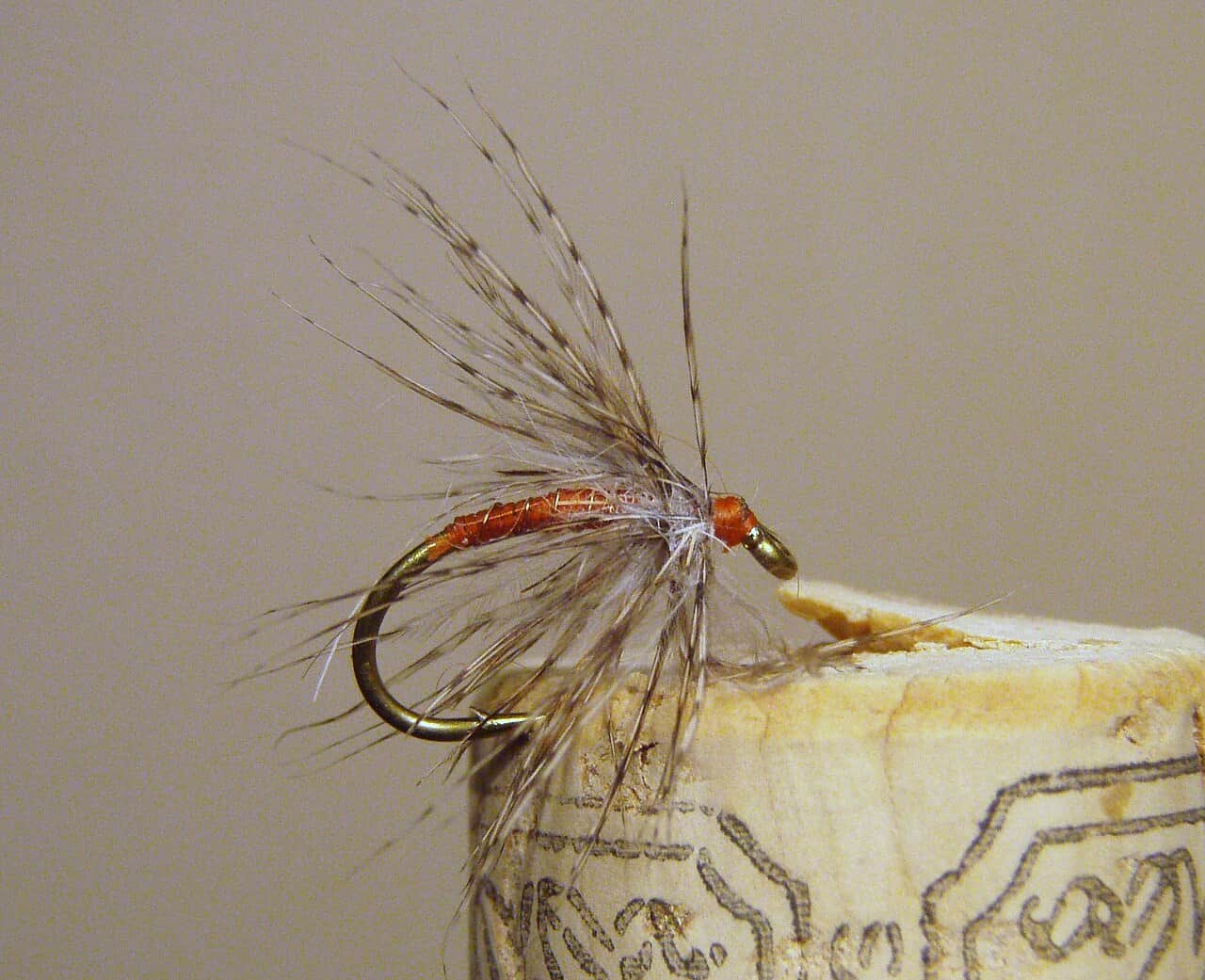
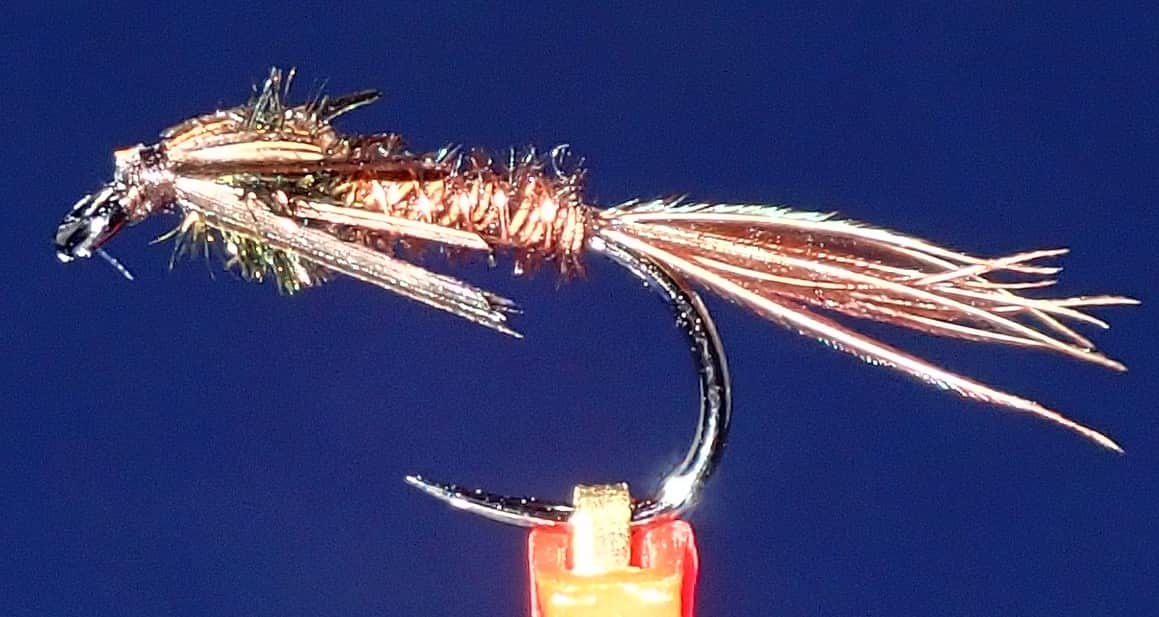
Skwala dry, BWO emerger, March Brown, Pat's rubber legs, pheasant tail

May to June

Caddis, PMDs, Yellow Sallies, stoneflies, and evening risers

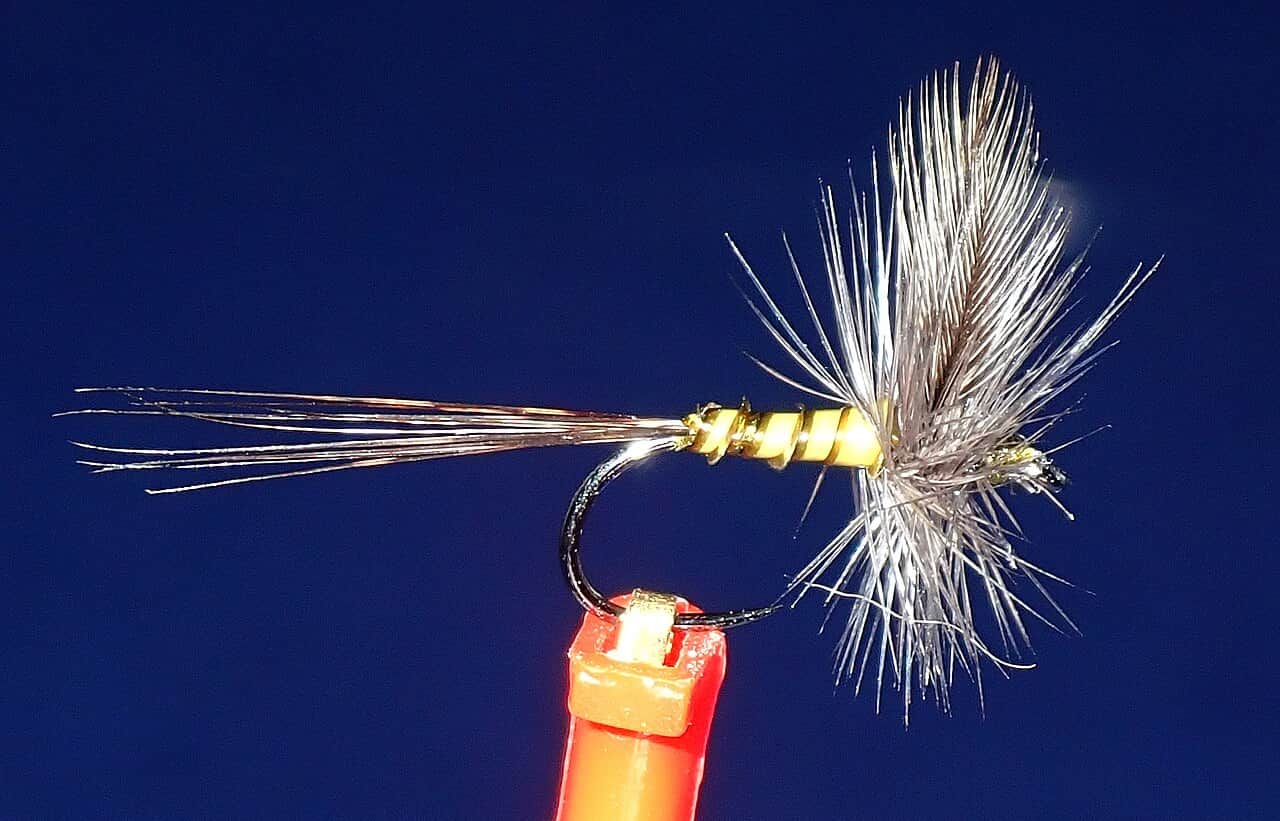
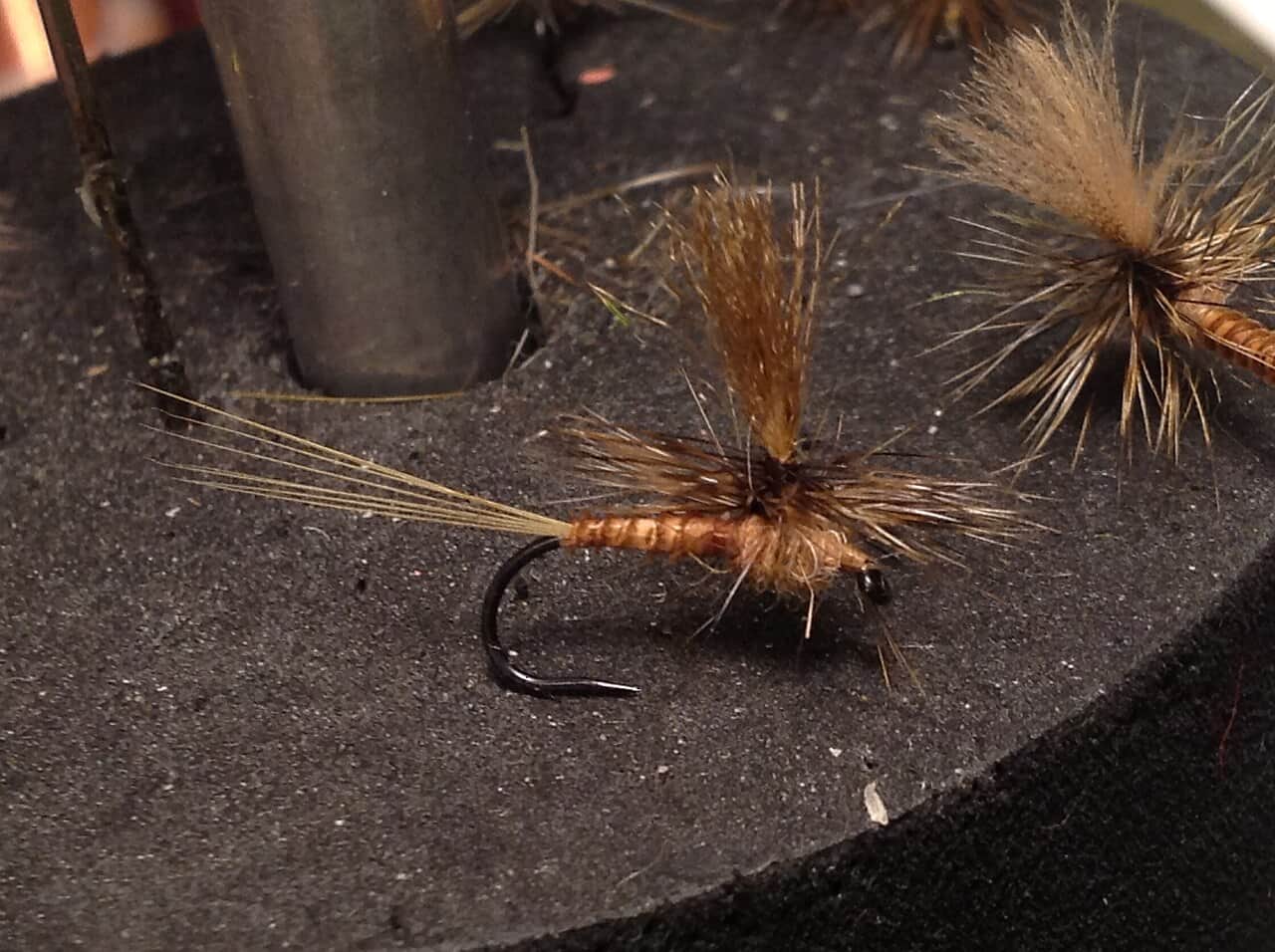
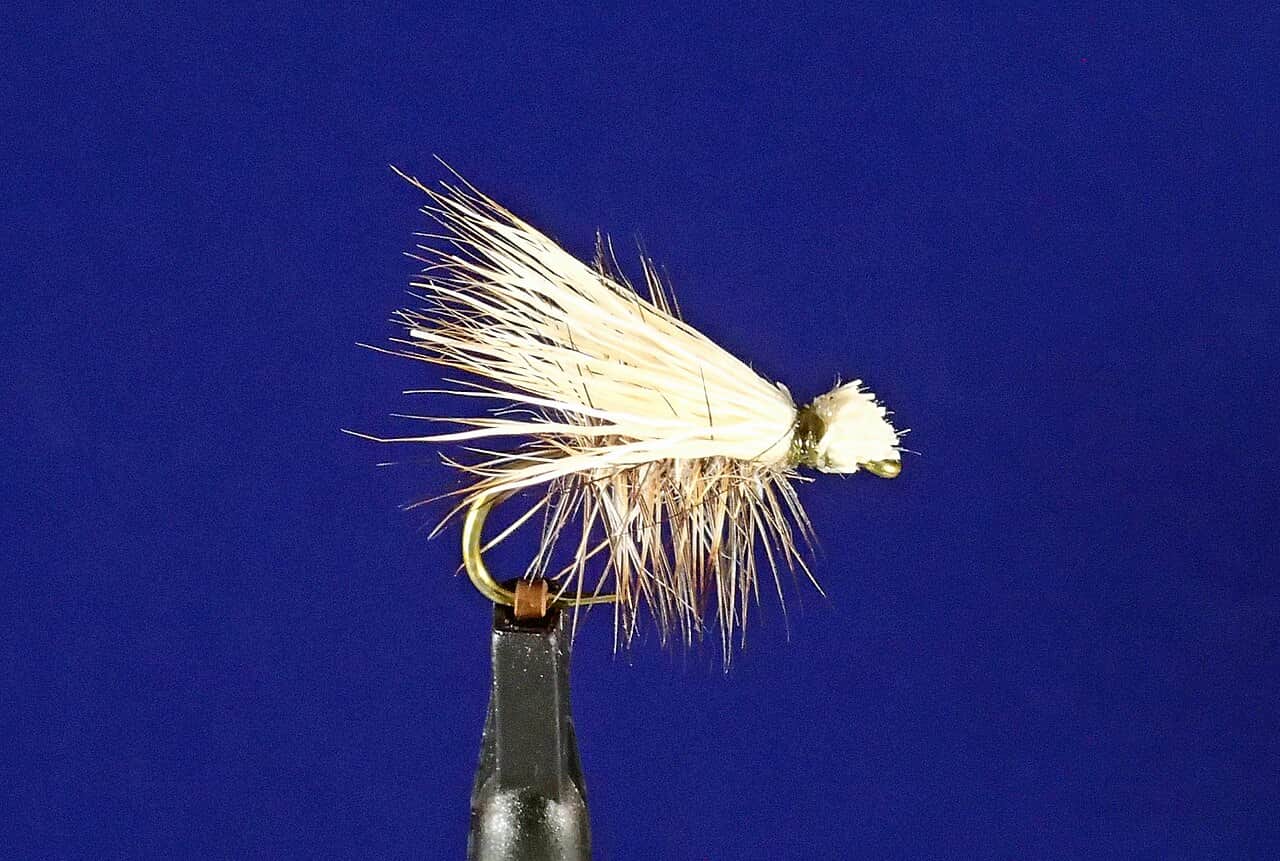
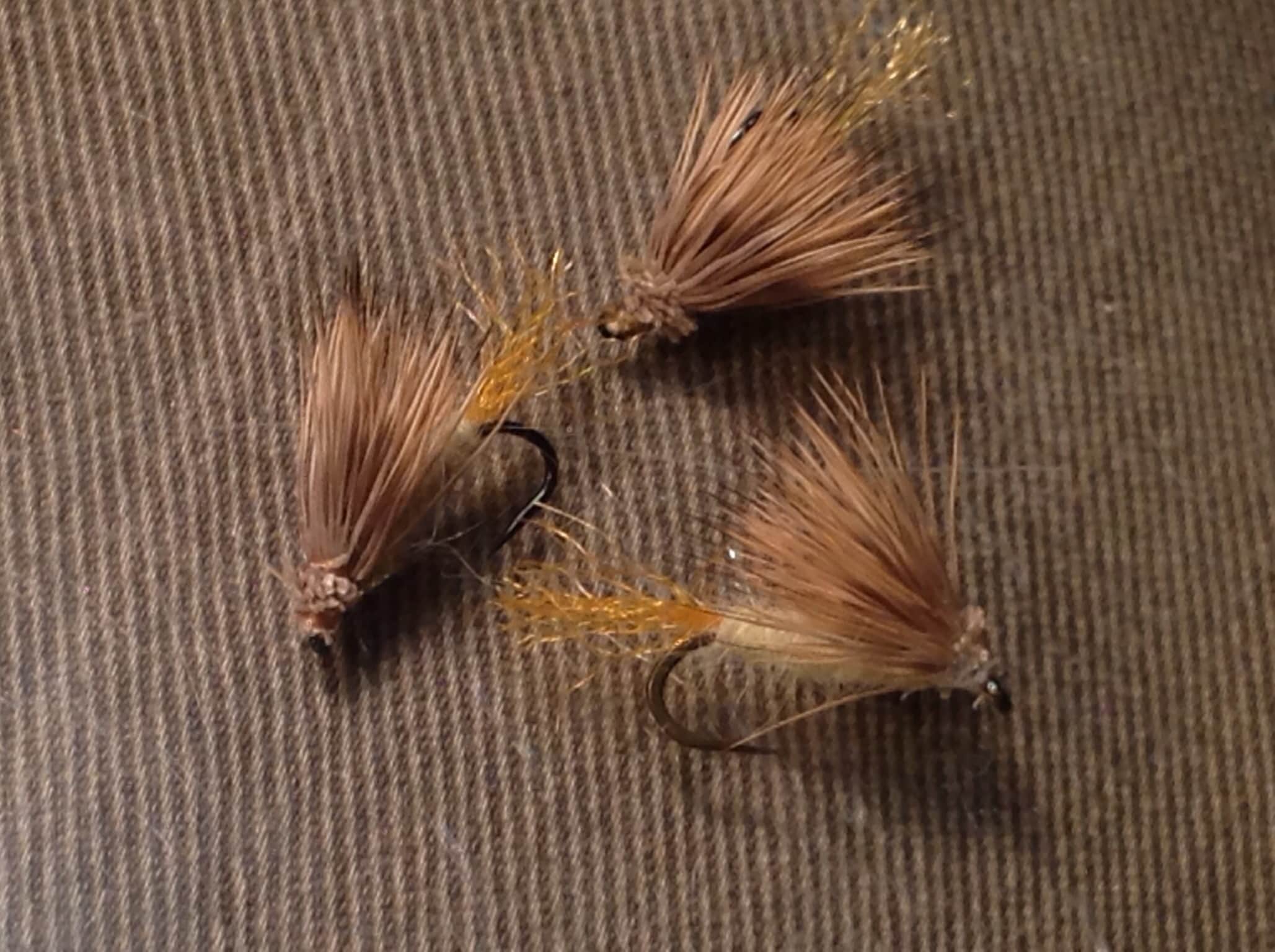
Elk hair caddis, PMD sparkle dun, yellow sally, soft hackle, perdigon

July to September

Hoppers, ants, beetles, crane flies, caddis, and low-light dries

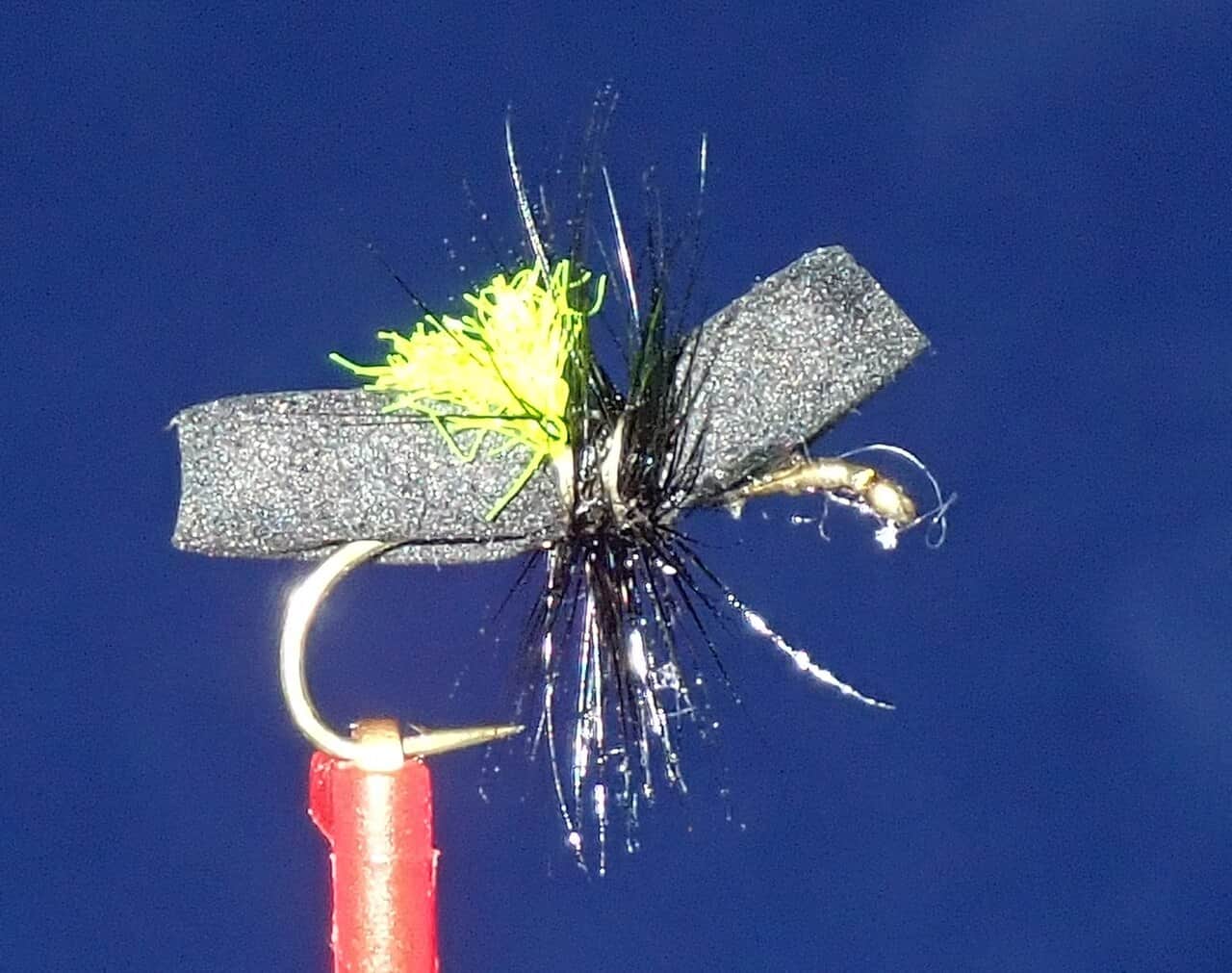
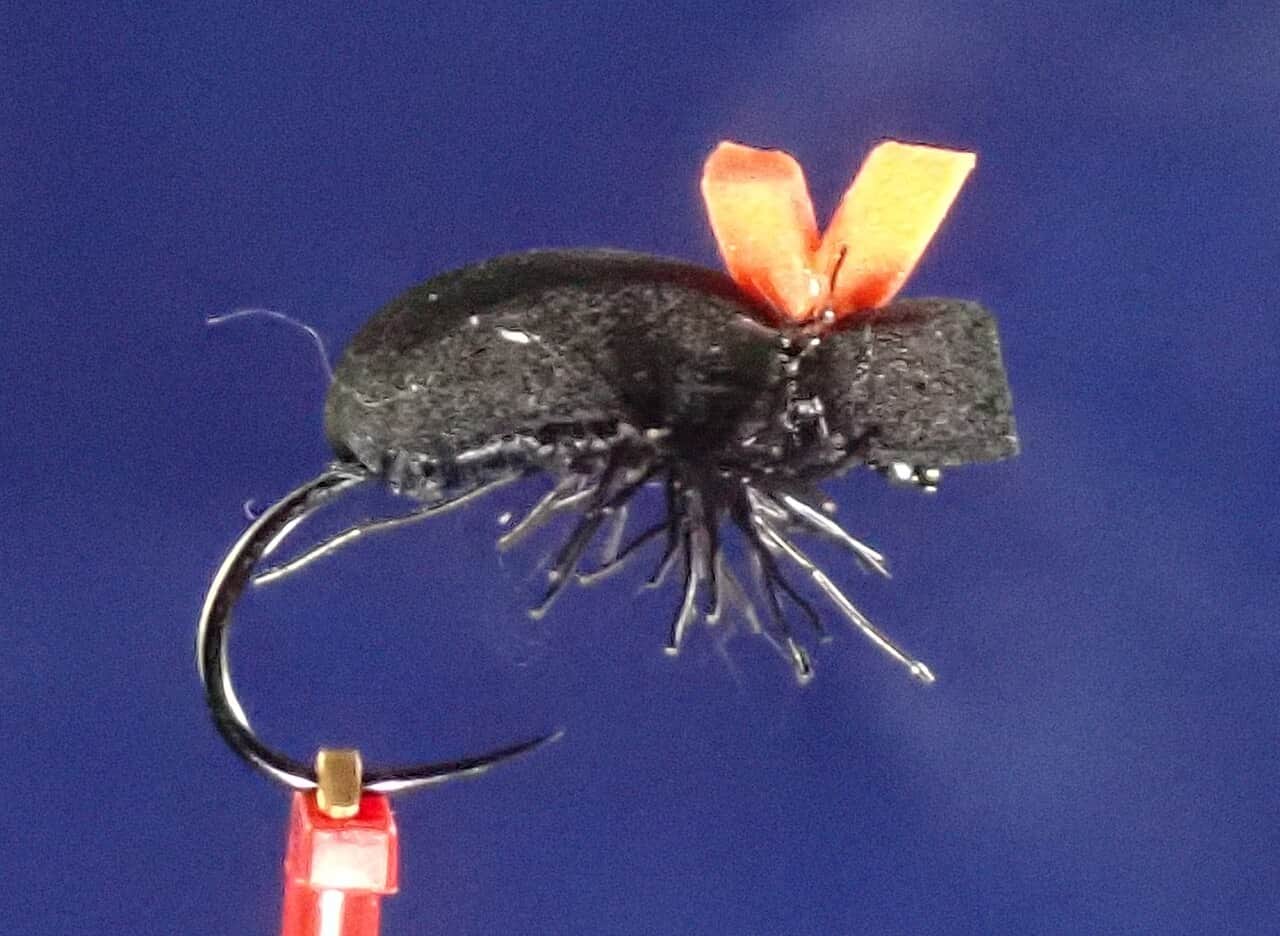
Foam hopper, ant, beetle, crane fly, X-caddis, small streamer

October to January

October caddis, BWOs, midges, and slow winter nymph windows

October caddis, BWO emerger, zebra midge, stonefly nymph, soft hackle

Dry flies

BWO, PMD, elk hair caddis, parachute Adams, small hopper, ant, beetle

Use when trout feed on top, when small seams are calm, or when a dry-dropper needs a visible point fly.

Nymphs

Pheasant tail, hare's ear, perdigon, stonefly, caddis pupa, zebra midge

Use when flows are cold, high, or bright enough that fish hold near the bottom.

Streamers

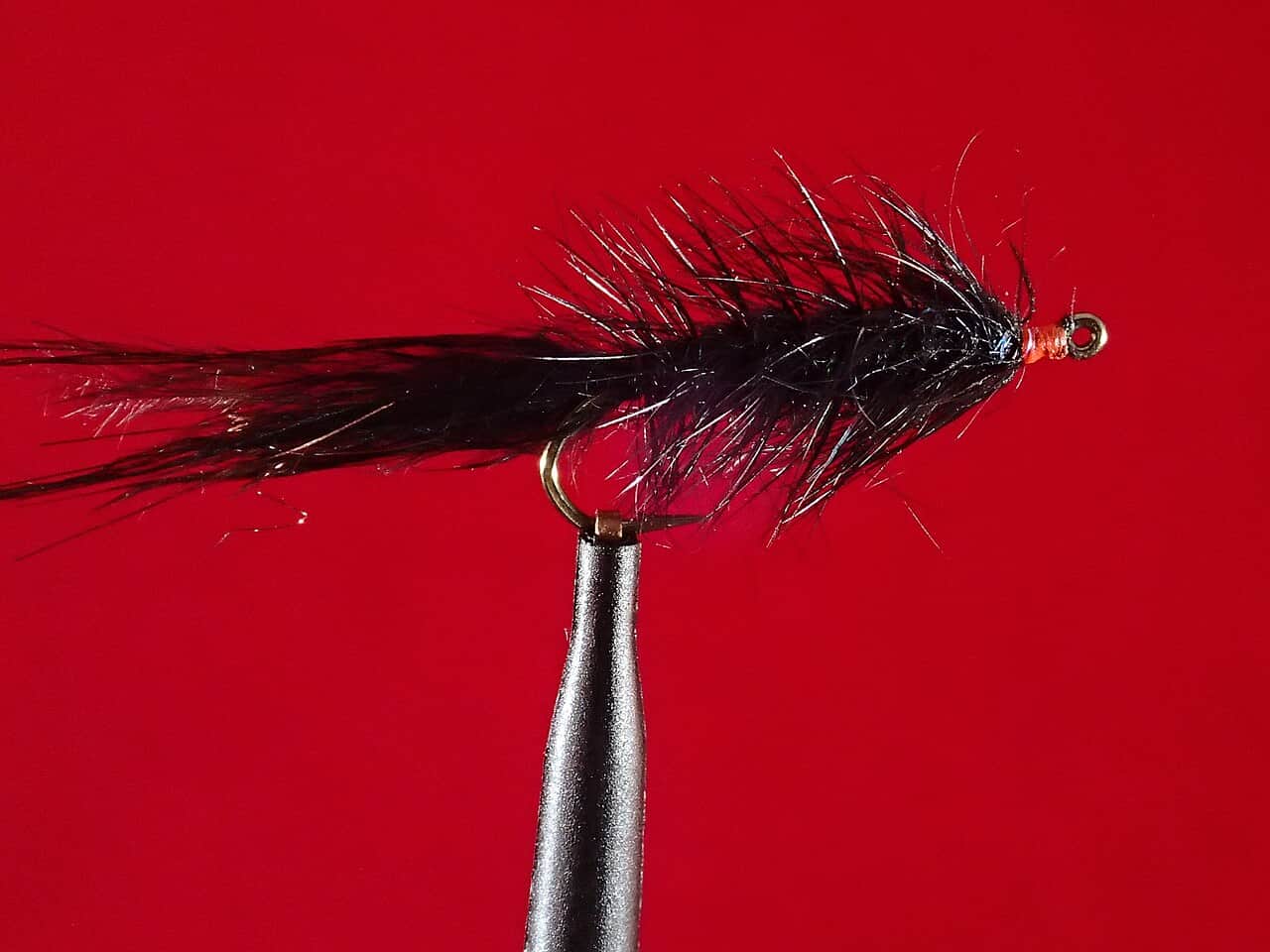
Olive bugger, sculpin, sparkle minnow, small leech, black woolly bugger

Use around banks, wood, buckets, and stained water after a safe flow check.

Tactics

How to fish it

Choose float or wade based on Umtanum flow before choosing flies.

Fish Skwalas and March Browns tight to banks in spring when adults are active.

Nymph riffle shelves and buckets when flows are up or hatches are sparse.

Use hoppers, ants, and beetles under cutbanks during warm stable flows.

Watch afternoon wind and plan takeouts before committing to a long float.

Rigging

Rod, leader, and setup notes

A 5-weight with a floating line covers most Yakima dry-fly and nymph work.

Carry a 6-weight for streamers, heavy wind, or larger foam flies.

Use 3X to 5X most days and go finer only when clear water demands it.

For floats, bring PFDs, shuttle confirmation, water, and sun protection.

Access

Access and planning notes

Umtanum gauge and access

Primary canyon decision

Wade / float / trail

USGS gauge / wade / float

When to pick it

Start here when flow, wind, and access style decide whether to wade or float.

Caution

A good score does not remove wind, boat-control, or safe-exit checks.

BLM canyon sites

Bank and launch framework

Wade / float / trail

Wade / bank / launch

When to pick it

Use these when public access, parking, and the selected reach are clear.

Caution

Private edges, rattlesnake season, and traffic need attention.

Upper trout water

Reach comparison

Wade / float / trail

Wade / hatch plan

When to pick it

Pick this when the canyon is too windy, crowded, or mismatched to your flow plan.

Caution

Upper water has its own access and flow fit; do not assume the canyon call applies everywhere.

Irrigation releases can make wading harder even on familiar bars.

Canyon wind can turn a simple float into a hard row.

Use BLM or official recreation information for camping, parking, and fire restrictions.

Regulations

Check before fishing

Check WDFW regulations and emergency rules before fishing the Yakima, especially for trout reaches, salmon closures, selective gear, temperature, and access rules.

Primary base

Ellensburg, Cle Elum, Umtanum, and the Yakima Canyon

Best day style

Canyon floats, BLM recreation sites, bank access, and selective trout water

Check first

WDFW rules, Umtanum flow, irrigation changes, water temperature, wind, and canyon access

Safety

Irrigation-driven flows, wind, cold spring water, summer heat, and boat traffic

Gear

Helpful gear for this water

4 or 5-weight rod

Good for most trout dries, nymphs, and small streamers.

Wading staff and thermometer

Useful for safe footing and trout-safe temperature checks.

Tippet from 3X to 6X

Carry heavier tippet for streamers and fine tippet for clear dry-fly water.

Wet-weather layers

Mountain weather changes fast, especially around snowmelt and storms.

Nearby water

Other water to research

Backup logic

High irrigation flow

Use an experienced float or wait for a safer wade window instead of forcing crossings.

Heat

Fish early, check temperature, and shorten trout handling during warm periods.

Wind

Cancel exposed floats and use bank water, a sheltered reach, or another trout river.

Crowding

Shift reach, start earlier, or compare the Wenatchee or Spokane only after their rule and heat checks.

Wenatchee River

A nearby snowmelt river with stricter rule checks.

Spokane River

An urban redband and smallmouth report for eastern Washington.

Missouri River

A tailwater trout benchmark when freestones are high or hot.

FAQ

Fast answers

Is Yakima River fishable today?

Yakima River is a cautious call right now. The live score is 69/100, based on current flow, weather, public alerts, and the report's planning context. Recheck the linked gauge and forecast before leaving because conditions can change quickly after rain, heat, access changes, or flow swings.

What flow is best for Yakima River?

Use USGS 12484500 at Umtanum as the core canyon trend. Stable moderate flows are the easiest fit; high irrigation water favors experienced floats and edge tactics, while very low or warm water should shift the plan to dawn, shade, or another option.

When should I skip Yakima River?

Skip or shorten the Yakima when flow changes make the chosen wade unsafe, when wind turns a float into a control problem, when summer heat threatens trout recovery, or when salmon-related rules create confusion outside the trout plan.

Is Yakima River safe to wade right now?

The fishability score is not a wading guarantee. Wade only where your chosen access has safe edges, clear footing, legal entry, and no forced crossings; high, rising, stained, or storm-affected water should be treated conservatively.

What should I check before fishing Yakima River?

WDFW rules, Umtanum flow, irrigation changes, water temperature, wind, and canyon access

Which flow should I use for Yakima River?

Use USGS 12484500 Yakima River at Umtanum for the canyon float and wade decision.

Where should I start on Yakima River?

Start with Umtanum, Bighorn, Lmuma, Roza, or Cle Elum after matching the plan to current flow.

Can I wade Yakima River?

Yes in many canyon reaches at suitable flows, but irrigation releases and slick rocks can make wading unsafe.