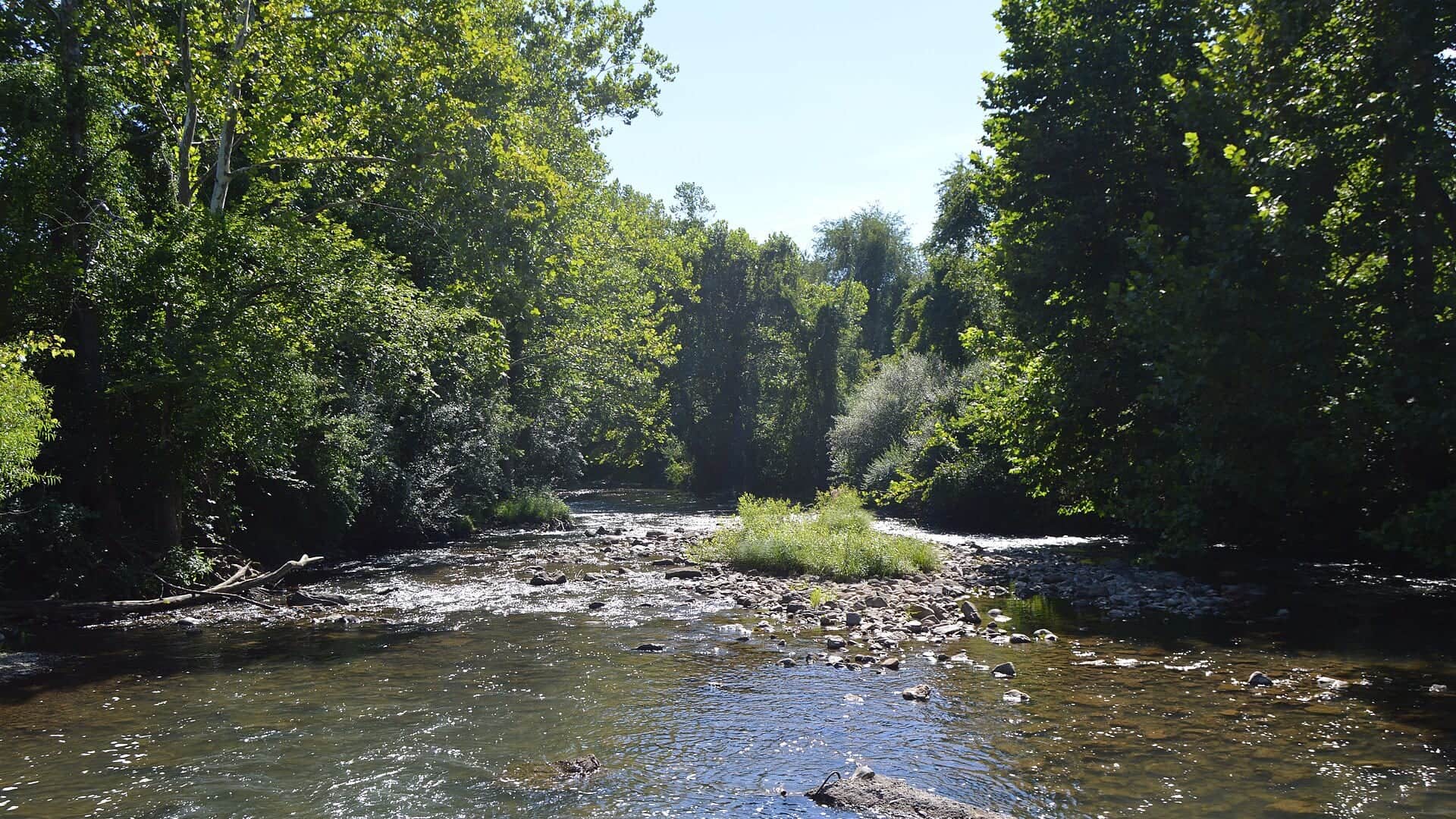
Generated regional Virginia river scene for Mossy Creek planning; not an exact location photo

Virginia / Southeast

Mossy Creek

A technical limestone spring creek report for Mossy Creek, with DWR permit rules, no-wading access, hatches, flies, and stealth tactics.

Image: Generated regional planning image for Mossy Creek / BlueStreamFly generated; not exact location / BlueStreamFly

Fishability now: Mossy Creek fishability today

UnknownData confidence: Medium

44/100

Check live sources first because flow has been checked, weather is usable, and no public alert is active.

Flow observed

Not returned

Weather observed

5:00 PM UTC

Score calculated

5:25 PM UTC

Why this rating

Flow

Weather

Public alerts

Next 6-12 hours

Hold

Wait for a better live check before committing the drive or choosing a wading plan.

More planning details: flies, flow bands, and live source checks

Fish it today

Start here

Confirm DWR rules and the landowner permit first, then choose a short Bridgewater-area bank plan with long leaders, polarized glasses, and a backup river if conditions are not respectful to fish or landowners.

Best flow clue

No dependable public live discharge graph was verified for the page. Plan around DWR rules, the landowner permit, spring-creek clarity, recent rain, bank condition, wind, and trout temperature instead of a gauge-only decision.

Skip trigger

Skip or change the trip when the permit or current access rules are not confirmed, parking is crowded or unclear, banks are muddy or vulnerable, water is warm, fish are heavily pressured, or wind makes clean bank casts unrealistic.

Flow decision bands

No verified live gauge

Use DWR rules, landowner permit status, recent rain, bank condition, wind, clarity, and trout temperature instead of a gauge-only decision.

Best spring-creek window

Confirmed permit access, clear enough water, light wind, cool temperatures, and respectful bank condition make Mossy most fishable.

Muddy, windy, or vulnerable banks

Recent rain, muddy banks, wind that prevents clean casts, or heavy pressure should move the plan elsewhere.

Access rule hard stop

No permit, unclear parking, no-wading compliance concern, or landowner-courtesy issue should cancel the Mossy plan.

Flow check

No live chart

No live flow chart is embedded here. Use the listed release, weather, and access sources before leaving.

Current trend: previous-score comparison will become more useful after repeated live checks.

No structured live flow

Use the linked flow and access sources before deciding.

Live NWS forecast

75F / Sunny

Water temperature not verified

Heat guidance uses weather and river type unless an official water-temperature value is available.

No NWS alert flag

No active NWS alert was returned for this forecast point.

Primary waterMossy Creek special-regulation reach near Bridgewater
Flow checkNo verified live flow graph; spring-creek conditions and rules matter first
Access stylePermit-required private-land corridor with no wading and strict courtesy rules
ReviewedJune 1, 2026

Get the required landowner permit and read current DWR rules before fishing.

Do not wade; fish from the bank and protect private-property access.

Long leaders, small dries, scuds, and terrestrials are more useful than heavy rigs.

Sight-fish carefully and stop if water temperature or handling stress becomes a problem.

Editorial review

How this report is maintained

This report is maintained from current regulation, access, flow, weather, and public planning sources so anglers can make better trip decisions than a raw gauge or generic overview would allow.

Byline

BlueStreamFly editorial team

Reviewed by

BlueStreamFly source review

Maintained by

Mountain Brook Run LLC

Last material review

2026-06-01

Report confidence

Good confidence

84/100

Good confidence: Virginia DWR regulation, special-trout, waterbody, landowner-permit, weather coverage, generated-image disclosure, and route-specific spring-creek guidance support the page. Confidence is moderated by the lack of a verified live gauge, private-land access dependence, bank-condition decisions, pressure, and wind.

Regulations

Virginia DWR freshwater and special-regulation trout sources support the current legal-check path.

Access

DWR Mossy Creek and landowner-permit sources support the permit-first, bank-only access framework.

Flow and weather

No dependable public live discharge graph is used; weather, recent rain, clarity, bank condition, wind, and trout temperature drive the conservative no-gauge decision.

Fishing usefulness

The page now separates no-wading access, permit checks, spring-creek stealth, heat restraint, pressure, wind, and backup-water choices.

Fishability dashboard and source review

2026-06-01 / material content or source review

Virginia DWR freshwater and special-regulation trout sources, DWR Mossy Creek waterbody information, DWR landowner-permit guidance, National Weather Service data, and generated-image disclosure were checked before updating the current-fishability decision layer.

2026-06-01

Updated Mossy Creek to the current fishability-page standard with no-gauge spring-creek bands, permit-first access cards, backup cues, stable fishability SEO, and confidence signals.

2026-05-29

Added Mossy Creek trip-fit guidance, permit and no-wading reminders, bank-only presentation planning, spring-creek pressure notes, temperature cautions, backup-water suggestions, editorial review signals, and a page-specific confidence meter after source review.

2026-05-24

Initial source-reviewed report published with flows, weather, hatches, flies, tactics, access, regulations, and FAQs.

Angler planning edge

Local details that change the plan

Best for

Virginia spring-creek trout anglers who are willing to fish slowly from the bank under current DWR access rules, Sight-fishing, scud, midge, terrestrial, and small-dry sessions where one accurate cast matters more than covering water, Anglers who understand that the required permit, no-wading rule, parking, and landowner courtesy are part of the fishing plan, Trips that can pivot to South Fork Shenandoah, Jackson River, or Lower Jackson when wind, pressure, or access makes Mossy a poor fit

Wade or float

Treat Mossy as a bank-only spring-creek report. Do not wade, and do not turn private-field edges or informal pullouts into access. The useful plan is a quiet walking route with permission, clean casts, and low handling stress.

Best flows

No dependable public live discharge graph was verified for the page. Plan around DWR rules, the landowner permit, spring-creek clarity, recent rain, bank condition, wind, and trout temperature instead of a gauge-only decision.

When to skip

Skip or change the trip when the permit or current access rules are not confirmed, parking is crowded or unclear, banks are muddy or vulnerable, water is warm, fish are heavily pressured, or wind makes clean bank casts unrealistic.

Local plan

Confirm DWR rules and the landowner permit first, then choose a short Bridgewater-area bank plan with long leaders, polarized glasses, and a backup river if conditions are not respectful to fish or landowners.

Pressure

Pressure is high because Mossy is famous and access is limited. Move slowly, give other anglers room, and leave before stretching rules or crowding private-land water.

Access nuance

Mossy Creek access depends on continued landowner cooperation. Dogs, wading, poor parking, litter, and shortcut behavior can damage the opportunity for everyone.

Backup water

If Mossy is crowded, warm, windy, muddy, or access-limited, compare South Fork Shenandoah, Jackson River, or Lower Jackson River rather than bending the rules.

About the river

Setting, character, and why it fishes the way it does.

Mossy Creek is a Shenandoah Valley limestone spring creek near Bridgewater. It is not a typical public freestone stream; it flows through private agricultural land with special access and no-wading expectations.

That character is exactly why the page needs more than a regulation summary. Anglers need to understand stealth, bank-only presentations, landowner courtesy, and why one careless shortcut can damage public access.

The fishing itself is technical and rewarding: brown trout, clear spring water, small insects, terrestrials, and fish that punish sloppy casts. Plan like a guest, not like a roadside wader.

Target species

Brown trout

Primary target, often wary and structure-oriented in clear spring water.

Rainbow and brook trout context

Possible by management or incidental context; verify current DWR information.

Sculpins and small forage

Important food base for larger browns and streamer windows.

Warmwater bycatch

Rock bass and other species can appear, but the trout plan drives this page.

Reading the water

Clear low water

Lengthen the leader, downsize flies, and stay well back from the bank.

Cloud cover

Sight-fishing, BWOs, and small streamers can improve.

Warm afternoons

Check temperature and shorten handling or stop fishing.

Muddy banks

Move carefully and avoid damaging landowner property or creek banks.

Best seasons

Spring

Strong BWO, sulphur, midge, scud, and sight-fishing window.

Summer

Terrestrials can be excellent, but heat and pressure demand restraint.

Fall

Cooler water, wary browns, and streamer or terrestrial chances.

Winter

Midges, scuds, and slow presentations during legal, stable windows.

Flow

Mossy Creek spring creek

No verified public live gauge is used for Mossy Creek. Plan around current DWR rules, the landowner permit, spring-creek clarity, recent rain, bank condition, wind, and trout temperature instead of a gauge-only decision.

Weather

River weather report

Weather can change wading safety, road access, water temperature, hatches, and the best time of day to fish.

Live forecast loads as you reach this section

This keeps the report fast while still using the official National Weather Service forecast point.

Hatches and flies

Hatch chart and fly picks

March to May

BWOs, midges, sulphurs, scuds, sowbugs, and careful sight-fishing

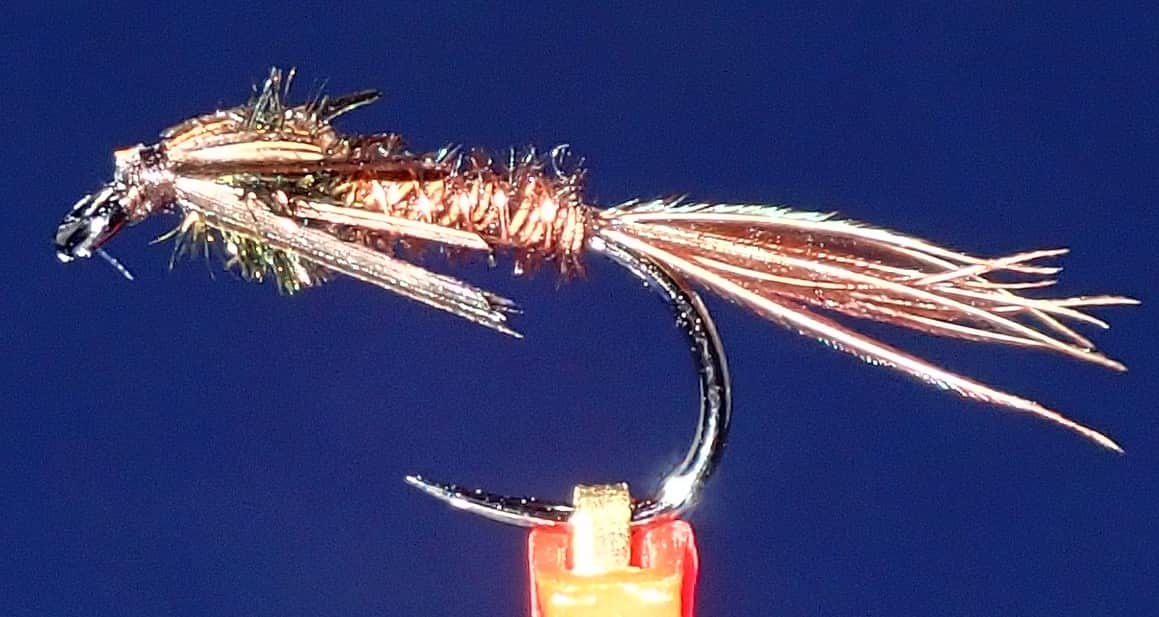
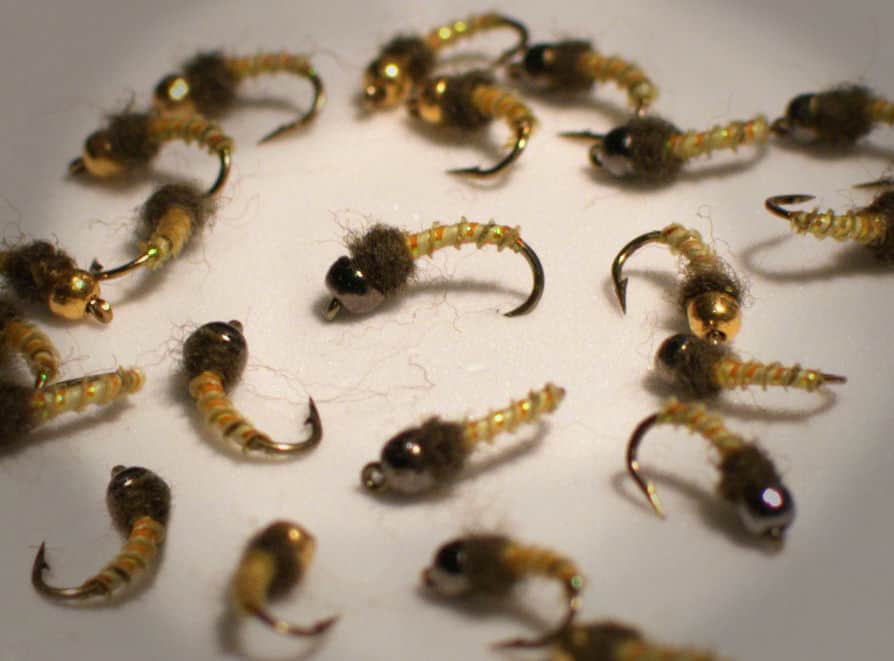
BWO emerger, zebra midge, scud, pheasant tail, sulphur emerger

June to July

Tricos, sulphurs, cress bugs, ants, beetles, and low-light dry-fly windows

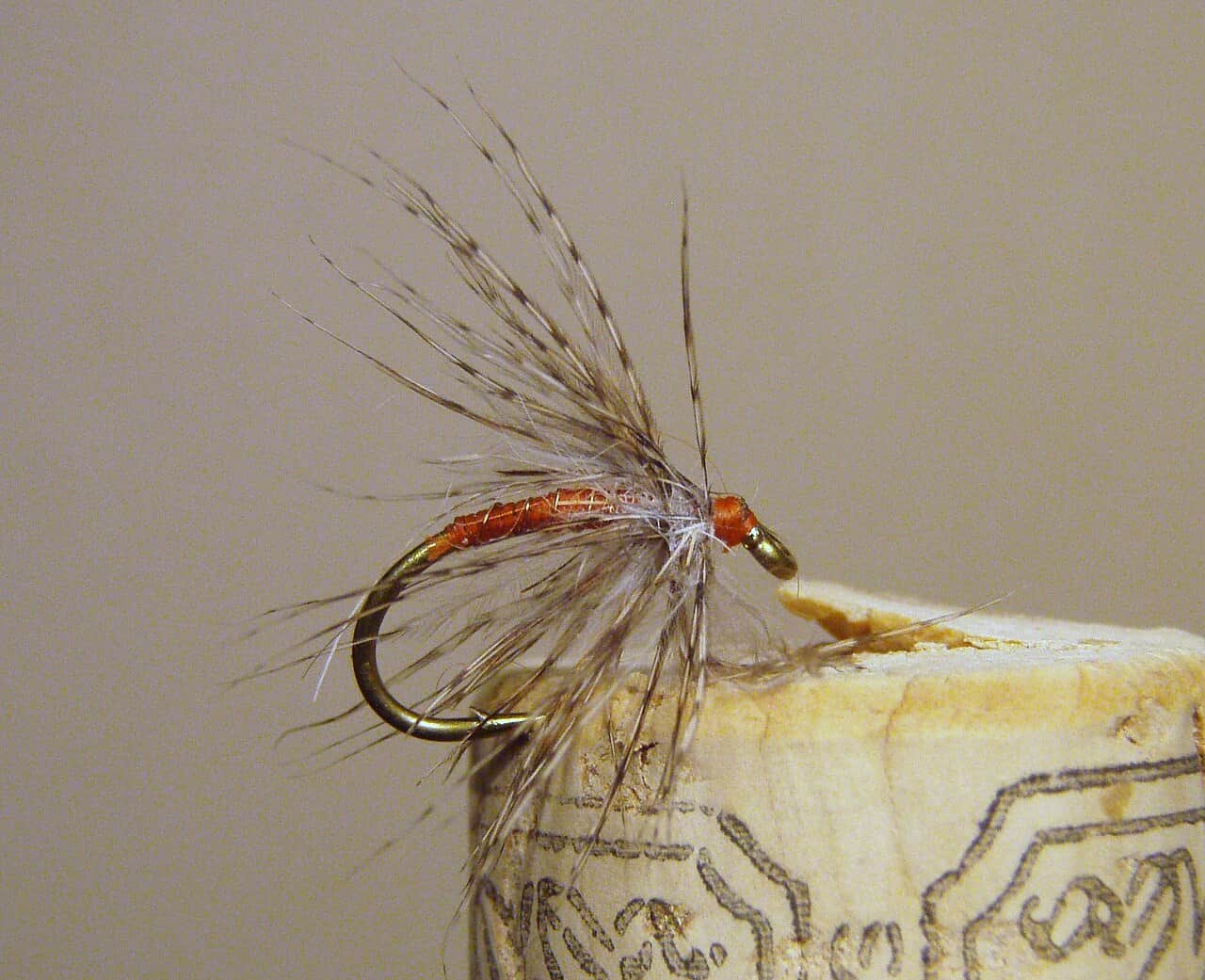
Trico spinner, sulphur dun, cress bug, ant, beetle, soft hackle

August to October

Terrestrials, tricos, small olives, sculpins, and wary bank-feeding trout

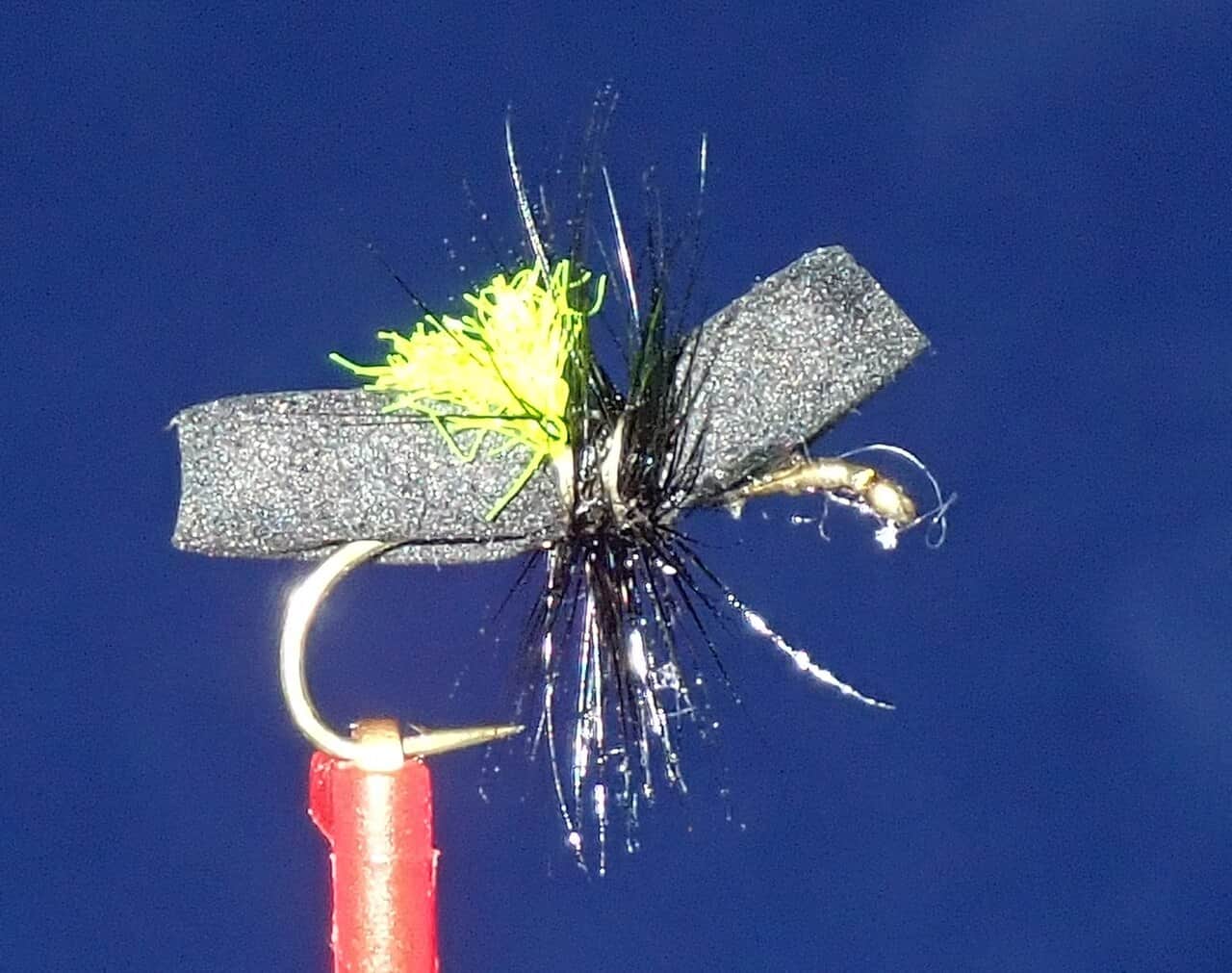
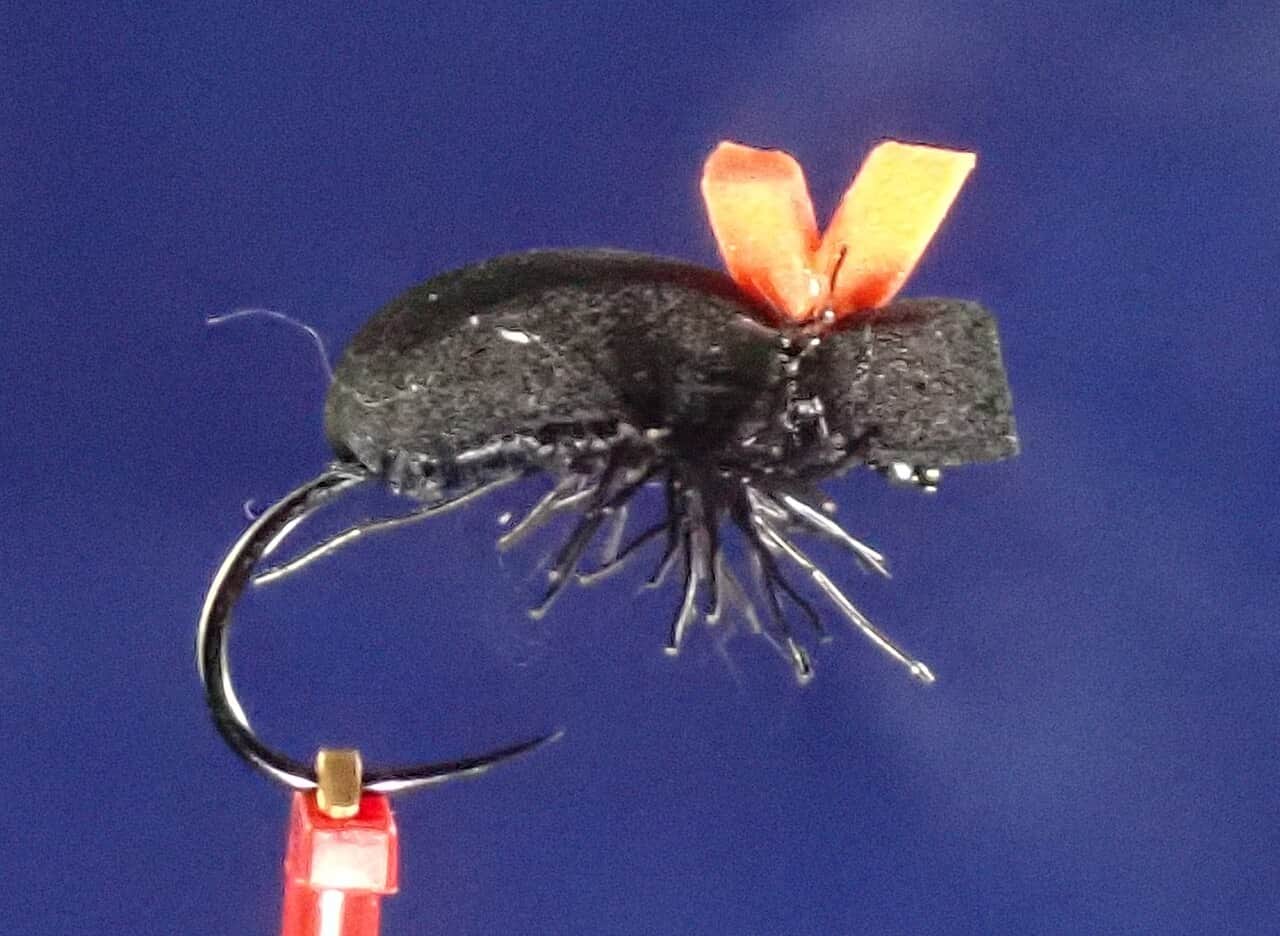
Foam ant, beetle, small hopper, BWO emerger, sculpin

November to February

Midges, scuds, sowbugs, tiny mayflies, and slow winter windows

Midge pupa, scud, sowbug, BWO nymph, small leech

Nymphs

Perdigon, pheasant tail, hare's ear, zebra midge, caddis pupa, stonefly

Use before hatches, in pocket water, or when trout hold close to bottom.

Dries and dry-droppers

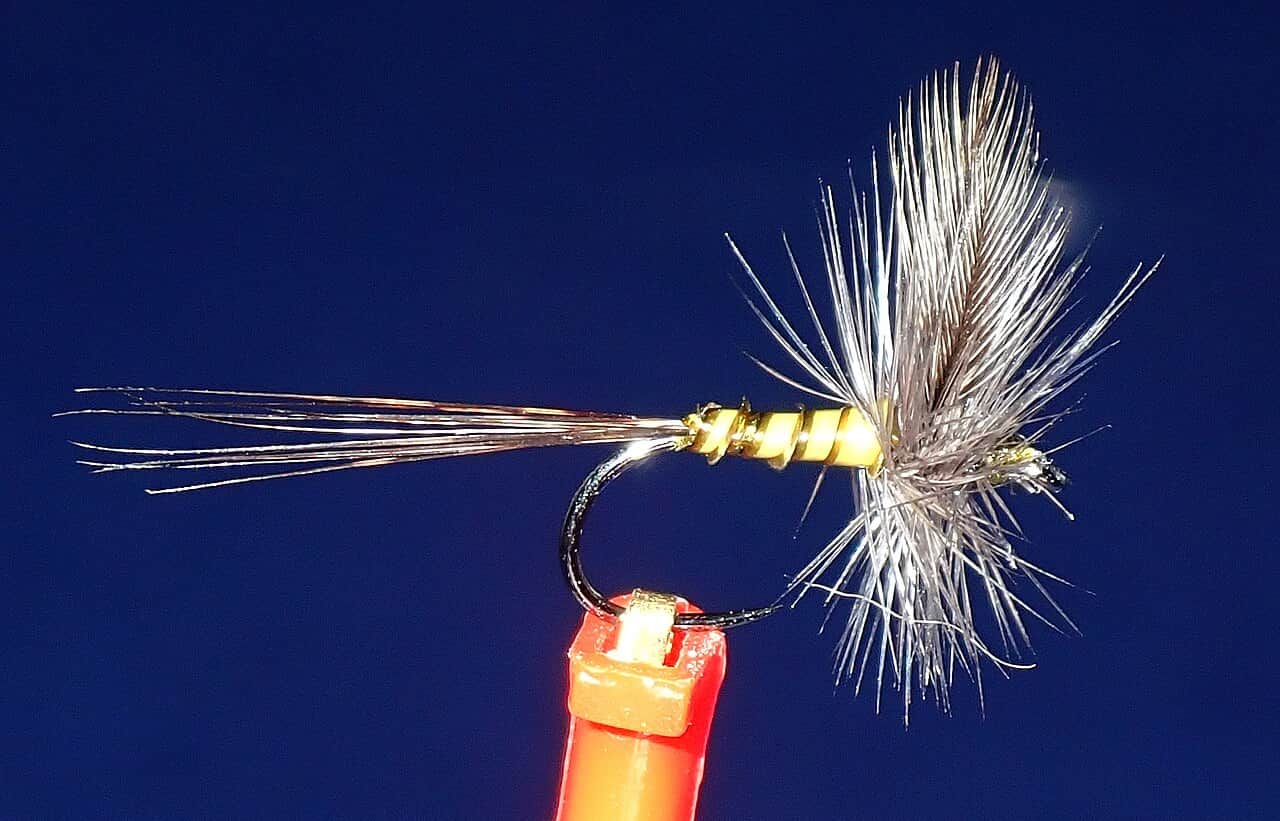
Parachute Adams, BWO, caddis, sulphur, ant, beetle, hopper, stimulator

Use during visible rises, searching pocket water, and low clear water.

Streamers

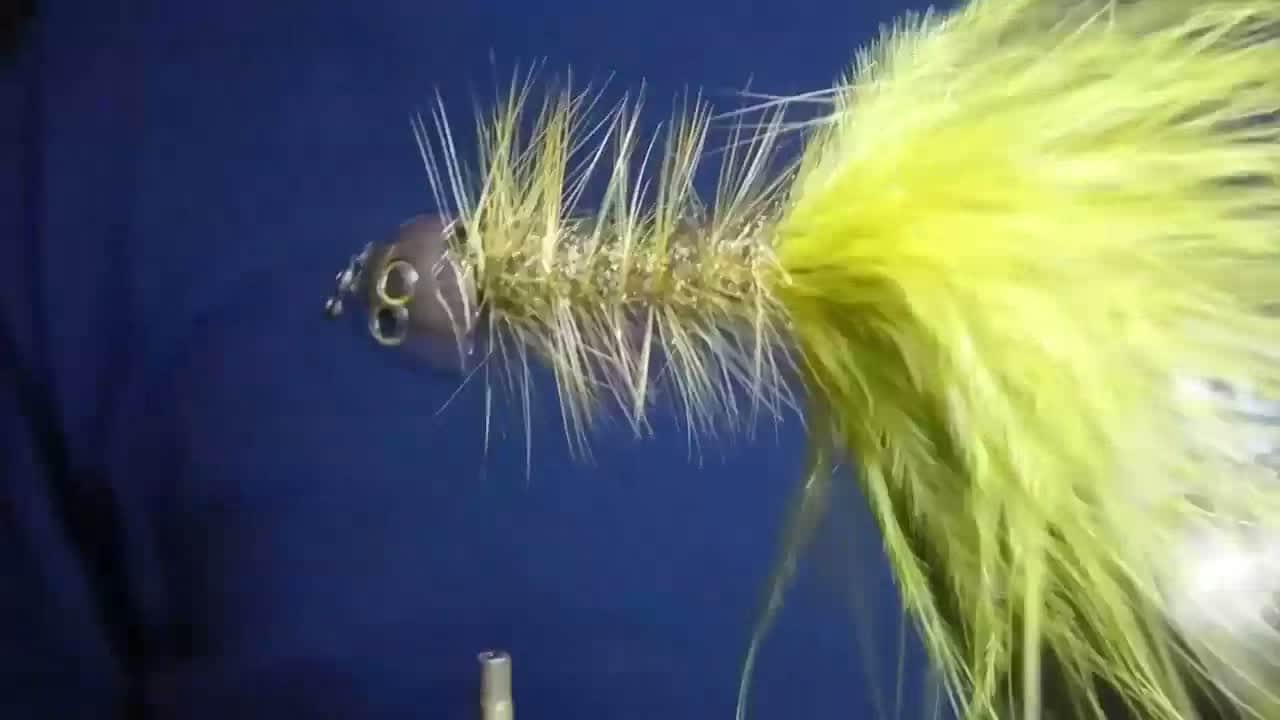
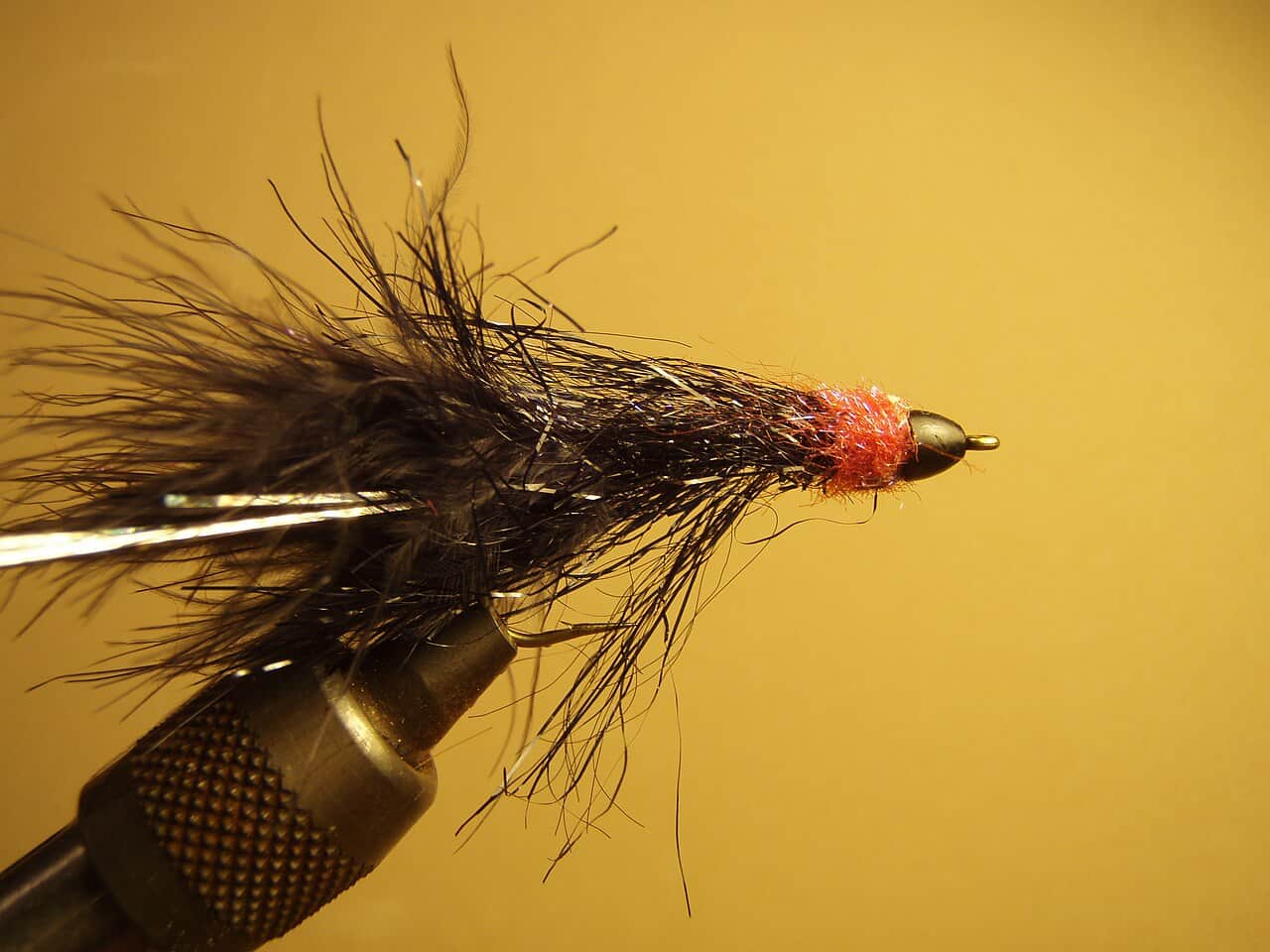
Sculpin, olive bugger, black bugger, leech, small baitfish

Use after rain, in stained water, or along undercut banks and ledges.

Tactics

How to fish it

Fish from the bank and keep a low profile well away from the edge.

Make one accurate first cast instead of repeated blind casts over visible fish.

Drift scuds, sowbugs, and small mayfly nymphs on light tippet.

Use ants, beetles, and small hoppers around grass banks when fish look up.

Leave immediately if access signs, parking, or landowner instructions say the plan is not allowed.

Rigging

Rod, leader, and setup notes

A 9-foot 4 or 5-weight with a long leader is the standard choice.

Carry 5X to 7X tippet and small indicators or yarn for subtle takes.

Use sparse streamers only when water and fish behavior justify it.

Polarized glasses matter more than a large fly selection.

Access

Access and planning notes

DWR permit and rules

Primary access decision

Wade / float / trail

Permit / bank-only

When to pick it

Start here before choosing flies, parking, or a walking route.

Caution

Do not wade, shortcut, bring dogs where not allowed, or stretch private-land access.

Bridgewater-area bank plan

Short spring-creek session

Wade / float / trail

Bank / sight-fishing

When to pick it

Use this when wind, clarity, pressure, and parking support slow bank fishing.

Caution

Banks can be vulnerable after rain; avoid damaging the landowner relationship.

Backup-river decision

Respectful exit

Wade / float / trail

Switch water

When to pick it

Pick this when access, pressure, wind, or heat makes Mossy a weak call.

Caution

Leaving is better than bending the no-wading or permit rules.

No wading is a core access rule, not a suggestion.

Dogs, fires, camping, litter, and poor parking can threaten access.

Treat the creek like a private-land privilege even where public fishing is allowed.

Regulations

Check before fishing

Check Virginia DWR Mossy Creek rules, landowner permit requirements, harvest limits, and access restrictions before fishing.

Primary base

Bridgewater or Harrisonburg, Virginia

Best day style

Permit-required private-land corridor with no wading and strict courtesy rules

Check first

DWR Mossy rules, landowner permit, parking areas, weather, and water clarity

Safety

Private land, no wading, cattle banks, bank footing, lightning, and summer trout stress

Gear

Helpful gear for this water

Four or five-weight rod

Covers most dries, nymphs, and dry-dropper work.

Six-weight or streamer rod

Useful for wind, stained water, and larger flies.

Thermometer

Check temperature before catch-and-release trout fishing in warm weather.

Wading staff

Important on freestone rocks, ledges, and changing flows.

Barbless-hook box

Speeds release on wild trout and special-regulation water.

Nearby water

Other water to research

Backup logic

Permit or access uncertainty

Choose South Fork Shenandoah, Jackson River, or Lower Jackson River instead of guessing.

Wind or poor casting conditions

Move to a wider river where bank casts and drift control are less fragile.

Warm trout water

Fish only the coolest responsible window or skip trout fishing.

Crowding or landowner pressure

Leave room, fish a different legal reach, or switch rivers.

South Fork of Shenandoah River

A nearby warmwater float option for bass and muskie.

Jackson River

Mountain trout water with different access and flow logic.

Lower Jackson River

A tailwater trout option below Gathright Dam.

FAQ

Fast answers

Is Mossy Creek fishable today?

Mossy Creek needs a live-condition check before you commit. The live score is 44/100, based on current flow, weather, public alerts, and the report's planning context. Recheck the linked gauge and forecast before leaving because conditions can change quickly after rain, heat, access changes, or flow swings.

What flow is best for Mossy Creek?

No dependable public live discharge graph was verified for the page. Plan around DWR rules, the landowner permit, spring-creek clarity, recent rain, bank condition, wind, and trout temperature instead of a gauge-only decision.

When should I skip Mossy Creek?

Skip or change the trip when the permit or current access rules are not confirmed, parking is crowded or unclear, banks are muddy or vulnerable, water is warm, fish are heavily pressured, or wind makes clean bank casts unrealistic.

Is Mossy Creek safe to wade right now?

The fishability score is not a wading guarantee. Wade only where your chosen access has safe edges, clear footing, legal entry, and no forced crossings; high, rising, stained, or storm-affected water should be treated conservatively.

What should I check first before fishing Mossy Creek?

Check the DWR Mossy page, permit requirement, designated parking, weather, and water clarity.

Where should a first-time visitor start on Mossy Creek?

Start only after obtaining the free landowner permit and confirming current access rules.

Can I wade Mossy Creek?

No. Mossy Creek's public fishing opportunity is bank-only; do not wade.

What flies should I bring for Mossy Creek?

Bring the seasonal fly box, then adjust size, weight, and color to the water level, clarity, temperature, and pressure you find.