7-day U.S. Geological Survey chart
Recent flow
Discharge
115 cfs70 cfs
Oct 15Oct 22
Latest reading: 76 cfs. Rising over about 6 hours. Chart covers Oct 15 through Oct 22; readings are provisional and may be revised.
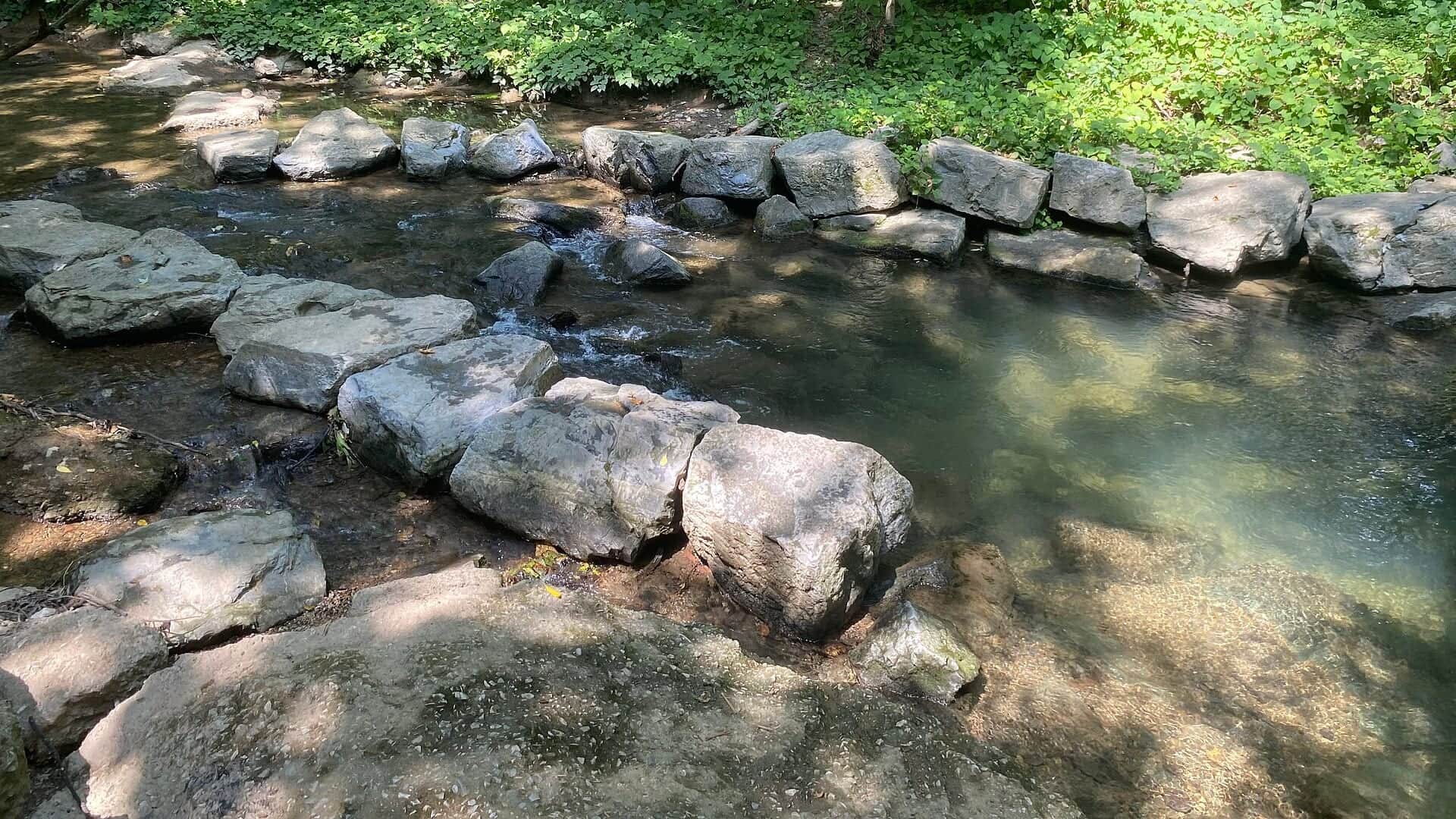
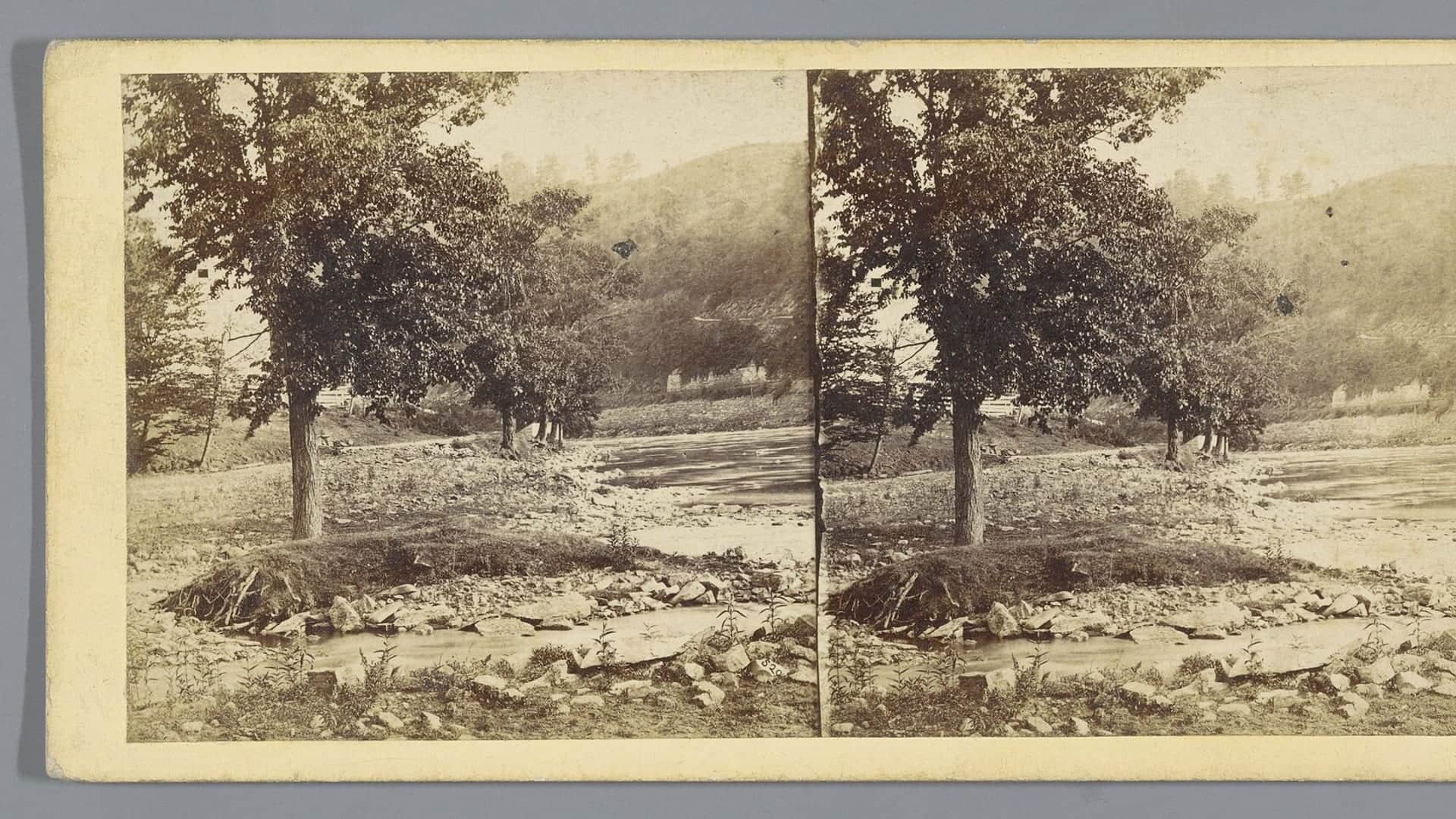
Photo: Penndyl Opens in a new tab. · CC0
If you go: Wading. Wading is the most sensitive plan today. Use protected edges only, avoid crossings, and downgrade quickly if clarity or current feels wrong.
Rating updatedRiver local time:
Wade: Wading is the most sensitive plan today. Use protected edges only, avoid crossings, and downgrade quickly if clarity or current feels wrong.
NWS air forecast near
This is an air forecast, not a river-temperature reading. Check the water with a stream thermometer before fishing in hot weather.
Discharge
Latest reading: 76 cfs. Rising over about 6 hours. Chart covers Oct 15 through Oct 22; readings are provisional and may be revised.
Areas Of Frost
The National Weather Service forecast is temporarily unavailable.
Current U.S. Geological Survey gauge: Spring Creek near Axemann
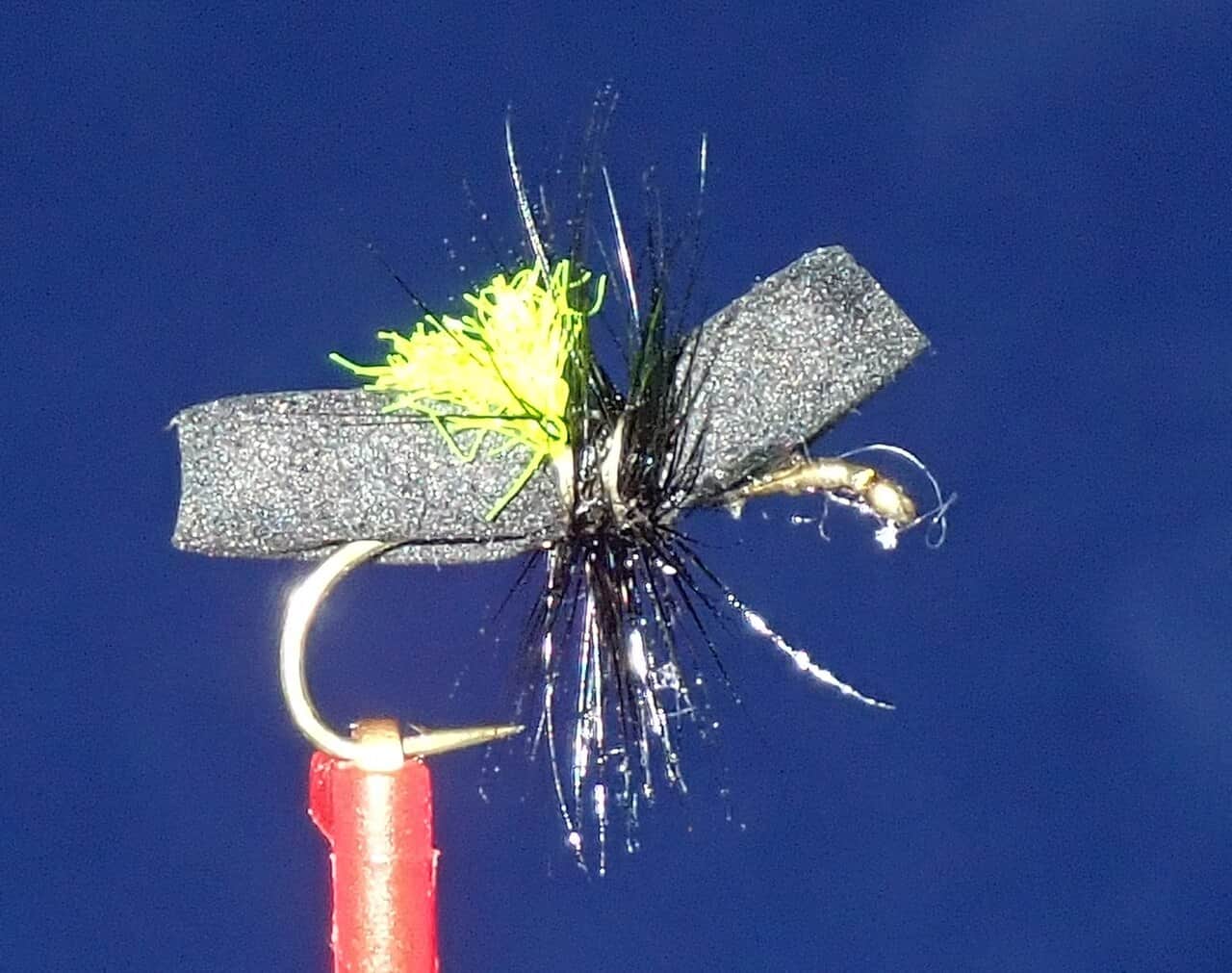
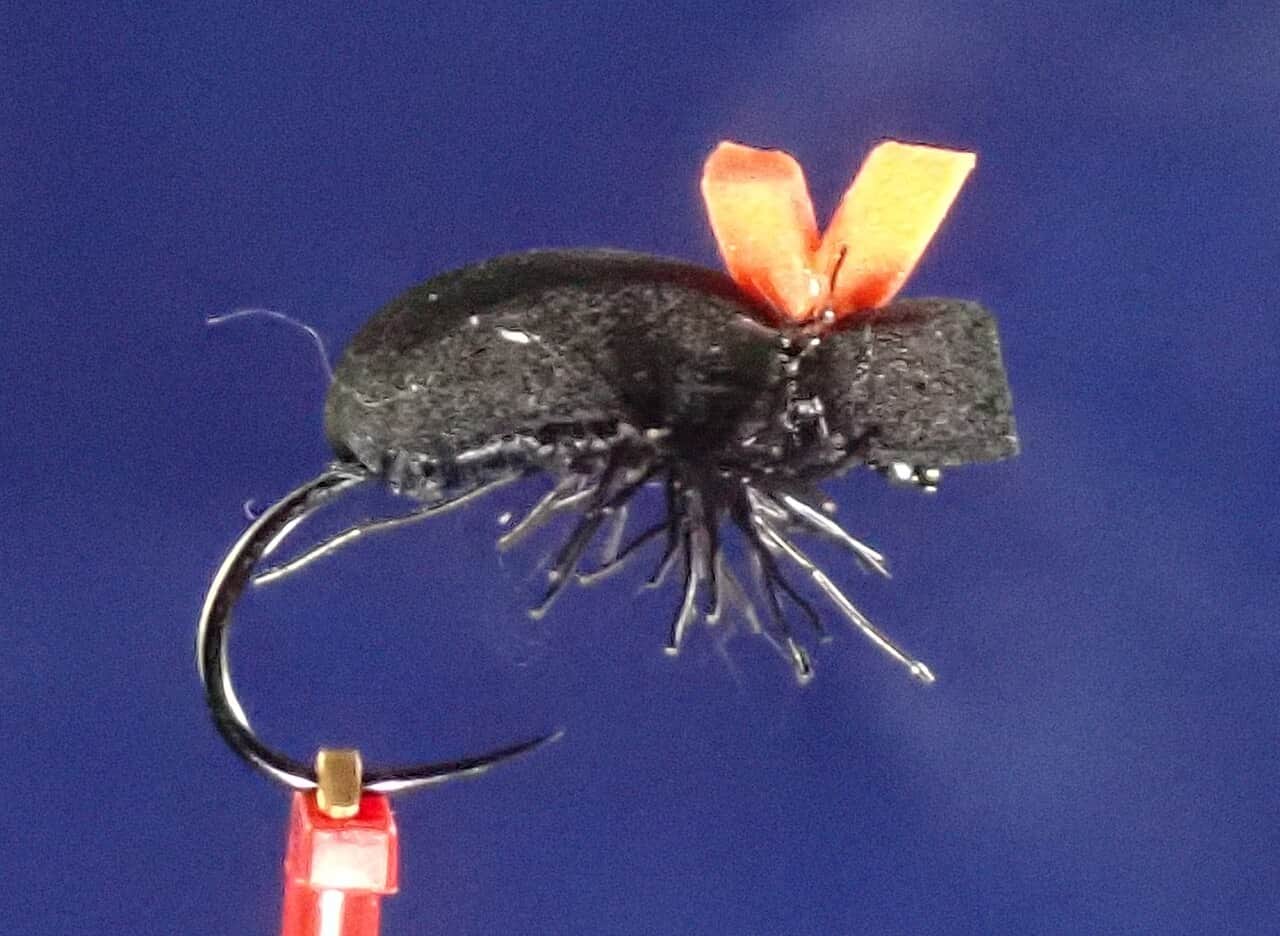
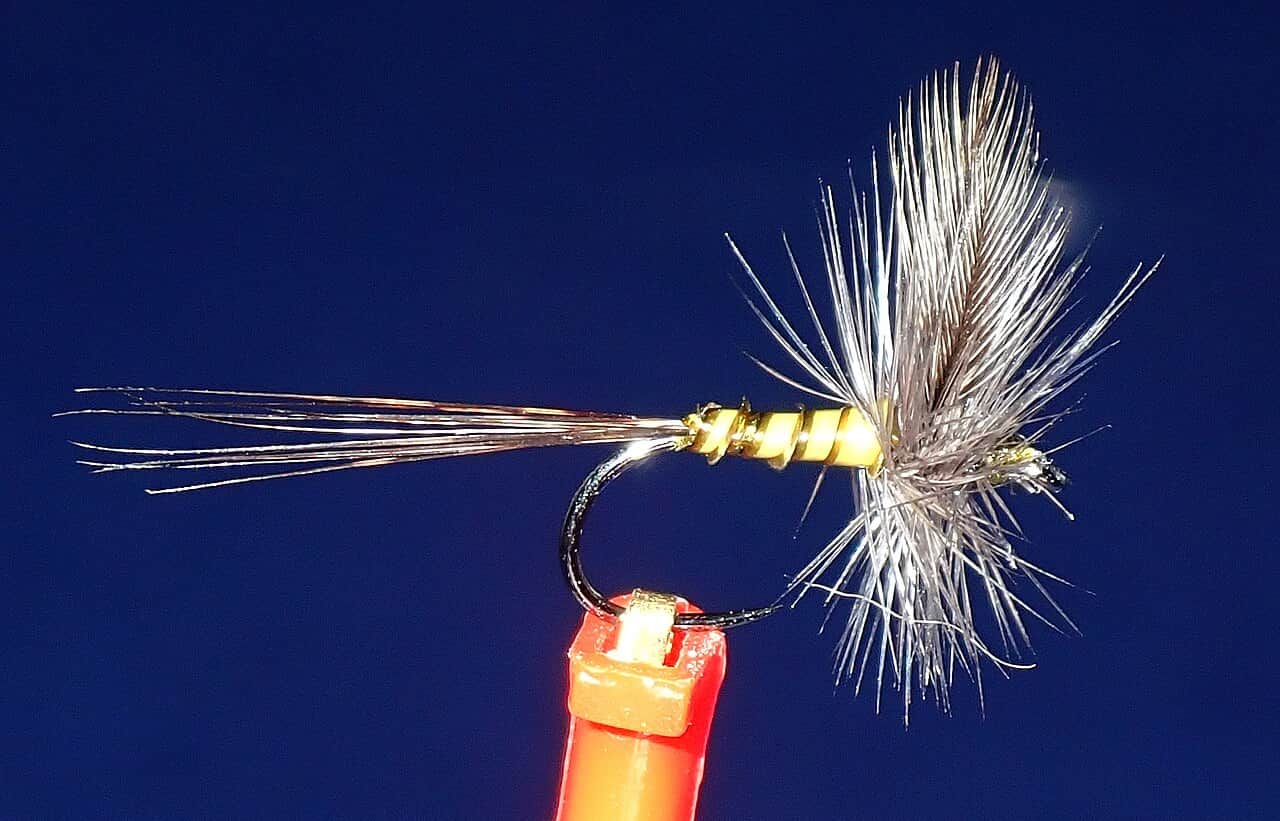
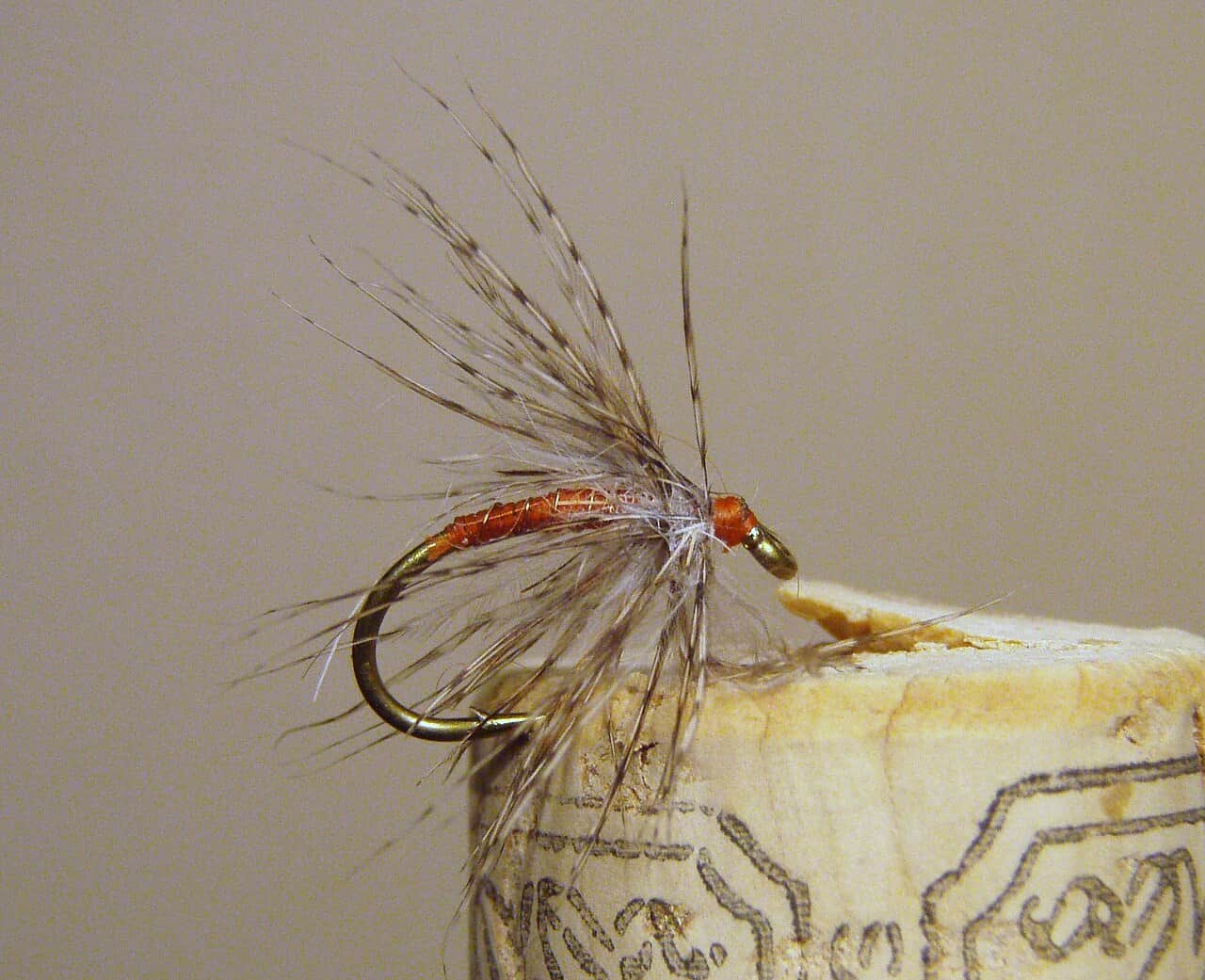
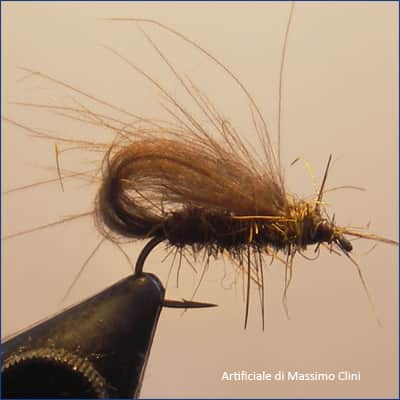
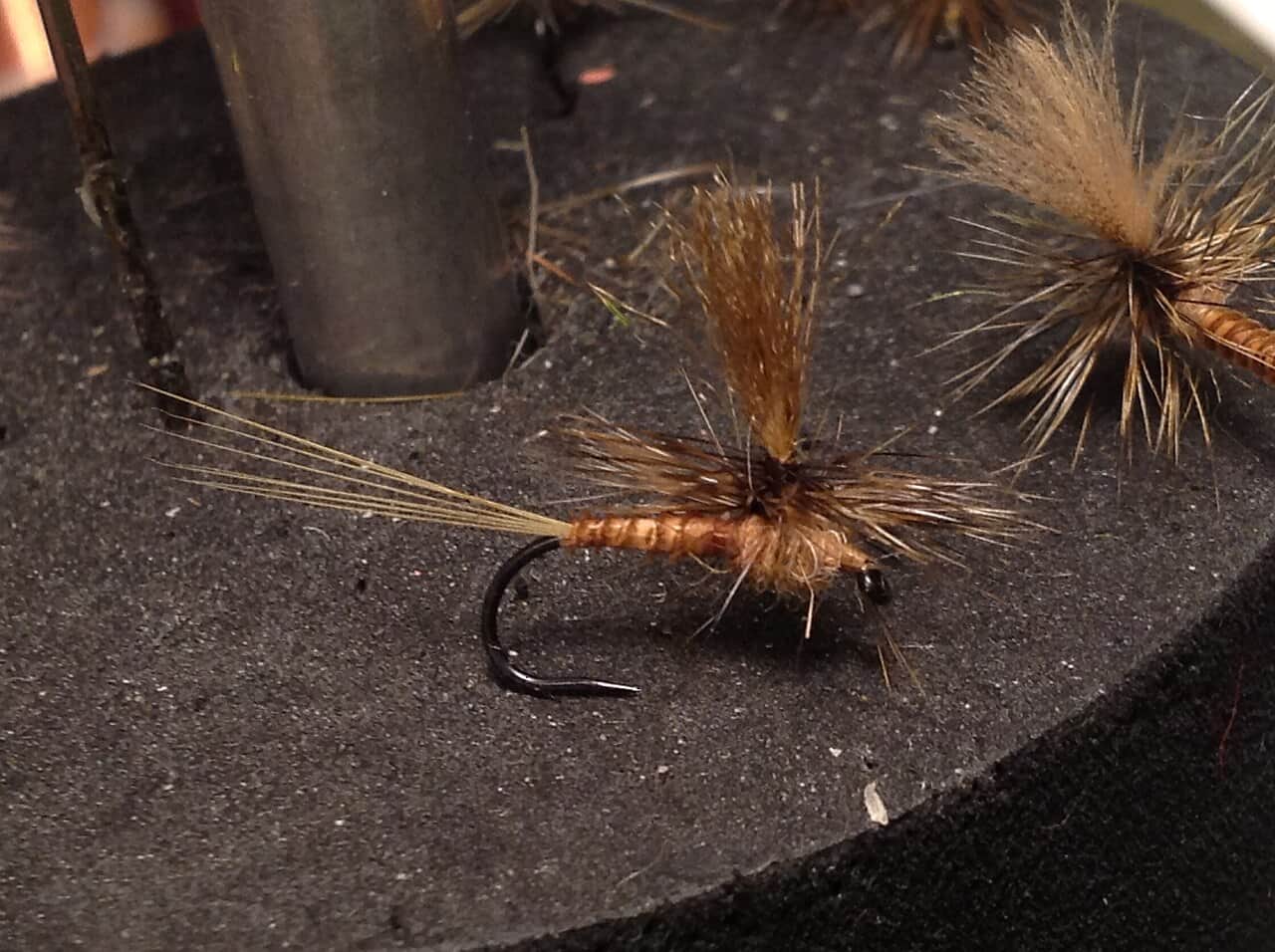
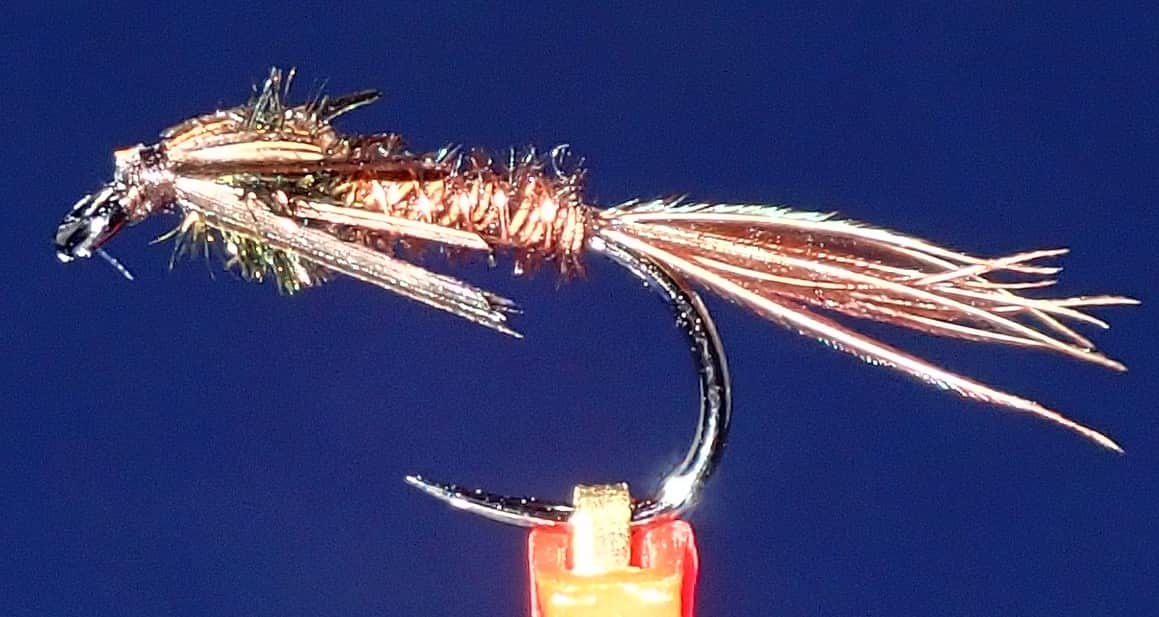
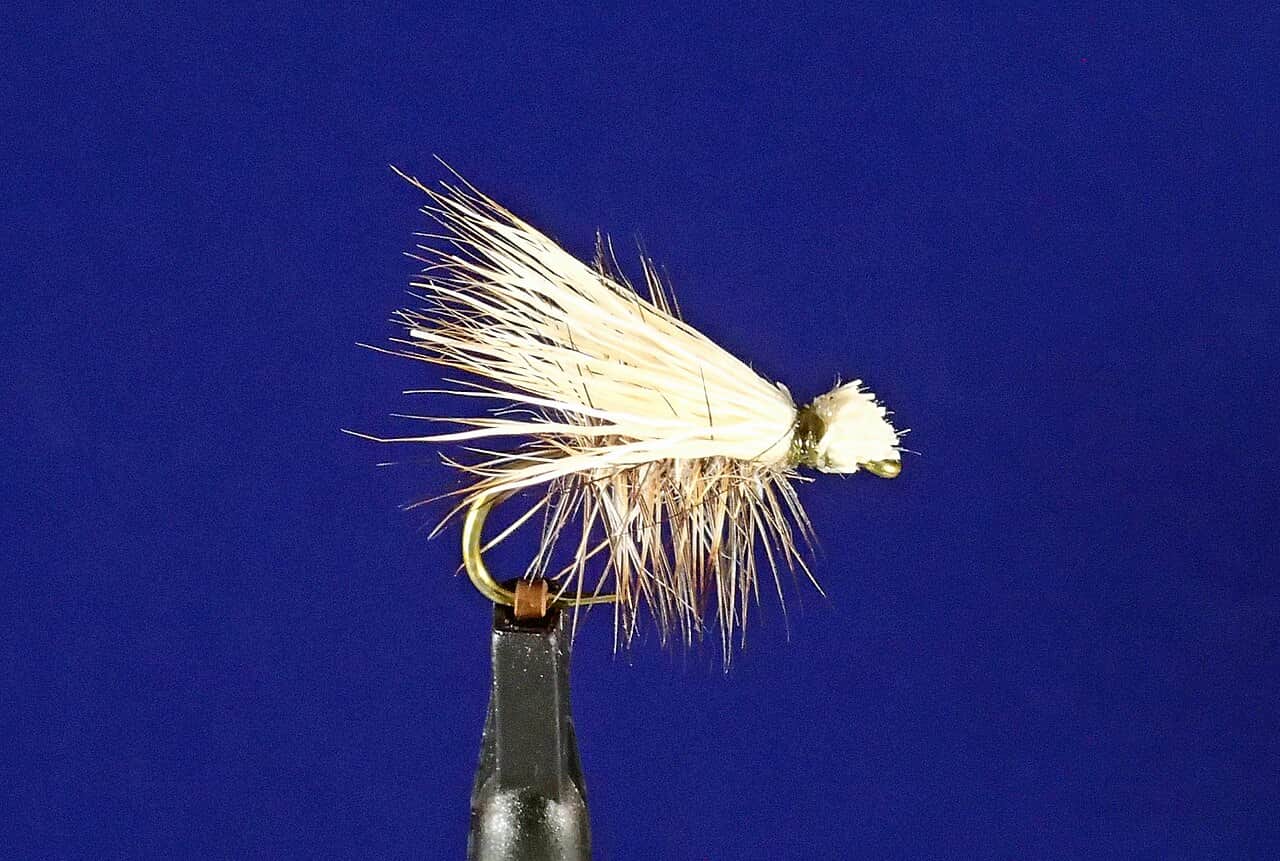
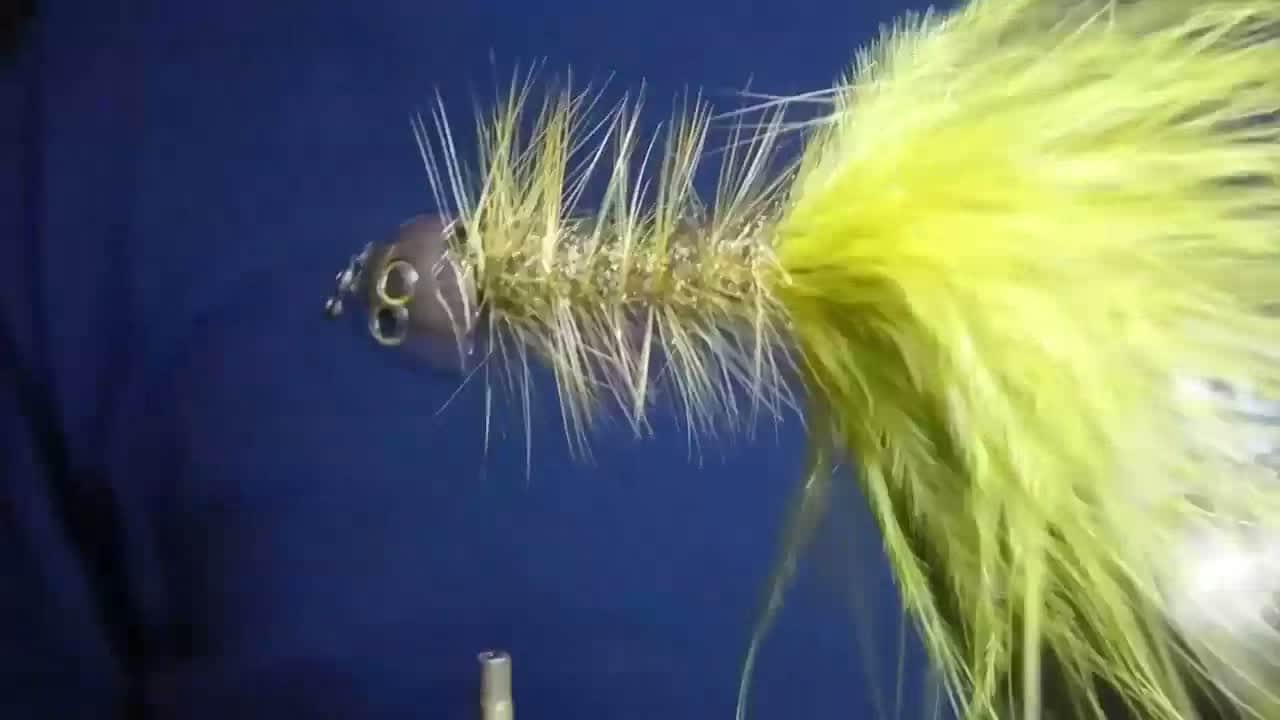
Seasonal starting points, not a live hatch report. Match what you see on the water.
Each fly name opens its matching Fly Box guide.
Spring Creek fishes best when you match the exact section, water clarity, and pressure. A careful nymph, emerger, and dry-fly plan beats covering water quickly.
Use long leaders, smaller flies, light weight, and careful bank-side movement.
Fish shallow riffles, drop-offs, and current lanes with small nymphs and emergers.
If safe and not muddy, streamers and larger nymphs can draw better fish from cover.
Check temperature and avoid stressing trout during hot afternoons.
These scores compare the risks of wading, bank fishing, and floating.
Wading is the most sensitive plan today. Use protected edges only, avoid crossings, and downgrade quickly if clarity or current feels wrong.
This report does not recommend bank fishing on this reach.
This report does not recommend floating this reach.
Is Spring Creek worth the trip today? Check flow, weather, hatches, access, and rules for Pennsylvania before you go.
Spring Creek is a high-food limestone system with wild brown trout and intense fishing pressure. The Axemann gauge is the best fit for the Fisherman's Paradise and canyon plan, while upper and lower gauges should only be used as reach context.
Wade: Wading is the most sensitive plan today. Use protected edges only, avoid crossings, and downgrade quickly if clarity or current feels wrong.
USGS shows 76 cfs. The flow has been stable over about 6 hours. USGS marks this reading provisional and may revise it. USGS records for this date (1941-2026, 86 readings) show a median near 50 cfs and the upper quartile near 68 cfs; today's flow is high for the date. Fishable water may exist, but do not rate it highly without a safe access, clarity, and wading or boat plan.
Fall: Lower crowds, BWOs, and streamer windows can be excellent if water is stable.
The current NWS air forecast is about 36F, and the next 24-hour high reaches about 66F. Areas Of Frost.
No active NWS alert was returned for this forecast point.
Use USGS 01546500 near Axemann as the core live flow check. Stable, clear, cool water is best for careful nymphs and emergers. A safe rain bump can open streamer windows, but dirty or pushy water should change the plan.
Skip or pivot when water temperature is stressful for trout, storms have changed clarity or wading safety, closed hatchery areas are confusing the access plan, or the current PFBC section rules have not been checked.
Start with the Axemann gauge, PFBC rules and fishery context, Benner Township access information, weather, and one legal reach. Carry scuds, sowbugs, midges, BWOs, sulphurs, caddis, and a small streamer option.
If Spring Creek is too crowded, warm, or rule-sensitive for the plan, compare Penn's Creek for a larger hatch-driven day, Little Juniata River for technical limestone-influenced water, or Fishing Creek for another central Pennsylvania option.
Use these places as starting points. Open the access link below and check posted signs before you park or enter.
Check PFBC special fishing rule and statewide trout rules for the exact Spring Creek reach before fishing.
Classic orientation water with special rules and heavy pressure.
Useful access planning, but verify parking, trails, and signs before fishing.
Good middle-creek planning base tied to the USGS Axemann gauge.
Official agencies and primary river operators come first. Secondary tools are labeled so you know what carries the most weight.
Check what is allowed, where the rule applies, and whether the river is open.
Check the latest river reading and forecast before you leave.
Check public entry points, land rules, and seasonal access changes.
Use these links for stocking, safety, and other local details.
Check what is allowed, where the rule applies, and whether the river is open.
Open the current rules and check the river section, season, and special limits.
Open the current rules and check the river section, season, and special limits.
Check the latest river reading and forecast before you leave.
Open this page and check the latest safety advice before your trip.
Open this river reading to check the latest level, flow, and update time.
Check public entry points, land rules, and seasonal access changes.
Open the land or access page, then check signs before you park or enter.
Use these links for stocking, safety, and other local details.
Open this page for more river information and check when it was last updated.
Open this page for more river information and check when it was last updated.
What was checked: This Spring Creek report is maintained from Pennsylvania Fish and Boat Commission regulations, trout classification, hatchery, and fishery sources, Benner Township access information, USGS Axemann flow data, weather, media-credit, and Centre County limestone trout planning sources.
Live measurements and forecasts keep their provider timestamps. Rules, access, and trip guidance use the source-review date shown here. BlueStreamFly planning advice is editorial interpretation, not an agency notice.
First-hand experience: BlueStreamFly does not claim a first-hand visit or local field test for this report unless a real contributor is explicitly named and linked.
Check PFBC rules, USGS 01546500, weather, access notes, and water temperature before fishing.
Start around known public access in the Axemann, Bellefonte, or Fisherman's Paradise area, then verify signs.
Yes at normal flows, but clear water and slippery limestone make quiet, minimal wading important.
Bring the seasonal fly box, then adjust size, weight, and color to water level, clarity, temperature, and fishing pressure.