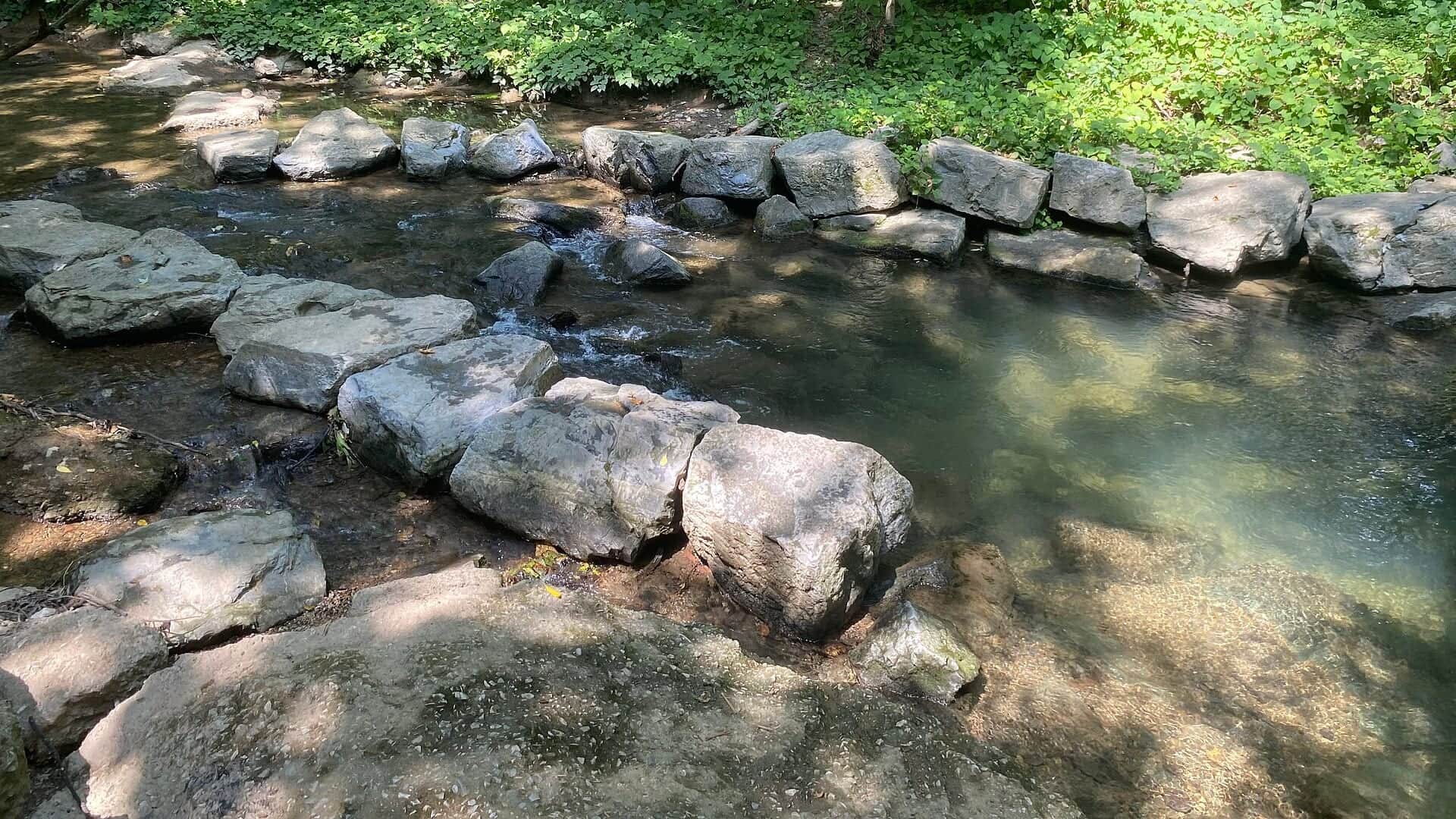
Penns Creek flowing through central Pennsylvania

Pennsylvania / Northeast

Penn's Creek

A Penns Creek report for the Poe Paddy, Coburn, and Wild Area corridor, with USGS flow context, hatch planning, tactics, and access cautions.

Image: Armagh Township penn's creek / CC BY 2.0 / Andy

Fishability now: Penn's Creek fishability today

GreatData confidence: High

96/100

Fishable now because Penns Creek gauge is falling, weather is usable, and no public alert is active.

Flow observed

6:00 PM UTC

Weather observed

6:00 PM UTC

Score calculated

6:15 PM UTC

Why this rating

Flow

Weather

Public alerts

Next 6-12 hours

Improving / hold

A falling gauge and usable weather should keep the next 6-12 hours in play unless tributaries stain or heat builds.

More planning details: flies, flow bands, and live source checks

Fish it today

Start here

Start with the Penns Creek gauge, PFBC rules, DCNR Poe Paddy and Wild Area information, weather, and one realistic access choice. Match the fly box to whether the day is a hatch window, subsurface scout, or low-light streamer plan.

Best flow clue

Use USGS 01555000 at Penns Creek as the primary public flow check. Stable, cool, readable water is best; sharp rises, heavy stain, low warm water, or unsafe gorge footing should change the plan.

Skip trigger

Skip or pivot when flow is rising hard, thunderstorms are nearby, water temperature is stressful for trout, access roads or exits are uncertain, or the planned reach has unclear public entry.

Flow decision bands

Cool and readable

Stable, cool Penns Creek flow is the cleanest signal for a technical trout day.

Best hatch window

A steady or slowly falling USGS trend with mild weather gives dry-fly, nymph, emerger, or low-light streamer plans the best footing.

Rising, stained, or pushy

Sharp rises, heavy stain, thunderstorm runoff, or unsafe gorge footing should shorten the plan or move it elsewhere.

Warm or pressured

Summer trout temperatures, Green Drake pressure, posted banks, or uncertain gorge exits can weaken the call even when the gauge looks usable.

USGS flow

287 cfs

Open

Current trend: flow falling, rating likely holding strong unless weather or clarity changes.

Live USGS flow

287 cfs / falling about 15%

Live NWS forecast

81F / Sunny

Water temperature not verified

Heat guidance uses weather and river type unless an official water-temperature value is available.

No NWS alert flag

No active NWS alert was returned for this forecast point.

Primary waterPenns Creek Wild Area, Poe Paddy, Coburn, and downstream Penns Creek gauge context
Flow checkUSGS 01555000 Penns Creek at Penns Creek
Access styleRemote limestone trout water, state-park access, roads, and private-boundary awareness
ReviewedJune 1, 2026

The strongest plan starts with flow, road status, and water temperature before fly choice.

Late spring hatch windows can be excellent, but low clear water demands long leaders and patient positioning.

Do not assume every roadside pullout gives legal access; posted land and state-forest boundaries matter.

Carry a nymph and streamer plan for non-hatch hours so the page is useful beyond Green Drake week.

Editorial review

How this report is maintained

This Penn's Creek report is maintained from Pennsylvania Fish and Boat Commission regulations and trout classification sources, DCNR Poe Paddy and Penns Creek Wild Area access sources, USGS Penns Creek flow data, weather, media-credit, and central Pennsylvania hatch-driven trout planning sources.

Byline

BlueStreamFly editorial team

Reviewed by

BlueStreamFly source review

Maintained by

Mountain Brook Run LLC

Last material review

2026-06-01

Report confidence

High confidence

91/100

High confidence: Pennsylvania regulations, PFBC trout classification context, DCNR Poe Paddy and Penns Creek Wild Area access, USGS Penns Creek flow, weather coverage, image credit, and route-specific hatch-driven trout guidance support the page. Confidence is moderated by hatch pressure, posted banks, seasonal road or Wild Area logistics, and summer trout temperature.

Regulations

Pennsylvania fishing regulations and PFBC trout classification sources support the current rule-check path.

Access

DCNR Poe Paddy State Park and Penns Creek Wild Area sources support public access and corridor planning.

Flow and weather

USGS 01555000 at Penns Creek and the National Weather Service point provide strong live planning support for flow, weather, and storm decisions.

Fishing usefulness

The page now separates flow stability, temperature, hatch pressure, gorge logistics, access checks, and backup-water choices.

Fishability dashboard and source review

2026-06-01 / material content or source review

Pennsylvania fishing regulations, PFBC trout classification information, DCNR Poe Paddy State Park information, the Penns Creek Wild Area factsheet, USGS 01555000 at Penns Creek, the National Weather Service point, and image credit were checked before updating the current-fishability decision layer.

2026-06-01

Updated Penn's Creek to the current fishability-page standard with Penns Creek flow bands, Poe Paddy and Wild Area access cards, backup cues, stable fishability SEO, and confidence signals.

2026-05-28

Added hatch-driven trip fit, Poe Paddy and Wild Area access nuance, gauge and temperature planning, pressure and Green Drake timing notes, backup-water suggestions, editorial review signals, and a page-specific report-confidence meter after source review.

2026-05-25

Initial source-reviewed report published with flow, weather, hatches, flies, tactics, access, regulations, and FAQs.

Angler planning edge

Local details that change the plan

Best for

Central Pennsylvania anglers planning Penn's Creek around Poe Paddy access, Wild Area logistics, USGS flow, temperature, and PFBC trout rules, Technical dry-fly, nymph, emerger, and streamer days when stable flow and hatch timing line up, Trips where Green Drake pressure, posted land, gorge travel, and warm-water trout stress need current planning, Anglers comparing Penn's Creek with Spring Creek, Little Juniata River, or Fishing Creek before choosing a limestone-region trout day

Wade or float

Treat Penn's Creek as technical wade-first trout water with bigger-water consequences in the gorge. Flow, temperature, road access, daylight, and legal entry should decide the plan before fly choice.

Best flows

Use USGS 01555000 at Penns Creek as the primary public flow check. Stable, cool, readable water is best; sharp rises, heavy stain, low warm water, or unsafe gorge footing should change the plan.

When to skip

Skip or pivot when flow is rising hard, thunderstorms are nearby, water temperature is stressful for trout, access roads or exits are uncertain, or the planned reach has unclear public entry.

Local plan

Start with the Penns Creek gauge, PFBC rules, DCNR Poe Paddy and Wild Area information, weather, and one realistic access choice. Match the fly box to whether the day is a hatch window, subsurface scout, or low-light streamer plan.

Pressure

Pressure spikes around famous hatch windows and easy access. Quiet positioning, a second legal reach, and patience through non-hatch hours are more useful than chasing every visible rise.

Access nuance

DCNR sources support Poe Paddy and Wild Area planning, but posted banks, seasonal roads, long walks, limited services, and gorge exits still need current confirmation.

Backup water

If Penn's Creek is high, warm, crowded, or logistically awkward, compare Spring Creek for a more accessible limestone plan, Little Juniata River for technical trout water, or Fishing Creek for another central Pennsylvania option.

About the river

Setting, character, and why it fishes the way it does.

Penns Creek drains central Pennsylvania limestone country before sliding through a wooded gorge near Poe Paddy. The creek has the cold influence, food base, and structure that can grow strong wild brown trout, but it also has long pools and clear flats that punish careless wading.

The fishing character changes by reach. Coburn and Spring Mills give easier orientation, while the Poe Paddy and Wild Area corridor feels more remote and requires a better access plan. Downstream gauges help with trend and safety, but they do not replace looking at the exact reach.

The page uses official PFBC, DCNR, USGS, and National Weather Service sources so anglers get useful fishing judgment without turning the report into copied agency text.

Target species

Wild brown trout

The main draw. Expect selective fish in clear water and stronger streamer windows after safe bumps in flow.

Stocked trout context

Some sections receive hatchery fish or border stocked water; verify current PFBC section language.

Smallmouth bass

More relevant in warmer lower-river context than in the core Poe Paddy trout plan.

Native forage

Sculpins, caddis, mayflies, stoneflies, and terrestrials drive fly choice through the year.

Reading the water

Low and clear

Stay back, use longer leaders, fish small nymphs or dries, and avoid lining fish in slick pools.

Stable moderate flow

Cover riffles, seams, and bank edges with dry-dropper rigs before committing to heavier nymphs.

Rising or stained

Use caution first. If safe, fish streamers and larger nymphs tight to banks and soft edges.

Warm water

Use a thermometer. Skip catch-and-release trout fishing when temperatures approach stressful levels.

Best seasons

Spring

Hendricksons, caddis, March Browns, and sulphurs can create the most consistent trout windows.

Late spring

Green Drake and spinner-fall planning matters, but crowds and timing can be as important as flies.

Summer

Fish early or late, carry terrestrials, and stop when temperatures are wrong for safe release.

Fall and winter

BWOs, midges, and streamers can work, with lower crowds and colder, slower fish.

USGS flow

Penns Creek at Penns Creek

This is the fallback for rivers that are not covered by RiverReports. Use the official USGS monitoring page for the live hydrograph, station metadata, and current water trend.

Open USGS gauge

USGS data chart

Penns Creek at Penns Creek

Streamflow over the latest USGS reporting window.

Latest

287 cfs

Jun 3, 6 PM UTC

Site

01555000

Low / high

287 / 548 cfs

Source

Open USGS

Weather

River weather report

Weather can change wading safety, road access, water temperature, hatches, and the best time of day to fish.

Live forecast loads as you reach this section

This keeps the report fast while still using the official National Weather Service forecast point.

Hatches and flies

Hatch chart and fly picks

January to March

Midges, little black stones, BWOs, and slow nymph windows

Zebra midge, black stonefly nymph, BWO emerger, scud, perdigon

April to June

Hendricksons, Grannom caddis, March Browns, sulphurs, BWOs, and spinners

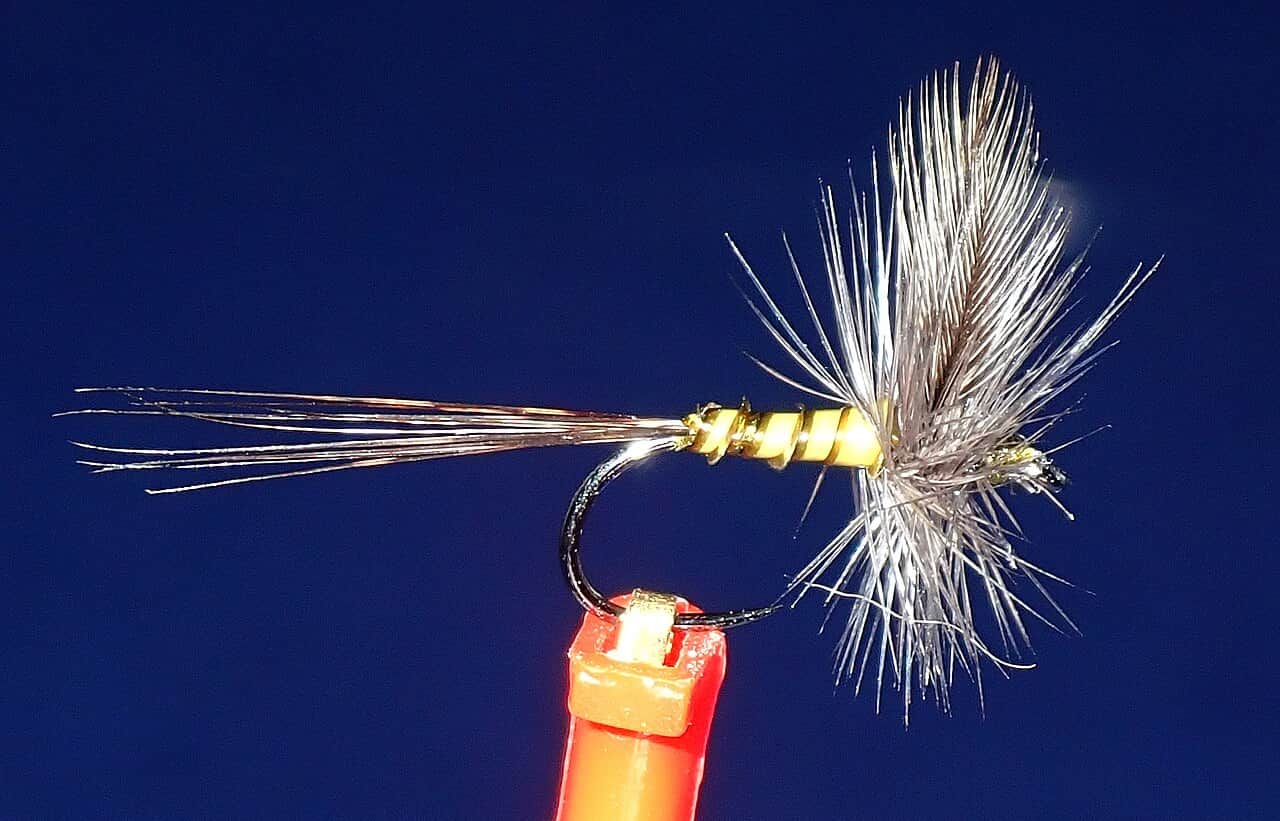
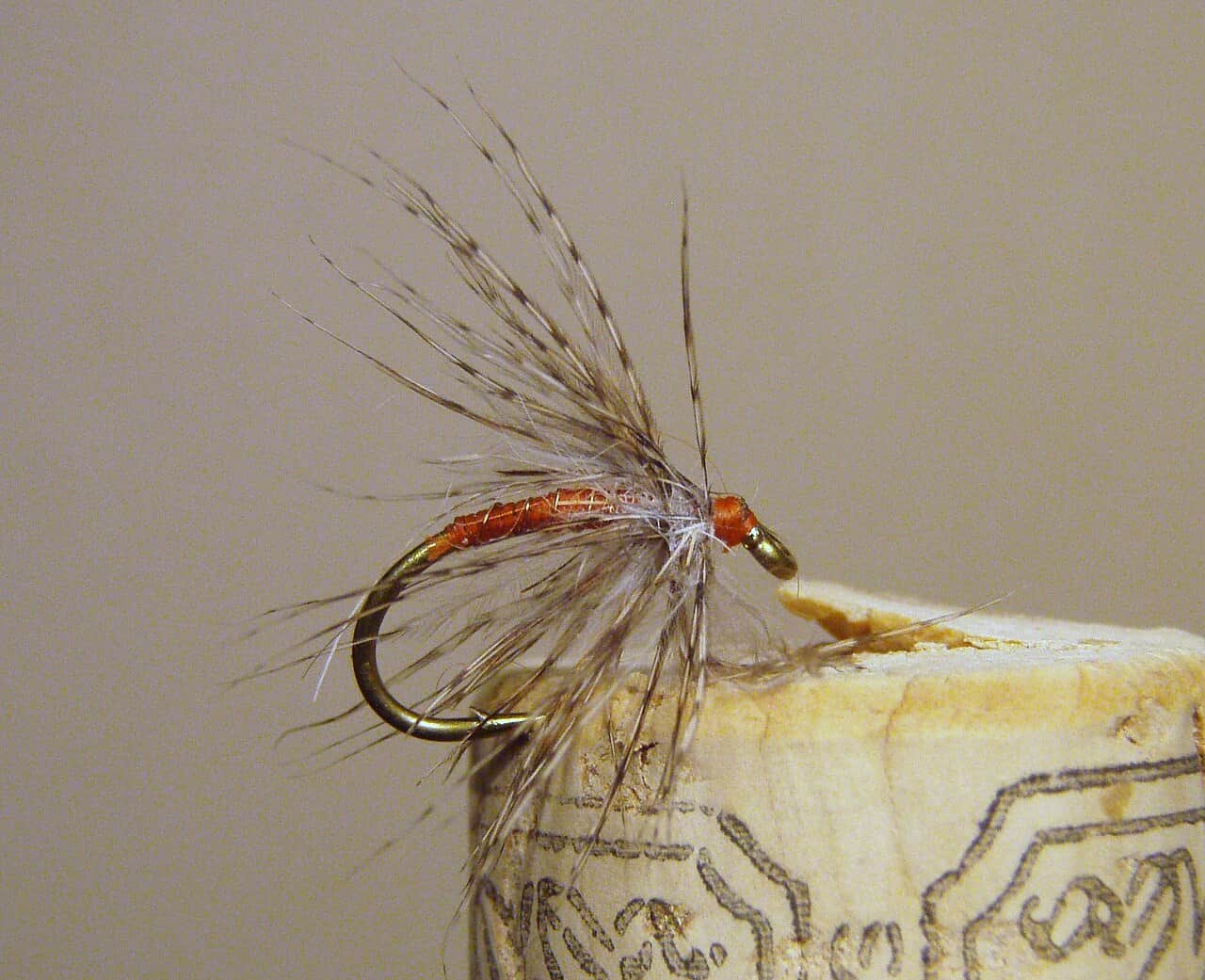
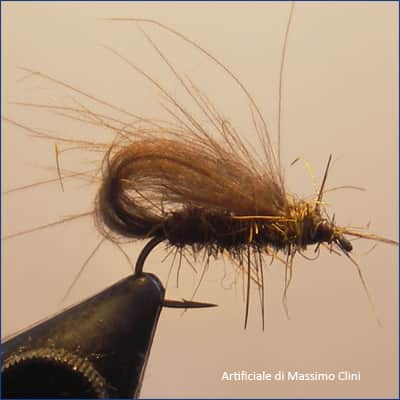
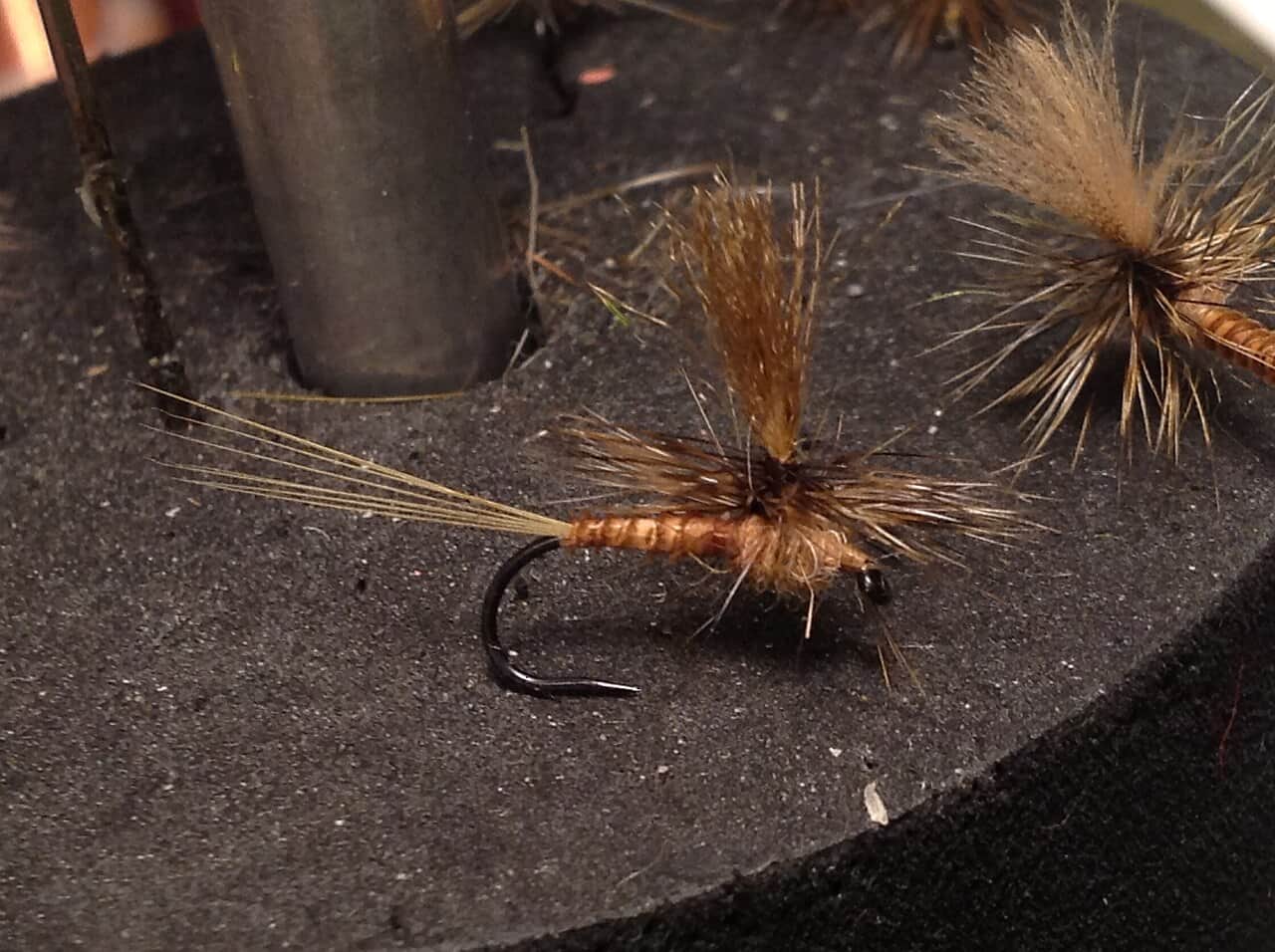
Hendrickson, caddis pupa, March Brown, sulphur emerger, pheasant tail

Late May to July

Green Drakes where present, sulphurs, caddis, terrestrials, and tricos

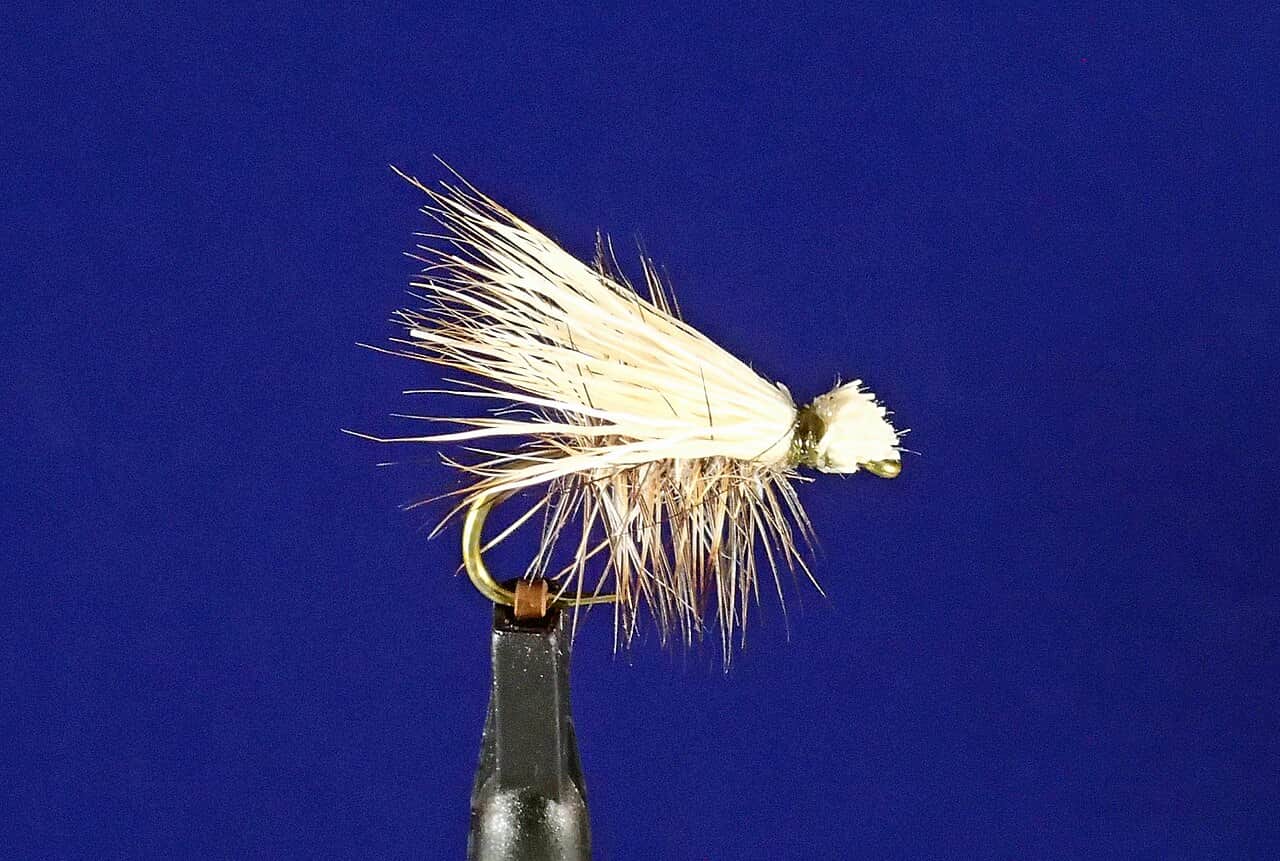
Green Drake, sulphur spinner, elk hair caddis, ant, beetle, trico

August to December

Terrestrials, BWOs, midges, October caddis, and streamer windows after rain

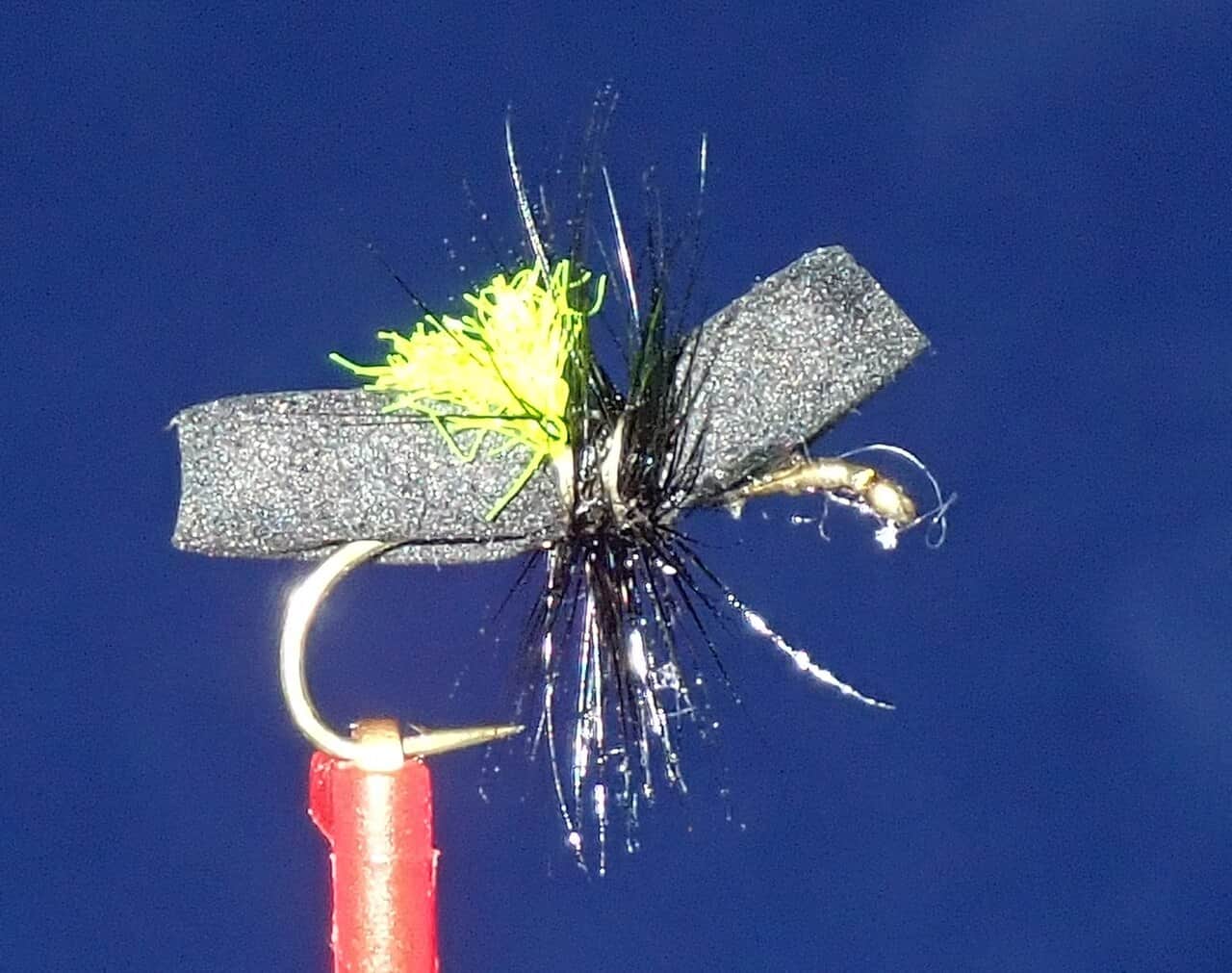
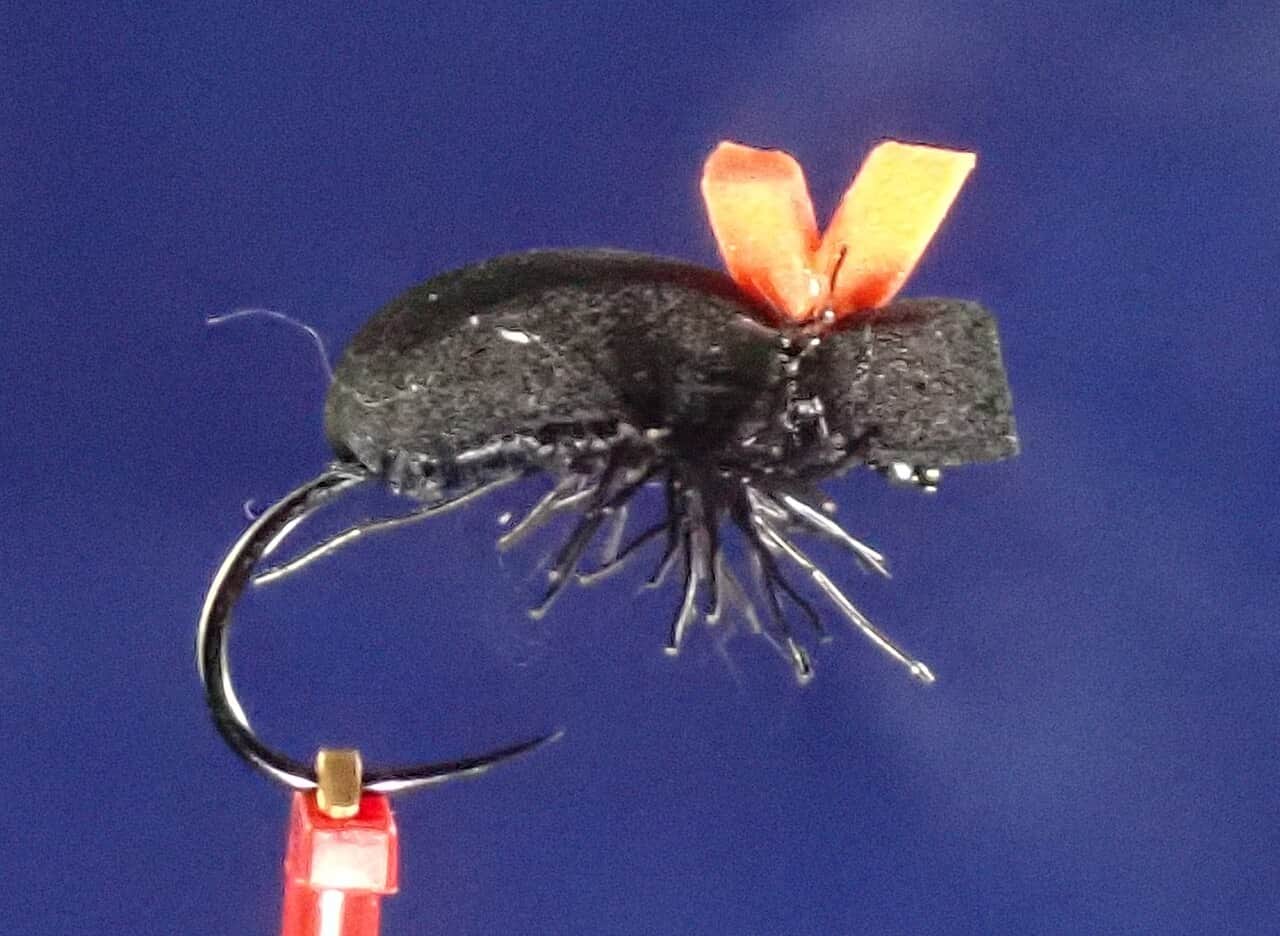
Foam ant, beetle, BWO emerger, zebra midge, soft hackle, small sculpin

Nymphs

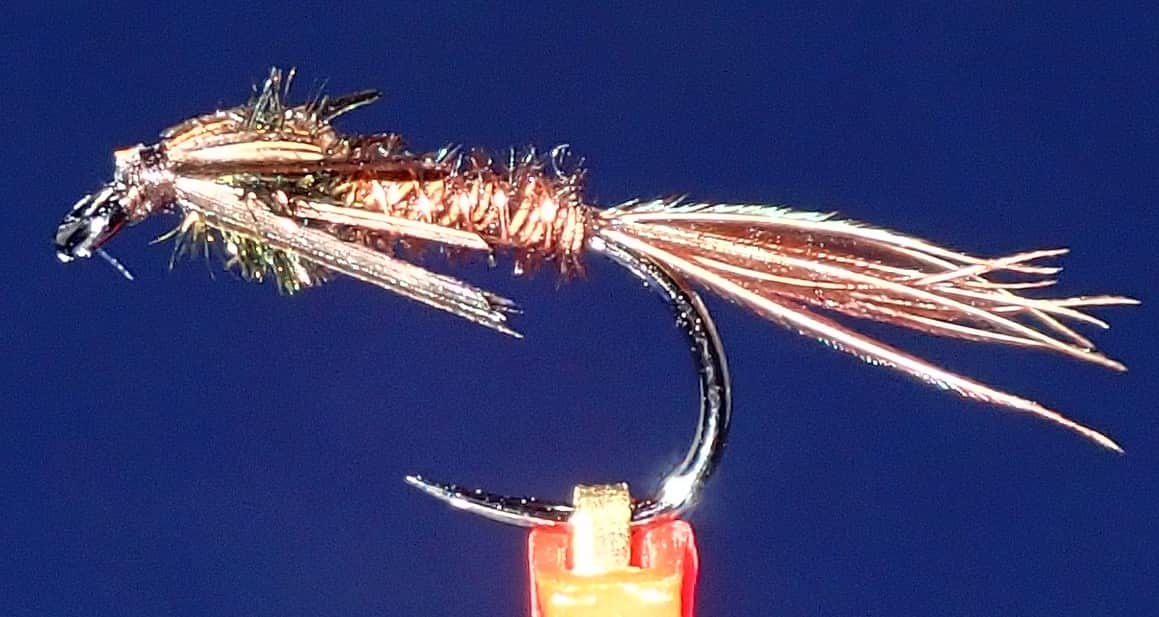
Perdigon, pheasant tail, hare's ear, zebra midge, scud, caddis pupa

Use before hatches, in riffles, or when clear water has fish glued to the bottom.

Dries

BWO, caddis, sulphur, Green Drake where present, ant, beetle, small hopper

Use during visible rises, spinner falls, shaded banks, and low clear summer water.

Streamers

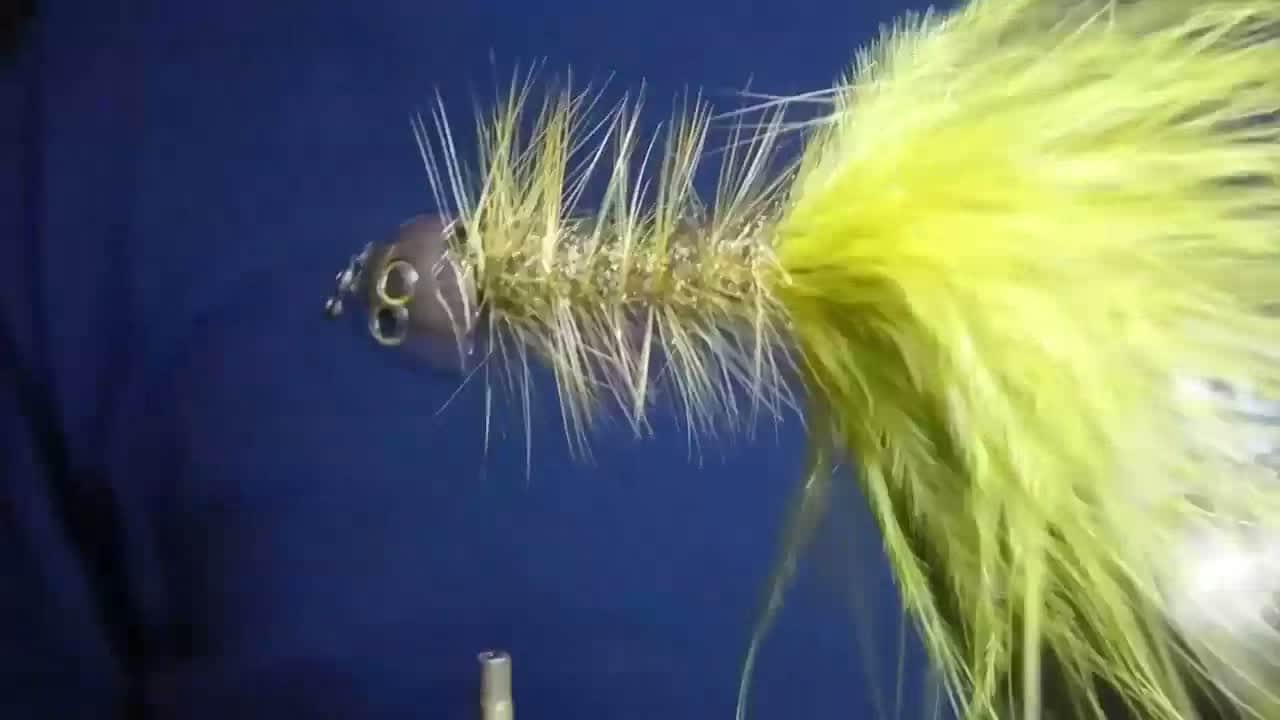
Sculpin, leech, olive bugger, crayfish, small baitfish

Use on bumps in flow, cloudy days, and undercut or boulder cover.

Tactics

How to fish it

Start with a temperature and clarity check before choosing a rig.

Fish from downstream, keep false casts low, and avoid stepping into the lane you need to fish.

Use dry-dropper rigs in broken water and switch to tight-line or indicator nymphing in deeper slots.

During spinner falls, wait for feeding fish instead of blind-casting over calm pools.

After rain, fish sculpins and buggers near softer banks only when the flow is safe to wade.

Rigging

Rod, leader, and setup notes

A 9-foot 4 or 5-weight covers most trout work.

Carry 4X to 6X tippet; clear water often needs lighter tippet and smaller flies.

Use a second spool or sink-tip only if you plan to streamer fish larger pools.

Barbless hooks and a rubber net reduce handling time on wild trout.

Access

Access and planning notes

Penns Creek gauge

Primary flow decision

Wade / float / trail

USGS gauge / wade check

When to pick it

Start here when flow stability, temperature, and safe footing decide whether Penn's Creek is worth the drive.

Caution

The gauge does not solve posted banks, seasonal roads, or long gorge exits.

Poe Paddy State Park

Public access anchor

Wade / float / trail

Park / wade / trail

When to pick it

Use it when you need the clearest public access framework before choosing a hatch or subsurface plan.

Caution

Confirm parking, road conditions, crowds, and exact fishing areas before committing.

Penns Creek Wild Area

Remote trout plan

Wade / float / trail

Trail / gorge / wade

When to pick it

Pick this when stable water, daylight, and exit logistics support a longer walk.

Caution

Remote water raises the consequence of storms, warm water, and poor footing.

Penns Creek access is a mix of public land, roads, parks, and private property.

Do not rely on a map pin alone; verify signs and current DCNR or PFBC access notes.

Remote gorge fishing rewards simple gear, water, rain layers, and a daylight exit plan.

Regulations

Check before fishing

Check the PFBC summary book and current trout classification material for the exact Penns Creek section before fishing.

Primary base

Coburn, Spring Mills, Millheim, or State College

Best day style

Remote limestone trout water, state-park access, roads, and private-boundary awareness

Check first

PFBC rules, Poe Paddy road/access status, USGS flow, weather, and water temperature

Safety

Remote roads, limited cell service, private land, pushy flows, and summer thermal stress

Gear

Helpful gear for this water

Four or five-weight rod

Covers most dry-fly, nymph, and dry-dropper work.

Six-weight or streamer rod

Useful for wind, higher water, and larger flies.

Thermometer

Use it before catch-and-release trout fishing in warm weather.

Wading staff

Helpful on limestone shelves, boulders, and pushy tailwater edges.

Barbless-hook box

Speeds handling on wild trout and special-regulation water.

Nearby water

Other water to research

Backup logic

High or stained water

Compare Spring Creek, Little Juniata River, or Fishing Creek instead of forcing a poor-visibility gorge day.

Warm water

Fish only the coolest responsible window or move to a colder limestone option.

Hatch pressure

Shift timing, choose a quieter legal reach, or fish a backup creek rather than crowding famous water.

Access or road uncertainty

Stay with a confirmed public access point or pick another central Pennsylvania stream.

Spring Creek

A more technical Centre County limestone option.

Little Juniata River

A nearby wild brown trout benchmark with different access and flow behavior.

Fishing Creek

Another central Pennsylvania limestone trout plan.

FAQ

Fast answers

Is Penn's Creek fishable today?

Penn's Creek looks very fishable right now. The live score is 96/100, based on current flow, weather, public alerts, and the report's planning context. Recheck the linked gauge and forecast before leaving because conditions can change quickly after rain, heat, access changes, or flow swings.

What flow is best for Penn's Creek?

Use USGS 01555000 at Penns Creek as the primary public flow check. Stable, cool, readable water is best; sharp rises, heavy stain, low warm water, or unsafe gorge footing should change the plan.

When should I skip Penn's Creek?

Skip or pivot when flow is rising hard, thunderstorms are nearby, water temperature is stressful for trout, access roads or exits are uncertain, or the planned reach has unclear public entry.

Is Penn's Creek safe to wade right now?

The fishability score is not a wading guarantee. Wade only where your chosen access has safe edges, clear footing, legal entry, and no forced crossings; high, rising, stained, or storm-affected water should be treated conservatively.

What should I check first before fishing Penn's Creek?

Check PFBC rules, USGS 01555000, the National Weather Service forecast, road/access status, and water temperature.

Where should a first-time visitor start on Penn's Creek?

Poe Paddy and Coburn are good orientation points, but you still need to verify public access and section rules.

Can I wade Penn's Creek?

Yes at safe flows, but the creek has slick rock, deep pools, and pushy current after rain.

What flies should I bring for Penn's Creek?

Bring the seasonal fly box, then adjust size, weight, and color to water level, clarity, temperature, and fishing pressure.