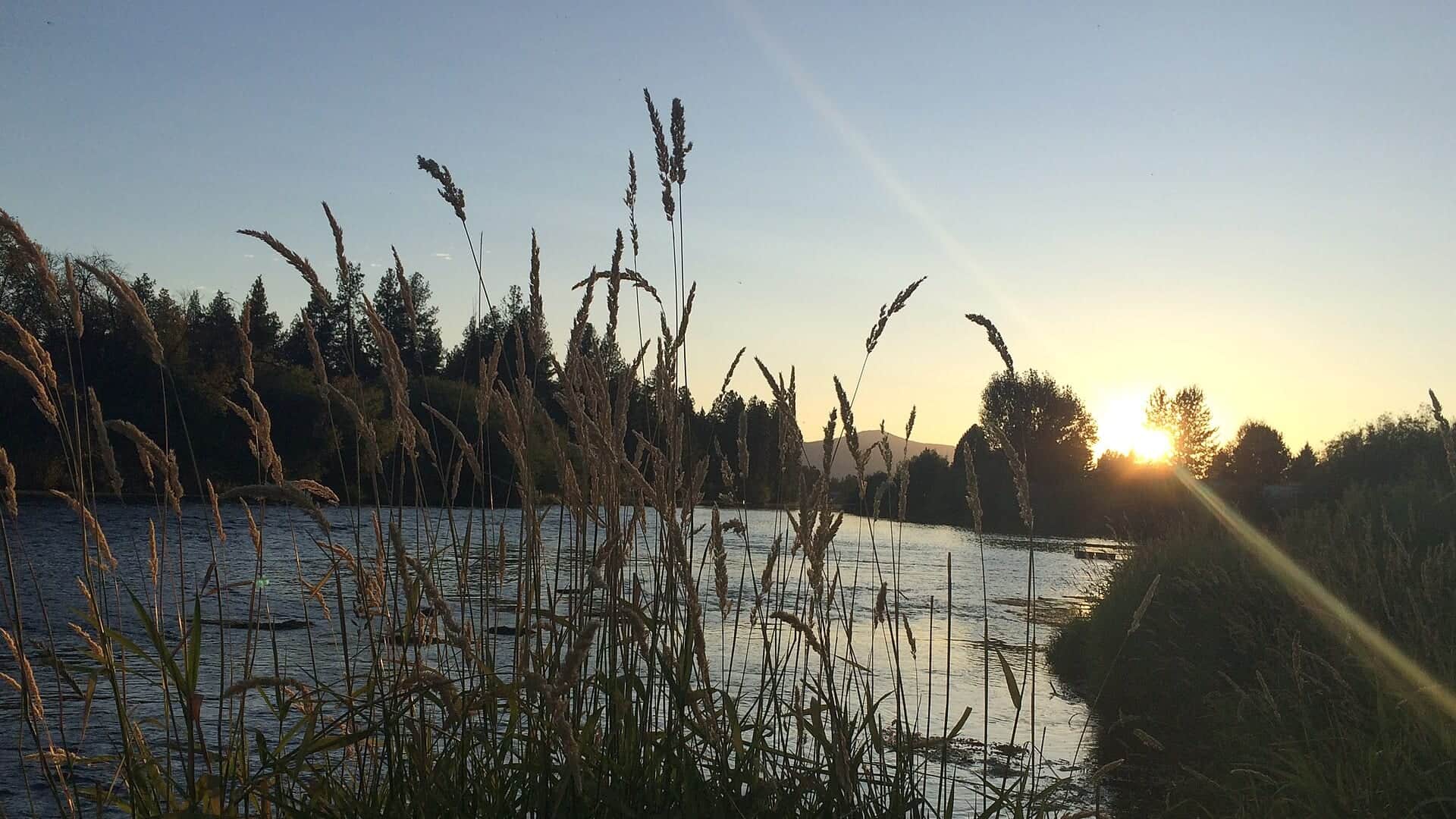
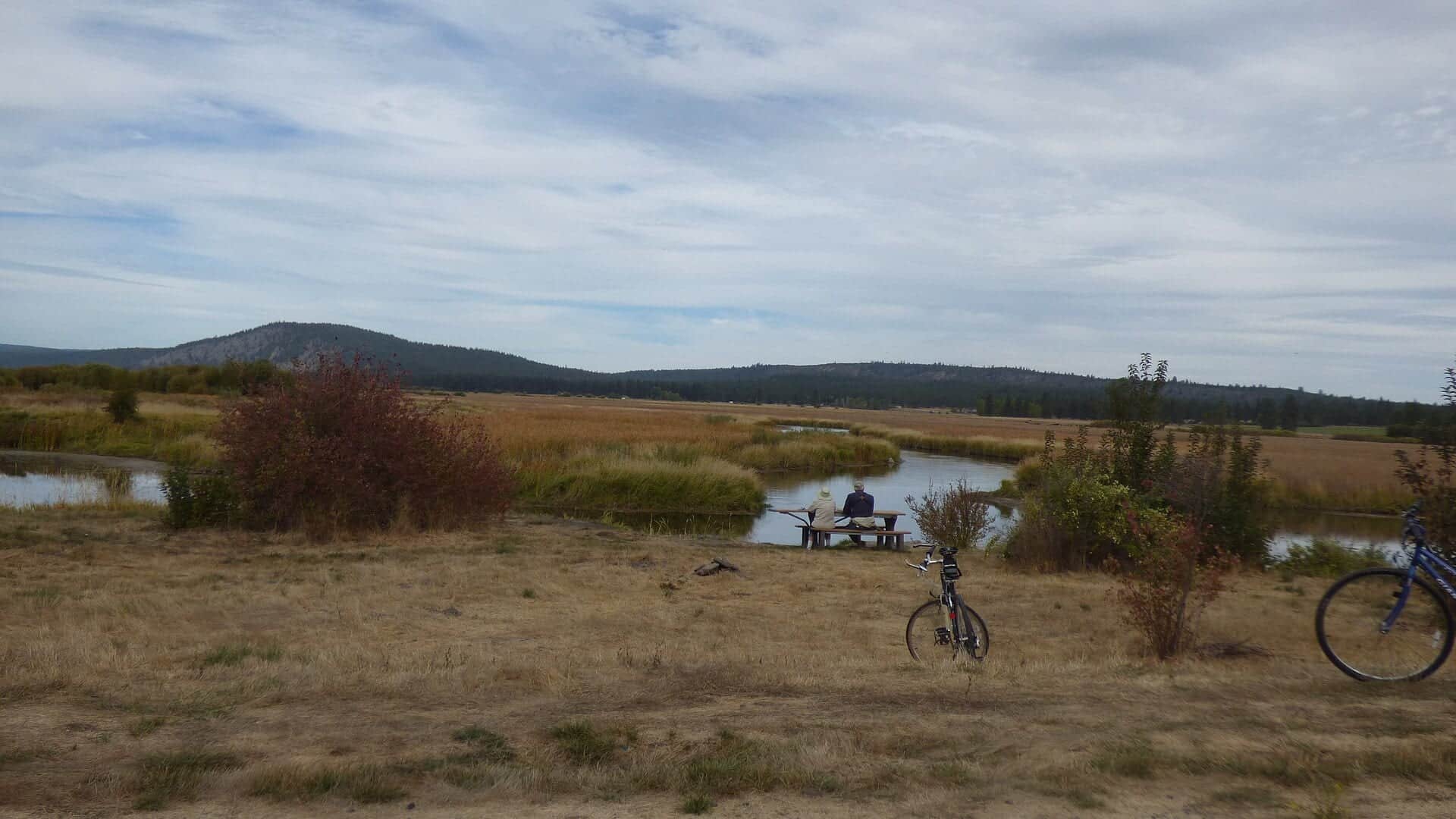
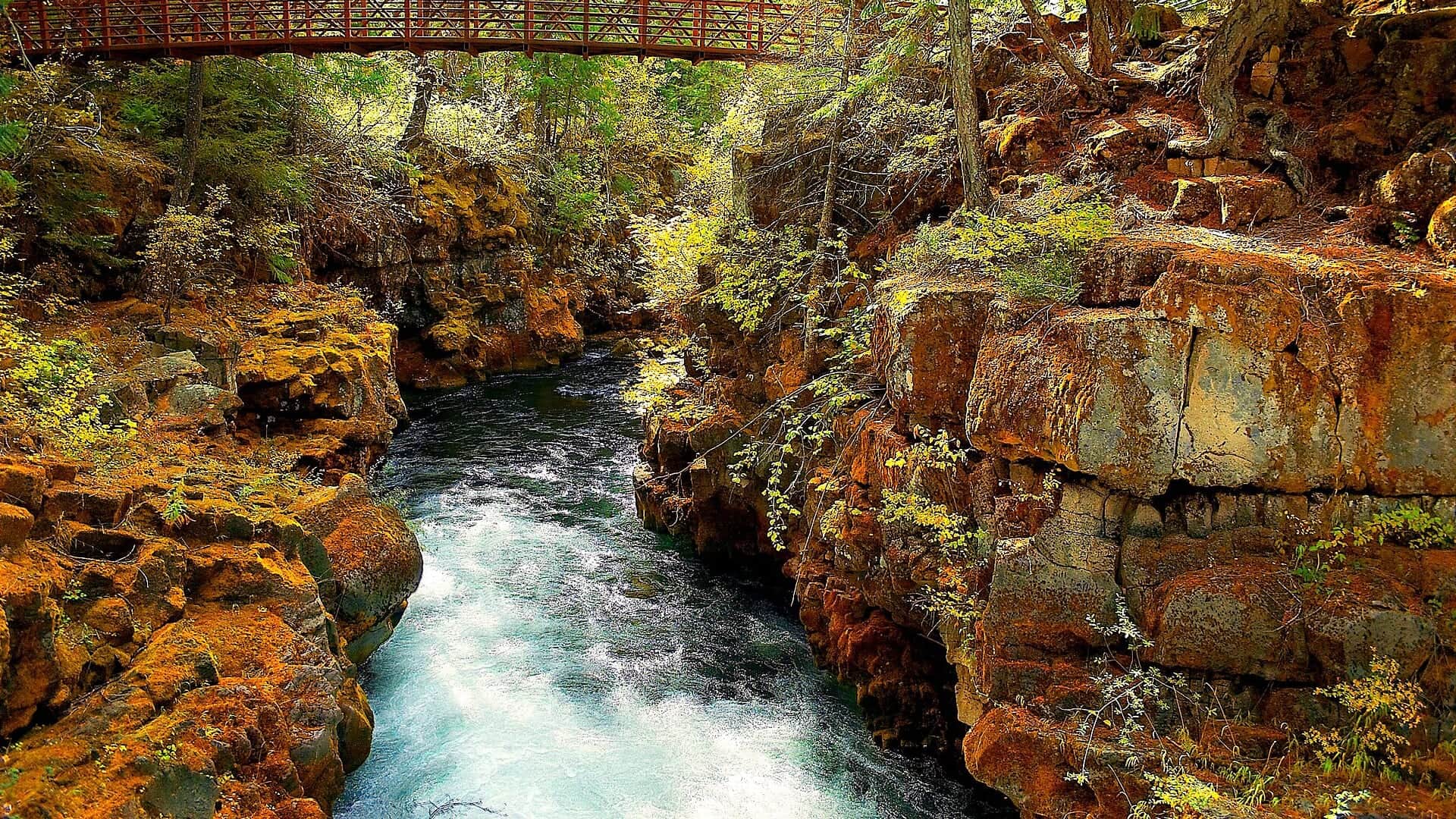
Generated regional Oregon river scene for Upper Klamath River planning; not an exact location photo

Oregon / West

Upper Klamath River

A Keno-area Upper Klamath report for redband trout, changing post-dam-removal flows, stonefly hatches, access, and legal checks.

Image: Generated regional planning image for Upper Klamath River / BlueStreamFly generated; not exact location / BlueStreamFly

Fishability now: Upper Klamath River fishability today

GoodData confidence: High

84/100

Fishable now because the live gauge is stable, weather is mild, and a public alert may affect the plan.

Flow observed

4:45 PM UTC

Weather observed

5:00 PM UTC

Score calculated

5:23 PM UTC

Why this rating

Flow

Water temperature

Public alert

Next 6-12 hours

Hold

Stable live data supports staying with the plan, but recheck the gauge and forecast before leaving.

More planning details: flies, flow bands, and live source checks

Fish it today

Start here

Start with the two USGS gauges, ODFW Southeast Zone updates, BLM river access context, and weather near Keno. Pick one reachable access plan and avoid building the day around unverified banks.

Best flow clue

Use USGS 11510700 below John C. Boyle Powerplant with USGS 11509500 at Keno for context. Stable flow and safe access matter; sudden changes, heat, or unclear river travel conditions should move the plan elsewhere.

Skip trigger

Skip or pivot when flows are changing quickly, water temperatures are poor for trout handling, ODFW updates or Southeast Zone rules are not confirmed, canyon access is uncertain, or heat, smoke, or road conditions raise safety concerns.

Flow decision bands

Stable and reachable

A stable Keno and John C. Boyle context can support a cautious plan when the chosen access is legal, reachable, and not compromised by heat or smoke.

Best powerplant-context window

The strongest signal is steady flow below John C. Boyle with manageable weather and a specific canyon access plan already chosen.

Sudden change or unsafe canyon

Powerplant-influenced changes, rugged banks, poor exits, or unclear roads should move the day to scouting or another river.

Heat, smoke, or warm-water caution

If heat, smoke, or warm water are the main story, the Upper Klamath is a weak fishing call even when the gauge is updating.

USGS flow

1,170 cfs

Open

Current trend: flow stable, so weather, temperature, and access checks drive the next change.

Live USGS flow

1,170 cfs / stable

Live NWS forecast

62F / Mostly Sunny

Live water temperature

61F from USGS

Active public alerts

Frost Advisory issued June 3 at 4:55AM PDT until June 4 at 8:00AM PDT by NWS Medford OR

Primary waterKeno Dam, Highway 66, and the upper Oregon Klamath canyon corridor
Flow checkUSGS 11510700 below John C. Boyle Powerplant, with Keno context
Access styleBLM river corridor, roadside checks, rough canyon access, and changing restoration conditions
ReviewedJune 1, 2026

Use USGS 11510700 for the main planning gauge and check 11509500 at Keno for upstream context.

Do not assume salmon or steelhead fishing is open in this Oregon reach; confirm the current ODFW closure language before fishing.

High or peaking water pushes the better fly plan toward edges, eddies, heavy nymphs, and streamers instead of mid-river wading.

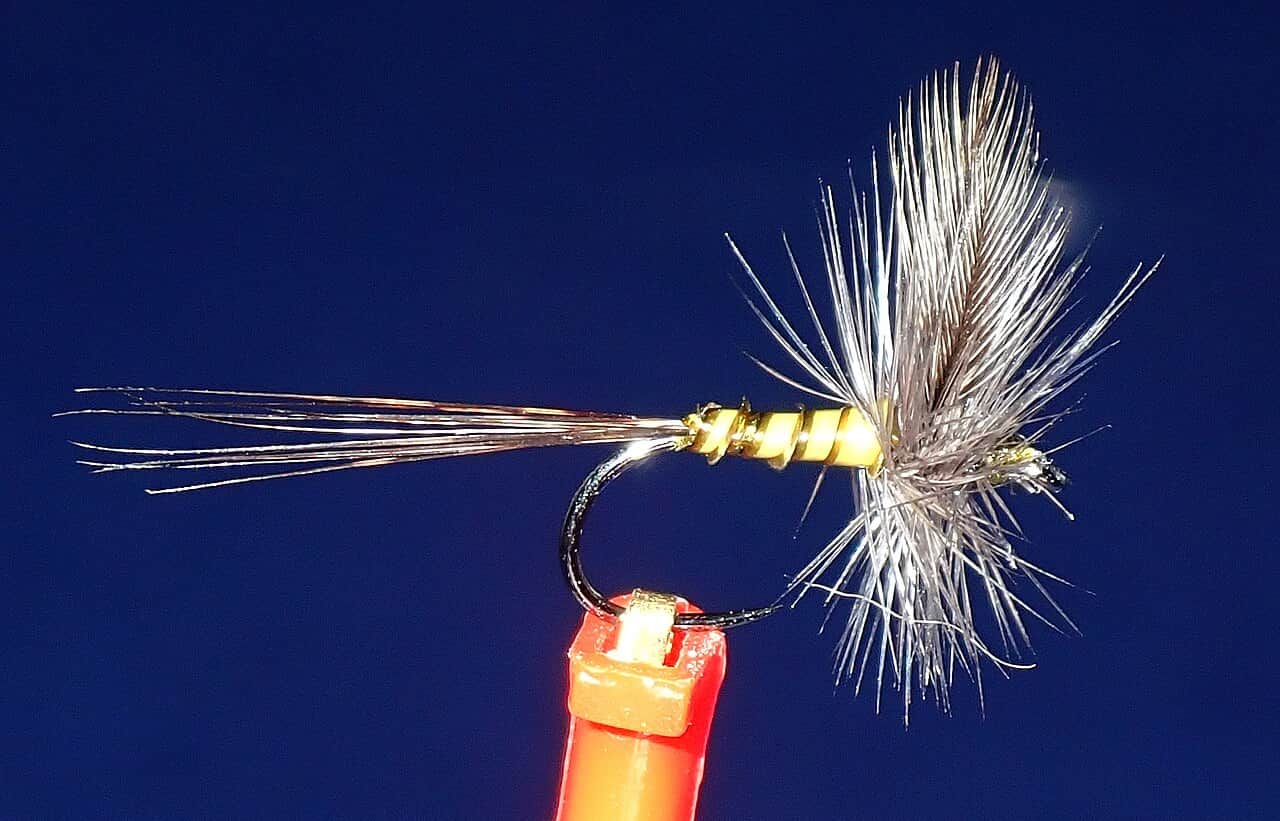
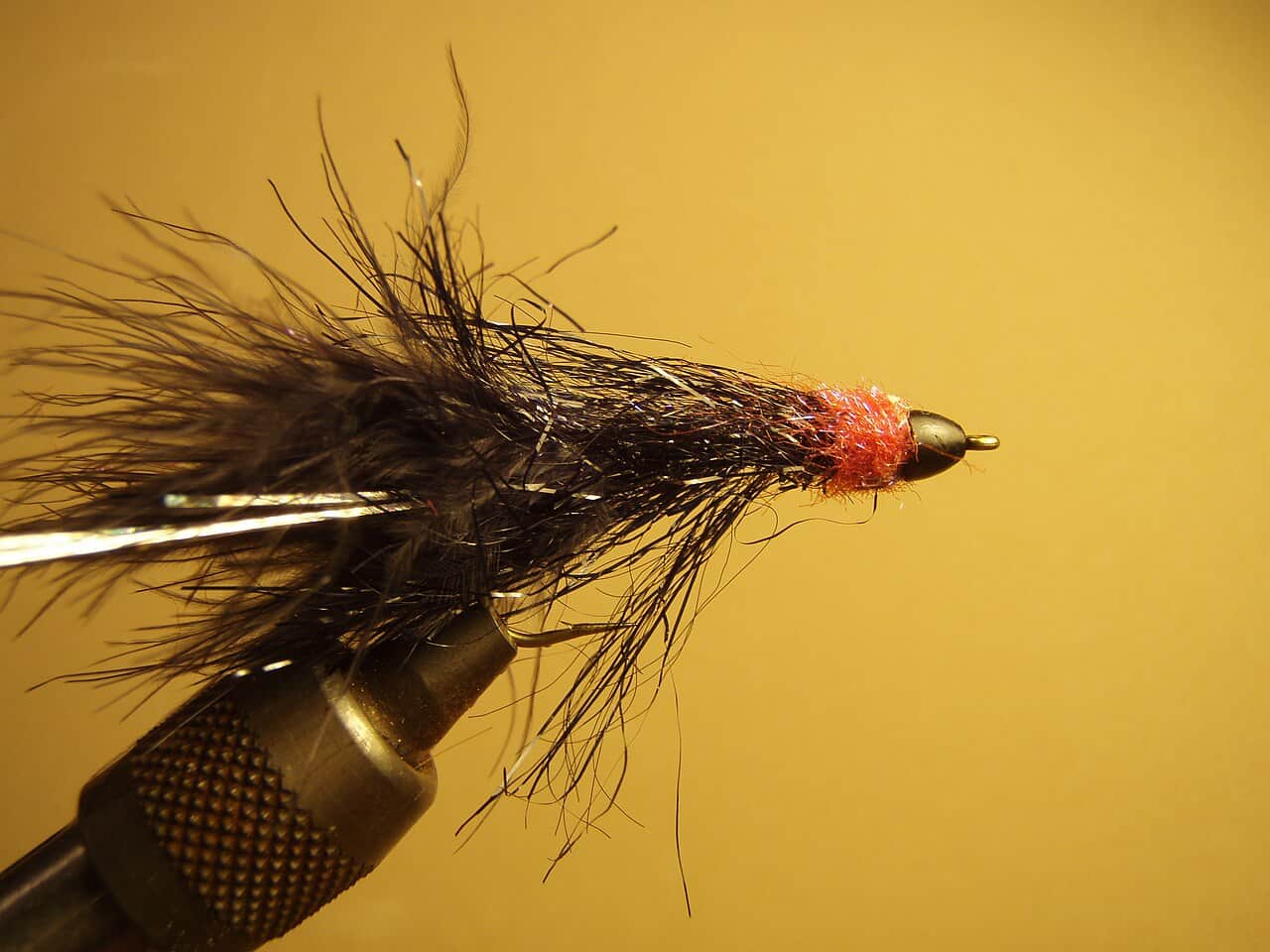
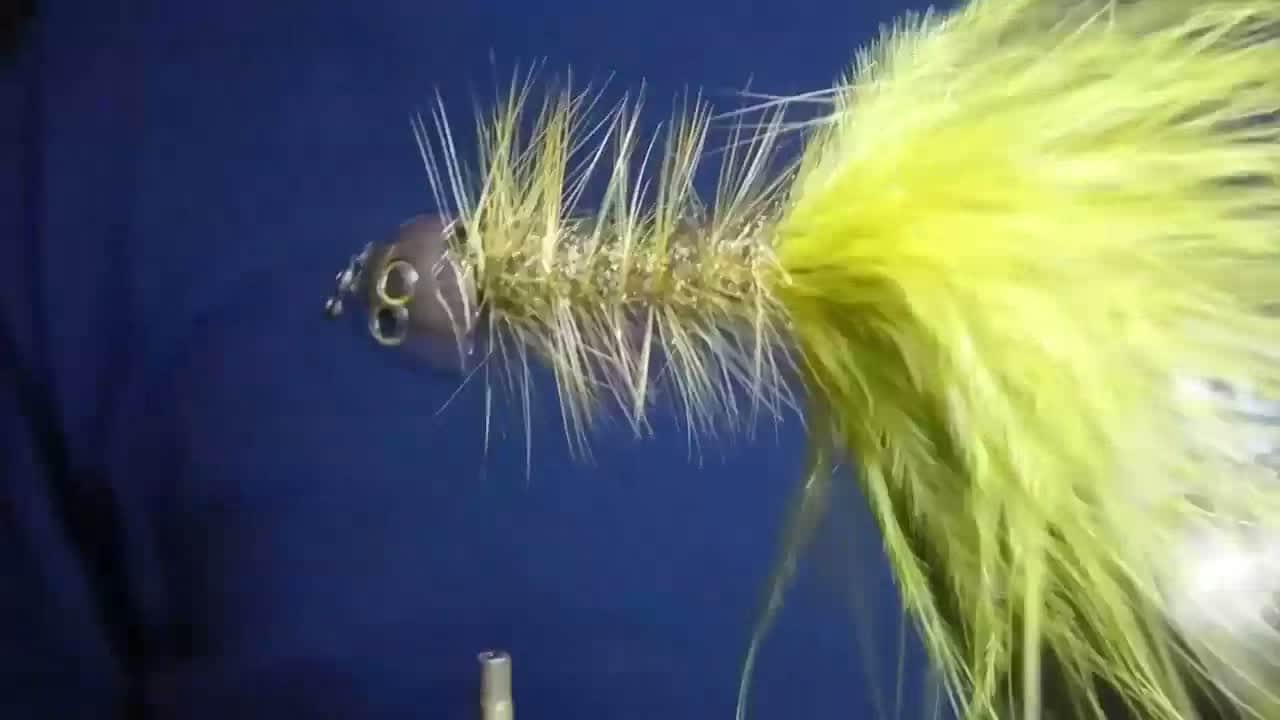
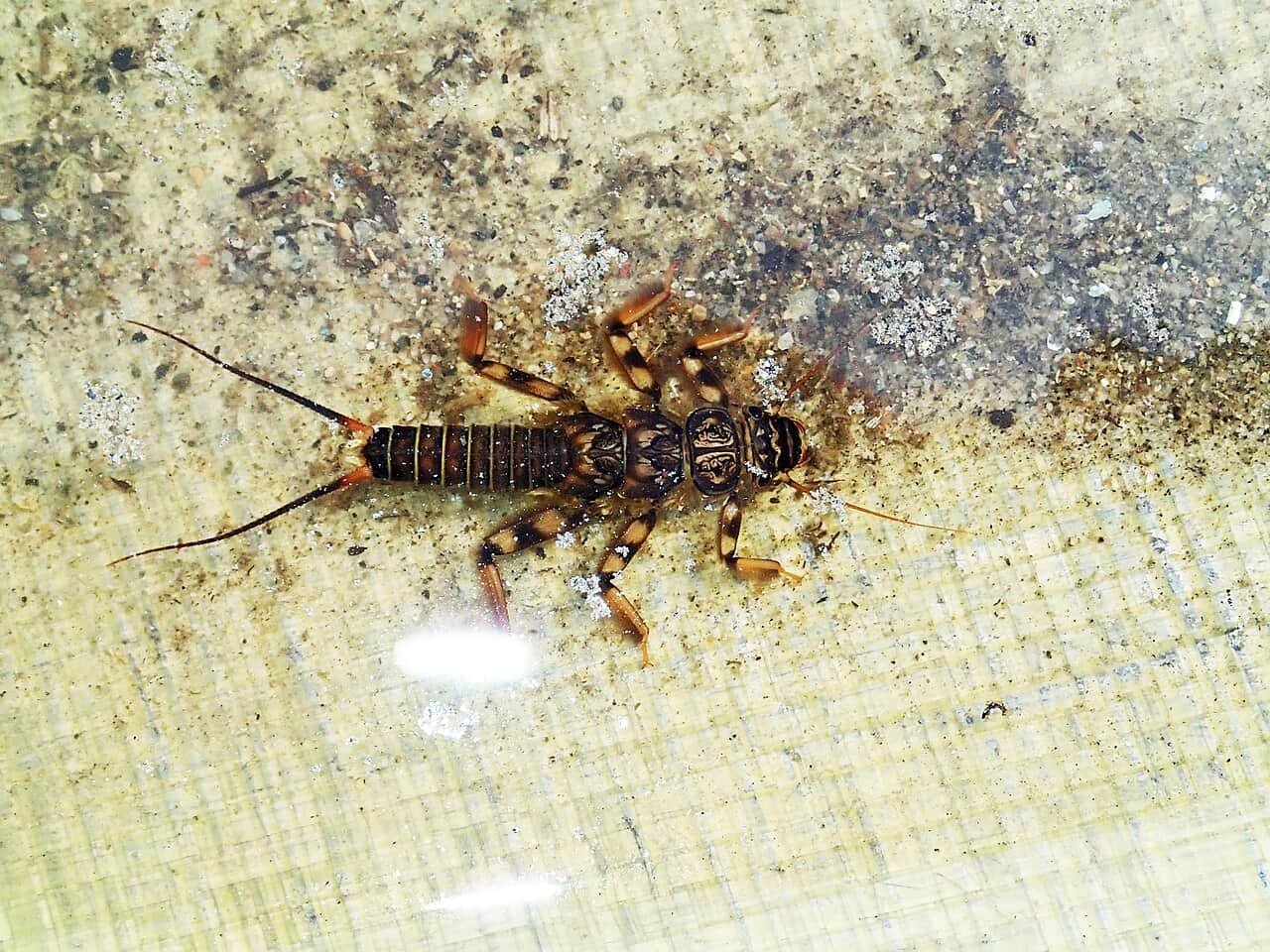
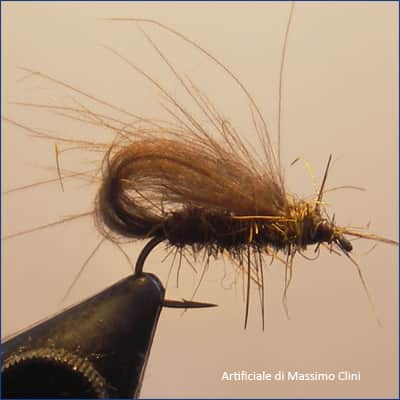
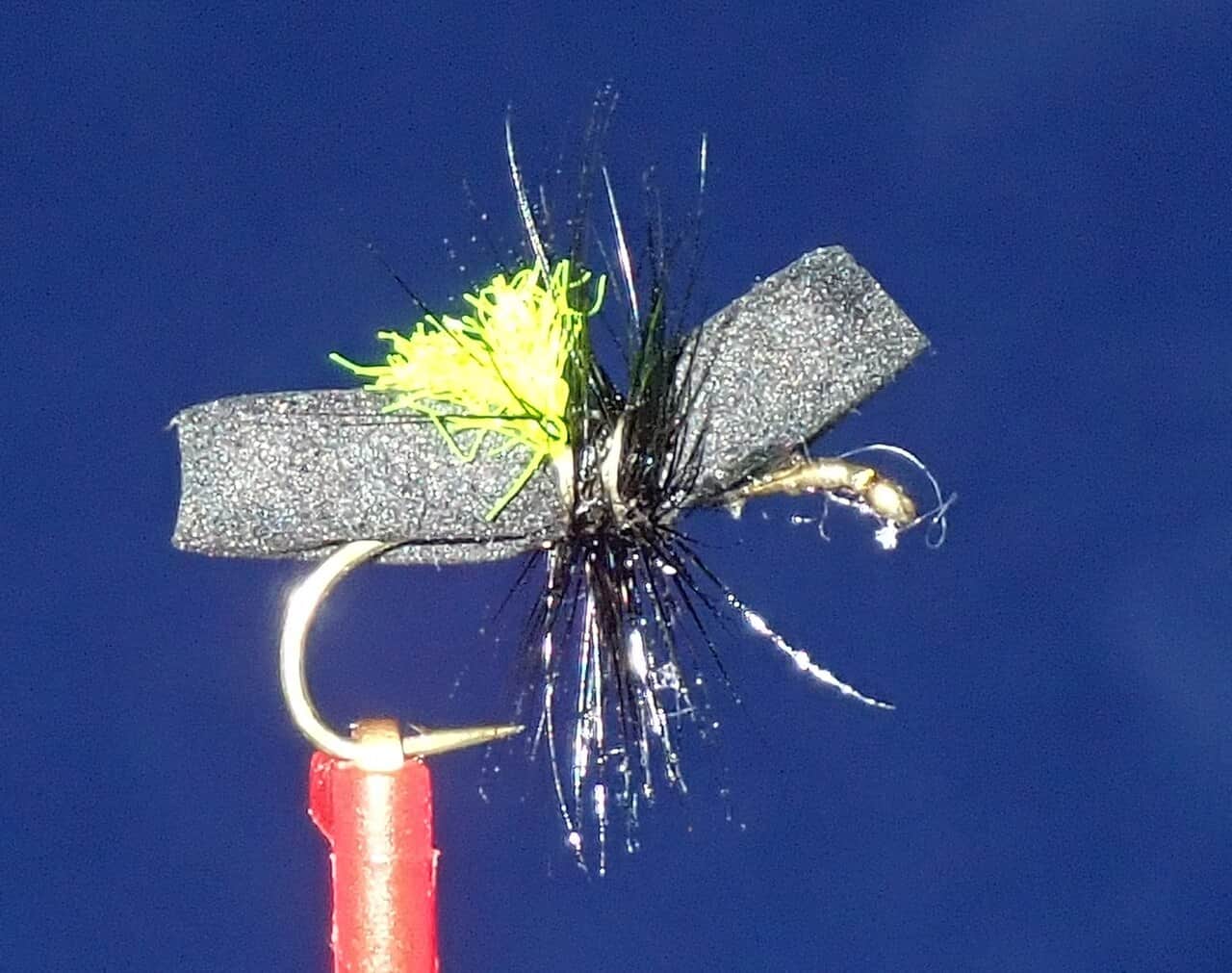
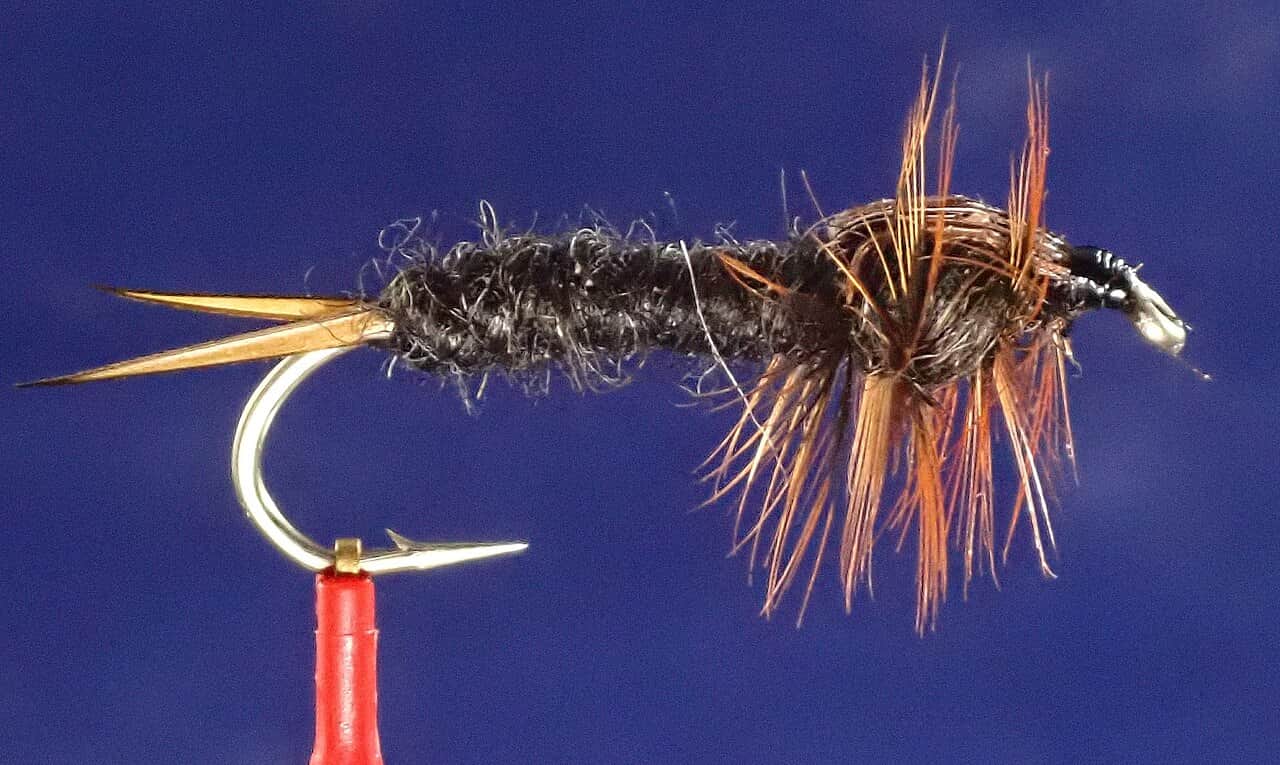
Stoneflies, golden stones, caddis, and sculpin or leech patterns are the most practical starting box.

Editorial review

How this report is maintained

This Upper Klamath River report is maintained from USGS Klamath flow data, Oregon Southeast Zone fishing information and regulations, ODFW regulation updates, BLM Upper Klamath Wild and Scenic River information, Rivers.gov background, weather, generated-image disclosure, and powerplant-influenced river planning sources.

Byline

BlueStreamFly editorial team

Reviewed by

BlueStreamFly source review

Maintained by

Mountain Brook Run LLC

Last material review

2026-06-01

Report confidence

Good confidence

86/100

Good confidence: Oregon Southeast Zone sources, ODFW regulation updates, USGS Keno and John C. Boyle flow context, BLM Upper Klamath access information, Rivers.gov background, and weather coverage support the page. Confidence is moderated by powerplant-influenced flow, broad reach scope, rugged access, heat, smoke, warm-water risk, and generated regional imagery.

Regulations

Oregon Southeast Zone information, regulation updates, and current regulations support the current rule-check path.

Access

BLM and Rivers.gov sources support public river context, while exact roads, banks, and canyon access remain trip-specific.

Flow and weather

USGS 11510700 and USGS 11509500 provide useful flow context, but powerplant influence and reach choice require extra caution.

Fishing usefulness

The page now separates Keno and John C. Boyle flow context, canyon access, warm-water and smoke skips, rule checks, and backup-water choices.

Fishability dashboard and source review

2026-06-01 / material content or source review

USGS 11510700 below John C. Boyle Powerplant, USGS 11509500 at Keno, Oregon Southeast Zone fishing information and regulations, ODFW regulation updates, BLM Upper Klamath Wild and Scenic River information, Rivers.gov Klamath background, and the National Weather Service point were checked before updating the current-fishability decision layer.

2026-06-01

Updated Upper Klamath River to the current fishability-page standard with powerplant-context flow bands, canyon access cards, backup cues, stable fishability SEO, and confidence signals.

2026-05-28

Added powerplant-influenced flow planning, Southeast Zone regulation checks, canyon and BLM access nuance, heat and flow skip cues, backup-water suggestions, editorial review signals, and a page-specific report-confidence meter after source review.

2026-05-25

Initial source-reviewed report published with flow context, weather, flies, tactics, access, regulations, and FAQs.

Angler planning edge

Local details that change the plan

Best for

Southern Oregon anglers planning Upper Klamath trips around Keno and John C. Boyle flow context, canyon access, and Southeast Zone rules, Trips where powerplant-influenced flow, remote access, weather, and regulation updates need careful checks before fishing, Streamer, nymph, and warm-season edge plans only when water conditions, access, and fish-handling concerns fit, Anglers comparing the Upper Klamath with the Rogue, Lower Rogue, or Williamson River before choosing a southern Oregon plan

Wade or float

Treat the Upper Klamath as a source-check-first river, not a casual roadside trout stop. Flow changes, canyon access, warm water, and rugged banks should decide whether a plan makes sense.

Best flows

Use USGS 11510700 below John C. Boyle Powerplant with USGS 11509500 at Keno for context. Stable flow and safe access matter; sudden changes, heat, or unclear river travel conditions should move the plan elsewhere.

When to skip

Skip or pivot when flows are changing quickly, water temperatures are poor for trout handling, ODFW updates or Southeast Zone rules are not confirmed, canyon access is uncertain, or heat, smoke, or road conditions raise safety concerns.

Local plan

Start with the two USGS gauges, ODFW Southeast Zone updates, BLM river access context, and weather near Keno. Pick one reachable access plan and avoid building the day around unverified banks.

Pressure

Pressure is less about famous hatch crowds and more about limited practical access. A clear access and exit plan is more important than covering more river.

Access nuance

BLM and Rivers.gov sources support public river context, but powerplant-influenced flow, road conditions, private boundaries, and canyon access still need current field confirmation.

Backup water

If the Upper Klamath is hot, flow-affected, smoky, or hard to access, compare the Rogue for a broader southern Oregon option, the Lower Rogue for coastal timing, or the Williamson River for a different Klamath Basin plan.

About the river

Setting, character, and why it fishes the way it does.

The Upper Klamath River below Keno is a rugged Oregon river in transition after major dam-removal work in the wider Klamath basin. That makes it interesting water, but it also means a report should treat access, flows, sediment, and closures as living checks instead of fixed assumptions.

For anglers, the river is mainly a native redband trout plan with big-water current, canyon structure, and food that moves along banks and softer edges. The water can look inviting from a map and still be too strong to wade safely.

Think in short, careful missions: check the gauge, pick a reachable section, fish the edges first, and leave room for a safer lake, spring creek, or nearby Oregon trout backup if the river is up.

Target species

Redband/rainbow trout

Primary fly target. Handle quickly, keep fish wet, and check the current reach rules before keeping any trout.

Warmwater and forage fish

Crayfish, baitfish, and leech-style food matter for fly choice even when trout are the main target.

Salmon and steelhead

Do not plan on harvest or targeting unless ODFW explicitly opens the reach; current Southeast Zone closure language must be checked first.

Reading the water

Stable medium flows

Fish foam lines, inside bends, boulder seams, and bank buckets with stones, caddis pupa, and soft hackles.

High or rising water

Stay off heavy mid-channel wades. Fish close edges with larger nymphs, leeches, and streamers.

Warm afternoons

Check temperature and shift to early starts, faster handling, or a colder-water backup.

Low clear water

Use longer leaders, muted flies, and careful approach angles from downstream or off the bank.

Best seasons

Spring

Good hatch and nymph potential when flows are not climbing too hard.

Early summer

Stoneflies and caddis can make edges productive, but watch seasonal closure language by reach.

Fall

Cooling weather can improve trout behavior and streamer confidence.

Winter

Limited practical fishing; road, flow, and legal checks matter more than hatch timing.

USGS flow

Klamath River below John C. Boyle Powerplant near Keno

This is the fallback for rivers that are not covered by RiverReports. Use the official USGS monitoring page for the live hydrograph, station metadata, and current water trend.

Open USGS gauge

USGS data chart

Klamath River below John C. Boyle Powerplant near Keno

Streamflow over the latest USGS reporting window.

Latest

1,170 cfs

Jun 3, 5 PM UTC

Site

11510700

Low / high

1,160 / 1,320 cfs

Source

Open USGS

Weather

River weather report

Weather can change wading safety, road access, water temperature, hatches, and the best time of day to fish.

Live forecast loads as you reach this section

This keeps the report fast while still using the official National Weather Service forecast point.

Hatches and flies

Hatch chart and fly picks

April to June

Salmonflies, golden stones, caddis, midges, and spring mayflies

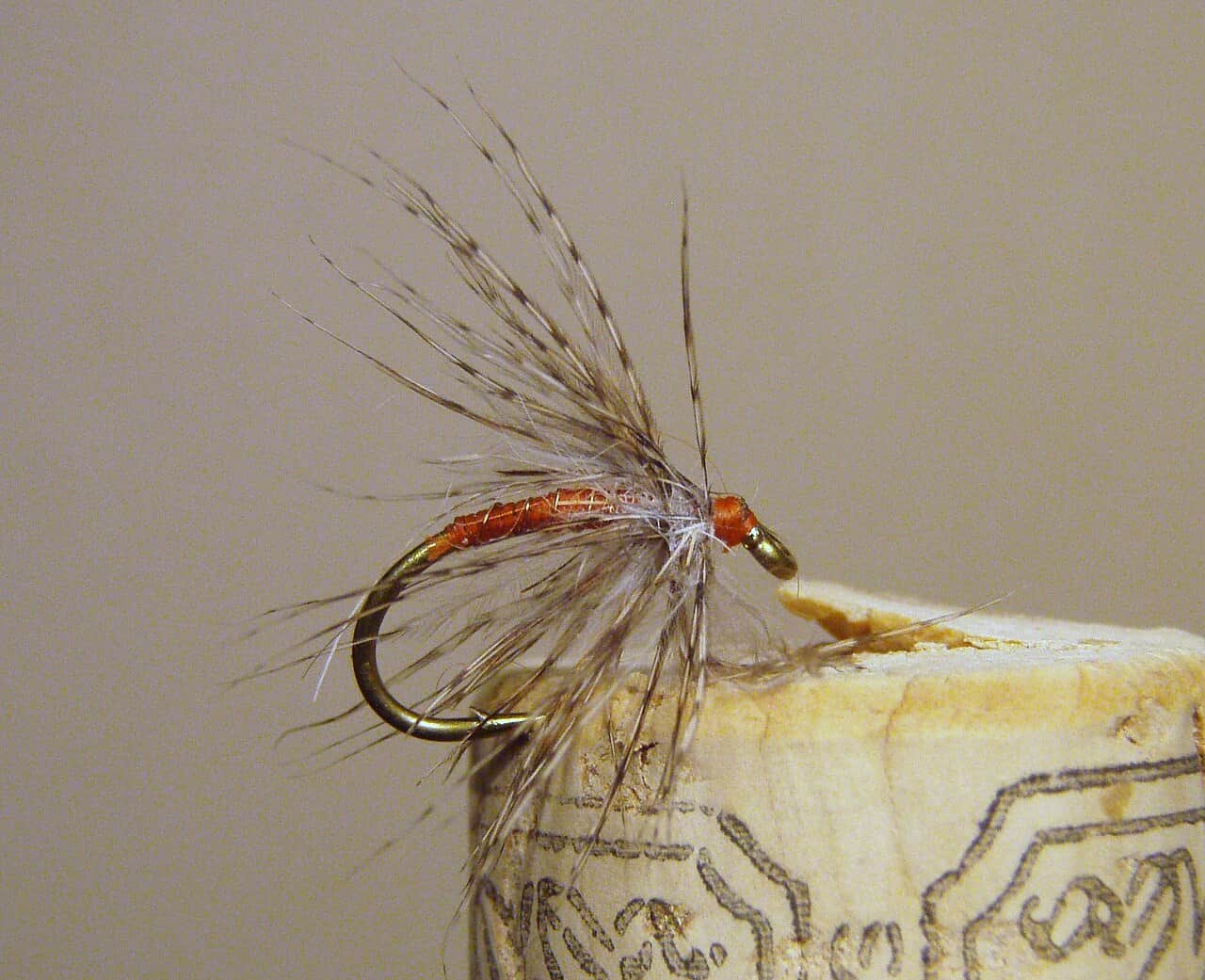
Stonefly dry, golden stone nymph, caddis pupa, BWO emerger, soft hackle

July to August

Caddis, terrestrials, leeches, baitfish, and early or late cool-water windows

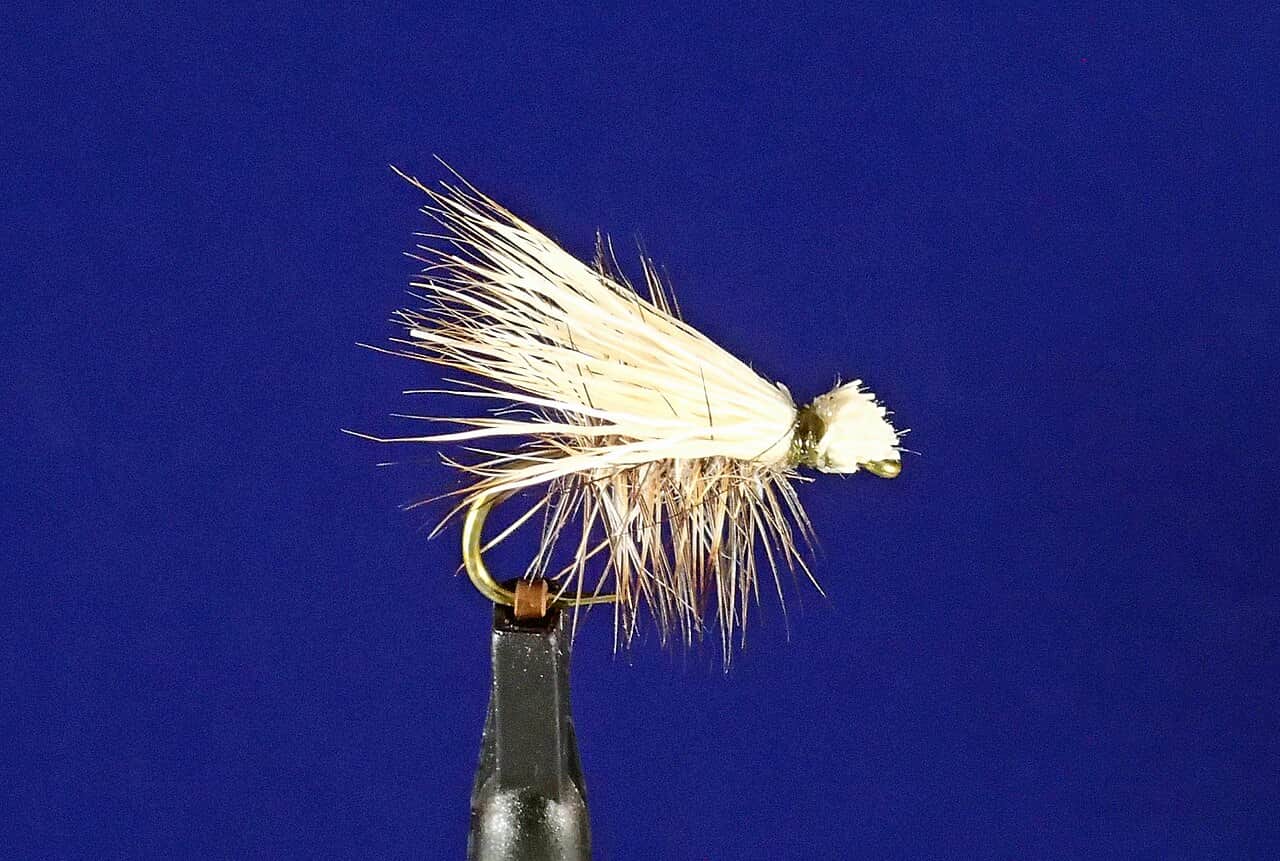
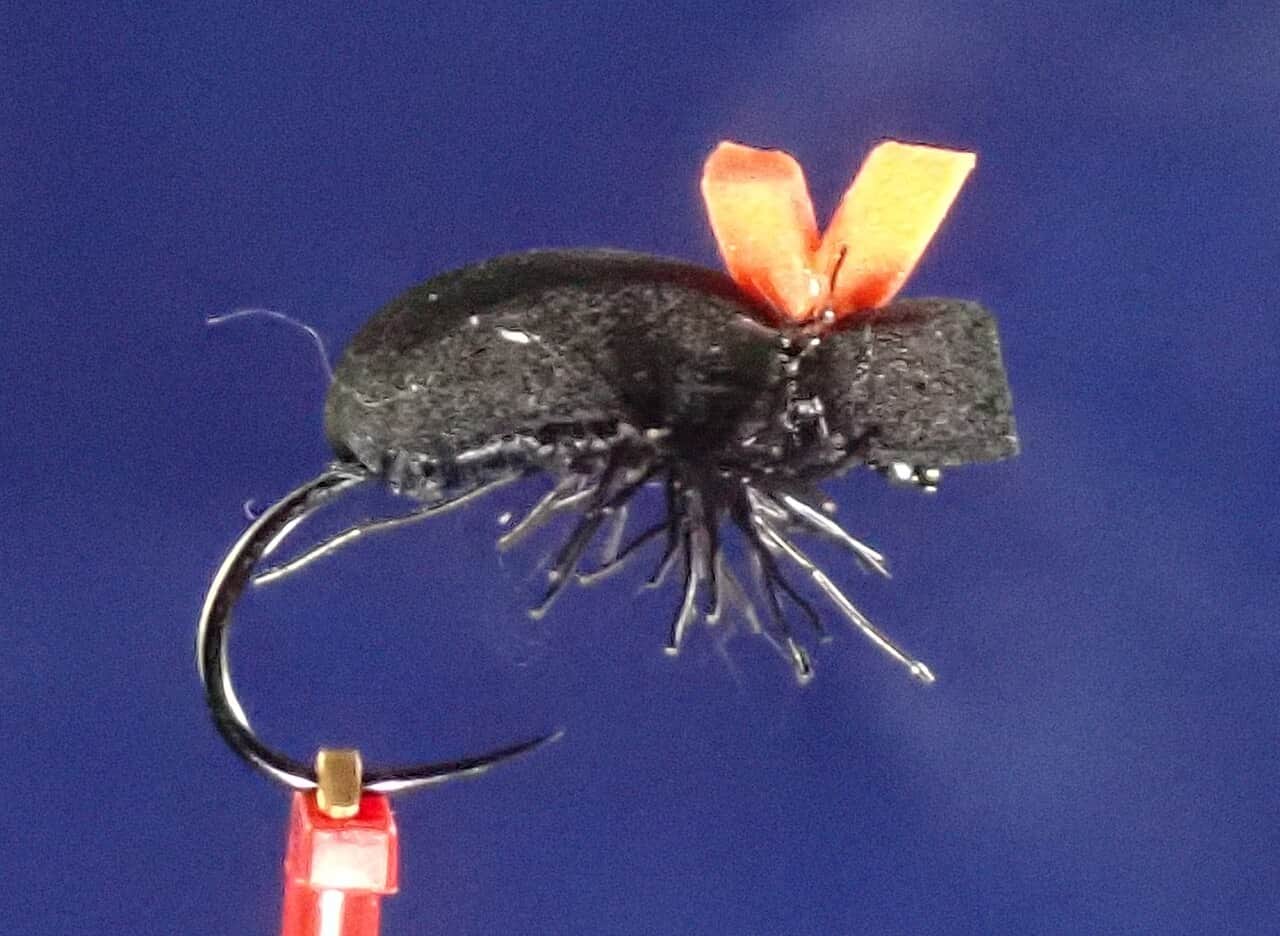
Elk hair caddis, ant, beetle, leech, sculpin, small baitfish streamer

September to October

Cooling water, October caddis, BWOs, midges, and streamer windows

October caddis, BWO emerger, zebra midge, leech, small sculpin

Winter and closures

Limited legal opportunity by reach, cold water, and slow presentations

Midge, small stonefly nymph, leech, soft hackle, small streamer

Nymphs

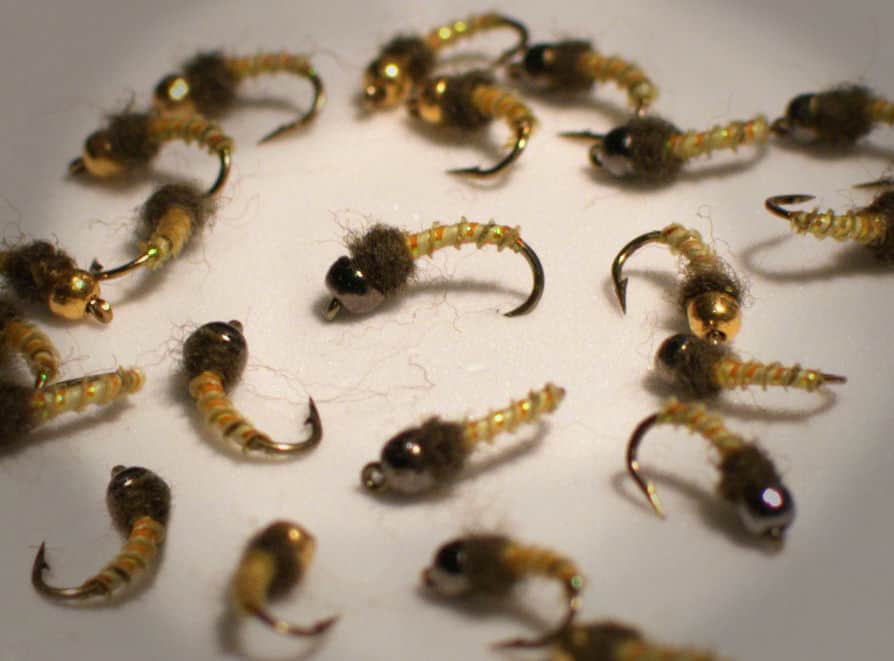
Perdigon, pheasant tail, hare's ear, zebra midge, stonefly

Use in riffles, buckets, and pocket water before fish commit to the surface.

Dries

BWO, caddis, sulphur, PMD, ant, beetle, small hopper

Use during visible hatches, spinner falls, or clear low-water sight fishing.

Streamers

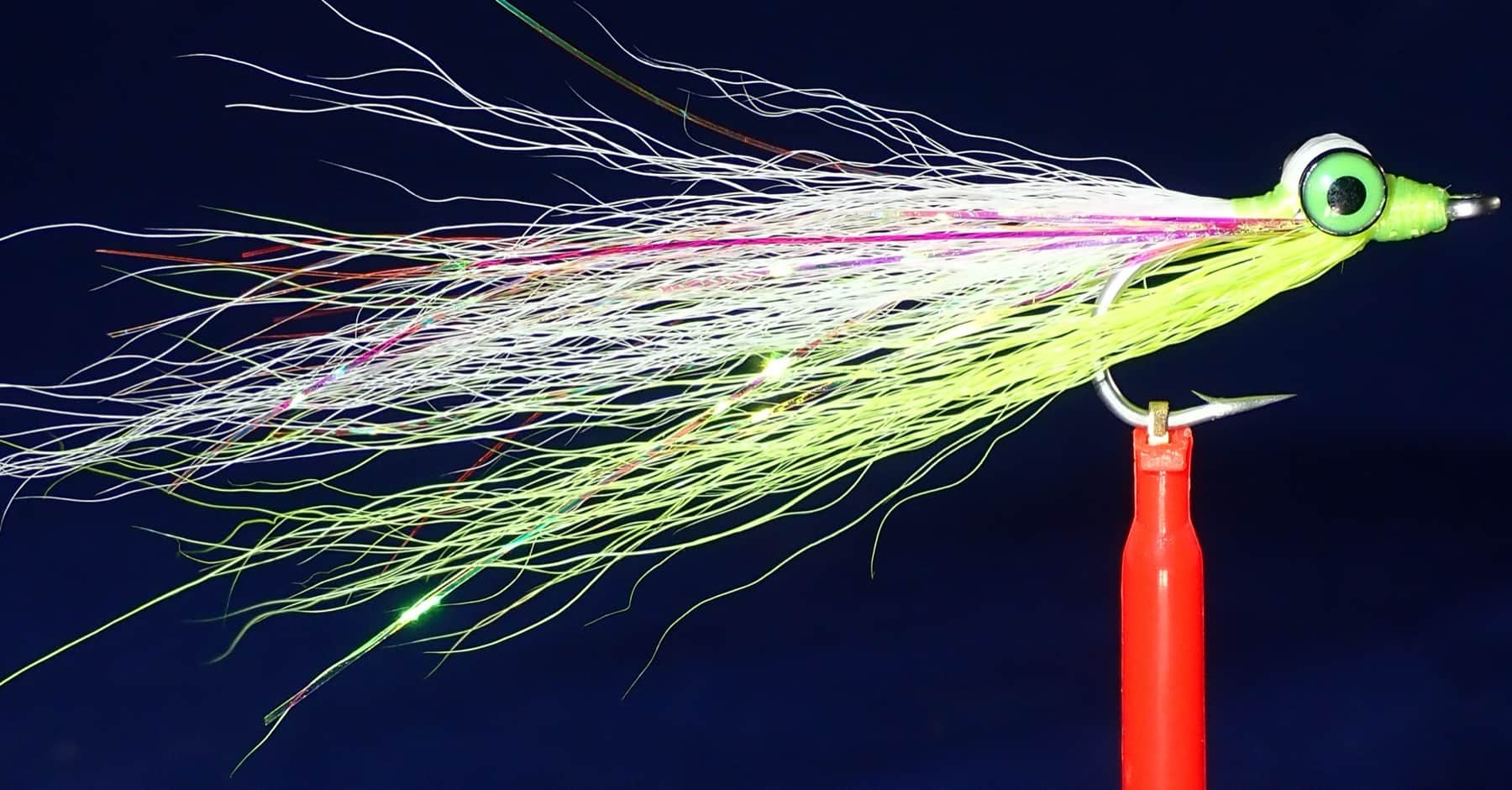
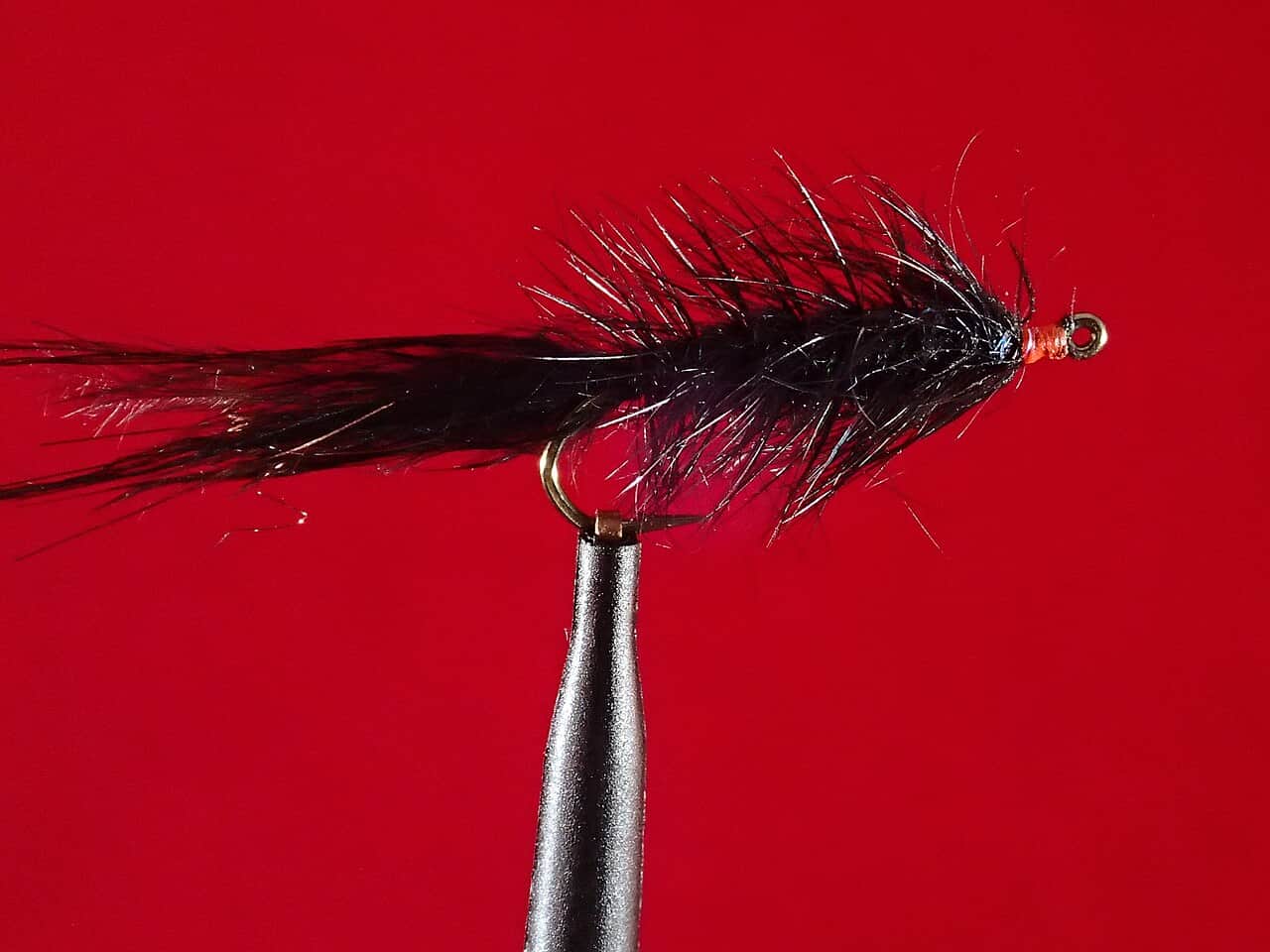
Sculpin, leech, olive bugger, crayfish, small baitfish

Use on bumps in flow, cloudy days, and deeper banks with cover.

Tactics

How to fish it

Start with the bank, inside seam, or back eddy before stepping into pushy water.

Use a stonefly nymph with a small caddis, BWO, or midge trailer when trout are not showing.

Swing soft hackles and small leeches through tailouts when flow is steady.

Throw short streamer casts to shaded banks, boulders, and foam pockets during cloudy or higher-water windows.

Carry a thermometer and stop catch-and-release trout fishing when temperatures become stressful.

Rigging

Rod, leader, and setup notes

A 5 or 6-weight with floating line covers most trout nymphing, dry-dropper, and small streamer work.

Use 3X to 5X tippet depending on water clarity, fly size, and cover.

For deeper edge slots, run a compact indicator or tight-line rig rather than long blind casts into heavy current.

Pinch barbs and keep handling short because redband trout are the reason to fish this reach.

Access

Access and planning notes

John C. Boyle and Keno gauge stack

Primary flow-context decision

Wade / float / trail

Gauge stack / powerplant context

When to pick it

Start here when the day depends on whether current flow is steady enough for the reach you can actually access.

Caution

The gauge stack is context, not a guarantee that every canyon access is safe or open.

BLM Upper Klamath corridor

Public access framework

Wade / float / trail

Canyon / road-linked access

When to pick it

Use it when you need a public river framework before choosing a reachable bank or canyon plan.

Caution

Roads, banks, private edges, heat, smoke, and safe exits still need current confirmation.

One canyon access plan

Risk control

Wade / float / trail

Short scout / careful bank plan

When to pick it

Pick one confirmed access when conditions are stable but the river is too rugged for vague exploring.

Caution

Do not build the day around unverified canyon banks or assumptions from a broad river map.

BLM and wild-and-scenic resources are better planning sources than old forum access notes.

Post-dam-removal river conditions are changing. Do not trust stale directions or old photos without checking current access.

Respect private land, gates, restoration zones, and active closure signs.

Regulations

Check before fishing

Check ODFW Southeast Zone regulations and updates before fishing. Do not rely on this page for salmon or steelhead opening status; the current ODFW source controls.

Primary base

Klamath Falls, Keno, or Ashland

Best day style

BLM river corridor, roadside checks, rough canyon access, and changing restoration conditions

Check first

ODFW Southeast Zone rules, regulation updates, USGS flow and temperature, access notices, and fire conditions

Safety

Powerful flows, cold releases, remote canyon access, rough roads, and salmon/steelhead closure confusion

Gear

Helpful gear for this water

Four or five-weight rod

Covers most dry-fly, nymph, and dry-dropper work.

Six-weight or streamer rod

Useful for wind, higher water, and larger flies.

Thermometer

Use it before catch-and-release trout fishing in warm weather.

Wading staff

Helpful on slick bedrock, pocket water, and pushy tailwater edges.

Barbless-hook box

Speeds handling on wild trout and special-regulation water.

Nearby water

Other water to research

Backup logic

Heat or smoke

Compare the Williamson or Metolius for a cleaner trout decision, or wait for safer air and water conditions.

Flow swing

Treat sudden powerplant-context changes as a reason to wait or scout rather than force a wade plan.

Access issue

Use only clearly open BLM-supported access or pivot to another southern Oregon river.

Rule uncertainty

Check ODFW Southeast Zone rules before fishing; if the reach remains unclear, choose another plan.

Williamson River

A Klamath Basin redband plan with more spring-creek style and reach-specific rules.

Wood River

A small-boat and limited-bank-access Klamath Basin brown and redband option.

Rogue River

A broader southern Oregon river option when Klamath access or flows are not right.

FAQ

Fast answers

Is Upper Klamath River fishable today?

Upper Klamath River looks fishable right now. The live score is 84/100, based on current flow, weather, public alerts, and the report's planning context. Recheck the linked gauge and forecast before leaving because conditions can change quickly after rain, heat, access changes, or flow swings.

What flow is best for Upper Klamath River?

Use USGS 11510700 below John C. Boyle Powerplant with USGS 11509500 at Keno for context. Stable flow and safe access matter; sudden changes, heat, or unclear river travel conditions should move the plan elsewhere.

When should I skip Upper Klamath River?

Skip or pivot when flows are changing quickly, water temperatures are poor for trout handling, ODFW updates or Southeast Zone rules are not confirmed, canyon access is uncertain, or heat, smoke, or road conditions raise safety concerns.

Is Upper Klamath River safe to wade right now?

The fishability score is not a wading guarantee. Wade only where your chosen access has safe edges, clear footing, legal entry, and no forced crossings; high, rising, stained, or storm-affected water should be treated conservatively.

What should I check first before fishing the Upper Klamath River?

Check ODFW updates first, then USGS 11510700 for discharge and temperature. A rising or warm river should change the plan.

Where should a first-time visitor start on the Upper Klamath River?

Start with the Keno and BLM corridor resources, then verify access signs and road conditions before leaving pavement.

Can I wade the Upper Klamath River?

Only wade conservative edge water. The canyon can be powerful, uneven, and hard to exit if flows rise.

What flies should I bring for the Upper Klamath River?

Bring the seasonal fly box, a few confidence nymphs or streamers, and enough tippet to change when flow, clarity, temperature, or pressure changes.