RiverReports preview · current series loading
Recent flow
RiverReports gauge
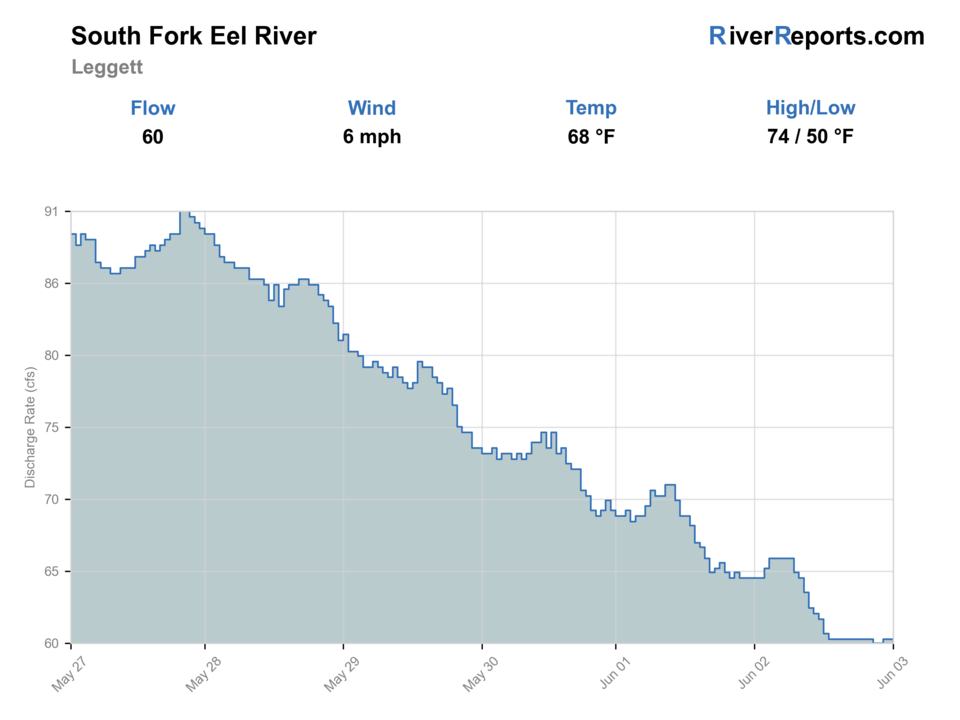
Showing the available RiverReports chart while the current structured flow series loads. Check the chart on RiverReports Opens in a new tab.
No single best way to fish. Wading, Bank fishing, and Floating have the same top score. Use current access, footing, weather, and local rules to choose.
Rating updatedRiver local time:
USGS shows 16 cfs. The flow has been stable over about 6 hours. USGS marks this reading provisional and may revise it. USGS records for this date (1966-2026, 56 readings) show a median near 31 cfs and the lower quartile near 18 cfs; today's flow is below normal for the date. This is below normal, so edge depth, temperature, and pressure matter.
NWS air forecast near
This is an air forecast, not a river-temperature reading. Check the water with a stream thermometer before fishing in hot weather.
RiverReports gauge
Showing the available RiverReports chart while the current structured flow series loads. Check the chart on RiverReports Opens in a new tab.
Rain Showers Likely
The National Weather Service forecast is temporarily unavailable.
RiverReports gauge: South Fork Eel River at Leggett
Seasonal starting points, not a live hatch report. Match what you see on the water.
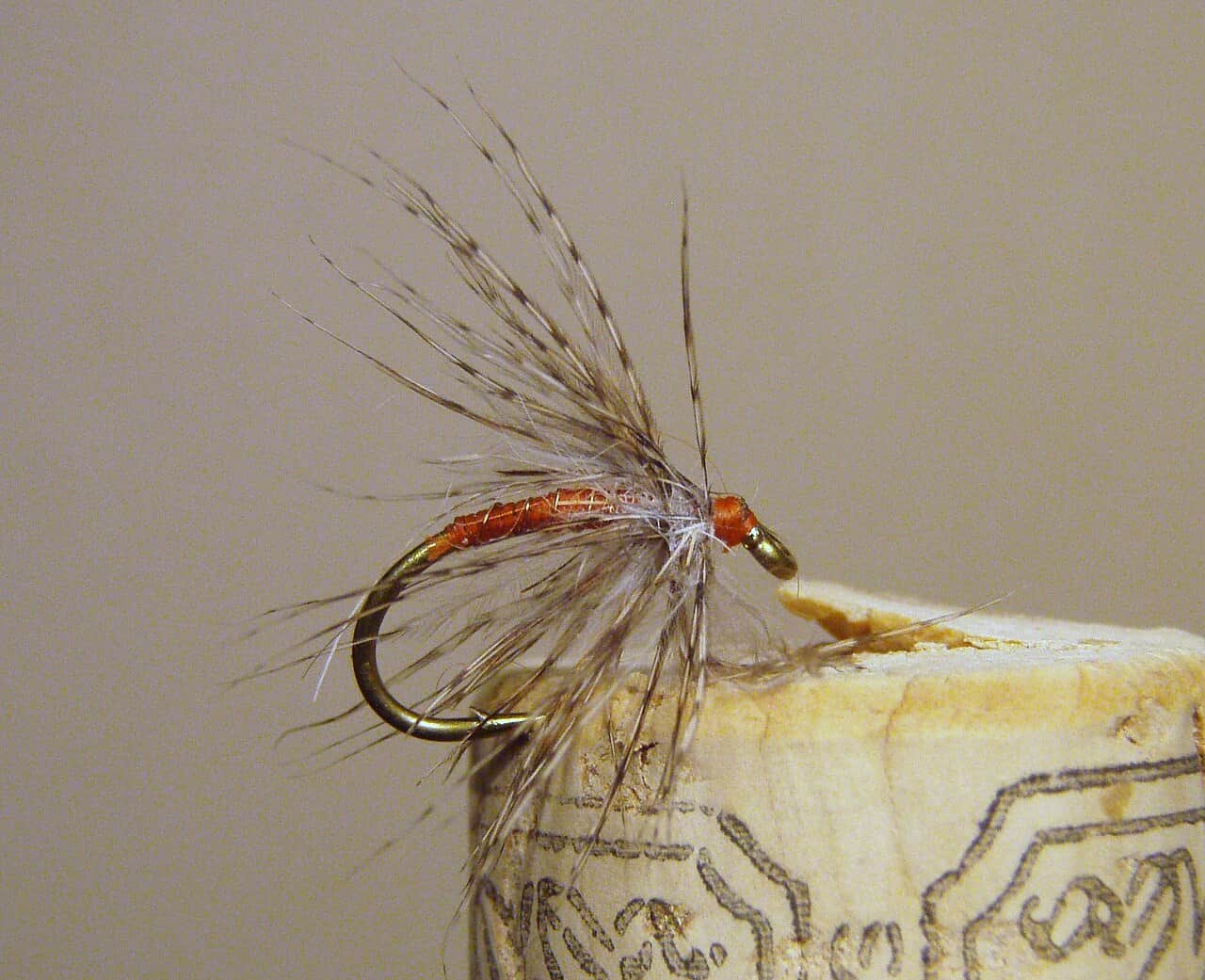
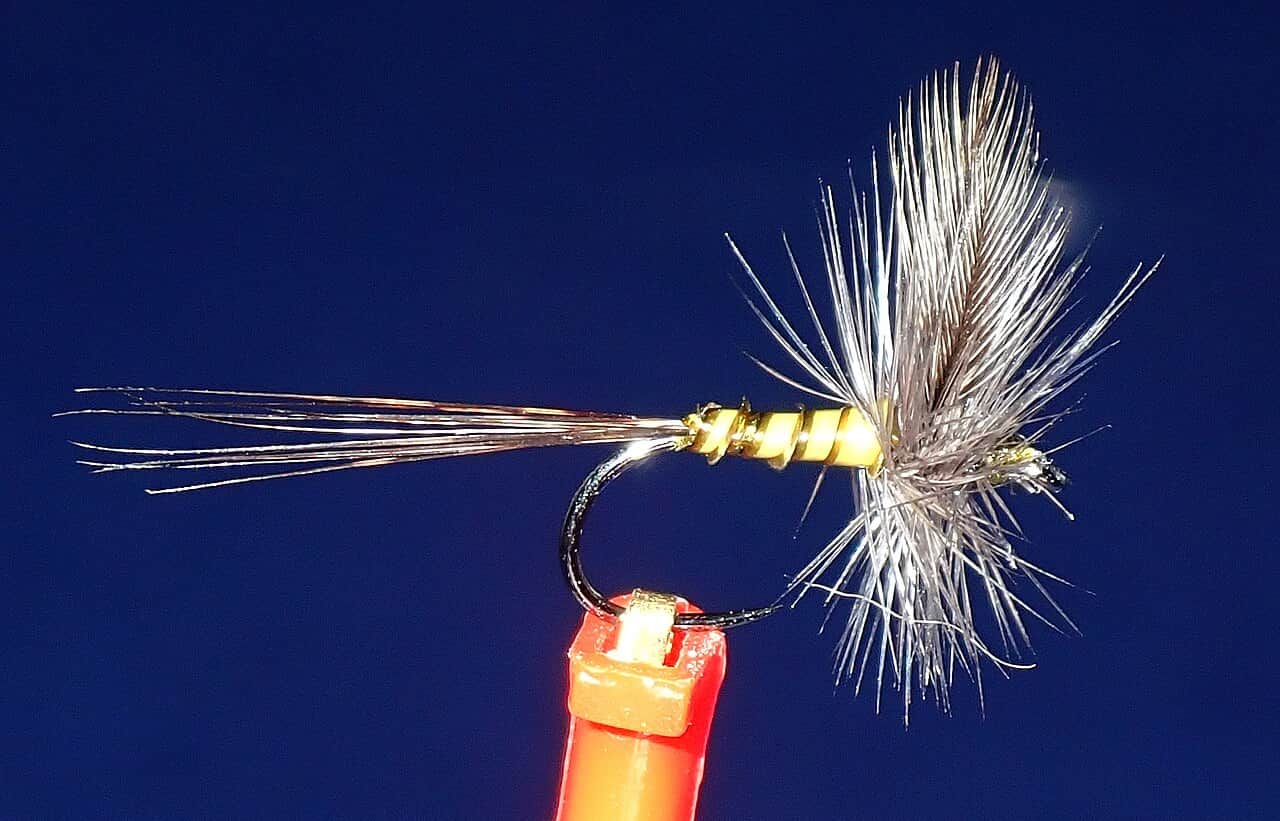
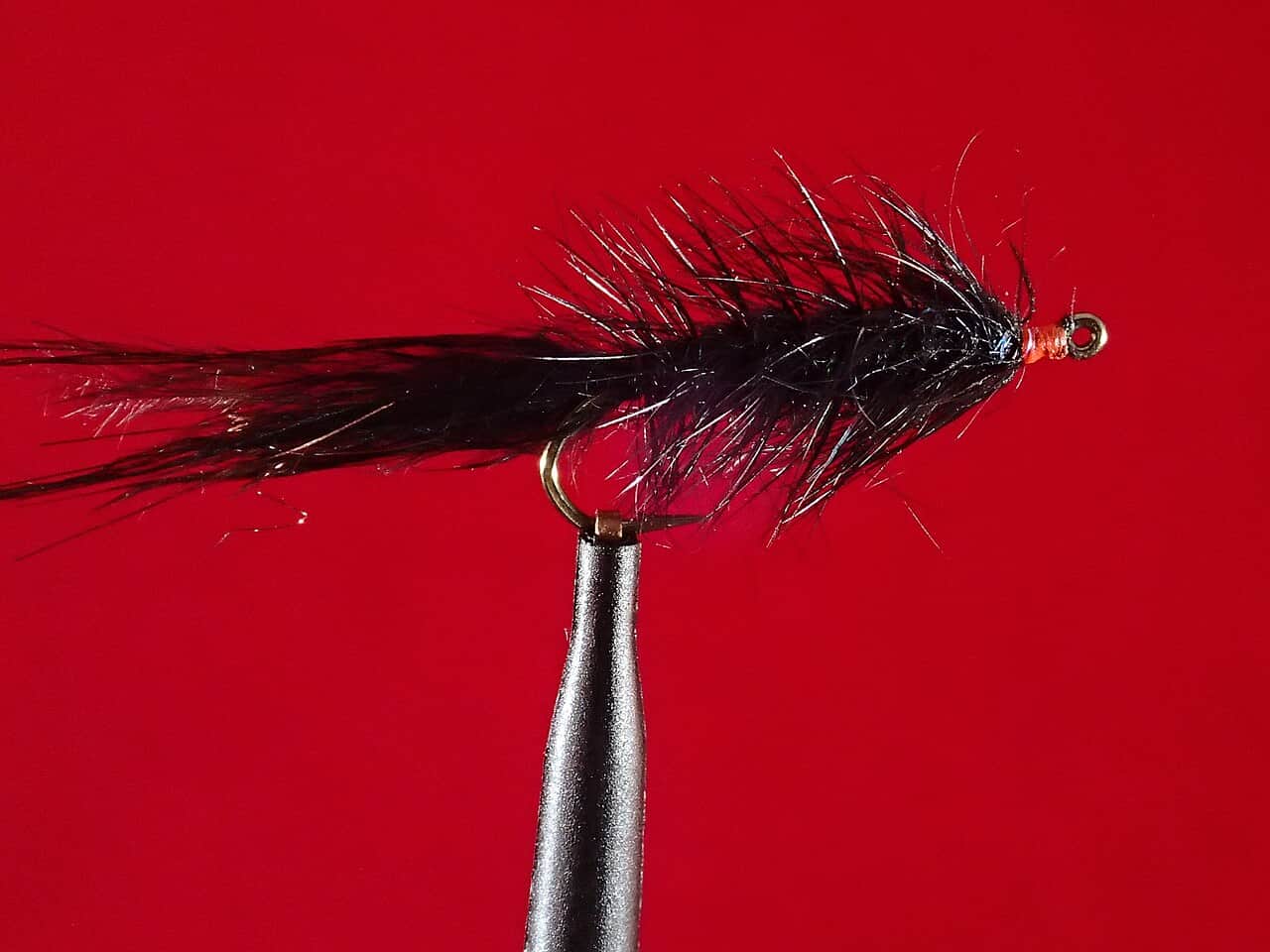
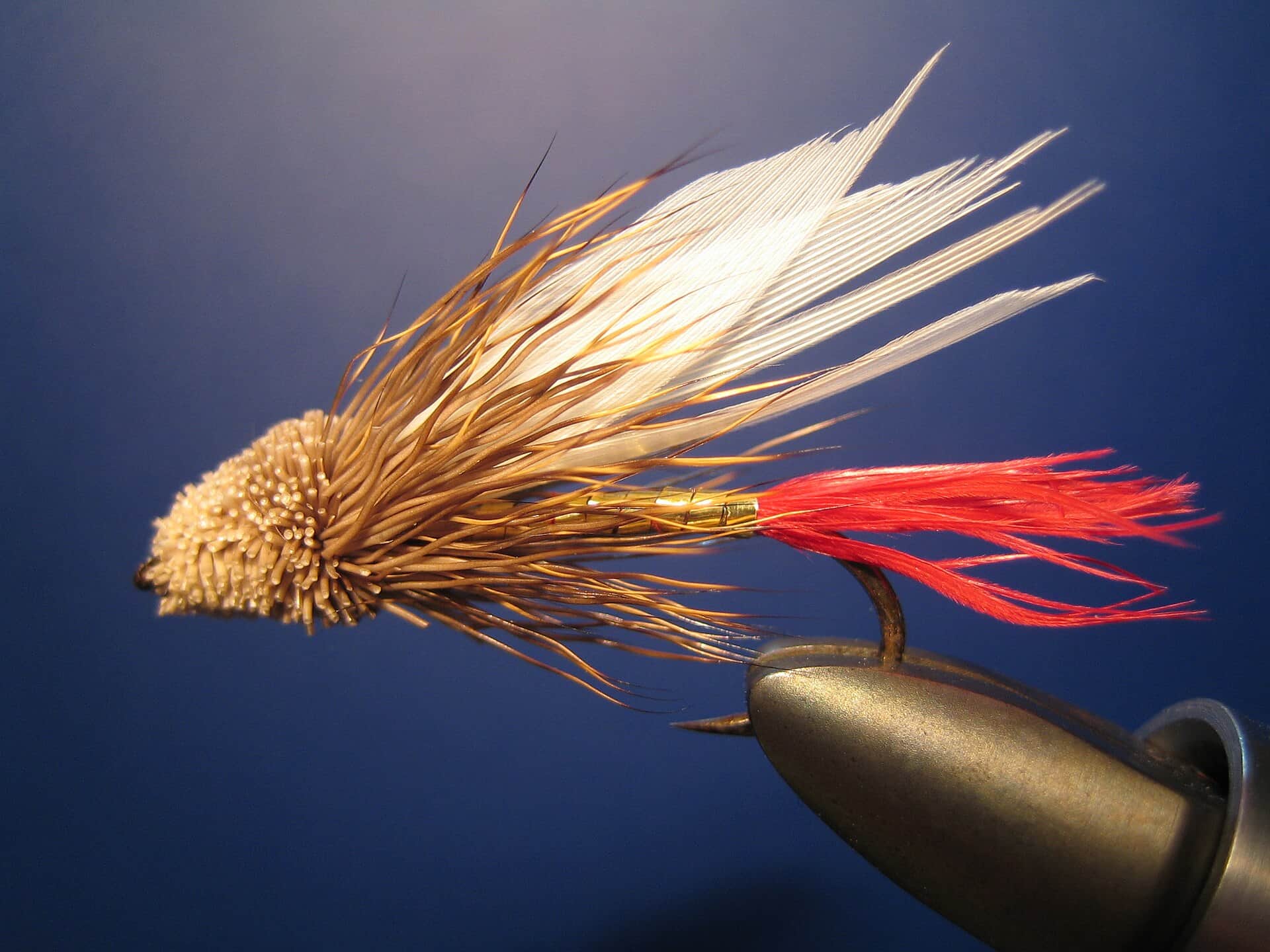
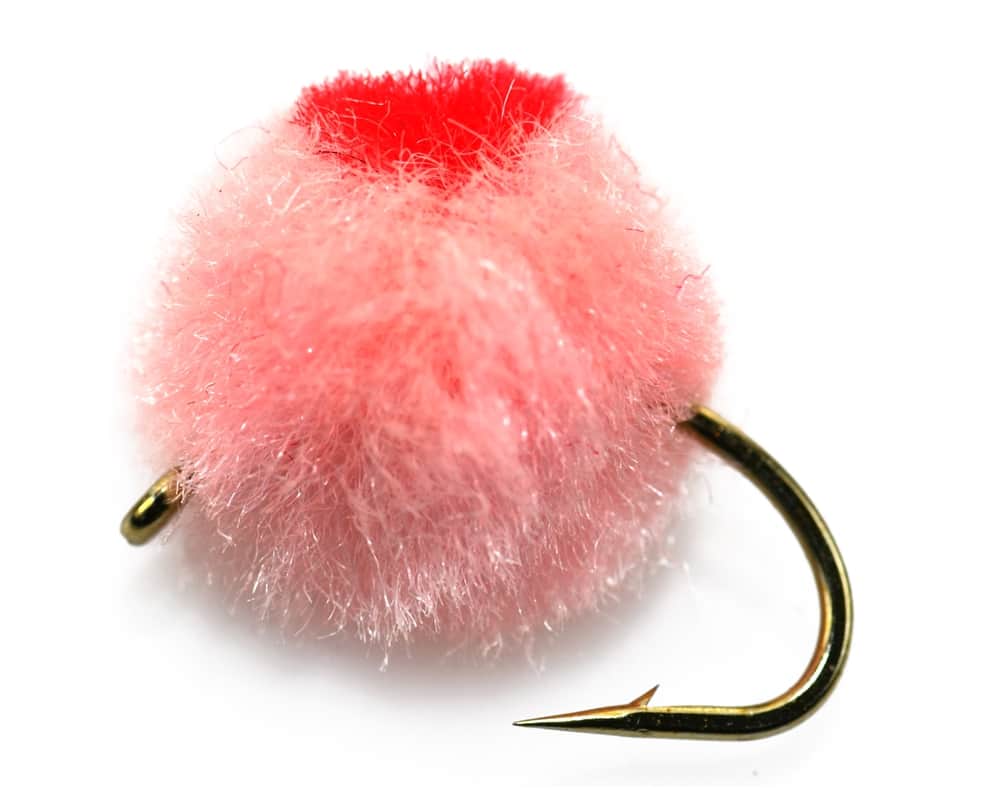
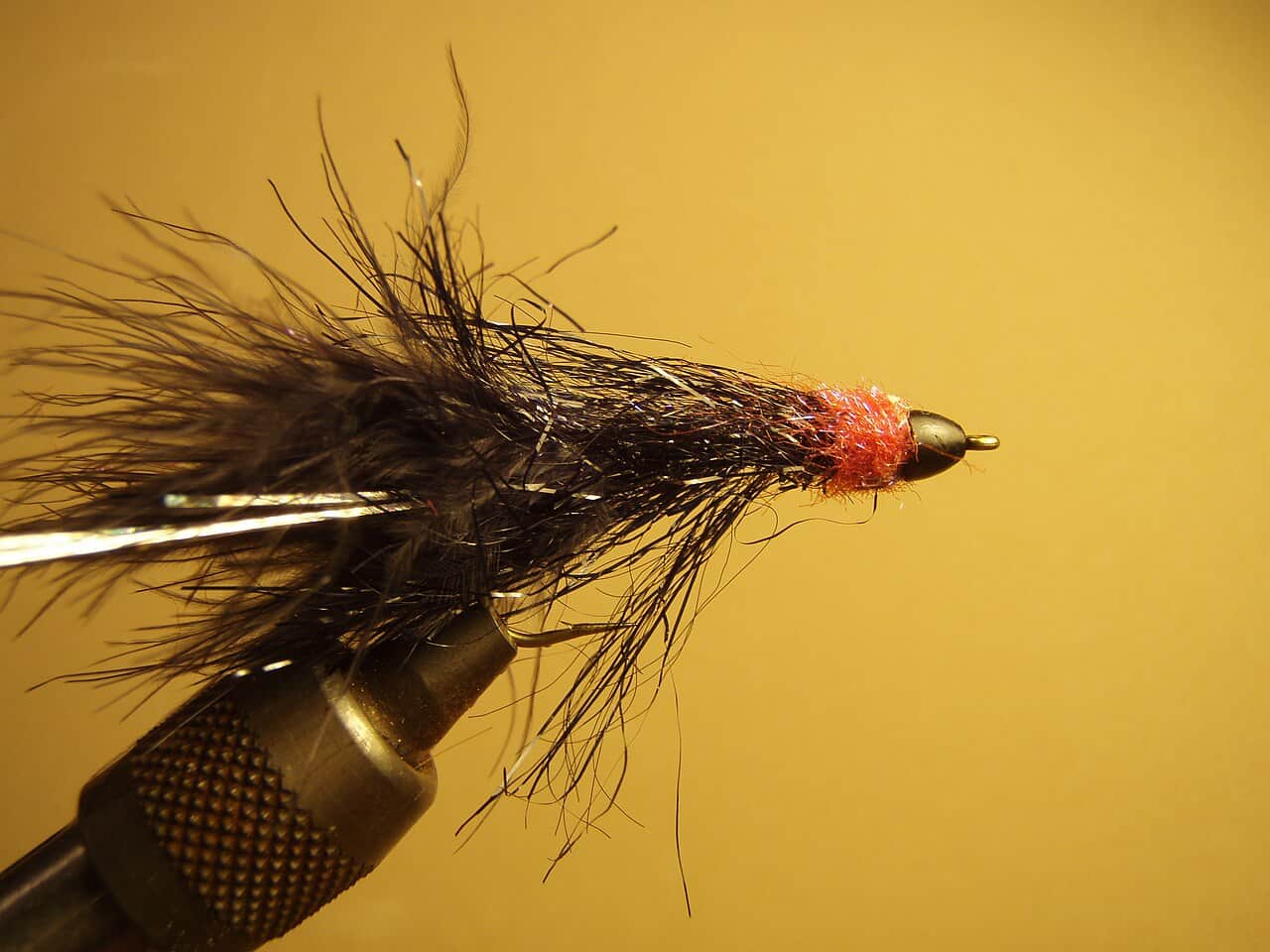
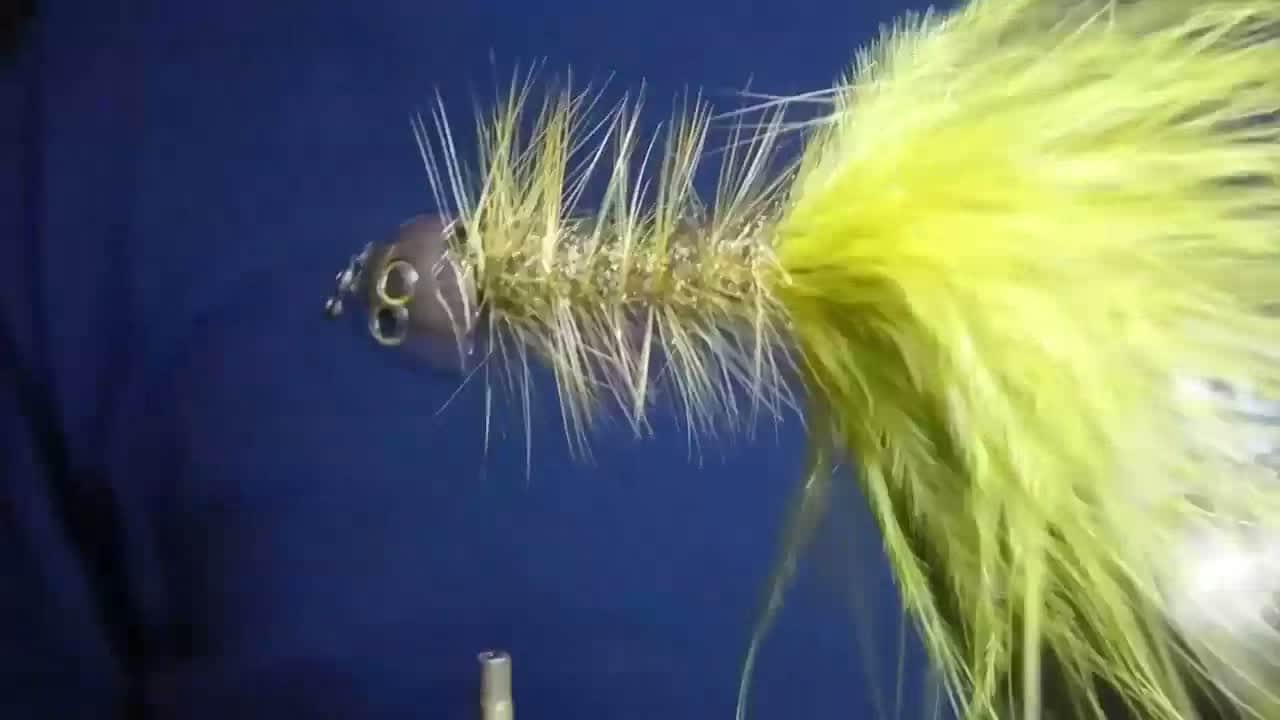
Each fly name opens its matching Fly Box guide.
Best windows come after the river is open under current rules and the hydrograph is dropping into fishable shape. Skip the trip during closures, muddy storm pulses, hot low water, or unclear access.
Best for careful steelhead-style searching.
Check CDFW before driving. Status can change during the season.
Unsafe and usually unfishable from foot access.
Avoid trout or salmonid pressure and scout instead.
Wading, Bank fishing, and Floating have the same top score. Use current access, footing, weather, and local rules to choose.
Wading is in play only where your chosen access has clear footing, legal entry, and no forced crossings.
Bank and edge fishing remains a practical low-commitment option if access is legal and footing is safe.
A float is in play where this report supports boat access and wind, releases, and shuttle logistics are manageable.
Is South Fork Eel River worth the trip today? Check flow, weather, hatches, access, and rules for California before you go.
South Fork Eel River should be planned around flow, legal access, and the specific reach you intend to fish. These North Coast systems can fish well when open, cool, and clearing, but they are built around salmonid conservation, private-land edges, and fast-changing storms.
USGS shows 16 cfs. The flow has been stable over about 6 hours. USGS marks this reading provisional and may revise it. USGS records for this date (1966-2026, 56 readings) show a median near 31 cfs and the lower quartile near 18 cfs; today's flow is below normal for the date. This is below normal, so edge depth, temperature, and pressure matter.
The forecast has storm or heavy-precipitation risk, so timing and access matter more than the score alone.
Wade: Wading is in play only where your chosen access has clear footing, legal entry, and no forced crossings.
October to April: Main regulation-first window for coastal salmonid planning.
The current NWS air forecast is about 51F, and the next 24-hour high reaches about 59F. Rain Showers Likely.
Open under CDFW low-flow rules, dropping after rain, and clear enough to fish without stressing salmonids.
Skip during closures, muddy storm spikes, hot low water, or private-access uncertainty.
Leggett, Garberville, or Humboldt Redwoods area is the practical base. Check cdfw low-flow status, usgs leggett flow, park/road notices, and rain trend, then pick a short legal access plan instead of trying to cover the whole river.
Check nearby BlueStreamFly reports if the gauge, rules, or weather do not fit the plan.
Use these places as starting points. Open the access link below and check posted signs before you park or enter.
Check CDFW low-flow rules, current sport fishing rules, and steelhead report-card requirements before fishing. Open status can change during the season.
Useful for upper South Fork flow context, but not a full access map.
Confirm public parking and land boundaries before fishing bars.
Public-land planning source. Verify exact reach and current notices.
Official agencies and primary river operators come first. Secondary tools are labeled so you know what carries the most weight.
Check what is allowed, where the rule applies, and whether the river is open.
Check the latest river reading and forecast before you leave.
Check public entry points, land rules, and seasonal access changes.
Use these links for stocking, safety, and other local details.
Check what is allowed, where the rule applies, and whether the river is open.
Open the current rules and check the river section, season, and special limits.
Open the current rules and check the river section, season, and special limits.
Check the latest river reading and forecast before you leave.
Open this page and check the latest safety advice before your trip.
Open this river reading to check the latest level, flow, and update time.
Open this river reading to check the latest level, flow, and update time.
Check public entry points, land rules, and seasonal access changes.
Open the land or access page, then check signs before you park or enter.
Open the land or access page, then check signs before you park or enter.
Use these links for stocking, safety, and other local details.
Open this page for more river information and check when it was last updated.
Open this page for more river information and check when it was last updated.
What was checked: This report uses official regulation, flow, weather, access, and public-source material first, then adds practical angler planning guidance without replacing current rules.
Live measurements and forecasts keep their provider timestamps. Rules, access, and trip guidance use the source-review date shown here. BlueStreamFly planning advice is editorial interpretation, not an agency notice.
First-hand experience: BlueStreamFly does not claim a first-hand visit or local field test for this report unless a real contributor is explicitly named and linked.
Do not assume it is open. Low-flow rules, salmonid protections, and current sport-fishing rules decide the legal plan.
Wade from known legal access first. Float plans need current landings, safe flow, and local knowledge.
Use the RiverReports chart for a fast read and USGS 11475800 as the official flow source or context source.