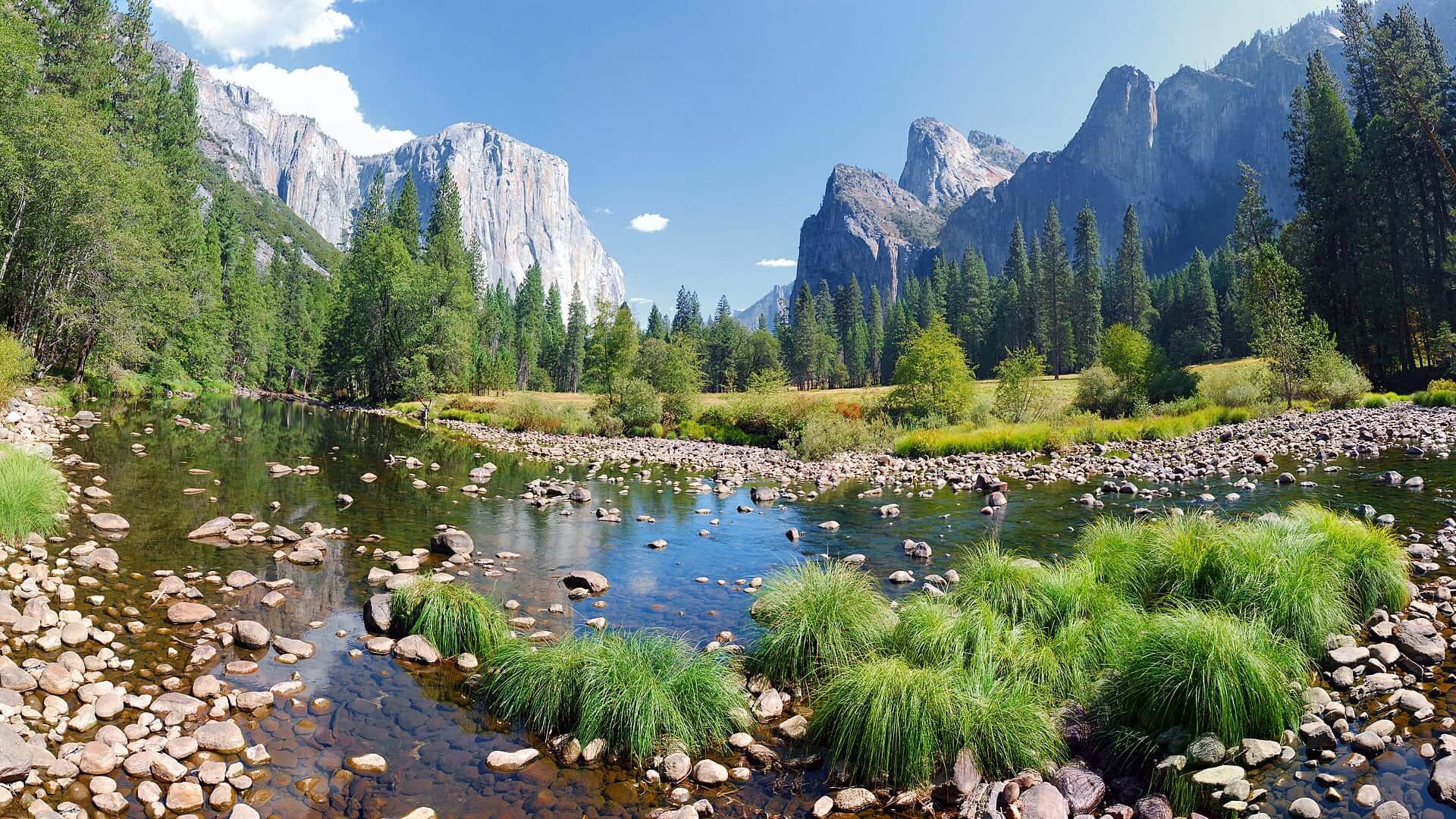
San Joaquin River water or watershed scenery in California

California / West

San Joaquin River

A reach-aware San Joaquin report focused on the upper Sierra trout plan, Mammoth Pool access, flow checks, seasonal closures, hatches, and lower-river restoration context.

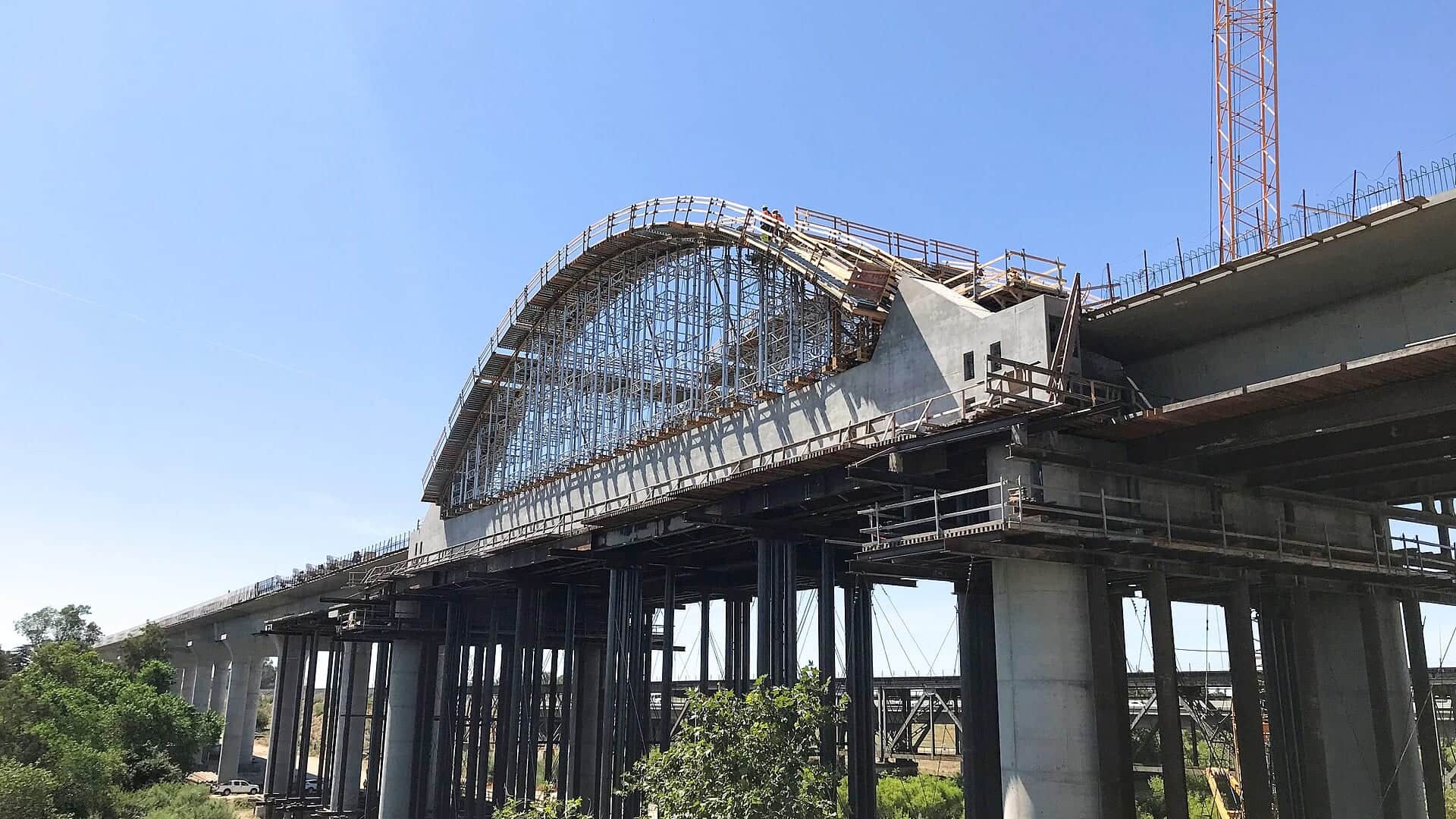
Image: San Joaquin River Viaduct 2019 / Public domain / California High-Speed Rail Authority

Fishability now: San Joaquin River fishability today

CautionData confidence: High

67/100

Cautious now because the live gauge is rising, weather is usable, and no public alert is active.

Flow observed

6:00 PM UTC

Weather observed

5:00 PM UTC

Score calculated

6:14 PM UTC

Why this rating

Flow

Water temperature

Public alerts

Next 6-12 hours

Watch

Recheck within the next few hours; rising water or active weather can change clarity and wading quickly.

More planning details: flies, flow bands, and live source checks

Fish it today

Start here

Choose the upper-river objective first: Mammoth Pool area access, Middle Fork context, or another specific Sierra corridor you can verify as open. Once that is clear, fish a smaller reach thoroughly instead of trying to solve the entire San Joaquin system in one trip.

Best flow clue

Use the Middle Fork trend as upper-river context and combine it with access alerts before you commit. Stable summer flows and cooler water are the best fit; hard runoff, closure-driven detours, or fire-season disruptions should move you to another Sierra plan.

Skip trigger

Skip the San Joaquin when Mammoth Pool access or launch closures cut off the reach you intended to use, when snowmelt is still pushing unsafe water, when smoke or fire restrictions turn forest travel into guesswork, or when you have not separated upper trout water from lower restoration-reach rules.

Flow decision bands

Low but fishable

Low clear upper-river flow can fish with careful approaches, but warm water, access alerts, or rule uncertainty should keep the score conservative.

Best upper Sierra window

Stable or falling Middle Fork flow after runoff, cool weather, and open forest roads create the best trout signal.

Runoff or storm unsafe

Snowmelt spikes, thunderstorm pulses, or stained tributaries should stop crossings and remote canyon plans.

Upper/lower split

Do not mix upper trout-water assumptions with lower San Joaquin restoration or closure context.

USGS flow

307 cfs

Open

Current trend: flow rising, rating can drop quickly if clarity or wading safety deteriorates.

Live USGS flow

307 cfs / rising about 61%

Live NWS forecast

74F / Mostly Sunny

Live water temperature

47F from USGS

No NWS alert flag

No active NWS alert was returned for this forecast point.

Primary waterUpper Sierra trout water and restoration-system context
GaugeUSGS 11224000 Middle Fork San Joaquin near Mammoth Lakes
Access styleForest roads, seasonal Sierra access, and closure-dependent planning
ReviewedMay 31, 2026

Use the Middle Fork San Joaquin gauge for upper Sierra flow context.

Check Sierra National Forest alerts before assuming Mammoth Pool access is open.

Do not blend lower restoration-reach salmon and steelhead rules with upper trout tactics.

Plan around runoff, snow, fire restrictions, and long forest-road drives.

Editorial review

How this report is maintained

This San Joaquin report is maintained from current Forest Service access alerts, California regulation, flow, weather, and restoration sources so anglers can plan the upper Sierra version of the river without blurring it into lower restoration water.

Byline

BlueStreamFly editorial team

Reviewed by

BlueStreamFly source review

Maintained by

Mountain Brook Run LLC

Last material review

2026-05-31

Report confidence

Good confidence

84/100

Good confidence: USGS Middle Fork flow, Sierra National Forest access and alerts, CDFW regulation and restoration sources, and weather data support the page. Confidence is moderated by broad drainage complexity, fire and road status, Mammoth Pool alerts, and upper-versus-lower reach differences.

Regulations

CDFW regulation, closure, and restoration sources support the rule-check path, with reach selection still important.

Access

Sierra National Forest Mammoth Pool information and alerts support the access framework, while road, fire, snow, and facility status still require day-of checks.

Flow and weather

USGS 11224000 and the National Weather Service point are attached to the route for upper Sierra planning.

Fishing usefulness

The page now separates runoff timing, forest access, closure alerts, restoration context, heat, and backup Sierra choices.

Fishability dashboard and source review

2026-05-31 / material content or source review

USGS Middle Fork San Joaquin flow, Sierra National Forest Mammoth Pool access and alert pages, CDFW inland regulation, closure, and San Joaquin restoration sources, and the National Weather Service point were checked before updating the current fishability guidance.

2026-05-31

Updated San Joaquin River with Middle Fork trend guidance, Mammoth Pool access checks, upper-versus-lower reach planning, backup cues, stable fishability SEO, and confidence signals.

2026-05-29

Added a page-specific report-confidence meter for upper San Joaquin flow, forest access, closure checks, restoration context, weather, and reach-selection guidance.

2026-05-28

Added upper-Sierra trip-fit guidance, wade-first framing, Mammoth Pool and closure-sensitive skip cues, access nuance, pressure timing, backup-water suggestions, and stronger editorial review signals after source review.

Angler planning edge

Local details that change the plan

Best for

Anglers willing to choose the upper Sierra trout version of the San Joaquin instead of treating the whole drainage as one river, Summer and early-fall trips built around road status, runoff timing, and cooler upper-river water near Mammoth Pool, Walk-and-wade days where remote-forest planning matters as much as fly selection, Sierra travel windows that need a clear backup when boat-launch closures, smoke, or runoff make the upper river a poor fit

Wade or float

Treat the San Joaquin as a wade-first page for upper Sierra trout planning. Even when the broader drainage includes reservoirs and lower-river restoration reaches, the practical fly-fishing trip here is still about picking one accessible upper corridor and fishing it on foot.

Best flows

Use the Middle Fork trend as upper-river context and combine it with access alerts before you commit. Stable summer flows and cooler water are the best fit; hard runoff, closure-driven detours, or fire-season disruptions should move you to another Sierra plan.

When to skip

Skip the San Joaquin when Mammoth Pool access or launch closures cut off the reach you intended to use, when snowmelt is still pushing unsafe water, when smoke or fire restrictions turn forest travel into guesswork, or when you have not separated upper trout water from lower restoration-reach rules.

Local plan

Choose the upper-river objective first: Mammoth Pool area access, Middle Fork context, or another specific Sierra corridor you can verify as open. Once that is clear, fish a smaller reach thoroughly instead of trying to solve the entire San Joaquin system in one trip.

Pressure

Pressure is more about recreation traffic and limited open access than about a constant line of fly anglers. Holidays, reopened facilities, and easy warm-season weekends compress use quickly, so weekday timing and a short walk away from the first obvious stop usually improve the day.

Access nuance

Forest access decides this river. Current alerts show that Mammoth Pool infrastructure can be closed or under rehabilitation, and those changes matter more than a broad hatch chart when deciding whether the upper San Joaquin is actually fishable on a given day.

Backup water

If the San Joaquin is blocked by closures, runoff, or smoke, pivot to the Merced for another reach-aware Sierra freestone plan or to Owens if an Eastern Sierra option offers a cleaner access and temperature setup.

About the river

Setting, character, and why it fishes the way it does.

The San Joaquin River begins in the Sierra Nevada and runs through mountain, reservoir, and valley reaches before joining the Central Valley system.

For fly anglers, the upper Sierra reaches and Mammoth Pool area are more practical trout-planning anchors than many lower valley sections.

The lower San Joaquin also has major restoration work for salmon and steelhead, so lower-river planning should stay tied to current CDFW and restoration-program context.

Snowpack, forest road status, wildfire closures, and reservoir operations can matter more than a simple calendar hatch chart.

Target species

Rainbow trout

A primary upper Sierra trout target where current rules, access, and water temperature support fishing.

Brown trout

Possible in portions of the upper system, especially around deeper cover and reservoir-influenced water.

Brook trout

More relevant in colder tributary or high-country contexts than in every main-stem reach.

Spring-run Chinook and steelhead context

Lower-river restoration species require careful source language and should not be confused with upper trout fishing.

Reading the water

Snowmelt runoff

Expect cold, high, difficult water. Focus on safe edges or wait for flows to drop.

Stable summer flow

Fish pocket water, riffles, lake inlets, and shaded edges with dry-droppers or nymphs.

Low clear late season

Use smaller flies, longer leaders, and careful approaches.

Closure or fire restrictions

Move to another water instead of pushing into closed forest or unsafe smoke conditions.

Best seasons

Late spring

Highly dependent on runoff, snow access, and forest-road conditions.

Summer

The most practical upper Sierra access season when roads and flows are open.

Fall

Cooler weather and lower water can improve trout fishing before storms close access.

Winter

Often a planning and lower-elevation season rather than a high-country access window.

USGS flow

Middle Fork San Joaquin River near Mammoth Lakes

This is the fallback for rivers that are not covered by RiverReports. Use the official USGS monitoring page for the live hydrograph, station metadata, and current water trend.

Open USGS gauge

USGS data chart

Middle Fork San Joaquin River near Mammoth Lakes

Streamflow over the latest USGS reporting window.

Latest

307 cfs

Jun 3, 6 PM UTC

Site

11224000

Low / high

141 / 332 cfs

Source

Open USGS

Weather

River weather report

Weather can change wading safety, road access, water temperature, hatches, and the best time of day to fish.

Live forecast loads as you reach this section

This keeps the report fast while still using the official National Weather Service forecast point.

Hatches and flies

Hatch chart and fly picks

Late spring

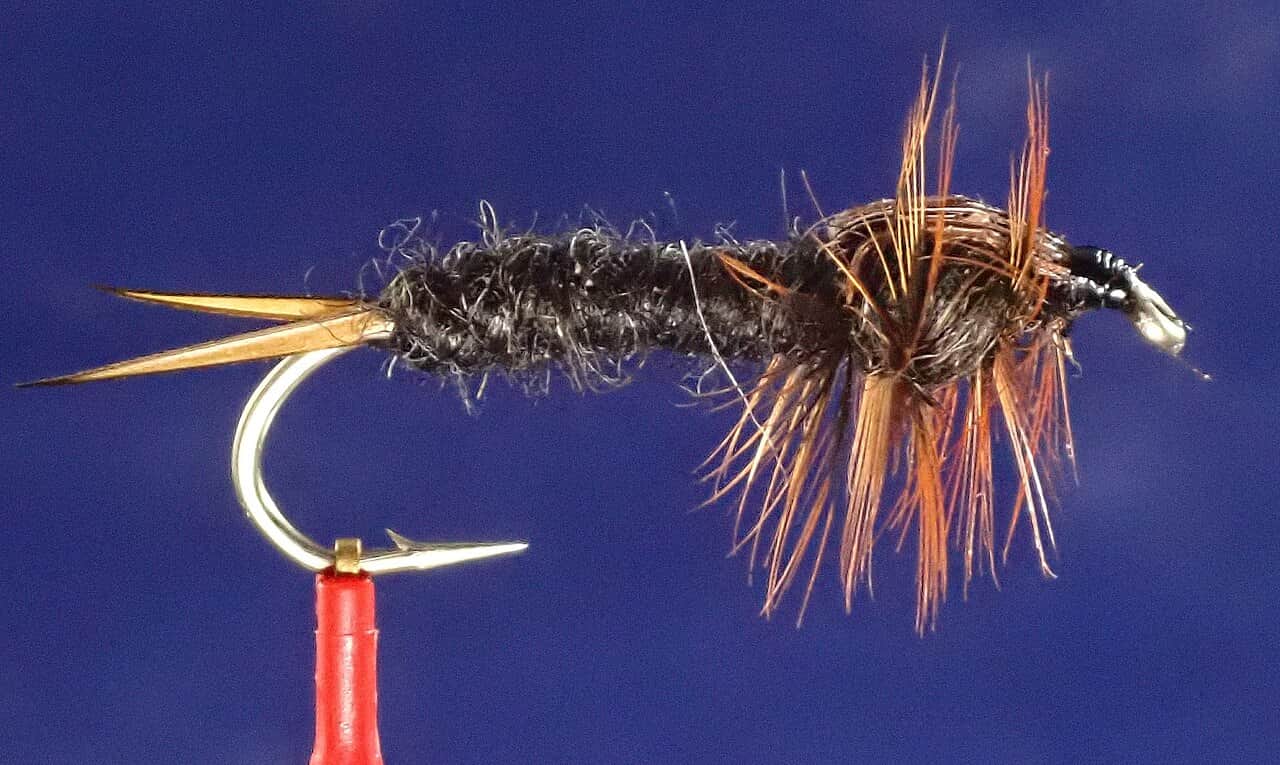
Stoneflies, caddis, early mayflies

Stonefly nymph, caddis pupa, March brown, BWO

Summer

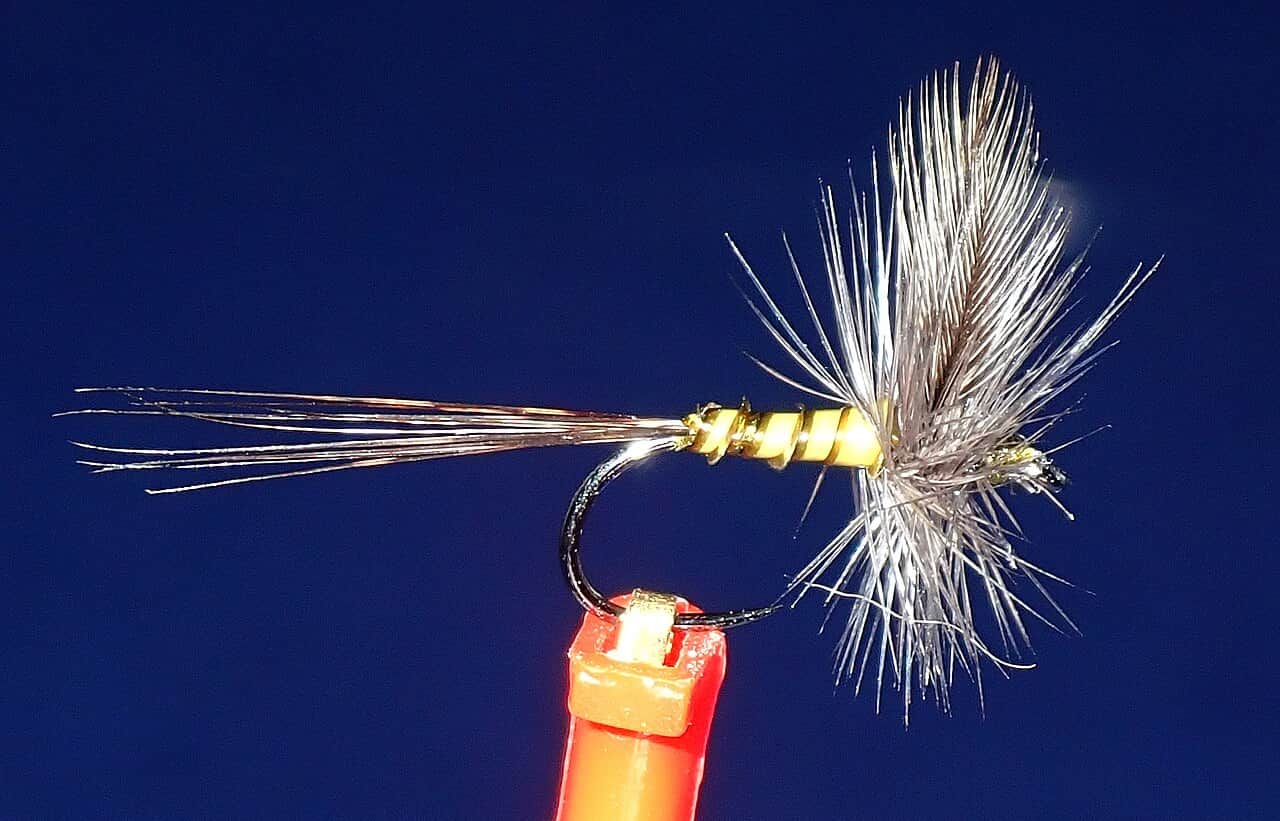
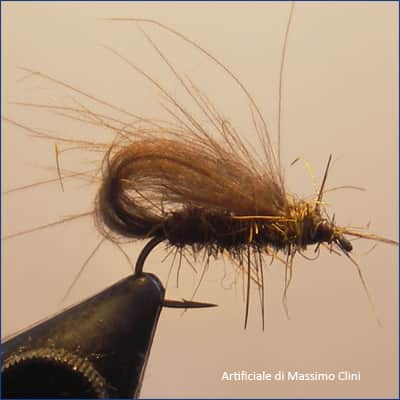
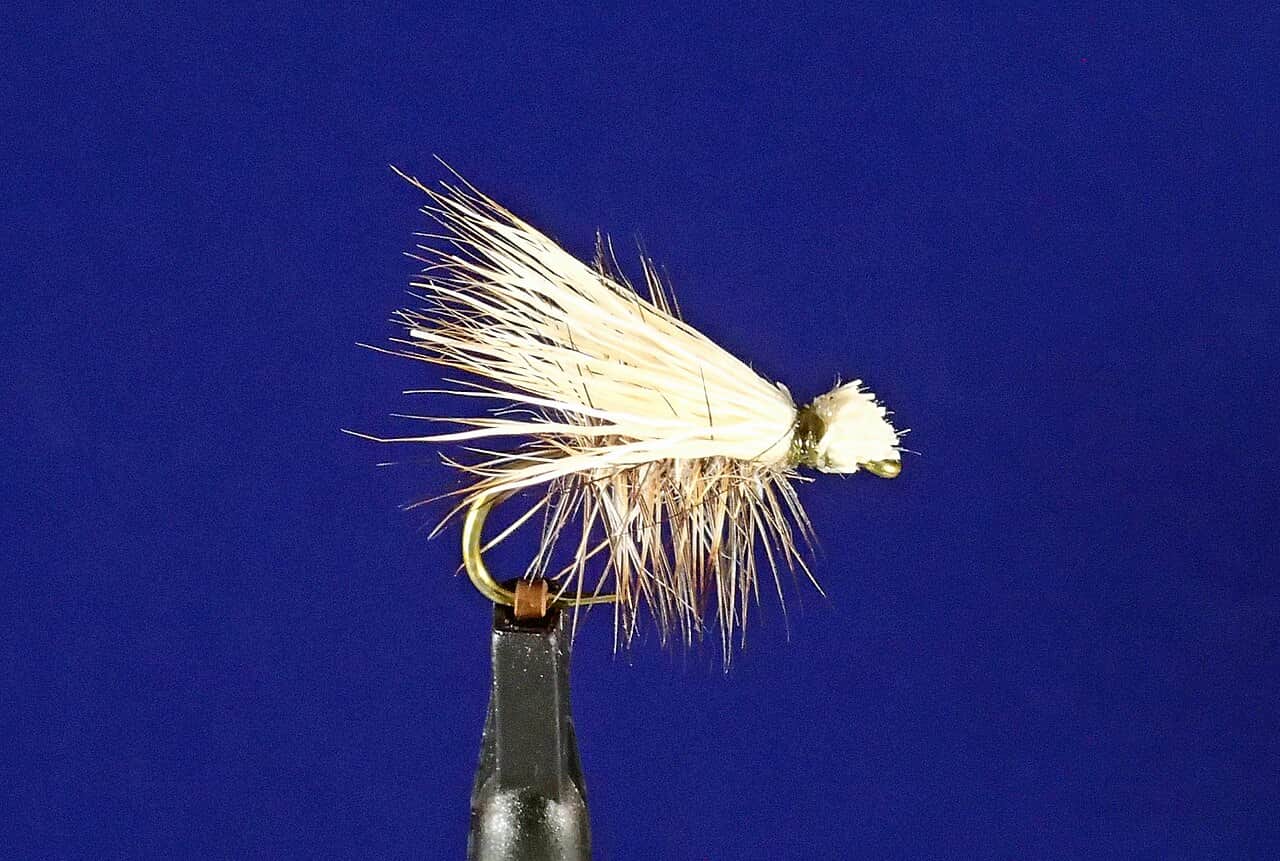
Caddis, PMDs, yellow sallies, terrestrials

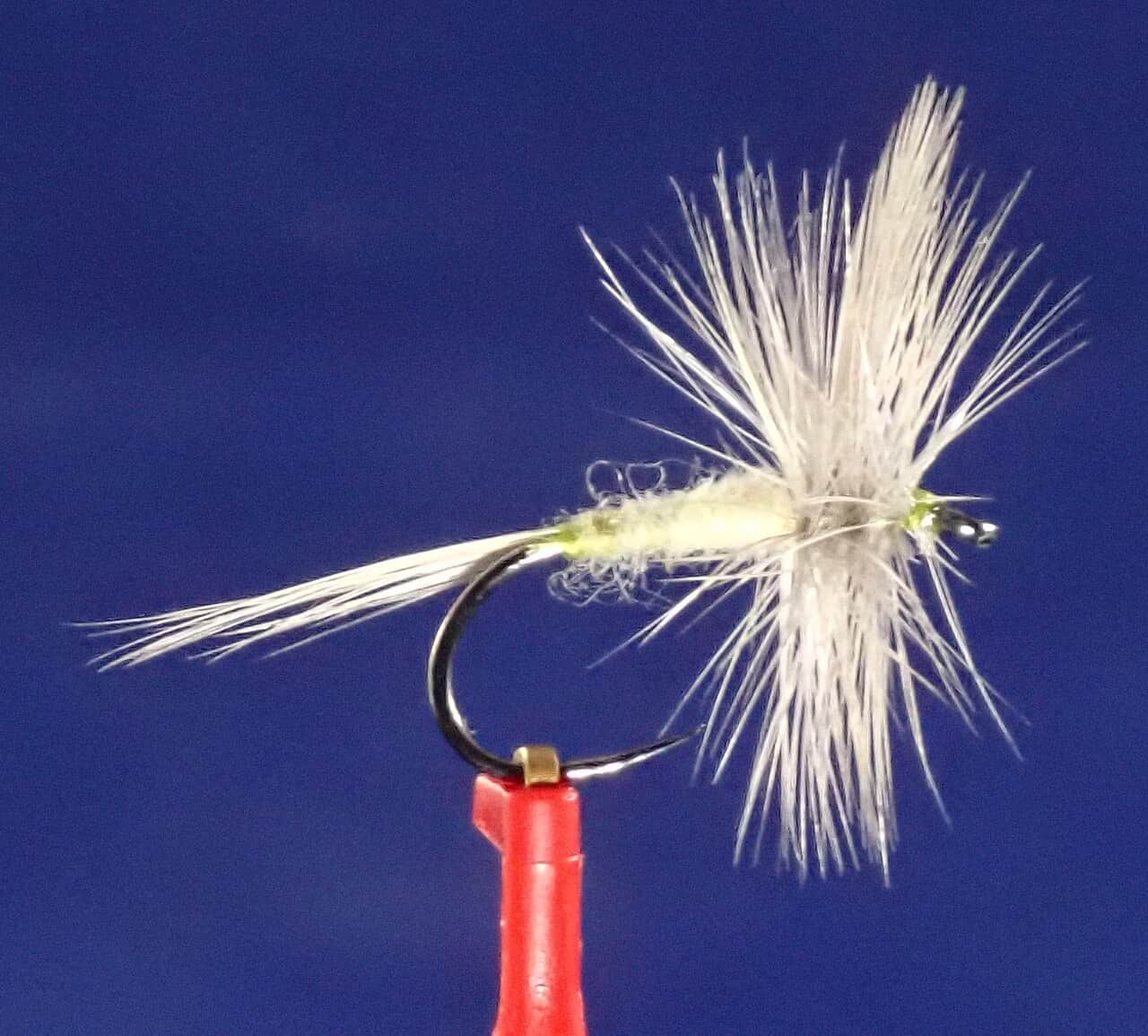
Elk hair caddis, PMD dry, yellow sally nymph, ant

Late summer

Terrestrials, small caddis, midges

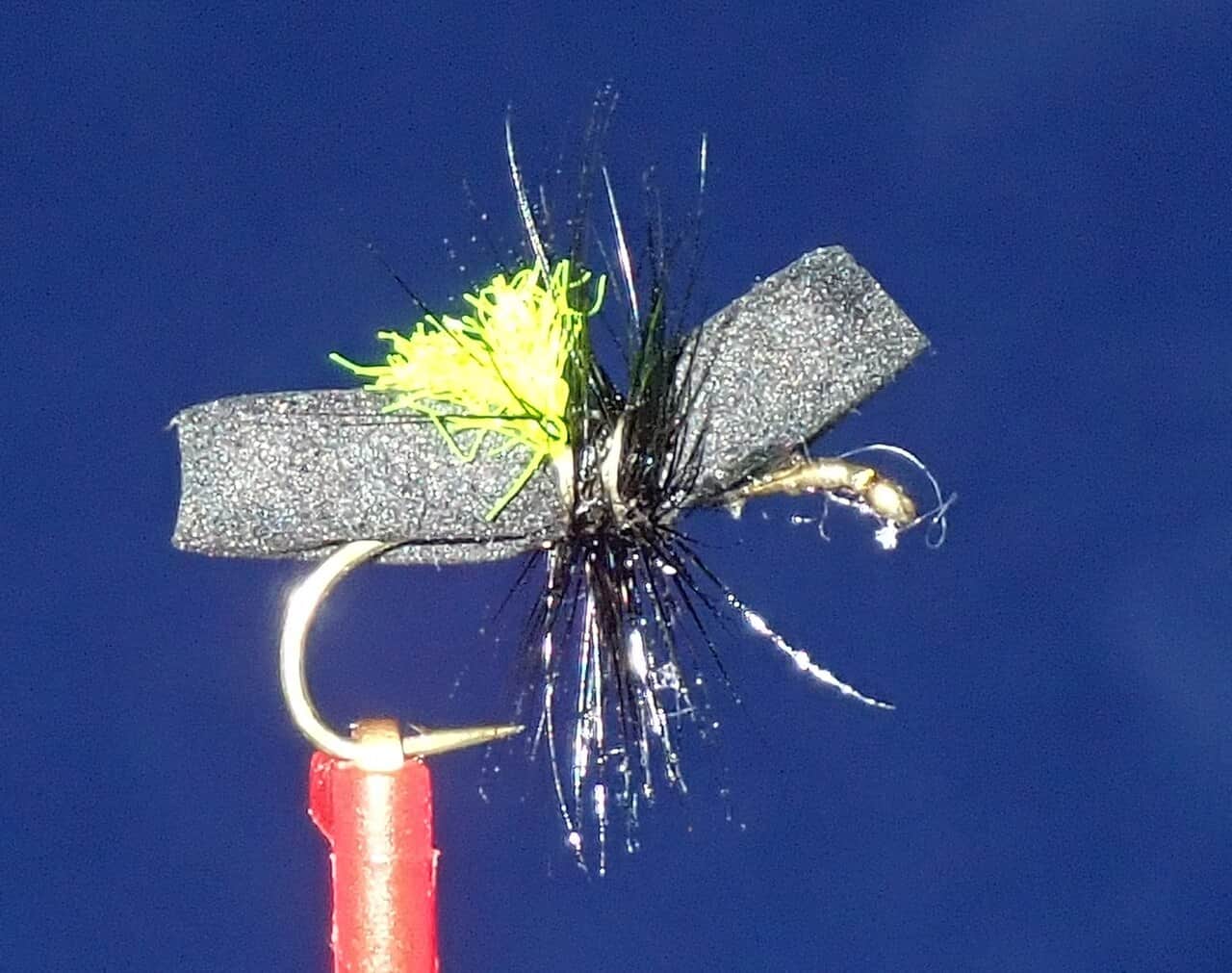
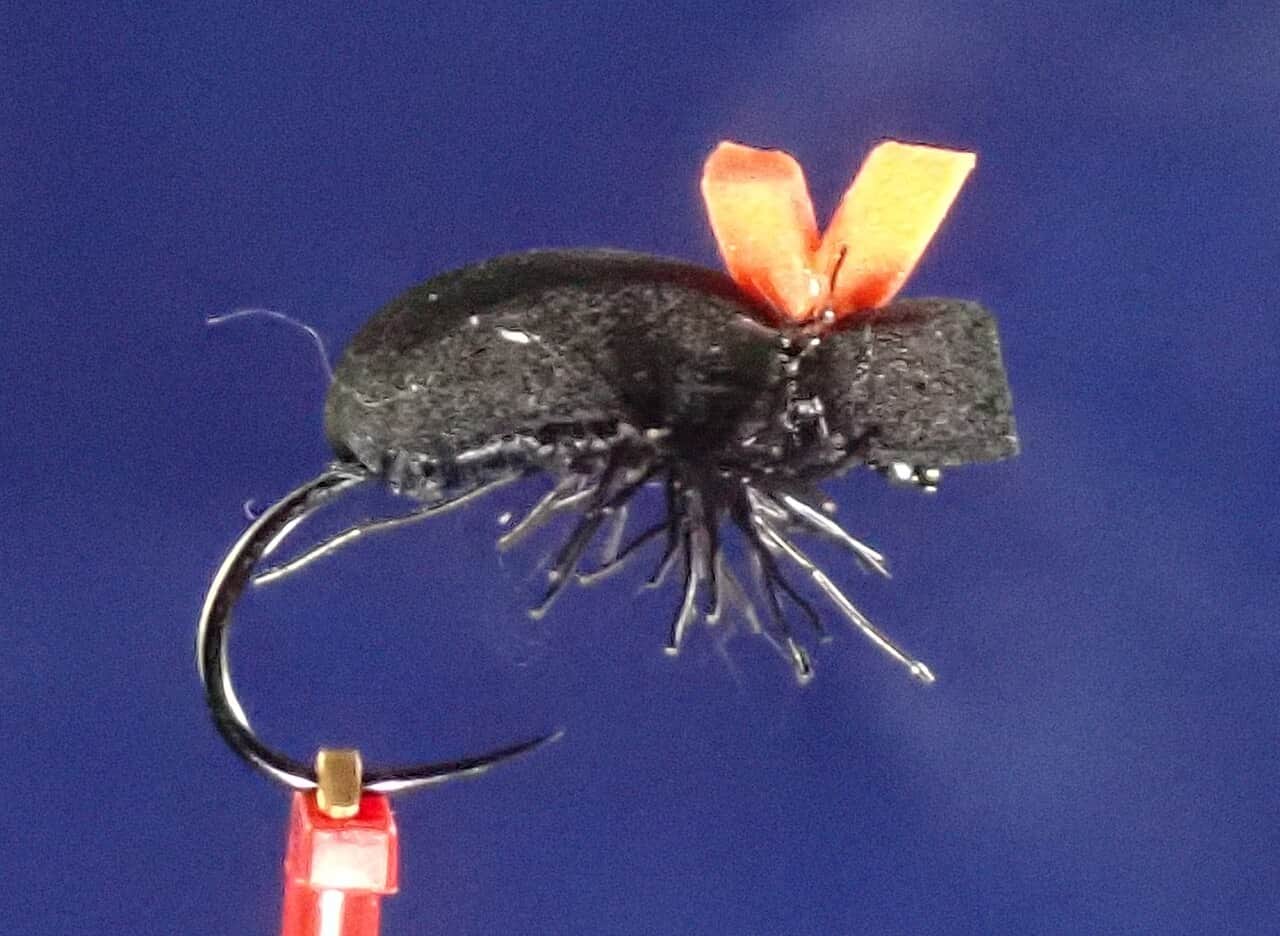
Hopper, beetle, ant, small caddis, zebra midge

Fall

BWOs, October caddis, midges

BWO emerger, October caddis, midge, small streamer

Sierra dry-droppers

Stimulator, chubby, elk hair caddis, perdigon, pheasant tail

Use through pocket water and riffles after runoff settles.

High-country dries

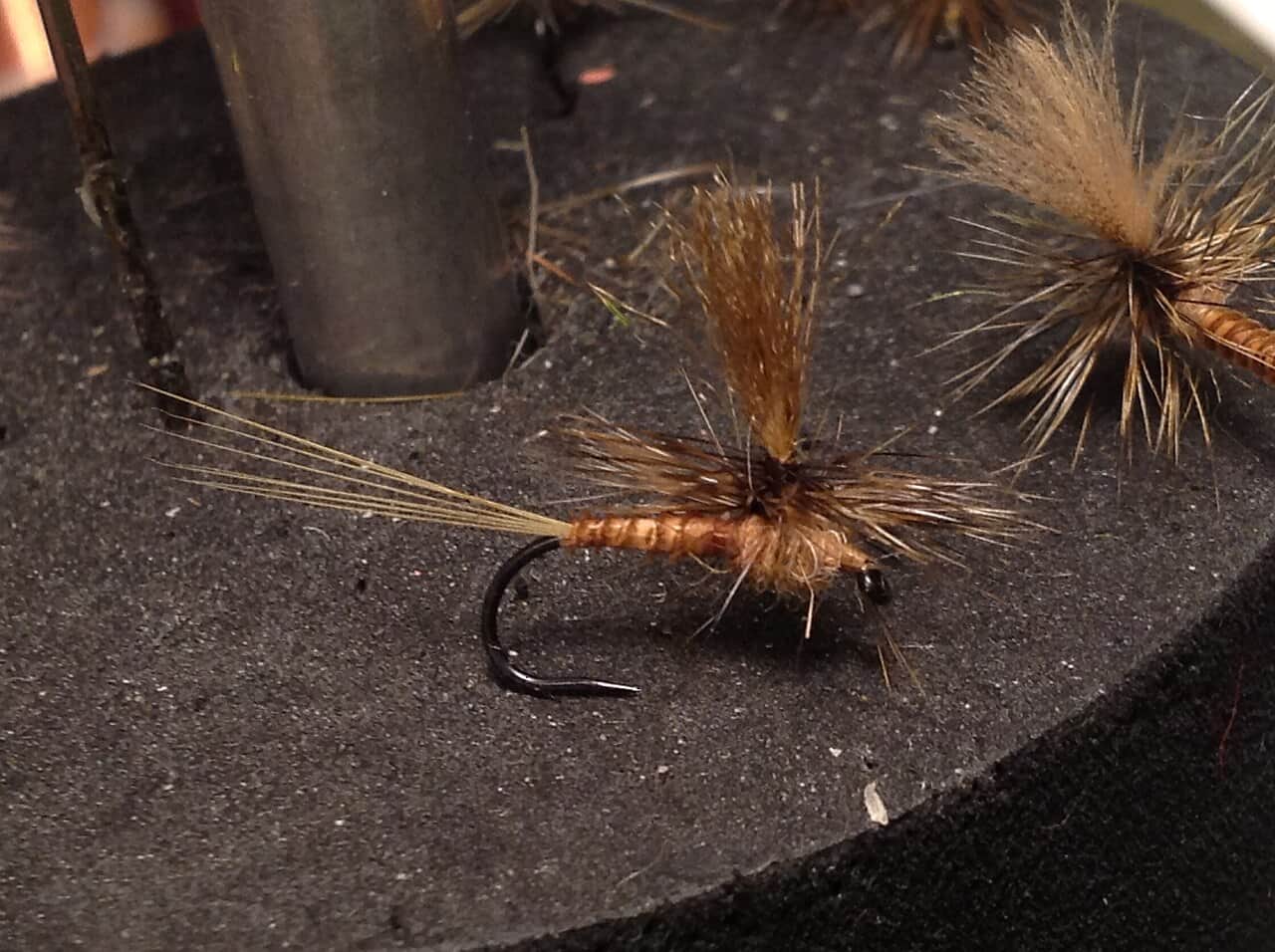
Parachute Adams, ant, beetle, hopper, caddis

Use in lower clear water and meadow or lake-edge conditions.

Nymphs

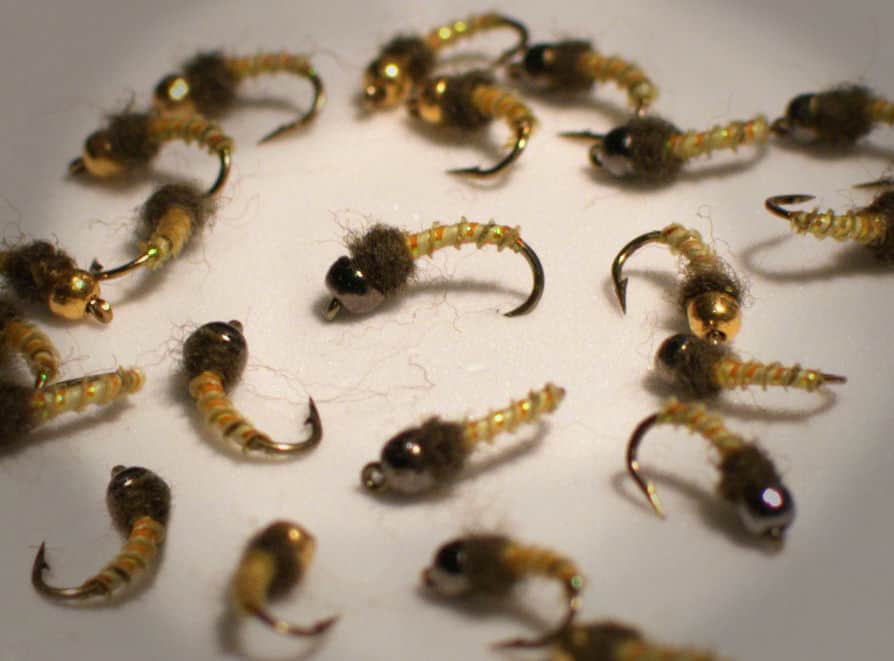
Stonefly, hare's ear, pheasant tail, caddis pupa, zebra midge

Use when fish hold deep during cooler water or higher flows.

Small streamers

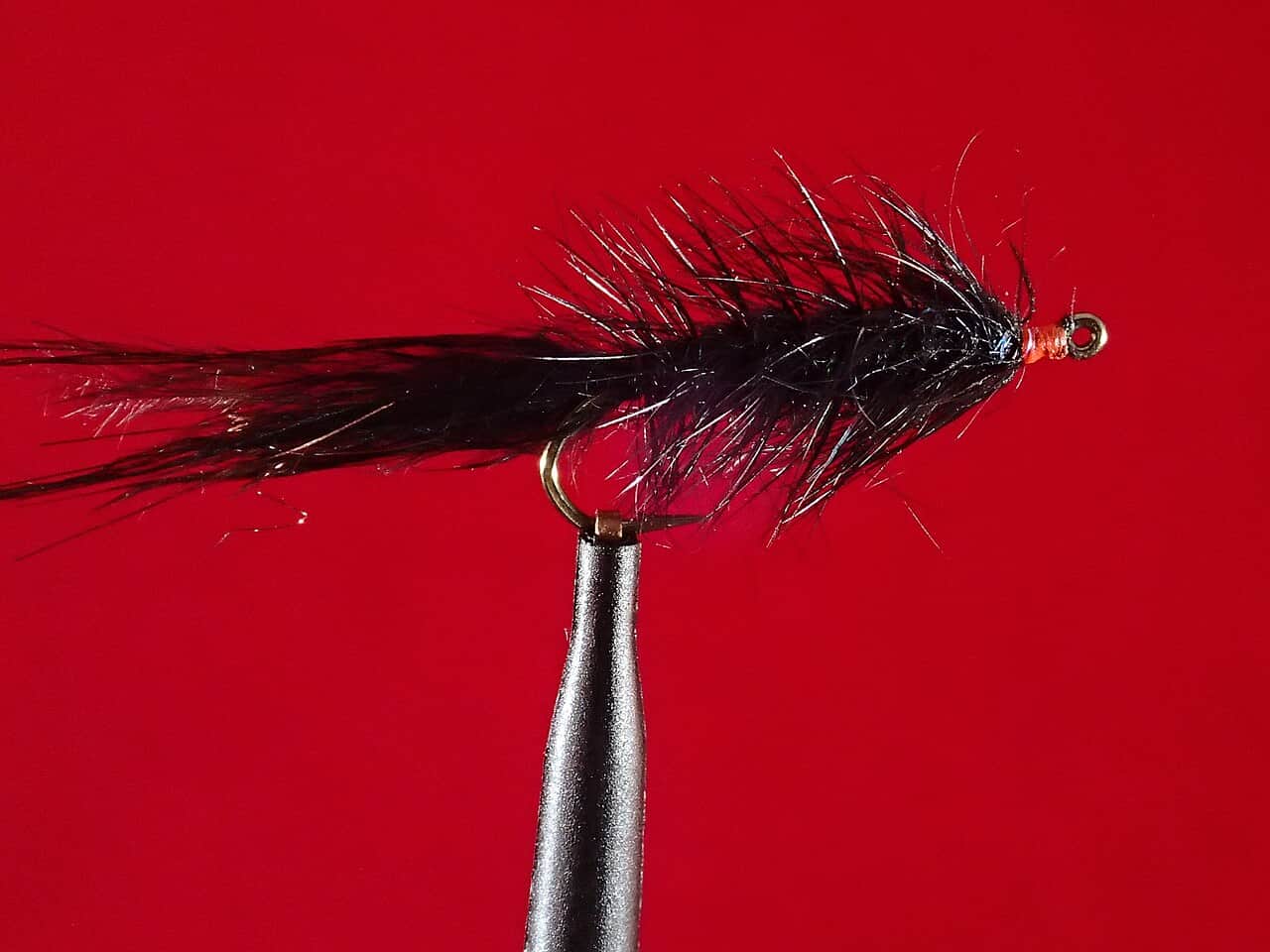
Woolly bugger, leech, sculpin, small baitfish

Use in deeper pools, reservoir influence, or low-light edges.

Tactics

How to fish it

Start with USFS alerts and road status, not fly selection.

Use the Middle Fork gauge as upper Sierra context, then adjust to the exact reach.

During runoff, stay on banks and fish soft edges only if safe.

In summer, cover pocket water with buoyant dries and tungsten droppers.

Carry a fire and smoke backup plan.

Avoid assuming lower restoration-reach rules apply to upper trout water.

Rigging

Rod, leader, and setup notes

A 9-foot 4-weight or 5-weight covers most upper Sierra trout fishing.

A shorter 3-weight can be useful for small tributaries or high-country pockets.

Use dry-dropper leaders, 4X to 6X, and tungsten nymphs.

Bring layers, water, and a real road plan for remote forest access.

Carry bear-aware and fire-aware camp basics if staying overnight.

Access

Access and planning notes

Middle Fork gauge

Upper Sierra flow reference

Wade / float / trail

Gauge / runoff check

When to pick it

Start here when runoff is stable or falling and the forecast is not stormy.

Caution

The gauge is a planning anchor, not proof that every canyon access is safe.

Mammoth Pool / Sierra National Forest

Forest access base

Wade / float / trail

Road / campground / bank scout

When to pick it

Use it when forest alerts, roads, and facilities are open for the chosen reach.

Caution

Fire, snow, road, or facility alerts can override the fishability score.

Restoration reach context

Rule separation

Wade / float / trail

Regulation / reach choice

When to pick it

Use this before applying upper-river tactics or rules to lower-river water.

Caution

Restoration and closure context can make lower-river assumptions unsafe or illegal.

USFS alerts can affect roads, boat launches, campgrounds, and fire use.

Spring runoff can make the river unsafe even when roads are open.

Forest travel can involve long distances without services or cell coverage.

Lower river restoration reaches have private land, access, and species issues that differ from the upper Sierra.

Preserve URLs if a future page splits upper and lower San Joaquin reaches.

Regulations

Check before fishing

Verify CDFW's current San Joaquin River regulations for the exact reach you plan to fish. Upper Sierra trout water and lower restoration/anadromous reaches should not be treated as one rule set.

Primary base

Mammoth Lakes, North Fork, or Fresno, California

Best day style

Forest roads, seasonal Sierra access, and closure-dependent planning

Check first

USFS alerts, CDFW rules, flow, snow and road status, fire restrictions

Safety

Remote roads, runoff, wildfire closures, hot canyon weather, limited services

Gear

Helpful gear for this water

Road and alert plan

Forest closures and road conditions can decide whether a trip is possible.

Dry-dropper box

A practical upper Sierra setup for pocket water and summer flows.

Fire and smoke backup

Smoke, closures, and fire restrictions can change plans quickly.

Cold-water caution

Runoff water is powerful and cold even when the day is warm.

Nearby water

Other water to research

Backup logic

High water

Wait for runoff to drop or compare the Merced, Kings, or another open Sierra trout water.

Heat

Fish higher, earlier, and colder, or stop trout pressure when water temperature rises.

Storms, smoke, or road alerts

Use forest alerts and weather as hard planning inputs before entering the drainage.

Access issue

Move to another signed public access or another river instead of guessing at closed roads or facilities.

Merced River

Another Sierra river where runoff, park/BLM access, and reach rules matter.

Kings River

A Sierra canyon and tailwater option with different access and flow planning.

Owens River

An Eastern Sierra alternative when western-slope roads or flows are wrong.

FAQ

Fast answers

Is San Joaquin River fishable today?

San Joaquin River is a cautious call right now. The live score is 67/100, based on current flow, weather, public alerts, and the report's planning context. Recheck the linked gauge and forecast before leaving because conditions can change quickly after rain, heat, access changes, or flow swings.

What flow is best for San Joaquin River?

Use the Middle Fork trend as upper-river context and combine it with access alerts before you commit. Stable summer flows and cooler water are the best fit; hard runoff, closure-driven detours, or fire-season disruptions should move you to another Sierra plan.

When should I skip San Joaquin River?

Skip the San Joaquin when Mammoth Pool access or launch closures cut off the reach you intended to use, when snowmelt is still pushing unsafe water, when smoke or fire restrictions turn forest travel into guesswork, or when you have not separated upper trout water from lower restoration-reach rules.

Is San Joaquin River safe to wade right now?

The fishability score is not a wading guarantee. Wade only where your chosen access has safe edges, clear footing, legal entry, and no forced crossings; high, rising, stained, or storm-affected water should be treated conservatively.

Which San Joaquin River section does this cover?

It focuses on upper Sierra trout planning near the Middle Fork and Mammoth Pool context, while flagging lower-river restoration issues.

What gauge should I check?

Use USGS 11224000, Middle Fork San Joaquin River near Mammoth Lakes, as upper Sierra flow context.

Is Mammoth Pool always accessible?

No. Check Sierra National Forest alerts, road conditions, fire restrictions, and seasonal closure information before going.

Can I use one regulation summary for the whole river?

No. The river is long and reach-specific. Check CDFW for the exact reach.