California / West
Main Fork Eel River
Main Fork Eel River planning with RiverReports flow, official USGS backing, CDFW regulation checks, NWS weather, access notes, hatch timing, fly picks, and practical safety guidance.
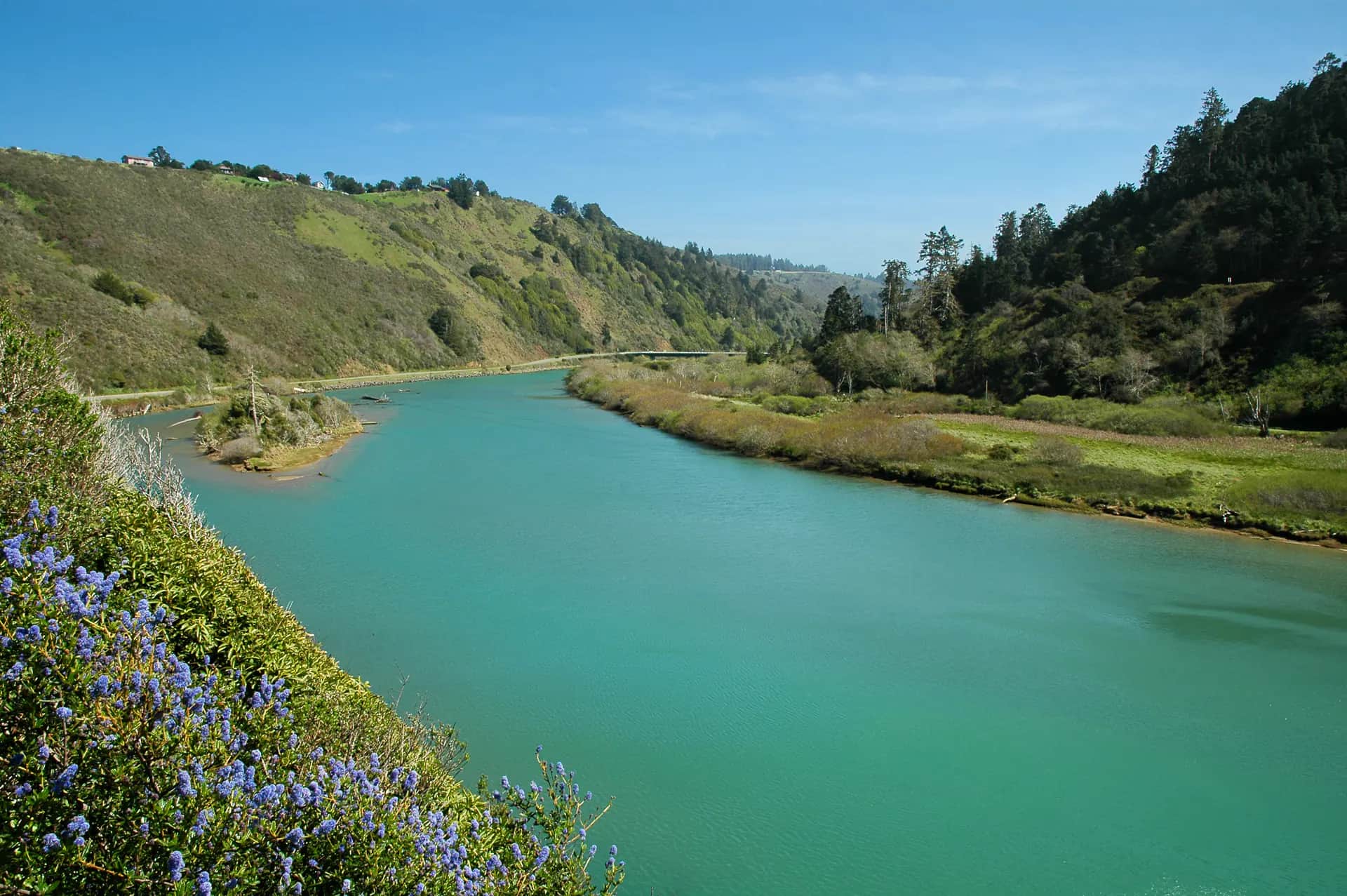
Image: Generated regional planning image for Main Fork Eel River / BlueStreamFly generated; not exact location / BlueStreamFlyFishability now: Main Fork Eel River fishability today
GreatData confidence: High96/100
Fishable now because the live gauge is falling, weather is mild, and no public alert is active.
Flow observed
5:00 PM UTC
Weather observed
6:00 PM UTC
Score calculated
6:12 PM UTC
Why this rating
Flow
Weather
Public alerts
Next 6-12 hours
Improving / hold
A falling gauge and usable weather should keep the next 6-12 hours in play unless tributaries stain or heat builds.
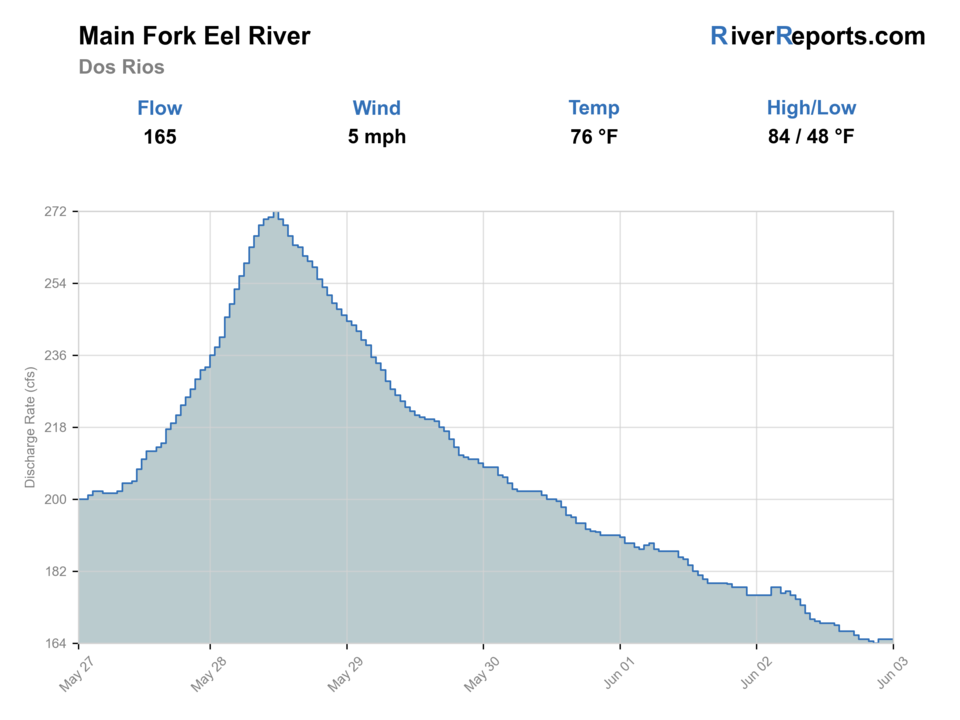
USGS flow
165 cfs
Current trend: flow falling, rating likely holding strong unless weather or clarity changes.
More planning details: flies, flow bands, and live source checks
Fish it today
Start here
Laytonville, Leggett, or Willits approach depending on reach is the practical base. Check cdfw low-flow status, usgs trend, road conditions, land status, and rain forecast, then pick a short legal access plan instead of trying to cover the whole river.
Best flow clue
Open under CDFW low-flow rules, dropping after rain, and clear enough to fish without stressing salmonids.
Skip trigger
Skip during closures, muddy storm spikes, hot low water, or when access depends on private-land assumptions.
Flow decision bands
Open and fishable
CDFW open status, a dropping hydrograph, safe roads, and legal access need to line up before fishing remote mainstem water.
Best remote window
Clearing winter flow with mild weather supports soft-edge swinging or drifting when access is confirmed.
Too high or remote
High water, storm-damaged roads, or poor cell-service logistics should stop the trip.
Low or warm caution
Low-flow closures and warm summer salmonid stress should keep scoring conservative.
USGS flow
165 cfs
Current trend: flow falling, rating likely holding strong unless weather or clarity changes.
Live USGS flow
165 cfs / falling about 12%
Live NWS forecast
71F / Sunny
Water temperature not verified
Heat guidance uses weather and river type unless an official water-temperature value is available.
No NWS alert flag
No active NWS alert was returned for this forecast point.
Use RiverReports for a quick chart and 11473900 for official USGS context.
CDFW low-flow status, USGS trend, road conditions, land status, and rain forecast
BLM Middle Fork and South Fork Eel information is useful nearby public-land context, but this mainstem page should not imply every road or bar is public.
Carry a valid California license and steelhead report card when the target requires it.
Editorial review
How this report is maintained
This report uses official regulation, flow, weather, access, and public-source material first, then adds practical angler planning guidance without replacing current rules.
Byline
BlueStreamFly editorial desk
Reviewed by
BlueStreamFly source review
Maintained by
BlueStreamFly
Last material review
2026-05-31
Report confidence
Good confidence
85/100
Good confidence: RiverReports, USGS Main Fork Eel flow, CDFW low-flow and steelhead sources, BLM Eel access context, North Coast salmonid material, and weather data support the page. Confidence is moderated by remote roads, private-land risk, storm volatility, low-flow closures, and generated regional imagery.
Regulations
CDFW low-flow and steelhead-card sources support the legal-check path.
Access
BLM Eel River sources support public planning context, but exact mainstem roads, bars, and private edges need day-of confirmation.
Flow and weather
RiverReports, USGS 11473900, and the National Weather Service point are attached to the route.
Fishing usefulness
The page now separates open status, remote-road safety, falling-flow windows, heat stops, and backup river choices.
Fishability dashboard and source review
2026-05-31 / material content or source review
RiverReports, USGS Main Fork Eel flow, CDFW low-flow and steelhead-report-card sources, North Coast salmonid context, BLM Eel River access sources, and the National Weather Service point were checked before updating the current-fishability decision layer.
2026-05-31
Updated Main Fork Eel River to the current fishability-page standard with remote-flow guidance, canyon access cards, backup cues, stable fishability SEO, and confidence signals.
2026-05-29
Added a page-specific report-confidence meter and clarified the source basis for low-flow-rule, flow, weather, access, and trip-planning guidance.
2026-05-25
Published a new fishing report with flow, weather, hatch, fly, tactics, access, regulation, source, image-credit, and trip-planning sections.
Angler planning edge
Local details that change the plan
Best for
Legal coastal salmonid windows, Flow-timing trips, Anglers who check rules before driving
Wade or float
Wade from known legal access first. Float plans need current landings, safe flow, and local knowledge.
Best flows
Open under CDFW low-flow rules, dropping after rain, and clear enough to fish without stressing salmonids.
When to skip
Skip during closures, muddy storm spikes, hot low water, or when access depends on private-land assumptions.
Local plan
Laytonville, Leggett, or Willits approach depending on reach is the practical base. Check cdfw low-flow status, usgs trend, road conditions, land status, and rain forecast, then pick a short legal access plan instead of trying to cover the whole river.
Pressure
Pressure concentrates around open legal windows, bridge pools, hatchery or park access, and the first clearing days after storms.
Access nuance
BLM Middle Fork and South Fork Eel information is useful nearby public-land context, but this mainstem page should not imply every road or bar is public.
Backup water
Check nearby BlueStreamFly reports if the gauge, rules, or weather do not fit the plan.
About the river
Setting, character, and why it fishes the way it does.
Main Fork Eel River is an inland North Coast mainstem reach where remote access, storm hydrographs, and salmonid protections matter more than easy roadside fishing.
For fly anglers, the value is in timing. These coastal systems can be excellent when open, cool, and clearing, but they are also built around salmonid conservation, private-land edges, and seasonal closures.
BLM Middle Fork and South Fork Eel information is useful nearby public-land context, but this mainstem page should not imply every road or bar is public.
Target species
Steelhead
Best planned as a winter legal-window target after checking low-flow status.
Chinook and coho salmon
Conservation-sensitive; check current rules and avoid targeting closed fish.
Resident trout
Possible in parts of the drainage, but warm summer water and rules limit the practical fly plan.
Pikeminnow and warmwater species
May appear in warmer mainstem water and are not the focus of the salmonid plan.
Reading the water
Dropping winter flow
Most useful for swinging or drifting through soft edges and tailouts.
High remote flow
Skip; access and rescue options are poor in canyon water.
Low-flow period
Check CDFW status before fishing.
Summer heat
Avoid trout/salmonid stress and consider the day a scouting trip.
Best seasons
September to April
Low-flow rules can open or close North Coast salmonid water during this period. Check CDFW before planning a steelhead or salmonid day.
Winter
Main steelhead window when flows are legal, dropping, and clearing. Storm timing matters more than calendar date.
Spring
Useful for post-storm clarity, careful trout or half-pounder style searching where legal, and lower-pressure scouting.
Summer
Often more of a scouting, warmwater, surf, or estuary-adjacent planning season than a trout or steelhead season.
Preferred flow source
Main Fork Eel River
RiverReports is the preferred chart source when coverage exists. When a matching USGS gauge exists, keep it open as the official backstop for station data and current hydrograph context.

USGS data chart
Official USGS trend
Streamflow over the latest USGS reporting window.
Latest
165 cfs
Jun 3, 5 PM UTC
Weather
River weather report
Weather can change wading safety, road access, water temperature, hatches, and the best time of day to fish.
Live forecast loads as you reach this section
This keeps the report fast while still using the official National Weather Service forecast point.
Hatches and flies
Hatch chart and fly picks
Winter
Sparse midges, winter stones, salmonid eggs where legal, and baitfish movement
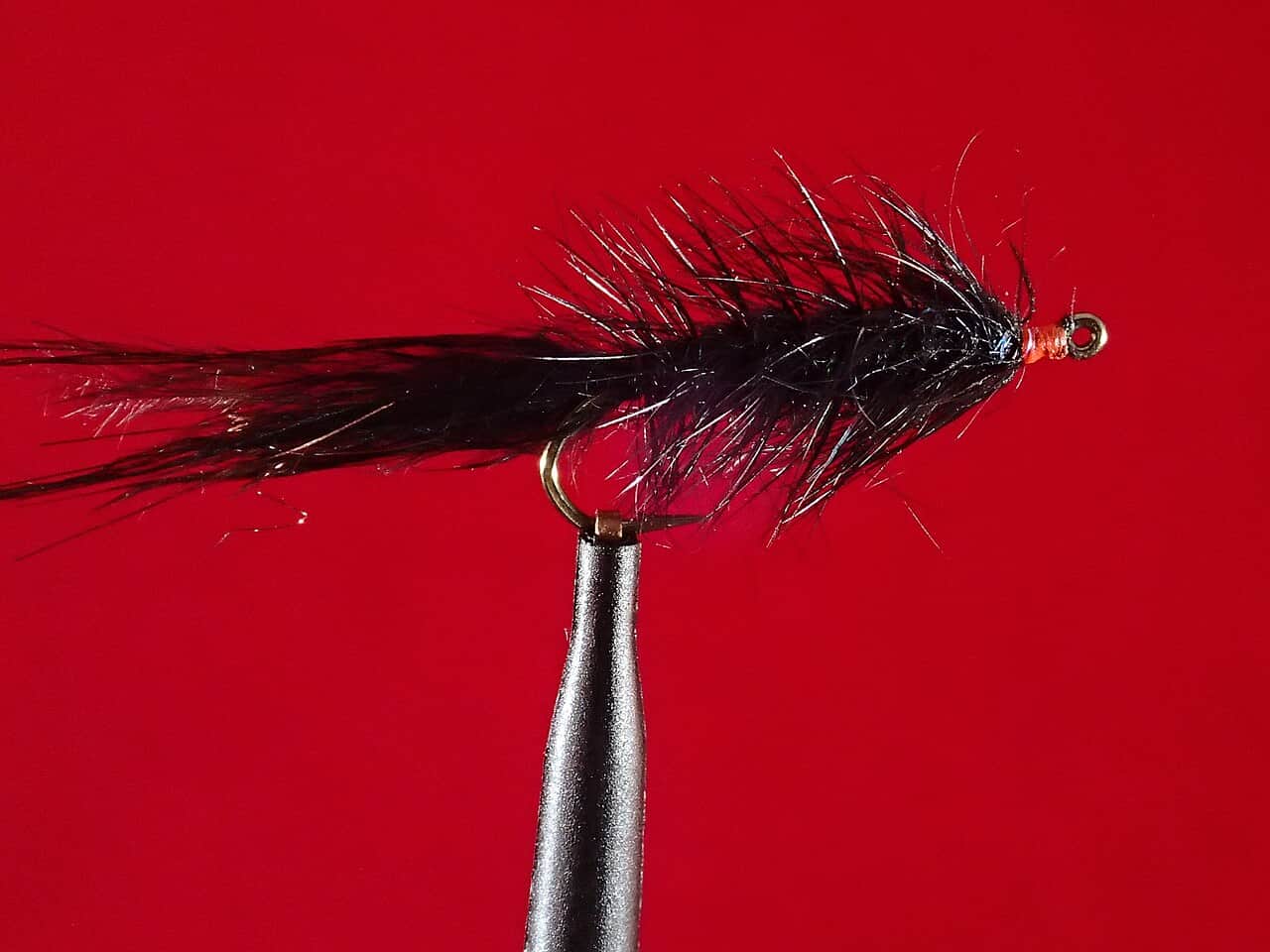
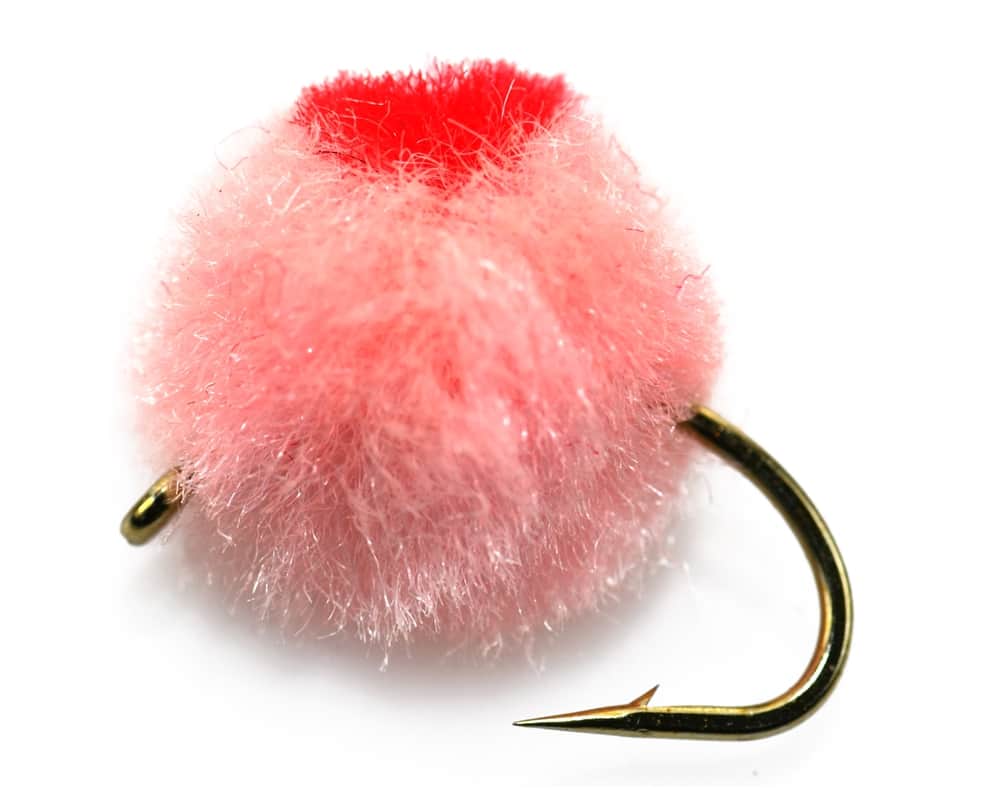
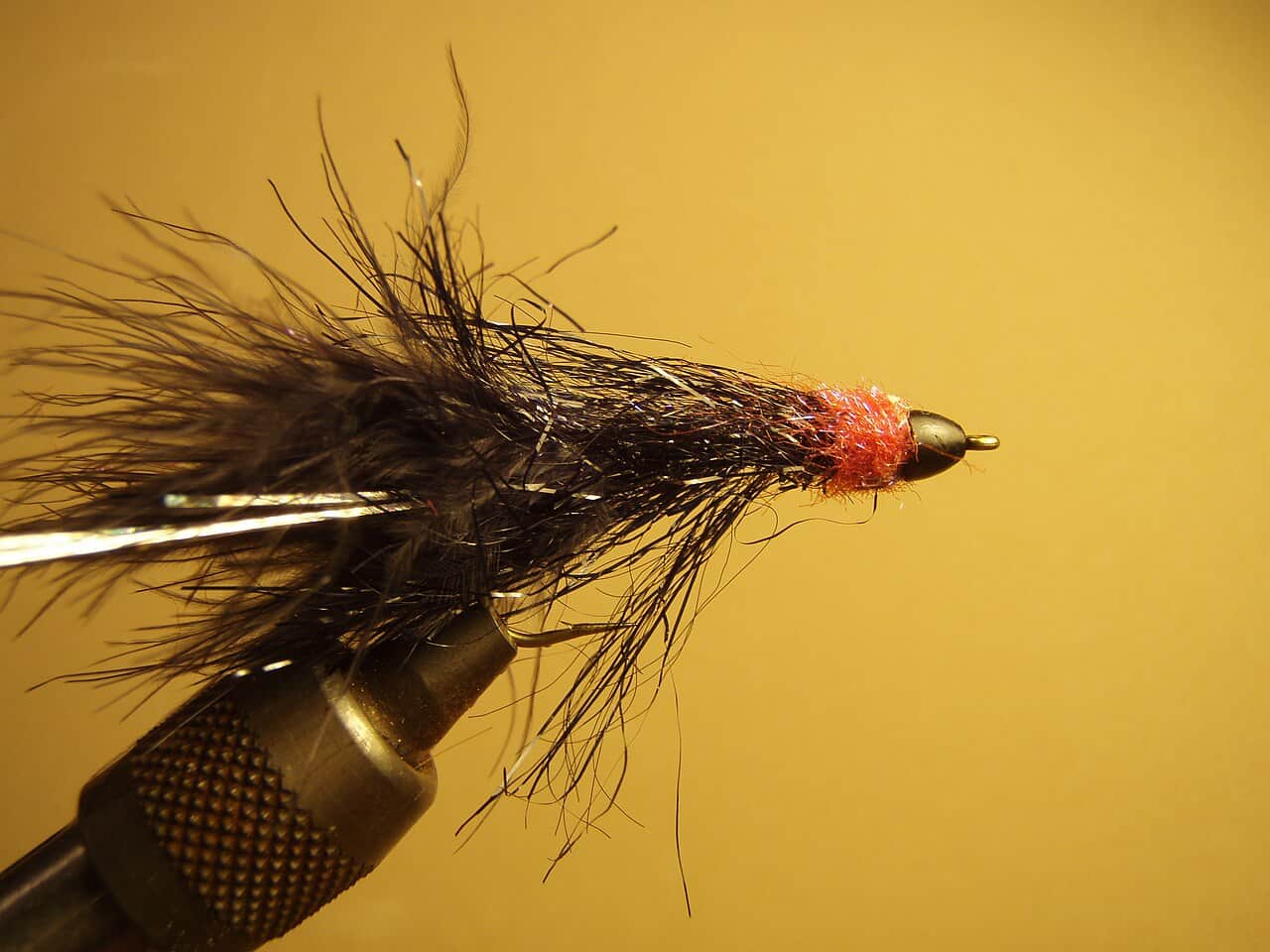
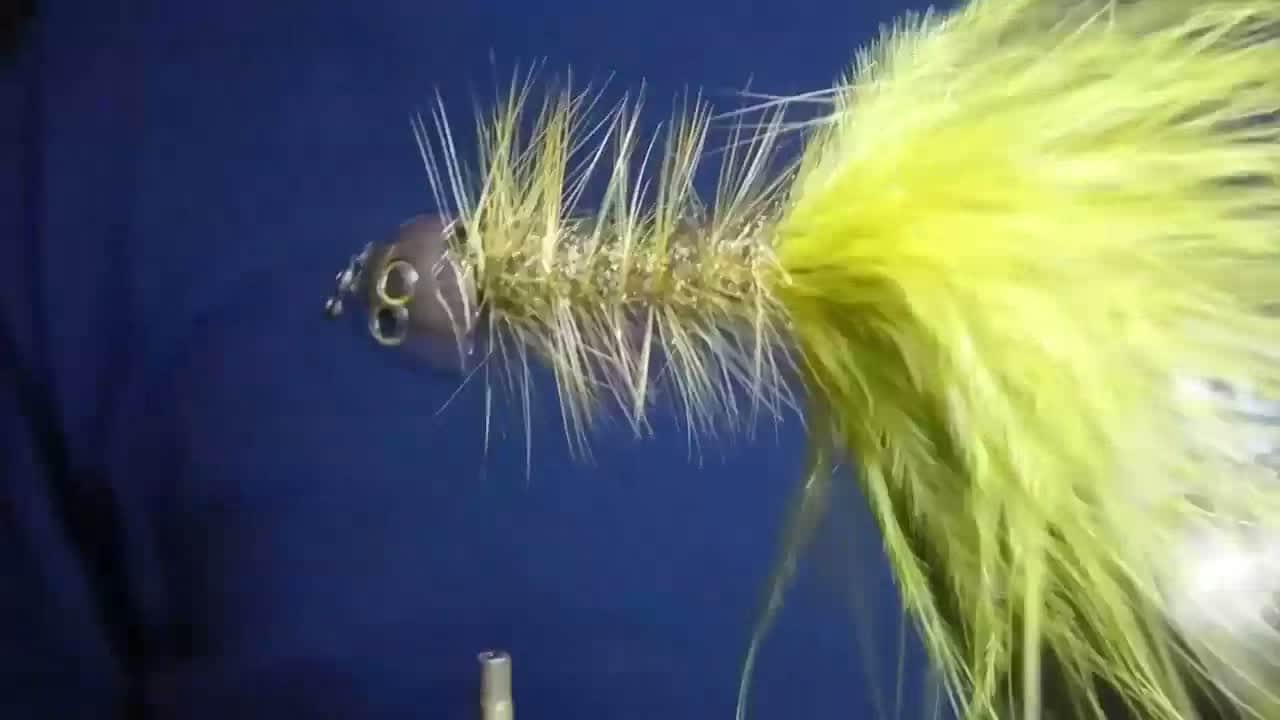
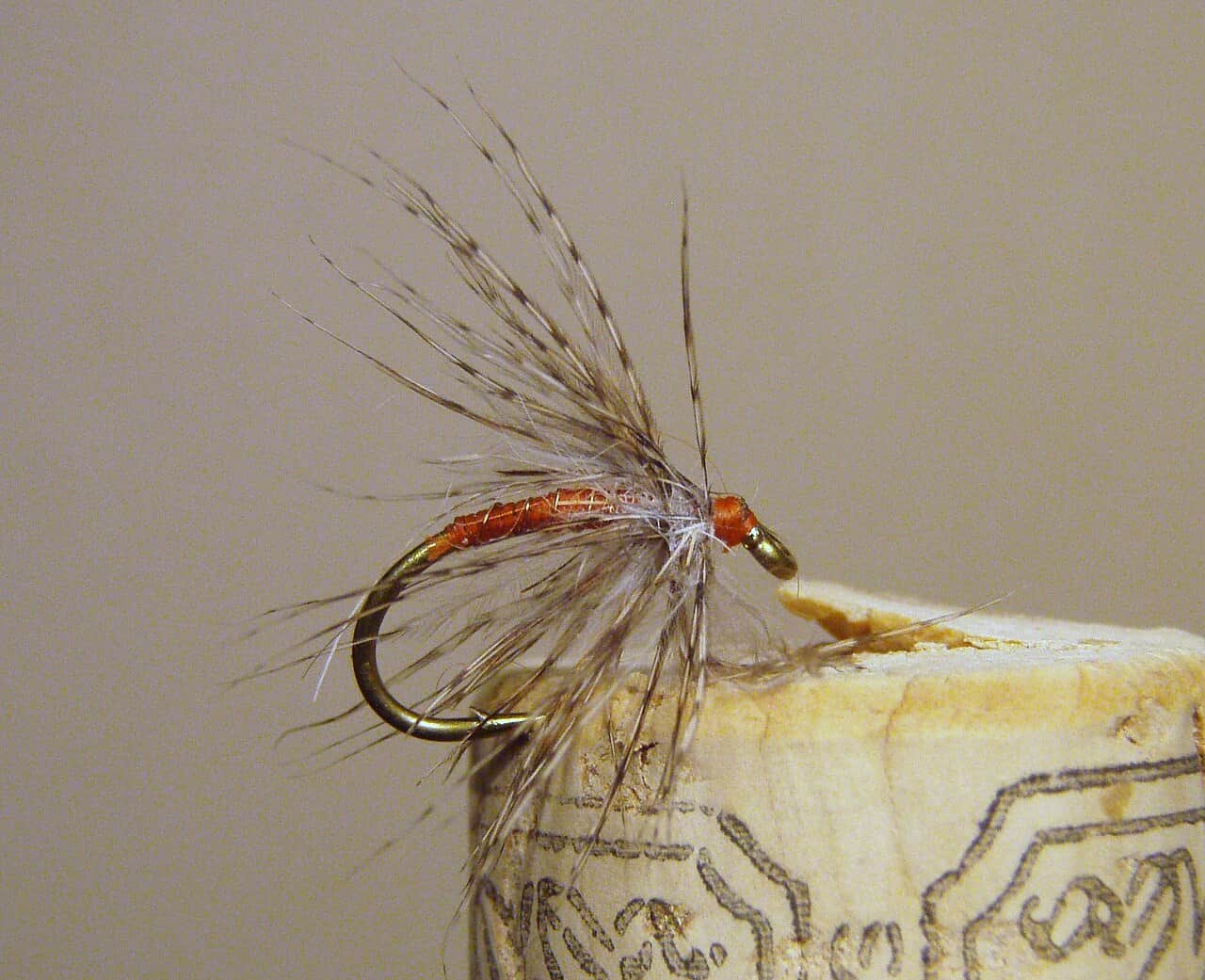
Small black stone, egg pattern where legal, soft hackle, black leech, small baitfish
Spring
BWOs, caddis, small mayflies, sculpins, and fry movement
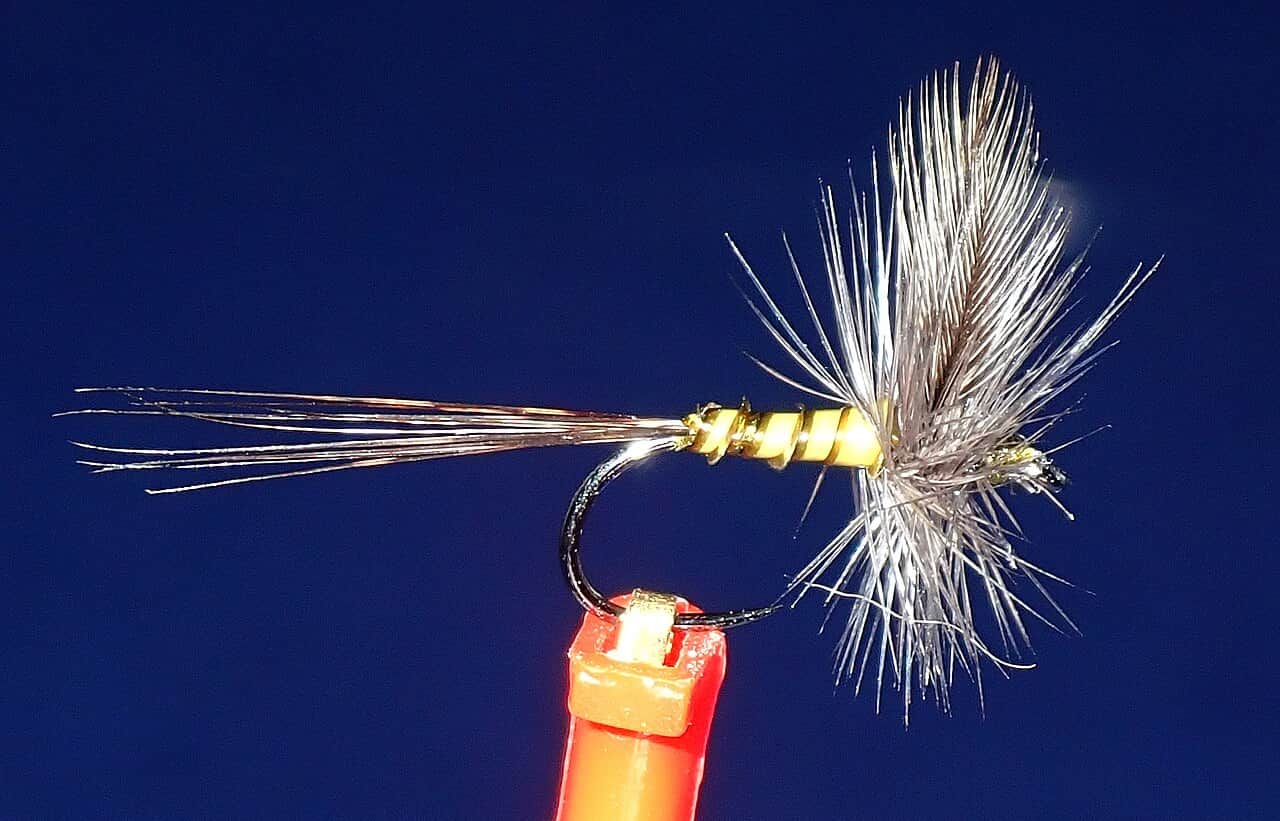
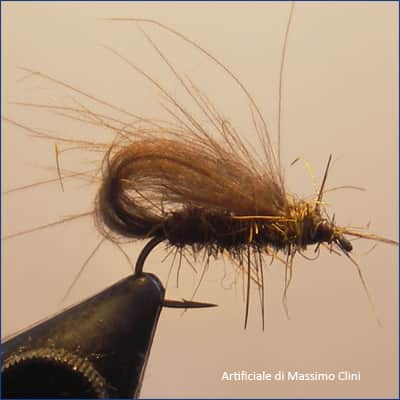
BWO emerger, caddis pupa, soft hackle, sculpin, small clouser
Summer
Terrestrials, caddis, midges, warmwater forage, and estuary bait
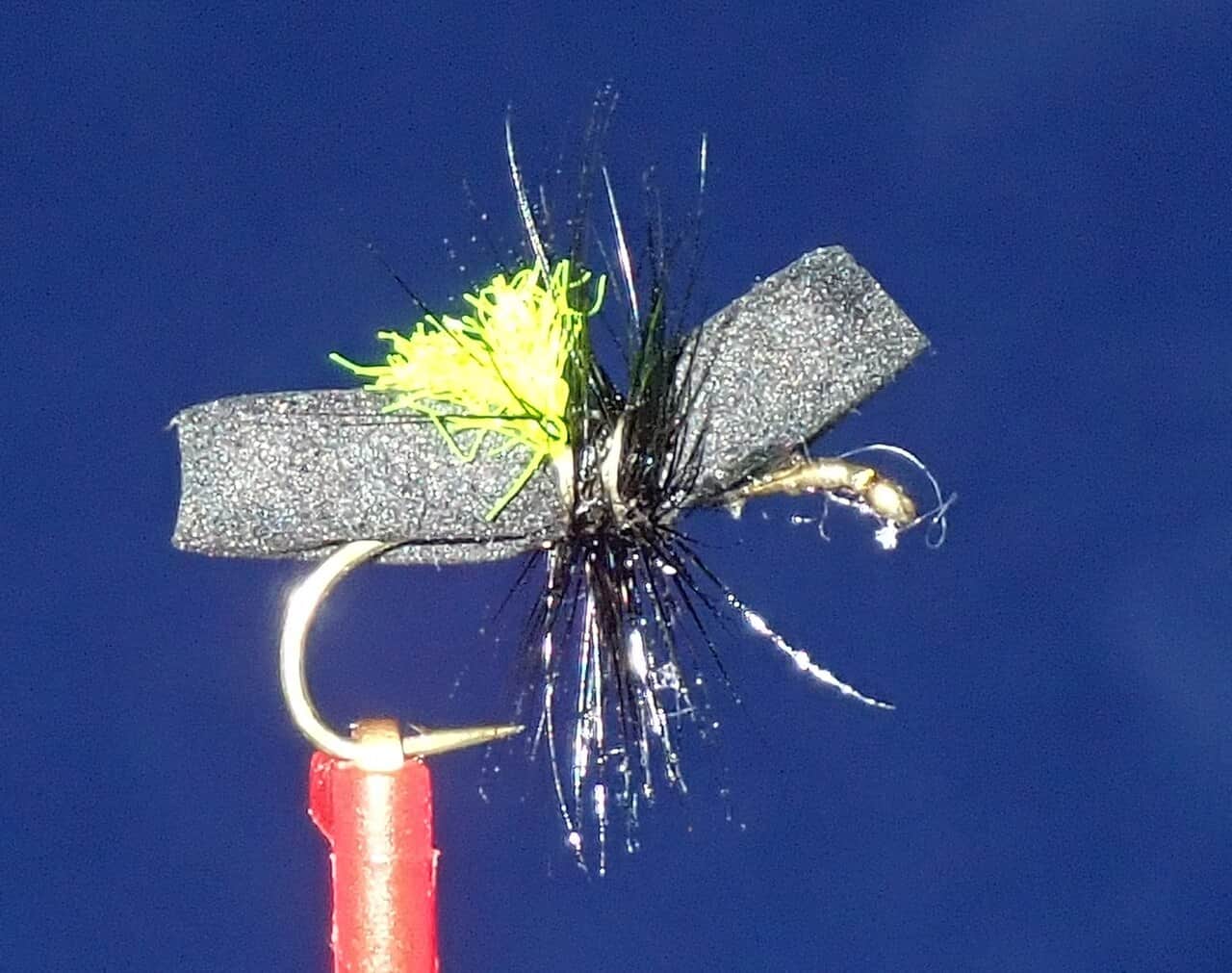
Foam ant, small caddis, popper, baitfish streamer, crayfish
Fall
First rain pulses, small olives, caddis, and salmonid migration cues
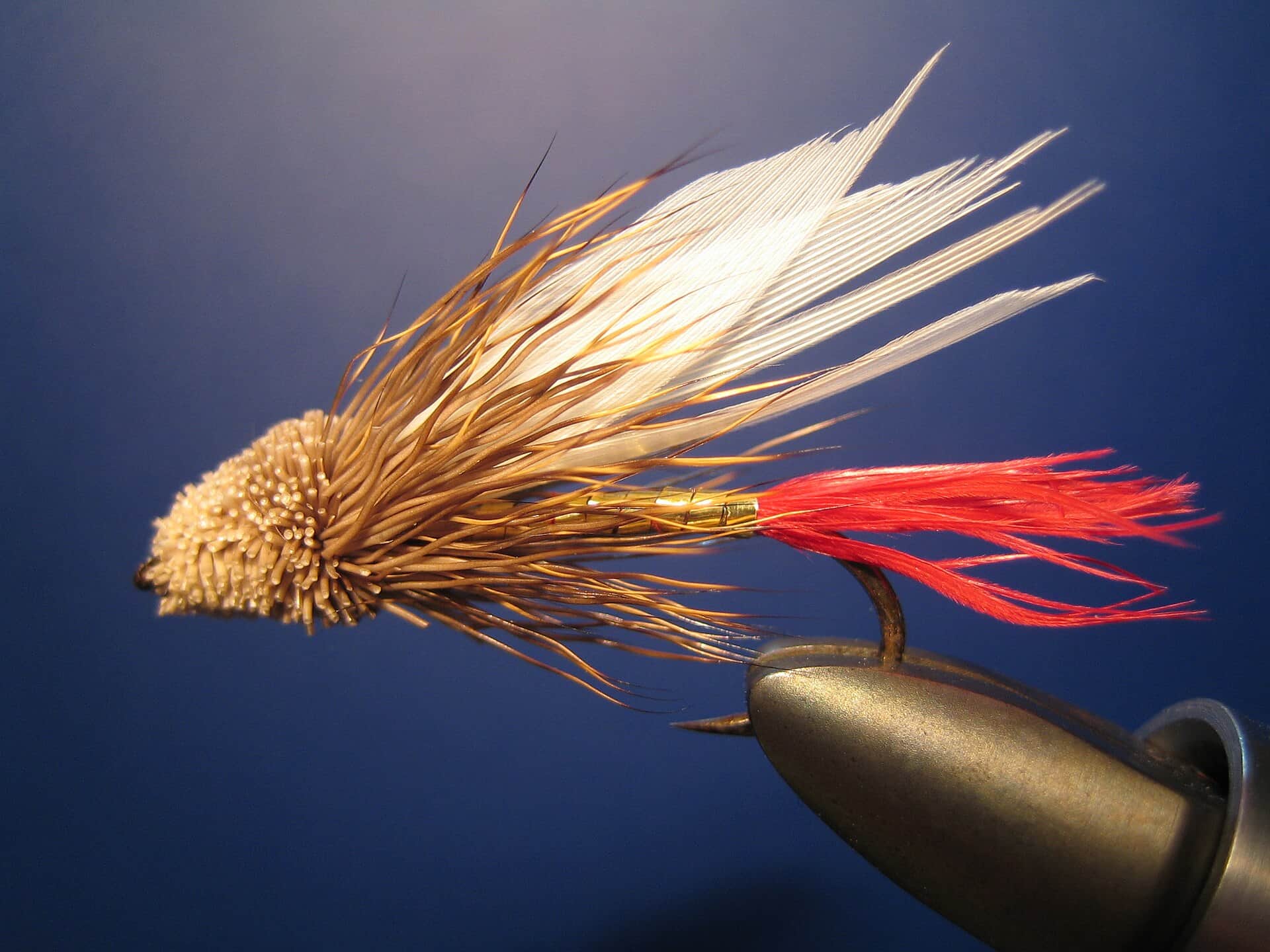
Soft hackle, BWO, small streamer, muddler, sparse steelhead wet fly
Steelhead and salmonid flies
Sparse wet fly, black leech, egg pattern where legal, muddler, small intruder, soft hackle
Use only when the river is open, flows are legal, and the reach supports a salmonid plan.
Search streamers
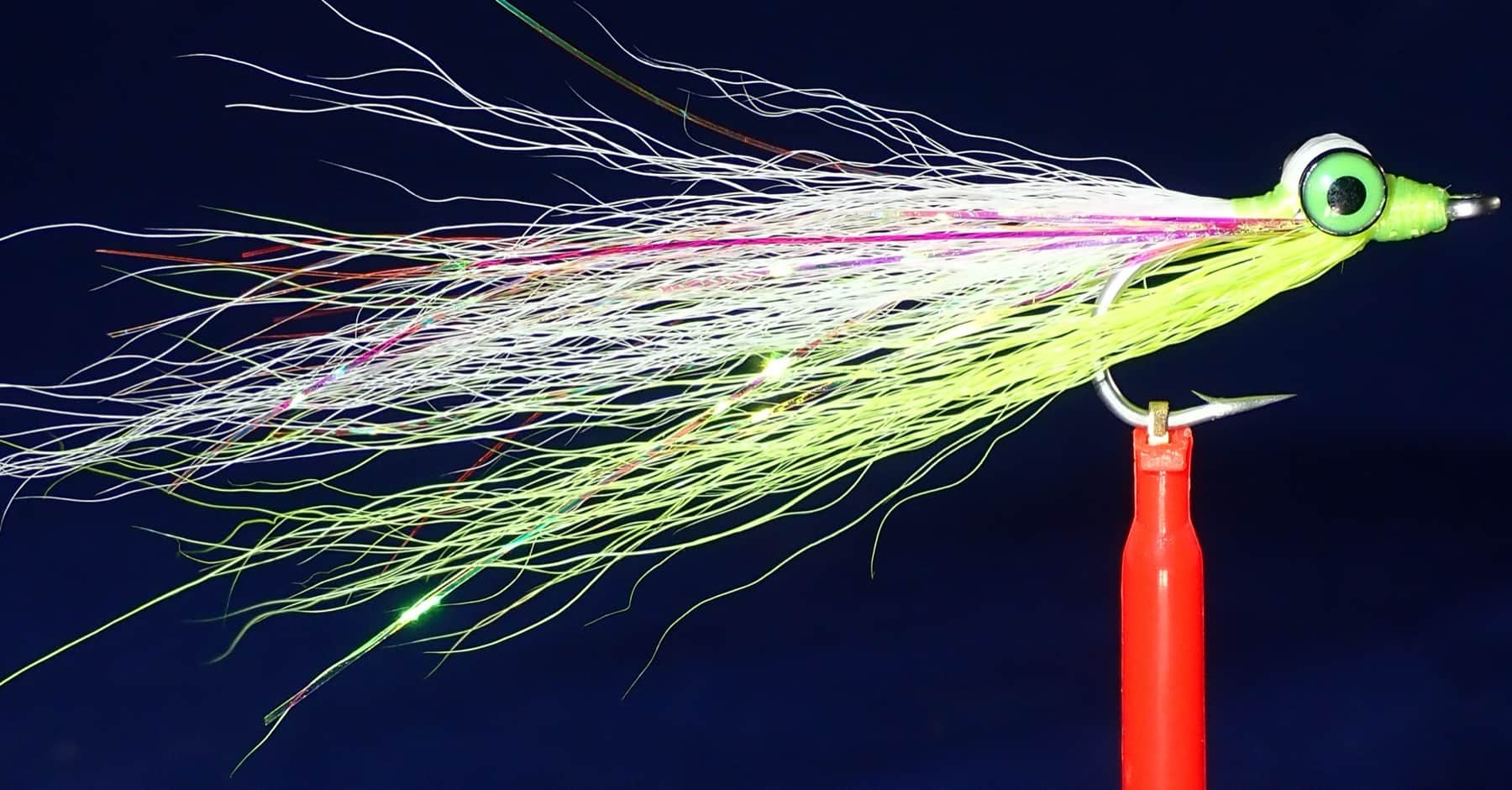
Sculpin, clouser, olive bugger, black bugger, small baitfish
Use on clearing flows, deeper bends, shaded cutbanks, and estuary-influenced water.
Light-water flies
BWO emerger, caddis pupa, soft hackle, small nymph, foam ant
Use in smaller legal water, soft edges, or when clear low flows demand a subtle presentation.
Tactics
How to fish it
Check open status before leaving home, then match the gauge to clarity when you arrive.
Swing sparse flies or small streamers through soft traveling lanes only when the river is legal and fishable.
Avoid redds, staging fish, and crowded slots; these rivers depend on careful handling.
Keep a backup plan because coastal rivers can close or blow out quickly.
Rigging
Rod, leader, and setup notes
A 7- or 8-weight is appropriate for legal winter steelhead work; lighter rods fit trout or smaller water only where legal.
Carry floating and light sink-tip options, sparse wet flies, leeches, and small baitfish patterns.
Use barbless hooks and quick releases for wild salmonids.
Bring rain gear, a wading staff, and a backup plan for closures or dirty water.
Access
Access and planning notes
Upper mainstem road scouting
Remote access checkWade / float / trail
Road / bank / canyon scout
When to pick it
Use it only when roads, land status, and return timing are realistic.
Caution
Remote access and poor service make small mistakes bigger.
BLM Eel River context
Public-land frameWade / float / trail
Public-land / canyon context
When to pick it
Use it to separate public planning anchors from private river bars.
Caution
BLM context does not mean every mainstem pullout is public.
Leggett / Laytonville approaches
Travel-base planningWade / float / trail
Road / bridge / access scout
When to pick it
Pick the approach that keeps weather, roads, and exit time manageable.
Caution
Storm damage and private boundaries need current checks.
BLM Middle Fork and South Fork Eel information is useful nearby public-land context, but this mainstem page should not imply every road or bar is public.
Confirm parking, land ownership, and current agency notices before relying on any access point.
Remote roads, steep canyon banks, storm damage, cold water, and poor cell service
Regulations
Check before fishing
Check CDFW low-flow rules, current sport fishing regulations, and steelhead report-card requirements before fishing. Open status can change during the season.
Primary base
Laytonville, Leggett, or Willits approach depending on reach
Best day style
Remote canyon, BLM/forest-road context, and private-land caution
Check first
CDFW low-flow status, USGS trend, road conditions, land status, and rain forecast
Safety
Remote roads, steep canyon banks, storm damage, cold water, and poor cell service
Gear
Helpful gear for this water
7- or 8-weight rod
Appropriate for legal winter steelhead water and bigger coastal flows.
Sink-tip option
Useful for deeper traveling lanes and post-storm color.
Steelhead card
Required when fishing for steelhead in California anadromous waters.
Rain and safety kit
Coastal storms, cold water, and remote bars require conservative packing.
Nearby water
Other water to research
Backup logic
High water
Wait for the Eel to drop or compare the lower Eel, Mattole, or Navarro after their legal status is clear.
Heat
Do not pressure salmonids in warm low water; scout or choose a different target.
Storms or road damage
Skip remote canyon water until road and weather conditions are safe.
Access issue
Use official BLM context and current land-status checks rather than guessing at remote bars.
Eel River
Lower Scotia gauge and broader lower-river planning.
Mattole River
A Lost Coast river with similar storm and salmonid timing issues.
Navarro River
Mendocino coastal low-flow-rule planning.
FAQ
Fast answers
Is Main Fork Eel River fishable today?
Main Fork Eel River looks very fishable right now. The live score is 96/100, based on current flow, weather, public alerts, and the report's planning context. Recheck the linked gauge and forecast before leaving because conditions can change quickly after rain, heat, access changes, or flow swings.
What flow is best for Main Fork Eel River?
Open under CDFW low-flow rules, dropping after rain, and clear enough to fish without stressing salmonids.
When should I skip Main Fork Eel River?
Skip during closures, muddy storm spikes, hot low water, or when access depends on private-land assumptions.
Is Main Fork Eel River safe to wade right now?
The fishability score is not a wading guarantee. Wade only where your chosen access has safe edges, clear footing, legal entry, and no forced crossings; high, rising, stained, or storm-affected water should be treated conservatively.
Is Main Fork Eel River usually open for fly fishing?
Do not assume it is open. North Coast low-flow rules and salmonid protections can close these waters when flows are too low or conditions are stressful.
Should I wade or float?
Wading from legal access is usually the safer planning baseline. Floating requires current local access knowledge, safe flow, and a realistic takeout.
Which flow source should I use?
Use the RiverReports chart for a fast read and USGS 11473900 as the official flow source or context source.
Sources
Source set for this report
Reviewed 2026-05-31