RiverReports preview · current series loading
Recent flow
RiverReports gauge
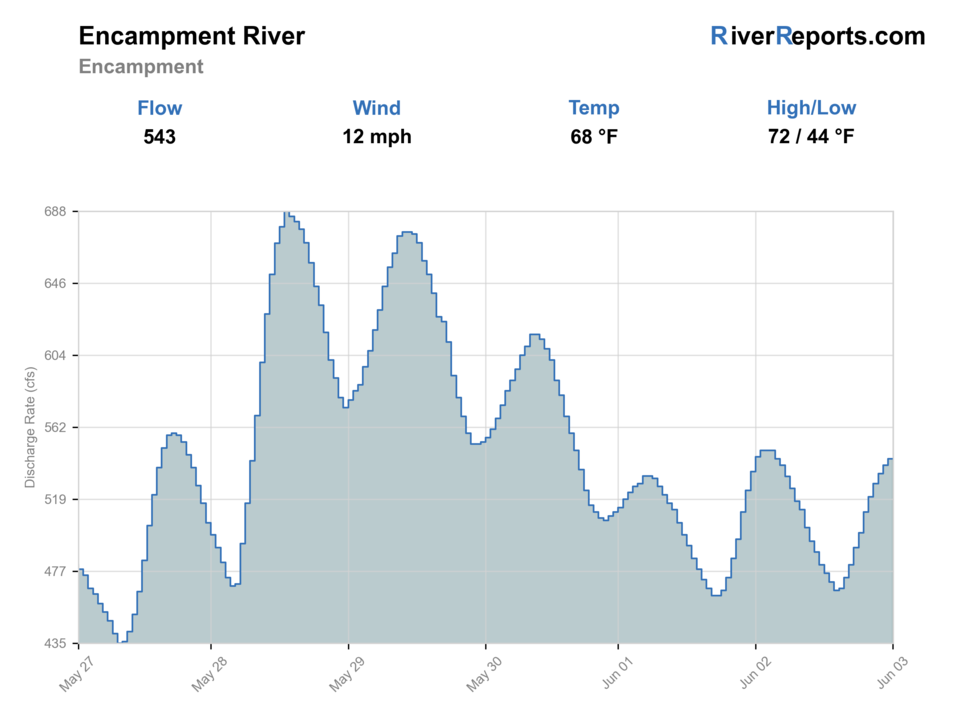
Showing the available RiverReports chart while the current structured flow series loads. Check the chart on RiverReports Opens in a new tab.
No single best way to fish. Wading and Floating have the same top score. Use current access, footing, weather, and local rules to choose.
Rating updatedRiver local time:
This month is not listed as a top seasonal window in this page's reviewed season notes. Use current regulations, flow, temperature, and access checks before treating the score as a slam dunk.
NWS air forecast near
This is an air forecast, not a river-temperature reading. Check the water with a stream thermometer before fishing in hot weather.
RiverReports gauge
Showing the available RiverReports chart while the current structured flow series loads. Check the chart on RiverReports Opens in a new tab.
Chance Rain Showers
The National Weather Service forecast is temporarily unavailable.
RiverReports gauge: ENCAMPMENT RIVER ABOVE COAL CREEK NEAR ENCAMPMENT WY
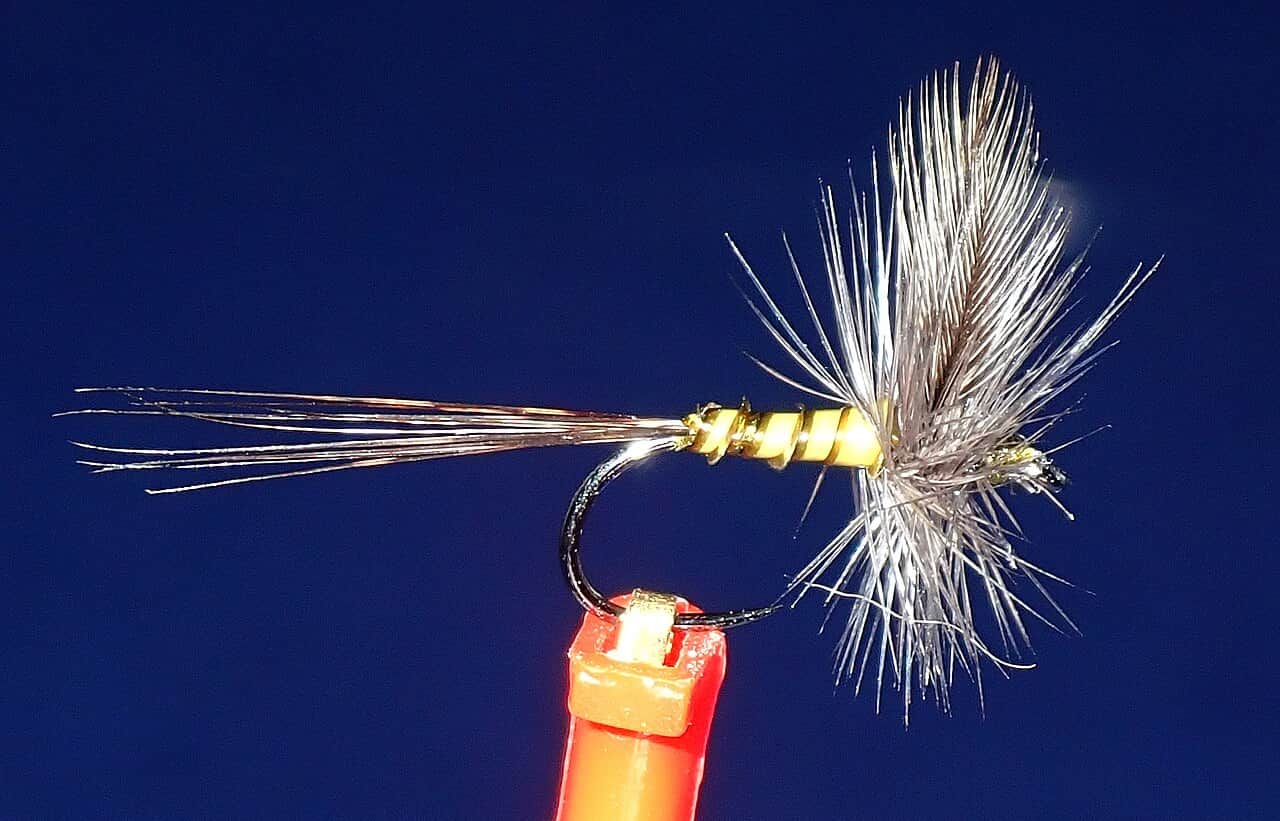
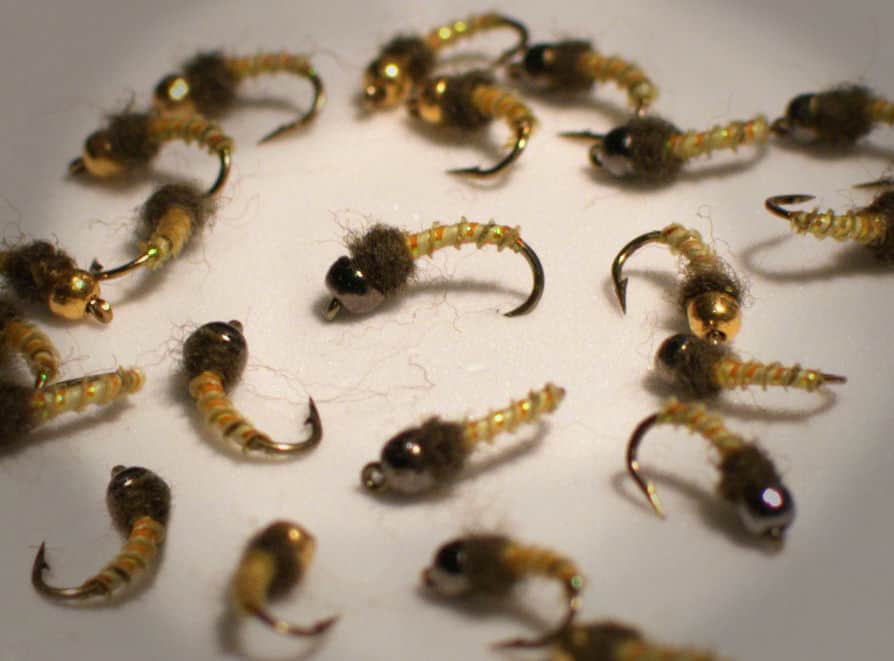
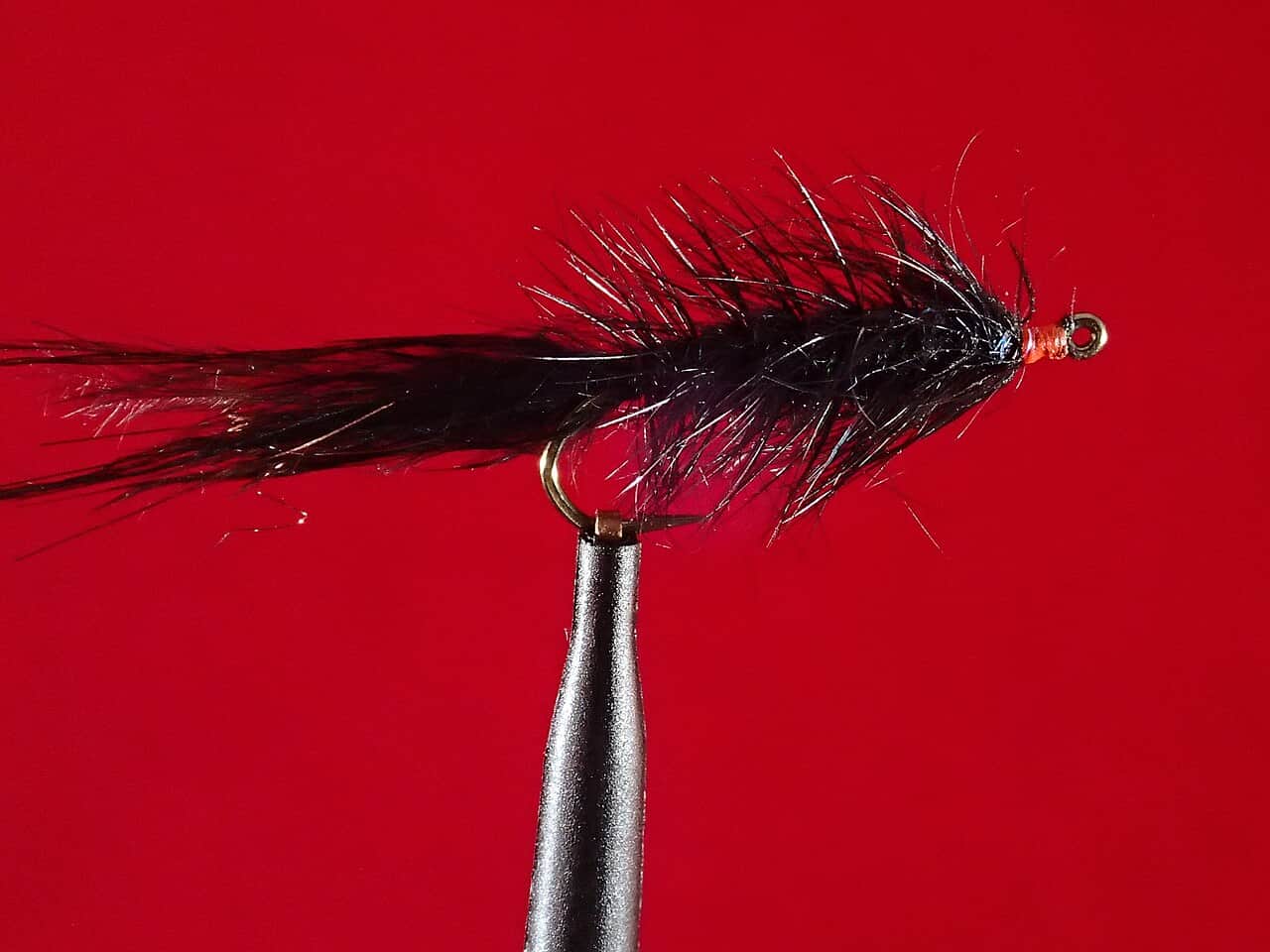
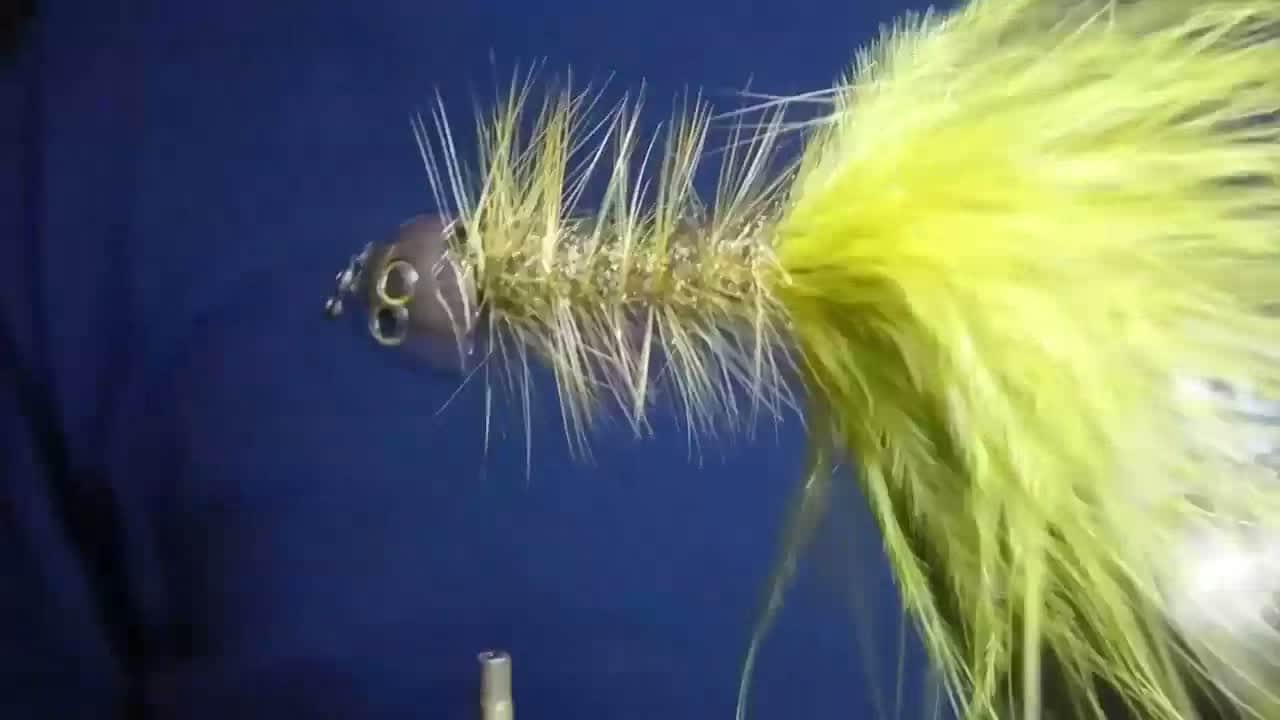
Seasonal starting points, not a live hatch report. Match what you see on the water.
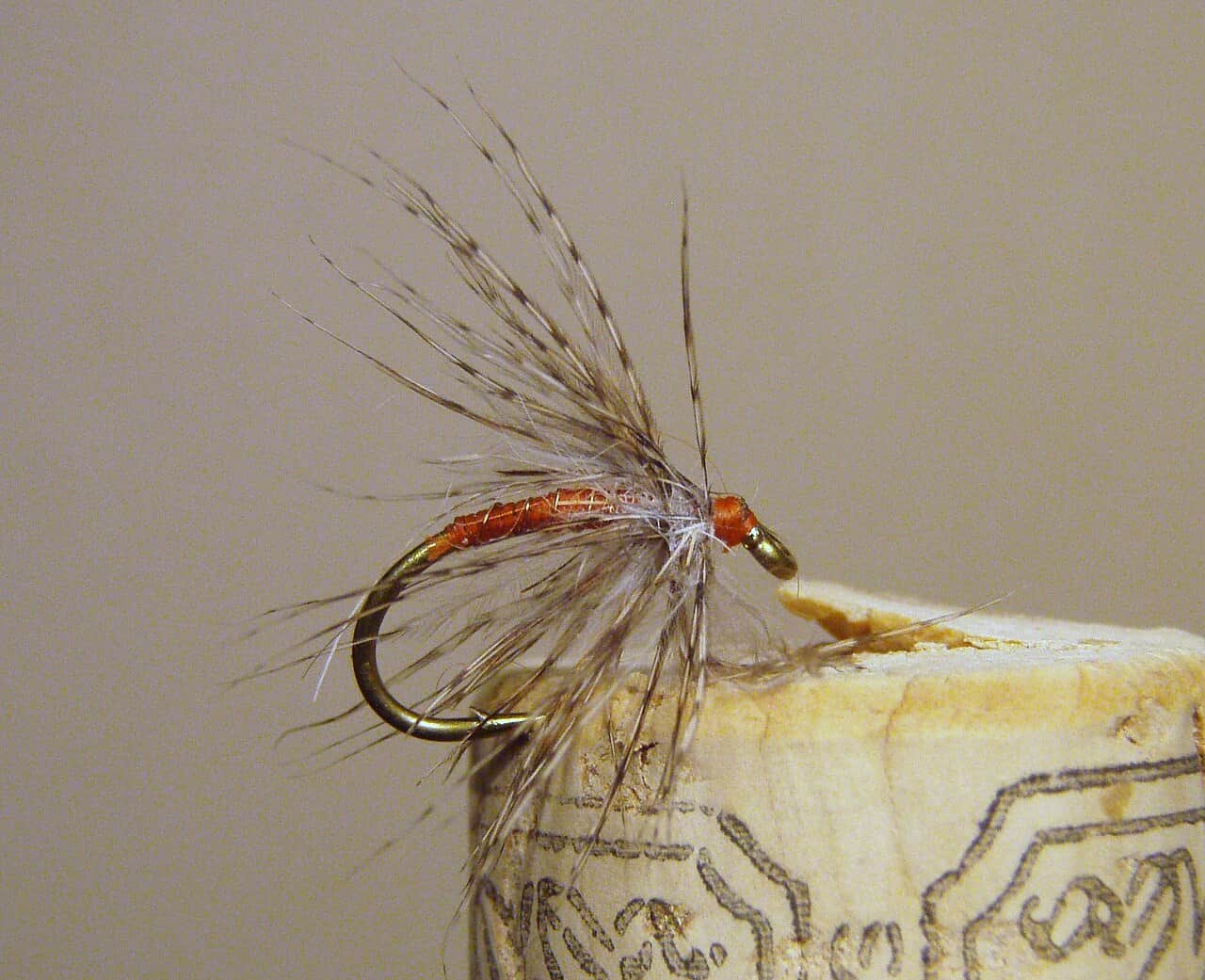
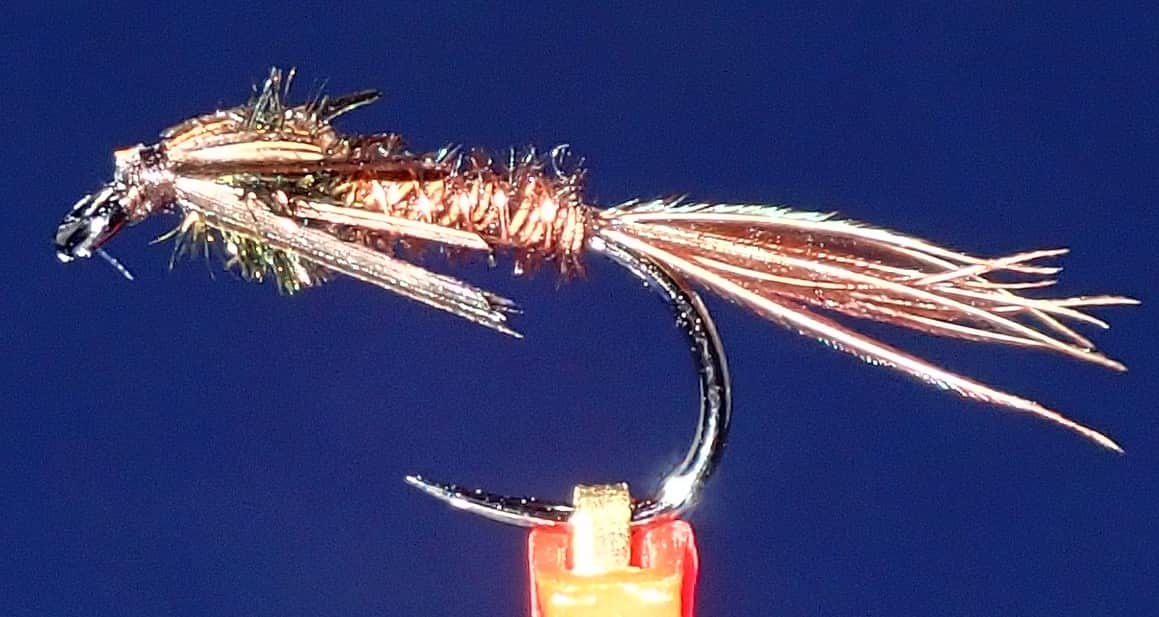
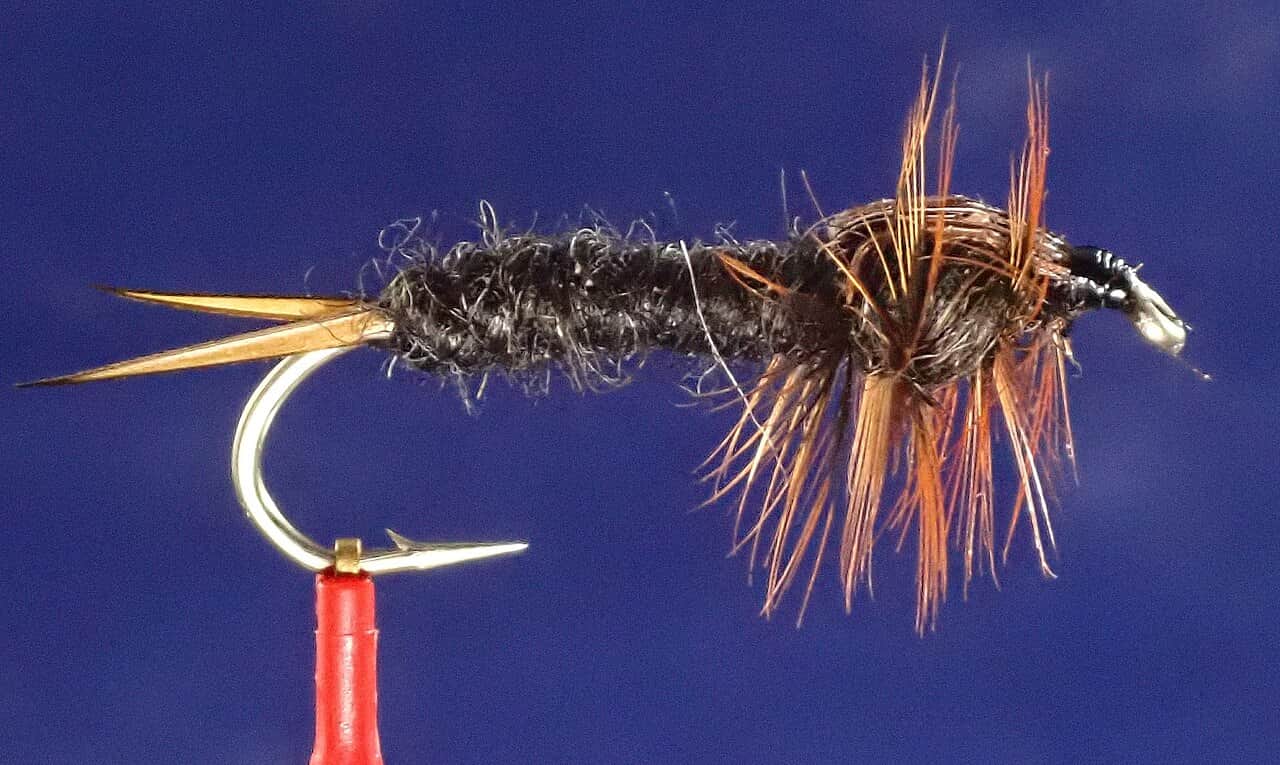
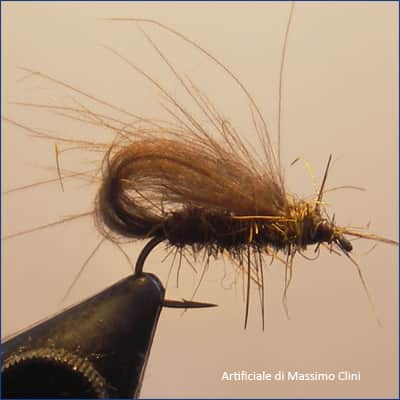
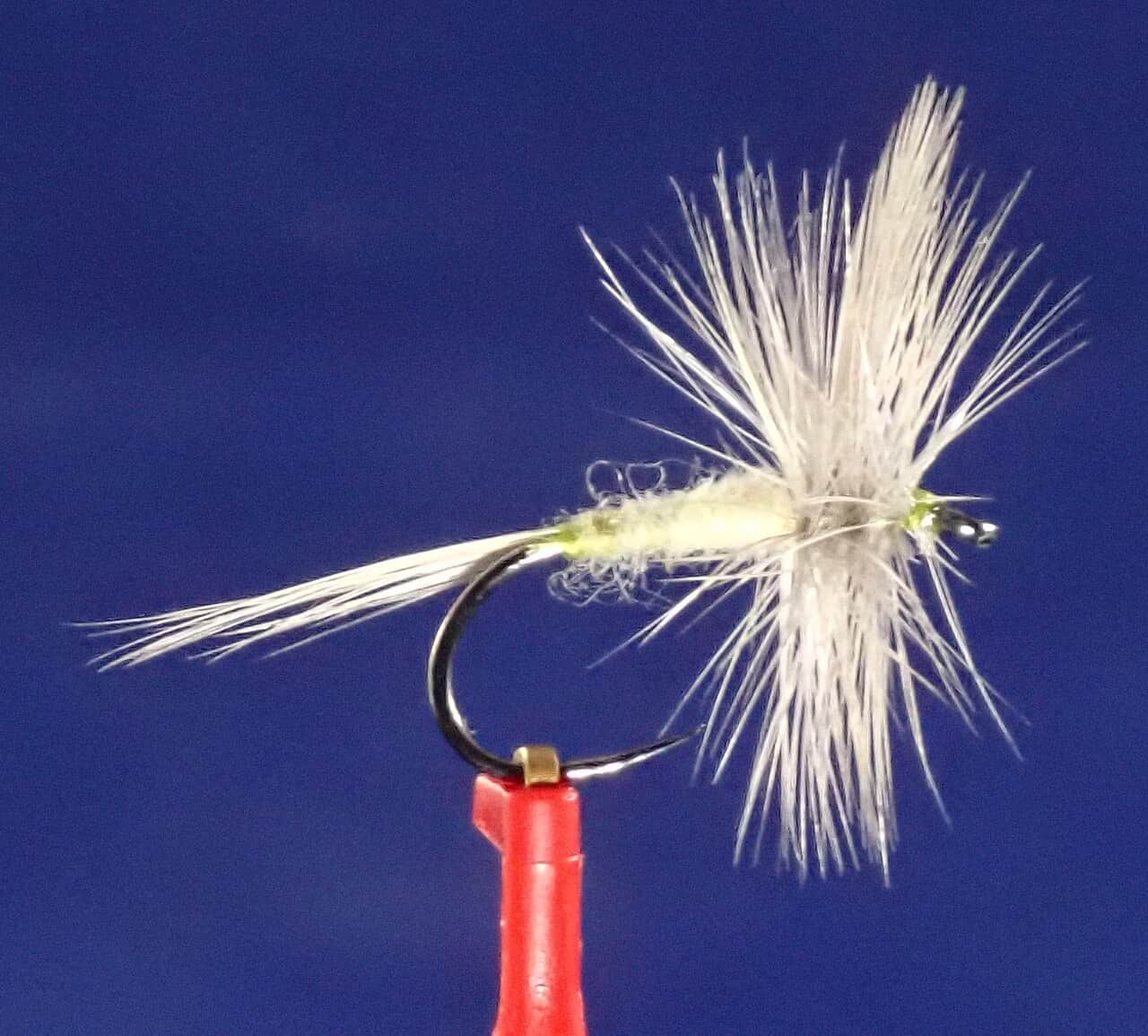
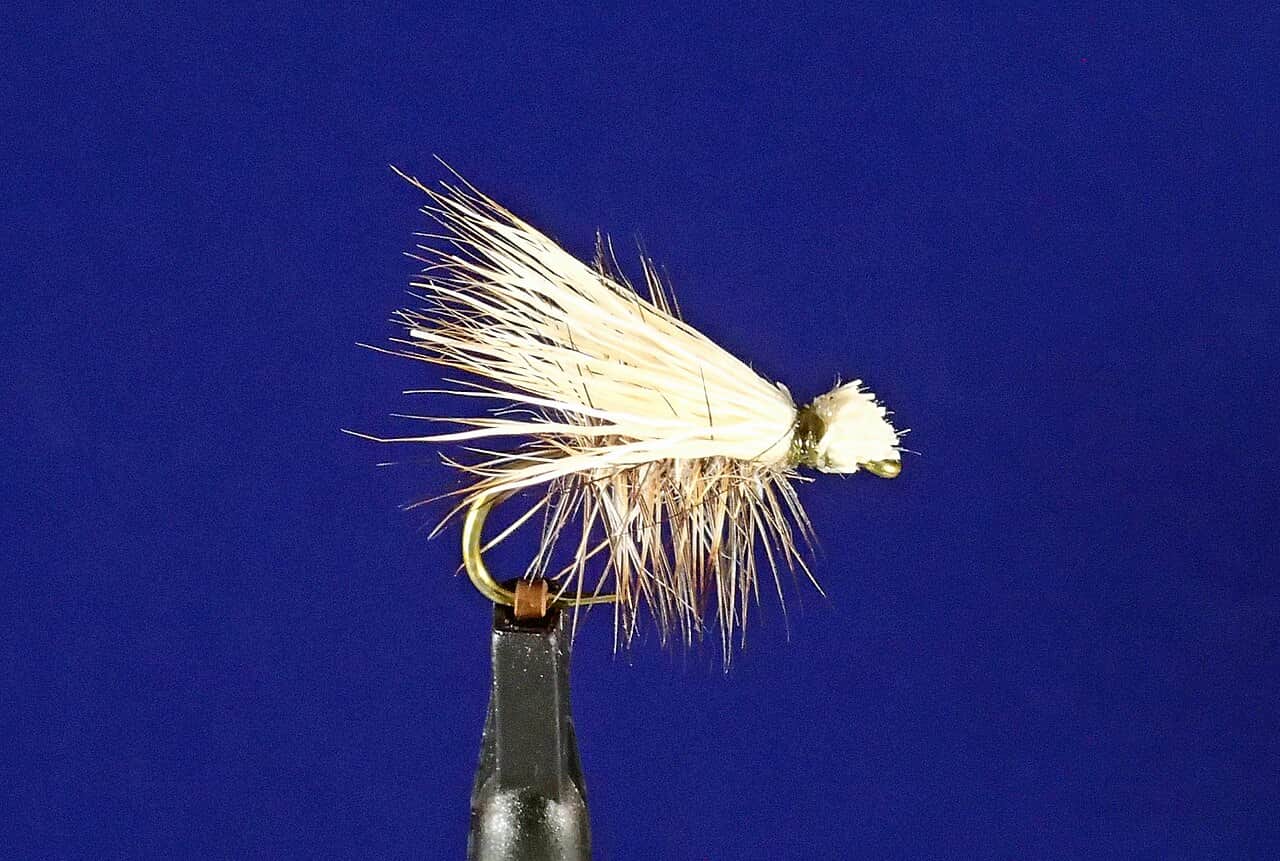
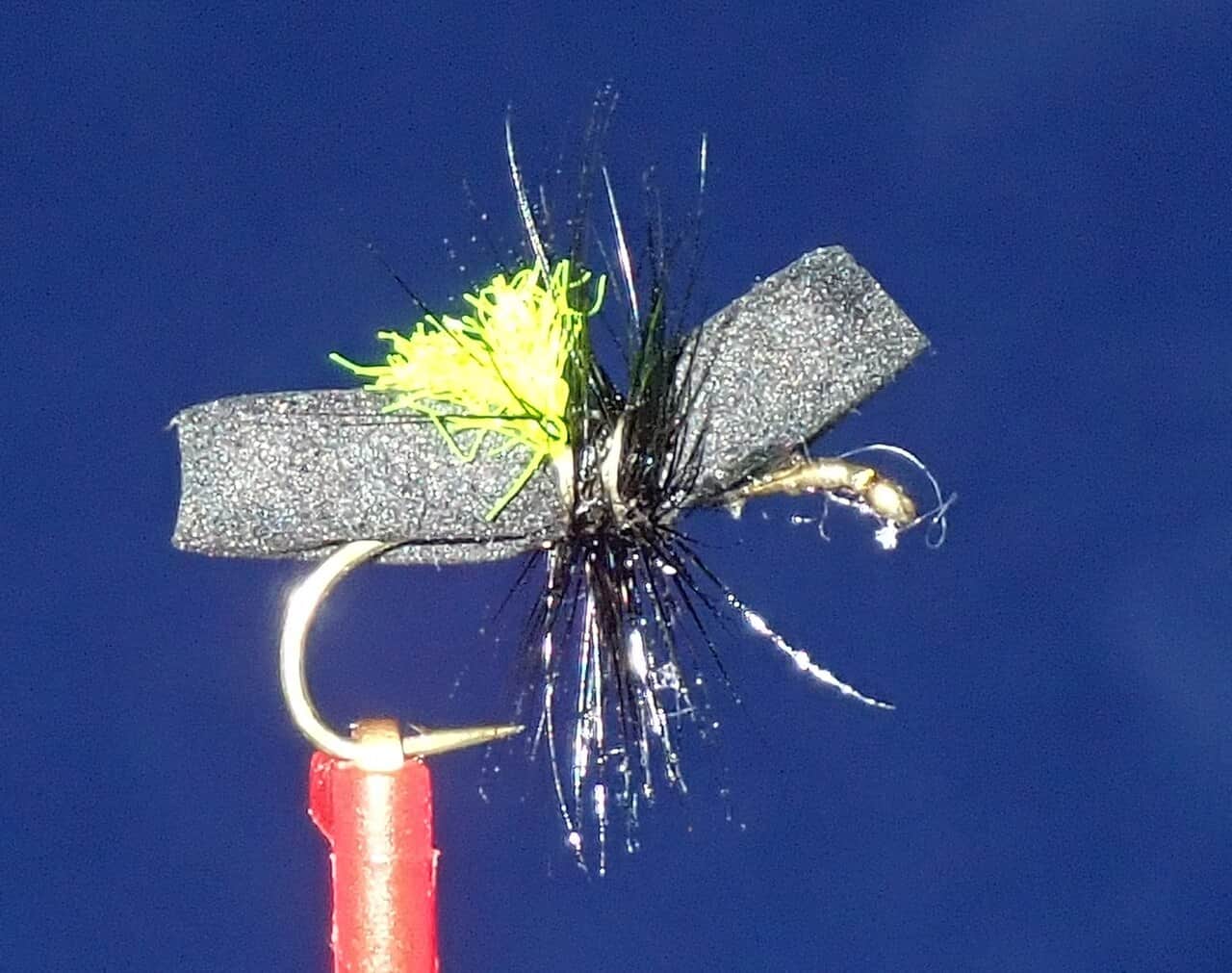
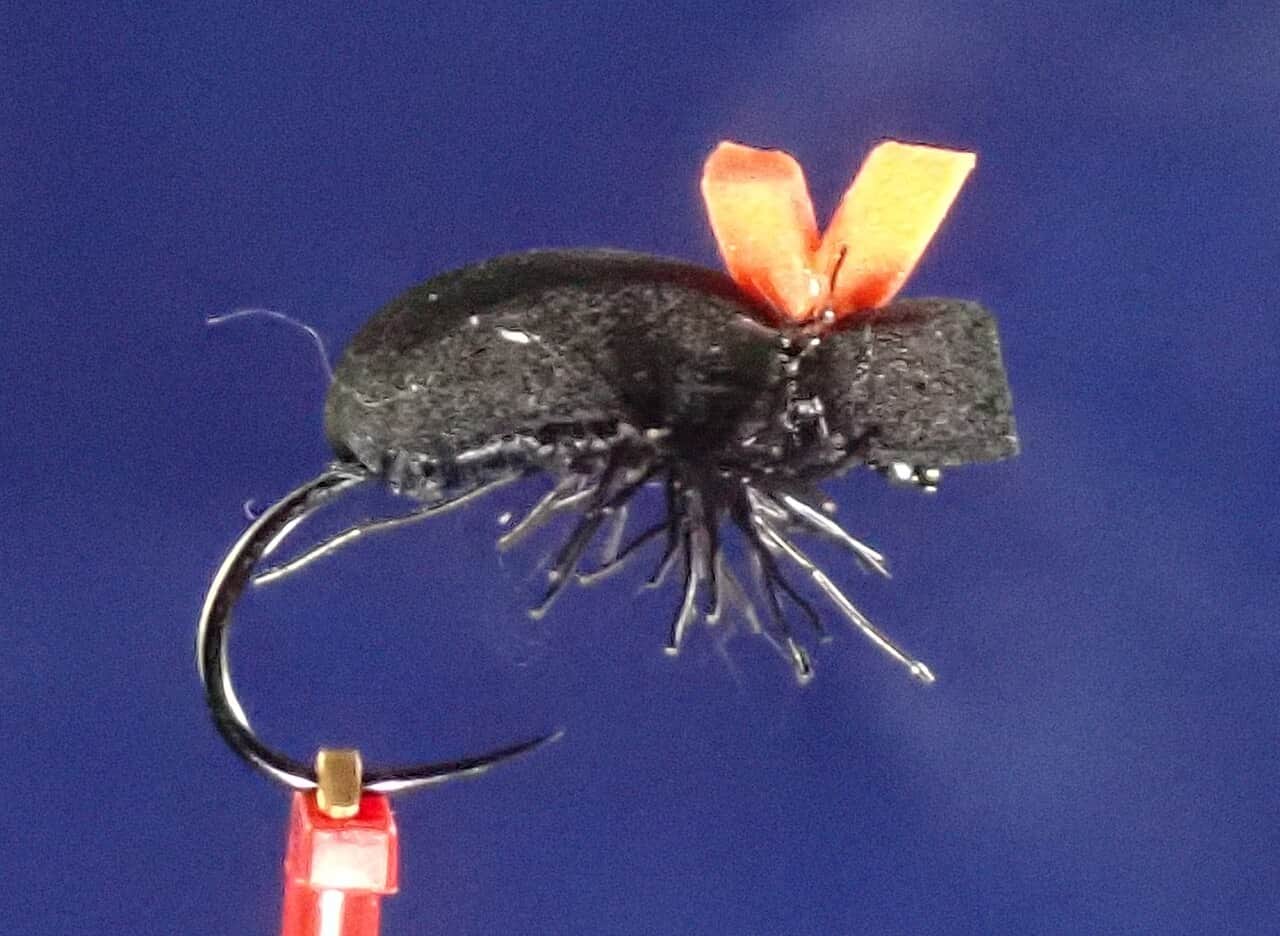
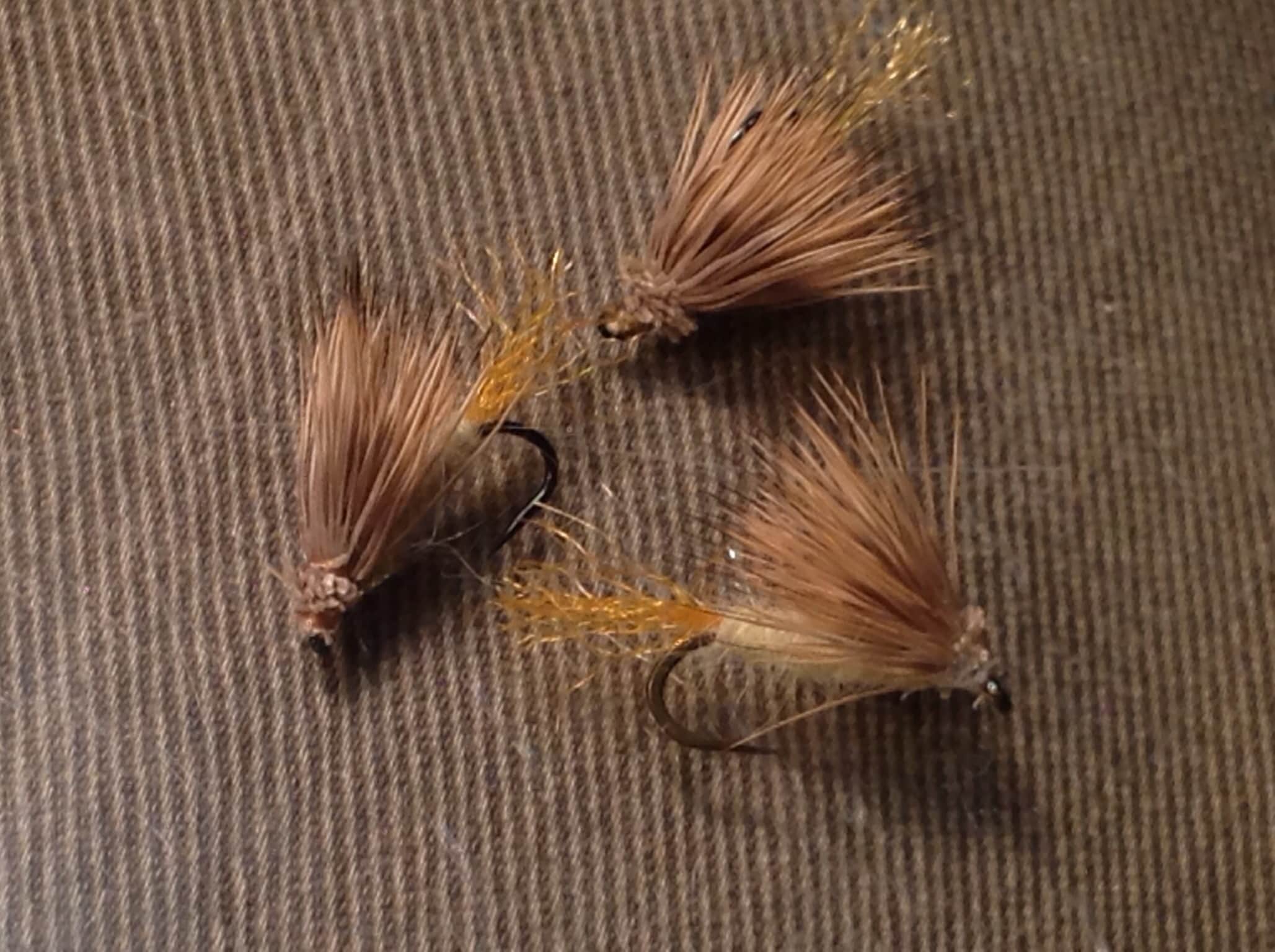
Each fly name opens its matching Fly Box guide.
The Encampment is best after runoff drops into defined seams and before low warm afternoons flatten the lower river. Skip it when the lower easement is still pushy or when the trail-based plan looks more like deadfall work than fishing.
The first real green seams after runoff are often the best all-around signal to go.
Best for mixing the easement water with a more exploratory upstream look.
A pass for most wading plans even if the river still looks fishy from the bridge.
Fish early, handle trout quickly, and move higher if temperatures climb.
Wading and Floating have the same top score. Use current access, footing, weather, and local rules to choose.
Wading is in play only where your chosen access has clear footing, legal entry, and no forced crossings.
This report does not recommend bank fishing on this reach.
A float is in play where this report supports boat access and wind, releases, and shuttle logistics are manageable.
Is Encampment River worth the trip today? Check flow, weather, hatches, access, and rules for Wyoming before you go.
This river gives you two very different plans: the Baggot Rocks public-access easement near Riverside and the more rugged upstream wilderness area. Keep RiverReports open for trend context, confirm with USGS 06625000, and decide early whether you are taking the easy lower-water option or earning a higher-effort trout day.
This month is not listed as a top seasonal window in this page's reviewed season notes. Use current regulations, flow, temperature, and access checks before treating the score as a slam dunk.
USGS shows 87 cfs. The flow has been stable over about 6 hours. USGS marks this reading provisional and may revise it. USGS records for this date (1941-2026, 86 readings) show a typical middle range of 59 cfs to 116 cfs. Flow is within the typical range for this date, so weather, temperature, and access become the next checks.
The current NWS air forecast is about 46F, and the next 24-hour high reaches about 62F. Chance Rain Showers.
No active NWS alert was returned for this forecast point.
Skip when the lower easement has no soft edges or when the upstream trail corridor is blocked enough to waste the day.
Best once runoff drops into distinct green seams. Stable summer flows give you the most flexible mix of access options.
Skip when the lower easement has no soft edges or when the upstream trail area is blocked enough to waste the day.
Check 06625000 early, fish Baggot Rocks first if you want a public read, then decide whether the upper canyon is worth more effort.
Shift to the Snake or Wind if runoff, deadfall, or warm lower-river conditions make the Encampment a low-value call.
Use these places as starting points. Open the access link below and check posted signs before you park or enter.
Check Wyoming fishing rules and the 2026 update notes before fishing because tackle and harvest changes can shift by region and water type.
The best official lower-river starting point near Riverside.
A higher-effort option for anglers ready for trail-based access and deadfall uncertainty.
Useful only for reading current and clarity before you commit to a section.
Official agencies and primary river operators come first. Secondary tools are labeled so you know what carries the most weight.
Check what is allowed, where the rule applies, and whether the river is open.
Check the latest river reading and forecast before you leave.
Check public entry points, land rules, and seasonal access changes.
Check what is allowed, where the rule applies, and whether the river is open.
Open the current rules and check the river section, season, and special limits.
Open the current rules and check the river section, season, and special limits.
Check the latest river reading and forecast before you leave.
Open this page and check the latest safety advice before your trip.
Open this river reading to check the latest level, flow, and update time.
Check public entry points, land rules, and seasonal access changes.
Open the land or access page, then check signs before you park or enter.
Open the land or access page, then check signs before you park or enter.
What was checked: This report starts with official regulation, access, flow, weather, and public-land sources, then adds practical planning guidance for fly anglers.
Live measurements and forecasts keep their provider timestamps. Rules, access, and trip guidance use the source-review date shown here. BlueStreamFly planning advice is editorial interpretation, not an agency notice.
First-hand experience: BlueStreamFly does not claim a first-hand visit or local field test for this report unless a real contributor is explicitly named and linked.
Start at Baggot Rocks near Riverside if you want the clearest official public access, then decide whether the river is good enough to justify more rugged upstream walking.
Watch for runoff color, road conditions, winter-plowing limits, and whether the upstream trail area is blocked by downed trees.
Skip when runoff is still pushing hard, when the lower easement has no safe edges, or when the upstream trail plan looks more like obstacle management than fishing.