RiverReports preview · current series loading
Recent flow
RiverReports gauge
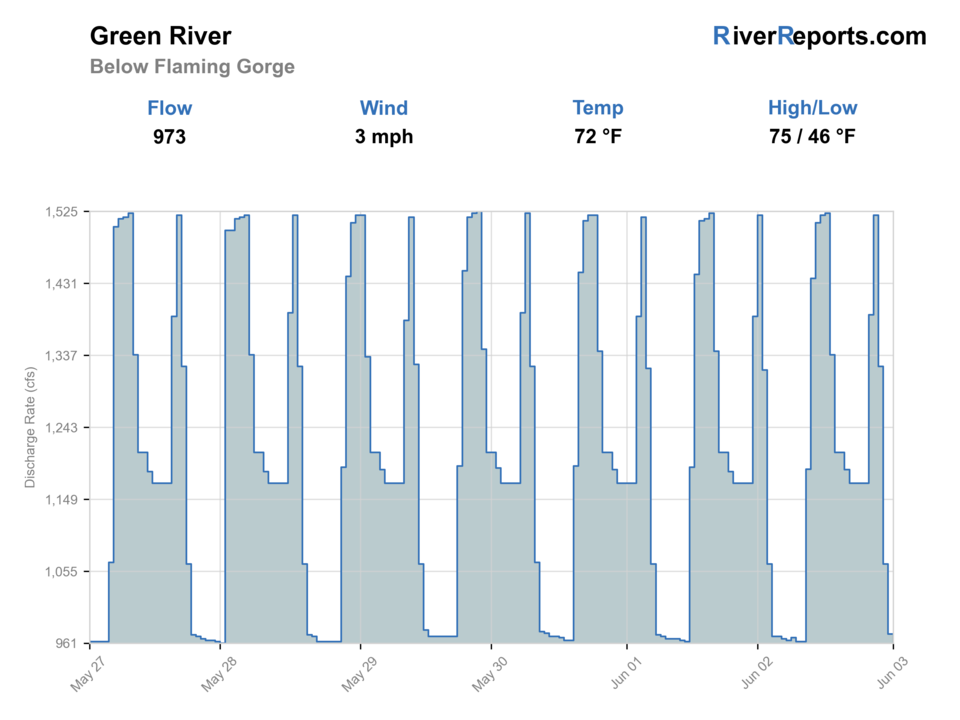
Showing the available RiverReports chart while the current structured flow series loads. Check the chart on RiverReports Opens in a new tab.
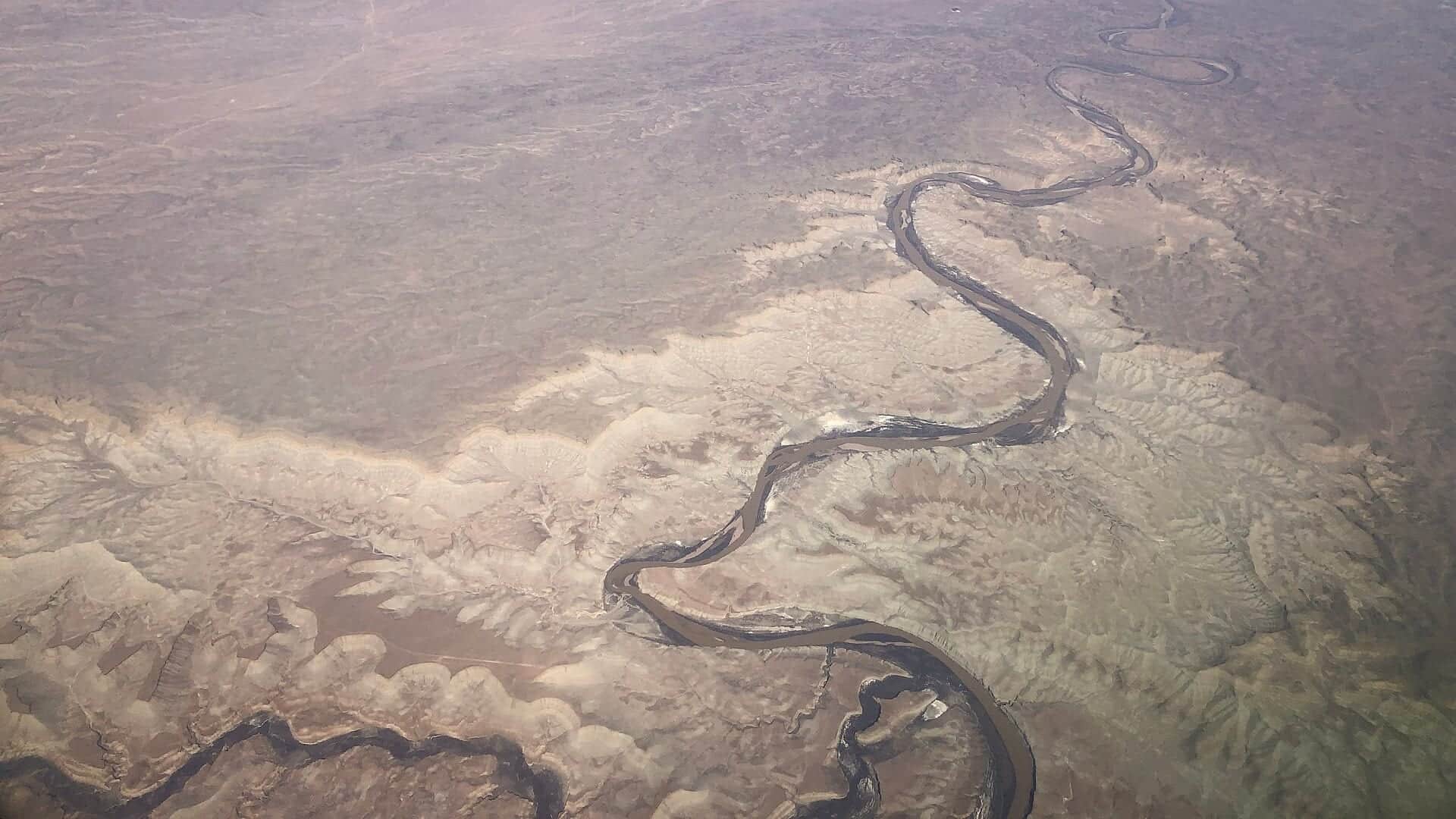
Photo: Gordon Leggett Opens in a new tab. · CC BY-SA 4.0
Flow is high for this time of year.
Best option: Floating. A float can fit better than wading only if launches, shuttle, boat skill, wind, and local rules all check out.
Rating updatedRiver local time:
USGS shows 2,170 cfs. The flow has been stable over about 6 hours. USGS marks this reading provisional and may revise it. USGS records for this date (1964-2026, 63 readings) show a median near 1,590 cfs and the upper quartile near 2,010 cfs; today's flow is high for the date. Fishable water may exist, but do not rate it highly without a safe access, clarity, and wading or boat plan.
NWS air forecast near
RiverReports gauge
Showing the available RiverReports chart while the current structured flow series loads. Check the chart on RiverReports Opens in a new tab.
Cloudy
The National Weather Service forecast is temporarily unavailable.
RiverReports gauge: Green River near Greendale
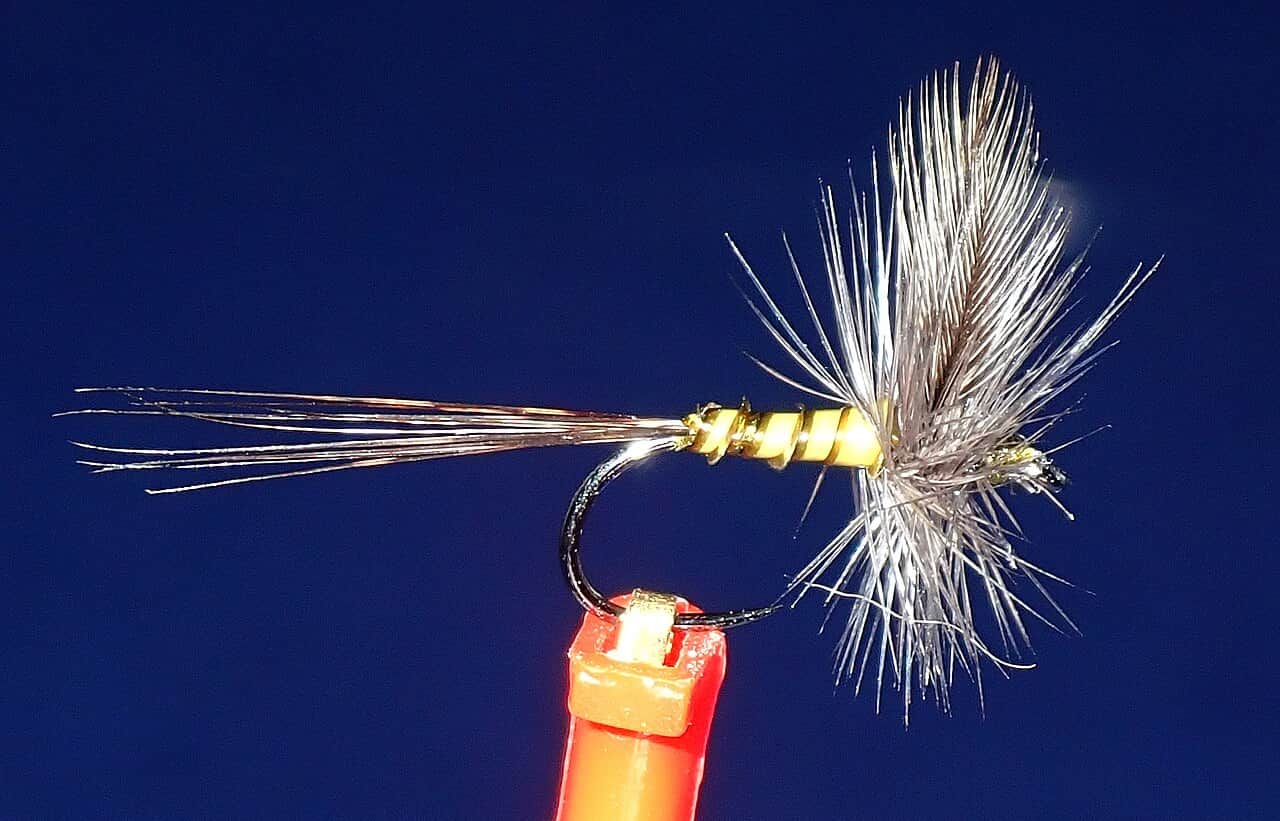
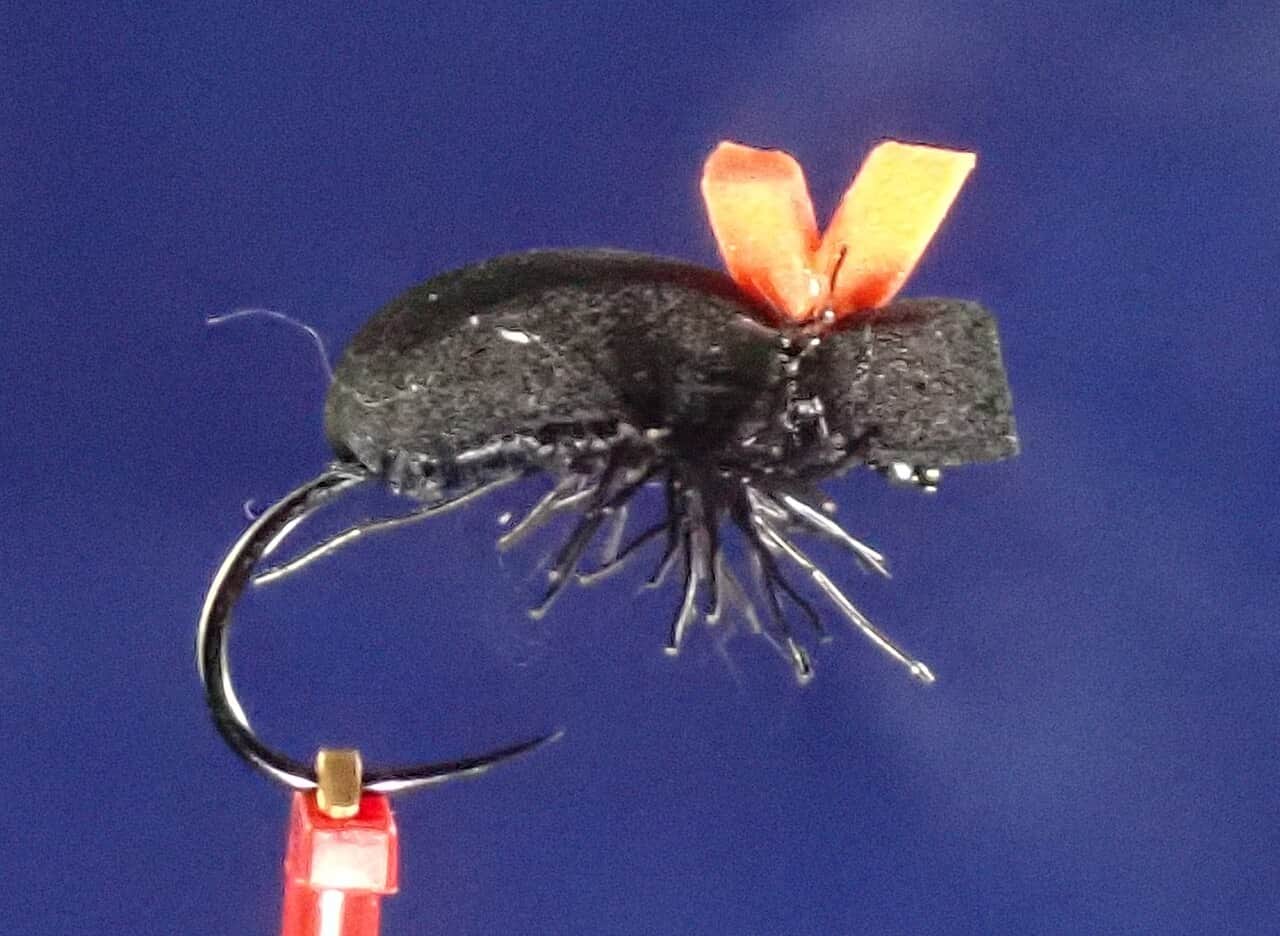
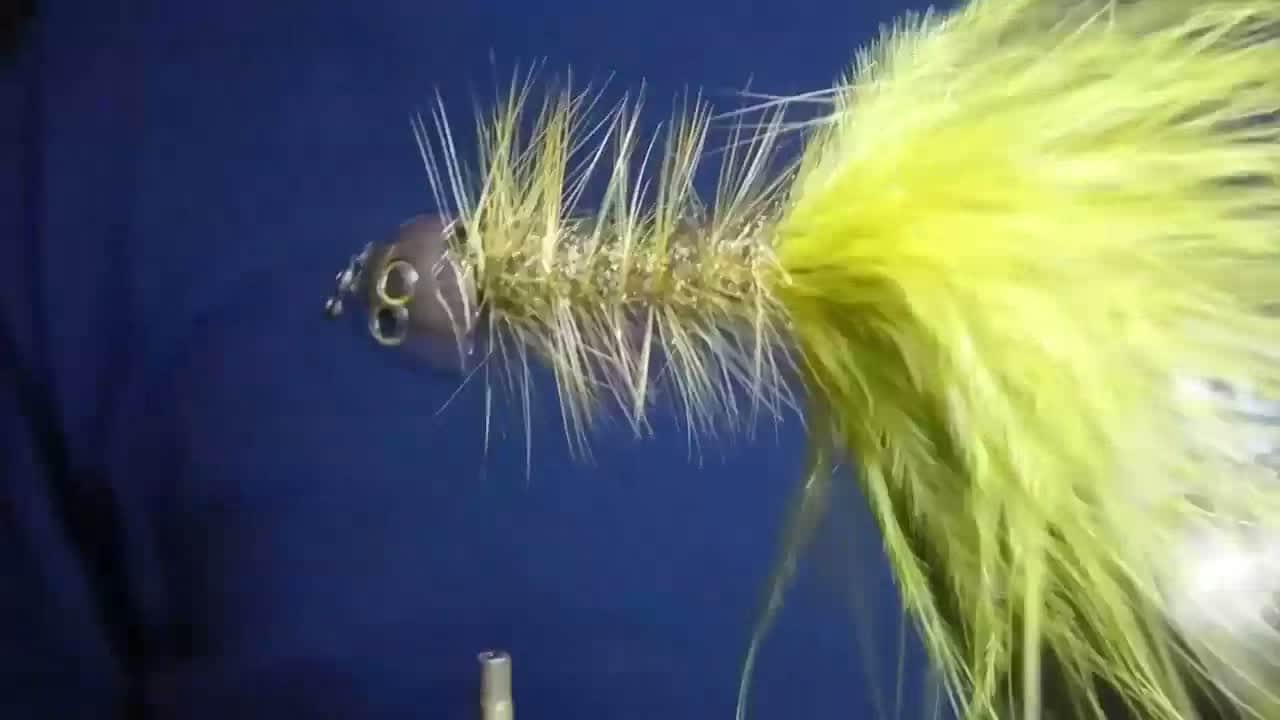
Seasonal starting points, not a live hatch report. Match what you see on the water.
Also try scud, sowbug
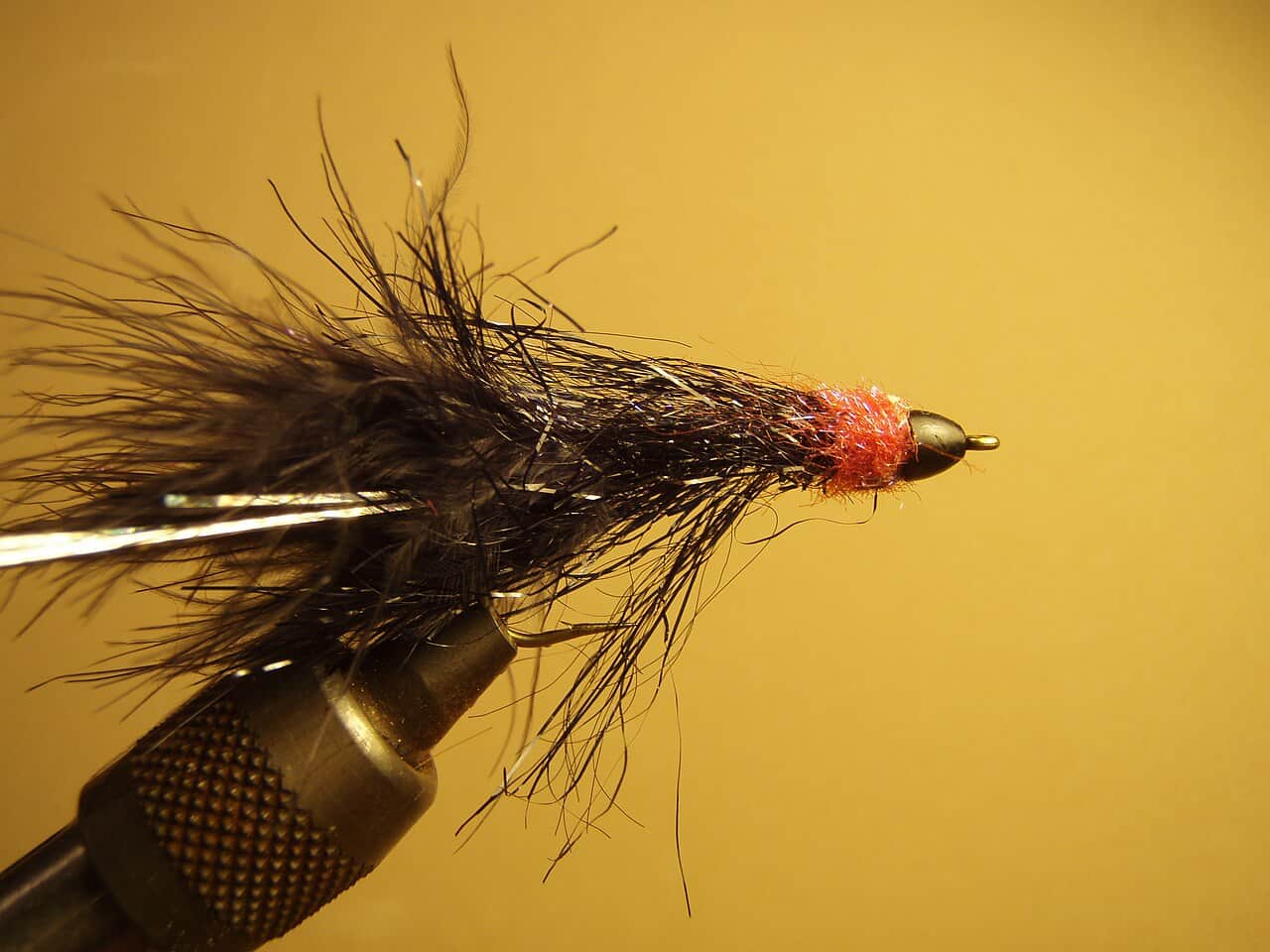
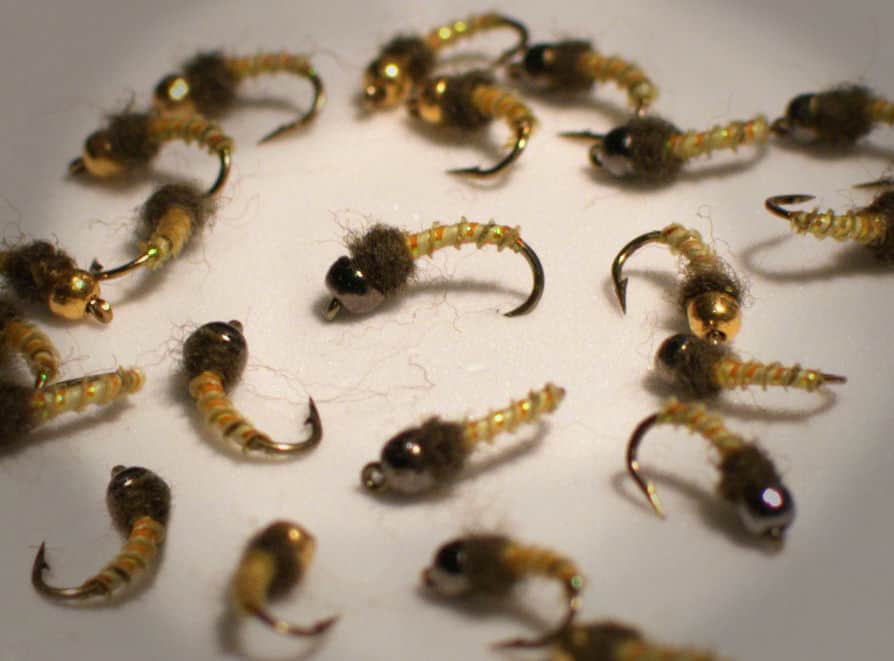
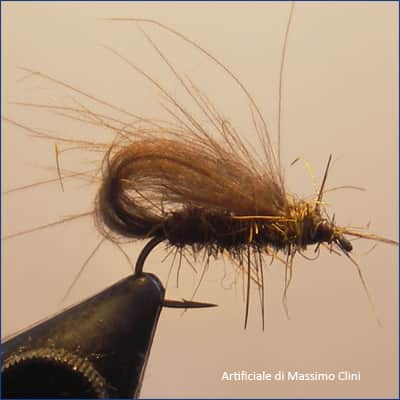
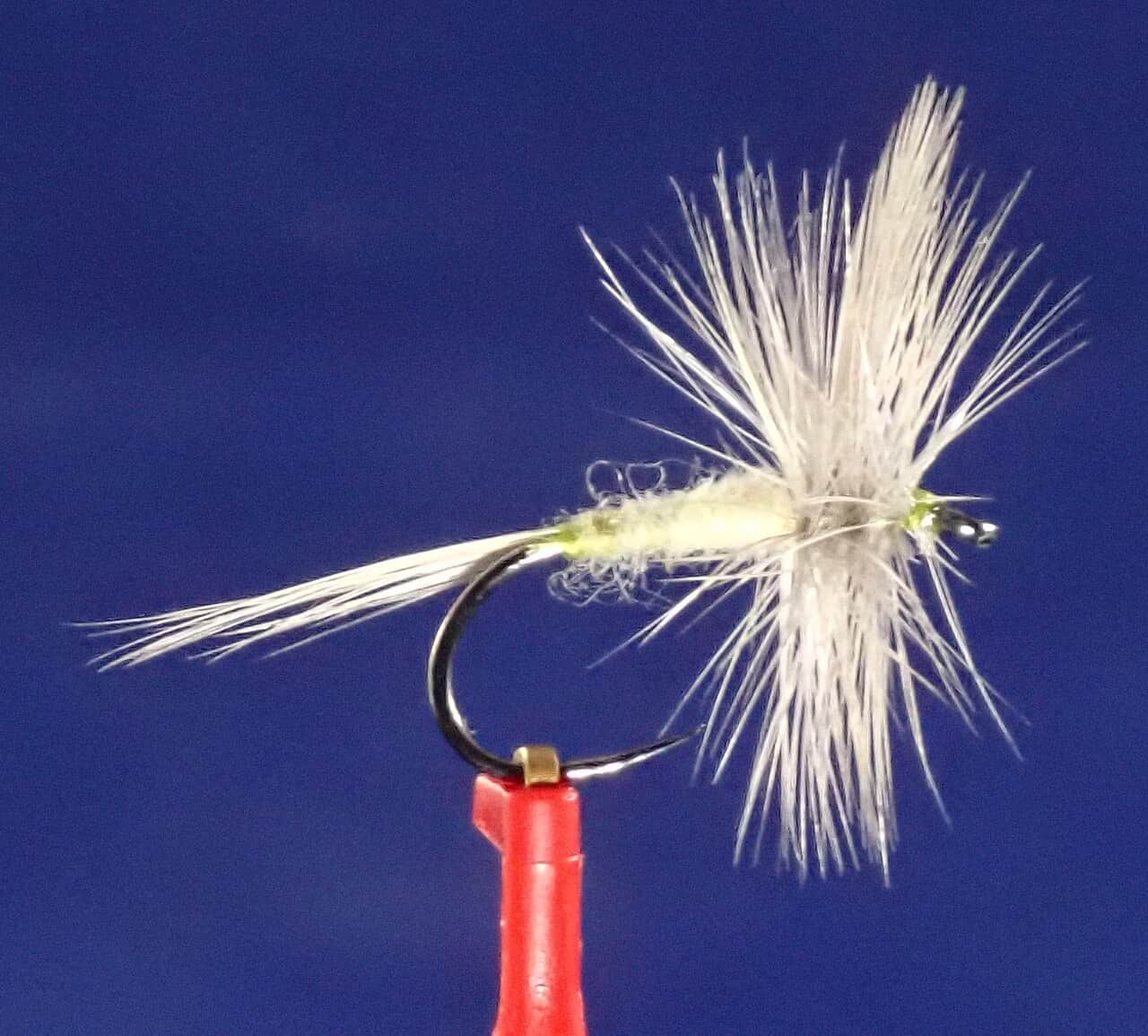
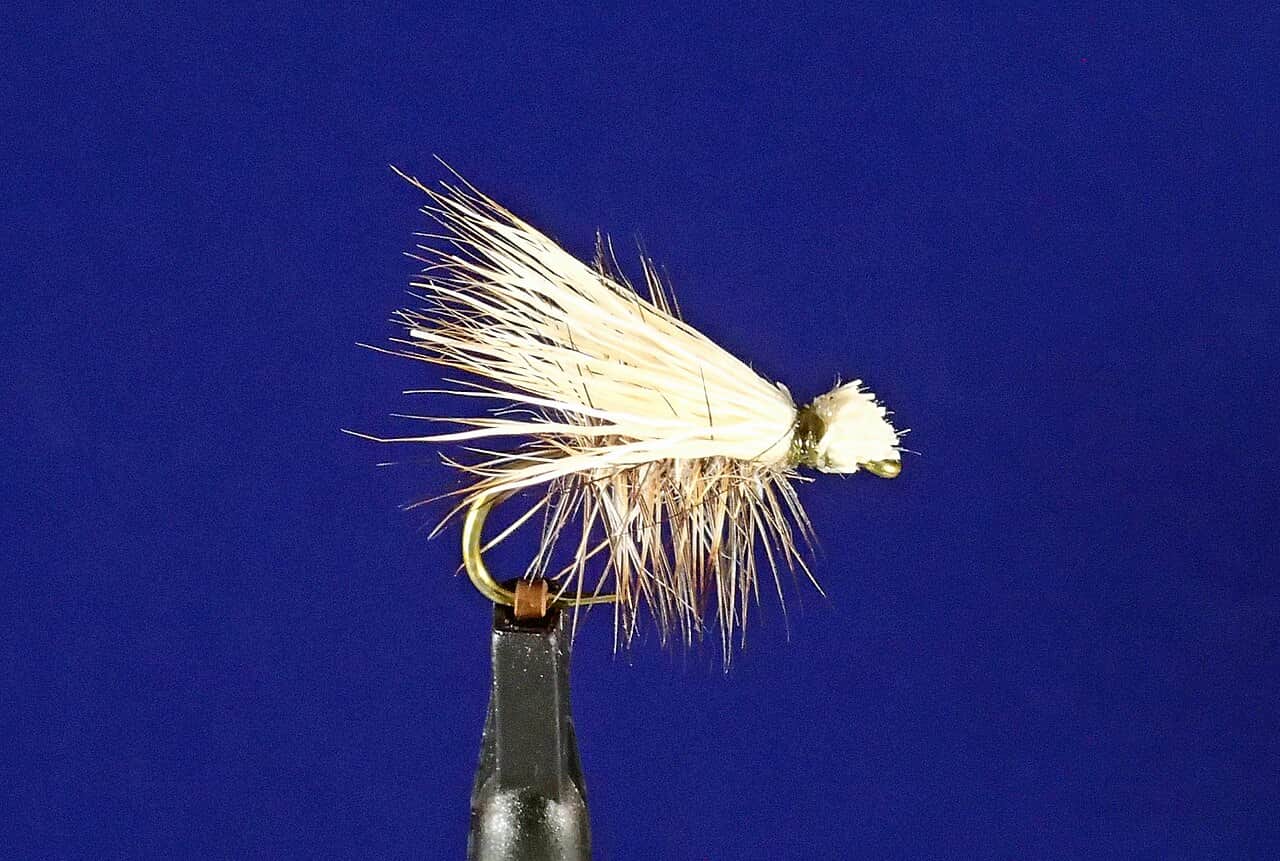
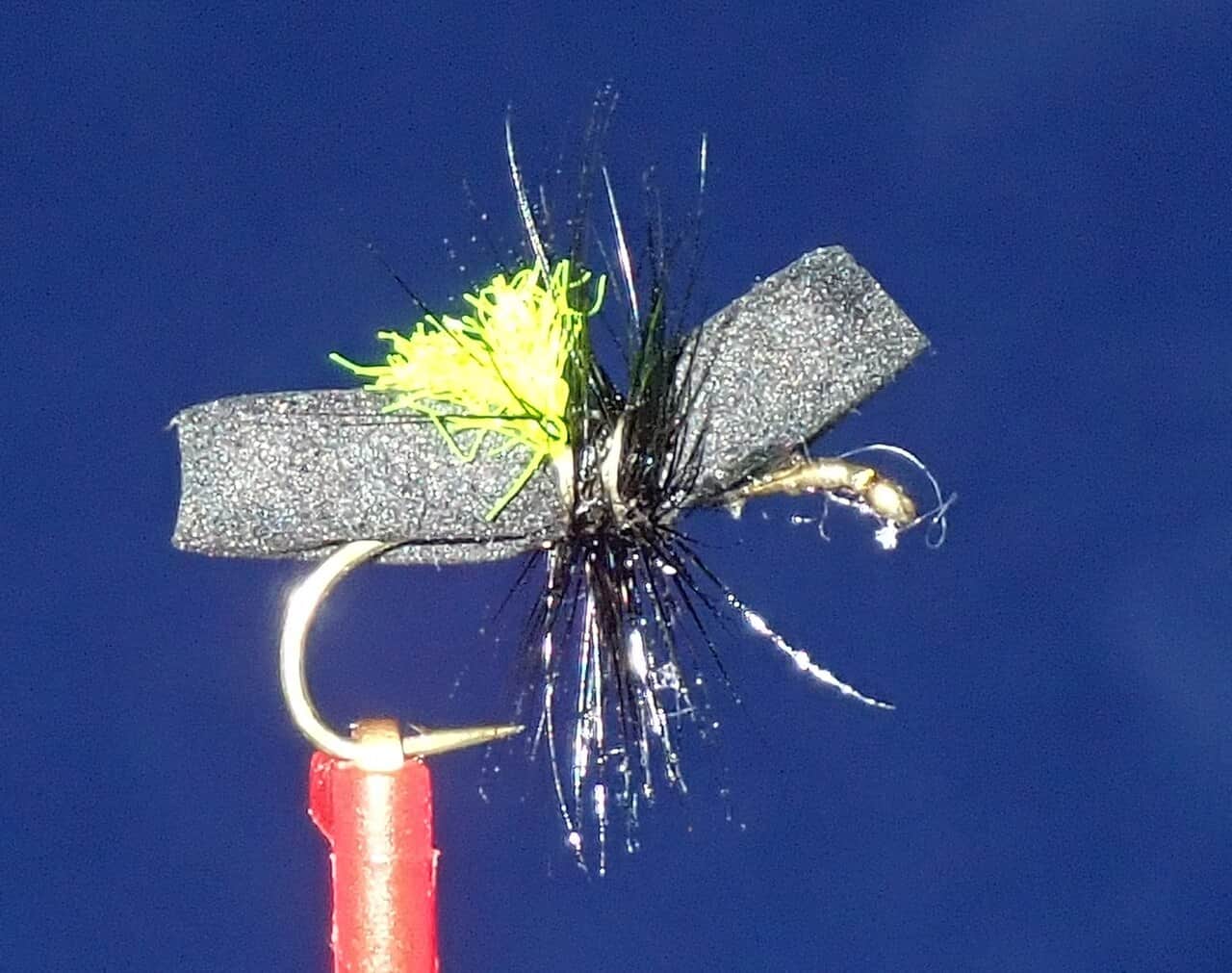
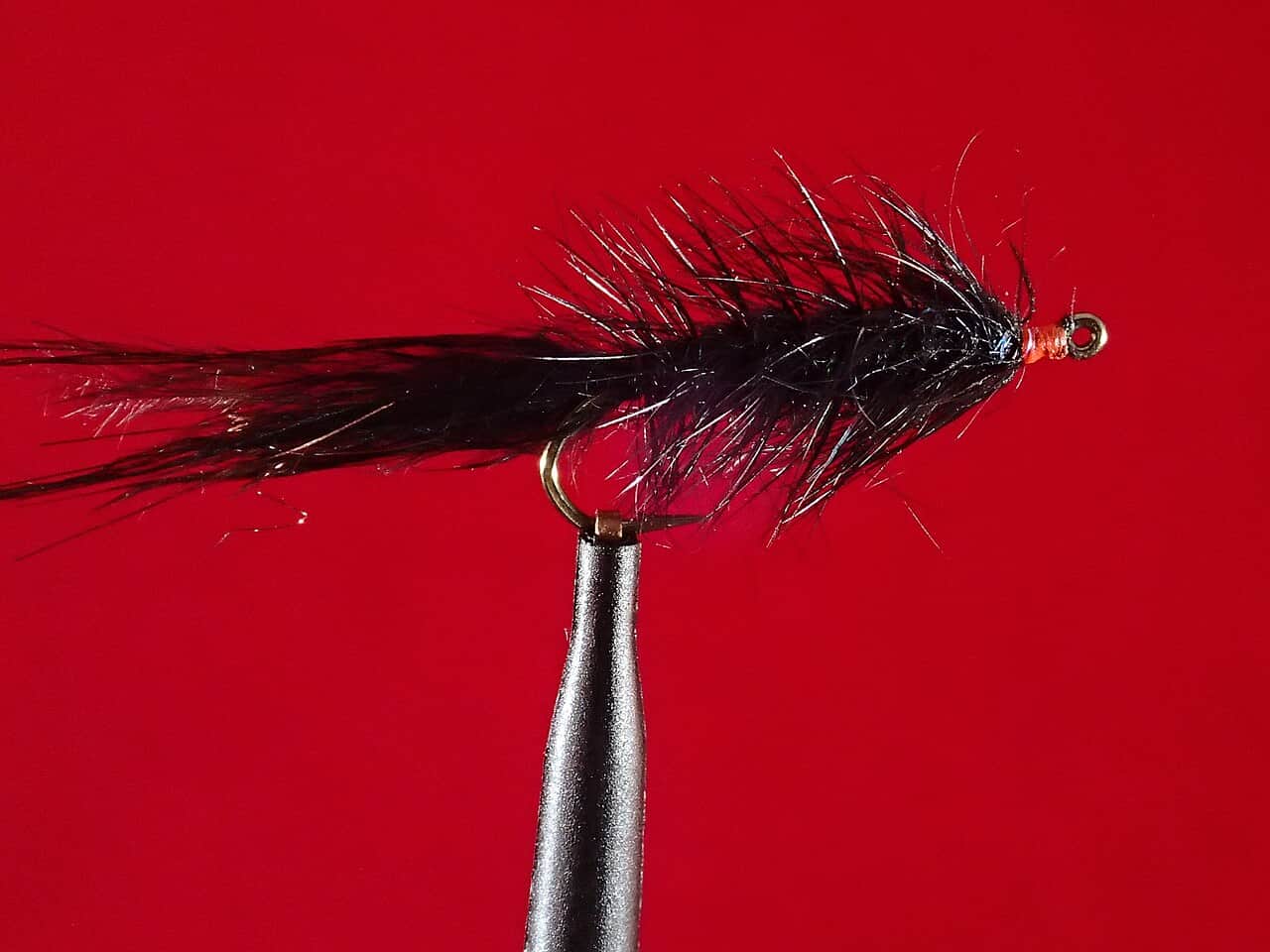
Each fly name opens its matching Fly Box guide.
The Green fishes best when flows are stable, wind is manageable, and the plan fits the section. Clear water rewards long leaders, smaller flies, and patient presentations.
Use long leaders, small nymphs, dries, and sight-fishing discipline.
Focus on banks, soft edges, streamer lines, and boat-based tactics.
Shorten casts, use heavier dry-dropper rigs, or pick protected sections.
Expect spooky fish and strong sight-fishing pressure.
These scores compare the risks of wading, bank fishing, and floating.
Wading is the most sensitive plan today. Use protected edges only, avoid crossings, and downgrade quickly if clarity or current feels wrong.
This report does not recommend bank fishing on this reach.
A float can fit better than wading only if launches, shuttle, boat skill, wind, and local rules all check out.
Is Green River worth the trip today? Check flow, weather, hatches, access, and rules for Utah before you go.
The Green below Flaming Gorge is a clear tailwater where flow, section, boat traffic, and wind decide tactics. Use the Greendale gauge, then pick a realistic wade or float plan.
USGS shows 2,170 cfs. The flow has been stable over about 6 hours. USGS marks this reading provisional and may revise it. USGS records for this date (1964-2026, 63 readings) show a median near 1,590 cfs and the upper quartile near 2,010 cfs; today's flow is high for the date. Fishable water may exist, but do not rate it highly without a safe access, clarity, and wading or boat plan.
Float: A float can fit better than wading only if launches, shuttle, boat skill, wind, and local rules all check out.
Fall: BWOs, midges, streamer windows, and cooler weather improve quality.
USGS water temperature is about 49.6F, and the rolling 24-hour high did not trigger a heat caution. USGS marks the temperature data provisional and may revise it.
No active NWS alert was returned for this forecast point.
Use the Greendale trend more than a single magic number. Stable releases are the best all-around trout window. Higher or changing releases usually push the plan toward banks, streamer lanes, or a float with solid shuttle logistics.
Skip the day when canyon wind ruins line control, when flows and boat traffic make your chosen section crowded or unsafe, when shuttle or takeout logistics are uncertain, or when you would be forcing a long float without a clean exit plan.
Start by matching section to day length: A Section for shorter wade-focused trips, Little Hole as a key access and takeout checkpoint, and B or C only when the weather, crew, and shuttle all support a longer canyon commitment.
If Green River wind, crowding, or shuttle logistics look wrong, pivot to the Duchesne for a freestone-style trout day or to the Provo when you want a different Utah technical-trout plan closer to Wasatch services.
Use these places as starting points. Open the access link below and check posted signs before you park or enter.
Check Utah DWR rules, Fish Utah, current emergency changes, and any Flaming Gorge or Green River section-specific rules before fishing.
The best-known clear tailwater reach and a common starting point.
Important takeout and access context. Verify current status and fees.
Longer floats with more shuttle and weather exposure.
Official agencies and primary river operators come first. Secondary tools are labeled so you know what carries the most weight.
Check what is allowed, where the rule applies, and whether the river is open.
Check the latest river reading and forecast before you leave.
Check public entry points, land rules, and seasonal access changes.
Check what is allowed, where the rule applies, and whether the river is open.
Open the current rules and check the river section, season, and special limits.
Open the current rules and check the river section, season, and special limits.
Check the latest river reading and forecast before you leave.
Open this page and check the latest safety advice before your trip.
Open this river reading to check the latest level, flow, and update time.
Open this river reading to check the latest level, flow, and update time.
Check public entry points, land rules, and seasonal access changes.
Open the land or access page, then check signs before you park or enter.
Open the land or access page, then check signs before you park or enter.
What was checked: This report starts with official regulation, access, flow, weather, and public-river sources, then adds practical planning guidance for anglers.
Live measurements and forecasts keep their provider timestamps. Rules, access, and trip guidance use the source-review date shown here. BlueStreamFly planning advice is editorial interpretation, not an agency notice.
First-hand experience: BlueStreamFly does not claim a first-hand visit or local field test for this report unless a real contributor is explicitly named and linked.
Check RiverReports or USGS 09234500, dam release context, weather, wind, Utah rules, and shuttle status.
First-time visitors usually orient around the Flaming Gorge tailwater and A Section, then decide whether to wade or float.
Yes in some areas, especially at manageable flows, but many anglers use boats and shuttles.
Bring the seasonal fly box, then adjust size, weight, and color to the water level, clarity, temperature, and fishing pressure you find.