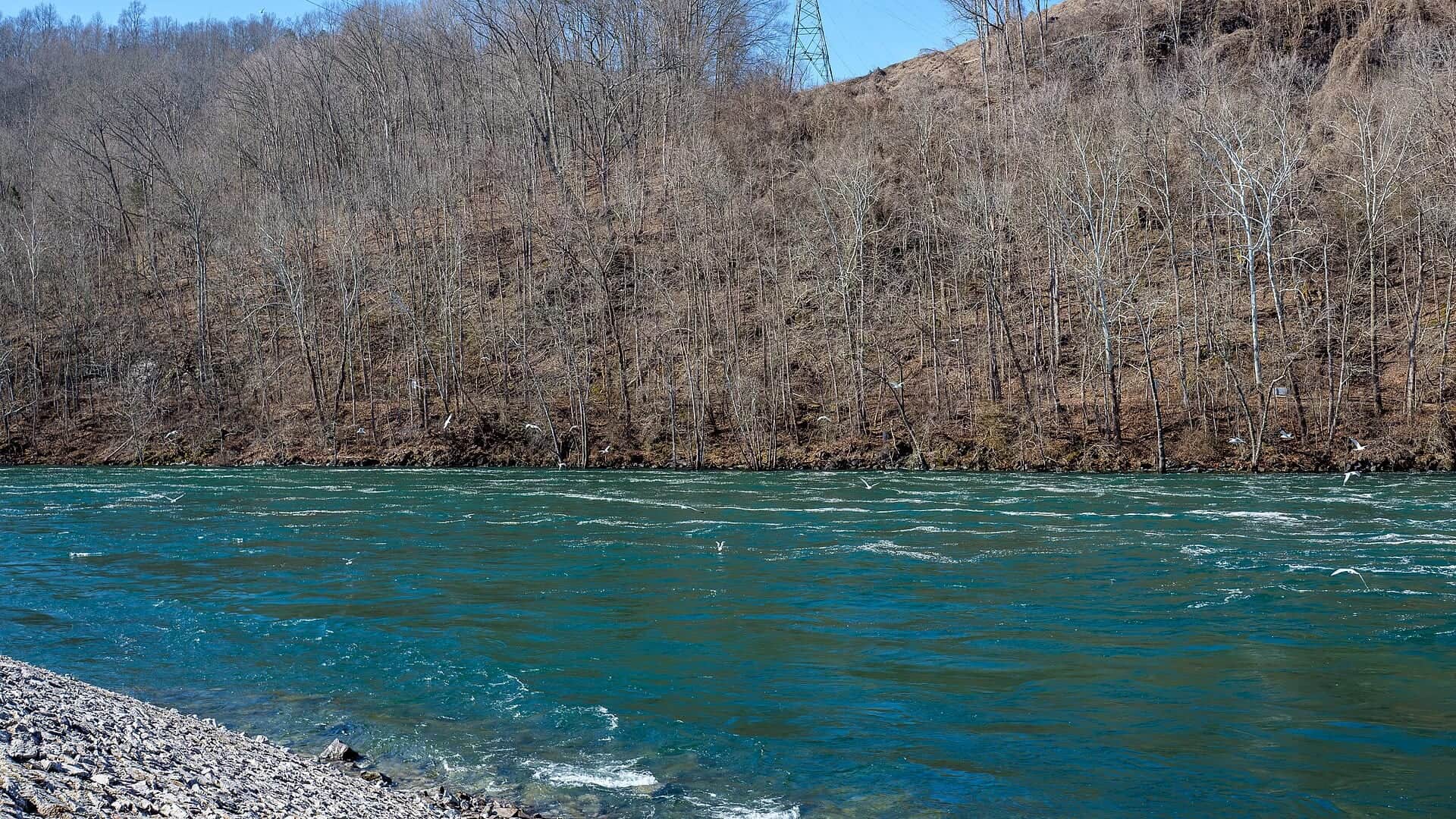
Little River boulder water in Great Smoky Mountains Tennessee

Tennessee / Southeast

Little River

A Little River above Townsend report for Smokies wild trout, USGS flow, dry-dropper tactics, hatches, access, and NPS/TWRA source checks.

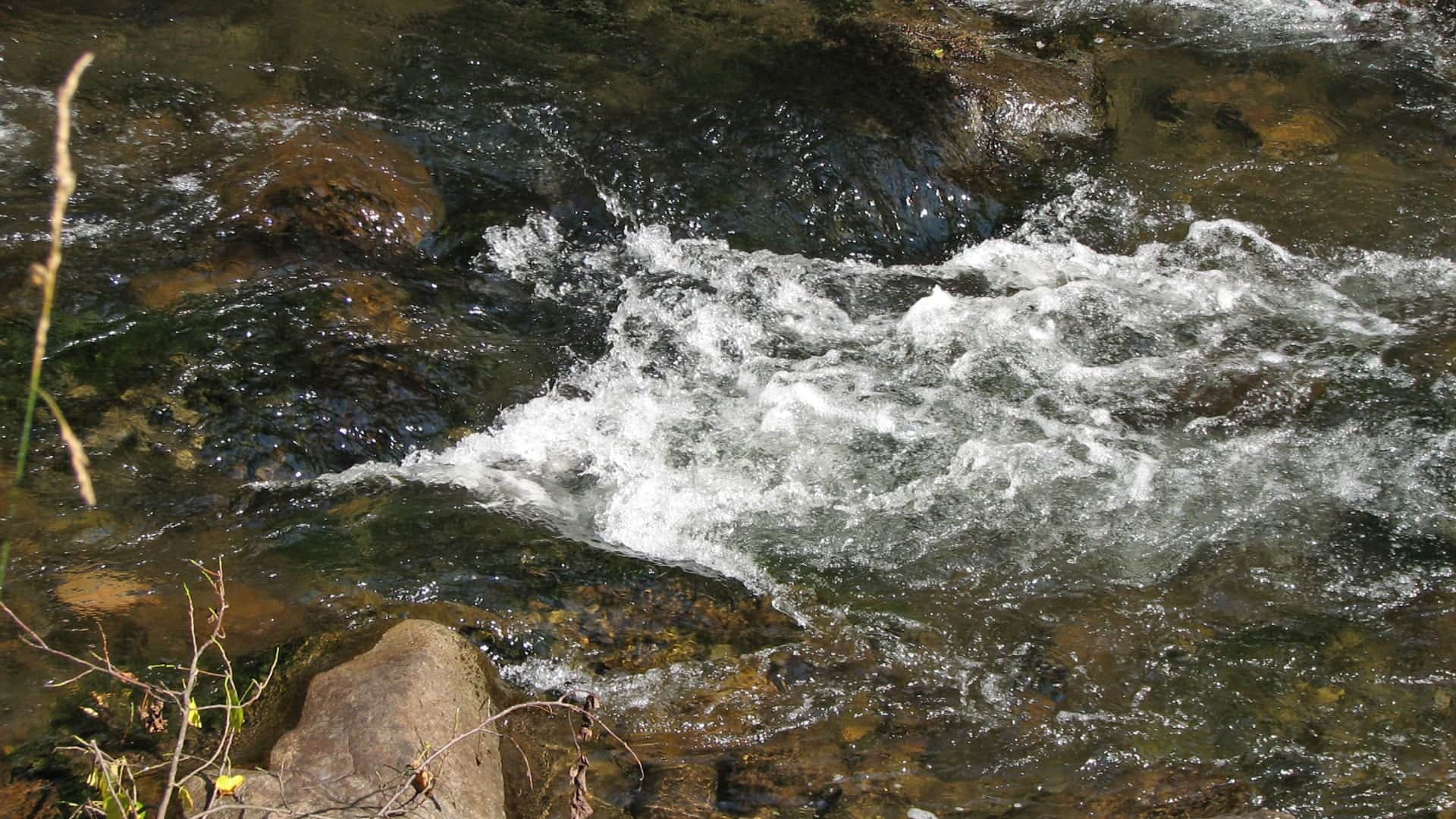
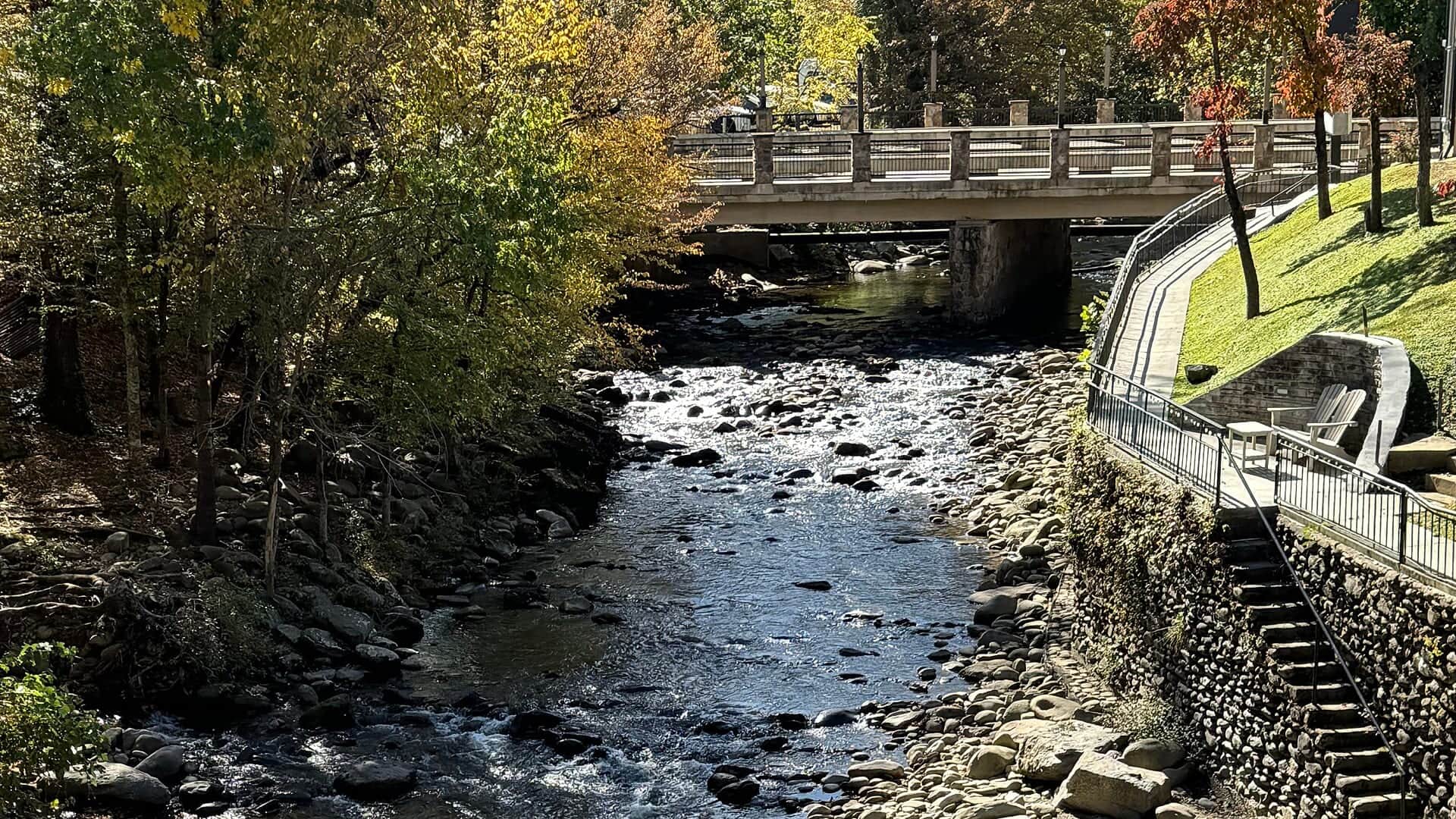
Image: Little River & boulders of Thunderhead Sandstone (Neoproterozoic; Great Smoky Mountains, Tennessee, USA) 4 (36472145863) / CC BY 2.0 / James St. John

Fishability now: Little River fishability today

GreatData confidence: High

96/100

Fishable now because the live gauge is falling, weather is usable, and no public alert is active.

Flow observed

5:15 PM UTC

Weather observed

5:00 PM UTC

Score calculated

5:25 PM UTC

Why this rating

Flow

Water temperature

Public alerts

Next 6-12 hours

Improving / hold

A falling gauge and usable weather should keep the next 6-12 hours in play unless tributaries stain or heat builds.

More planning details: flies, flow bands, and live source checks

Fish it today

Start here

Start with NPS rules, TWRA statewide context, the Townsend gauge, weather, and one legal access or trailhead. Fish short drifts, pocket seams, shaded edges, and dry-dropper rigs before moving far.

Best flow clue

Use USGS 03497300 above Townsend as the primary mountain-reach trend and safety check, then compare Maryville only for lower-river context. Stable, cool water is best; fast storm rises should narrow or cancel the plan.

Skip trigger

Skip or pivot when thunderstorms are building, the Townsend gauge is rising sharply, trout water is too warm, park rules or road status are uncertain, or the intended pullout is crowded beyond safe rotation.

Flow decision bands

Cool mountain flow

Stable, cool Townsend flow is the best signal for a wade-first Smokies trout day.

Best freestone window

A steady or slowly falling Townsend trend with mild weather and NPS rules checked supports dry-dropper, small nymph, terrestrial, and soft-hackle plans.

Storm rise or flash risk

Fast Smokies rises, thunderstorms, or high-water crossings should cancel or move the plan.

Warm, crowded, or road-limited

Warm trout water, campground traffic, road status, crowded pullouts, or lower-river differences can weaken the call.

USGS flow

132 cfs

Open

Current trend: flow falling, rating likely holding strong unless weather or clarity changes.

Live USGS flow

134 cfs / falling about 24%

Live NWS forecast

78F / Sunny

Live water temperature

65F from USGS

No NWS alert flag

No active NWS alert was returned for this forecast point.

Primary waterLittle River above Townsend and Great Smoky Mountains National Park context
Flow checkUSGS 03497300 Little River above Townsend
Access styleWild trout pocket water, roadside access, park rules, and storm-rise awareness
ReviewedJune 1, 2026

Use NPS rules and single-hook/artificial requirements before fishing park water.

Dry-dropper and high-stick nymphing cover most pocket-water days.

Storms can raise the river quickly, especially after mountain rain.

Summer fishing should be early, shaded, and guided by water temperature.

Editorial review

How this report is maintained

This Little River report is maintained from Tennessee Wildlife Resources Agency regulations, Great Smoky Mountains National Park fishing rules, USGS Townsend and Maryville flow context, weather, media-credit, and Smokies freestone trout planning sources.

Byline

BlueStreamFly editorial team

Reviewed by

BlueStreamFly source review

Maintained by

Mountain Brook Run LLC

Last material review

2026-06-01

Report confidence

Good confidence

89/100

Good confidence: TWRA regulations, Great Smoky Mountains National Park fishing rules, USGS Townsend and Maryville flow context, weather coverage, image credit, and route-specific Smokies freestone guidance support the page. Confidence is moderated by fast Smokies storm response, reach-by-reach access, road status, warm-season trout stress, and lower-river differences.

Regulations

TWRA statewide regulations and Great Smoky Mountains National Park fishing rules support the current rule-check path.

Access

NPS rules support park framework, but road access, closures, parking, and exact pullouts need trip-day confirmation.

Flow and weather

USGS 03497300 above Townsend, USGS 03498500 near Maryville, and the National Weather Service point provide strong live planning support for flow, weather, and storm decisions.

Fishing usefulness

The page now separates mountain trout planning, lower-river context, storm decisions, access friction, pressure, and backup-water choices.

Fishability dashboard and source review

2026-06-01 / material content or source review

TWRA fishing regulations, Great Smoky Mountains National Park fishing rules, USGS 03497300 above Townsend, USGS 03498500 near Maryville, the National Weather Service point, and image credit were checked before updating the current-fishability decision layer.

2026-06-01

Updated Little River to the current fishability-page standard with Townsend and Maryville flow bands, Smokies access cards, backup cues, stable fishability SEO, and confidence signals.

2026-05-28

Added Smokies freestone trip fit, Townsend versus lower-river gauge context, storm and warm-water skip cues, NPS rule and access nuance, backup-water suggestions, editorial review signals, and a page-specific report-confidence meter after source review.

2026-05-25

Initial source-reviewed report published with flow, weather, hatches, flies, tactics, access, regulations, and FAQs.

Angler planning edge

Local details that change the plan

Best for

Smokies anglers planning Little River around NPS rules, Townsend flow, mountain storms, temperature, and reach choice, Dry-dropper, small nymph, terrestrial, soft-hackle, and small-streamer days when the freestone water is cool and stable, Trips where park rules, road access, flash-flood risk, trout stress, and lower-river context all need current checks, Anglers comparing Little River with Little Pigeon River, Tellico River, or Clinch River before choosing an East Tennessee plan

Wade or float

Treat Little River as wade-first Smokies freestone trout water above Townsend, with lower-river context handled separately from park and mountain-reach decisions.

Best flows

Use USGS 03497300 above Townsend as the primary mountain-reach trend and safety check, then compare Maryville only for lower-river context. Stable, cool water is best; fast storm rises should narrow or cancel the plan.

When to skip

Skip or pivot when thunderstorms are building, the Townsend gauge is rising sharply, trout water is too warm, park rules or road status are uncertain, or the intended pullout is crowded beyond safe rotation.

Local plan

Start with NPS rules, TWRA statewide context, the Townsend gauge, weather, and one legal access or trailhead. Fish short drifts, pocket seams, shaded edges, and dry-dropper rigs before moving far.

Pressure

Pressure follows easy roadside water, campground windows, weekends, and fall color traffic. A quieter legal pullout and careful approach often matter more than changing flies.

Access nuance

NPS and TWRA sources support the legal framework, but road status, parking, signed closures, high-water crossings, and exact pullouts still need trip-day confirmation.

Backup water

If Little River is high, warm, crowded, or stormy, compare Little Pigeon River for another Smokies-to-mainstem option, Tellico River for a Cherokee National Forest freestone plan, or Clinch River for a tailwater backup.

About the river

Setting, character, and why it fishes the way it does.

Little River runs out of Great Smoky Mountains National Park toward Townsend. Above town, it is classic mountain trout water with boulders, plunge pools, riffles, and fast changes after rain.

The river's fishing character comes from gradient and shade. Fish often feed in small current breaks, not just obvious pools, so short accurate casts and careful foot placement matter.

This report separates the above-Townsend wild trout plan from lower warmwater reaches. That keeps flow, access, and fly advice pointed at the water anglers most often search for.

Target species

Rainbow trout

The common wild trout target in many roadside and pocket-water reaches.

Brown trout

Possible in larger pools and undercut structure, especially at low light.

Brook trout

More likely in higher, colder tributary water; protect native brook trout habitat.

Smallmouth bass

More relevant downstream and in warmer lower-river context.

Reading the water

Low and clear

Use smaller dries, longer tippet, and avoid standing in feeding lanes.

Good pocket flow

Dry-dropper rigs and high-stick nymphing cover broken water well.

High or stained

Do not force wading; fish edges only if the river is safe.

Warm weather

Check temperature, fish early, and stop when trout handling becomes risky.

Best seasons

Spring

Classic Smokies hatches and cool water make this a prime trout window.

Summer

Fish early and shaded water; monitor temperature closely.

Fall

Lower crowds, clear water, and BWO or terrestrial windows can be good.

Winter

Slow nymphing works in softer pockets when flows are safe.

USGS flow

Little River above Townsend

This is the fallback for rivers that are not covered by RiverReports. Use the official USGS monitoring page for the live hydrograph, station metadata, and current water trend.

Open USGS gauge

USGS data chart

Little River above Townsend

Streamflow over the latest USGS reporting window.

Latest

132 cfs

Jun 3, 6 PM UTC

Site

03497300

Low / high

132 / 303 cfs

Source

Open USGS

Weather

River weather report

Weather can change wading safety, road access, water temperature, hatches, and the best time of day to fish.

Live forecast loads as you reach this section

This keeps the report fast while still using the official National Weather Service forecast point.

Hatches and flies

Hatch chart and fly picks

March to April

Quill Gordons, Blue Quills, little black stones, caddis, and early mayflies

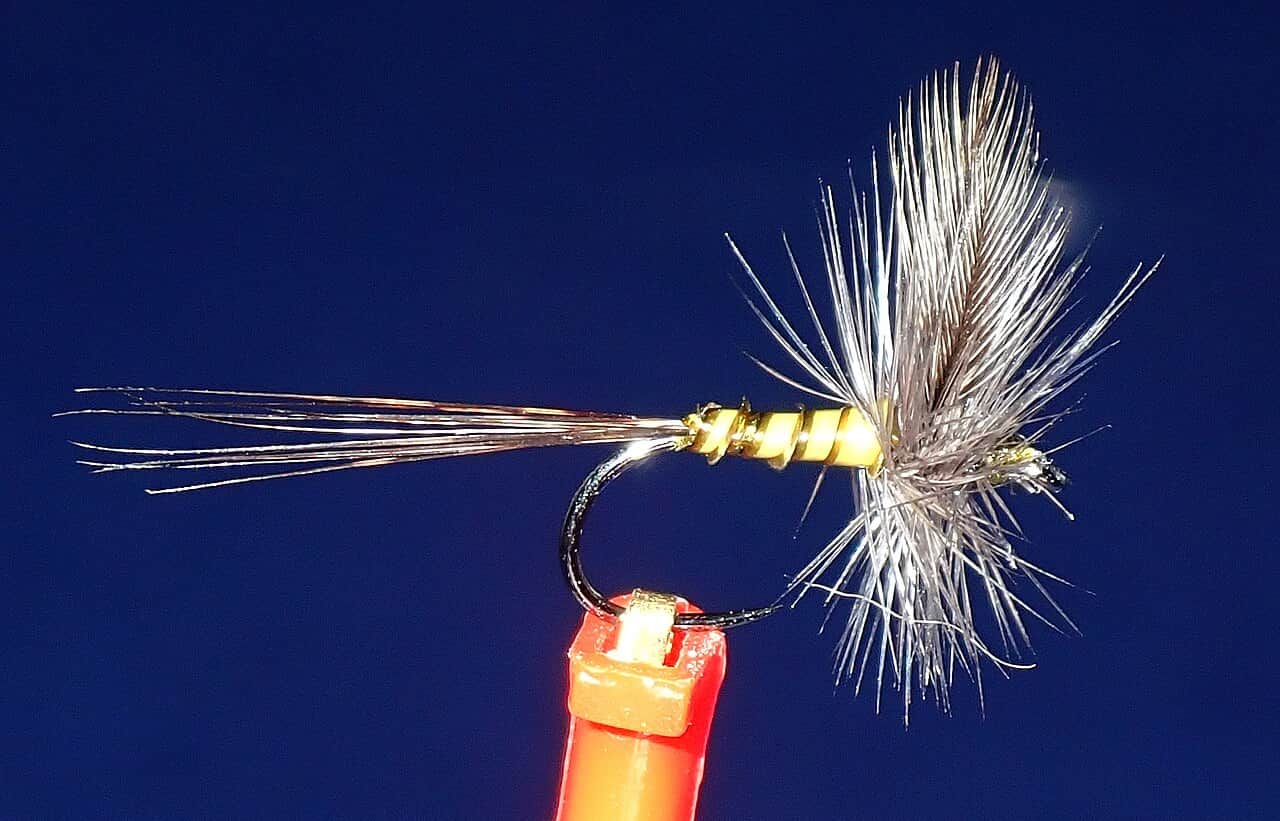
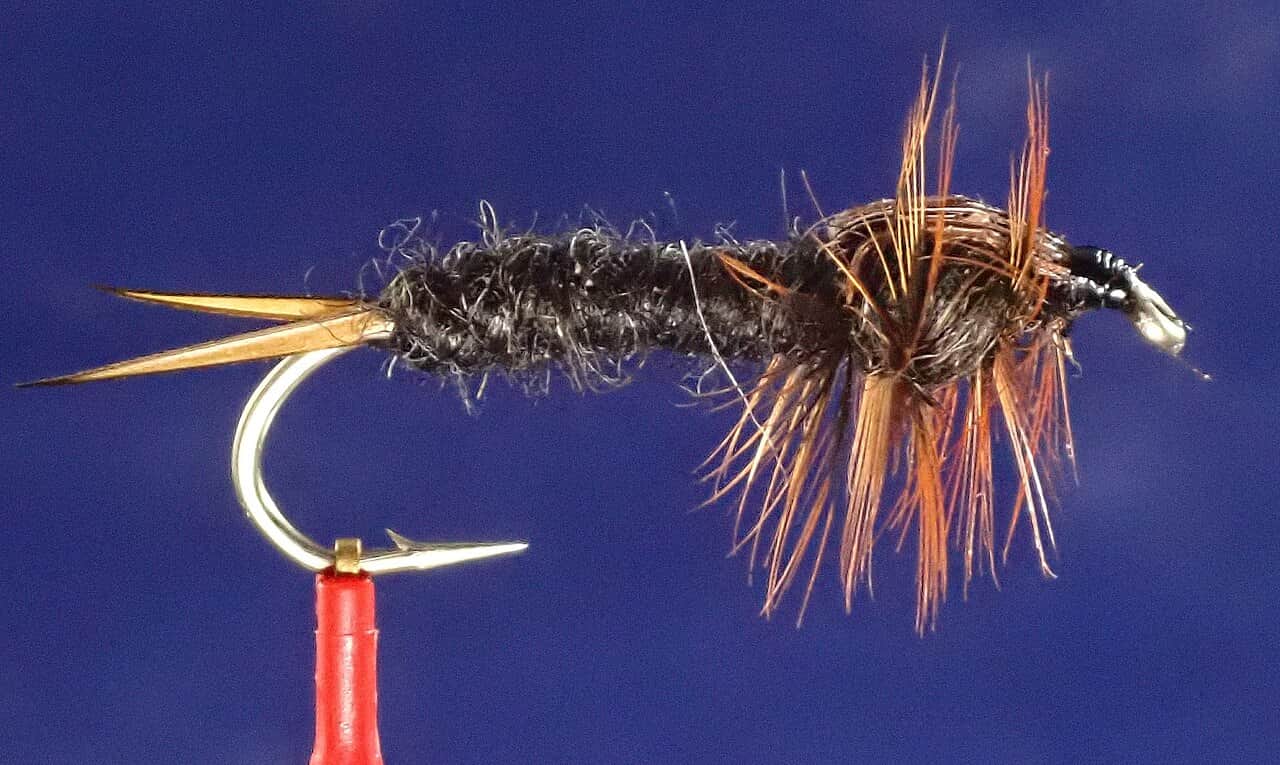
Parachute Adams, Blue Quill, black stonefly nymph, caddis pupa, hare's ear

May to June

Yellow sallies, sulphurs, Light Cahills, caddis, and pocket-water dries

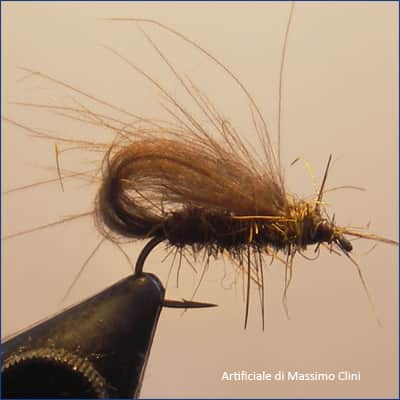
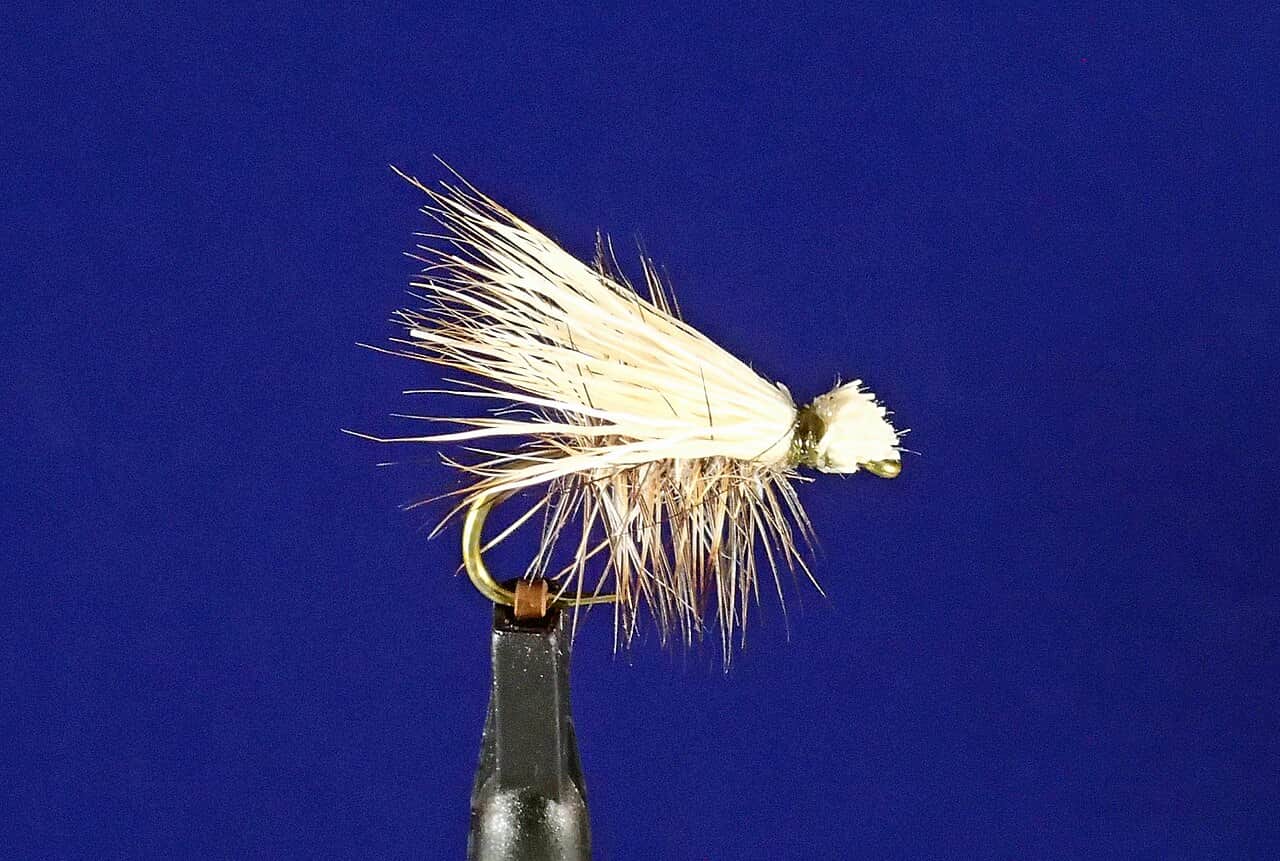
Yellow Sally, sulphur dry, Light Cahill, elk hair caddis, dry-dropper

July to September

Terrestrials, small yellow stones, beetles, ants, and low-water attractors

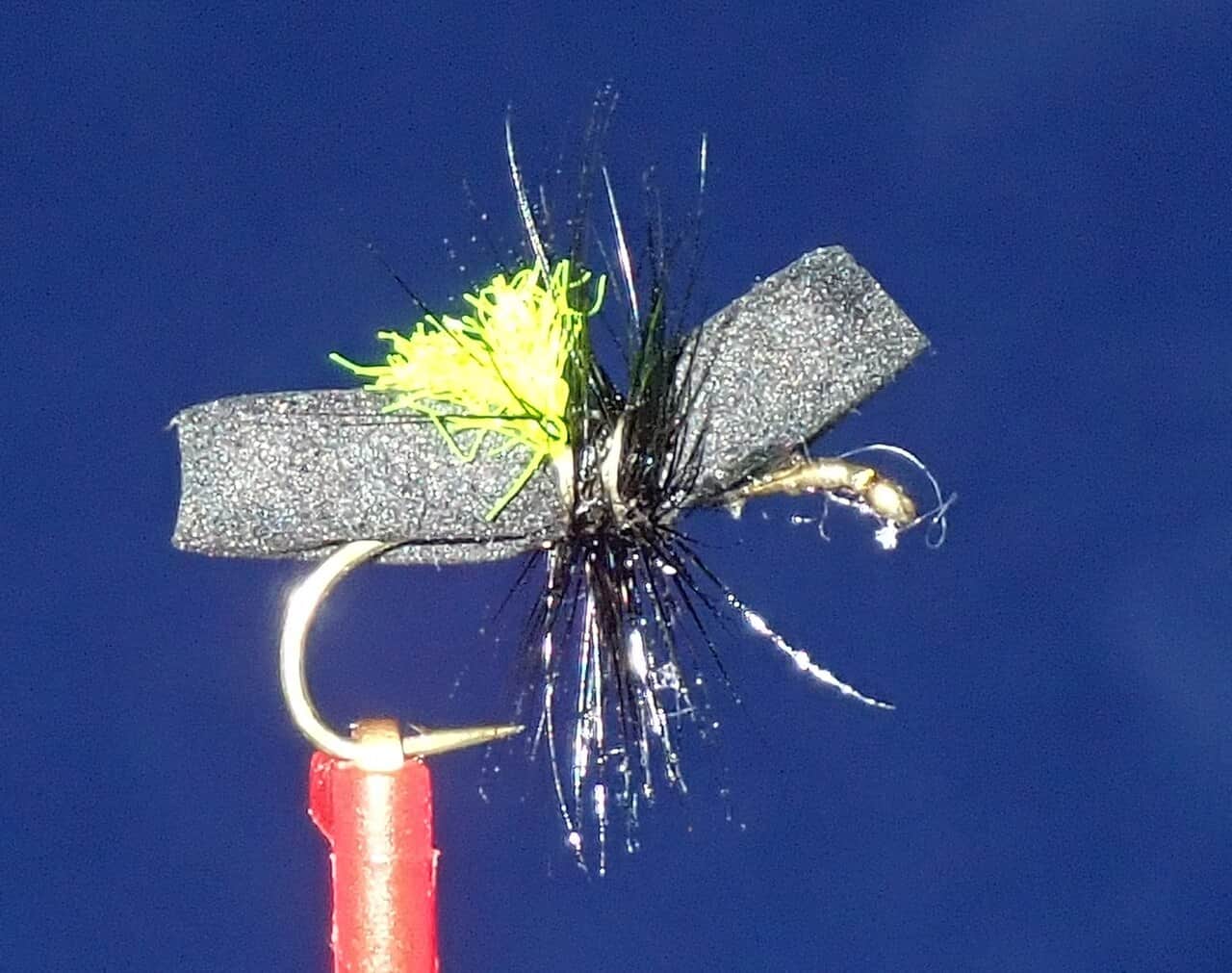
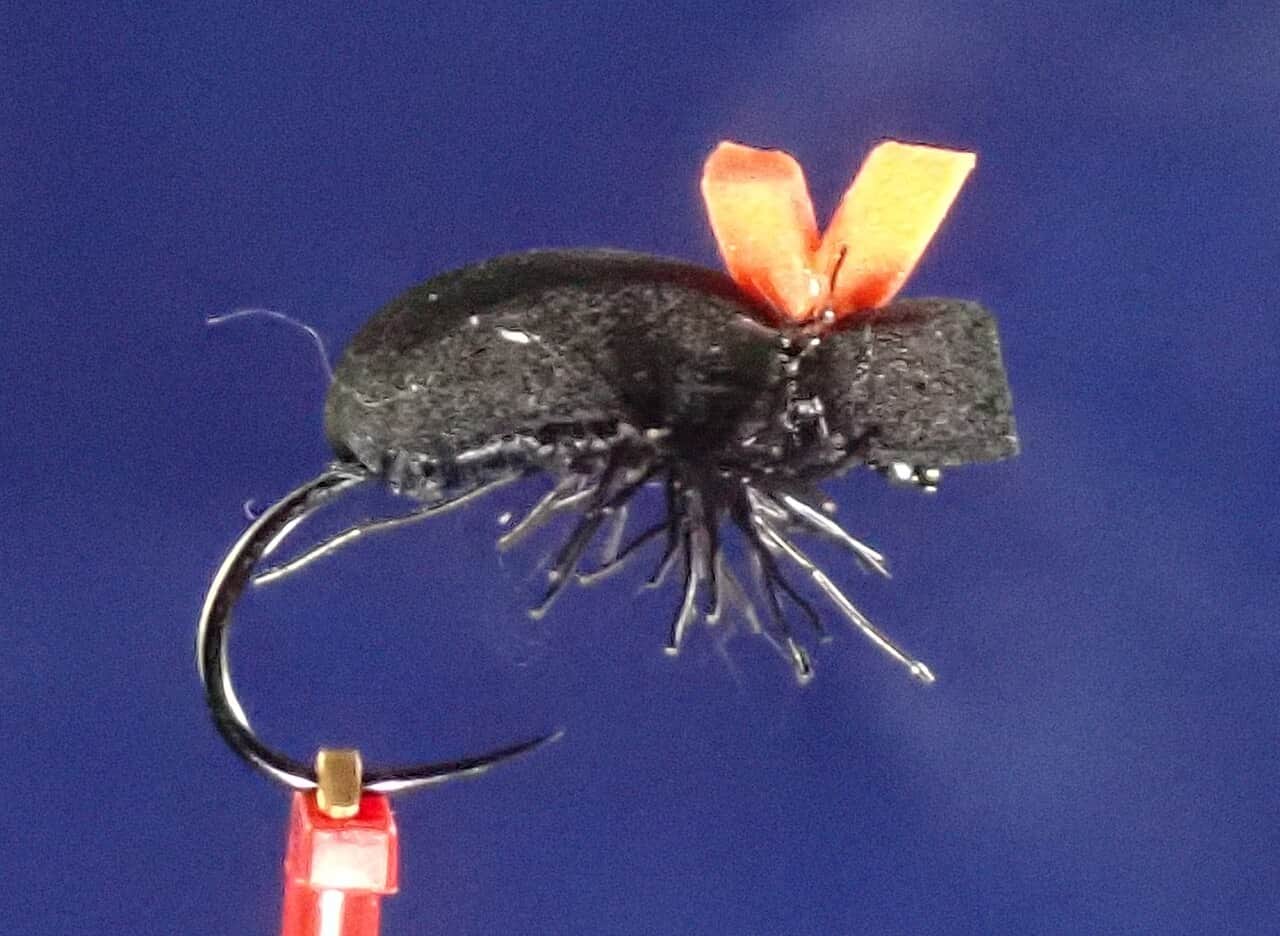
Foam ant, beetle, yellow stimulator, small hopper, green weenie

October to February

BWOs, midges, small stones, and slow nymphing in cold pocket water

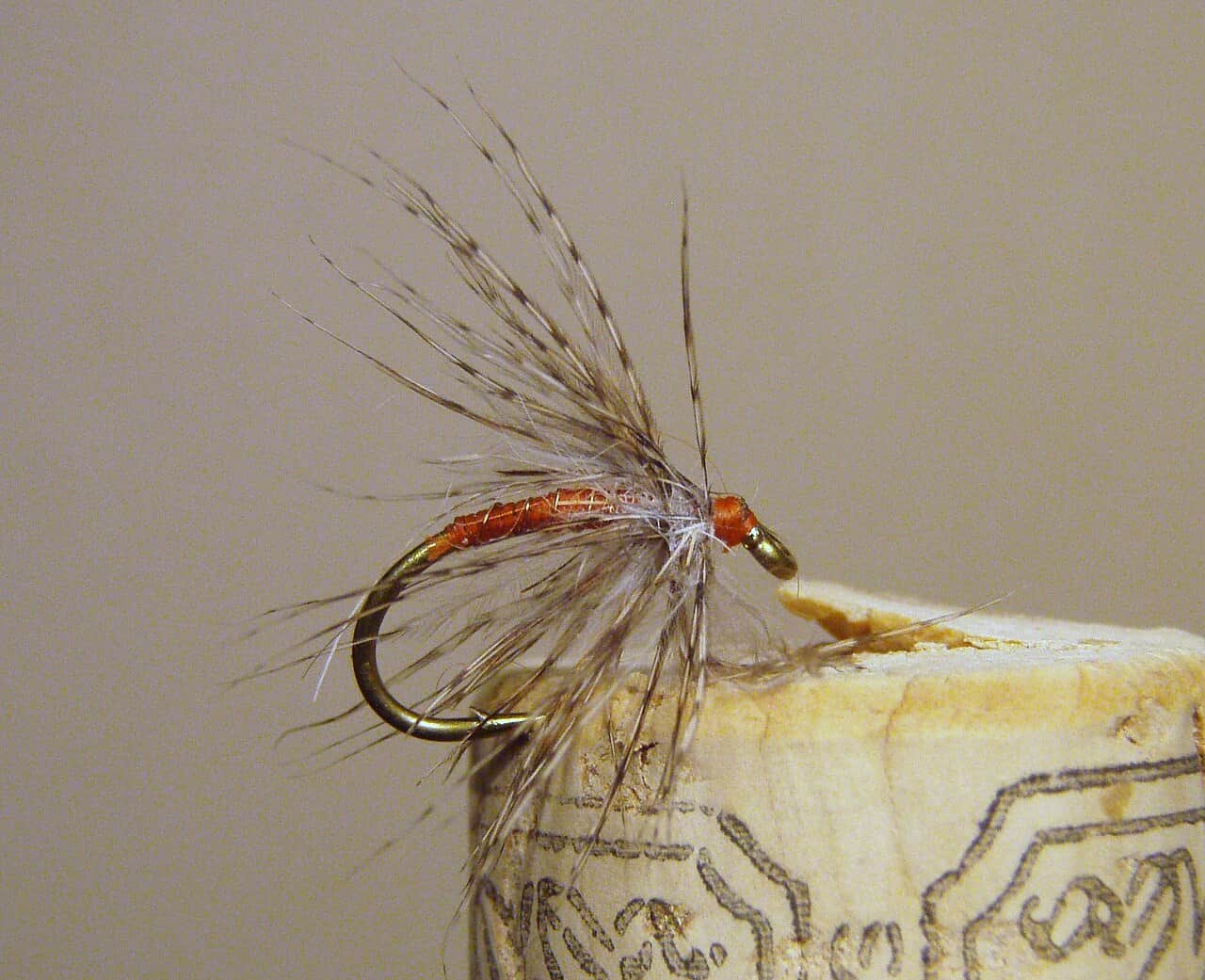
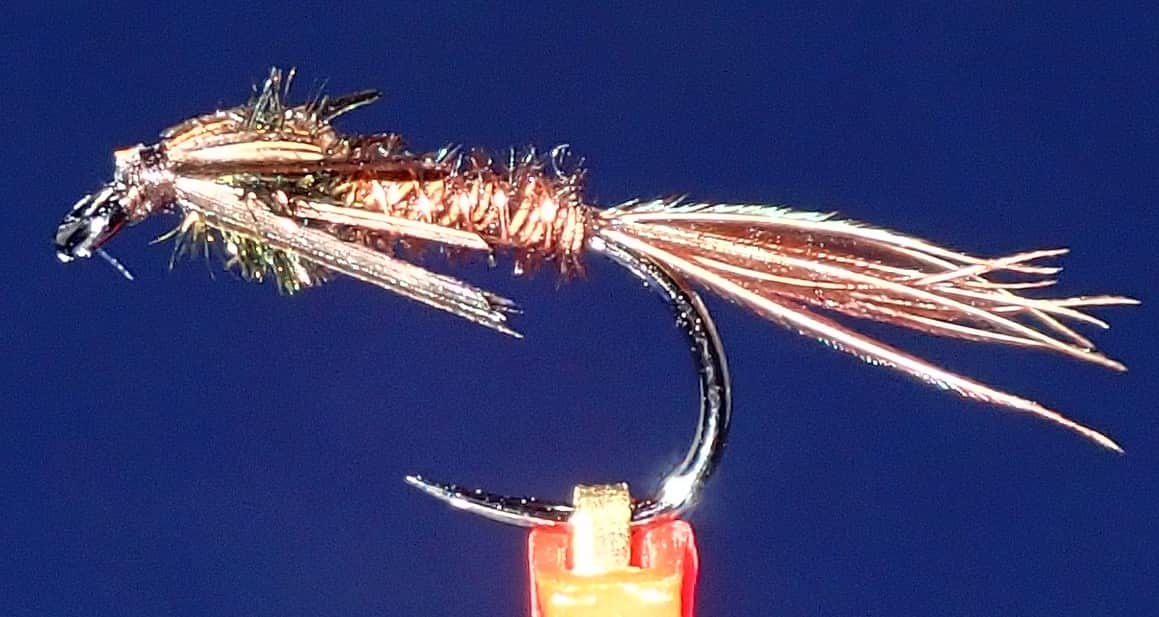
BWO emerger, zebra midge, stonefly nymph, soft hackle, small pheasant tail

Dry-dropper

Parachute Adams, yellow stimulator, elk hair caddis, green weenie, small pheasant tail

Use in pocket water when fish are opportunistic but still need a nymph below.

Small dries

Blue Quill, BWO, Light Cahill, Yellow Sally, ant, beetle

Use during clear water, visible hatches, and low-pressure wild trout windows.

Small streamers

Olive bugger, black bugger, micro sculpin, small baitfish

Use after rain, in deeper plunge pools, or when smallmouth are in lower reaches.

Tactics

How to fish it

Fish upstream with short casts and keep most of the leader off the water.

Use dry-dropper rigs in pocket water and switch to small nymphs in deeper slots.

Target plunge-pool tails, boulder seams, and shaded bank pockets.

Move often, but slow down before each cast so you do not step on fish.

Use small streamers only when rain adds safe color and fish have cover.

Rigging

Rod, leader, and setup notes

A 7.5 to 9-foot 3 or 4-weight fits most Little River trout work.

Use 5X or 6X for small dries and dry-droppers.

Keep nymph rigs light enough to drift naturally through short pockets.

Carry a thermometer, rain shell, and simple fly box for quick roadside changes.

Access

Access and planning notes

Townsend gauge

Primary mountain-reach decision

Wade / float / trail

USGS gauge / wade

When to pick it

Start here when storm response, clarity, and safe pocket-water wading decide the trout plan.

Caution

Gauge direction does not replace road, pullout, closure, or exact reach checks.

Maryville gauge context

Lower-river comparison

Wade / float / trail

USGS gauge / lower river

When to pick it

Use it when the day may shift below the classic mountain trout corridor.

Caution

Lower-river context should not override park-reach safety or trout-temperature checks.

Great Smoky Mountains access

Rules and roadside plan

Wade / float / trail

NPS / trail / pullout

When to pick it

Pick this when a legal pullout, trailhead, or park rule check is needed before fishing.

Caution

Road status, parking, signed closures, and high-water crossings need trip-day confirmation.

Park water has specific fishing rules and resource-protection expectations.

Do not move rocks, crowd pools, or leave the trail/road plan unclear.

Storms can make the river rise quickly even when skies look better in town.

Regulations

Check before fishing

Check Great Smoky Mountains National Park fishing rules and TWRA rules before fishing Little River or its tributaries.

Primary base

Townsend, Maryville, Gatlinburg, or Knoxville

Best day style

Wild trout pocket water, roadside access, park rules, and storm-rise awareness

Check first

NPS fishing rules, USGS flow, weather, water temperature, and road/access status

Safety

Storm rises, slick boulders, remote side water, wildlife, and warm low-elevation water

Gear

Helpful gear for this water

Three or four-weight rod

A short light rod fits pocket water and brushy Smokies reaches.

Dry-dropper leaders

Carry 5X and 6X for small wild trout and clear water.

Rubber-soled or felt legal boots

Check current park and state rules, then clean boots between waters.

Thermometer

Lower-elevation water can warm quickly in summer.

Small pack

Keep rain gear, water, and a simple fly box ready for roadside hiking.

Nearby water

Other water to research

Backup logic

Storms or rising water

Compare Little Pigeon River, Tellico River, or Clinch River instead of forcing mountain runoff.

Warm trout water

Fish only the coolest responsible window or choose a colder option.

Crowded pullouts

Move to a quieter legal access or another Smokies-area plan.

Road or rule uncertainty

Confirm NPS rules, road status, and closures before committing.

Little Pigeon River

A nearby Smokies and lower-river mixed trout/smallmouth plan.

Clinch River

A tailwater option when mountain streams are too high or warm.

Hiwassee River

A larger Tennessee tailwater with generation planning.

FAQ

Fast answers

Is Little River fishable today?

Little River looks very fishable right now. The live score is 96/100, based on current flow, weather, public alerts, and the report's planning context. Recheck the linked gauge and forecast before leaving because conditions can change quickly after rain, heat, access changes, or flow swings.

What flow is best for Little River?

Use USGS 03497300 above Townsend as the primary mountain-reach trend and safety check, then compare Maryville only for lower-river context. Stable, cool water is best; fast storm rises should narrow or cancel the plan.

When should I skip Little River?

Skip or pivot when thunderstorms are building, the Townsend gauge is rising sharply, trout water is too warm, park rules or road status are uncertain, or the intended pullout is crowded beyond safe rotation.

Is Little River safe to wade right now?

The fishability score is not a wading guarantee. Wade only where your chosen access has safe edges, clear footing, legal entry, and no forced crossings; high, rising, stained, or storm-affected water should be treated conservatively.

What should I check first before fishing Little River?

Check NPS rules, USGS 03497300, NWS weather, road/access status, and water temperature.

Where should a first-time visitor start on Little River?

Start with the above-Townsend and Little River Road corridor, then match the water to safe flow.

Can I wade Little River?

Yes at safe flows, but boulders are slick and storm rises can make crossings dangerous.

What flies should I bring for Little River?

Bring the seasonal fly box, then adjust size, weight, and color to water level, clarity, temperature, and fishing pressure.