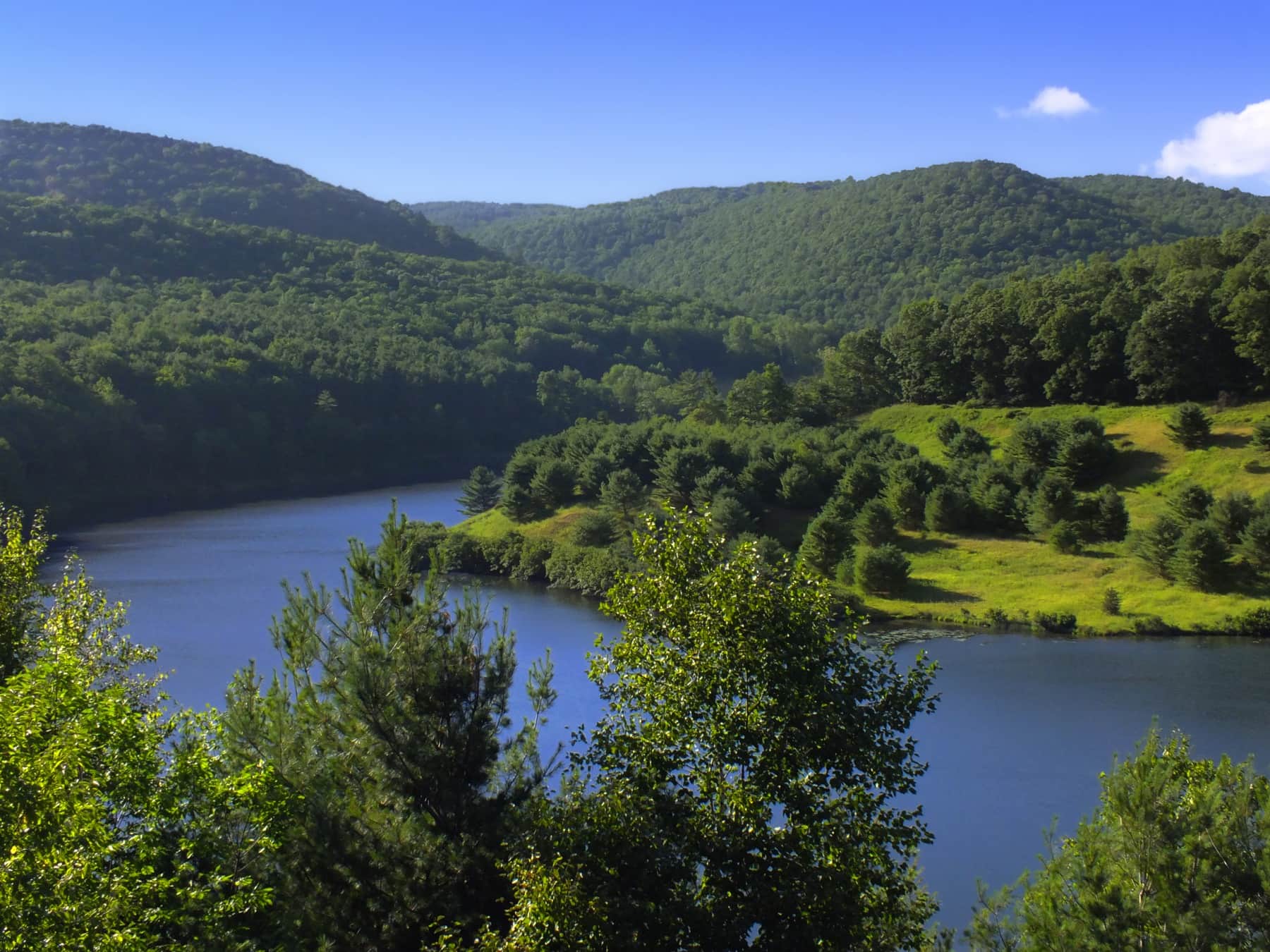
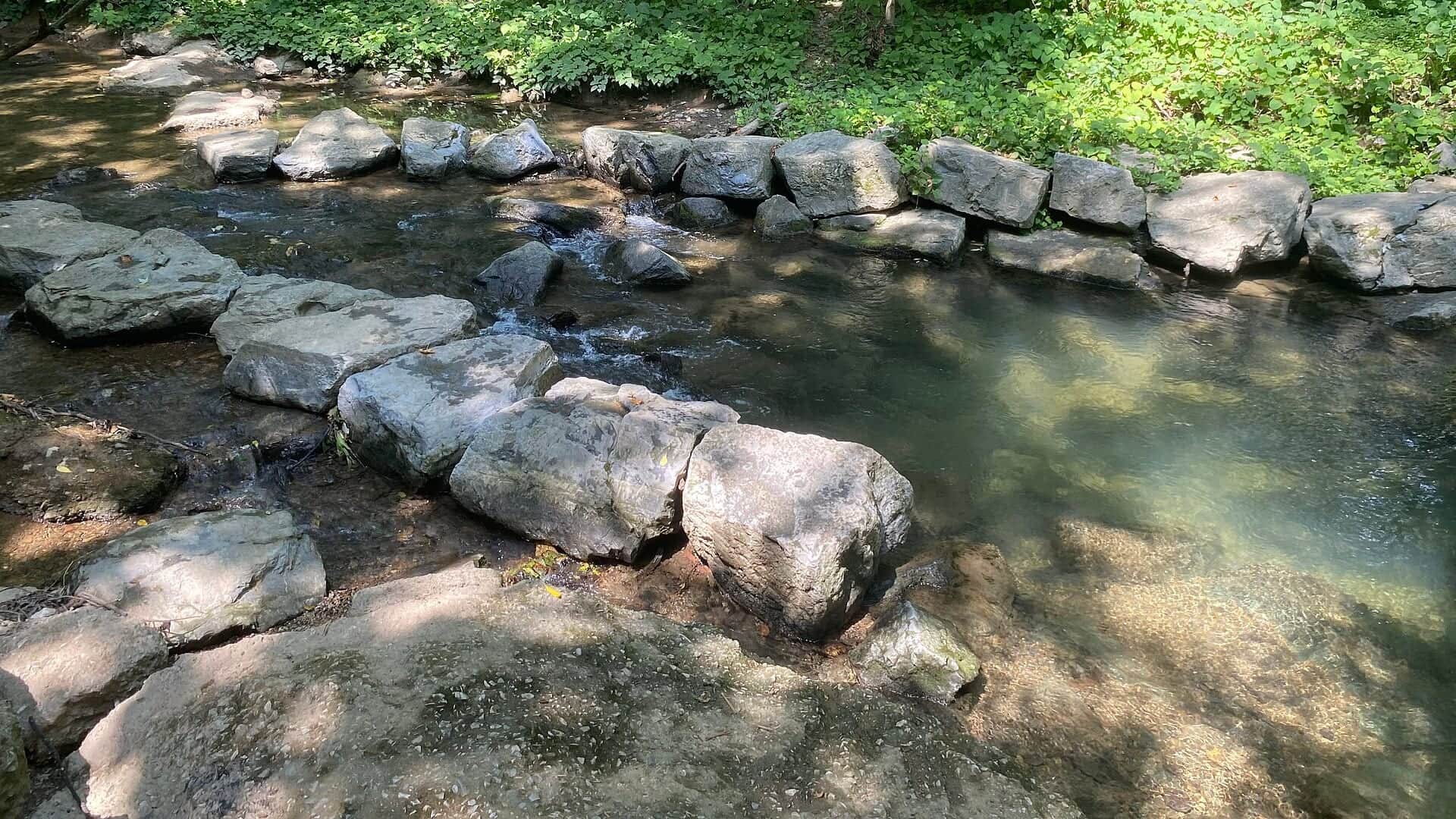
Generated Pennsylvania valley stream scene representing Oil Creek, not an exact location photo

Pennsylvania / Northeast

Oil Creek

A northwestern Pennsylvania report for anglers planning Oil Creek around delayed-harvest water, state-park access, flows, and warm-versus-cool-water timing.

Image: Generated regional planning image for Oil Creek / BlueStreamFly generated; not exact location / BlueStreamFly

Fishability now: Oil Creek fishability today

GreatData confidence: High

96/100

Fishable now because Rouseville gauge is falling, weather is usable, and no public alert is active.

Flow observed

4:45 PM UTC

Weather observed

5:00 PM UTC

Score calculated

5:26 PM UTC

Why this rating

Flow

Weather

Public alerts

Next 6-12 hours

Improving / hold

A falling gauge and usable weather should keep the next 6-12 hours in play unless tributaries stain or heat builds.

More planning details: flies, flow bands, and live source checks

Fish it today

Start here

Base near Oil City, Titusville, or Petroleum Centre, check the Rouseville gauge, then decide between delayed-harvest trout water and a bass-oriented backup.

Best flow clue

Stable or gently dropping levels that leave enough edge and clarity for nymphs and dry-droppers without pushing you off the bank.

Skip trigger

Skip trout fishing in warm summer water, after muddy rain spikes, or when current is high enough that you are guessing at exits.

Flow decision bands

Stable Rouseville flow

Stable or slowly falling 03020500 flow with workable clarity is the best trout-and-bass signal.

Delayed-harvest trout window

Cool water and moderate flow make the park's delayed-harvest sections the first trout check.

High or floatable

A level that works for permitted boats can still be a poor and unsafe wading setup.

Warm summer pivot

Warm low water should push the plan toward bass, tributary scouting, or no trout handling.

USGS flow

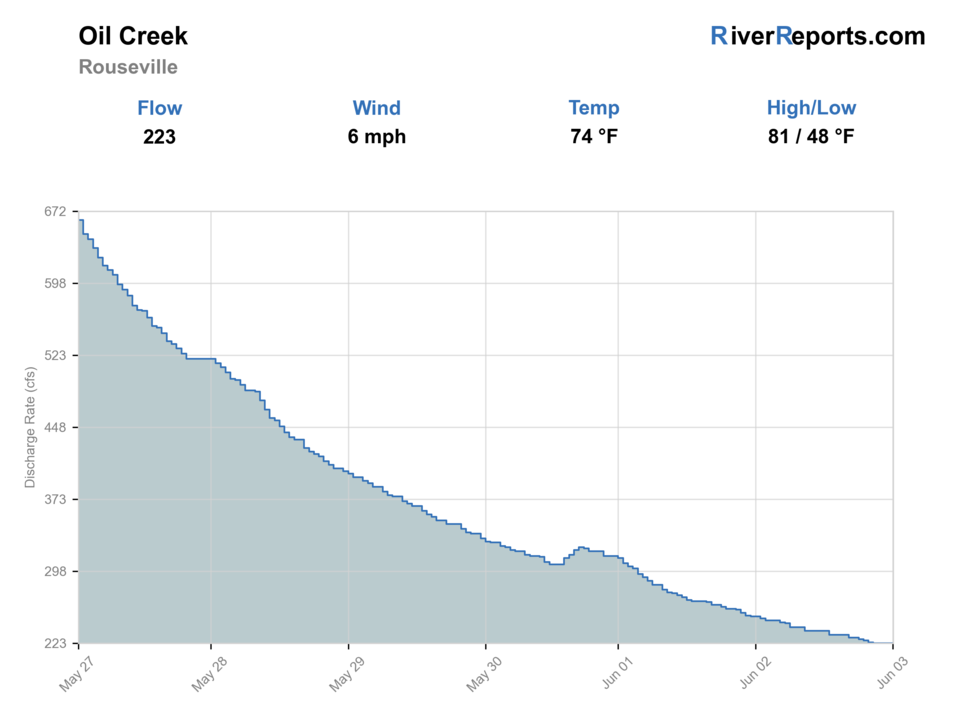
223 cfs

Open

Current trend: flow falling, rating likely holding strong unless weather or clarity changes.

Live USGS flow

223 cfs / falling about 21%

Live NWS forecast

76F / Sunny

Water temperature not verified

Heat guidance uses weather and river type unless an official water-temperature value is available.

No NWS alert flag

No active NWS alert was returned for this forecast point.

Primary waterOil Creek through Oil Creek State Park, focused on the delayed-harvest and public-park corridor
GaugeRiverReports with USGS 03020500 at Rouseville
Access styleState-park pull-offs, trail-access wading, and selective short floats when levels stay friendly
ReviewedJune 2, 2026

RiverReports gives the quick chart and USGS 03020500 at Rouseville is the official flow backstop.

DCNR says Oil Creek State Park has two delayed-harvest, artificial-lures-only sections covering 2.5 miles of creek.

Brook trout tributaries like Boughton Run, Toy Run, and Jones Run make good backup scouting water when the main creek is warm or pushy.

Oil Creek can be a beginner-friendly float at the right level, but DCNR warns that water levels can change rapidly and gives clear level thresholds for boating decisions.

Editorial review

How this report is maintained

This report starts with official regulation, access, flow, weather, and public-land sources, then adds practical planning guidance for fly anglers.

Byline

BlueStreamFly editorial desk

Reviewed by

BlueStreamFly source review

Maintained by

BlueStreamFly

Last material review

2026-06-02

Report confidence

Good confidence

88/100

Good confidence: PFBC regulation sources, Oil Creek State Park fishing, access, history, and boating pages, RiverReports and USGS 03020500 flow, weather coverage, generated media disclosure, and route-specific Oil Creek guidance support the page. Confidence is moderated by rapid level changes, temperature-sensitive trout water, float-versus-wade differences, posted access, and mixed-species seasonality.

Regulations

PFBC fishing regulation sources support Pennsylvania trout, permit, and delayed-harvest rule checks.

Access

Oil Creek State Park fishing and overview pages provide a strong public access framework, with posted areas, day-use timing, tributaries, and float permits still needing checks.

Flow and weather

RiverReports, USGS 03020500 at Rouseville, and the National Weather Service point support live flow and weather decisions.

Fishing usefulness

The page now separates delayed-harvest trout planning, mixed-species backup, float thresholds, warm-water restraint, park access, and backup-water choices.

Fishability dashboard and source review

2026-06-02 / material content or source review

PFBC fishing regulation sources, Oil Creek State Park fishing, overview, history, and boating pages, RiverReports and USGS 03020500 flow, National Weather Service data, and generated-image disclosure were checked before updating the current-fishability decision layer.

2026-06-02

Updated Oil Creek to the current fishability-page standard with Rouseville flow bands, delayed-harvest and state-park access cards, backup cues, stable fishability SEO, and confidence signals.

2026-05-26

Published a new Oil Creek report with delayed-harvest planning, park access notes, temperature guidance, and mixed-species backup advice.

Angler planning edge

Local details that change the plan

Best for

Park-access trout planning, Beginner-friendly mixed trout and bass trips, Spring and fall walk-and-wade days

Wade or float

Wade first. Short floats make sense only when level, permit, and shuttle logistics are already lined up.

Best flows

Stable or gently dropping levels that leave enough edge and clarity for nymphs and dry-droppers without pushing you off the bank.

When to skip

Skip trout fishing in warm summer water, after muddy rain spikes, or when current is high enough that you are guessing at exits.

Local plan

Base near Oil City, Titusville, or Petroleum Centre, check the Rouseville gauge, then decide between delayed-harvest trout water and a bass-oriented backup.

Pressure

Expect the easiest public sections to see the most pressure, especially around stocked water and bike-trail-adjacent access.

Access nuance

The state park gives you a real public corridor, but tributary and roadside moves still require posted-access discipline.

Backup water

Kettle Creek is the colder trout backup, while Slippery Rock Creek is the western Pennsylvania alternative when you want a different regulation mix.

About the river

Setting, character, and why it fishes the way it does.

Oil Creek runs through the valley where the modern petroleum industry started, and the park still interprets boomtown history, wells, and transportation routes around the water. That makes it a fishing page with real access structure instead of a vague map-dot river.

DCNR describes the park as a steep-hollow gorge corridor between Titusville and Oil City. For fly anglers that means easy parking and bike-path visibility in some sections, but more confined banks and quicker water in others.

This is also a mixed fishery page. Trout matter most in the delayed-harvest sections and cold tributary context, while bass and warmwater fishing become more realistic lower in the season and farther from the coldest tributary influence.

Target species

Brown trout

A practical target in delayed-harvest water and cooler shoulder-season conditions.

Rainbow trout

Relevant where PFBC management and seasonal stocking support the delayed-harvest plan.

Brook trout

Most important in the tributary backup water called out by the state park.

Smallmouth bass

A better warm-season fallback when trout water temperatures stop making sense.

Reading the water

Moderate and clear

Best for covering delayed-harvest runs with nymphs, caddis, and small streamers.

Low summer flow

Fish early, monitor temperature, and shift toward bass or tributary scouting if trout water warms.

Rising after rain

Hold off on wading and let clarity return before forcing the day.

High floatable level

Useful for boaters with the right permits and skill, but often a poor wading setup.

Best seasons

Early spring

Good for nymphing and streamer days when levels settle and stocking windows line up.

Late spring to early summer

Usually the strongest trout window for delayed-harvest structure, caddis, and mixed hatch activity.

Mid to late summer

Shift to early starts and let water temperature decide whether trout or bass is the responsible plan.

Fall

Strong for mixed-species fishing and trout-friendly temperatures once flows stabilize again.

Preferred flow source

Oil Creek at Rouseville

RiverReports is the preferred chart source when coverage exists. When a matching USGS gauge exists, keep it open as the official backstop for station data and current hydrograph context.

Oil Creek at Rouseville RiverReports flow chart

USGS data chart

Official USGS trend

Streamflow over the latest USGS reporting window.

Latest

223 cfs

Jun 3, 5 PM UTC

Site

03020500

Low / high

223 / 668 cfs

Source

Open USGS

Weather

River weather report

Weather can change wading safety, road access, water temperature, hatches, and the best time of day to fish.

Live forecast loads as you reach this section

This keeps the report fast while still using the official National Weather Service forecast point.

Hatches and flies

Hatch chart and fly picks

March-April

Midges, early black stones, BWOs

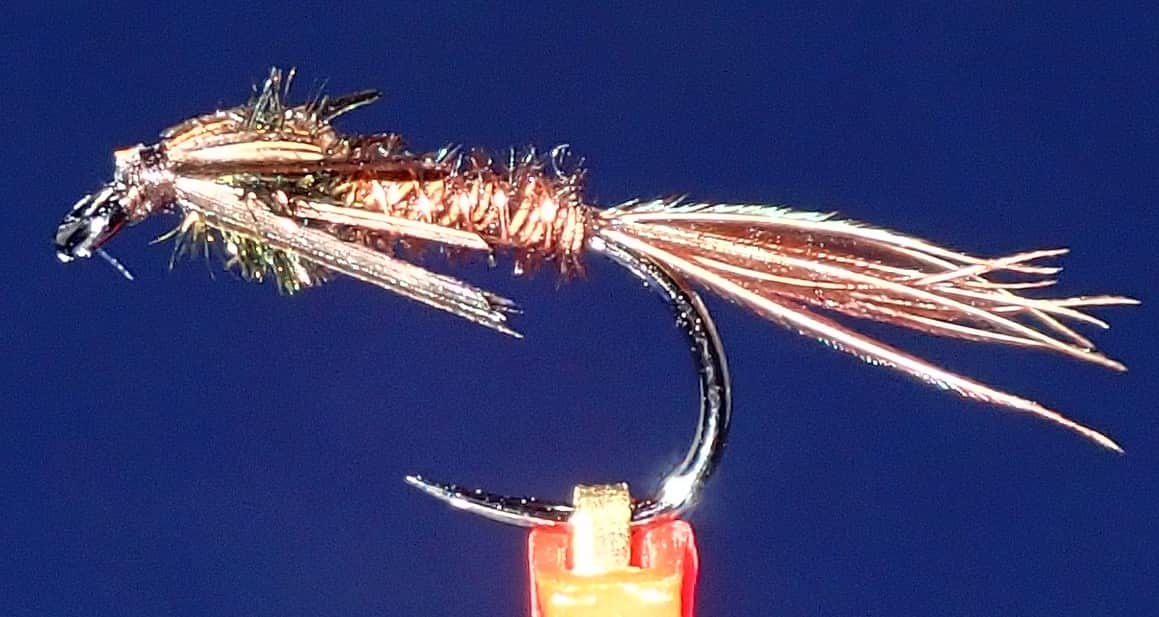
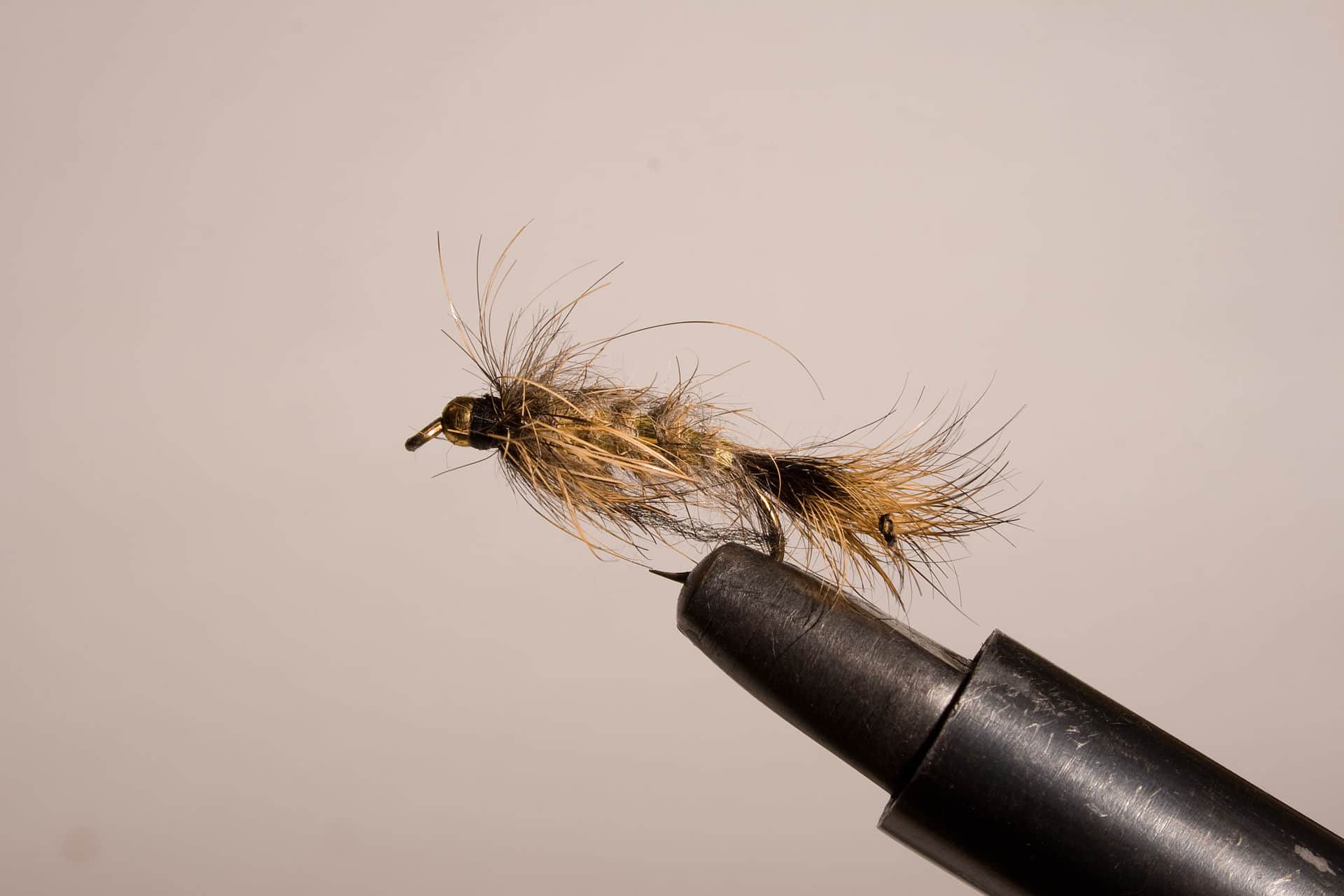
Zebra midge, pheasant tail, black stone, BWO emerger

April-June

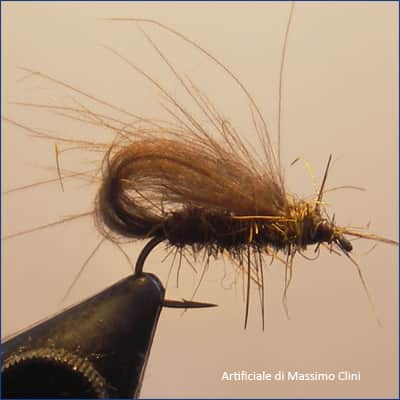
Caddis, Hendrickson-style mayflies, March brown-style mayflies

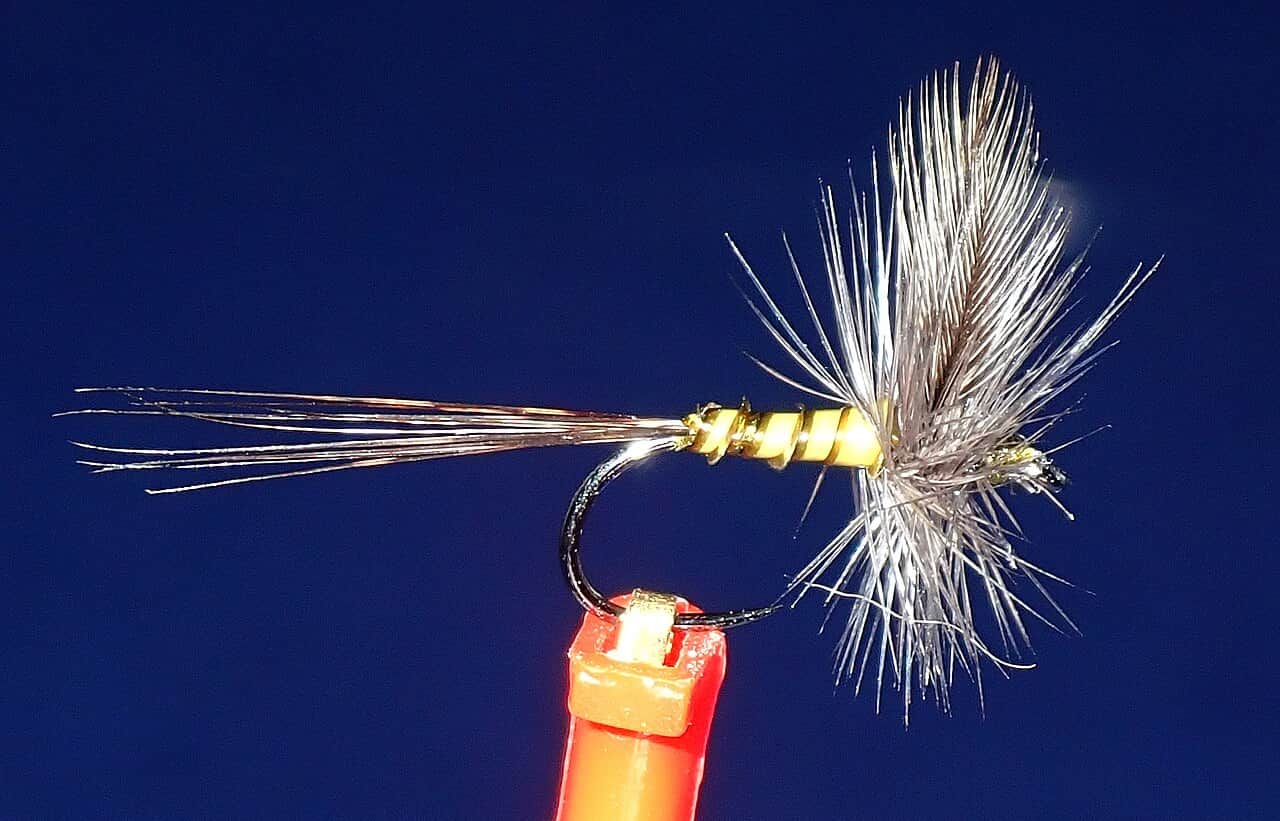
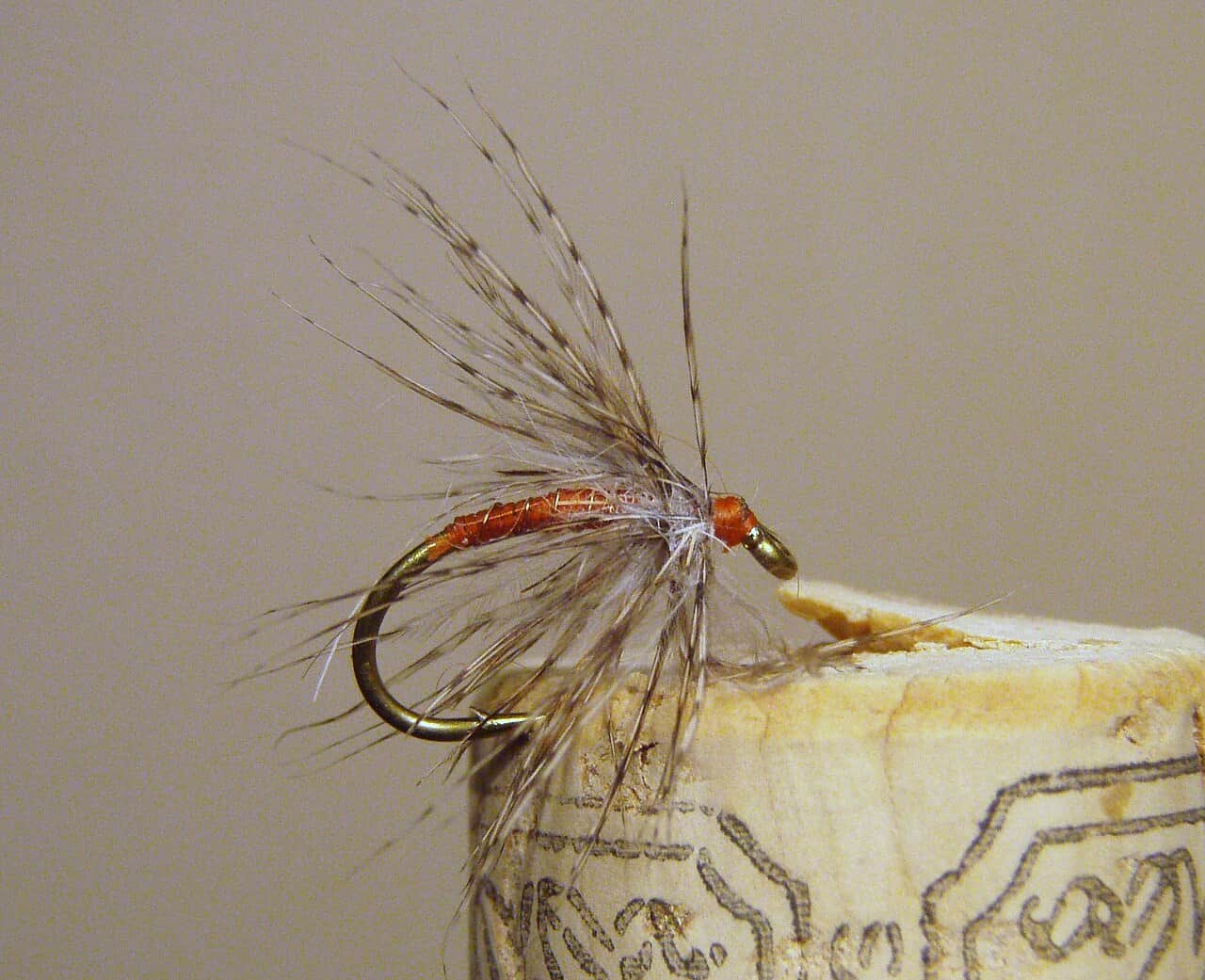
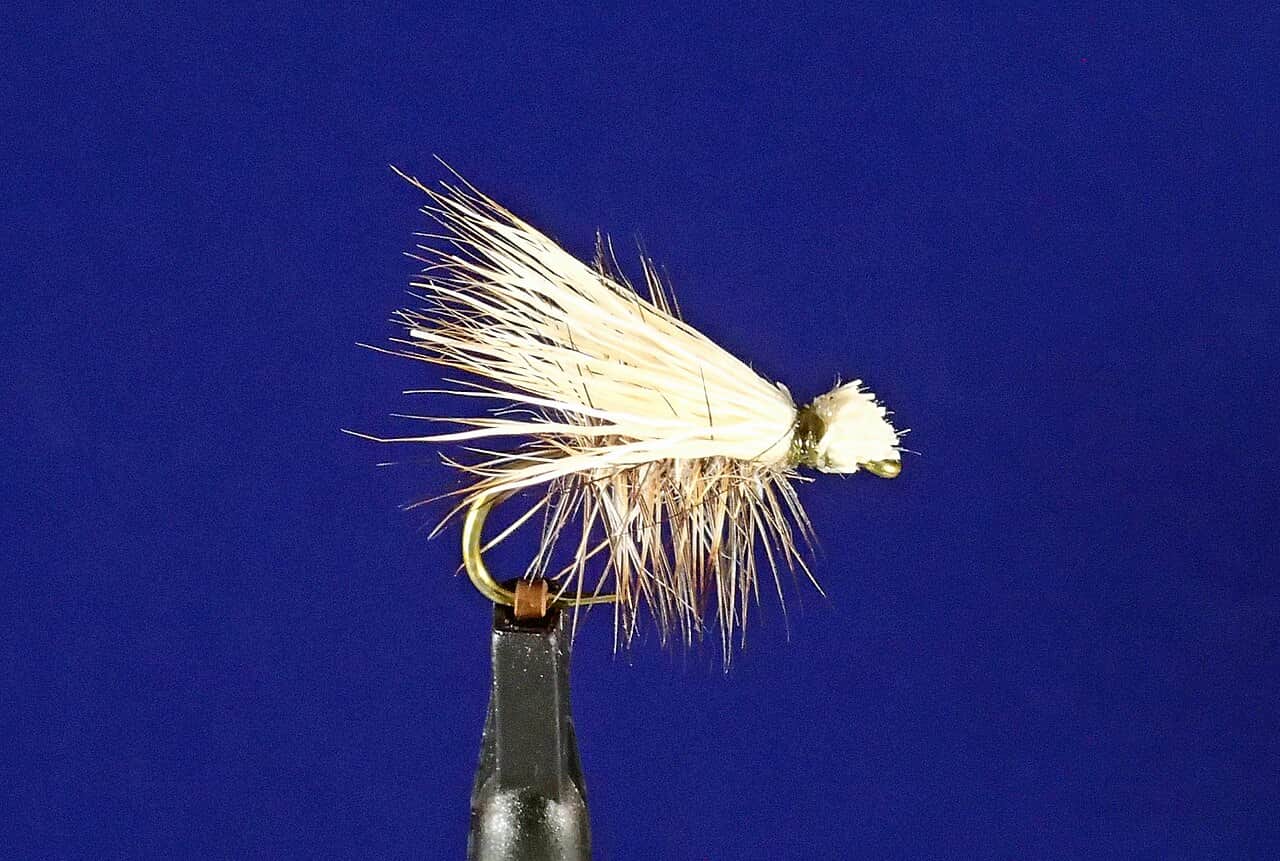
Elk hair caddis, soft hackle, hare's ear, parachute Adams

July-August

Terrestrials, caddis, small mayflies

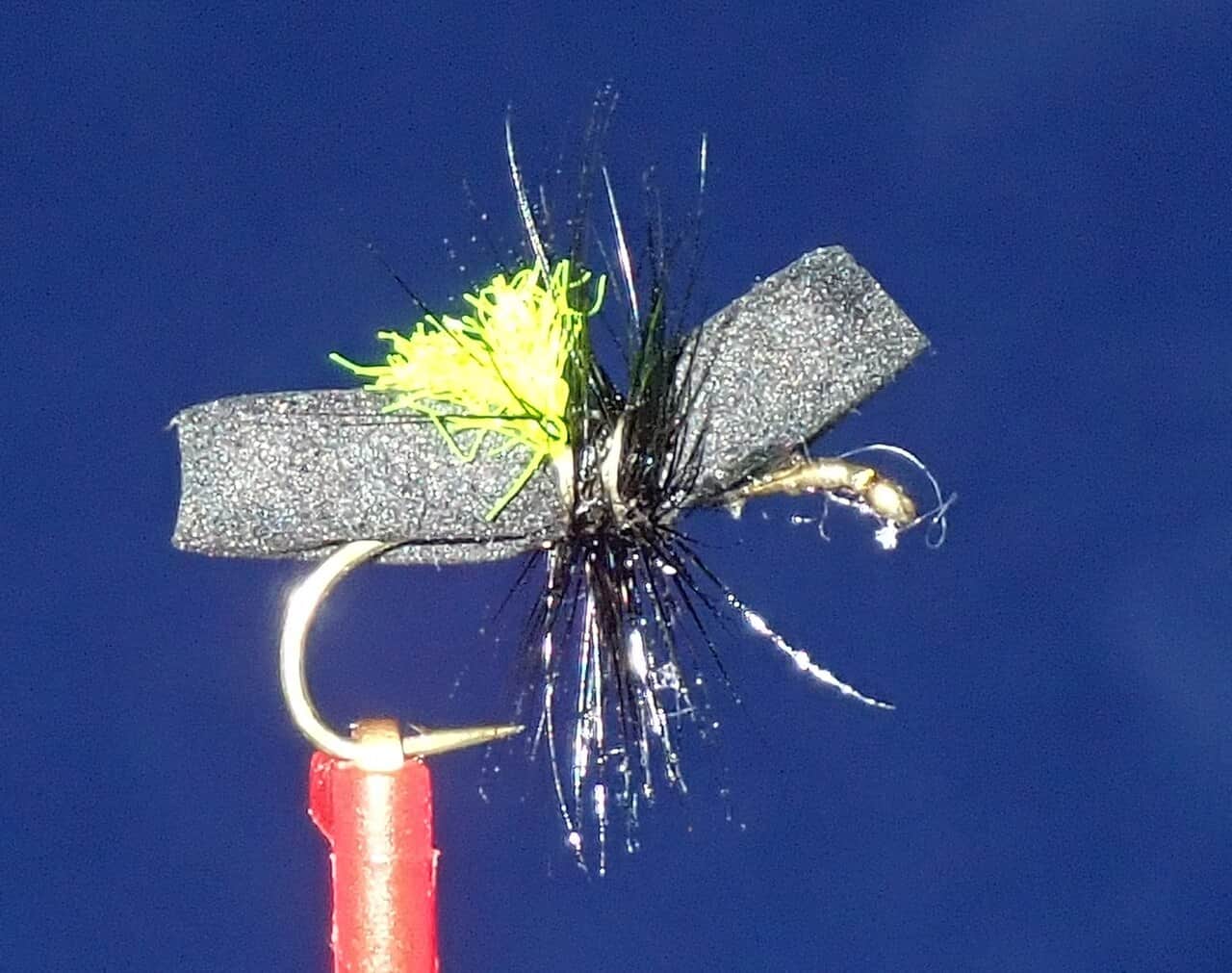
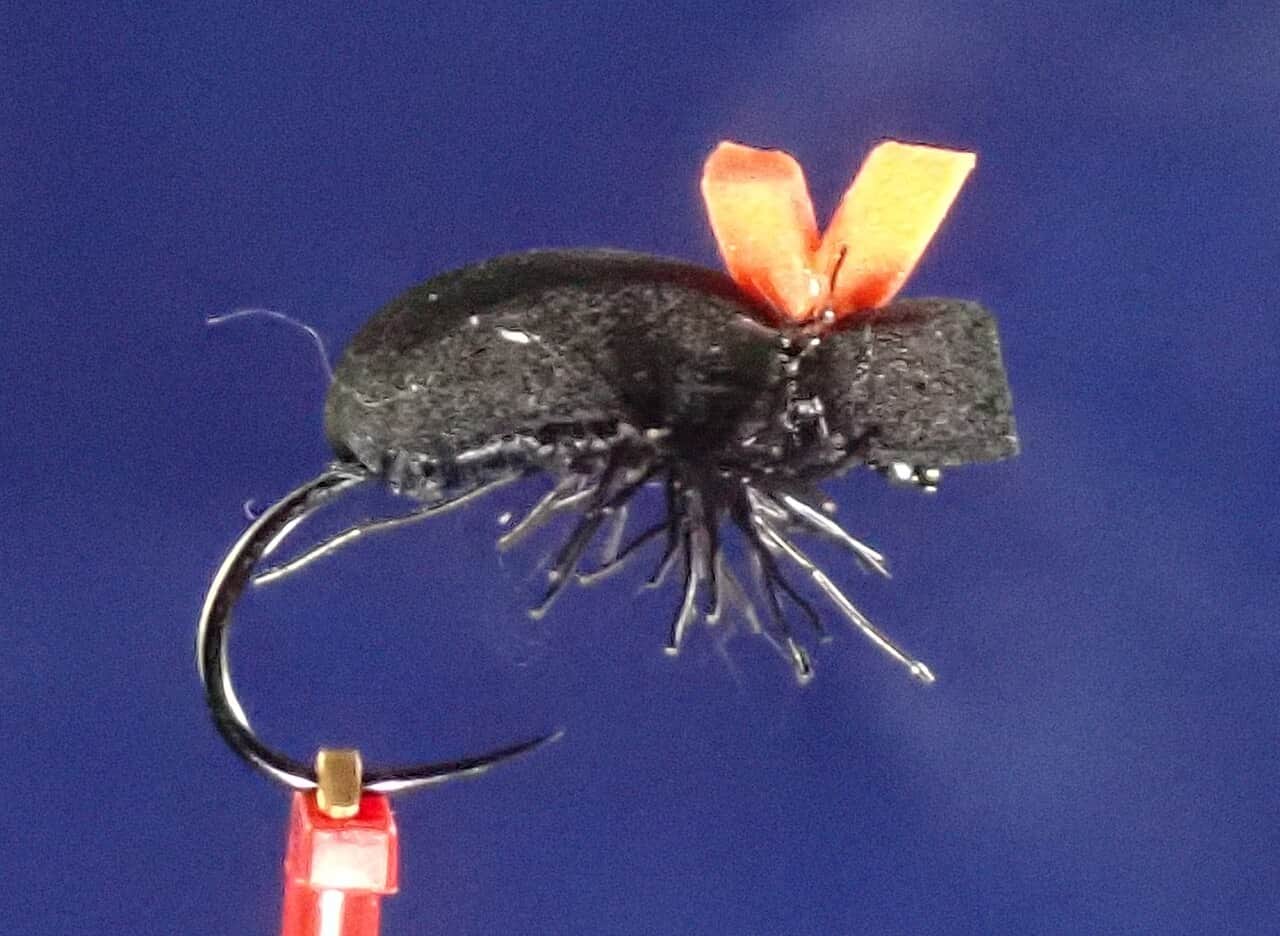
Foam ant, beetle, caddis pupa, small olive bugger

September-October

Caddis, BWOs, baitfish windows

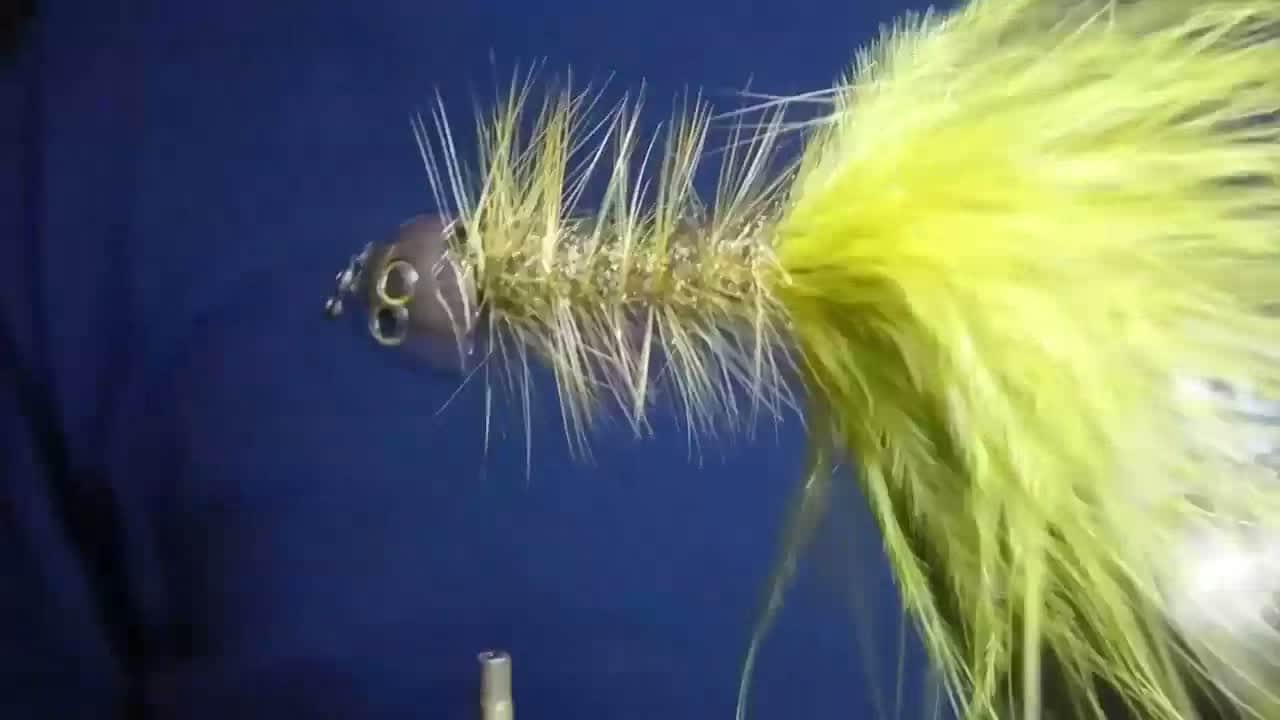
BWO comparadun, soft hackle, woolly bugger, small sculpin

Nymphs

Pheasant tail, hare's ear, perdigon, caddis pupa

Water is moderate and you need to cover seams in delayed-harvest runs.

Dries and wets

Elk hair caddis, parachute Adams, ant, beetle, soft hackles

Fish rise in softer current or caddis activity starts to show.

Small streamers

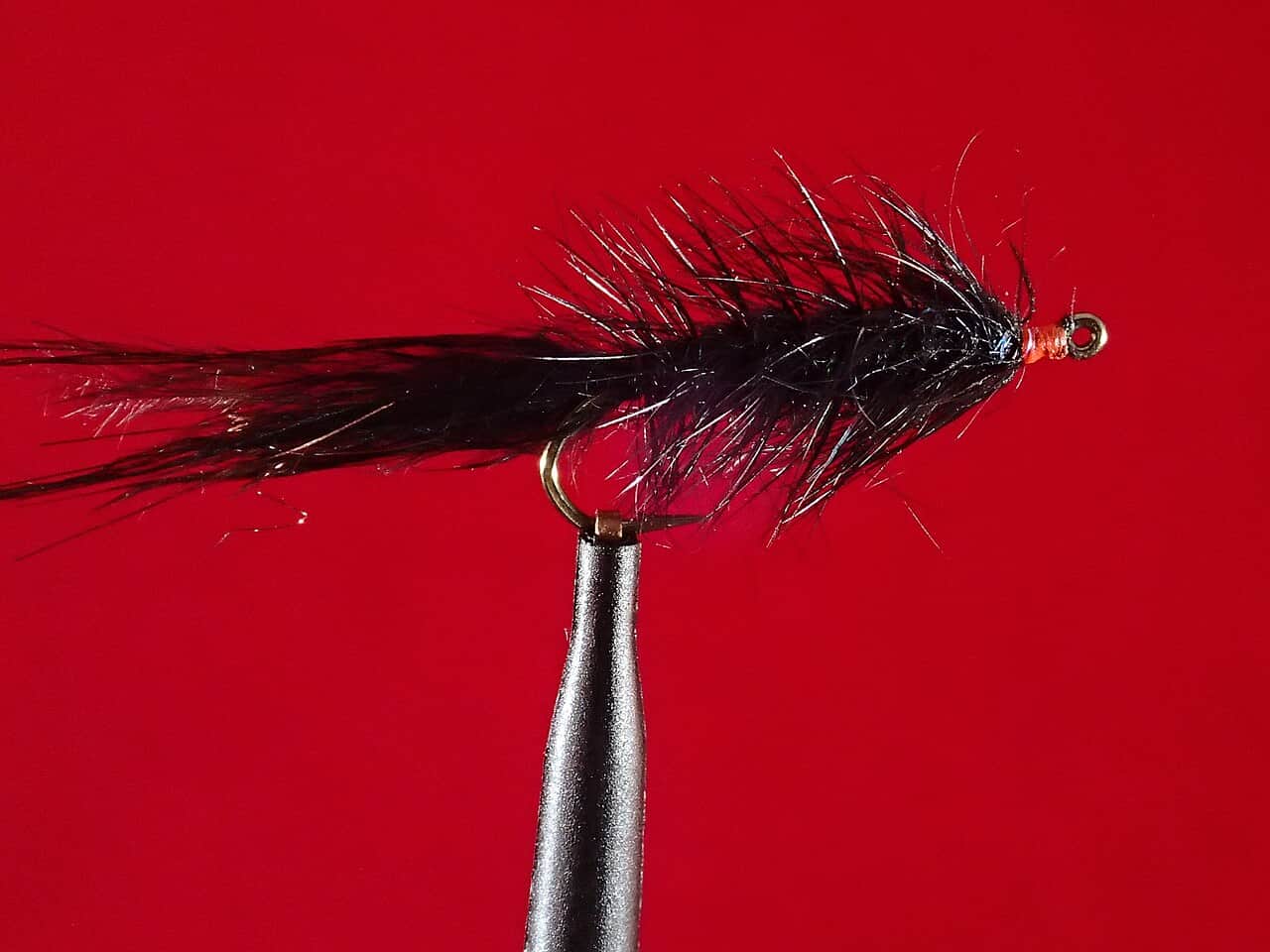
Olive bugger, black bugger, small sculpin

Water has color, trout are hugging banks, or you pivot toward bass.

Tactics

How to fish it

Split the creek into two plans: delayed-harvest trout water when temperatures and clarity cooperate, or broader mixed-species water when summer warmth pushes trout management into the background.

Use the Rouseville gauge first, then confirm whether your chosen access has enough room for a safe entry and exit. Oil Creek fishes smaller than some of its drainage numbers suggest once banks tighten up.

A dry-dropper or light two-fly nymph rig covers most productive water. Save streamers for stained water, lower light, or bass-oriented stretches.

If the main stem is too warm, too high, or too crowded, scout the park's named brook-trout tributaries only where access and posted rules are clear.

Rigging

Rod, leader, and setup notes

A 4- or 5-weight handles most trout work, while a 6-weight becomes useful if you expect streamers or more bass time.

Carry 4X through 6X for trout and 3X for streamer or bass adjustments.

Use enough weight to touch the lower seam a few times per drift, but avoid constant ticking in the slower delayed-harvest buckets.

For short floats, keep gear simple and protect dry storage; the creek is easier to manage with a compact kit than a raft-sized loadout.

Access

Access and planning notes

Rouseville gauge

Primary flow and trend check

Wade / float / trail

RiverReports / USGS gauge

When to pick it

Start here before deciding whether the day is delayed-harvest trout, bass, float, or skip.

Caution

Flow does not confirm temperature, clarity, or safe exits at a chosen park access.

Oil Creek State Park corridor

Public trout and mixed-water base

Wade / float / trail

State park / wade / bank

When to pick it

Use this when sunrise-to-sunset park access and moderate flow support a compact session.

Caution

Day-use hours, posted areas, and rapidly changing levels still matter.

Petroleum Centre and day-use areas

Short access plan

Wade / float / trail

Park pullout / trail / wade

When to pick it

Pick this when you want a practical public starting point and a fast backup move.

Caution

Tributary and roadside moves still require posted-access discipline.

The park is open sunrise to sunset, and day-use areas close at dusk.

Use only signed public access and treat tributary pull-offs carefully; some of the valley is straightforward, but not every roadside break is public.

The paved bike path and valley roads make navigation easier than on many freestones, which is useful when you need a fast backup move.

Boating and wading are different plans here. A level that makes for an easy float may still be a poor wading day.

Regulations

Check before fishing

Pennsylvania Fish and Boat Commission rules apply. Recheck current statewide regulations and any delayed-harvest details before fishing because permit, season, and harvest limits can change by water type.

Primary base

Oil City, Titusville, or Petroleum Centre

Best day style

State-park pull-offs, trail-access wading, and selective short floats when levels stay friendly

Check first

RiverReports, USGS 03020500, Pennsylvania regulations, Oil Creek State Park access pages, and NWS weather

Safety

Fast level changes, warm trout water, slippery banks, railroad corridor awareness, and posted access boundaries

Gear

Helpful gear for this water

4- or 5-weight rod

Ideal for the delayed-harvest trout plan and light streamers.

Thermometer

Important for deciding when trout fishing is no longer responsible.

Wading staff

Useful when current spreads across slick shallow ledge and gravel.

Compact float kit

Only if you are legally floating and the level fits park guidance.

Nearby water

Other water to research

Backup logic

High or muddy water

Wait for Rouseville to settle or compare Kettle Creek and Spring Creek.

Warm trout water

Shift toward bass, fish only cool windows, or stop trout fishing.

Float threshold mismatch

Do not turn a boatable level into a wade day; use permits and DCNR guidance before floating.

Access crowding

Move within signed park access or compare Slippery Rock Creek.

Kettle Creek

A colder-feeling north-central freestone when you want more classic mountain-trout water.

Spring Creek

A more technical limestone option when you want steadier trout conditions.

Slippery Rock Creek

A western Pennsylvania backup with stronger gorge hazards and a fly-only section.

FAQ

Fast answers

Is Oil Creek fishable today?

Oil Creek looks very fishable right now. The live score is 96/100, based on current flow, weather, public alerts, and the report's planning context. Recheck the linked gauge and forecast before leaving because conditions can change quickly after rain, heat, access changes, or flow swings.

What flow is best for Oil Creek?

Stable or gently dropping levels that leave enough edge and clarity for nymphs and dry-droppers without pushing you off the bank.

When should I skip Oil Creek?

Skip trout fishing in warm summer water, after muddy rain spikes, or when current is high enough that you are guessing at exits.

Is Oil Creek safe to wade right now?

The fishability score is not a wading guarantee. Wade only where your chosen access has safe edges, clear footing, legal entry, and no forced crossings; high, rising, stained, or storm-affected water should be treated conservatively.

What gauge should I check for Oil Creek?

Use RiverReports for the quick chart and USGS 03020500 at Rouseville as the official flow reference.

Is Oil Creek mostly a trout river?

It is a trout-and-bass river. Trout planning matters most in the delayed-harvest water and cooler months, while bass becomes a smarter fallback in warm periods.

Can I float Oil Creek?

Yes, but only with the right permit and only when levels fit park guidance. DCNR recommends at least 2.75 feet for kayaks, 3.0 feet for canoes, and says 5.0 feet or more is not recommended.