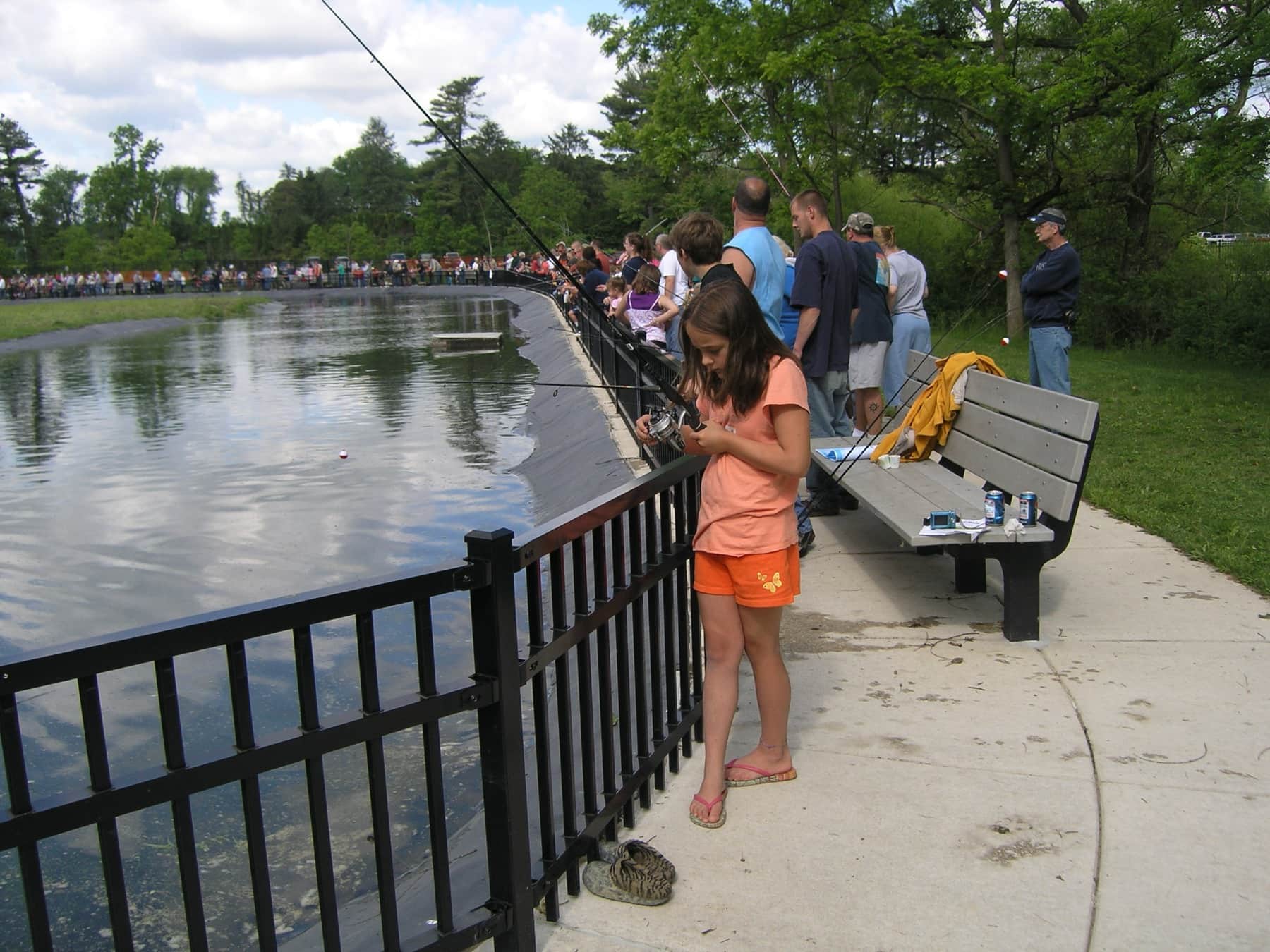
Anglers at the Northeast Fishery Center in Lamar, Pennsylvania near Fishing Creek

Pennsylvania / Northeast

Fishing Creek

A Clinton County Fishing Creek report for the Lamar and Tylersville trout corridor, USGS flows, hatches, tactics, and PFBC rules.

Image: Fishing Day at the Northeast Fishery Center in Lamar, Pennsylvania / Public domain / CC BY 2.0 / U.S. Fish and Wildlife Service - Northeast Region

Fishability now: Fishing Creek fishability today

GreatData confidence: High

96/100

Fishable now because the live gauge is falling, weather is usable, and no public alert is active.

Flow observed

4:30 PM UTC

Weather observed

5:00 PM UTC

Score calculated

5:25 PM UTC

Why this rating

Flow

Water temperature

Public alerts

Next 6-12 hours

Improving / hold

A falling gauge and usable weather should keep the next 6-12 hours in play unless tributaries stain or heat builds.

More planning details: flies, flow bands, and live source checks

Fish it today

Start here

Start with the Lamar gauge, PFBC regulations, FWS Lamar access guidance, weather, and one legal entry plan. Fish shorter technical drifts through riffles, seams, shaded banks, and pool tails before moving far.

Best flow clue

Use USGS 01548030 near Lamar as the primary live flow check. Stable, cool, readable water is best; sharp rises, stain, pushy runs, or warm summer afternoons should narrow or cancel the trout plan.

Skip trigger

Skip or pivot when the creek is rising hard, visibility is poor, water is warm for trout handling, hatchery-property access rules or parking are uncertain, or storms are close enough to change the watershed quickly.

Flow decision bands

Cool and readable

Stable, cool Lamar flow is the best fit for a technical wade-first trout day near legal access.

Best Lamar trout window

A steady or slowly falling Lamar trend with clear enough water and mild weather is the cleanest Fishing Creek signal.

Rising or stained

Storm rises, stain, pushy runs, or poor visibility should shorten the day or move it to another central Pennsylvania stream.

Warm or access-limited

Warm summer water, uncertain hatchery-property rules, or unclear parking can make a fishable graph a poor trout call.

USGS flow

87 cfs

Open

Current trend: flow falling, rating likely holding strong unless weather or clarity changes.

Live USGS flow

87 cfs / falling about 13%

Live NWS forecast

79F / Sunny

Live water temperature

55F from USGS

No NWS alert flag

No active NWS alert was returned for this forecast point.

Primary waterClinton County Fishing Creek near Lamar, Tylersville, and the Narrows
Flow checkUSGS 01548030 Fishing Creek near Lamar
Access styleLimestone trout water, special-regulation reaches, roads, and private-access awareness
ReviewedJune 1, 2026

USGS 01548030 is the correct Lamar-area gauge for this report.

PFBC special-regulation language applies to defined reaches and should be checked before fishing.

Wild brown trout are the core fly target; brook trout context is reach-sensitive.

Small nymphs, caddis, sulphurs, BWOs, scuds, and careful presentations are more useful than heavy attractor fishing.

Editorial review

How this report is maintained

This Fishing Creek report is maintained from Pennsylvania Fish and Boat Commission regulations, trout classification and stocking sources, USGS Lamar flow data, U.S. Fish and Wildlife Service Lamar access guidance, weather, media-credit, and central Pennsylvania trout planning sources.

Byline

BlueStreamFly editorial team

Reviewed by

BlueStreamFly source review

Maintained by

Mountain Brook Run LLC

Last material review

2026-06-01

Report confidence

Good confidence

89/100

Good confidence: Pennsylvania regulation and trout sources, USGS Lamar flow, FWS Lamar access guidance, weather coverage, corrected image credit, and route-specific central Pennsylvania trout guidance support the page. Confidence is moderated by reach-specific rules, private-bank uncertainty away from the FWS property, summer temperature stress, and storm-driven flow changes.

Regulations

Pennsylvania fishing regulations plus PFBC trout classification and stocking sources support the current rule-check path.

Access

The FWS Lamar page gives a strong public access anchor with daylight use, parking, trails, and center-property guidance.

Flow and weather

USGS 01548030 near Lamar and the National Weather Service point provide strong live planning support for flow, weather, and storm decisions.

Fishing usefulness

The page now separates Lamar flow checks, FWS access, temperature skips, storm response, stocked and wild trout context, and backup-water choices.

Fishability dashboard and source review

2026-06-01 / material content or source review

Pennsylvania fishing regulations, PFBC trout classification and stocking information, USGS 01548030 near Lamar, U.S. Fish and Wildlife Service Fishing Creek access guidance at Lamar, the National Weather Service point, and image credit were checked before updating the current-fishability decision layer.

2026-06-01

Updated Fishing Creek to the current fishability-page standard with Lamar flow bands, FWS access cards, backup cues, stable fishability SEO, and confidence signals.

2026-05-28

Added Lamar-area trout trip fit, flow planning, hatchery-property access context, warm-water and storm skip cues, backup-water suggestions, editorial review signals, a corrected Lamar-area hero image, and a page-specific report-confidence meter after source review.

2026-05-25

Initial source-reviewed report published with flow, weather, hatches, flies, tactics, access, regulations, and FAQs.

Angler planning edge

Local details that change the plan

Best for

Central Pennsylvania trout anglers planning the Clinton County Fishing Creek near Lamar around flow, access, temperature, and PFBC trout rules, Dry-dropper, nymph, small-streamer, and hatch-matching days when USGS 01548030 is stable and the creek is cool, Trips where hatchery-property access, legal sunrise-to-sunset use, parking, and current regulations need to be checked before fishing, Anglers comparing Fishing Creek with Spring Creek, Little Juniata River, or Pine Creek before choosing a central Pennsylvania trout plan

Wade or float

Treat Fishing Creek near Lamar as wade-first trout water. Use the Lamar gauge, water temperature, legal access, and PFBC rule context to decide whether to fish tight, move carefully, or pick another stream.

Best flows

Use USGS 01548030 near Lamar as the primary live flow check. Stable, cool, readable water is best; sharp rises, stain, pushy runs, or warm summer afternoons should narrow or cancel the trout plan.

When to skip

Skip or pivot when the creek is rising hard, visibility is poor, water is warm for trout handling, hatchery-property access rules or parking are uncertain, or storms are close enough to change the watershed quickly.

Local plan

Start with the Lamar gauge, PFBC regulations, FWS Lamar access guidance, weather, and one legal entry plan. Fish shorter technical drifts through riffles, seams, shaded banks, and pool tails before moving far.

Pressure

Pressure follows stocking windows, hatch timing, and easy access near Lamar. A quieter second plan and precise drifts usually matter more than carrying a large fly box.

Access nuance

The FWS Lamar page gives a clear access anchor on center property, including daylight use, access points, parking, and trail context, but other banks still require legal-access confirmation.

Backup water

If Fishing Creek is high, warm, crowded, or access-limited, compare Spring Creek for a spring-creek option, Little Juniata River for a larger limestone-influenced plan, or Pine Creek for a broader trout-water day.

About the river

Setting, character, and why it fishes the way it does.

Fishing Creek in Clinton County is one of central Pennsylvania's serious limestone trout waters. It deserves careful naming because Pennsylvania has several streams called Fishing Creek, and confusing them creates bad flow and regulation advice.

The Lamar and Tylersville-area water can reward technical dry-fly, nymph, and small-streamer anglers. It can also punish sloppy wading, poor access choices, and overconfident summer fishing.

Treat the creek as a precision trout day: check the right gauge, know the rule section, bring small flies, and move carefully.

Target species

Wild brown trout

The main target, including quality fish in special-regulation and limestone habitat.

Brook trout

Present in parts of the watershed; protect cold tributary influence and handle quickly.

Stocked trout context

Do not apply stocking assumptions to the whole creek; check the exact PFBC section.

Reading the water

Stable cool flow

Fish nymphs, emergers, and dry flies through riffles, seams, and tailouts.

Low clear water

Use long leaders, smaller flies, careful approach angles, and fewer false casts.

Rain bump

Try small streamers, darker nymphs, and edge buckets as color improves.

Warm water

Use a thermometer and stop catch-and-release trout fishing when temperatures are stressful.

Best seasons

Spring

Prime hatch and wild-trout window with mayflies, caddis, and nymph activity.

Early summer

Good morning and evening fishing if temperature stays safe.

Fall

Lower pressure, olives, midges, and streamers after rain.

Winter

Midges, small stones, and slow nymphing in deeper slots.

USGS flow

Fishing Creek near Lamar

This is the fallback for rivers that are not covered by RiverReports. Use the official USGS monitoring page for the live hydrograph, station metadata, and current water trend.

Open USGS gauge

USGS data chart

Fishing Creek near Lamar

Streamflow over the latest USGS reporting window.

Latest

87 cfs

Jun 3, 4 PM UTC

Site

01548030

Low / high

78 / 178 cfs

Source

Open USGS

Weather

River weather report

Weather can change wading safety, road access, water temperature, hatches, and the best time of day to fish.

Live forecast loads as you reach this section

This keeps the report fast while still using the official National Weather Service forecast point.

Hatches and flies

Hatch chart and fly picks

January to March

Midges, little black stones, BWOs, and slow nymph windows

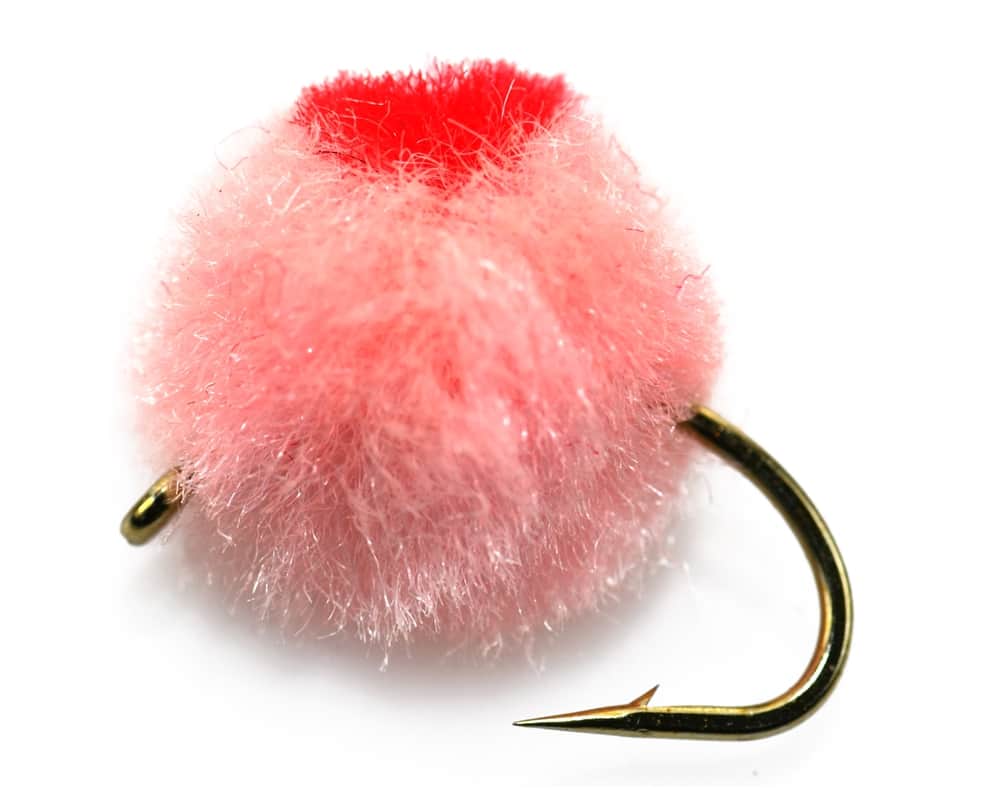
Zebra midge, black stonefly nymph, BWO emerger, perdigon, small egg

April to June

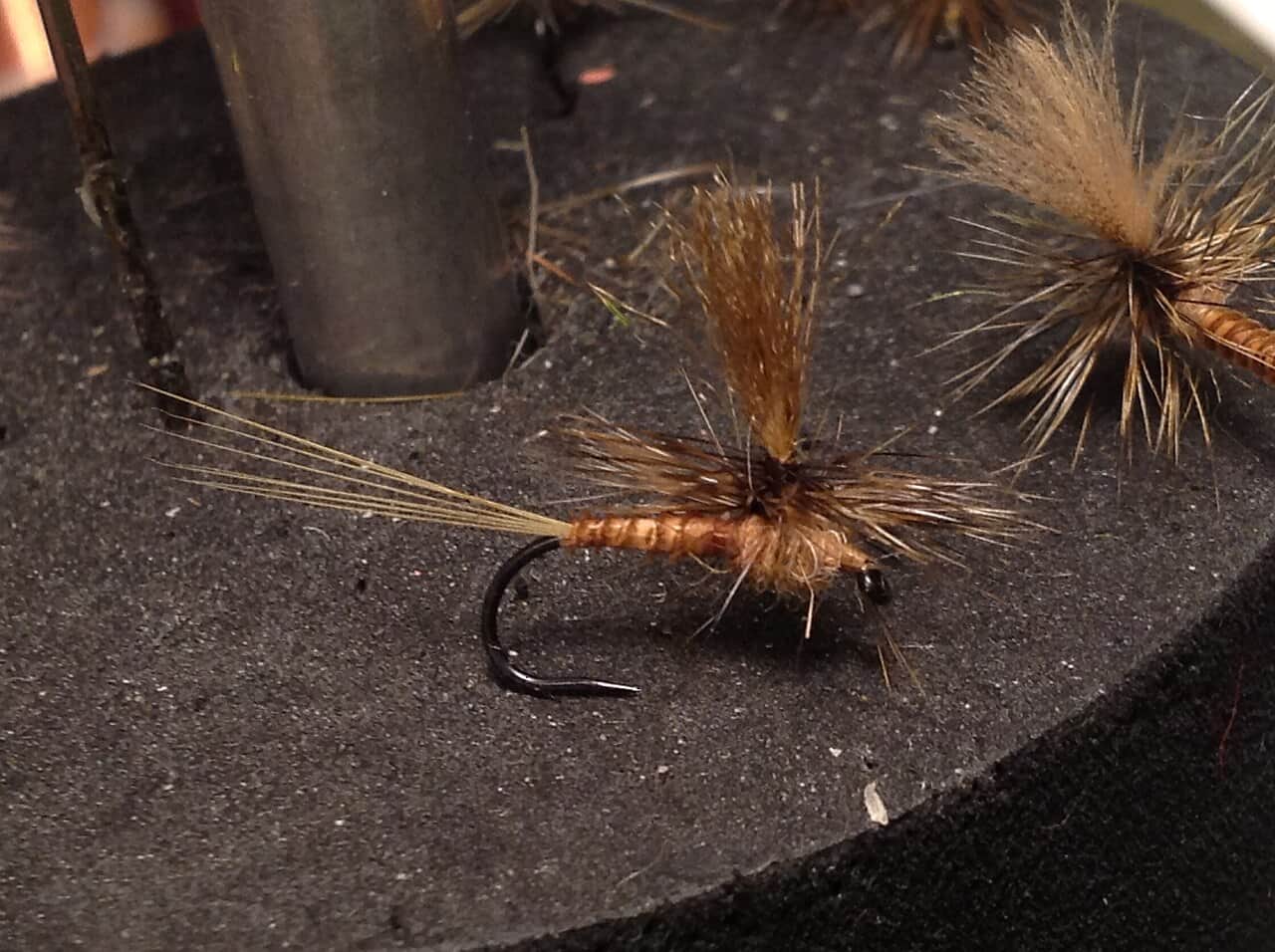
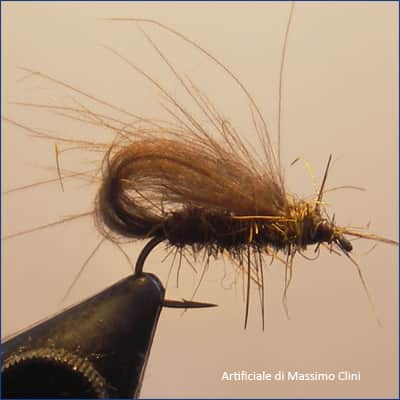
Hendricksons, March Browns, sulphurs, caddis, BWOs, and spinner falls

Hendrickson, March Brown, sulphur emerger, caddis pupa, pheasant tail

July to September

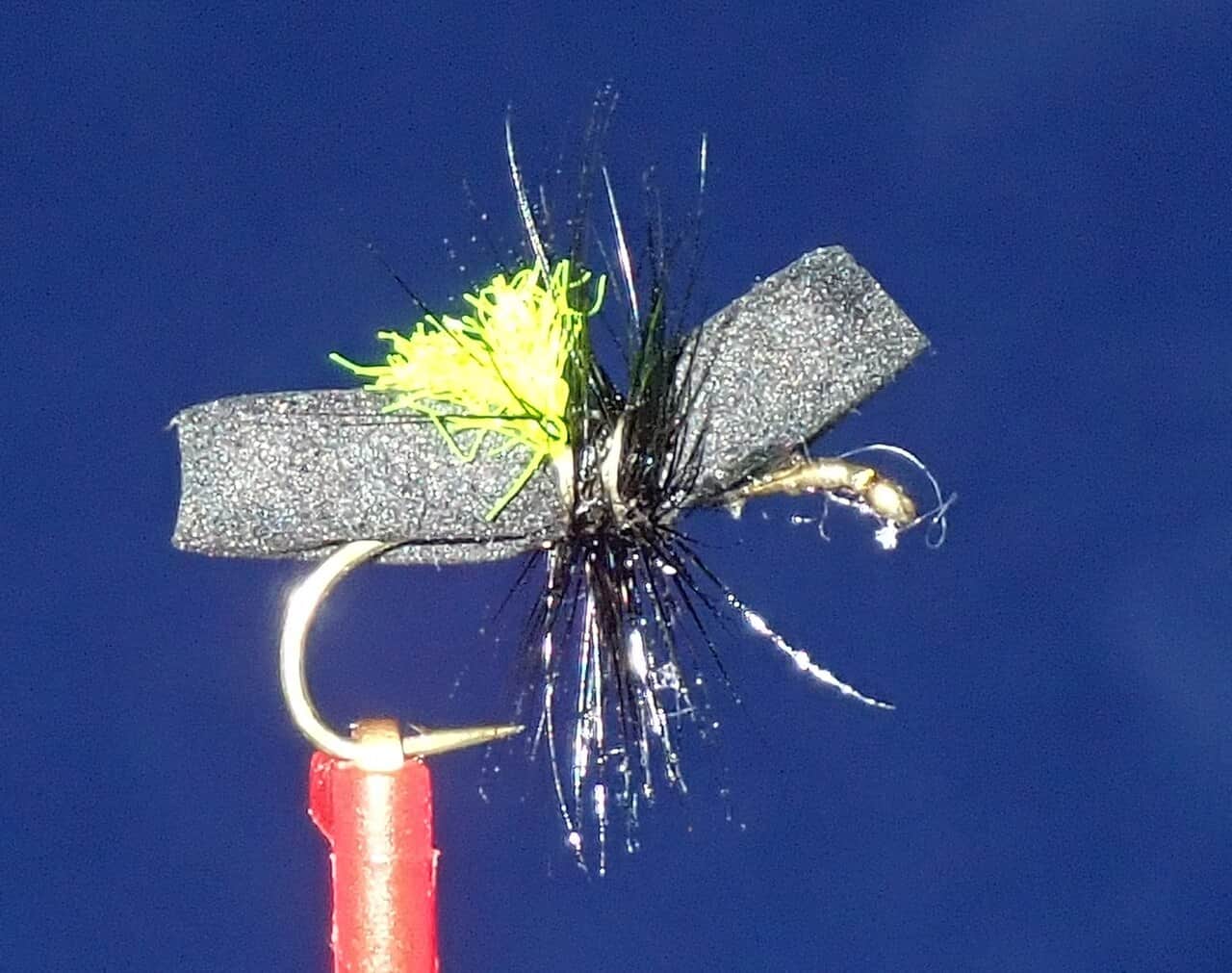
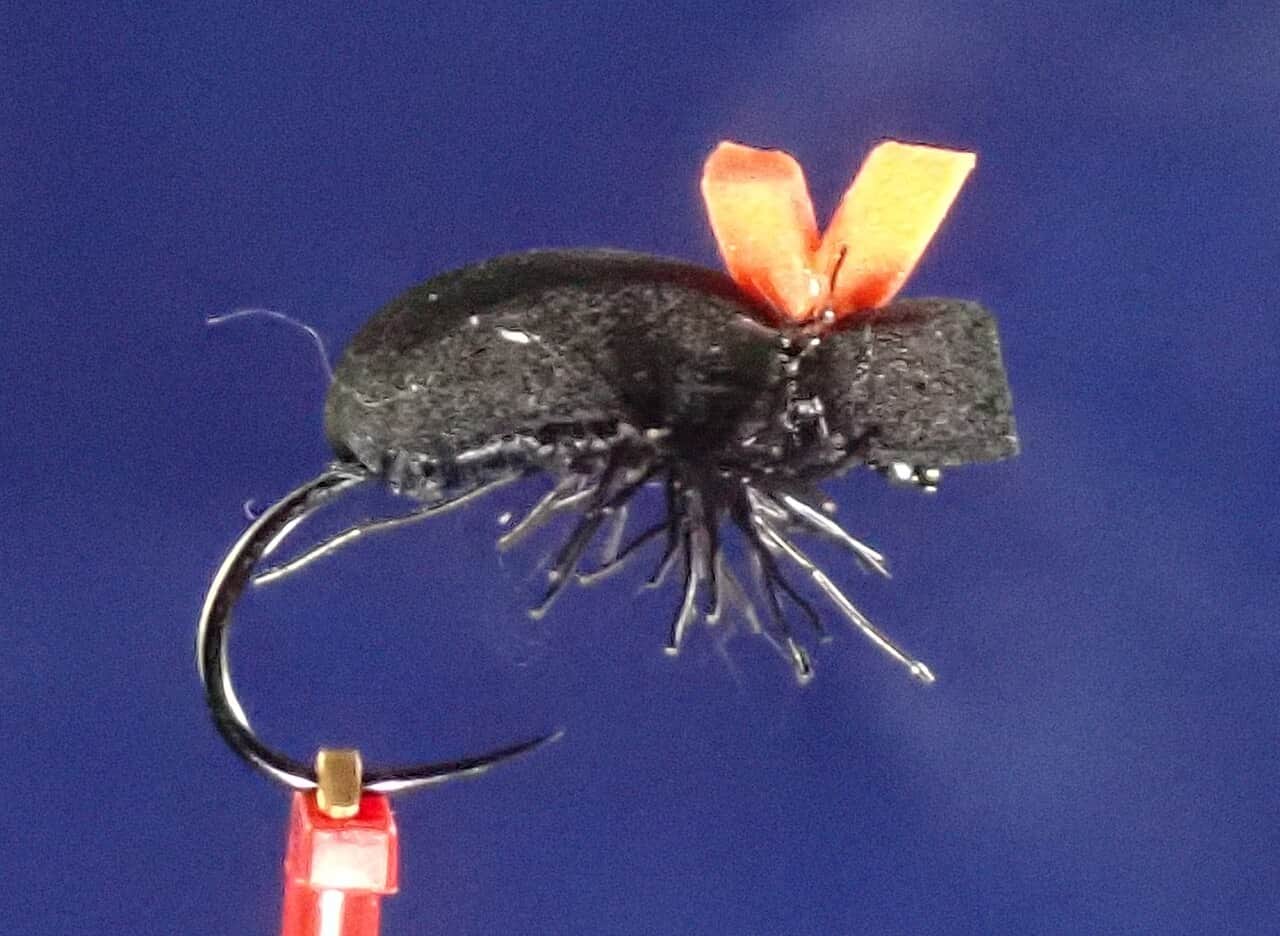
Tricos where present, ants, beetles, hoppers, and shade-line terrestrials

Trico, ant, beetle, small hopper, dry-dropper, small jig nymph

October to December

BWOs, midges, caddis remnants, and streamer windows after rain

BWO emerger, zebra midge, soft hackle, olive bugger, sculpin

Nymphs

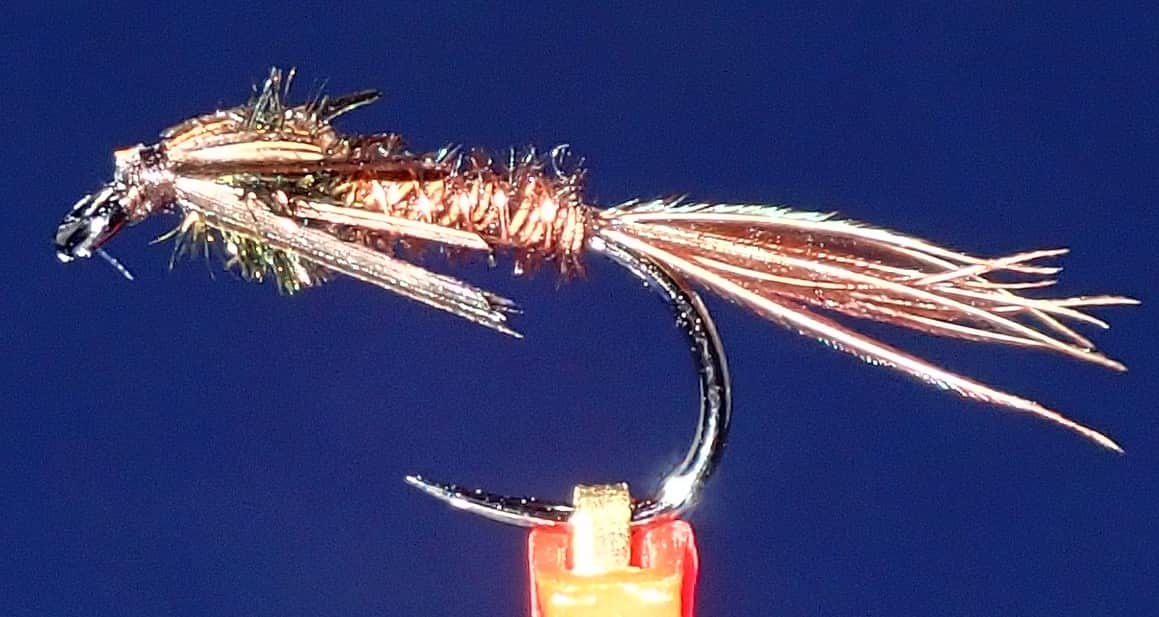
Perdigon, pheasant tail, hare's ear, zebra midge, stonefly

Use in riffles, buckets, and pocket water before fish commit to the surface.

Dries

BWO, caddis, sulphur, PMD, ant, beetle, small hopper

Use during visible hatches, spinner falls, or clear low-water sight fishing.

Streamers

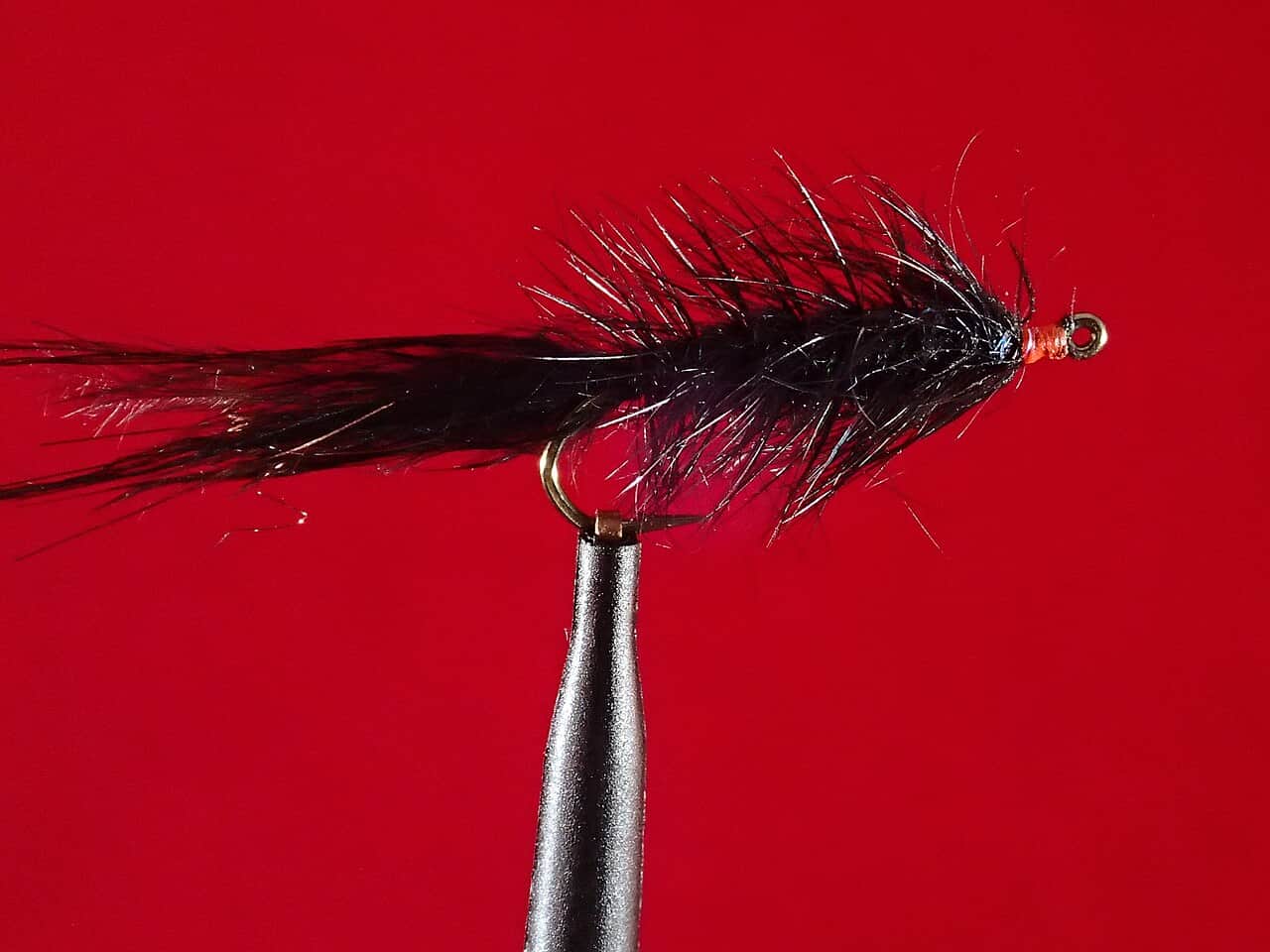
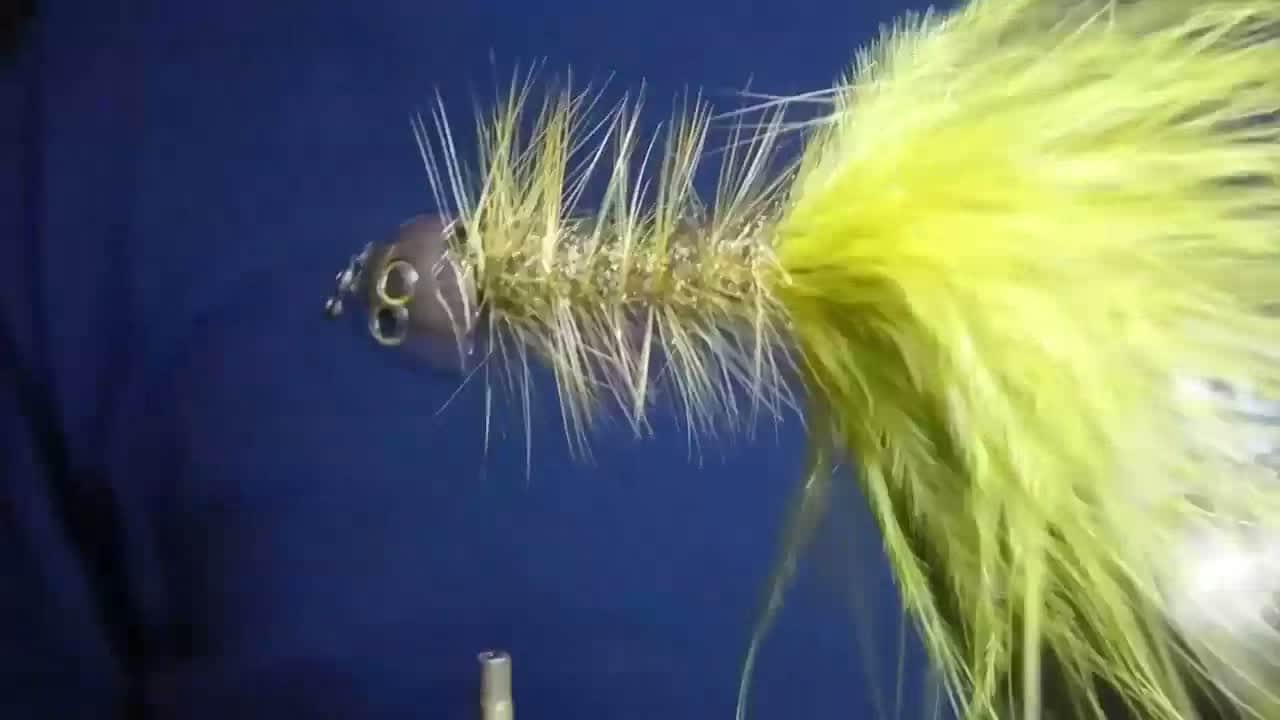
Sculpin, leech, olive bugger, crayfish, small baitfish

Use on bumps in flow, cloudy days, and deeper banks with cover.

Tactics

How to fish it

Fish the first good seam from a low profile before walking into the creek.

Use small nymphs, scuds or cressbug-style flies, and mayfly emergers in limestone feeding lanes.

Watch for risers before changing flies; presentation usually beats a louder pattern.

Use small streamers only when flow or light gives bigger trout a reason to move.

Carry a thermometer and end the trout plan when water temperature is too high.

Rigging

Rod, leader, and setup notes

A 4 or 5-weight with a long leader covers most Fishing Creek work.

Carry 5X and 6X for clear dry-fly water and 4X for nymphs or small streamers.

Use compact indicators or tight-line rigs to avoid dragging through short slots.

Keep a low-profile net and barbless hooks ready for quick release.

Access

Access and planning notes

Lamar gauge

Primary trout decision

Wade / float / trail

USGS gauge / wade check

When to pick it

Start here when flow, storm response, and trout temperature decide whether to fish near Lamar.

Caution

The gauge does not replace hatchery-property access rules, parking, or private-bank checks.

FWS Lamar access

Clear public access anchor

Wade / float / trail

Daylight walk-and-wade

When to pick it

Use it when you want the most clearly supported access plan for this page.

Caution

Confirm daylight use, property boundaries, trails, and current signs before fishing.

One technical trout reach

Efficient wade plan

Wade / float / trail

Short wade / careful drifts

When to pick it

Pick one legal reach when the creek is fishable but the better result comes from precise drifts rather than moving far.

Caution

Do not keep hopping banks if access or temperature already argues for a smaller plan.

Do not confuse this page with Fishing Creek near Bloomsburg.

Special-regulation water and private land require exact reach awareness.

Low clear limestone water rewards fewer steps and better angles.

Regulations

Check before fishing

Check PFBC summary book language for the Clinton County Fishing Creek special-regulation reaches before fishing.

Primary base

Lamar, Mill Hall, Lock Haven, or State College

Best day style

Limestone trout water, special-regulation reaches, roads, and private-access awareness

Check first

PFBC special-regulation reach language, USGS flow and temperature, access, and water temperature

Safety

Technical wading, private land, slippery limestone, and summer thermal stress

Gear

Helpful gear for this water

Four or five-weight rod

Covers most dry-fly, nymph, and dry-dropper work.

Six-weight or streamer rod

Useful for wind, higher water, and larger flies.

Thermometer

Use it before catch-and-release trout fishing in warm weather.

Wading staff

Helpful on slick bedrock, pocket water, and pushy tailwater edges.

Barbless-hook box

Speeds handling on wild trout and special-regulation water.

Nearby water

Other water to research

Backup logic

High or stained water

Compare Spring Creek, Little Juniata, or Pine Creek instead of forcing poor Lamar visibility.

Warm water

Fish only the coolest safe window or switch to colder limestone-influenced water.

Access uncertainty

Use the FWS-supported access or choose another stream rather than guessing around private banks.

Crowding

Fish a quieter legal reach or compare nearby central Pennsylvania trout options.

Little Juniata River

Another central Pennsylvania wild brown trout destination with technical tactics.

Pine Creek

A larger Pennsylvania trout and smallmouth plan.

Brodhead Creek

A Pocono trout comparison water with more fragmented public access.

FAQ

Fast answers

Is Fishing Creek fishable today?

Fishing Creek looks very fishable right now. The live score is 96/100, based on current flow, weather, public alerts, and the report's planning context. Recheck the linked gauge and forecast before leaving because conditions can change quickly after rain, heat, access changes, or flow swings.

What flow is best for Fishing Creek?

Use USGS 01548030 near Lamar as the primary live flow check. Stable, cool, readable water is best; sharp rises, stain, pushy runs, or warm summer afternoons should narrow or cancel the trout plan.

When should I skip Fishing Creek?

Skip or pivot when the creek is rising hard, visibility is poor, water is warm for trout handling, hatchery-property access rules or parking are uncertain, or storms are close enough to change the watershed quickly.

Is Fishing Creek safe to wade right now?

The fishability score is not a wading guarantee. Wade only where your chosen access has safe edges, clear footing, legal entry, and no forced crossings; high, rising, stained, or storm-affected water should be treated conservatively.

What should I check first before fishing Fishing Creek?

Check USGS 01548030, then confirm the current PFBC special-regulation reach and water temperature.

Where should a first-time visitor start on Fishing Creek?

Start with the Lamar and Tylersville-area planning context, but verify legal access before entering.

Can I wade Fishing Creek?

Yes at normal flows, but the creek can be technical, slick, and unforgiving when low or high.

What flies should I bring for Fishing Creek?

Bring the seasonal fly box, a few confidence nymphs or streamers, and enough tippet to change when flow, clarity, temperature, or pressure changes.