7-day U.S. Geological Survey chart
Recent flow
Discharge
86 cfs53 cfs
Oct 15Oct 22
Latest reading: 53 cfs. Stable over about 6 hours. Chart covers Oct 15 through Oct 22; readings are provisional and may be revised.
Best option: Wading. Wading is in play only where your chosen access has clear footing, legal entry, and no forced crossings.
Rating updatedRiver local time:
USGS shows 53 cfs. The flow has been stable over about 6 hours. USGS marks this reading provisional and may revise it. USGS records for this date (1958-2026, 69 readings) show a typical middle range of 22 cfs to 90 cfs. Flow is within the typical range for this date, so weather, temperature, and access become the next checks.
NWS air forecast near
Discharge
Latest reading: 53 cfs. Stable over about 6 hours. Chart covers Oct 15 through Oct 22; readings are provisional and may be revised.
Sunny
The National Weather Service forecast is temporarily unavailable.
Current U.S. Geological Survey gauge: Brodhead Creek near Analomink
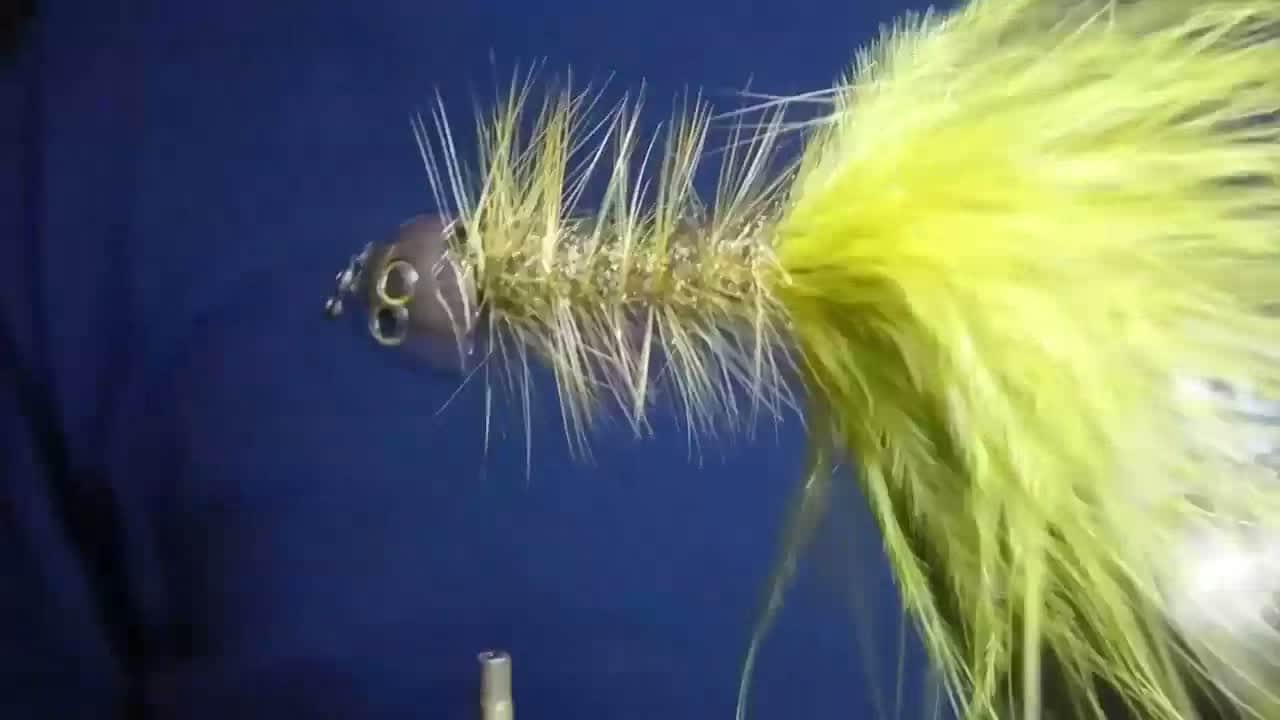
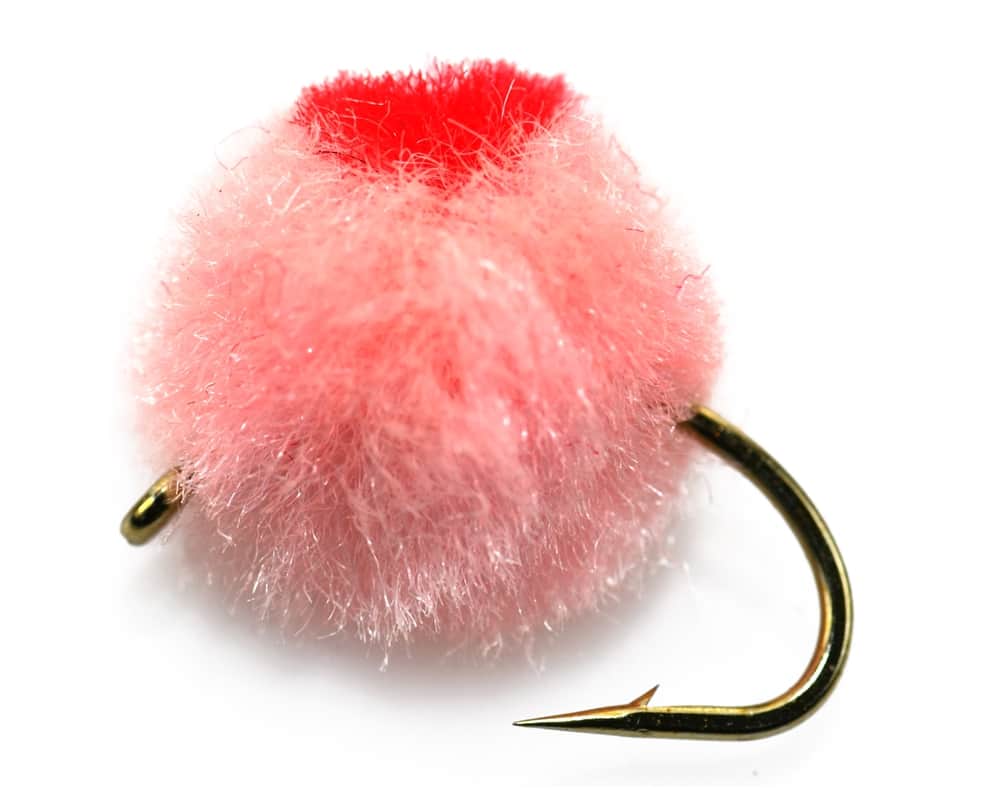
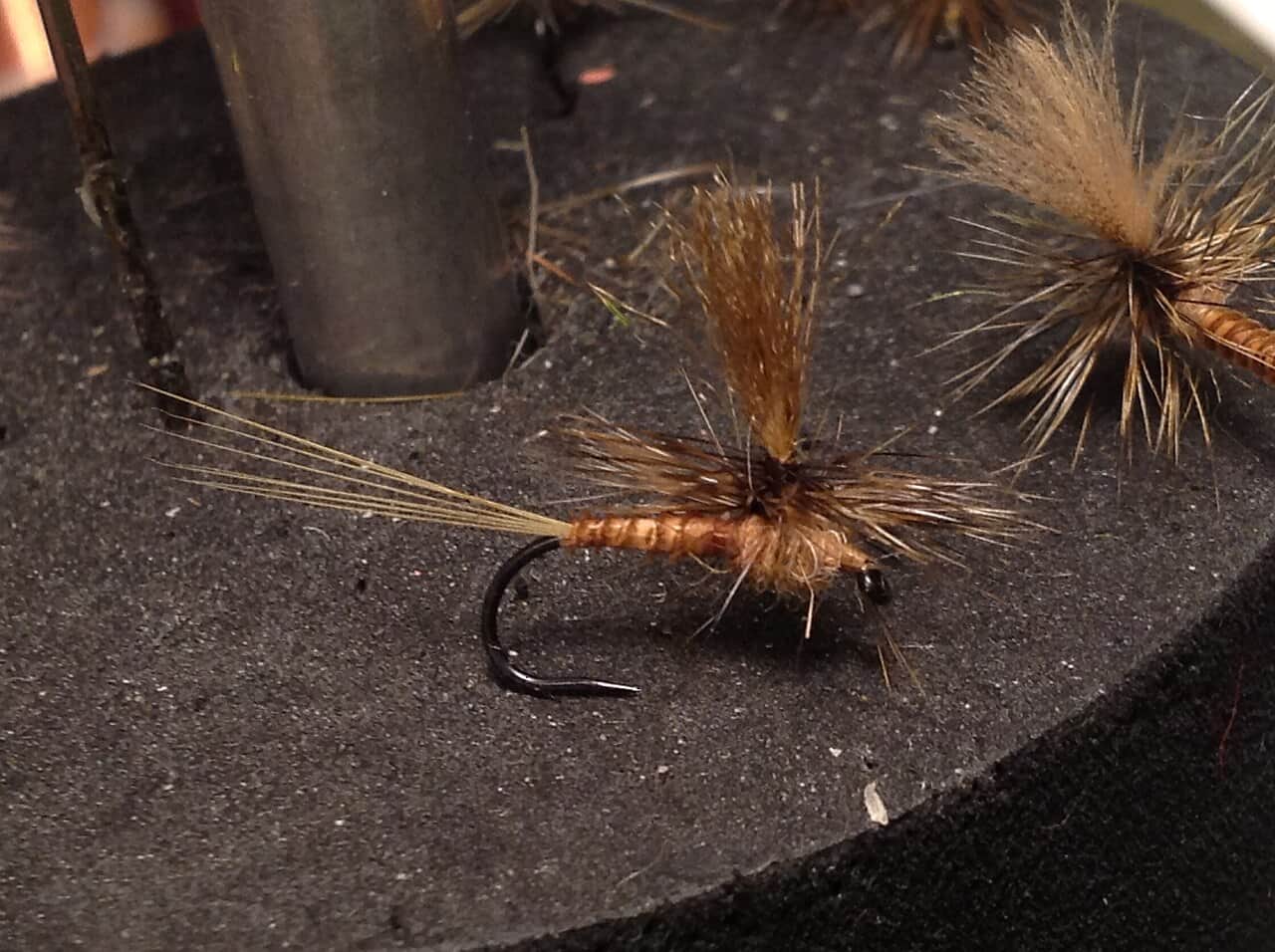
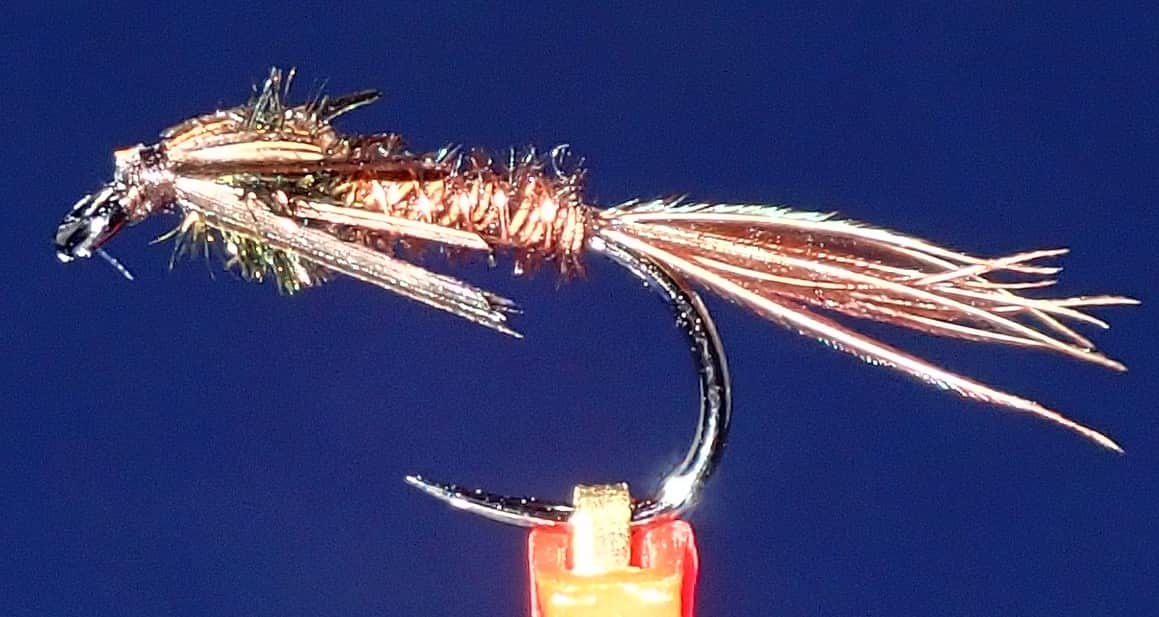
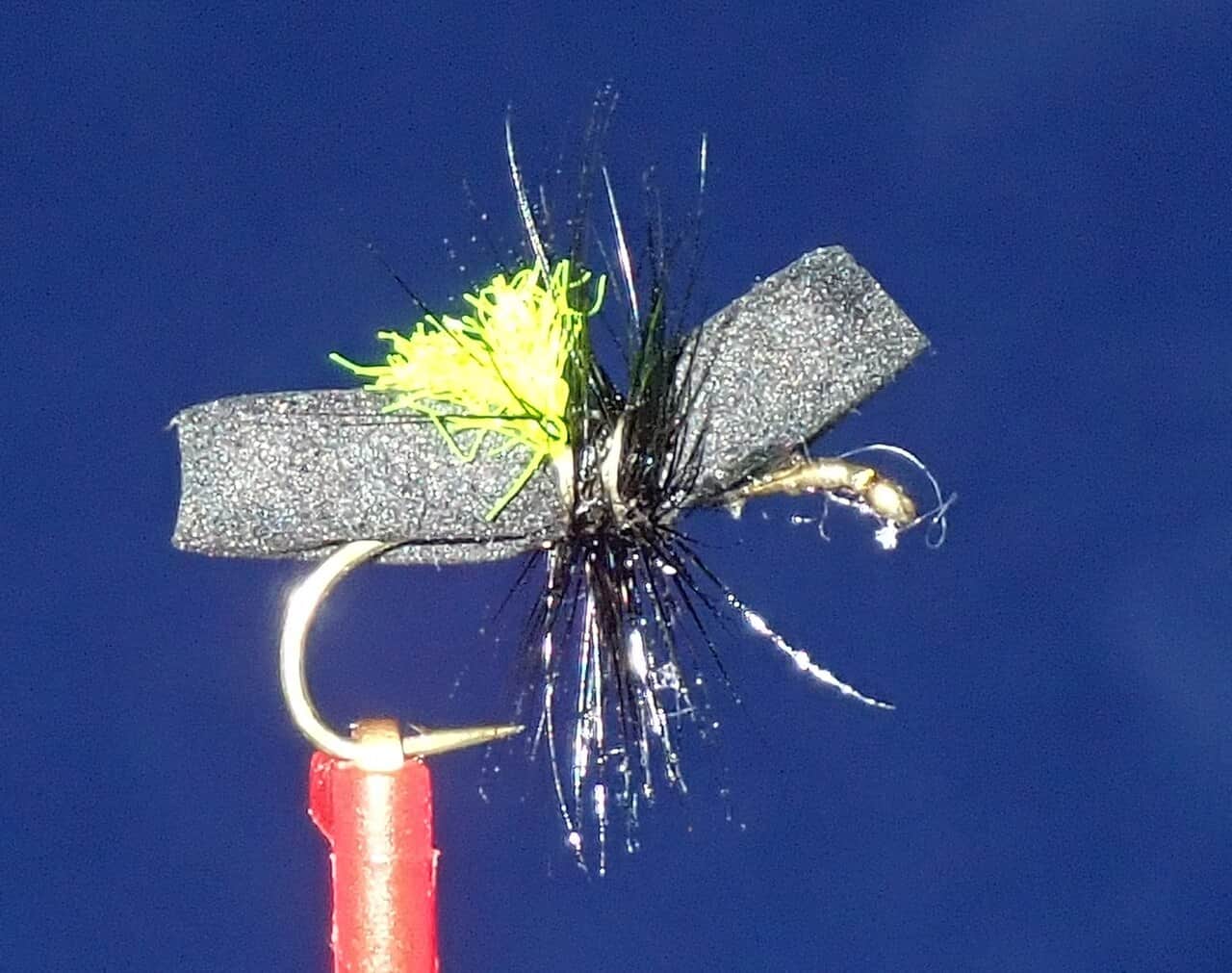
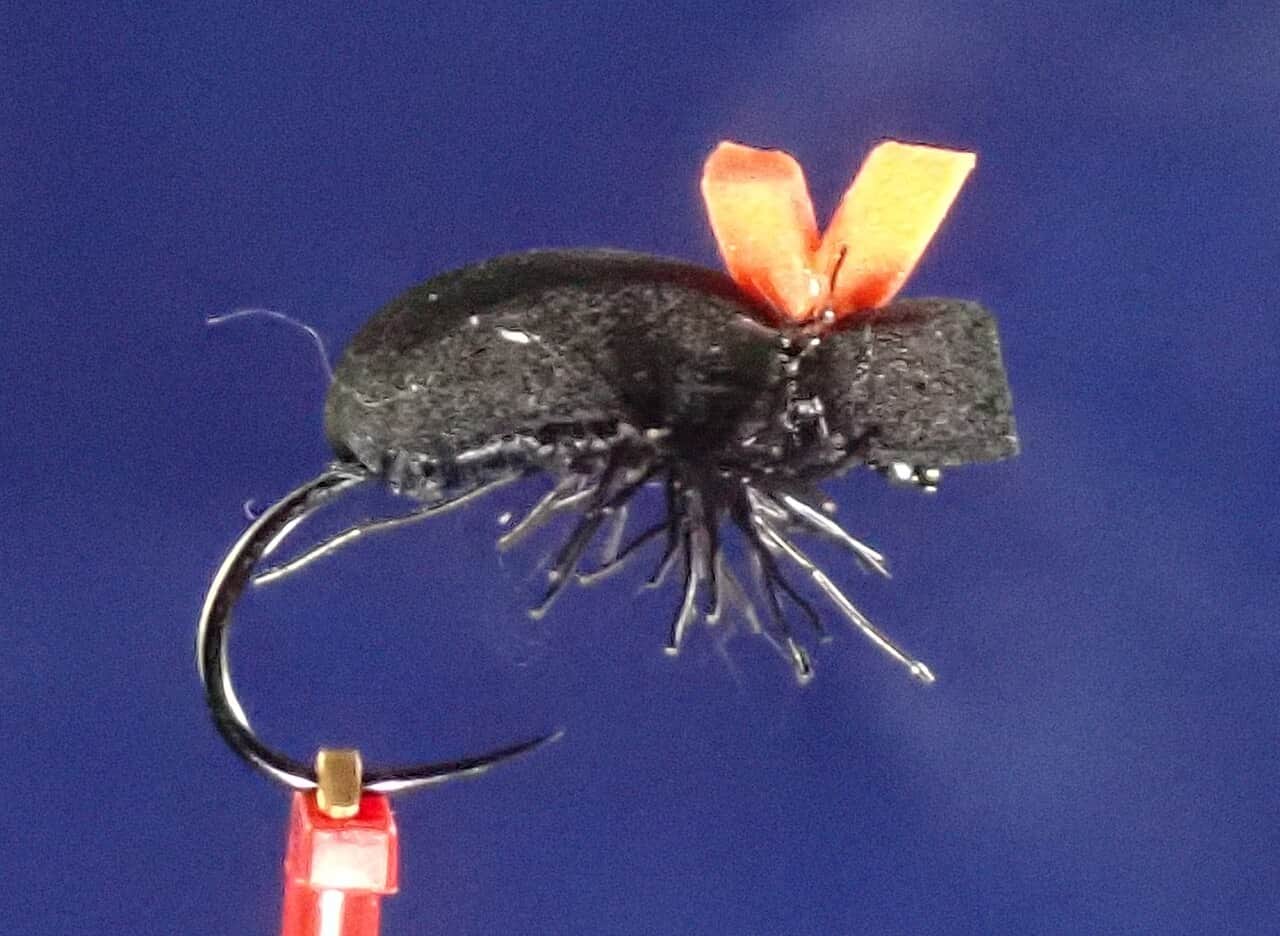
Seasonal starting points, not a live hatch report. Match what you see on the water.
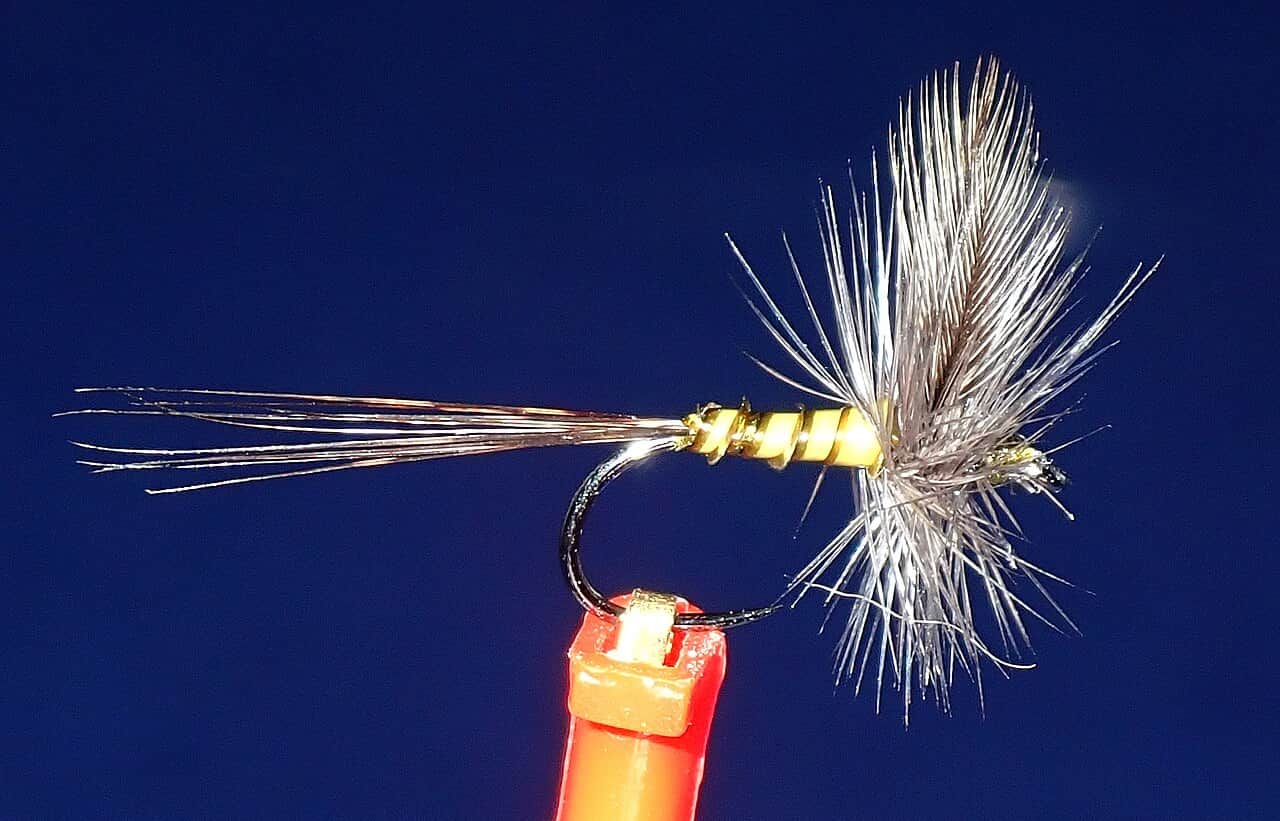
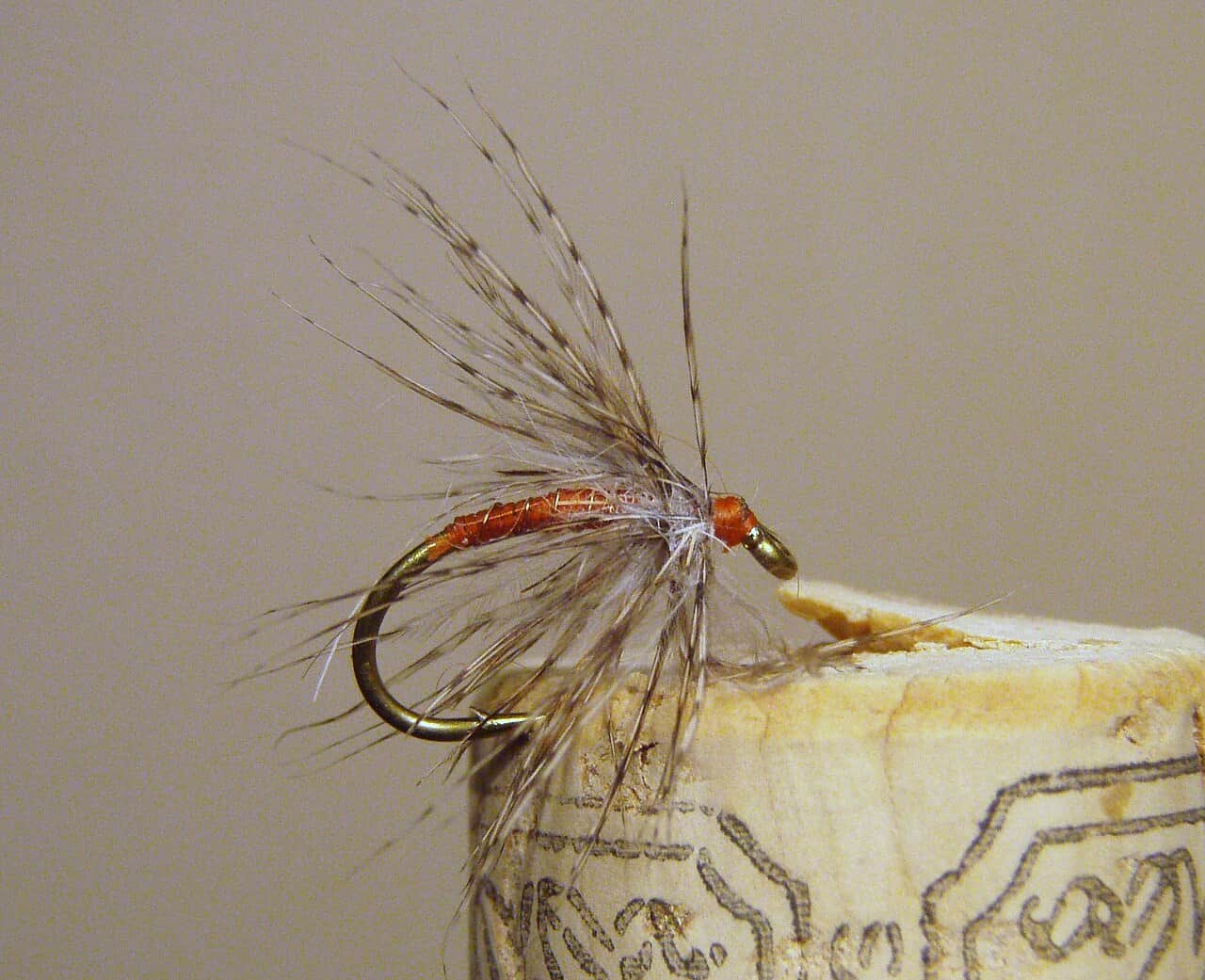
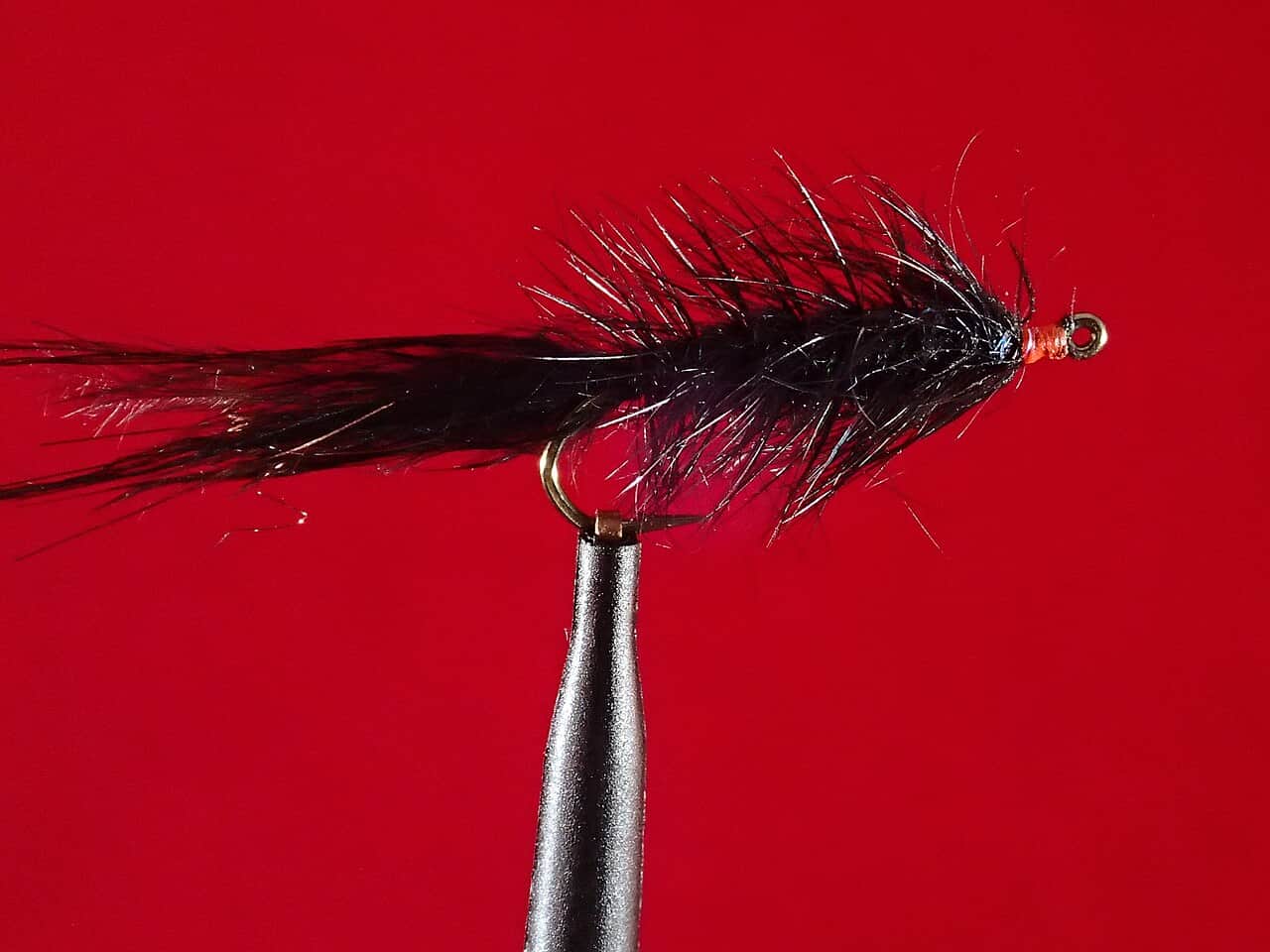
Also try Trico, dry-dropper
Each fly name opens its matching Fly Box guide.
Brodhead fishes best when flows are stable and cool. After heavy rain it can move quickly. During warm spells, treat trout stress as the main decision point.
Fish riffle buckets, boulder seams, and tailouts with nymphs and dry-droppers.
Use streamers and heavy nymphs from safe banks. Skip risky crossings.
Use long leaders, terrestrials, and a thermometer. Stop if water is warm.
Slow down with midges, stones, and compact nymph rigs in deeper buckets.
These scores compare the risks of wading, bank fishing, and floating.
Wading is in play only where your chosen access has clear footing, legal entry, and no forced crossings.
This report does not recommend bank fishing on this reach.
This report does not recommend floating this reach.
Is Brodhead Creek worth the trip today? Check flow, weather, hatches, access, and rules for Pennsylvania before you go.
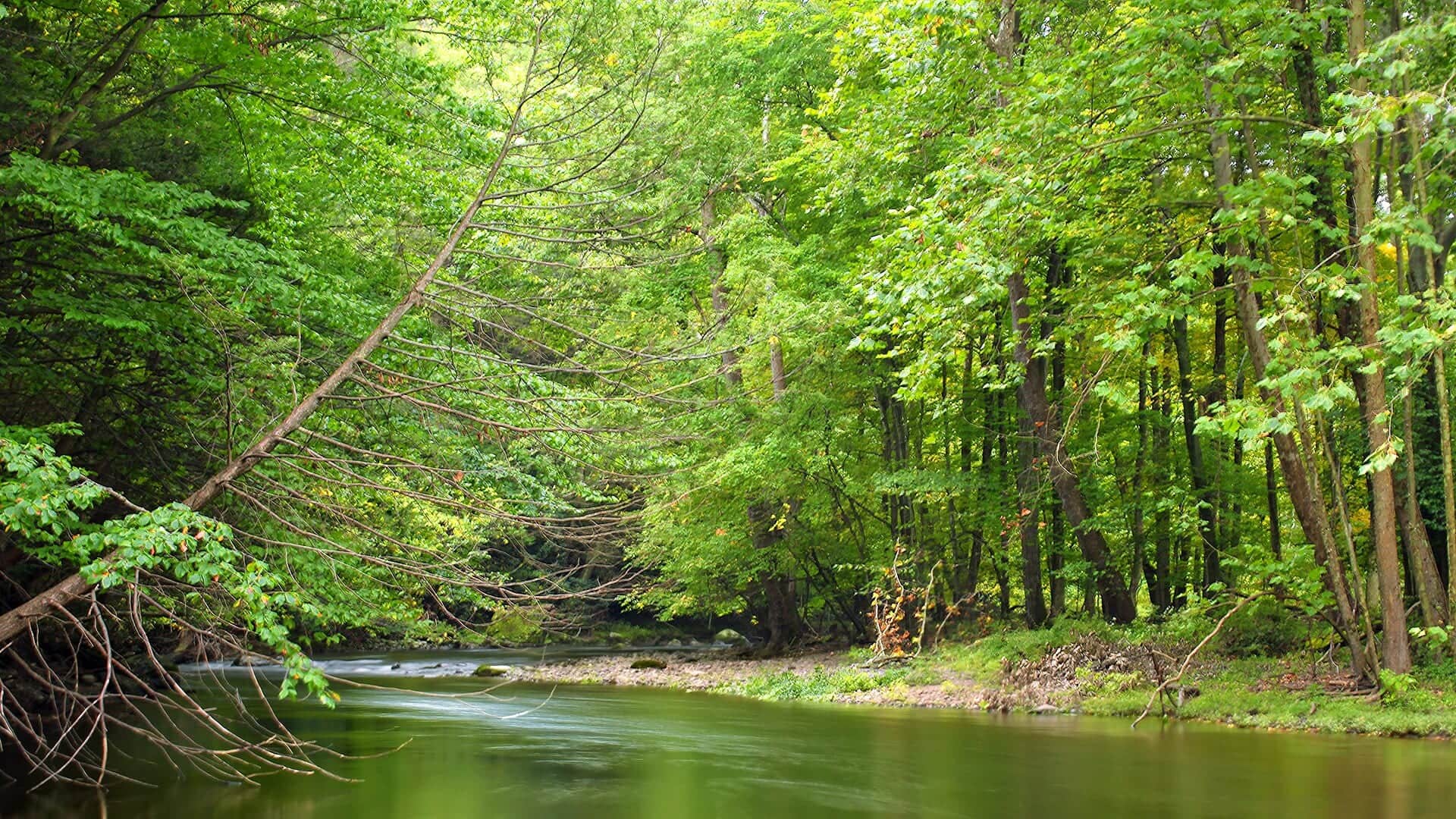
Brodhead Creek is a Pocono trout stream with useful public opportunities, but access is fragmented and some water is private or club controlled. Use the Analomink gauge and PFBC sources to pick a legal, temperature-aware plan.
USGS shows 53 cfs. The flow has been stable over about 6 hours. USGS marks this reading provisional and may revise it. USGS records for this date (1958-2026, 69 readings) show a typical middle range of 22 cfs to 90 cfs. Flow is within the typical range for this date, so weather, temperature, and access become the next checks.
Fall: Lower pressure and streamer windows after rain.
USGS water temperature is about 52.7F, and the rolling 24-hour high did not trigger a heat caution. USGS marks the temperature data provisional and may revise it.
No active NWS alert was returned for this forecast point.
Skip or pivot when the creek is rising, water is warm, legal access is uncertain, banks are posted, storms are nearby, or the current PFBC rule context for the reach has not been confirmed.
Use USGS 01440400 near Analomink as the primary live flow check. Stable cool water is best. Sharp rises, stain, pushy riffles, or warm summer afternoons should narrow or cancel the trout plan.
Skip or pivot when the creek is rising, water is warm, legal access is uncertain, banks are posted, storms are nearby, or the current PFBC rule context for the reach has not been confirmed.
Start with the Analomink gauge, PFBC rule and stocking sources, weather, and one verified public access choice. Fish near seams, riffle drops, shaded banks, and pool tails before moving far.
If Brodhead Creek is high, warm, crowded, or access-limited, compare Lackawanna River for urban tailwater context, McMichael Creek for another Pocono trout option, or Little Lehigh Creek for spring-creek style fishing.
Use these places as starting points. Open the access link below and check posted signs before you park or enter.
Check the current PFBC summary book, trout classifications, stocking data, and posted reach signs before fishing Brodhead Creek.
Useful for flow orientation and nearby trout planning.
Verify current public access before fishing. Do not rely on old club-water assumptions.
Smaller shaded streams may be a better choice during warm or high main river conditions.
Official agencies and primary river operators come first. Secondary tools are labeled so you know what carries the most weight.
Check what is allowed, where the rule applies, and whether the river is open.
Check the latest river reading and forecast before you leave.
Check public entry points, land rules, and seasonal access changes.
Check what is allowed, where the rule applies, and whether the river is open.
Open the current rules and check the river section, season, and special limits.
Open the current rules and check the river section, season, and special limits.
Open the current rules and check the river section, season, and special limits.
Check the latest river reading and forecast before you leave.
Open this page and check the latest safety advice before your trip.
Open this river reading to check the latest level, flow, and update time.
Check public entry points, land rules, and seasonal access changes.
Open the land or access page, then check signs before you park or enter.
What was checked: This Brodhead Creek report is maintained from Pennsylvania Fish and Boat Commission regulations, trout classification and stocking sources, USGS Analomink flow data, weather, media-credit, and Pocono freestone trout planning sources.
Live measurements and forecasts keep their provider timestamps. Rules, access, and trip guidance use the source-review date shown here. BlueStreamFly planning advice is editorial interpretation, not an agency notice.
First-hand experience: BlueStreamFly does not claim a first-hand visit or local field test for this report unless a real contributor is explicitly named and linked.
Check USGS 01440400, then confirm current PFBC rules, stocking or special fishing rule sections, and water temperature.
Start with verified public access near Analomink or Stroudsburg instead of assuming every bridge has legal water.
Yes in many flows, but high water and slick freestone footing make conservative wading important.
Bring the seasonal fly box, a few confidence nymphs or streamers, and enough tippet to change when flow, clarity, temperature, or pressure changes.