Allegheny River at Emlenton Pennsylvania

Pennsylvania / Northeast

Allegheny River

An Allegheny River report for the Kinzua tailwater, stocked trout, smallmouth backup plans, dam-release safety, flies, and regulations.

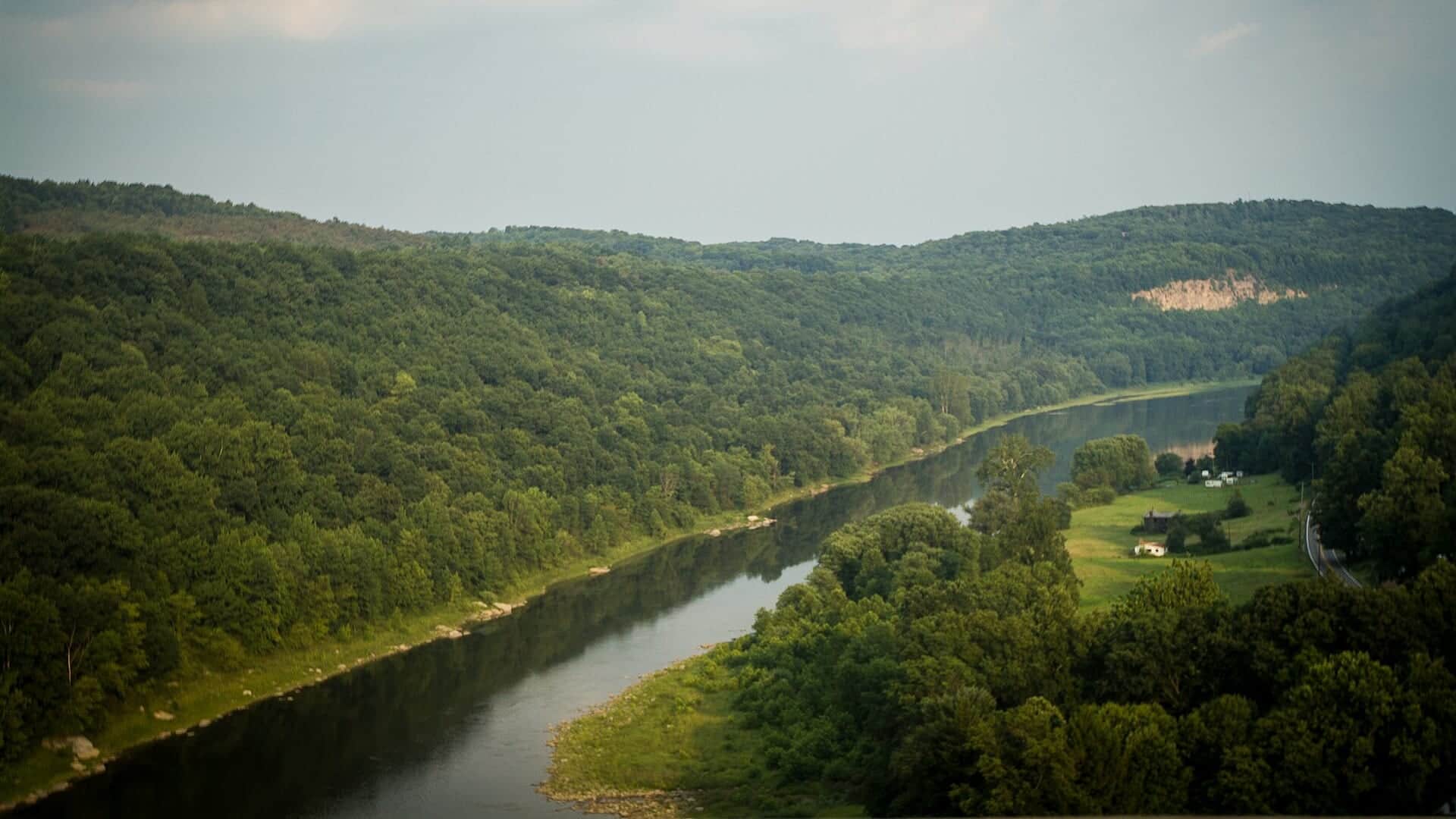
Image: Allegheny River Emlenton Pennsylvania 7695534816 / CC BY-SA 3.0 / Tony Webster

Fishability now: Allegheny River fishability today

GreatData confidence: High

96/100

Fishable now because Kinzua Dam gauge is falling, weather is usable, and no public alert is active.

Flow observed

5:00 PM UTC

Weather observed

5:00 PM UTC

Score calculated

5:25 PM UTC

Why this rating

Flow

Water temperature

Public alerts

Next 6-12 hours

Improving / hold

A falling gauge and usable weather should keep the next 6-12 hours in play unless tributaries stain or heat builds.

More planning details: flies, flow bands, and live source checks

Fish it today

Start here

Start with the Kinzua gauge, PFBC regulations, trout classification context, and the Allegheny water-trail page. Decide whether the day is a tailwater trout plan near Warren or a broader warmwater float plan downstream.

Best flow clue

Use USGS 03012550 at Kinzua Dam as the primary release check. Stable moderate flows can open trout seams and edges; rising or heavy releases should move the plan to banks, boats, or another river.

Skip trigger

Skip or pivot when releases are rising, wading exits are unsafe, cold-water exposure is a concern, storms are building, or the exact PFBC special-regulation reach has not been confirmed.

Flow decision bands

Stable tailwater window

Stable Kinzua release flow can support trout edges, bank fishing, or a controlled float when the chosen reach and target species match the conditions.

Best release check

A steady or slowly easing Kinzua Dam trend with manageable weather is the best signal for deciding whether to wade, bank fish, or float.

Rising or heavy release

Rising releases, cold pushy water, poor exits, or boat-control concerns should move the day to banks, boats, or another river.

Species or reach mismatch

A fishable graph still becomes a weak call when the trout reach, warmwater target, or special-rule context has not been sorted.

USGS flow

1,730 cfs

Open

Current trend: flow falling, rating likely holding strong unless weather or clarity changes.

Live USGS flow

1,730 cfs / falling about 22%

Live NWS forecast

73F / Sunny

Live water temperature

62F from USGS

No NWS alert flag

No active NWS alert was returned for this forecast point.

Primary waterKinzua Dam tailwater to Warren and Conewango Creek context
Flow checkUSGS 03012550 Allegheny River at Kinzua Dam
Access styleTailwater, water-trail, boat, and selective wade access
ReviewedJune 1, 2026

USGS 03012550 is the primary release check for the tailwater.

PFBC special-regulation trout language applies to a defined reach; downstream water is a different plan.

Trout tactics are strongest around seams, buckets, and cooler release influence.

Smallmouth, walleye, and musky context becomes more important farther downstream and in warmer periods.

Editorial review

How this report is maintained

This Allegheny River report is maintained from Pennsylvania Fish and Boat Commission regulations, trout classification information, PFBC Allegheny water-trail access guidance, USGS Kinzua Dam flow data, weather, media-credit, and upper Allegheny tailwater planning sources.

Byline

BlueStreamFly editorial team

Reviewed by

BlueStreamFly source review

Maintained by

Mountain Brook Run LLC

Last material review

2026-06-01

Report confidence

Good confidence

87/100

Good confidence: Pennsylvania regulation sources, PFBC trout classification context, PFBC Allegheny water-trail access, USGS Kinzua Dam flow, weather coverage, image credit, and route-specific tailwater planning support the page. Confidence is moderated by dam-release changes, broad river scope, boat traffic, cold-water safety, and reach-specific trout rules.

Regulations

Pennsylvania fishing regulations and PFBC trout classification sources support the current rule-check path.

Access

PFBC Allegheny water-trail information provides a strong public access and float-planning framework.

Flow and weather

USGS 03012550 at Kinzua Dam and the National Weather Service point provide strong live planning support for release, weather, and safety decisions.

Fishing usefulness

The page now separates Kinzua release checks, wade-versus-float decisions, trout versus warmwater planning, cold-water skips, and backup-water choices.

Fishability dashboard and source review

2026-06-01 / material content or source review

Pennsylvania fishing regulations, PFBC trout classification information, PFBC Allegheny water-trail access guidance, USGS 03012550 at Kinzua Dam, the National Weather Service point, and image credit were checked before updating the current-fishability decision layer.

2026-06-01

Updated Allegheny River to the current fishability-page standard with Kinzua release bands, water-trail access cards, backup cues, stable fishability SEO, and confidence signals.

2026-05-28

Added upper Allegheny trip fit, Kinzua release planning, trout-versus-warmwater decision guidance, water-trail access nuance, high-release skip cues, backup-water suggestions, editorial review signals, and a page-specific report-confidence meter after source review.

2026-05-25

Initial source-reviewed report published with flow, weather, hatches, flies, tactics, access, regulations, and FAQs.

Angler planning edge

Local details that change the plan

Best for

Upper Allegheny anglers planning Kinzua Dam tailwater trout, selective wade, bank, or water-trail float days around release flow, Trips where PFBC rules, trout classifications, dam release, cold water, and big-river safety need a check before fishing, Nymph, soft-hackle, streamer, smallmouth, and boat-supported plans when flow and temperature fit the target species, Anglers comparing the Allegheny with Clarion River, Little Juniata River, or Oil Creek before choosing a Pennsylvania plan

Wade or float

Treat the Allegheny as a big tailwater first and a trout report second. Kinzua release, cold water, boat traffic, and safe exits should decide whether to wade, fish banks, or float.

Best flows

Use USGS 03012550 at Kinzua Dam as the primary release check. Stable moderate flows can open trout seams and edges; rising or heavy releases should move the plan to banks, boats, or another river.

When to skip

Skip or pivot when releases are rising, wading exits are unsafe, cold-water exposure is a concern, storms are building, or the exact PFBC special-regulation reach has not been confirmed.

Local plan

Start with the Kinzua gauge, PFBC regulations, trout classification context, and the Allegheny water-trail page. Decide whether the day is a tailwater trout plan near Warren or a broader warmwater float plan downstream.

Pressure

Pressure concentrates near obvious tailwater access and good release windows. Moving to softer edges or changing the species plan can be better than forcing a crowded trout slot.

Access nuance

PFBC water-trail guidance supports public planning, but exact launch, takeout, bank, and wading decisions still depend on current release, parking, and local conditions.

Backup water

If the Allegheny is high, crowded, too cold, or not matching the trout plan, compare Clarion River for mixed float fishing, Oil Creek for smaller trout water, or Little Juniata River for a more technical trout day.

About the river

Setting, character, and why it fishes the way it does.

The Allegheny below Kinzua Dam is a large Pennsylvania river with both tailwater trout opportunity and classic big-river warmwater fishing. That mix is useful, but it can confuse anglers who expect one uniform fly-fishing experience.

Near the dam and Warren, cold releases support trout-oriented fishing in defined water. Downstream, the river becomes more of a float, smallmouth, walleye, and musky system where fly tactics change with season and clarity.

A strong first trip starts with the release gauge, not a fly pattern. If the river is high, treat it with respect and look for safe edges, boat options, or a smaller backup stream.

Target species

Brown and rainbow trout

Important below Kinzua Dam and in PFBC-managed trout water.

Smallmouth bass

A major warmwater fly target when water warms and clarity allows.

Walleye and musky

Present in the broader system; use proper tackle and harvest-advisory awareness.

Reading the water

Low to moderate release

Fish seams, ledges, soft banks, and tailouts with nymphs, soft hackles, and streamers.

High release

Avoid risky wading. Focus on bank edges, boat plans, or a different river.

Clear summer water

Shift toward smallmouth poppers, crayfish, baitfish, and early or late light.

Cold gray days

Nymph buckets slowly and swing soft hackles or small streamers through softer tailouts.

Best seasons

Spring

Strong trout and hatch potential when release levels are fishable.

Early summer

Trout mornings and smallmouth afternoons can both be in play.

Late summer

Warmwater fly fishing becomes the safer and more useful plan.

Fall

Cooling water improves streamer and trout confidence.

USGS flow

Allegheny River at Kinzua Dam

This is the fallback for rivers that are not covered by RiverReports. Use the official USGS monitoring page for the live hydrograph, station metadata, and current water trend.

Open USGS gauge

USGS data chart

Allegheny River at Kinzua Dam

Streamflow over the latest USGS reporting window.

Latest

1,730 cfs

Jun 3, 5 PM UTC

Site

03012550

Low / high

1,730 / 4,350 cfs

Source

Open USGS

Weather

River weather report

Weather can change wading safety, road access, water temperature, hatches, and the best time of day to fish.

Live forecast loads as you reach this section

This keeps the report fast while still using the official National Weather Service forecast point.

Hatches and flies

Hatch chart and fly picks

January to March

Midges, little black stones, BWOs, and slow nymph windows

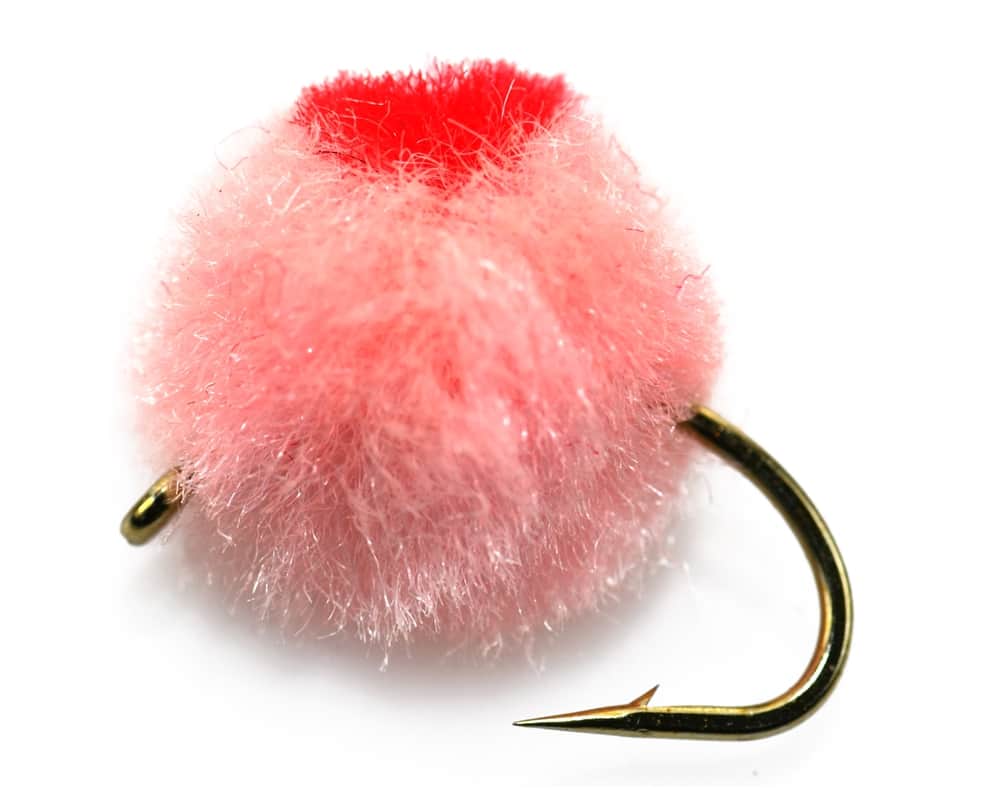
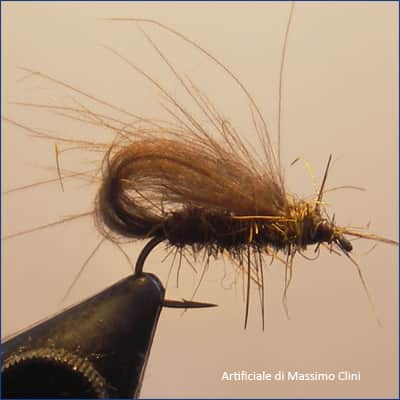
Zebra midge, black stonefly nymph, BWO emerger, perdigon, small egg

April to June

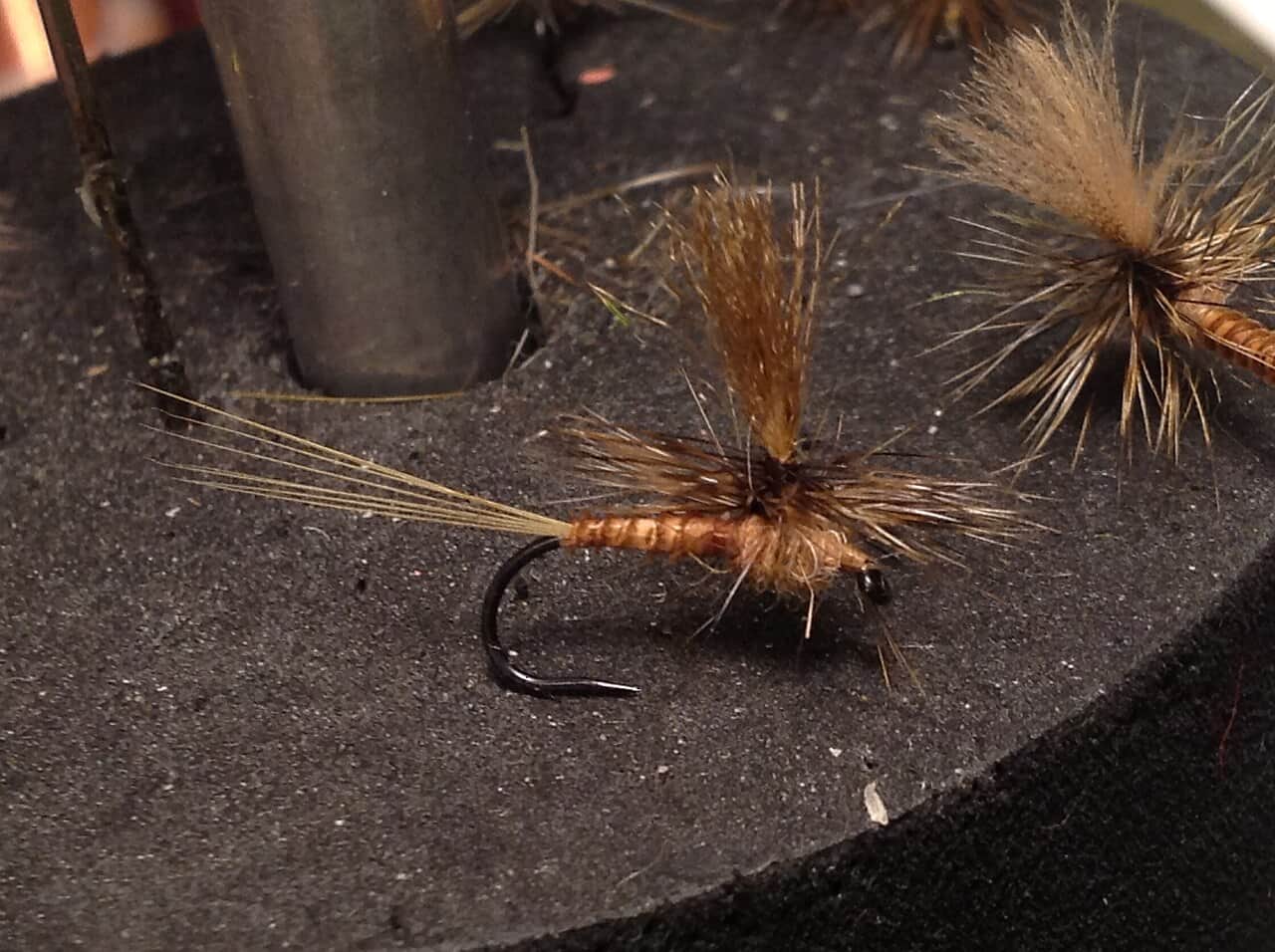
Hendricksons, March Browns, sulphurs, caddis, BWOs, and spinner falls

Hendrickson, March Brown, sulphur emerger, caddis pupa, pheasant tail

July to September

Tricos where present, ants, beetles, hoppers, and shade-line terrestrials

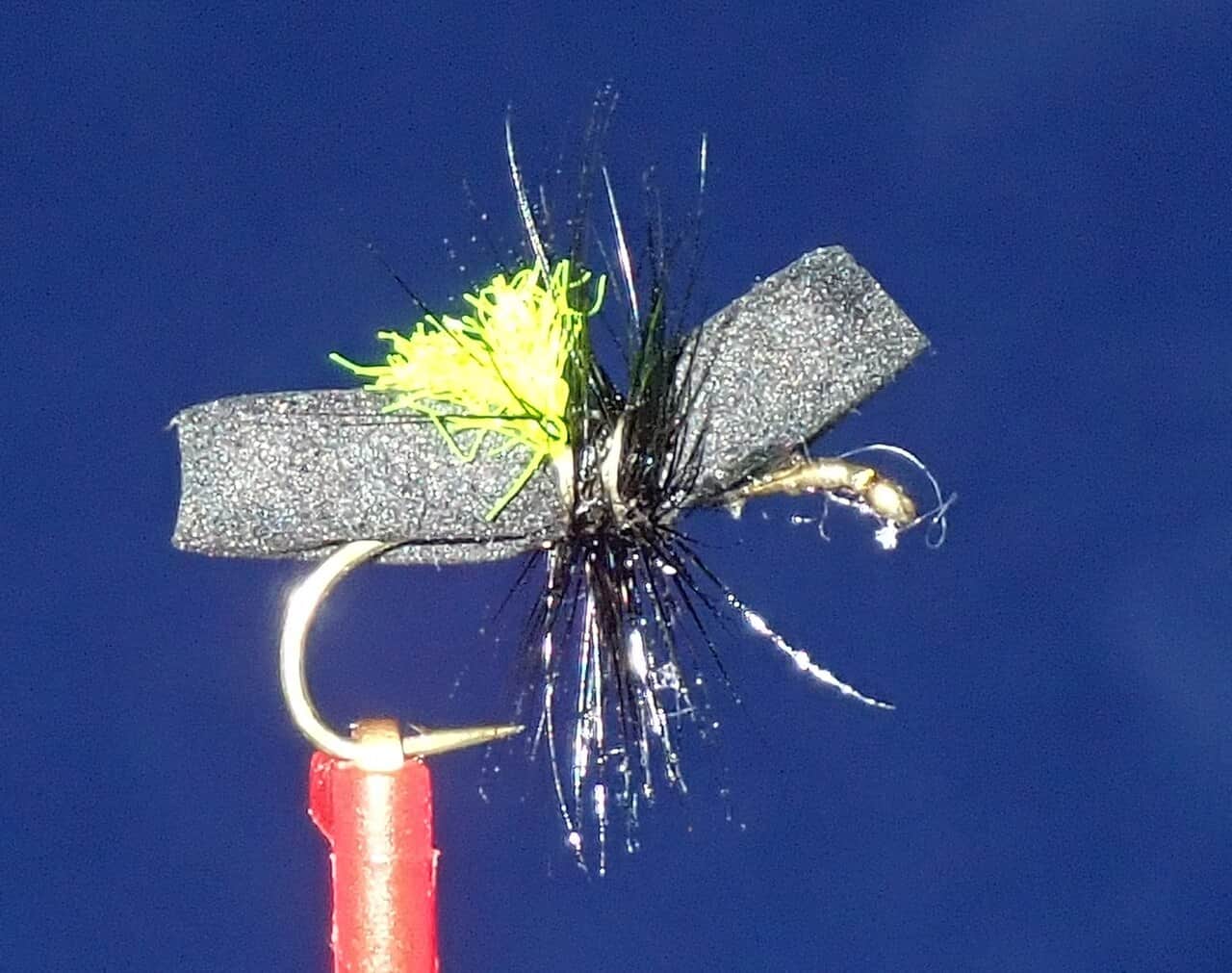
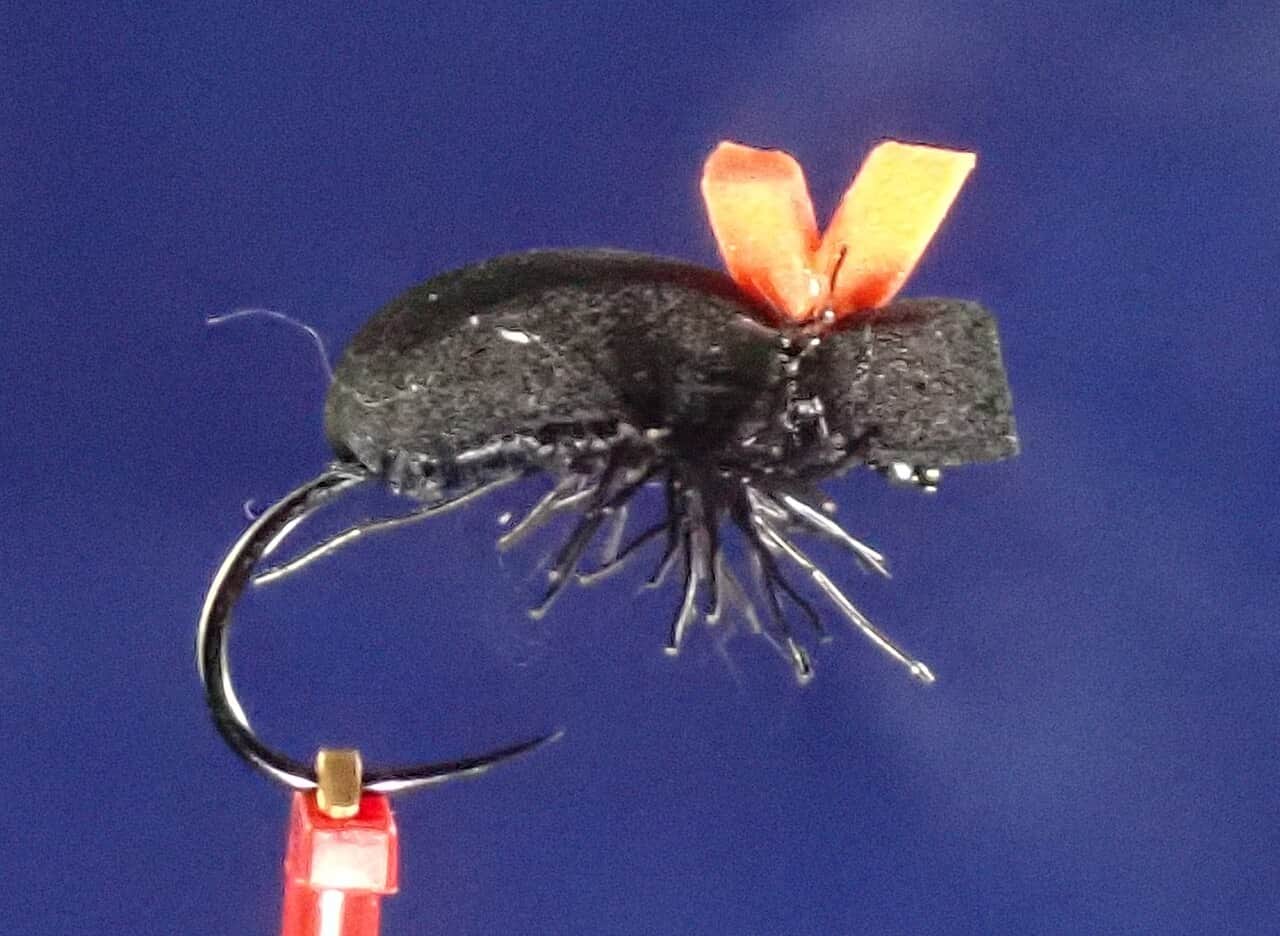
Trico, ant, beetle, small hopper, dry-dropper, small jig nymph

October to December

BWOs, midges, caddis remnants, and streamer windows after rain

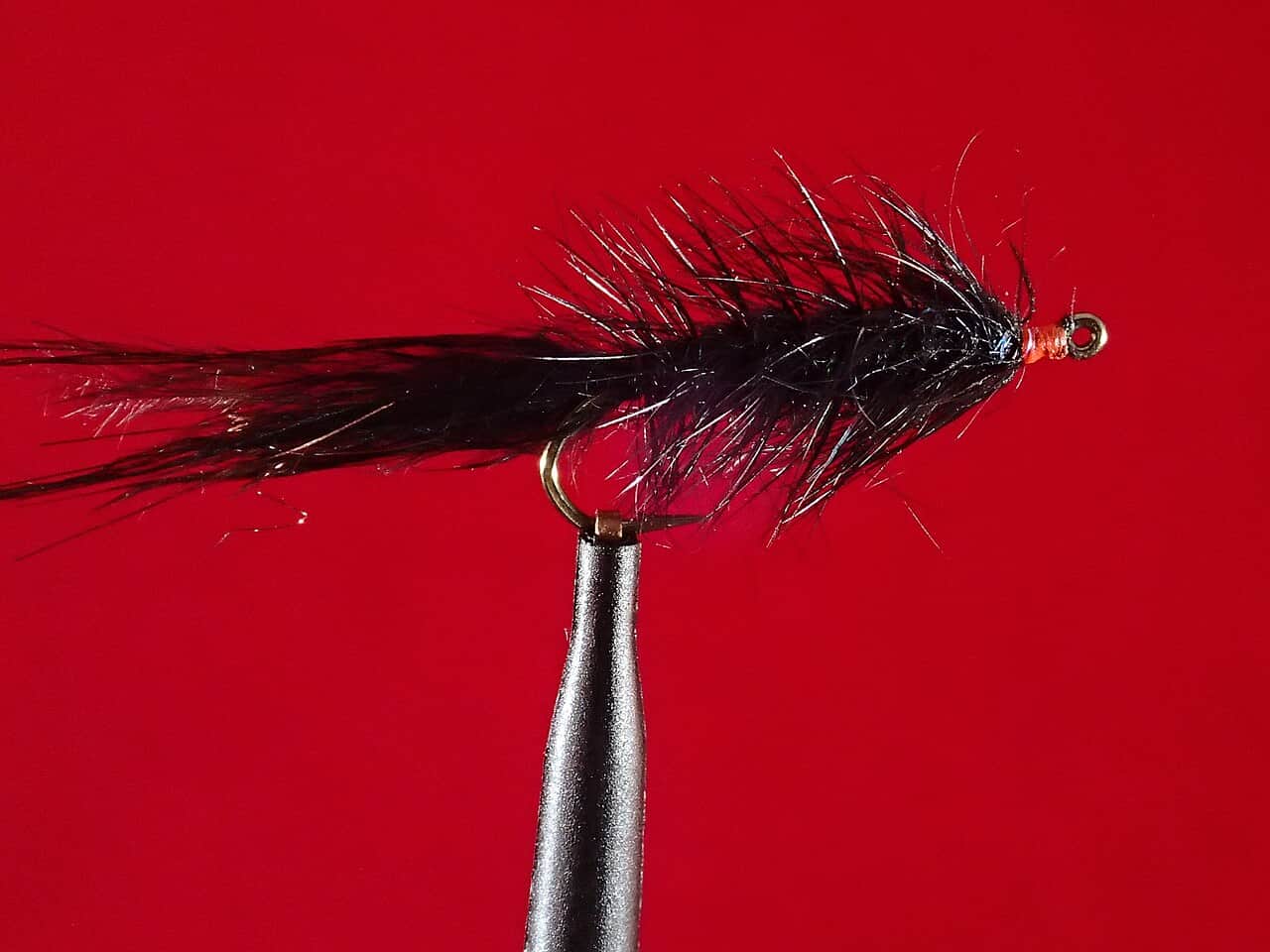
BWO emerger, zebra midge, soft hackle, olive bugger, sculpin

Nymphs

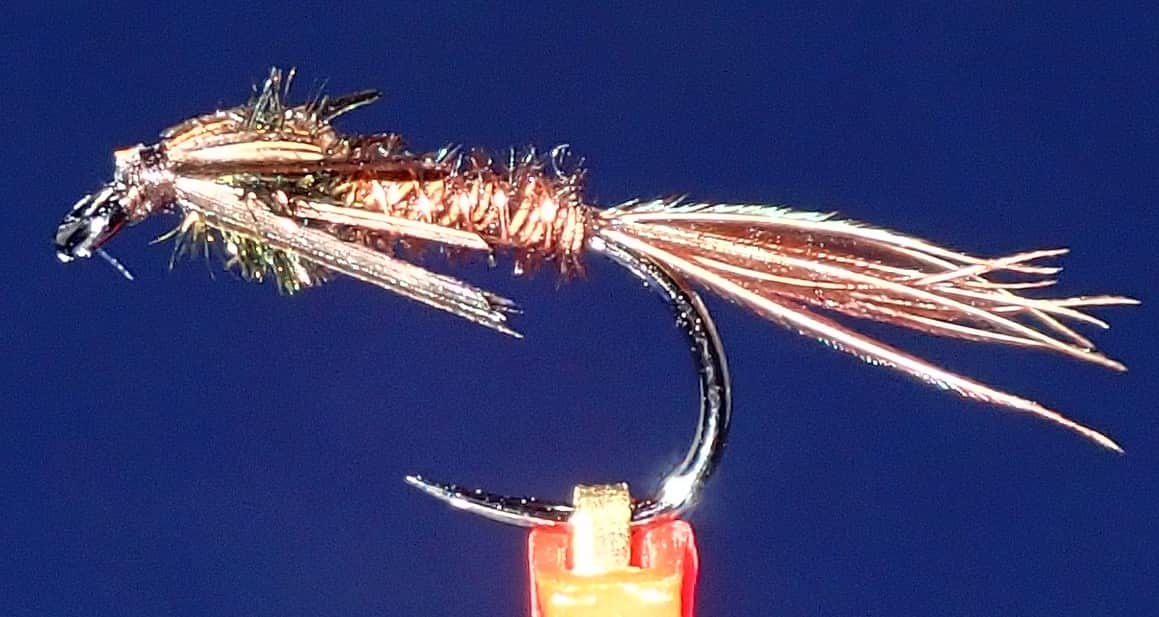
Perdigon, pheasant tail, hare's ear, zebra midge, stonefly

Use in riffles, buckets, and pocket water before fish commit to the surface.

Dries

BWO, caddis, sulphur, PMD, ant, beetle, small hopper

Use during visible hatches, spinner falls, or clear low-water sight fishing.

Streamers

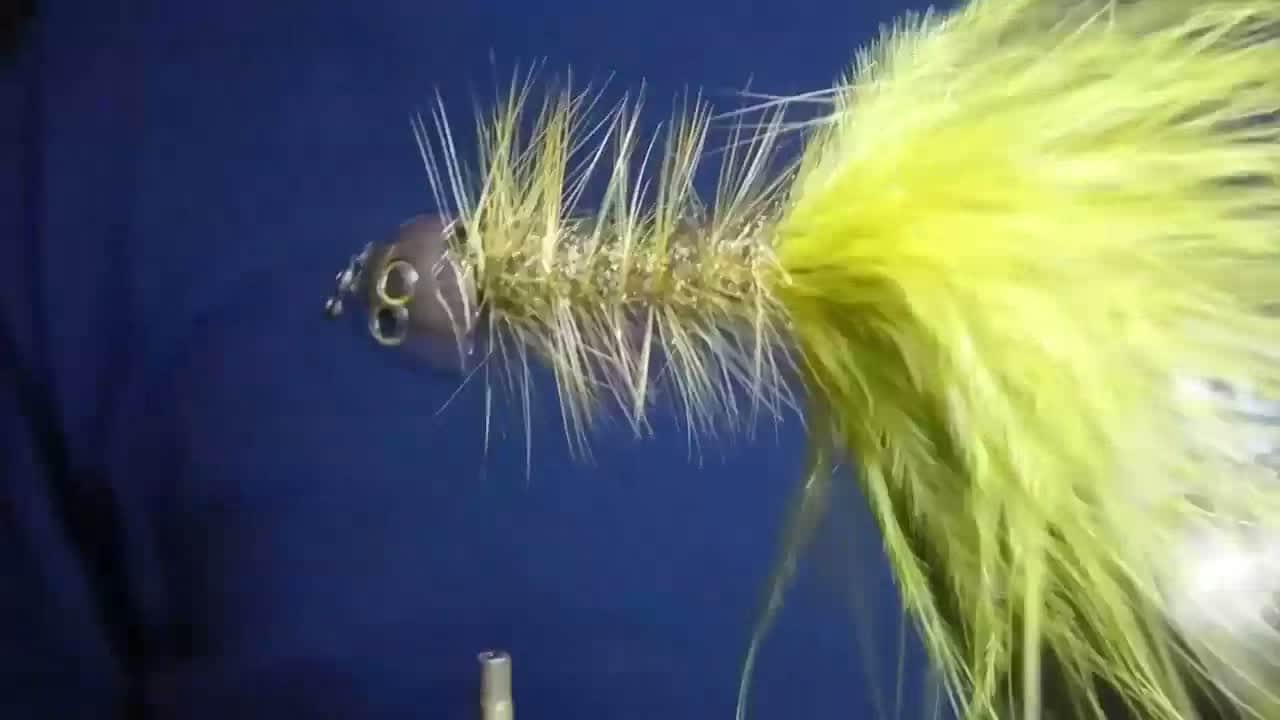
Sculpin, leech, olive bugger, crayfish, small baitfish

Use on bumps in flow, cloudy days, and deeper banks with cover.

Tactics

How to fish it

Check release first, then choose a bank, boat, or wade plan.

Nymph inside seams and depth breaks with stoneflies, caddis pupa, and mayfly nymphs.

Swing soft hackles on steady flows when trout are feeding but not rising clearly.

Use baitfish and crayfish streamers for smallmouth or larger trout when water has color.

Do not stand in a tailwater slot you cannot exit quickly if flow changes.

Rigging

Rod, leader, and setup notes

A 5 or 6-weight covers trout nymphing and light streamers.

A 7-weight is useful for smallmouth streamers, sinking tips, and wind.

Carry 3X to 5X for trout and stronger leaders for bass or musky-adjacent streamer water.

Use enough split shot to tick bottom in tailwater seams without dragging the whole rig.

Access

Access and planning notes

Kinzua Dam gauge

Primary release decision

Wade / float / trail

Tailwater gauge / safety check

When to pick it

Start here when release timing and cold big-river flow decide whether the day is wadeable, bank-only, or float-oriented.

Caution

The release check does not replace safe exits, cold-water gear, or current local reach conditions.

PFBC Allegheny water trail

Boat and bank planning

Wade / float / trail

Water trail / float / bank

When to pick it

Use it when launch, takeout, bank, and corridor planning are as important as the flow number.

Caution

Confirm ramps, parking, boat traffic, and current hazards before committing to a float.

Trout versus warmwater plan

Method and reach filter

Wade / float / trail

Wade / bank / float

When to pick it

Pick this when the river is fishable but the right answer depends on target species and reach choice.

Caution

Do not force a trout plan into a reach or temperature window that fits warmwater fishing better.

Big-river access does not mean safe wading access.

PFBC water-trail material is useful for ramps, logistics, and reach planning.

Check consumption advisories if keeping warmwater fish.

Regulations

Check before fishing

Check the current PFBC summary book for Allegheny River special-regulation trout reach details, harvest rules, Lake Erie or warmwater differences, and statewide rules.

Primary base

Warren, Kinzua Dam, or Allegheny National Forest

Best day style

Tailwater, water-trail, boat, and selective wade access

Check first

Dam release, PFBC summary book, water-trail access, temperature, and wading safety

Safety

Dam releases, big-water current, cold water, boat traffic, and deep tailwater edges

Gear

Helpful gear for this water

Four or five-weight rod

Covers most dry-fly, nymph, and dry-dropper work.

Six-weight or streamer rod

Useful for wind, higher water, and larger flies.

Thermometer

Use it before catch-and-release trout fishing in warm weather.

Wading staff

Helpful on slick bedrock, pocket water, and pushy tailwater edges.

Barbless-hook box

Speeds handling on wild trout and special-regulation water.

Nearby water

Other water to research

Backup logic

Heavy release

Shift to banks or a boat plan, or compare Oil Creek or Little Juniata if the goal is wade-first trout.

Cold-water or exit risk

Skip wading and choose safer bank water until release and exit conditions match your gear and plan.

Crowding

Move away from the obvious tailwater access or choose a nearby trout option rather than forcing a crowded slot.

Rule uncertainty

Check the exact PFBC reach before fishing; if the species and method rules are unclear, simplify the plan or move rivers.

Clarion River

A nearby western Pennsylvania smallmouth and trout-context river.

Pine Creek

A Pennsylvania trout and smallmouth benchmark with a different canyon feel.

Laurel Hill Creek

A smaller Laurel Highlands trout option when big river flows are too much.

FAQ

Fast answers

Is Allegheny River fishable today?

Allegheny River looks very fishable right now. The live score is 96/100, based on current flow, weather, public alerts, and the report's planning context. Recheck the linked gauge and forecast before leaving because conditions can change quickly after rain, heat, access changes, or flow swings.

What flow is best for Allegheny River?

Use USGS 03012550 at Kinzua Dam as the primary release check. Stable moderate flows can open trout seams and edges; rising or heavy releases should move the plan to banks, boats, or another river.

When should I skip Allegheny River?

Skip or pivot when releases are rising, wading exits are unsafe, cold-water exposure is a concern, storms are building, or the exact PFBC special-regulation reach has not been confirmed.

Is Allegheny River safe to wade right now?

The fishability score is not a wading guarantee. Wade only where your chosen access has safe edges, clear footing, legal entry, and no forced crossings; high, rising, stained, or storm-affected water should be treated conservatively.

What should I check first before fishing the Allegheny River?

Check USGS 03012550 for the Kinzua release, then confirm PFBC special-regulation language for the exact reach.

Where should a first-time visitor start on the Allegheny River?

Start around Kinzua Dam and Warren for the trout plan, or use PFBC water-trail access for a float plan.

Can I wade the Allegheny River?

Sometimes, but this is a big tailwater. If releases are high or rising, stay on safe edges or use a boat.

What flies should I bring for the Allegheny River?

Bring the seasonal fly box, a few confidence nymphs or streamers, and enough tippet to change when flow, clarity, temperature, or pressure changes.