RiverReports preview · current series loading
Recent flow
RiverReports gauge
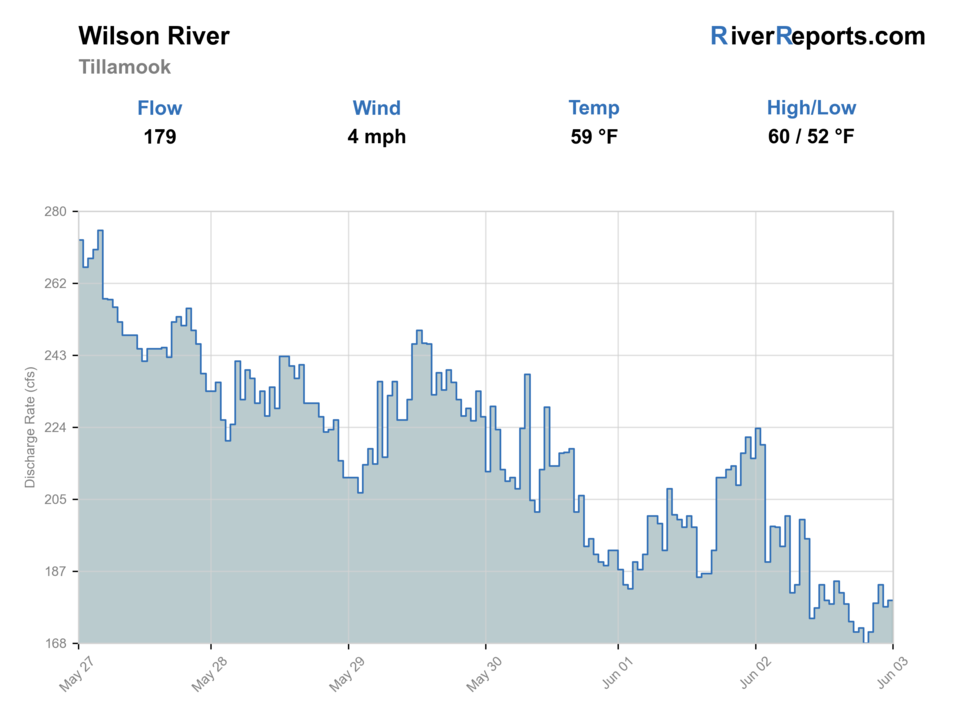
Showing the available RiverReports chart while the current structured flow series loads. Check the chart on RiverReports Opens in a new tab.
No single best way to fish. Wading, Bank fishing, and Floating have the same top score. Use current access, footing, weather, and local rules to choose.
Rating updatedRiver local time:
USGS shows 57 cfs. The flow has been stable over about 6 hours. USGS marks this reading provisional and may revise it. USGS records for this date (1932-2026, 95 readings) show a median near 305 cfs and a low-water marker near 73 cfs; today's flow is unusually low for the date. Low water can make fish spooky, warm, pressured, or concentrated; check temperature and handling risk.
NWS air forecast near
This is an air forecast, not a river-temperature reading. Check the water with a stream thermometer before fishing in hot weather.
RiverReports gauge
Showing the available RiverReports chart while the current structured flow series loads. Check the chart on RiverReports Opens in a new tab.
Mostly Sunny
The National Weather Service forecast is temporarily unavailable.
RiverReports gauge: Wilson River near Tillamook
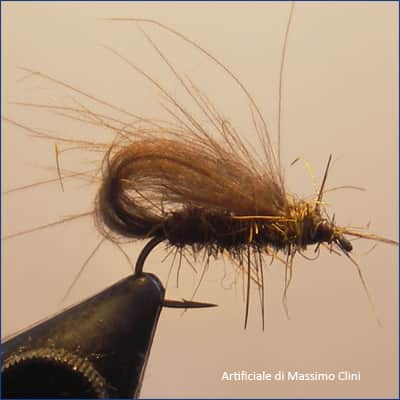
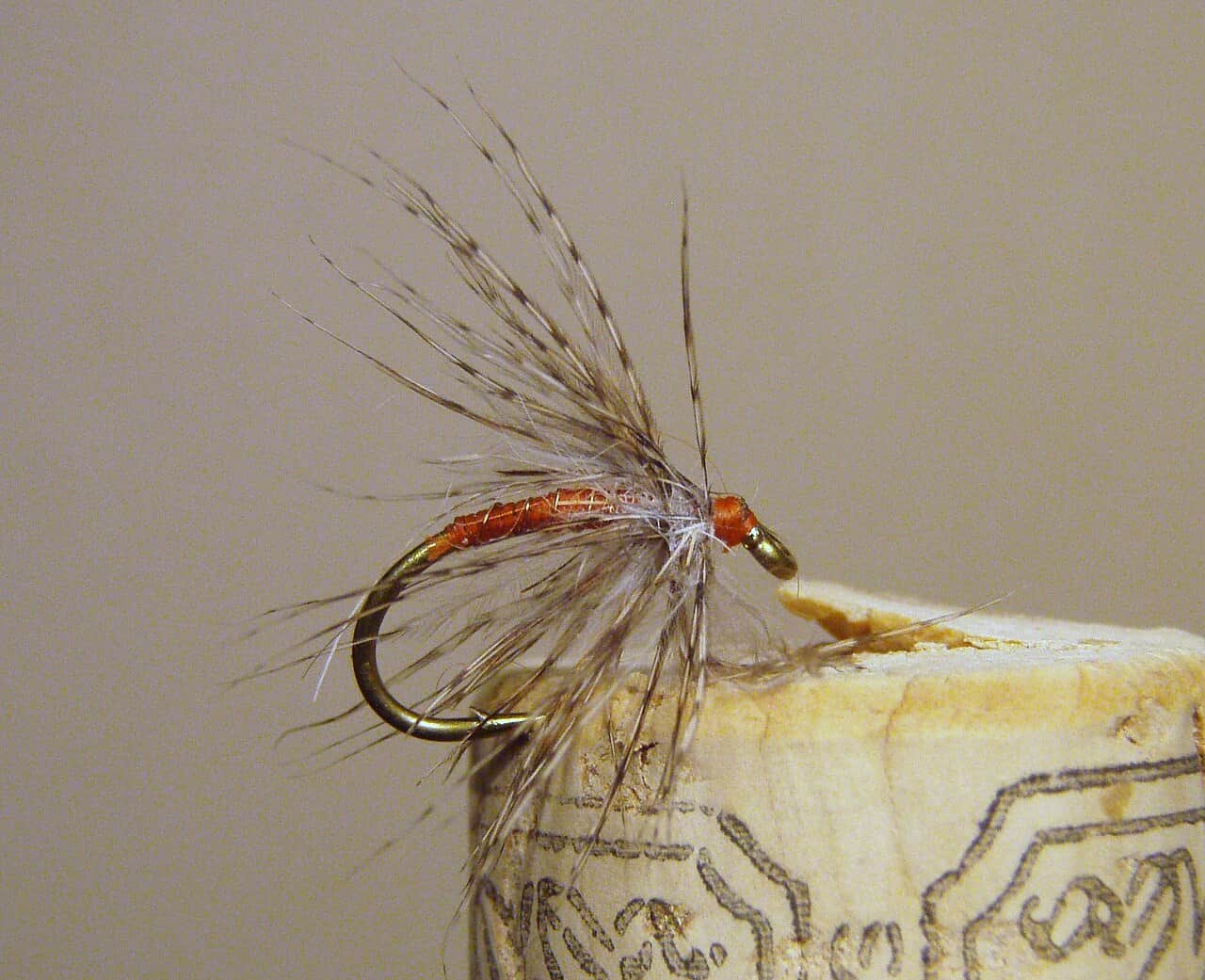
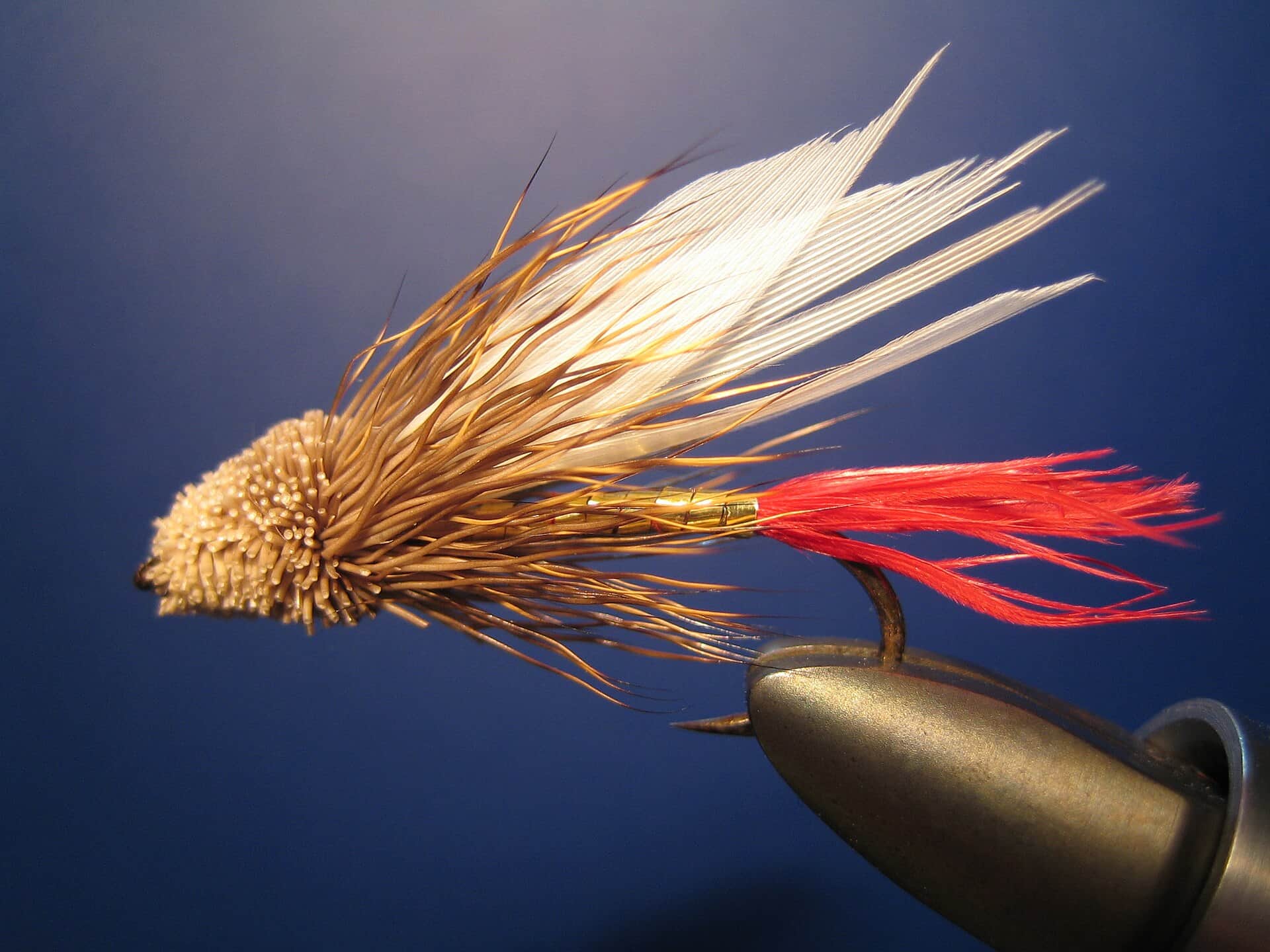
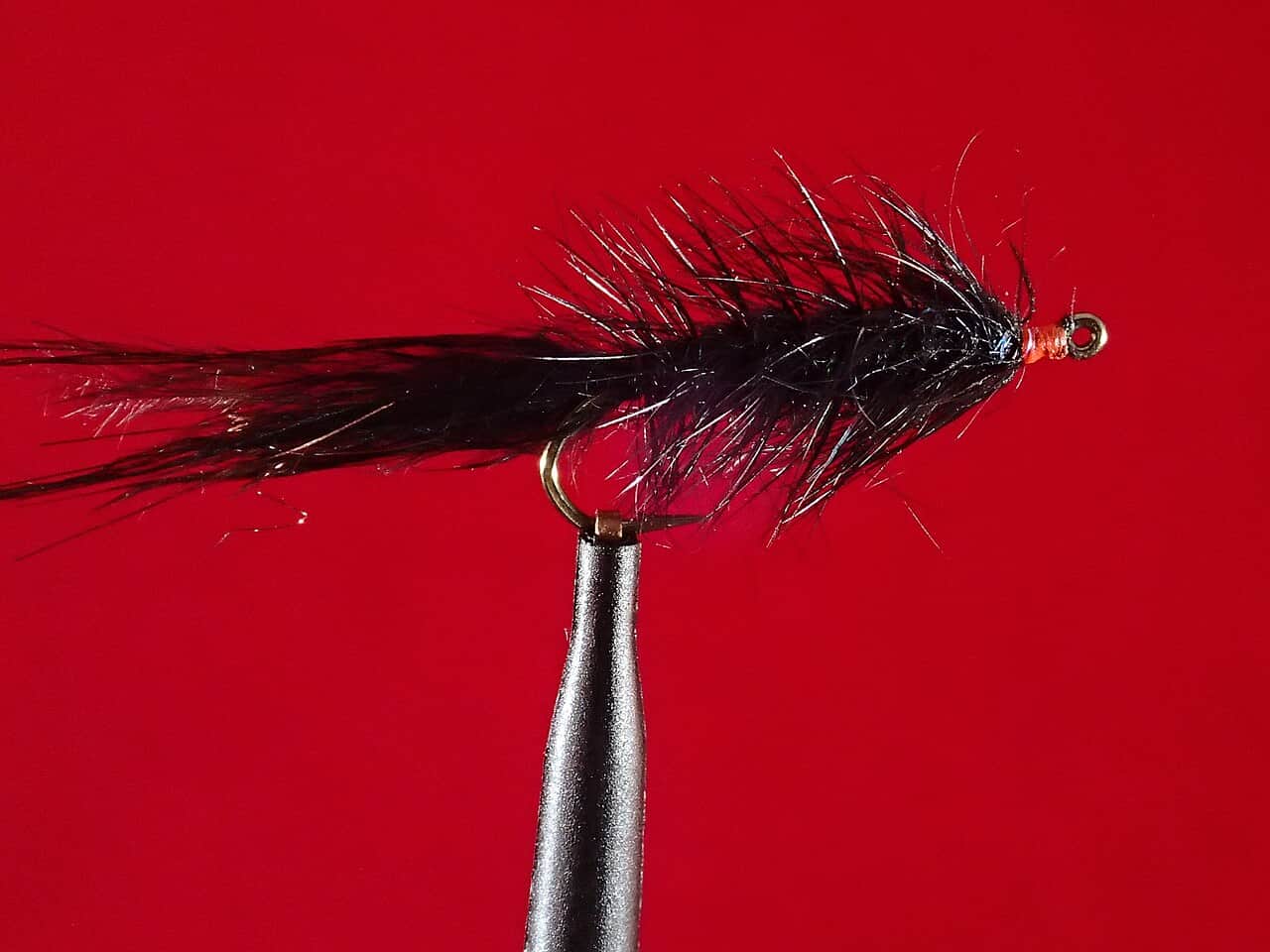
Seasonal starting points, not a live hatch report. Match what you see on the water.
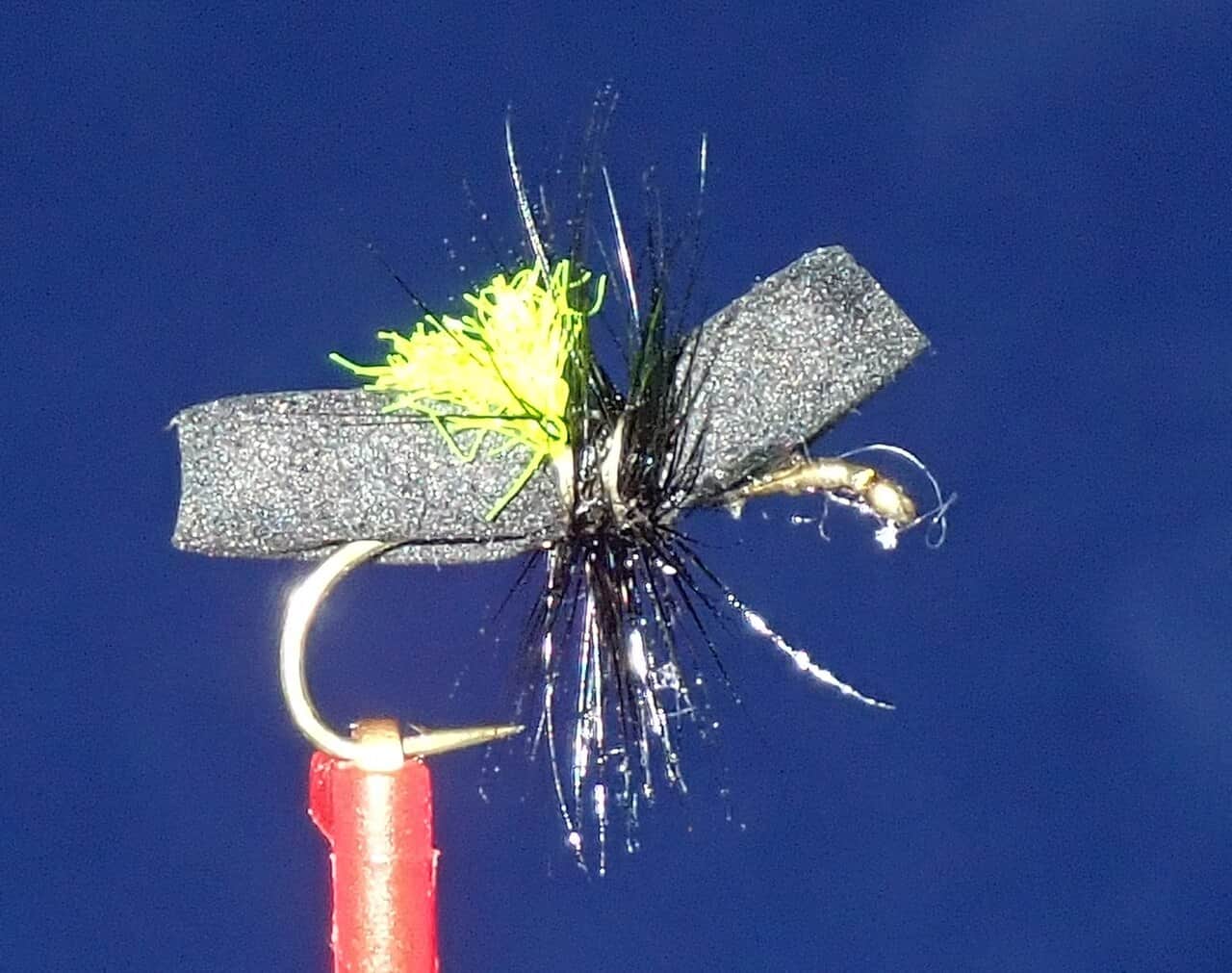
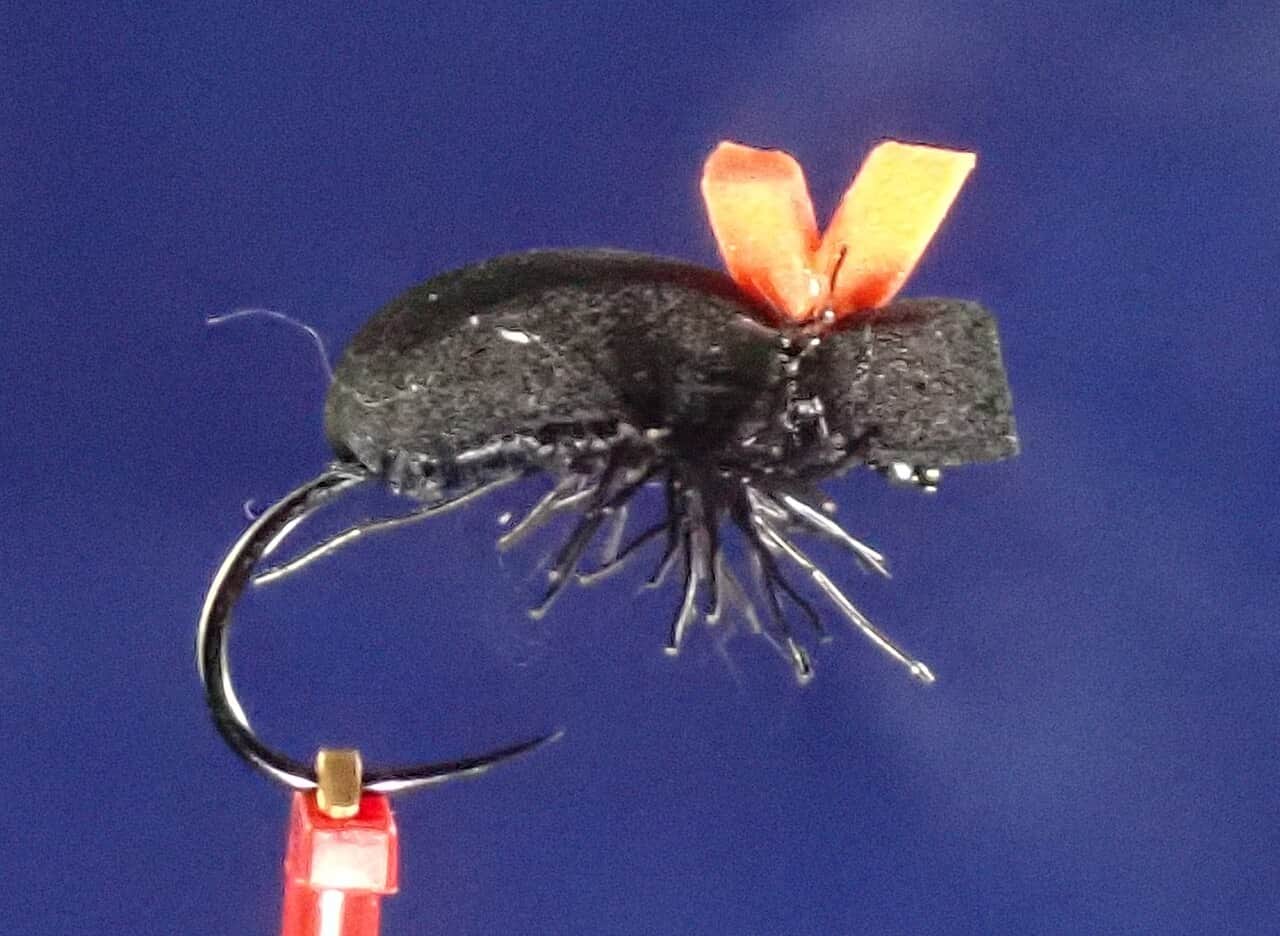
Each fly name opens its matching Fly Box guide.
The best Wilson days come on dropping or stable coast-range flow when fish can move but the river still has enough shape to hold them in readable lanes. If it is blown out, chocolate, or rising hard, wait for the next window instead of forcing a dangerous bank day.
The strongest Wilson window for steelhead travel lanes and safe bank movement.
Usually a wait-it-out signal rather than a heroic grind.
Scale down, cover water quietly, and lean on cutthroat or precise steelhead swings.
Fish early or late and move away from the easiest pull-offs if the first water is packed.
Wading, Bank fishing, and Floating have the same top score. Use current access, footing, weather, and local rules to choose.
Wading is in play only where your chosen access has clear footing, legal entry, and no forced crossings.
Bank and edge fishing remains a practical low-commitment option if access is legal and footing is safe.
A float is in play where this report supports boat access and wind, releases, and shuttle logistics are manageable.
Is Wilson River worth the trip today? Check flow, weather, hatches, access, and rules for Oregon before you go.
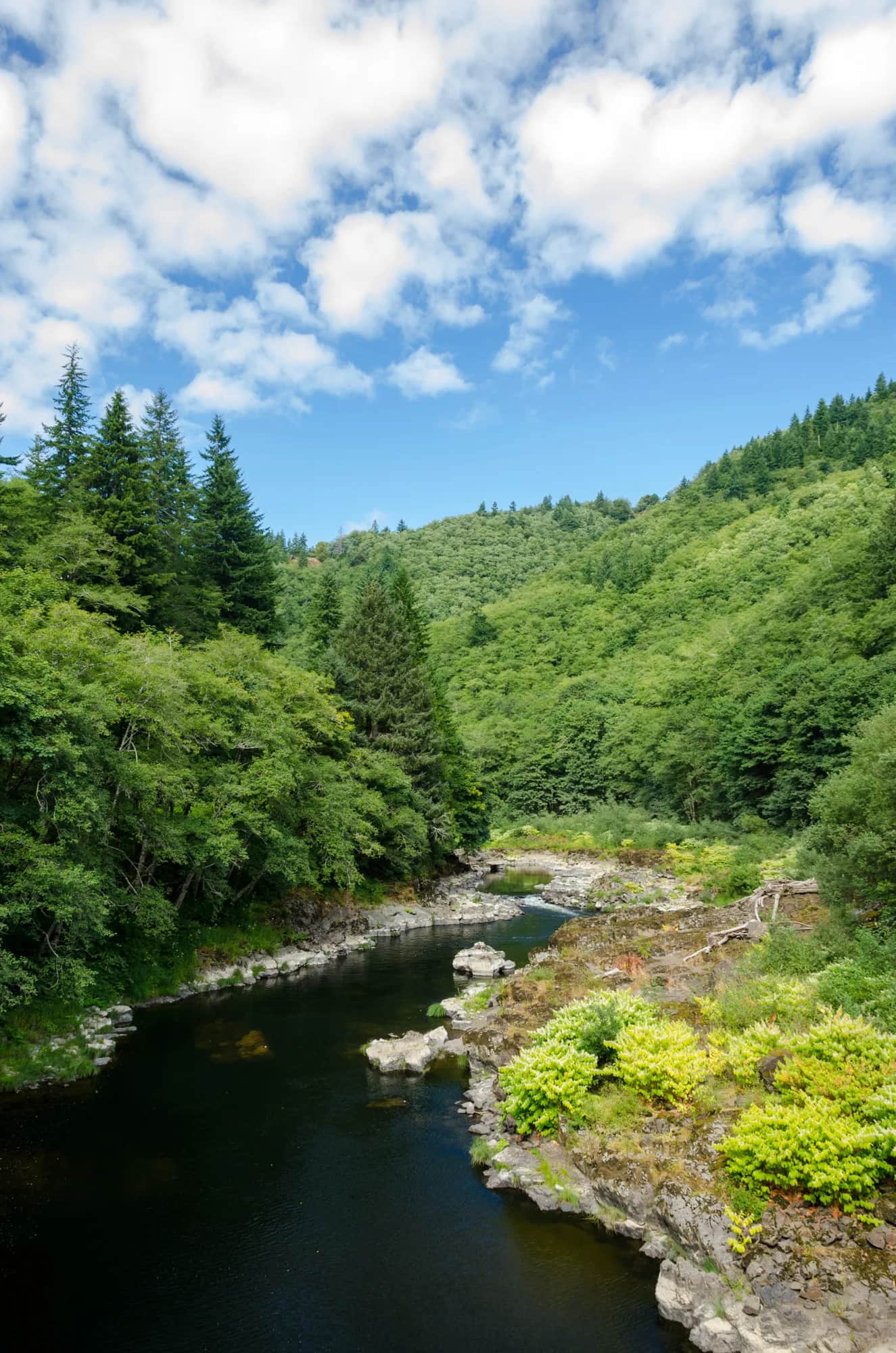
ODFW's current Northwest Zone report says summer steelhead are showing up in the Wilson and trout season is open, while the easy-angling guide still describes the river as one of Oregon's most productive and scenic systems with abundant bank access along Highway 6. That combination makes the Wilson a strong go-to coast-range river when flows are in shape and you keep the day simple.
USGS shows 57 cfs. The flow has been stable over about 6 hours. USGS marks this reading provisional and may revise it. USGS records for this date (1932-2026, 95 readings) show a median near 305 cfs and a low-water marker near 73 cfs; today's flow is unusually low for the date. Low water can make fish spooky, warm, pressured, or concentrated; check temperature and handling risk.
An active public alert is in effect near this forecast point, so the score is capped at caution until conditions are checked. NWS alert: Freeze Watch issued October 21 at 6:55PM PDT until October 24 at 9:00AM PDT by NWS Portland OR.
Wade: Wading is in play only where your chosen access has clear footing, legal entry, and no forced crossings.
Fall: A solid shoulder season for cutthroat, Chinook context, and the next steelhead reset.
The current NWS air forecast is about 41F, and the next 24-hour high reaches about 60F. Mostly Sunny.
Stable or dropping green flow that keeps fish moving without turning every seam into a heavy push. The Wilson does not reward guessing in blown-out water.
Skip the day when rain is still lifting the graph, the river is fully dirty, or crowding pushes you toward bad footing or rushed decisions.
Base out of Tillamook or run in on Highway 6, pick two or three access points, and fish them well instead of racing from pull-off to pull-off.
The Nehalem is the softer nearby backup, while the Sandy or Deschutes are better pivots if you want a different style of Oregon steelhead day.
Use these places as starting points. Open the access link below and check posted signs before you park or enter.
Check current Oregon coastal rules before fishing the Wilson. Main river and smaller stream rules differ, and the current ODFW Northwest report is the fastest way to verify the active steelhead and trout picture.
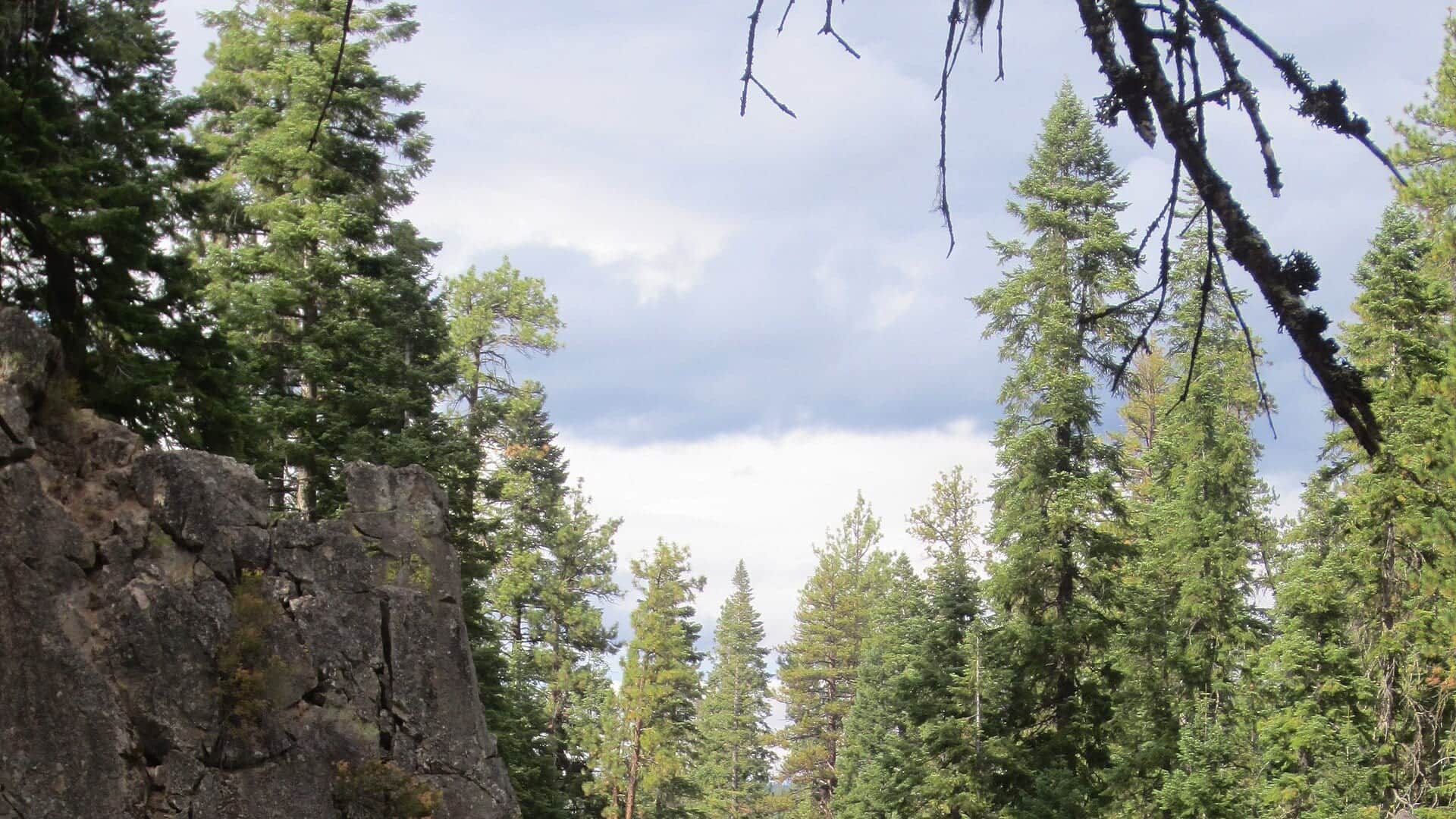
ODFW highlights broad bank access through the Tillamook State Forest stretch.
A useful planning anchor for public river access near the lower forest area.
Forest-managed walk-in options for shorter bank sessions rather than all-day floating.
Official agencies and primary river operators come first. Secondary tools are labeled so you know what carries the most weight.
Check what is allowed, where the rule applies, and whether the river is open.
Check the latest river reading and forecast before you leave.
Check public entry points, land rules, and seasonal access changes.
Use these links for stocking, safety, and other local details.
Check what is allowed, where the rule applies, and whether the river is open.
Open the current rules and check the river section, season, and special limits.
Check the latest river reading and forecast before you leave.
Open this page and check the latest safety advice before your trip.
Open this river reading to check the latest level, flow, and update time.
Open this river reading to check the latest level, flow, and update time.
Check public entry points, land rules, and seasonal access changes.
Open the land or access page, then check signs before you park or enter.
Open the land or access page, then check signs before you park or enter.
Use these links for stocking, safety, and other local details.
Open this page for more river information and check when it was last updated.
Open this page for more river information and check when it was last updated.
What was checked: This report starts with official regulation, access, flow, weather, and public-land sources, then adds practical planning guidance for fly anglers.
Live measurements and forecasts keep their provider timestamps. Rules, access, and trip guidance use the source-review date shown here. BlueStreamFly planning advice is editorial interpretation, not an agency notice.
First-hand experience: BlueStreamFly does not claim a first-hand visit or local field test for this report unless a real contributor is explicitly named and linked.
Check the current Northwest Zone report, RiverReports and USGS flow trend, and the exact river section you want to fish. The Wilson changes from friendly to poor very quickly when coastal rain hits.
Yes by Oregon coast standards. ODFW specifically calls out strong bank access along Highway 6, which is one reason the Wilson is such a reliable planning river.
Yes if they keep the day simple, stay within safe edge water, and treat the lower river or obvious pull-off water as a learning day rather than trying to conquer the whole basin.
Skip it when the river is rising hard, fully muddy, or pushing too much to fish from stable bank positions. The next green drop is usually worth waiting for.