Oregon / West
Rogue River Lower
A Lower Rogue report for Agness flows, wild-section safety, steelhead and salmon timing, permits, float planning, weather, and official sources.
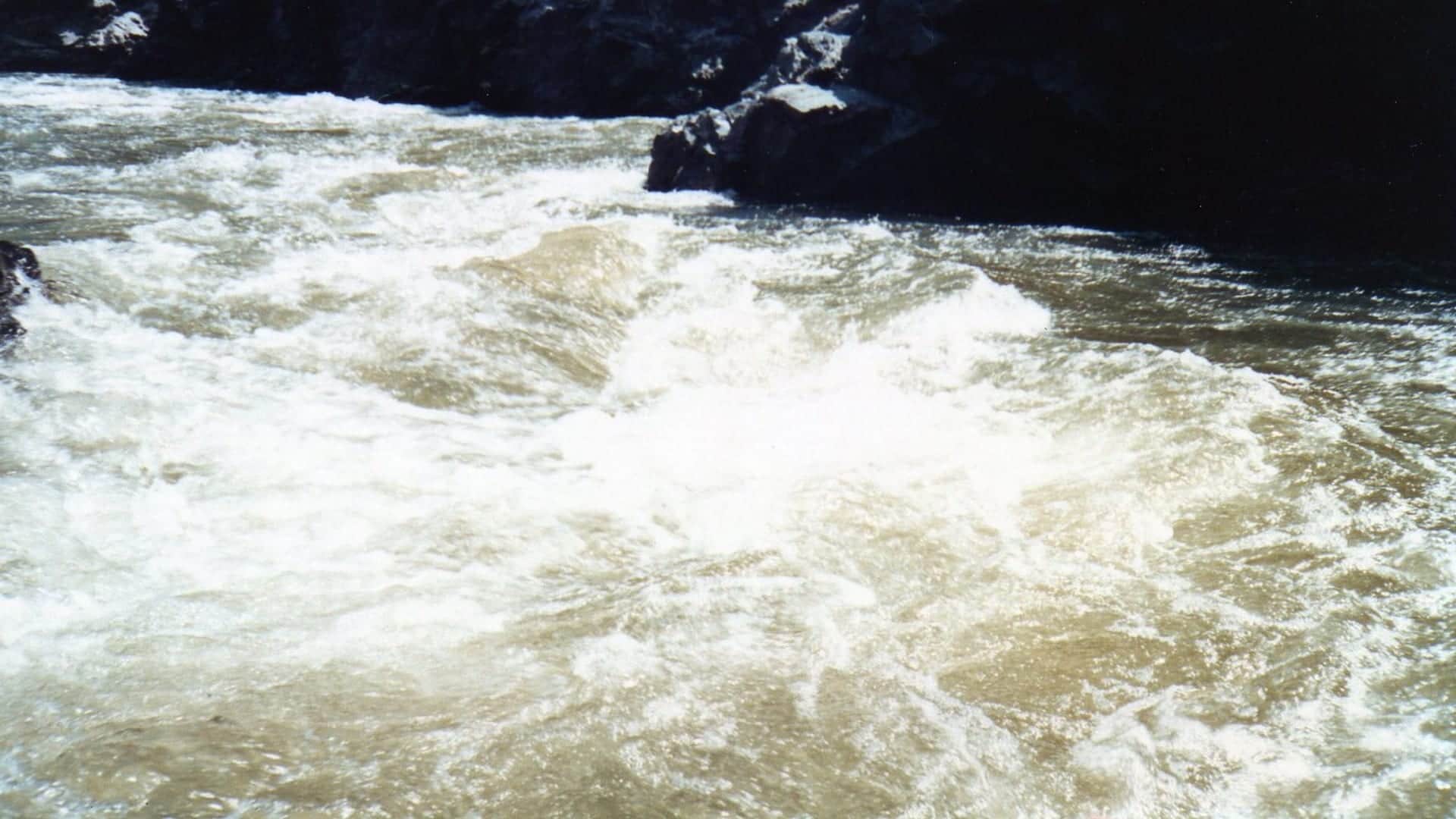
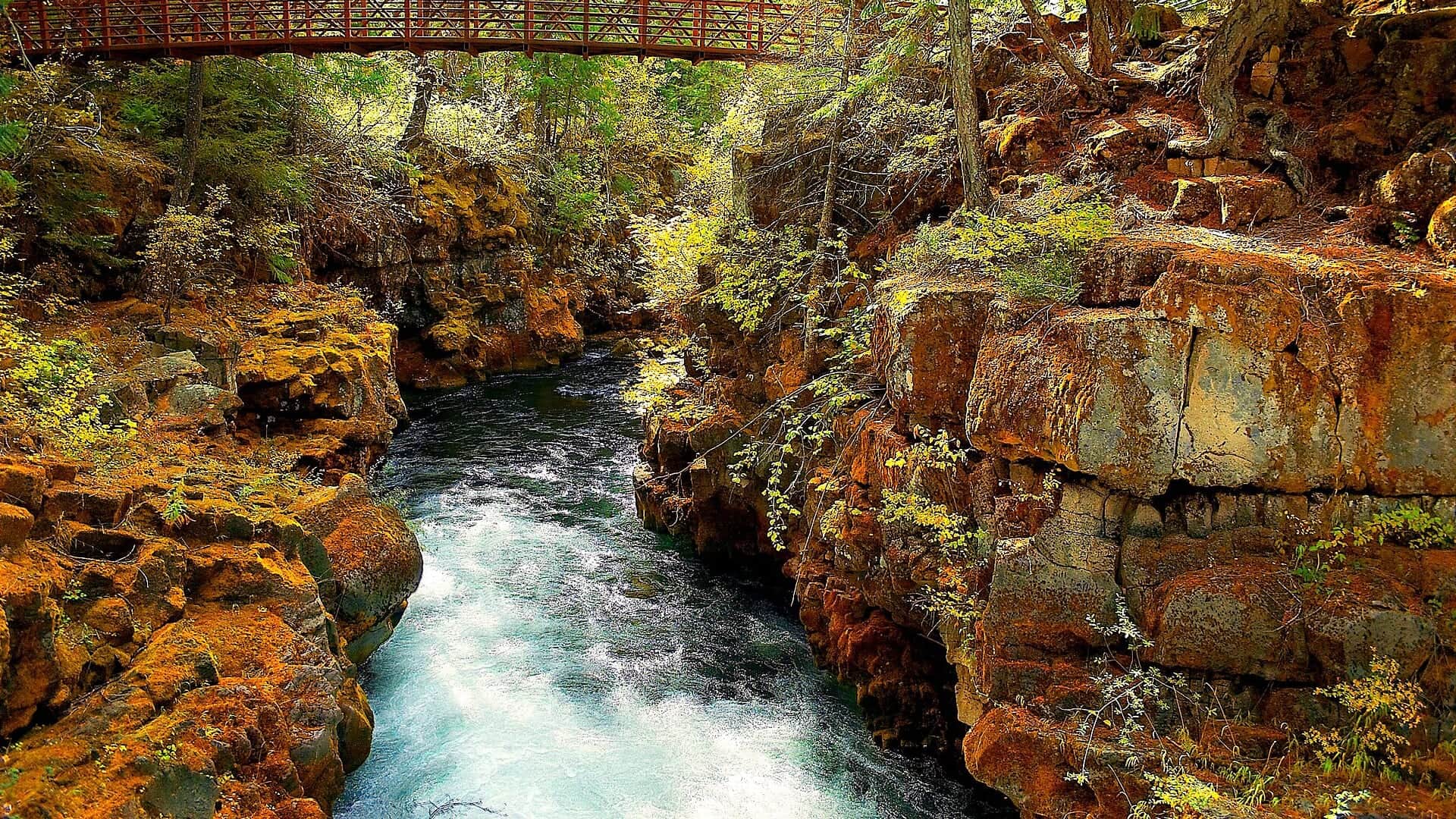
Image: Rogue River lower coffee pot (LJ) - panoramio / CC BY-SA 3.0 / james shawFishability now: Rogue River Lower fishability today
GreatData confidence: High96/100
Fishable now because the live gauge is stable, weather is mild, and no public alert is active.
Flow observed
6:00 PM UTC
Weather observed
6:00 PM UTC
Score calculated
6:12 PM UTC
Why this rating
Flow
Water temperature
Public alerts
Next 6-12 hours
Hold
Stable live data supports staying with the plan, but recheck the gauge and forecast before leaving.
USGS flow
2,310 cfs
Current trend: flow stable, so weather, temperature, and access checks drive the next change.
More planning details: flies, flow bands, and live source checks
Fish it today
Start here
Start with Agness flow, BLM permit and Wild Section sources, ODFW updates, and one realistic access or travel plan. Decide whether the day is bank-focused, boat-supported, or trail-based before choosing flies.
Best flow clue
Use USGS 14372300 near Agness as the main live gauge. Stable flows with clear travel and safe banks are best; sharp rises, high water, or difficult boat and trail conditions should delay or shorten the plan.
Skip trigger
Skip or pivot when permits or access are not sorted out, flows make boating or wading unsafe, heat or smoke affects safety, steelhead validation or rule details are not confirmed, or trail and shuttle logistics are uncertain.
Flow decision bands
Open and manageable
Stable Agness flow can support bank, boat, or trail-linked fishing when permits, rules, and the travel plan are already clear.
Best Agness travel window
A steady or easing Agness trend with safe weather, sorted access, and realistic boat or trail logistics is the strongest Lower Rogue signal.
High or unsafe boat and bank water
Sharp rises, pushy current, difficult banks, or poor boat-control conditions should move the day to a shorter bank check or another river.
Permit or logistics hard stop
If permits, Wild Section travel, trail conditions, shuttles, or validation rules are not sorted, the fishability answer should be no even if the gauge looks decent.
USGS flow
2,310 cfs
Current trend: flow stable, so weather, temperature, and access checks drive the next change.
Live USGS flow
2,320 cfs / stable
Live NWS forecast
65F / Mostly Cloudy
Live water temperature
66F from USGS
No NWS alert flag
No active NWS alert was returned for this forecast point.
Use the Agness gauge for lower-river flow and temperature context.
BLM wild-section permit and boating safety rules are not optional planning details.
Steelhead, half-pounders, Chinook, and trout context change by season and reach.
Treat remote access, shuttles, fire restrictions, and weather as part of the fishing report.
Editorial review
How this report is maintained
This Lower Rogue River report is maintained from USGS Agness flow data, Oregon sport-fishing regulations and updates, ODFW Southwest Zone information, Rogue-South Coast steelhead validation guidance, BLM permit and Wild Section information, Rogue River National Recreation Trail access, weather, media-credit, and lower-river travel planning sources.
Byline
BlueStreamFly editorial team
Reviewed by
BlueStreamFly source review
Maintained by
Mountain Brook Run LLC
Last material review
2026-06-01
Report confidence
Good confidence
89/100
Good confidence: Oregon regulation sources, Southwest Zone and validation guidance, USGS Agness flow, BLM permit and Wild Section information, Rogue River Trail access context, and weather coverage support the page. Confidence is moderated by permit logistics, broad travel scope, boat safety, heat, smoke, trail conditions, and reach-specific rules.
Regulations
Oregon regulations, updates, Southwest Zone context, and Rogue-South Coast steelhead validation guidance support the current lower-river rule-check path.
Access
BLM permit, Wild Section, and Rogue River National Recreation Trail sources provide strong public travel and access anchors.
Flow and weather
USGS 14372300 near Agness and the National Weather Service point provide strong live planning support for lower-river flow, weather, and safety decisions.
Fishing usefulness
The page now separates Agness trend checks, permit and Wild Section logistics, bank-versus-boat planning, heat and smoke skips, validation checks, and backup-water decisions.
Fishability dashboard and source review
2026-06-01 / material content or source review
USGS 14372300 near Agness, Oregon sport-fishing regulations and updates, ODFW Southwest Zone context, Rogue-South Coast steelhead validation guidance, BLM permit and Wild Section information, Rogue River National Recreation Trail information, and the National Weather Service point were checked before updating the current-fishability decision layer.
2026-06-01
Updated Lower Rogue River to the current fishability-page standard with Agness flow bands, permit and travel access cards, backup cues, stable fishability SEO, and confidence signals.
2026-05-28
Added lower Rogue trip fit, Agness flow planning, permit and Wild Section access nuance, boat and trail logistics, steelhead validation checks, backup-water suggestions, editorial review signals, and a page-specific report-confidence meter after source review.
2026-05-25
Initial source-reviewed report published with flow, weather, flies, tactics, access, regulations, and FAQs.
Angler planning edge
Local details that change the plan
Best for
Lower Rogue anglers planning Agness-area steelhead, salmonid, boat, bank, or trail-supported trips around flow, permits, and current rules, Trips where Wild Section access, BLM permits, trail logistics, ODFW updates, and Rogue-South Coast validation rules all need a check, Swinging, nymphing, streamer, and travel-lane presentations when flows and legal method windows line up, Anglers deciding between the lower Rogue, upper Rogue, or other southwest Oregon rivers when weather, smoke, or regulations change the best option
Wade or float
Treat the Lower Rogue as big mixed bank, boat, and travel-corridor water. Flow, permit status, boat logistics, canyon access, and legal method rules should decide the day before fly selection.
Best flows
Use USGS 14372300 near Agness as the main live gauge. Stable flows with clear travel and safe banks are best; sharp rises, high water, or difficult boat and trail conditions should delay or shorten the plan.
When to skip
Skip or pivot when permits or access are not sorted out, flows make boating or wading unsafe, heat or smoke affects safety, steelhead validation or rule details are not confirmed, or trail and shuttle logistics are uncertain.
Local plan
Start with Agness flow, BLM permit and Wild Section sources, ODFW updates, and one realistic access or travel plan. Decide whether the day is bank-focused, boat-supported, or trail-based before choosing flies.
Pressure
Pressure follows seasonal fish movement, permit timing, and boat traffic. Planning a clean access window and respecting spacing matters more than chasing every report.
Access nuance
BLM permit, Wild Section, and National Recreation Trail sources are strong anchors, but launch rules, trail conditions, shuttles, private lands, and river travel details still need current confirmation.
Backup water
If the Lower Rogue is high, permit-limited, smoky, hot, or logistically difficult, compare the upper Rogue for a different flow and access profile, the McKenzie River for trout water, or the Upper Klamath River for a separate southern Oregon plan.
About the river
Setting, character, and why it fishes the way it does.
The Lower Rogue flows through one of Oregon's most famous wild river corridors before reaching the coast. It is a migration route, boating corridor, trail corridor, and remote fishery all at once.
For fly anglers, the lower river is more about steelhead, half-pounders, and salmon-season context than technical trout hatches. Flow, clarity, water temperature, and travel lanes matter more than a generic dry-fly box.
This report is scoped to the lower wild section and Agness/Gold Beach context. It keeps McLeod and upper/middle Rogue planning on the separate Rogue River page.
Target species
Summer steelhead
A key lower-river and half-pounder target in legal seasons.
Winter steelhead
Requires Rogue-South Coast validation for winter season participation.
Chinook and coho
Seasonal salmon context exists, but regulations are specific and must be checked.
Hatchery rainbow trout
Listed in ODFW lower-river context but not the main fly-fishing identity.
Reading the water
Moderate stable flow
Best for safe float planning and covering steelhead water.
Low and clear
Use smaller wet flies, stealth, and early/late sessions.
High water
Remote canyon hazards increase; do not force a float or wade plan.
Coastal weather
Wind, rain, and tidewater influence can change the lower plan quickly.
Best seasons
Spring
Spring Chinook context begins while flows and boating conditions require care.
Summer
Summer steelhead and half-pounder interest grows with early/late low-light windows.
Fall
Steelhead, salmon, and cooling water create important but regulation-heavy opportunities.
Winter
Winter steelhead is possible with validation and careful weather planning.
USGS flow
Rogue River near Agness
This is the fallback for rivers that are not covered by RiverReports. Use the official USGS monitoring page for the live hydrograph, station metadata, and current water trend.
Open USGS gaugeUSGS data chart
Rogue River near Agness
Streamflow over the latest USGS reporting window.
Latest
2,310 cfs
Jun 3, 5 PM UTC
Weather
River weather report
Weather can change wading safety, road access, water temperature, hatches, and the best time of day to fish.
Live forecast loads as you reach this section
This keeps the report fast while still using the official National Weather Service forecast point.
Hatches and flies
Hatch chart and fly picks
Spring
Spring Chinook and trout context, caddis, March Browns, and variable high-water windows
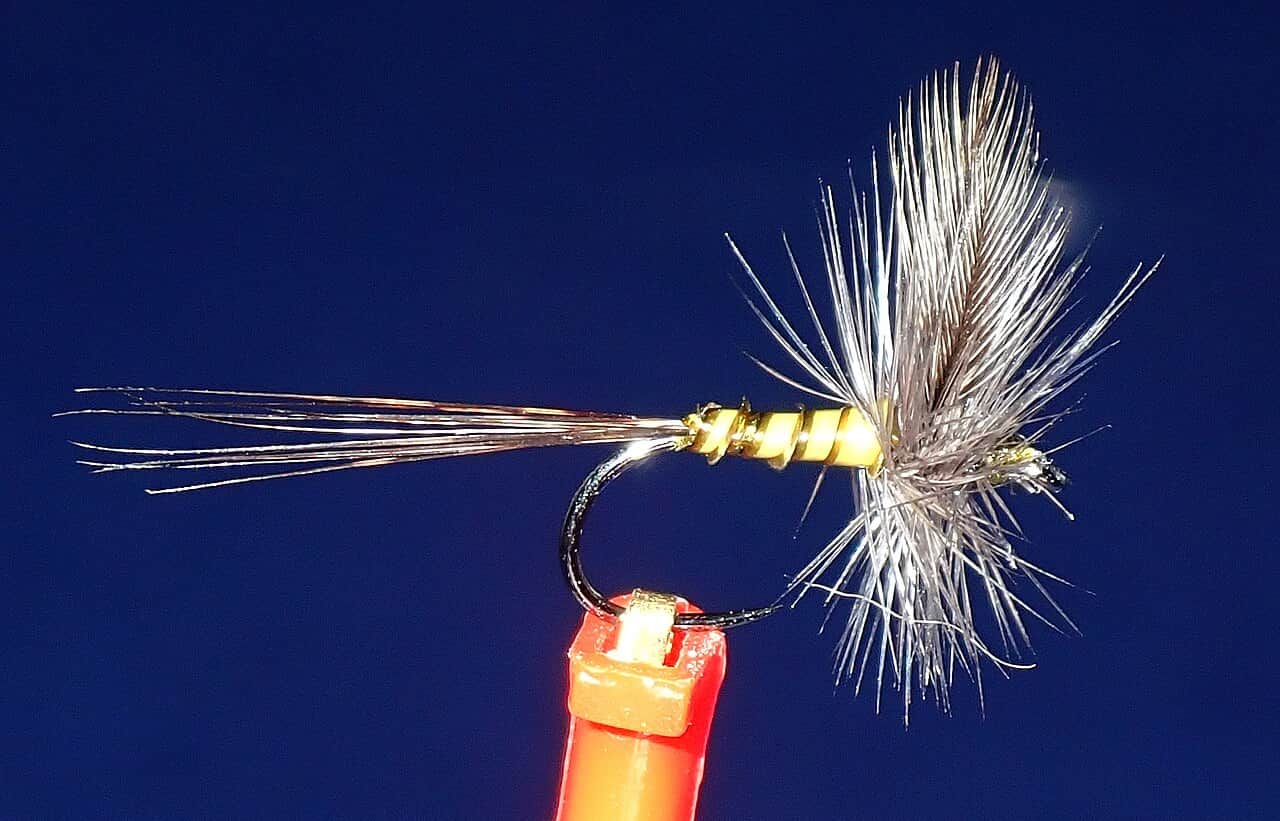
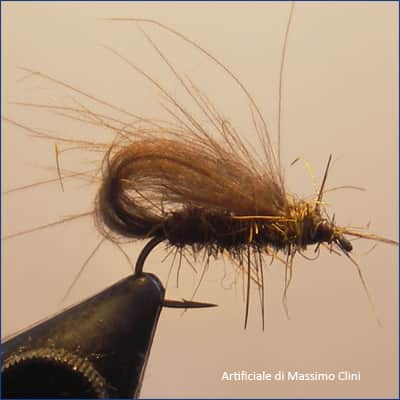
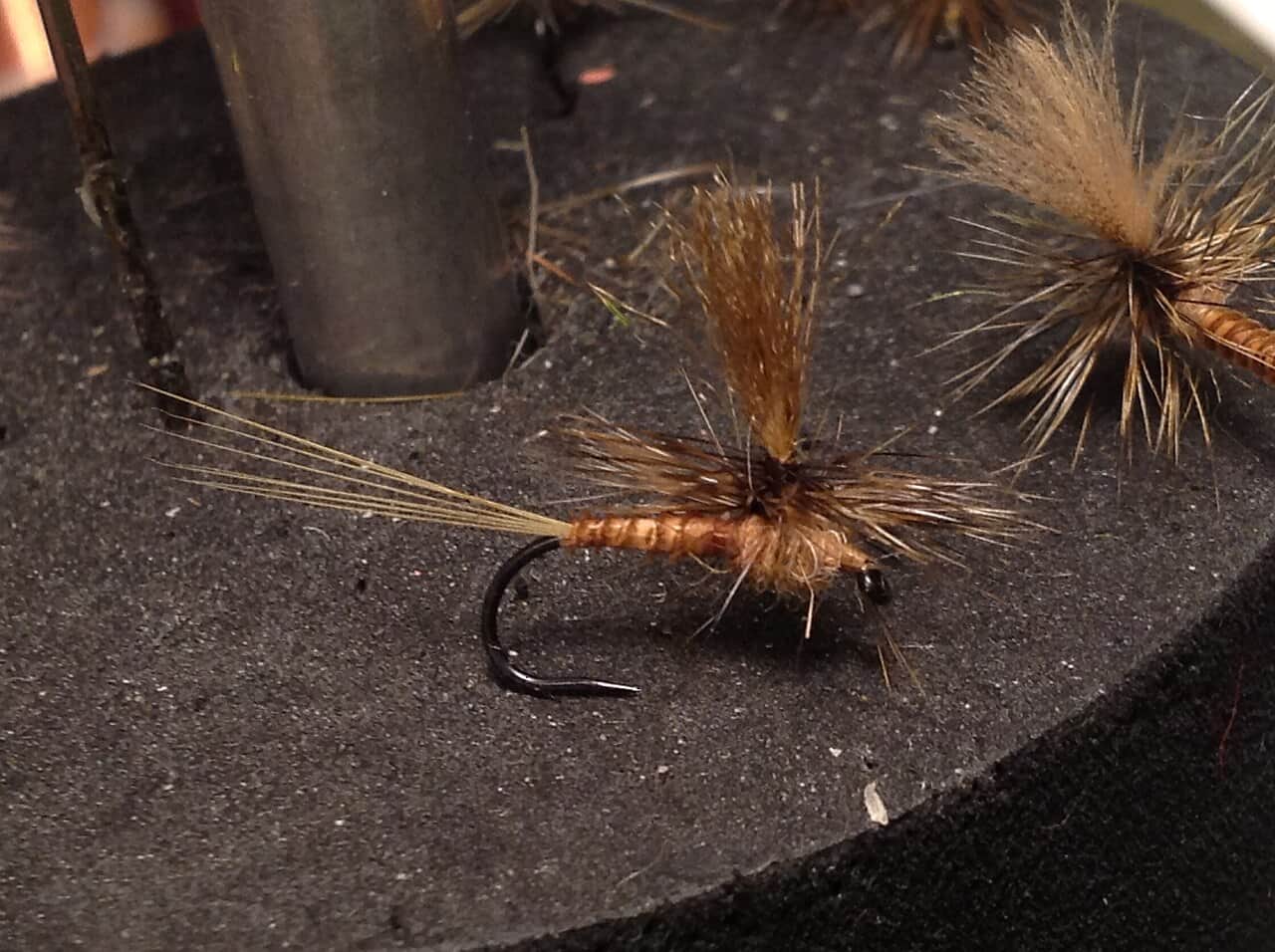
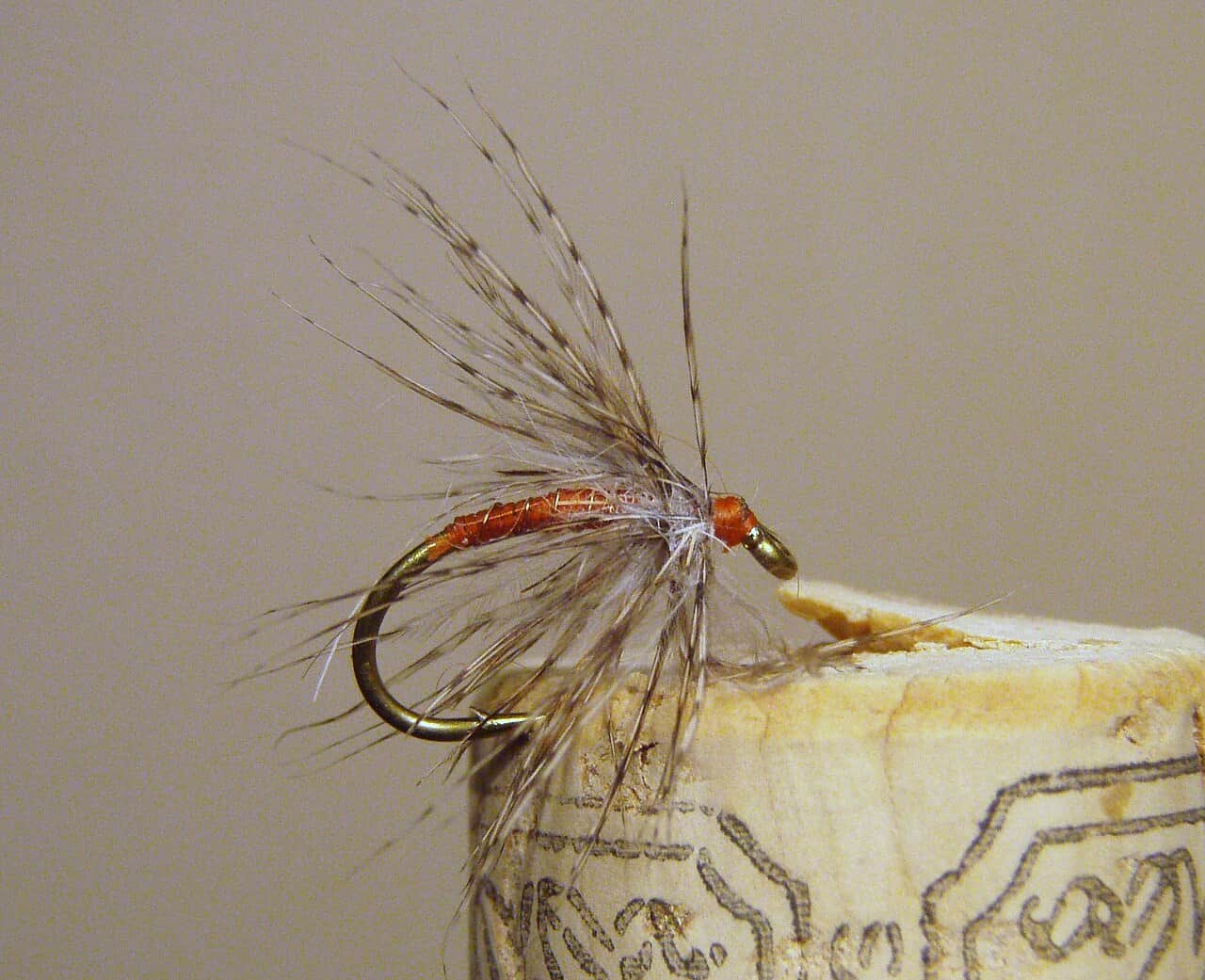
Caddis pupa, March Brown, stonefly nymph, soft hackle, small streamer
Summer
Summer steelhead movement, caddis, golden stones, and early/late low-light windows
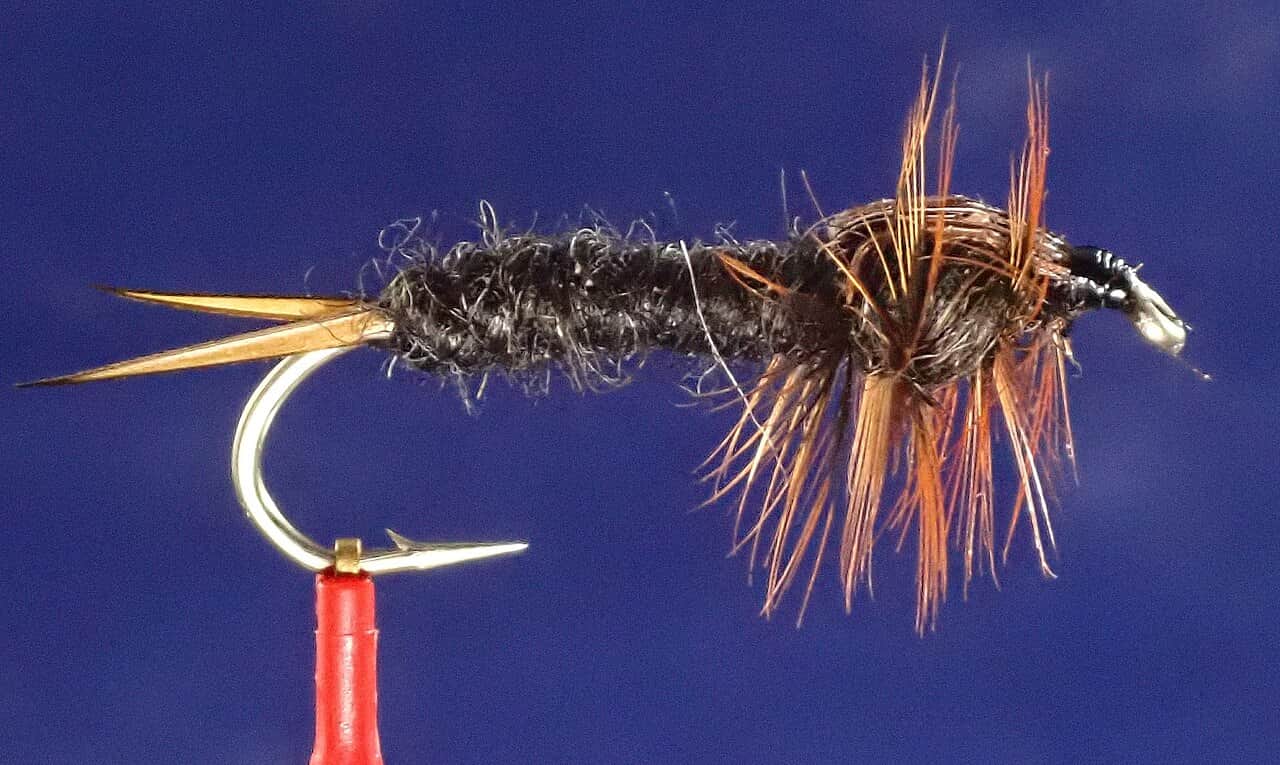
Skater, wet fly, Freight Train, Green Butt Skunk, caddis, small stonefly
Fall
Steelhead, half-pounder, October caddis, BWOs, and cooling trout water
Traditional wet fly, October caddis, BWO, small intruder, egg-sucking leech
Winter
Winter steelhead in legal reaches, cold water, high flows, and slower presentations
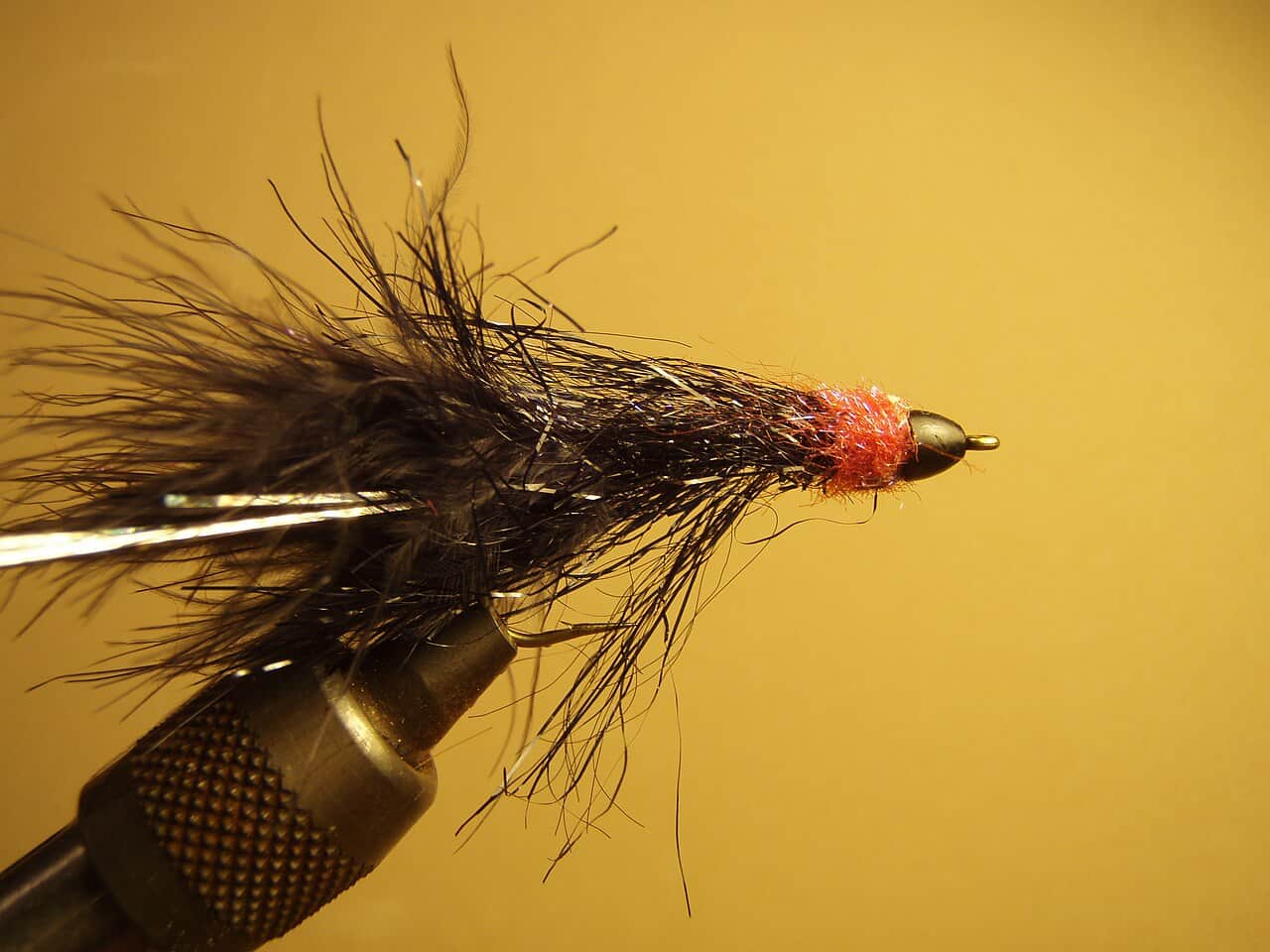
Sink-tip wet fly, rabbit leech, dark intruder, egg pattern, black stonefly
Eggs and nymphs
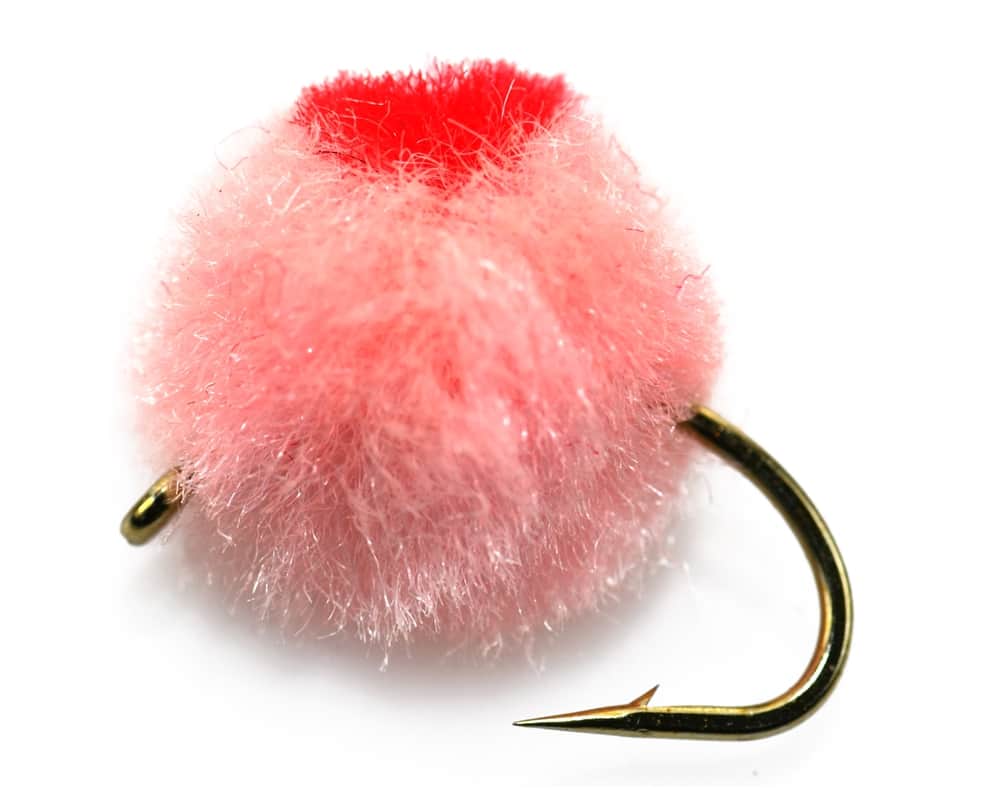
Sucker spawn, glow bug, stonefly, pheasant tail, zebra midge
Use under an indicator when fish are holding in slots, seams, and winter pools.
Streamers
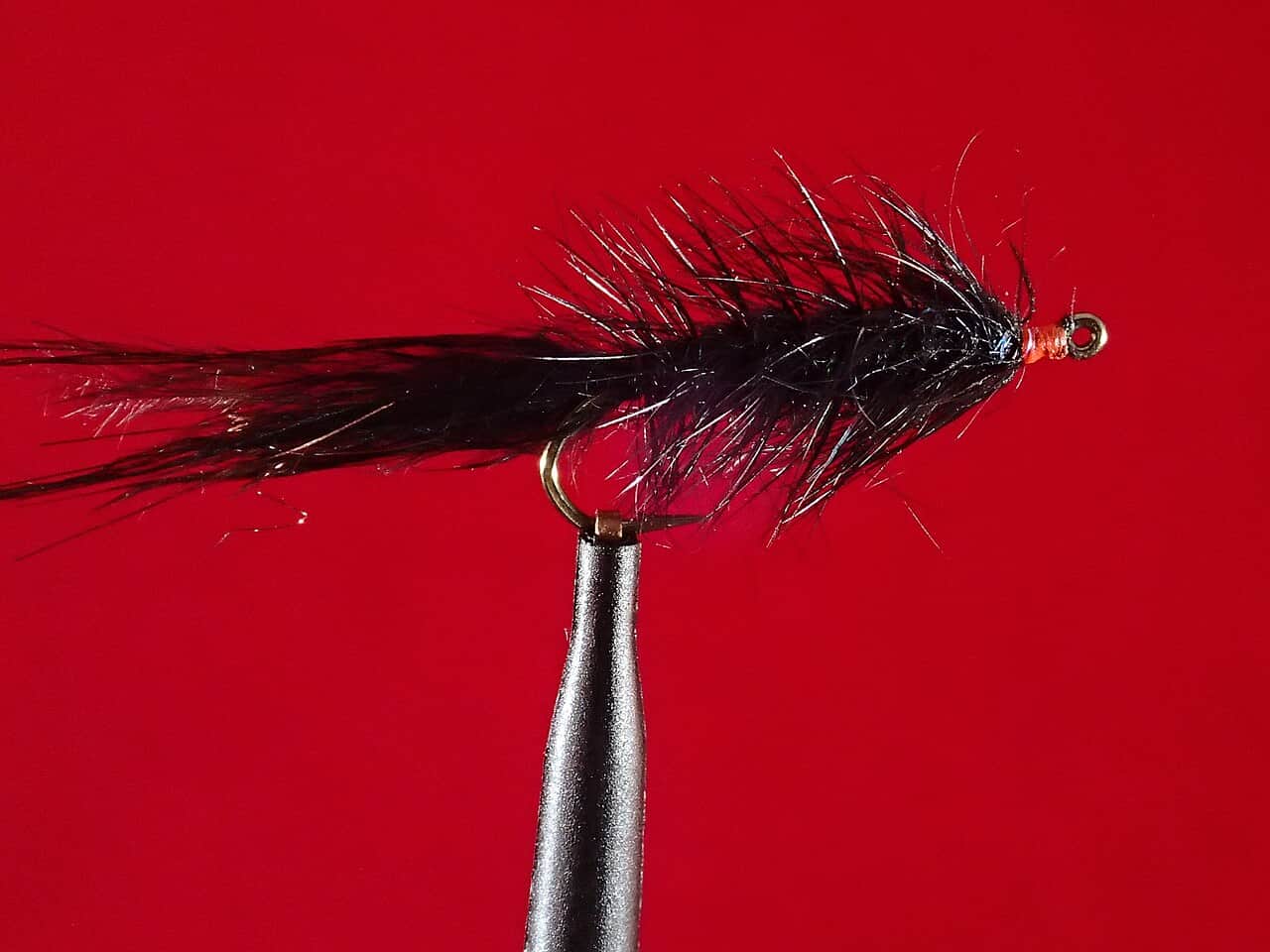
Woolly bugger, leech, emerald shiner, sculpin, small intruder
Use after rain, in stained water, or when covering lake-run fish on the move.
Smallmouth flies
Clouser, crayfish, hellgrammite, popper, slider
Use after the steelhead run when warmwater fishing is the better plan.
Lower Rogue wet flies
Silver Hilton, Green Butt Skunk, small muddler, dark wet fly
Use for summer steelhead and half-pounders in low-light traveling lanes.
Tactics
How to fish it
Choose float, trail, or bank access before choosing flies.
Swing small wet flies and traditional steelhead patterns in walking-speed tailouts.
Use sink tips and larger profiles only when colder or higher water calls for depth.
Keep salmon tactics regulation-caveated and avoid targeting closed or stressed fish.
Respect permit, fire, waste, and river-safety rules in the wild section.
Rigging
Rod, leader, and setup notes
A 7 or 8-weight single-hand or light two-hand rod is the practical steelhead tool.
Carry floating lines, intermediate or sink tips, and traditional wet flies.
Use heavier leaders where salmonids, rocks, and current demand it.
Bring safety gear, water, layers, and a shuttle plan before treating this as a casual stop.
Access
Access and planning notes
Agness gauge
Primary lower-river decisionWade / float / trail
Gauge / weather check
When to pick it
Start here when current, river travel, and lower-river weather decide whether the plan can stay on the Rogue.
Caution
The gauge does not replace permit, shuttle, boat-safety, or trail-condition checks.
BLM permit and Wild Section plan
Travel and access gateWade / float / trail
Permit / boat / bank
When to pick it
Use it when the day involves Wild Section logistics, launch decisions, or any access that needs a permit-aware plan.
Caution
Treat unresolved permits, shuttles, or launch rules as a hard stop, not as details to fix after arriving.
Rogue River Trail and bank plan
Trail-linked accessWade / float / trail
Trail / bank / boat support
When to pick it
Pick it when lower-river conditions are fishable and a trail or bank approach is more realistic than a full boat day.
Caution
Trail access still needs current weather, heat, smoke, footing, and safe-exit checks.
BLM permits, fire pans, waste rules, and boating safety are central to wild-section trips.
The Rogue River Trail is remote and difficult; there is no simple bailout for poor planning.
High water, low water, wildfire restrictions, and shuttle logistics can all block a fishing plan.
Regulations
Check before fishing
Use ODFW Southwest Zone regulations, current updates, and Rogue-South Coast steelhead validation rules. Wild steelhead, salmon, and harvest rules are not evergreen.
Primary base
Galice, Agness, Gold Beach, or Grants Pass
Best day style
Permit, float, trail, shuttle, bank, and lower-canyon access
Check first
Agness flow, BLM permit status, ODFW Southwest updates, weather, and boating safety
Safety
Remote canyon, Class III-IV rapids, permits, shuttles, cold water, fires, and tide/coastal weather
Gear
Helpful gear for this water
Seven or eight-weight rod
Useful for steelhead indicators, sink tips, and bigger streamers.
Five or six-weight rod
Better for summer smallmouth and lighter tributary presentations.
Studded boots and wading staff
Shale, clay, and winter flows make traction more important than distance.
Thermometer
Helpful for deciding between steelhead, smallmouth, or a rest-the-fish plan.
Dry clothes and gloves
Cold tributary days punish small mistakes quickly.
Nearby water
Other water to research
Backup logic
Permit or logistics issue
Shift to the upper Rogue or another clearly accessible river rather than forcing unresolved lower-river travel details.
Heat or smoke
Compare the McKenzie or Metolius for a cleaner trout plan, or wait for safer lower-river conditions.
High water
Delay boat or bank plans until the Agness trend is safer and the travel route is realistic.
Rule validation uncertainty
Check ODFW and validation requirements first; if the reach-specific answer stays unclear, do not fish that plan.
Rogue River
The upper and middle inland Rogue report.
Deschutes River
Another Oregon steelhead and trout river with big-water planning.
McKenzie River
A Cascade river with trout, steelhead, and Chinook context.
FAQ
Fast answers
Is Rogue River Lower fishable today?
Rogue River Lower looks very fishable right now. The live score is 96/100, based on current flow, weather, public alerts, and the report's planning context. Recheck the linked gauge and forecast before leaving because conditions can change quickly after rain, heat, access changes, or flow swings.
What flow is best for Rogue River Lower?
Use USGS 14372300 near Agness as the main live gauge. Stable flows with clear travel and safe banks are best; sharp rises, high water, or difficult boat and trail conditions should delay or shorten the plan.
When should I skip Rogue River Lower?
Skip or pivot when permits or access are not sorted out, flows make boating or wading unsafe, heat or smoke affects safety, steelhead validation or rule details are not confirmed, or trail and shuttle logistics are uncertain.
Is Rogue River Lower safe to wade right now?
The fishability score is not a wading guarantee. Wade only where your chosen access has safe edges, clear footing, legal entry, and no forced crossings; high, rising, stained, or storm-affected water should be treated conservatively.
What should I check first before fishing the Lower Rogue River?
Check the Agness gauge, BLM permit and wild-section rules, ODFW Southwest updates, weather, and fire restrictions first.
Where should a first-time visitor start on the Lower Rogue River?
Agness is the best lower-river flow anchor. Use Grave Creek or Gold Beach context only after matching the trip to access and permit rules.
Can I wade the Lower Rogue River?
Some bank and wade access exists, but much of the lower plan is float, trail, or remote canyon travel. Do not wade or float high water casually.
What flies should I bring for the Lower Rogue River?
Bring the seasonal fly box, a few backup nymphs or streamers, and enough tippet to change tactics when flow, clarity, temperature, or crowds change.
Sources
Source set for this report
Reviewed 2026-06-01