RiverReports preview · current series loading
USGS 14301000 near Foss · discharge in cfs
RiverReports gauge
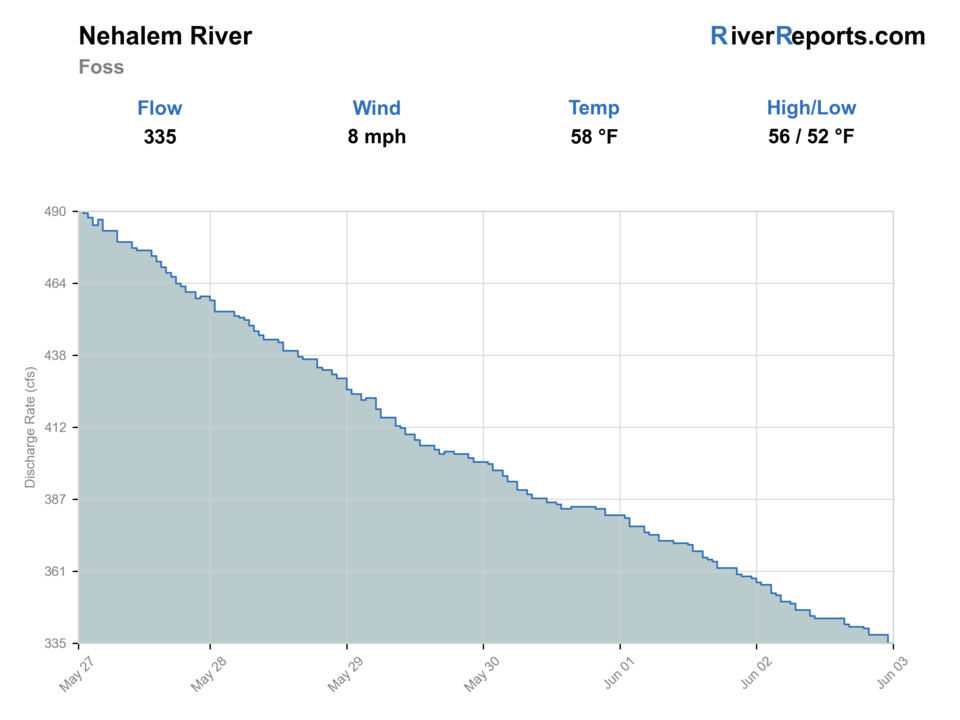
Showing the available RiverReports chart while the current structured flow series loads. Check the chart on RiverReports Opens in a new tab.
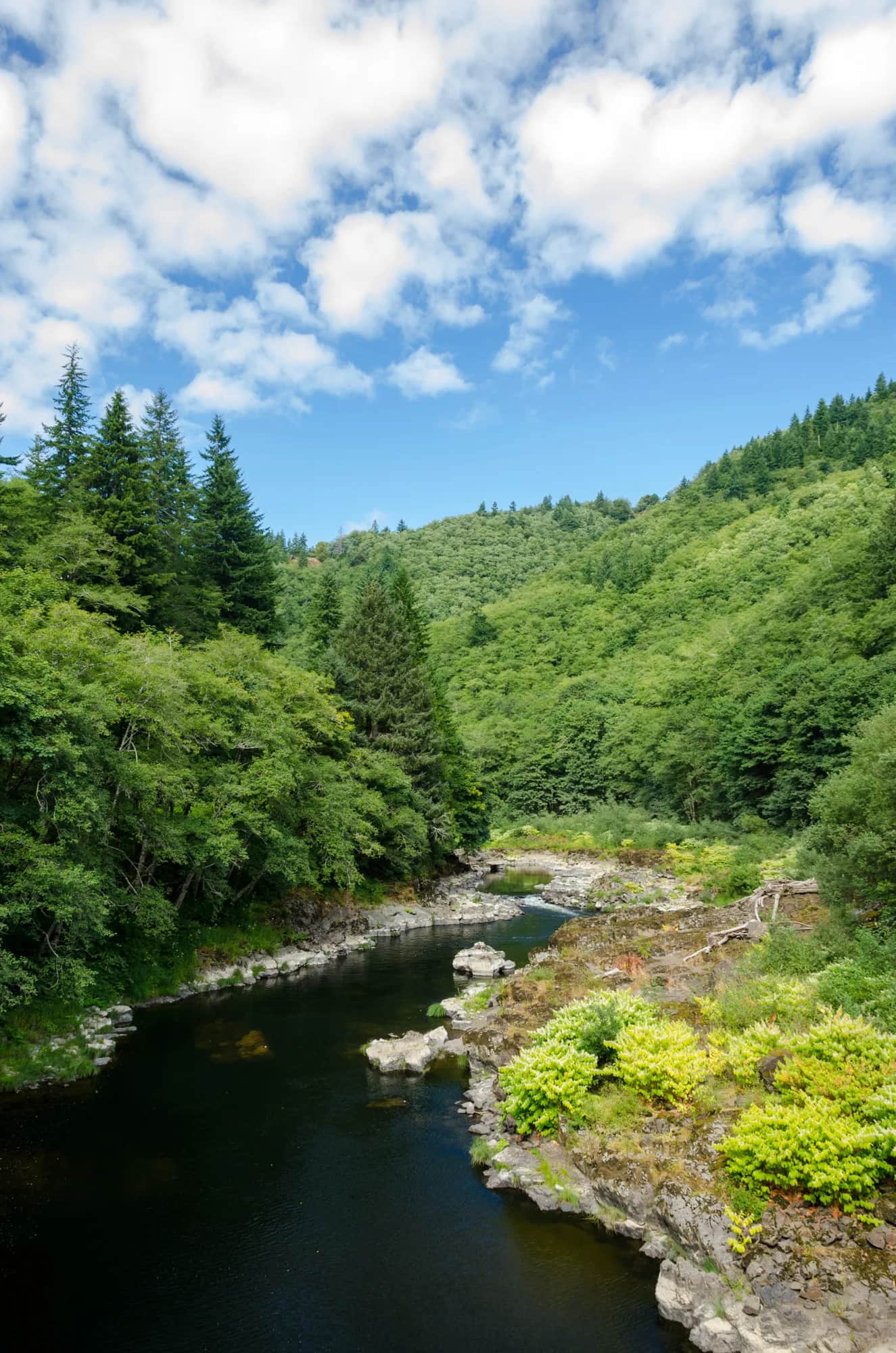
Photo: Gary Halvorson / Oregon State Archives Opens in a new tab. · CC BY 4.0; converted to WebP with a display crop Opens in a new tab.
Fish early with caution near Foss. Recheck the water temperature.
Fish from the bank. Use a short bank or protected-edge plan near Foss. Recheck temperature, and stop fishing for trout at 70°F or warmer.
Rating updatedRiver local time:
USGS shows 90 cfs. The flow has been stable over about 6 hours. USGS marks this reading provisional and may revise it. USGS records for this date (1940-2024, 85 readings) show a median near 397 cfs and a low-water marker near 102 cfs; today's flow is unusually low for the date. USGS 14301000 measures the mainstem near Foss. Its flow, stage, and water temperature describe that reach only; they do not measure Nehalem Bay tides or currents, lower-river wind, clarity, or ramp status, upper-river or Vernonia conditions, North Fork conditions, or safe access. Low water can make fish spooky, warm, pressured, or concentrated; check temperature and handling risk.
NWS air forecast near
RiverReports gauge
Showing the available RiverReports chart while the current structured flow series loads. Check the chart on RiverReports Opens in a new tab.
Mostly Cloudy
The National Weather Service forecast is temporarily unavailable.
RiverReports gauge: Nehalem River near Foss — USGS 14301000
Seasonal starting points, not a live hatch report. Match what you see on the water.
Use the row for the current date, then match the fly to the legal reach and target. These are seasonal planning choices, not a live hatch claim.
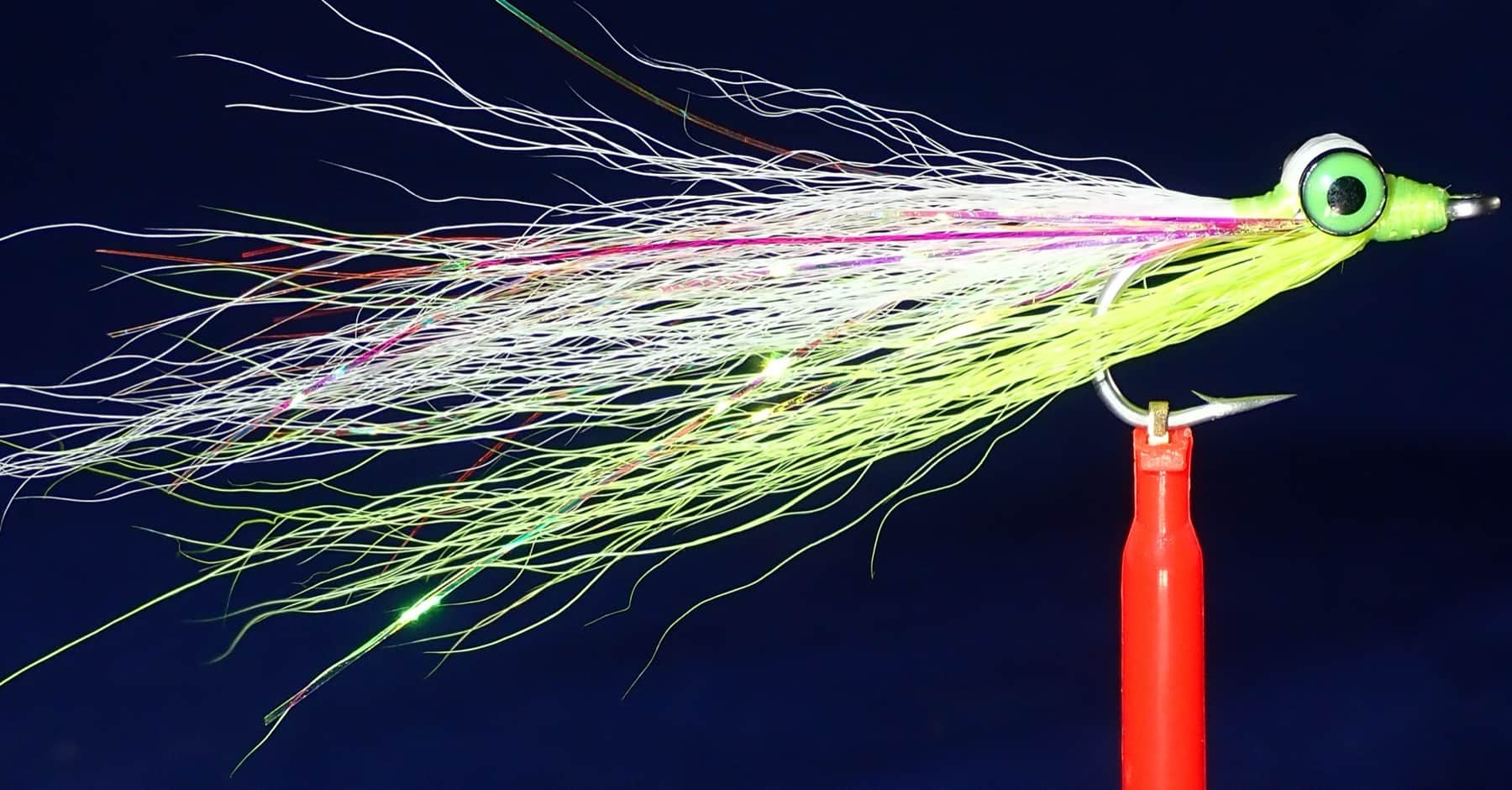
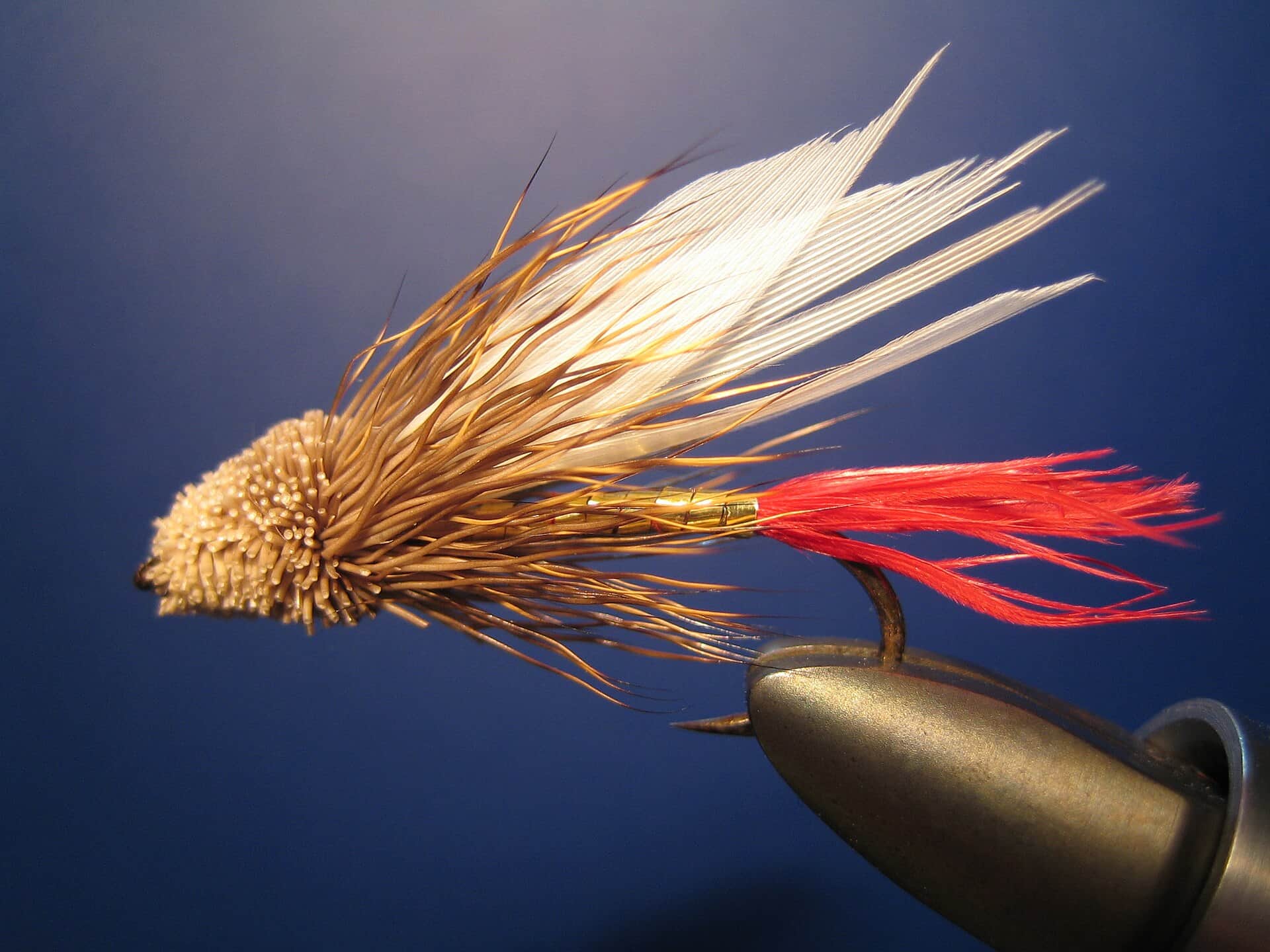
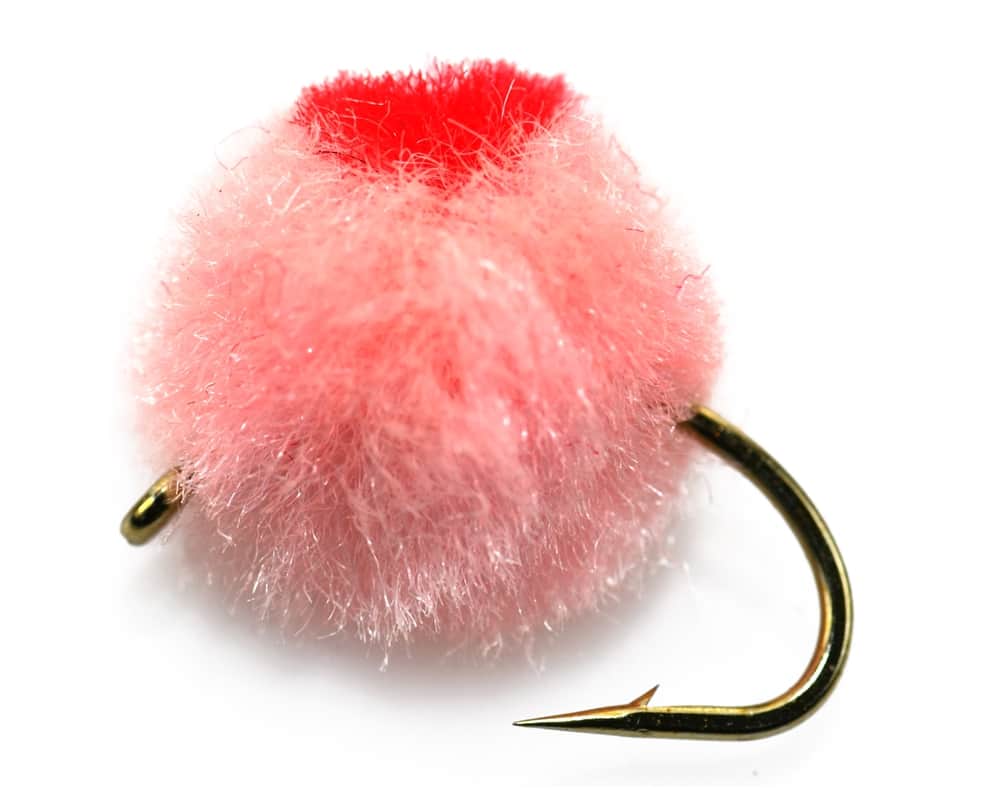
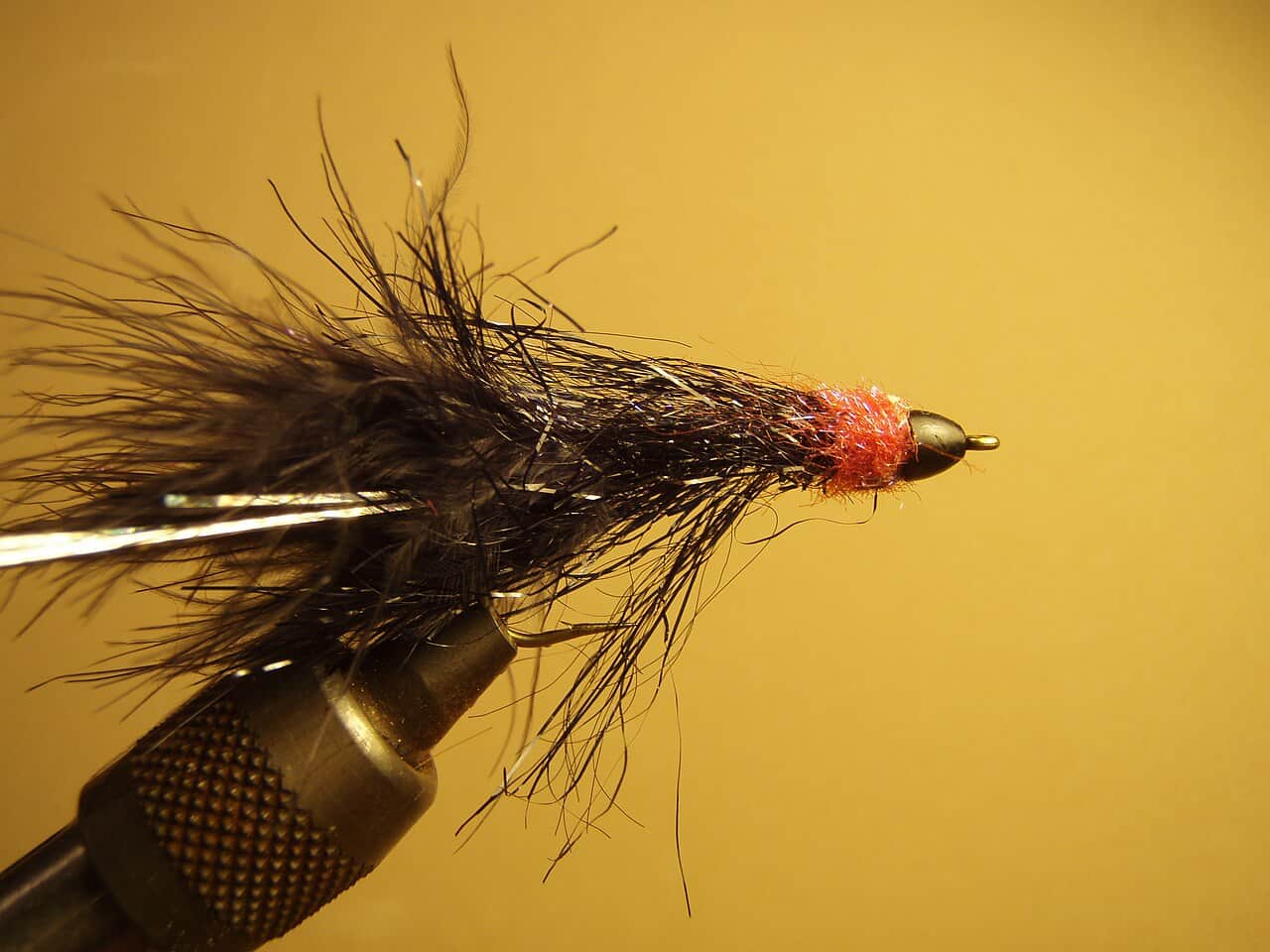
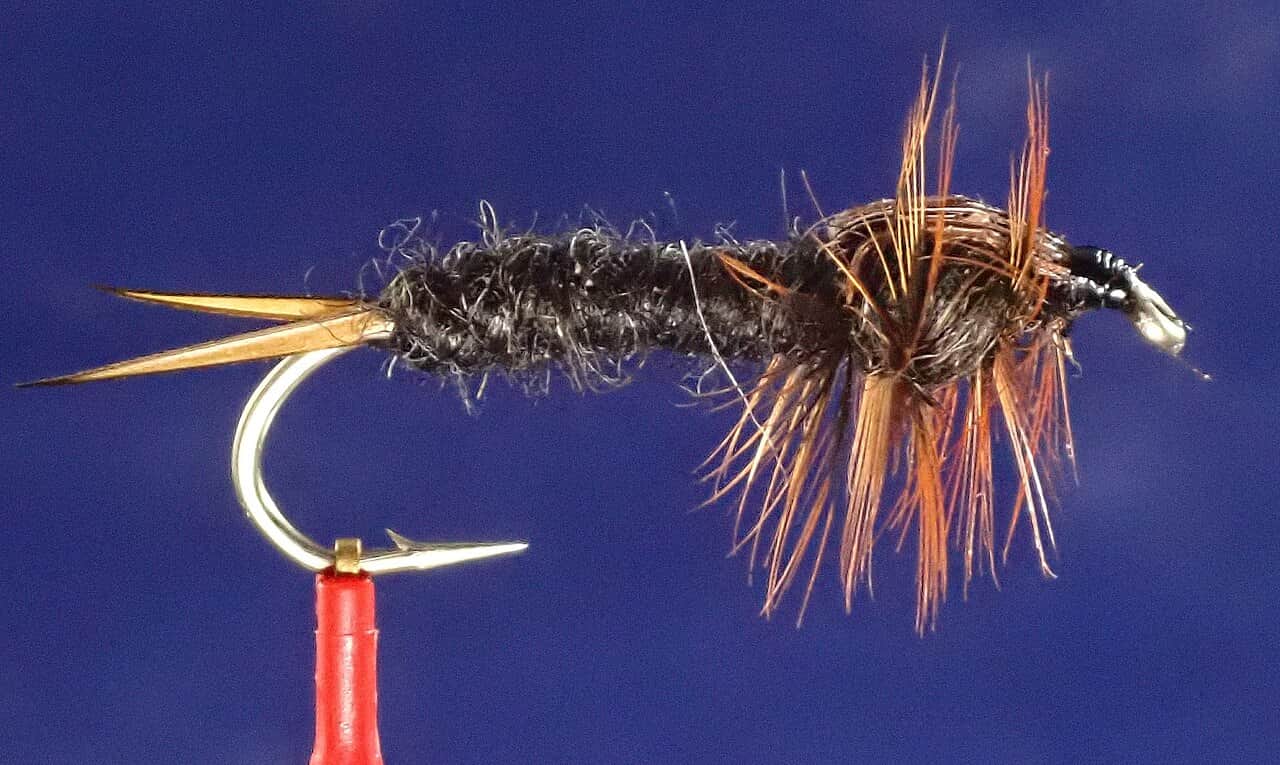
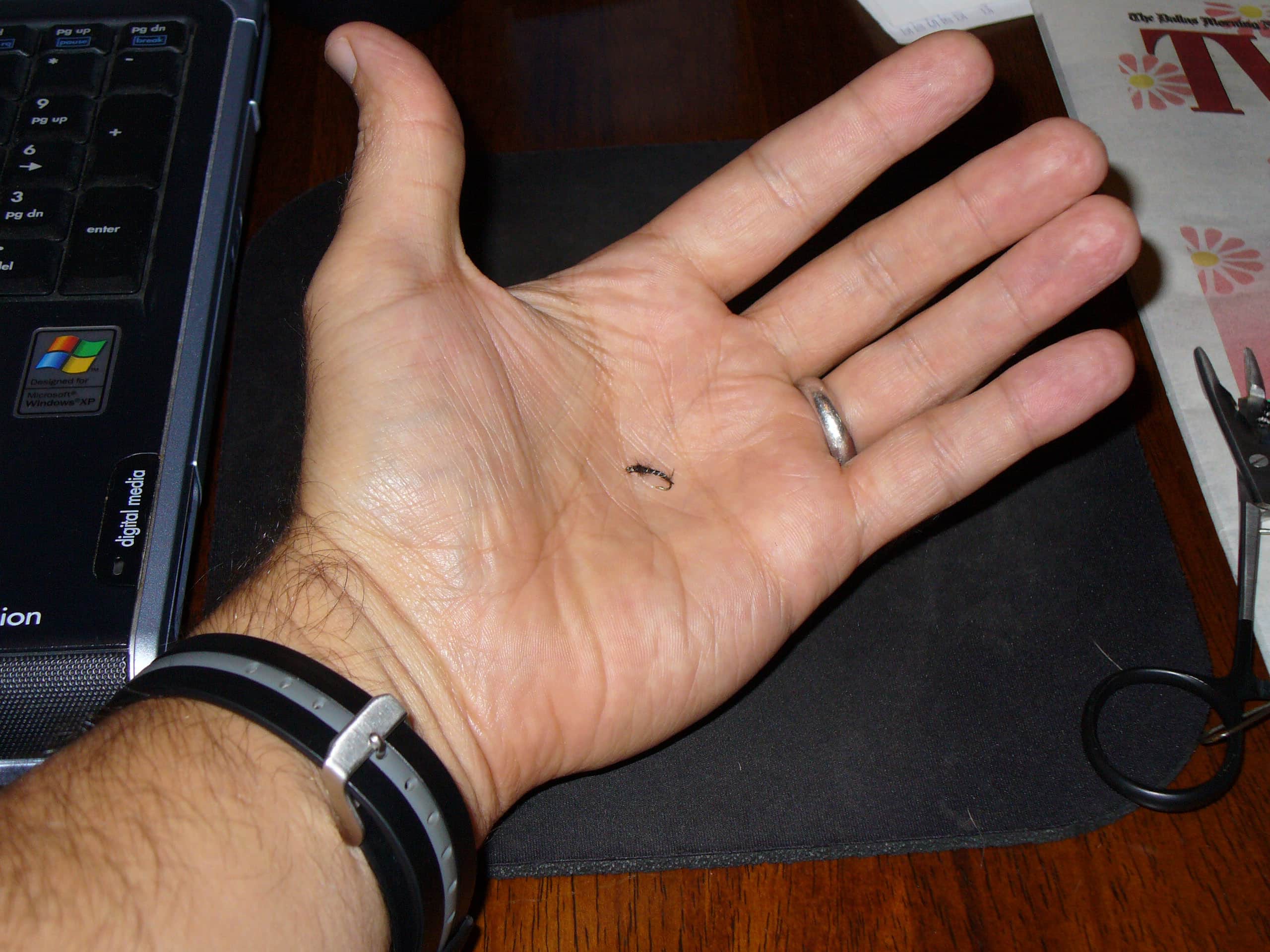
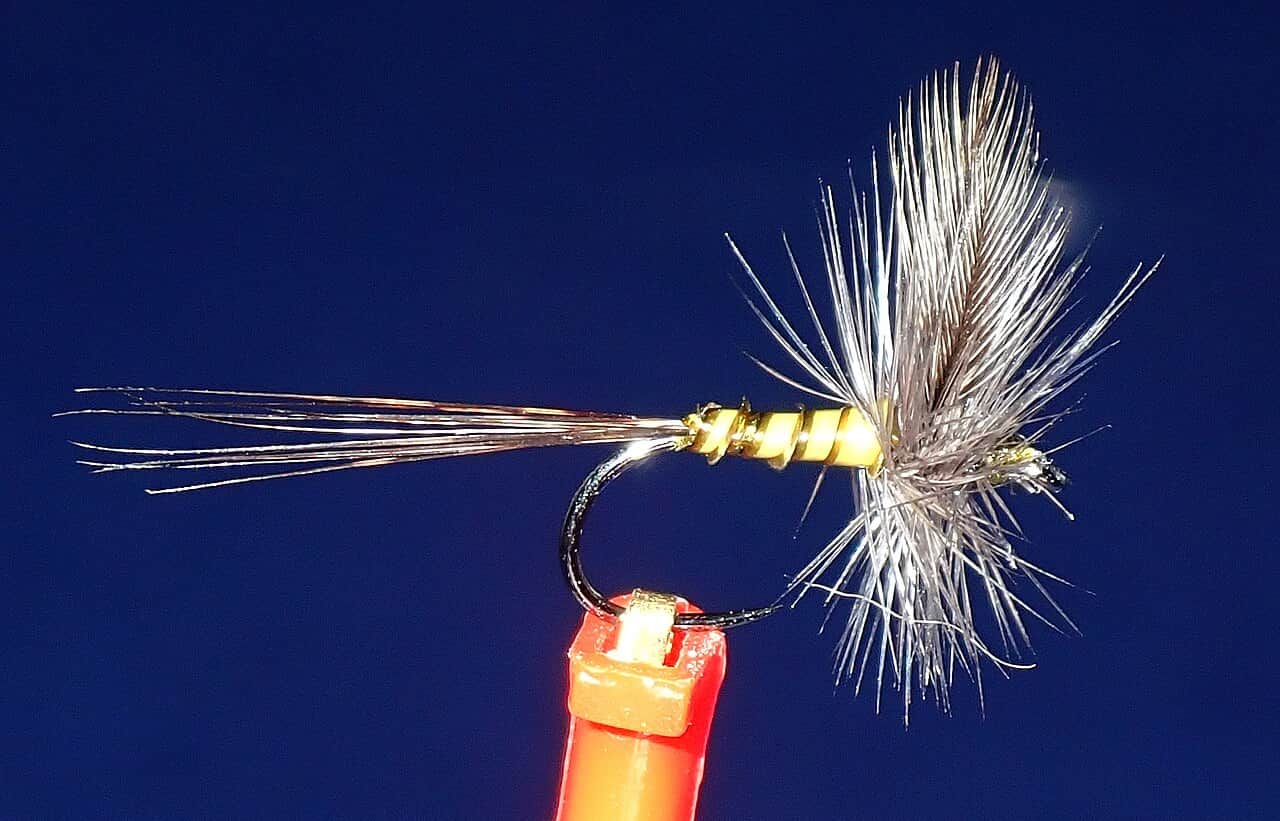
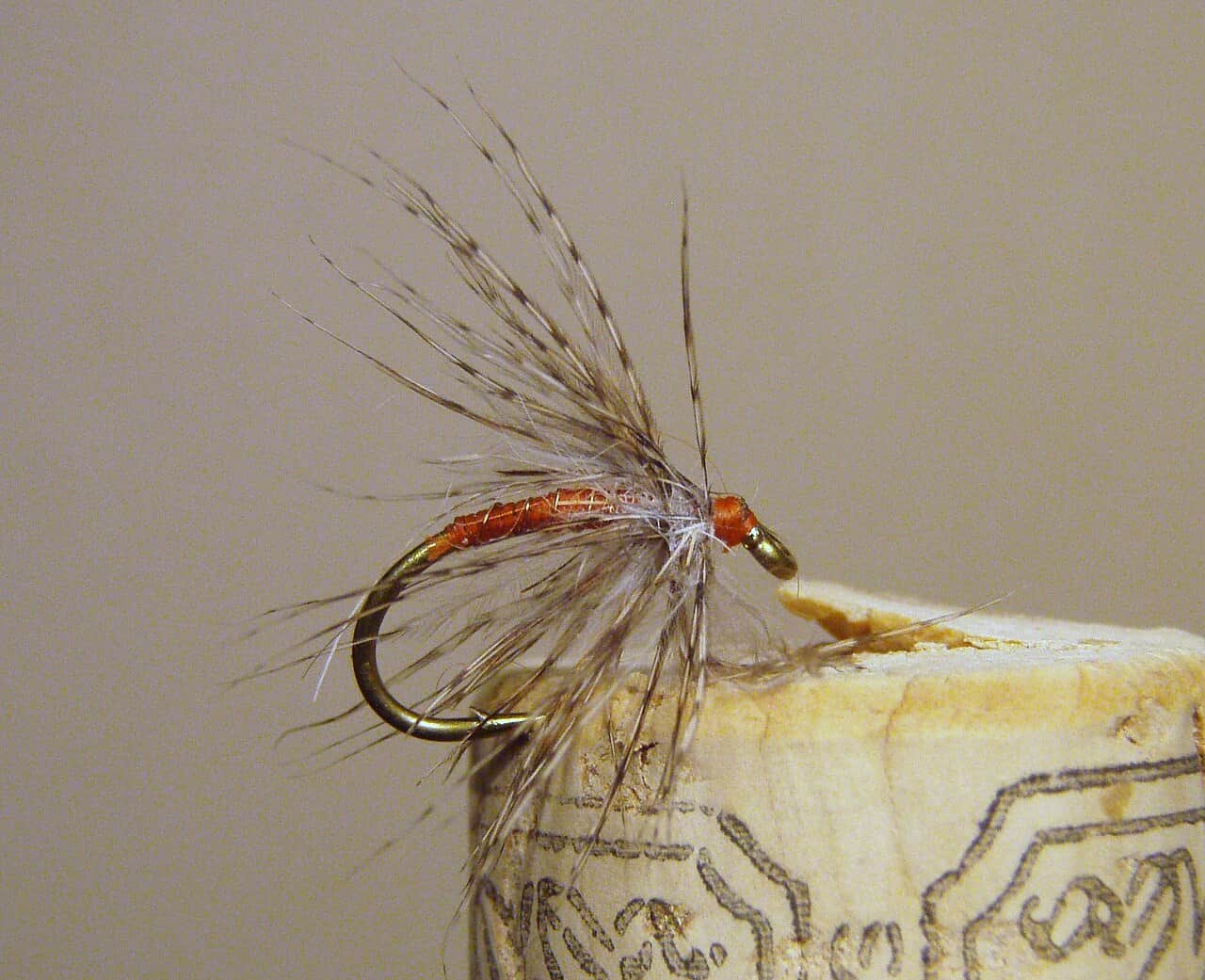
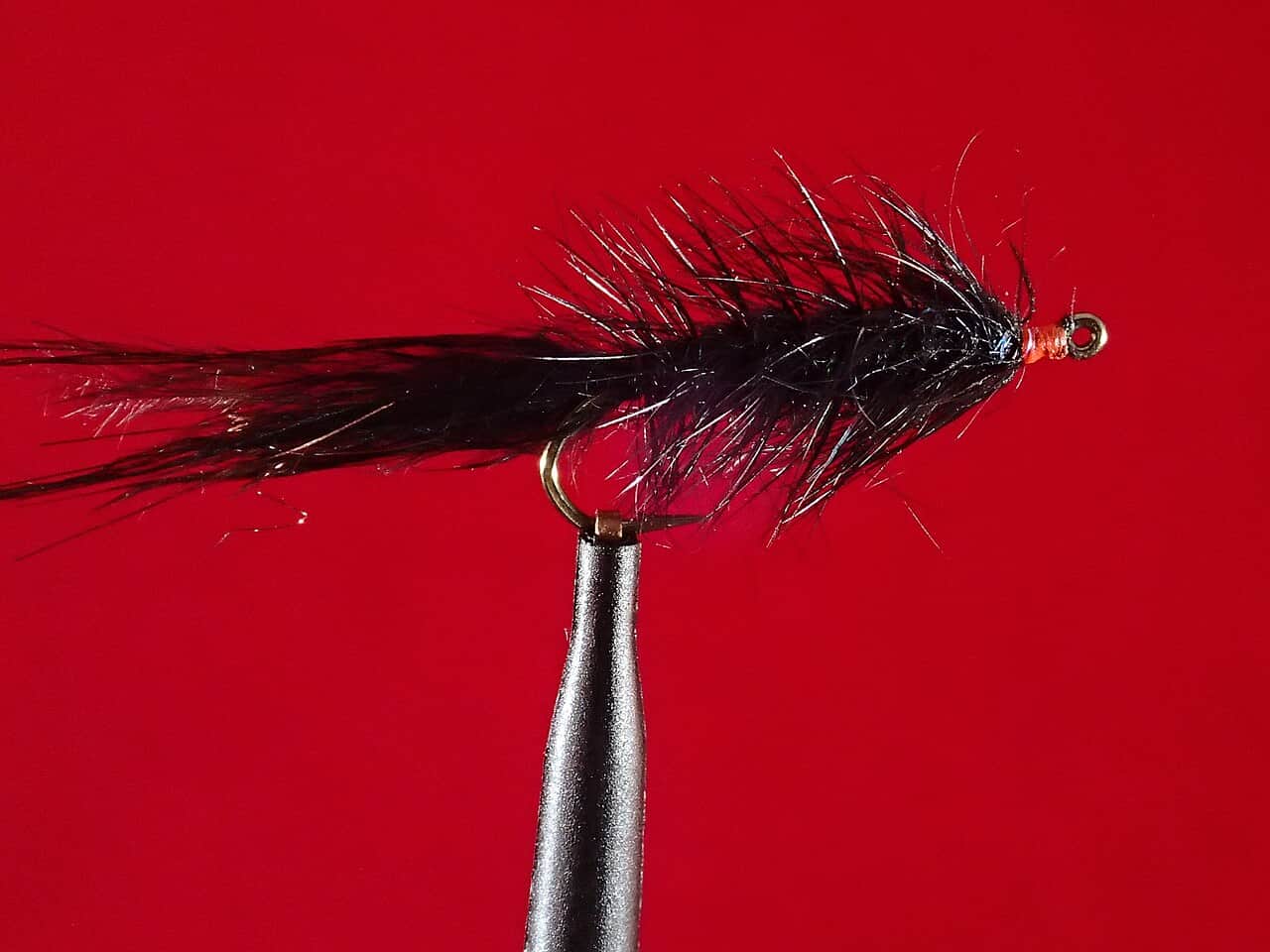
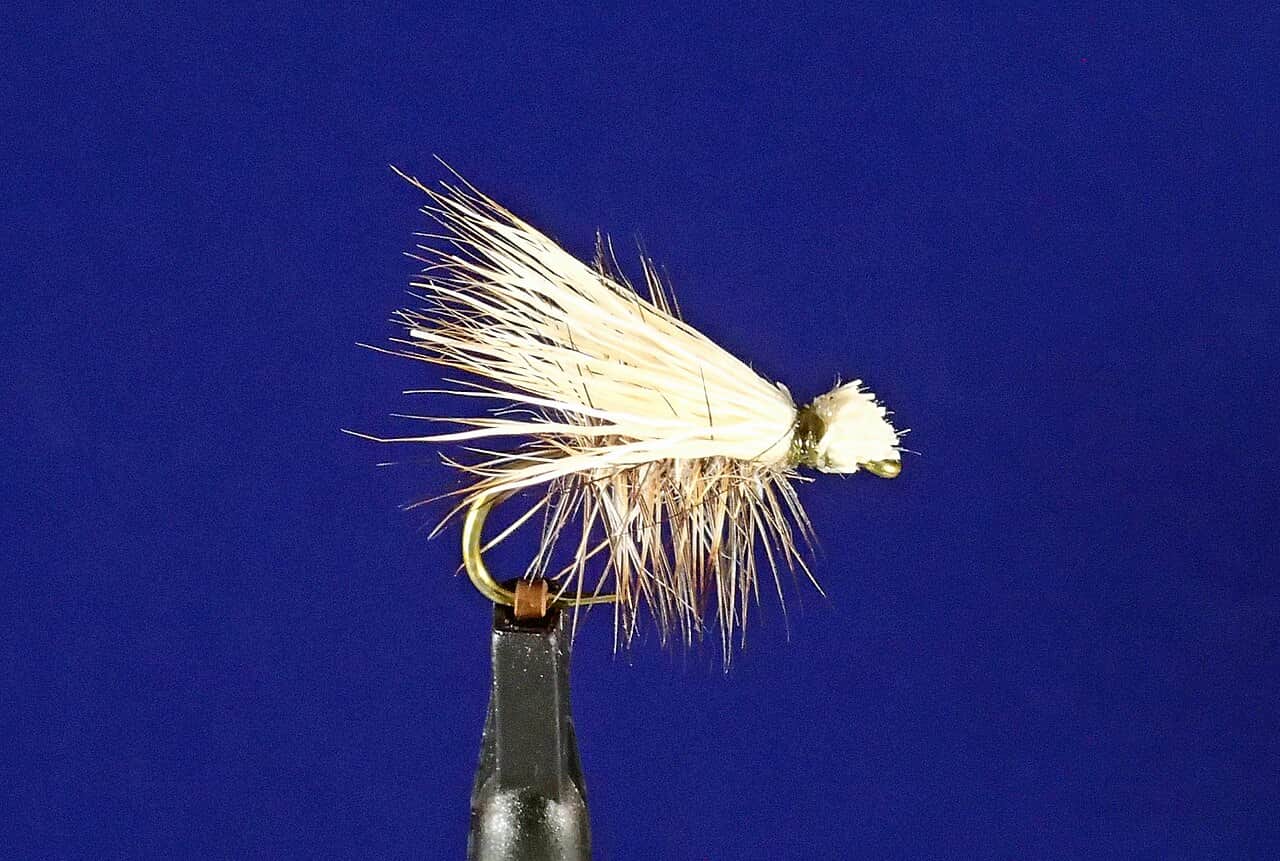
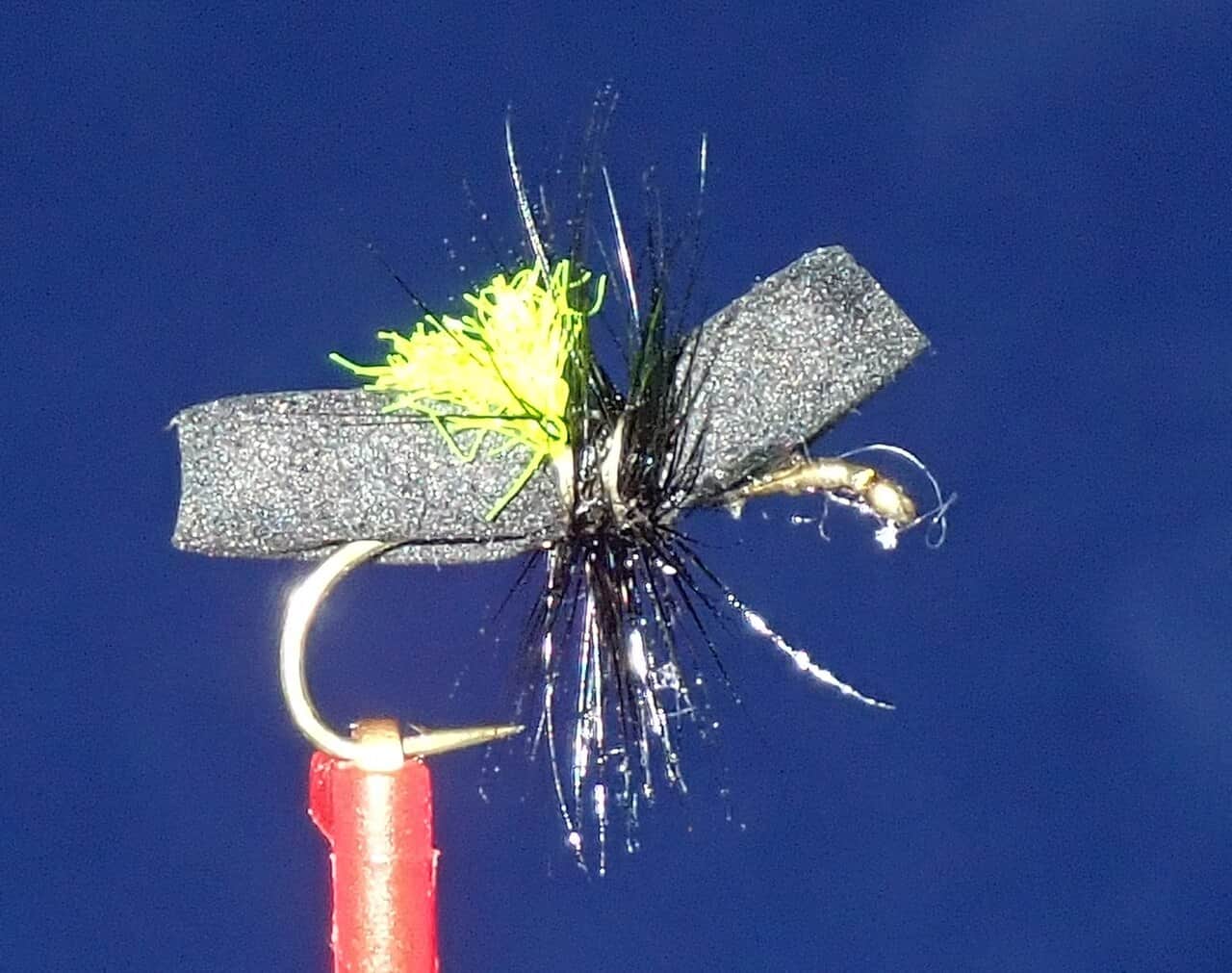
Every fly below has a matching pictured Fly Box guide. Change one pattern, size, or depth choice at a time.
Near Foss, the best cutthroat plan is a short cool-water session on stable or easing flow, with a temperature check before and during fishing. The lower river and bay can offer a separate salmon opportunity when ODFW, tide predictions, wind, an open public launch, suitable craft, and current rules all line up. Do not let one favorable signal override a reach mismatch.
Use the trend and temperature for the scored reach near USGS 14301000, then check the bank, clarity, and current onsite.
Keep the trout plan early and short, handle fish quickly, and recheck the exact reach.
Stop fishing for trout. Choose a different target, reach, or day after checking the applicable rules.
Stay out of crossings and leave when a simple protected-bank plan no longer works.
Use ODFW, NOAA tide predictions, marine weather, and launch status. Foss flow does not establish bay current or boating safety.
These scores compare the risks of wading, bank fishing, and floating.
Wade only protected edges near Foss after checking current, depth, footing, temperature, and an easy exit. Avoid forced crossings.
Use a legal public bank or protected edge near Foss with stable footing. Check posted notices, current, and water temperature before fishing.
A lower-river or bay float is a separate decision. Confirm the exact reach, open launch, takeout, tide, wind, shuttle, suitable craft, PFD, and current ramp conditions; the Foss score does not clear it.
This report separates the scored Nehalem River reach near Foss from Nehalem Bay, upper Vernonia water, and the North Fork. Choose the reach, then use its flow, temperature, tide, access, and Oregon rules.
USGS 14301000 supplies flow and water temperature for the Nehalem near Foss. ODFW's August 25 report separately described fair-to-good summer Chinook fishing in the bay and good cutthroat fishing throughout the basin. Use the numeric rating and chart only near Foss. Use current ODFW guidance, tides, wind, and launch status for the bay.
USGS shows 90 cfs. The flow has been stable over about 6 hours. USGS marks this reading provisional and may revise it. USGS records for this date (1940-2024, 85 readings) show a median near 397 cfs and a low-water marker near 102 cfs; today's flow is unusually low for the date. USGS 14301000 measures the mainstem near Foss. Its flow, stage, and water temperature describe that reach only; they do not measure Nehalem Bay tides or currents, lower-river wind, clarity, or ramp status, upper-river or Vernonia conditions, North Fork conditions, or safe access. Low water can make fish spooky, warm, pressured, or concentrated; check temperature and handling risk.
An active public alert is in effect near this forecast point, so the score is capped at caution until conditions are checked. NWS alert: Freeze Warning issued October 22 at 10:20AM PDT until October 23 at 9:00AM PDT by NWS Portland OR.
Wade: Wading is in play only where your chosen access has clear footing, legal entry, and no forced crossings.
Fall · September through November: Reach closures diverge sharply.
USGS water temperature is about 51.4F, and the rolling 24-hour high did not trigger a heat caution. USGS marks the temperature data provisional and may revise it.
Use a fresh USGS 14301000 flow, trend, and temperature instead of a universal cfs promise. Stable or easing flow can support a short Foss plan, but temperature, clarity, access, and onsite current still decide it.
Skip or leave for 70°F trout water, rising or muddy flow, debris, unsafe weather, poor footing, a reach closure, an access problem, or a bay plan without current tide, wind, launch, and safety checks.
Choose Foss, the bay, upper Vernonia water, or the North Fork first. Use only the score, rule, access, and fly guidance that matches that reach.
Compare the Wilson, Trask, or Sandy only after starting a new gauge, rule, access, and temperature check for that river.
When: General trout season: May 22 through October 31
Use the Foss rating for a short freshwater plan near the gauge, then verify the exact access and temperature.
When: Summer through early fall when the legal reach is open
Use current ODFW guidance and lower-river conditions rather than treating the Foss score as a tidewater rating.
When: Lower river and bay under current in-season rules
ODFW reported summer Chinook in the bay on August 25. Recheck the exact reach, dates, bag limit, and any later update.
When: Only where the current Northwest Zone rule is open
Release wild steelhead and verify the main river or North Fork rule before targeting steelhead.
Use a named public site and the rule for that exact section. Public water does not authorize crossing private land.
ODFW's 2026 Northwest Zone rules set the general trout season at May 22 through October 31 and require artificial flies or lures above tidewater from May 22 through August 31. Release wild steelhead. The main river and bay below Foss Road Bridge have separate salmon and hatchery-steelhead rules. Foss Road Bridge to Highway 26 is closed to salmon angling all year. Above Highway 26 is closed to salmon angling all year and to all angling September 1 through November 30. Current in-season updates allow one adult wild Chinook per day and five for the seasonal aggregate from July 1 through November 30 across the main river and bay from the mouth to Foss Road Bridge plus the North Fork from its mouth to Highway 53. Chinook then closes December 1 through 31. The special wild-coho season runs September 9 through October 28 on Wednesdays, Saturdays, and Sundays only from the jetties to Miami-Foley Road Bridge plus the North Fork from its mouth to North Fork Road Bridge at Aldervale, with one adult per day and three for the period plus one wild jack per day. Recheck current updates and the exact reach before fishing or keeping fish. In-season changes override the permanent summary.
| River section and season | Fishing rules |
|---|---|
| Nehalem Bay and lower tidewaterseparate plan | Use the current ODFW salmon report, NOAA tide predictions, marine weather, and a verified open public launch. The Foss score does not rate bay current, wind, bar safety, or fish movement. Official rule |
| USGS 14301000 near Fossscored reach | The live rating uses this reach's discharge and water temperature. The seven-day chart shows discharge only. Neither clears a bank, crossing, or float. Official rule |
| Foss Road Bridge through upper Vernoniarules split | Foss Road Bridge to Highway 26 is closed to salmon angling all year. Above Highway 26, salmon angling is closed all year and all angling closes September 1 through November 30. Foss readings do not confirm upper-river conditions. Official rule |
| North Fork Nehalemseparate waterbody | Use the North Fork rule and its own access and condition checks. Do not transfer the main river score or assume the hatchery platform is general public access. Official rule |
The City lists two free public docks downtown. The lower dock supports transient fishing tie-up, and the upper dock includes a kayak launch. Recheck current posted conditions before use.
Site detailsThe Marine Board listed boating access open with summer boarding docks deployed. Recheck the park and access report before towing or launching.
Site detailsThe Marine Board listed these ramps open and said Roy Creek and Nehalem ramps had been cleared of silt and mud. Use the current report, not the page's former stale mud warning.
Site detailsTillamook County placed rock at the ramp bottom to fill the drop-off. The Marine Board asks boaters to avoid power loading because it damages the ramp.
Site detailsOfficial flow, temperature, fishing, rule, tide, launch, access, safety, and weather sources were checked August 28, 2026. No field visit is claimed.
Check what is allowed, where the rule applies, and whether the river is open.
Check the latest river reading and forecast before you leave.
Check public entry points, land rules, and seasonal access changes.
Use these links for stocking, safety, and other local details.
Check what is allowed, where the rule applies, and whether the river is open.
Open the current rules and check the river section, season, and special limits.
Open the current rules and check the river section, season, and special limits.
Open the current rules and check the river section, season, and special limits.
Check the latest river reading and forecast before you leave.
Open this page and check the latest safety advice before your trip.
Open this river reading to check the latest level, flow, and update time.
Open this river reading to check the latest level, flow, and update time.
Check public entry points, land rules, and seasonal access changes.
Open the land or access page, then check signs before you park or enter.
Open the land or access page, then check signs before you park or enter.
Open the land or access page, then check signs before you park or enter.
Open the land or access page, then check signs before you park or enter.
Open the land or access page, then check signs before you park or enter.
Use these links for stocking, safety, and other local details.
Open this page and check the latest safety advice before your trip.
Open this page and check the latest safety advice before your trip.
Open this page for more river information and check when it was last updated.
Open this page for more river information and check when it was last updated.
Open this page for more river information and check when it was last updated.
What was checked: Official sources support the Foss gauge, dated ODFW opportunity report, permanent and in-season rules, named public access, ODFW's fish-stress guidance, tide predictions, marine context, and weather. BlueStreamFly uses 70°F as a conservative trout stop; the ODFW guidance says to stop when water exceeds 70°F. The numeric rating applies only near Foss. No field visit, bay-current observation, bar-safety clearance, current clarity reading, fish-count verification, safe-wading clearance, or verified float route is claimed.
Live measurements and forecasts keep their provider timestamps. Rules, access, and trip guidance use the source-review date shown here. BlueStreamFly planning advice is editorial interpretation, not an agency notice.
First-hand experience: BlueStreamFly does not claim a first-hand visit or local field test for this report unless a real contributor is explicitly named and linked.
The numeric rating and seven-day chart cover the main river near USGS 14301000 at Foss. They do not rate Nehalem Bay, the upper river around Vernonia, or the North Fork.
No. The Foss gauge reports discharge, stage, and water temperature at its site. For the bay, check ODFW's current report, NOAA tide predictions, marine weather, an open public launch, and conditions on site.
Recheck the exact reach and stop fishing for trout at 70°F or warmer. At 67°F to below 70°F, keep the session early and short and handle fish quickly.
Start from a legal bank near Foss. Wade only protected edges after an onsite current, depth, footing, temperature, and exit check. A lower-river float is a separate launch, takeout, tide, wind, shuttle, craft, PFD, and ramp decision. The Foss score does not clear it.
Start with the current seasonal row and the legal target. Use caddis, small mayfly, terrestrial, soft-hackle, or small-streamer patterns for cutthroat. Use migratory-fish patterns only when current rules and the exact lower reach support that plan. Every listed fly opens a pictured guide.