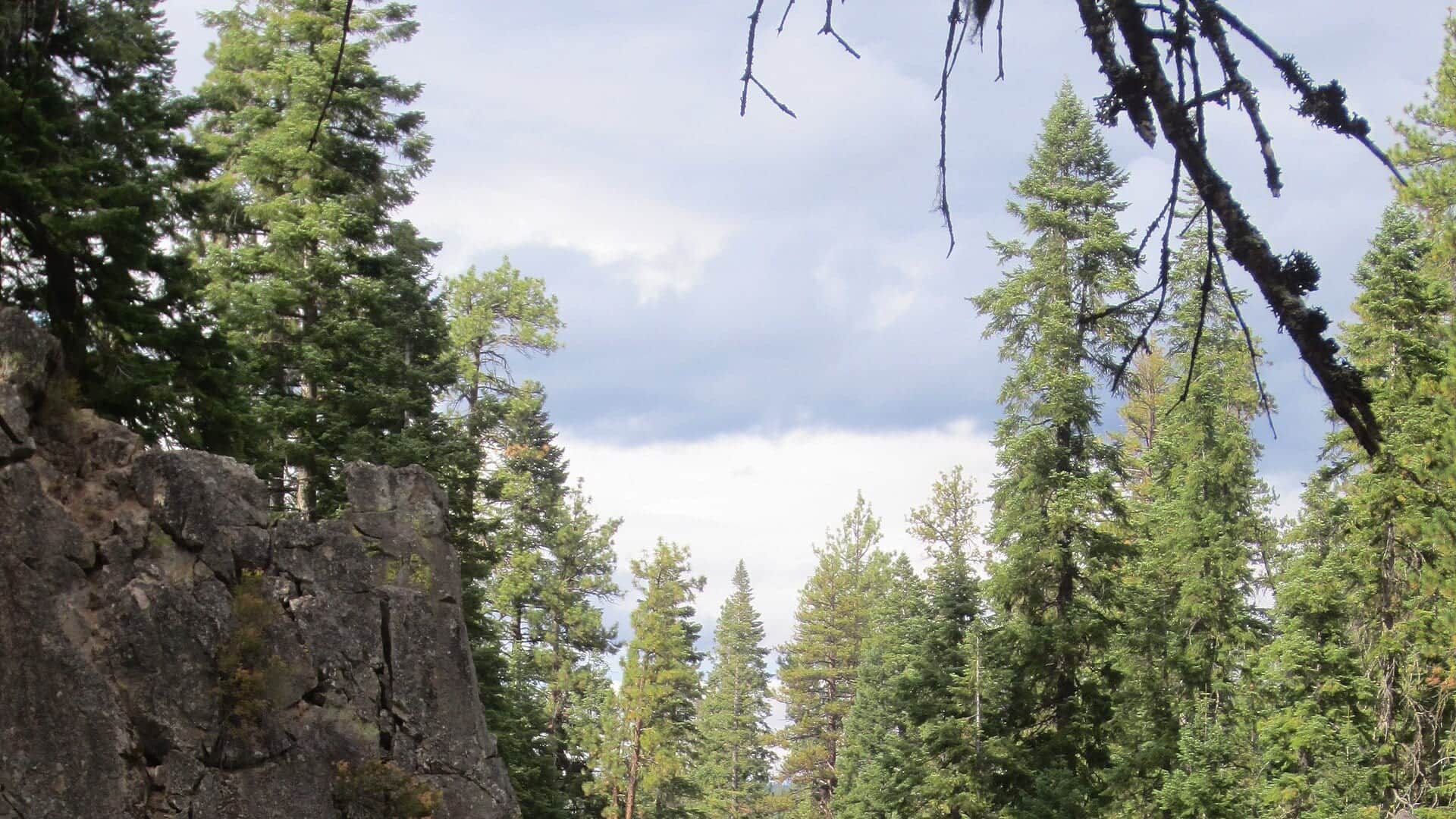
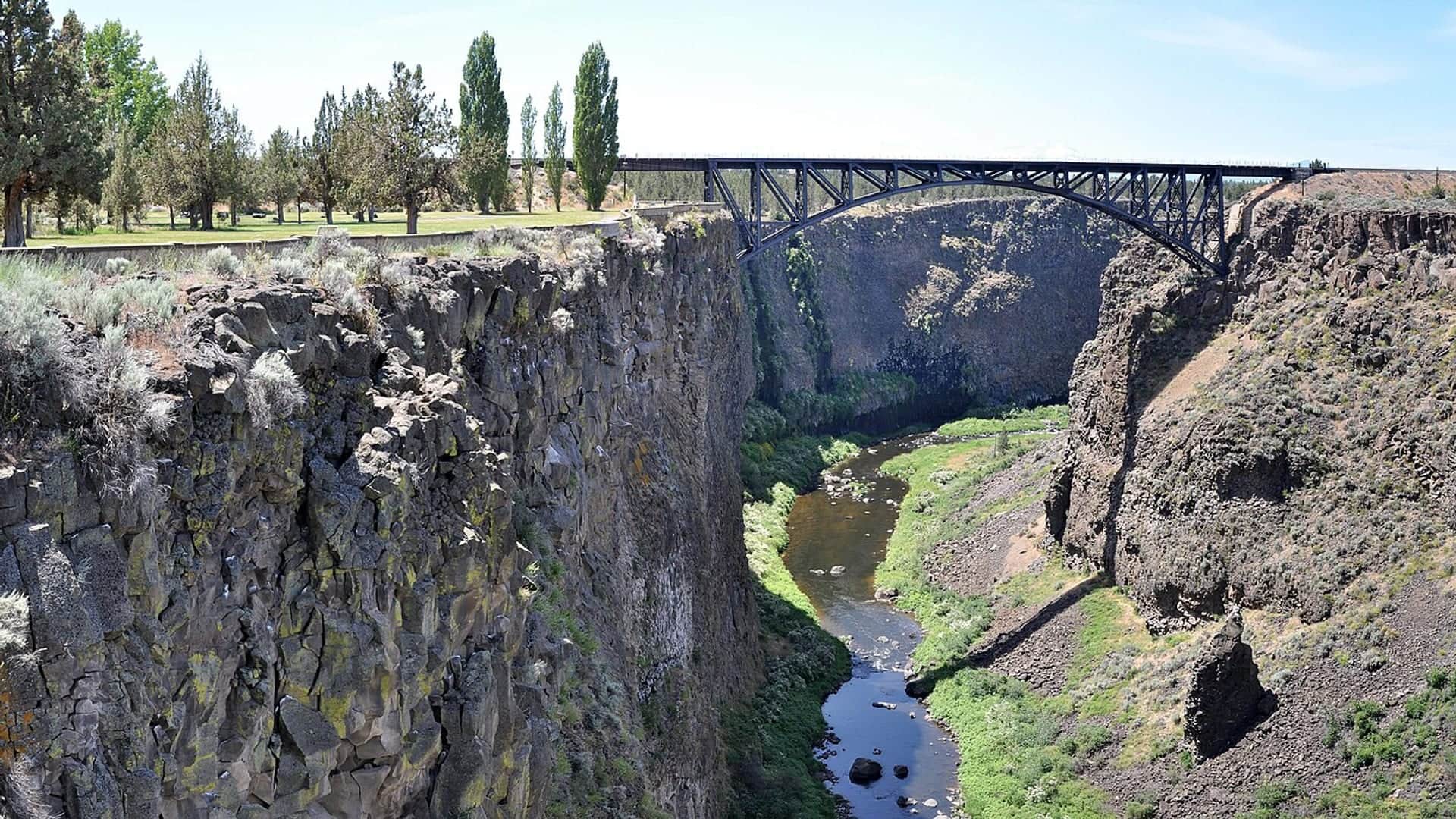
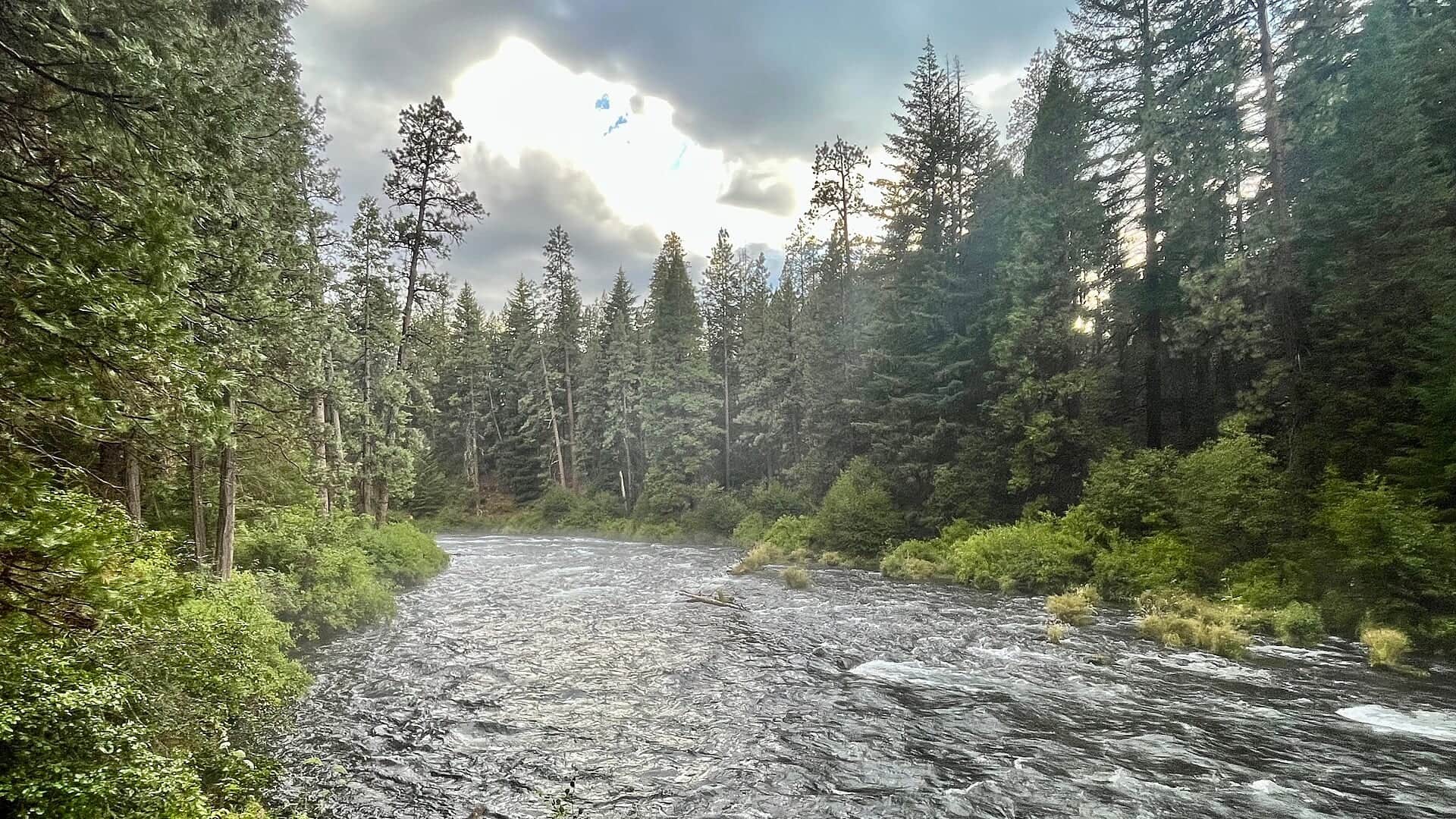
Generated canyon planning image representing the John Day River in Oregon, not an exact location photo

Oregon / West

John Day River

A John Day River report for mainstem Oregon planning, with McDonald Ferry flows, BLM access, smallmouth timing, steelhead context, float-and-wade cautions, and weather.

Image: Generated regional planning image for John Day River / BlueStreamFly generated; not exact location / BlueStreamFly

Fishability now: John Day River fishability today

GreatData confidence: High

96/100

Fishable now because McDonald Ferry gauge is stable, weather is mild, and no public alert is active.

Flow observed

5:45 PM UTC

Weather observed

6:00 PM UTC

Score calculated

6:12 PM UTC

Why this rating

Flow

Water temperature

Public alerts

Next 6-12 hours

Hold

Stable live data supports staying with the plan, but recheck the gauge and forecast before leaving.

More planning details: flies, flow bands, and live source checks

Fish it today

Start here

Base near Service Creek or Cottonwood Canyon, pick one realistic access or float segment, and fish it thoroughly instead of trying to sample the whole basin in a day.

Best flow clue

Stable or gradually dropping lower-basin flow that lets you read inside banks and soft current breaks without turning every move into a muddy push or a dead-low summer grind.

Skip trigger

Skip the trip when heat is extreme, the river is muddy after weather, or your day depends on uncertain permit, launch, or take-out details.

Flow decision bands

Stable or dropping mainstem flow

This is the best John Day signal for smallmouth edges, float pace, and safe bank moves around the lower basin.

High, muddy, or debris-heavy

A pushy or muddy mainstem should shift the day to safer banks, waiting, or a different river.

Low hot canyon water

Smallmouth may still fish, but heat, low oxygen, and long exposed floats should shrink the plan to early and late windows.

Permit or shuttle problem

BLM permit, launch, take-out, wind, and shuttle details can override a good-looking hydrograph.

USGS flow

762 cfs

Open

Current trend: flow stable, so weather, temperature, and access checks drive the next change.

Live USGS flow

762 cfs / stable

Live NWS forecast

70F / Partly Sunny

Live water temperature

71F from USGS

No NWS alert flag

No active NWS alert was returned for this forecast point.

Primary waterMainstem John Day around Service Creek, Cottonwood Canyon, Clarno, and McDonald Ferry access
GaugeRiverReports John Day River with USGS 14048000 at McDonald Ferry backing the lower basin
Access styleBLM launch sites, canyon pull-ins, state-park access, and float-supported water
ReviewedJune 2, 2026

Use the McDonald Ferry flow for lower-basin trend checking, then match your day to the specific launch, camp, or roadside access you can actually use.

Smallmouth are the most consistent warm-season fly target, while steelhead become the cooler-season add-on that needs current ODFW checks.

This page is not a substitute for North Fork, South Fork, or upper-basin trout planning.

Long drifts, hot canyon weather, and permit-managed boating can matter more than finding one perfect hatch.

Editorial review

How this report is maintained

This report starts with official regulation, access, flow, weather, and public-land sources, then adds practical planning guidance for fly anglers.

Byline

BlueStreamFly editorial desk

Reviewed by

BlueStreamFly source review

Maintained by

BlueStreamFly

Last material review

2026-06-02

Report confidence

Good confidence

89/100

Good confidence: RiverReports, USGS 14048000 at McDonald Ferry, ODFW Northeast Zone and John Day smallmouth sources, BLM Wild and Scenic permit/access material, weather data, and mainstem John Day guidance support the page. Confidence is moderated by reach length, canyon heat, permit and shuttle logistics, seasonal steelhead rules, and wind.

Regulations

ODFW zone, smallmouth, and steelhead sources support current target-species and rule checks.

Access

BLM John Day Wild and Scenic River sources support permit, launch, and safety planning, with exact trip logistics still day-specific.

Flow and weather

RiverReports, USGS 14048000 at McDonald Ferry, and the National Weather Service point support live flow and weather decisions.

Fishing usefulness

The page now separates mainstem flow, BLM access and permit needs, canyon heat, smallmouth timing, steelhead context, and backup-water decisions.

Fishability dashboard and source review

2026-06-02 / material content or source review

RiverReports, USGS 14048000 at McDonald Ferry, ODFW Northeast Zone and John Day smallmouth sources, BLM John Day Wild and Scenic River permit and safety sources, National Weather Service point data, and mainstem float-access planning sources were checked before updating the current-fishability decision layer.

2026-06-02

Added the current-fishability dashboard with McDonald Ferry flow bands, BLM access cards, canyon-heat backup cues, stable fishability SEO, and confidence signals.

2026-05-26

Published a new John Day River report focused on mainstem smallmouth planning, seasonal steelhead context, BLM access logistics, and honest float-versus-wade decisions.

Angler planning edge

Local details that change the plan

Best for

Mainstem Oregon smallmouth trips, Float-supported canyon days, Cooler-season steelhead scouting with current rules in hand

Wade or float

Best treated as a float-first river with selective bank wades. You can wade useful edges, but the John Day is more productive when you respect distance, shuttle timing, and access spacing.

Best flows

Stable or gradually dropping lower-basin flow that lets you read inside banks and soft current breaks without turning every move into a muddy push or a dead-low summer grind.

When to skip

Skip the trip when heat is extreme, the river is muddy after weather, or your day depends on uncertain permit, launch, or take-out details.

Local plan

Base near Service Creek or Cottonwood Canyon, pick one realistic access or float segment, and fish it thoroughly instead of trying to sample the whole basin in a day.

Pressure

The John Day spreads people out better than many destination trout rivers, but the obvious launch corridors and easy park access still concentrate traffic first.

Access nuance

BLM-managed boating sections and state-park access make planning easier, but they also mean the legal and practical entry points are narrower than the map can make them look.

Backup water

The Deschutes, Crooked, or Metolius are cleaner backup calls when you want more consistent trout structure or need to avoid canyon heat and shuttle complexity.

About the river

Setting, character, and why it fishes the way it does.

The John Day is one of the West's rare long undammed rivers, and it fishes more like a system of float corridors and canyon access windows than a single wade-everywhere destination. That matters because the useful fishing plan changes from one reach to the next.

For this route, the page is scoped to the mainstem river that most anglers mean when they talk about Service Creek, Cottonwood Canyon, Clarno, and McDonald Ferry. That keeps the lower-basin gauge, BLM access, and seasonal species advice aligned.

ODFW highlights the John Day for world-class smallmouth bass, while BLM emphasizes boating permits, safety gear, and changing water levels. A good fly-fishing day here comes from combining those two realities rather than treating the river like a simple trout stream.

Target species

Smallmouth bass

The main warm-season fly target on the mainstem, especially once water temperatures climb.

Summer steelhead

A seasonal cooler-water target in the mainstem and lower-basin corridor where current rules allow.

Carp and warmwater bycatch

Possible in broader slower sections and backwaters, especially later in summer.

Reading the water

Stable or dropping flow

Best overall window for reading soft banks, inside seams, and float pace.

High or muddy water

Reduce expectations and focus on safety, because the John Day becomes more of a boating problem than a fishing problem.

Low clear summer flow

Fish early and late, lean on bass structure, and avoid pointless mid-day mileage in heat.

Cooler fall flow

Better time to bring steelhead tackle back into the plan if current ODFW updates support it.

Best seasons

Spring

A transition period when flows settle, bass activity builds, and canyon travel starts to open up.

Summer

The strongest smallmouth window, especially around low-light topwater and deeper current breaks.

Fall

Cooling weather and lower pressure make this the better steelhead-context and float-planning period.

Winter

Generally a marginal fly-fishing season for this mainstem route unless you have a very specific steelhead and access reason to go.

Preferred flow source

John Day River at McDonald Ferry

RiverReports is the preferred chart source when coverage exists. When a matching USGS gauge exists, keep it open as the official backstop for station data and current hydrograph context.

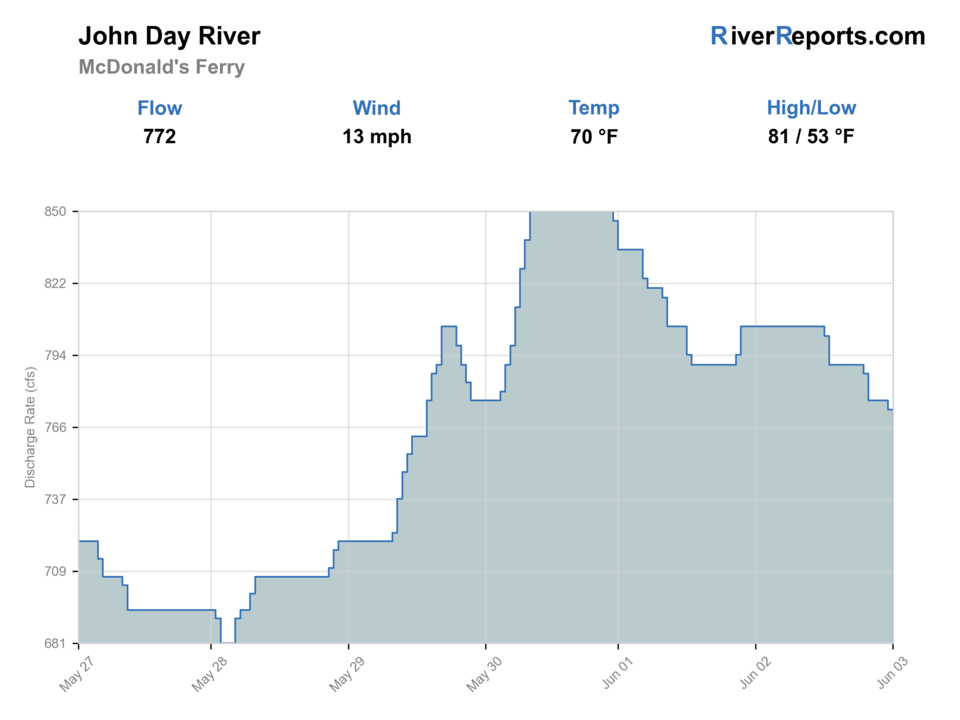
John Day River at McDonald Ferry RiverReports flow chart

USGS data chart

Official USGS trend

Streamflow over the latest USGS reporting window.

Latest

762 cfs

Jun 3, 4 PM UTC

Site

14048000

Low / high

681 / 850 cfs

Source

Open USGS

Weather

River weather report

Weather can change wading safety, road access, water temperature, hatches, and the best time of day to fish.

Live forecast loads as you reach this section

This keeps the report fast while still using the official National Weather Service forecast point.

Hatches and flies

Hatch chart and fly picks

March-May

Blue-winged olives, caddis, midges, and early baitfish windows

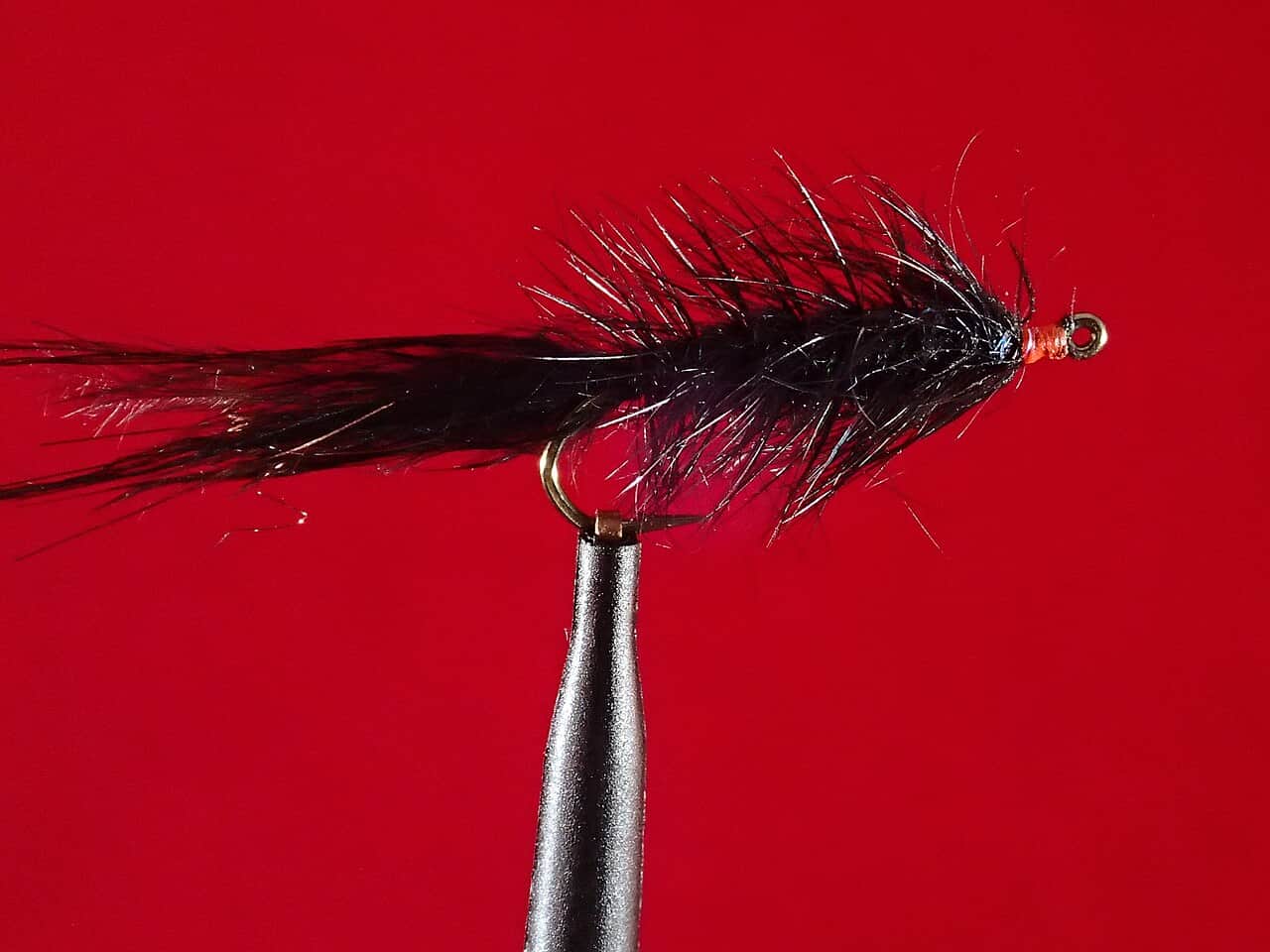
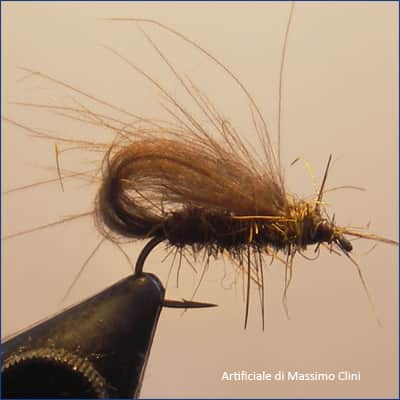
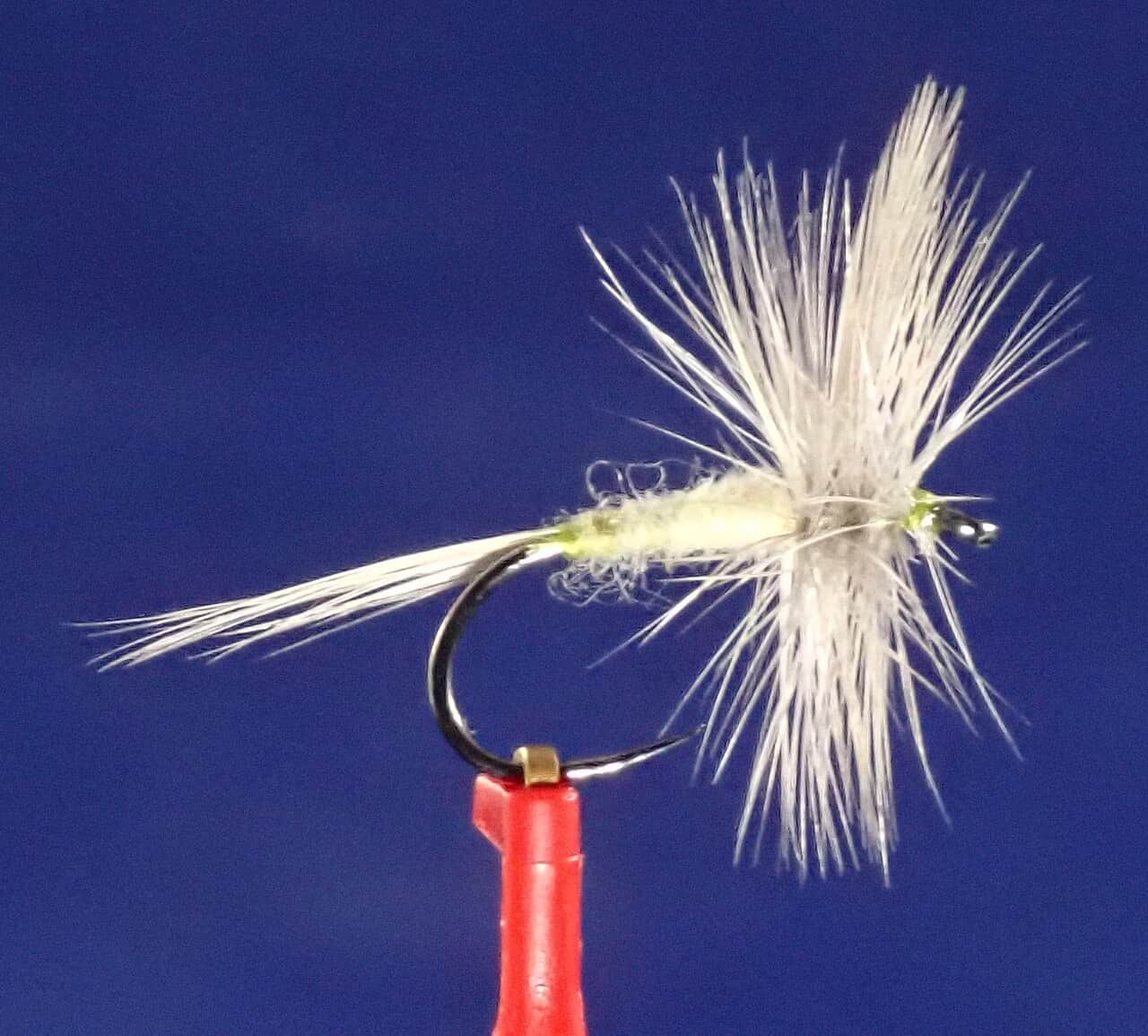
BWO emerger, caddis pupa, zebra midge, olive bugger, small baitfish streamer

May-July

Caddis, PMDs in calmer edges, and warmwater baitfish activity

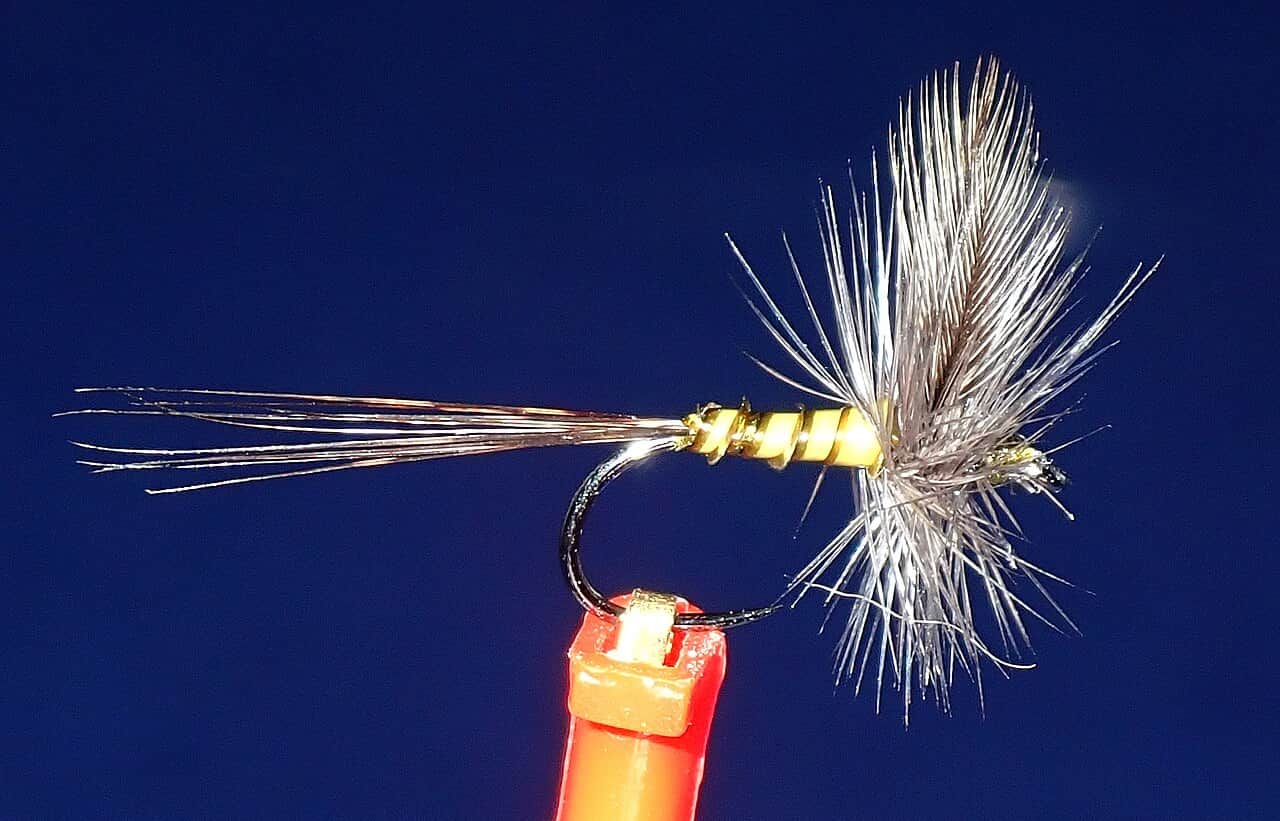
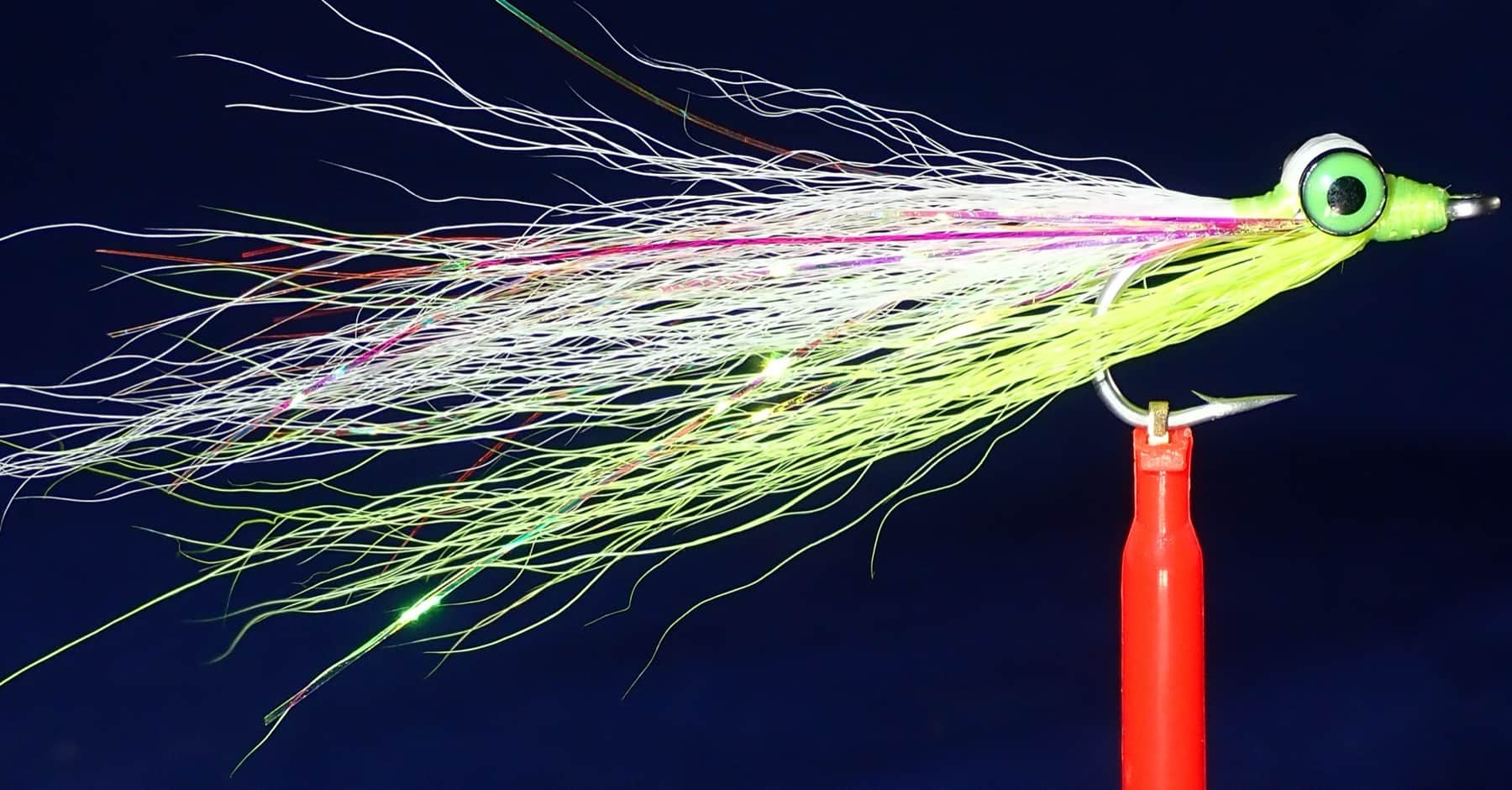
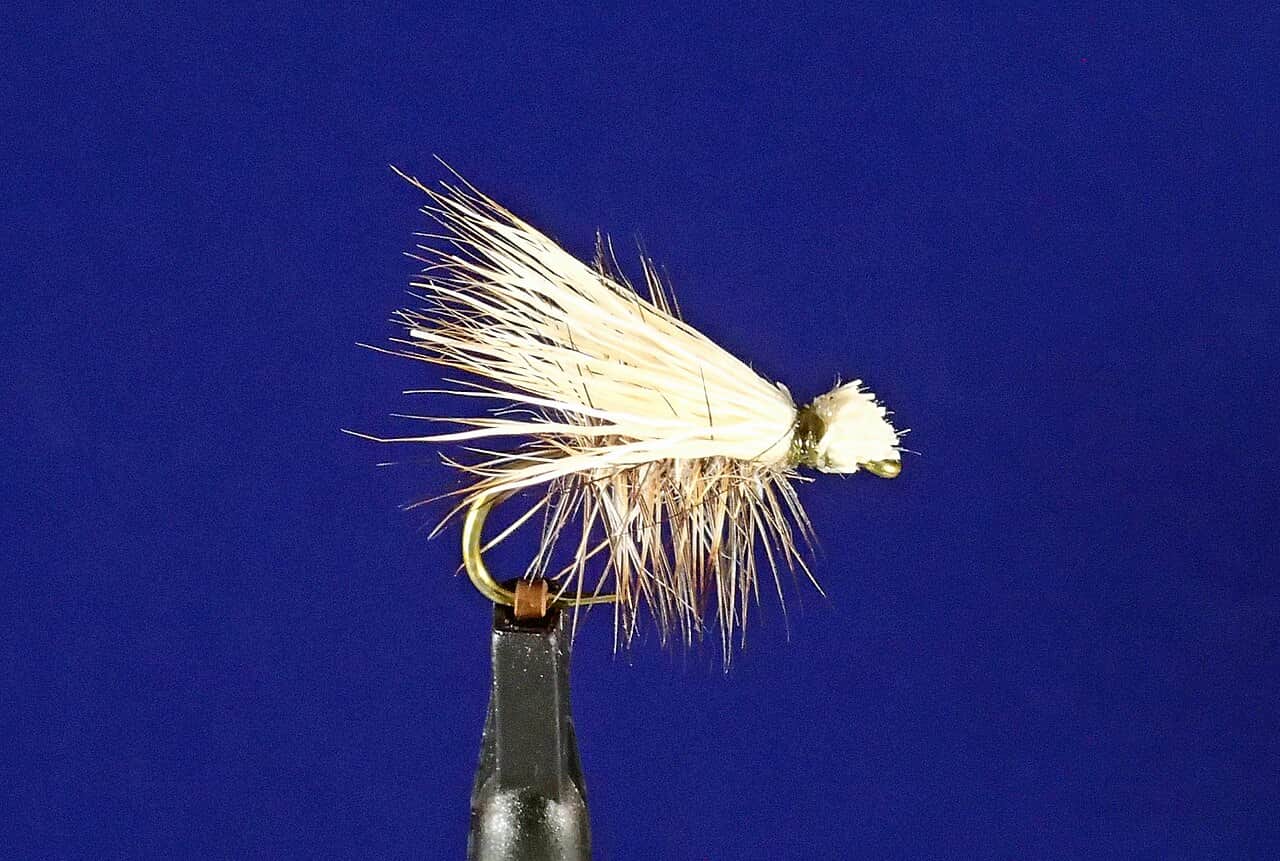
Elk hair caddis, PMD cripple, crayfish, Clouser, deer-hair bug

July-September

Terrestrials, caddis, and prime smallmouth topwater windows

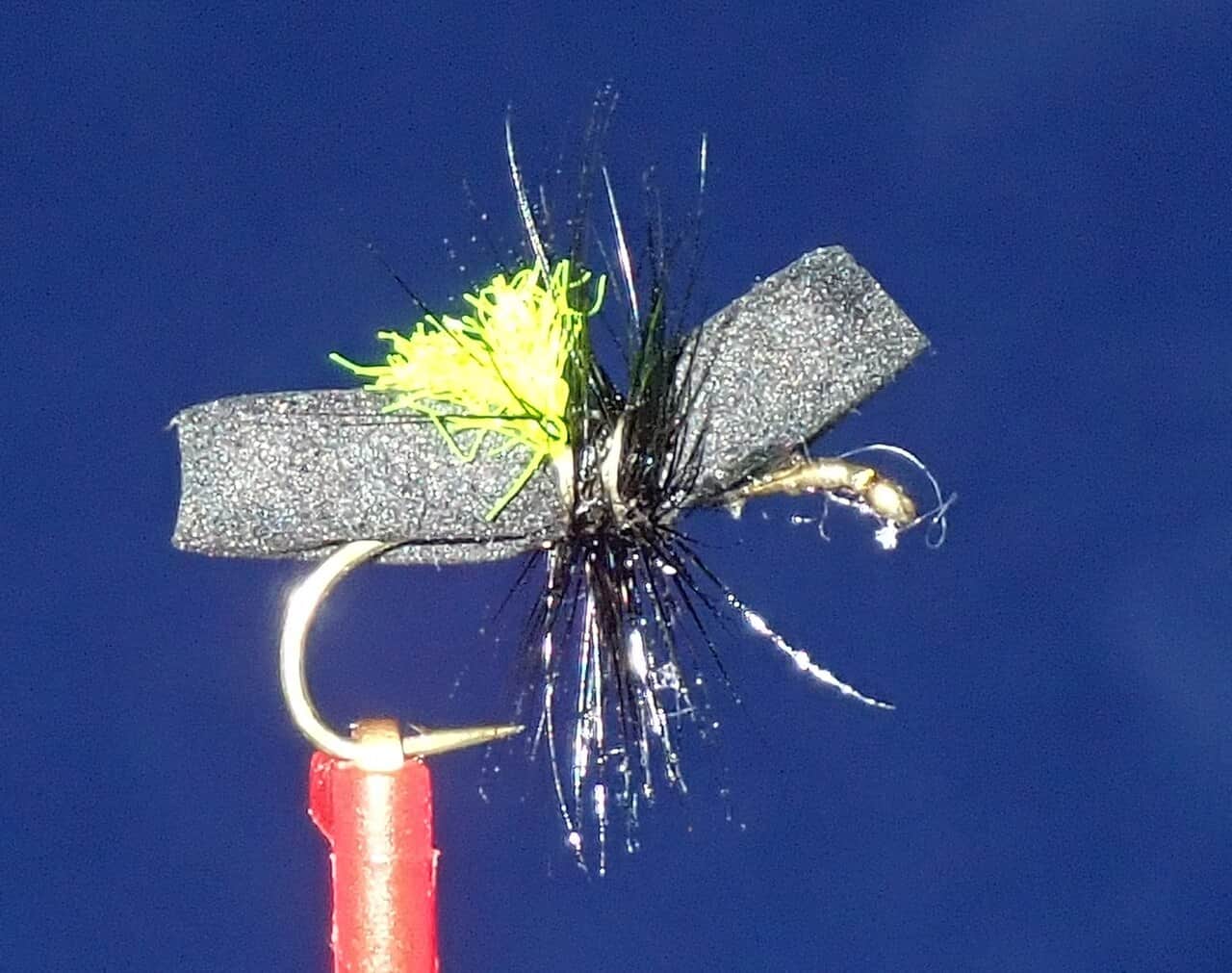
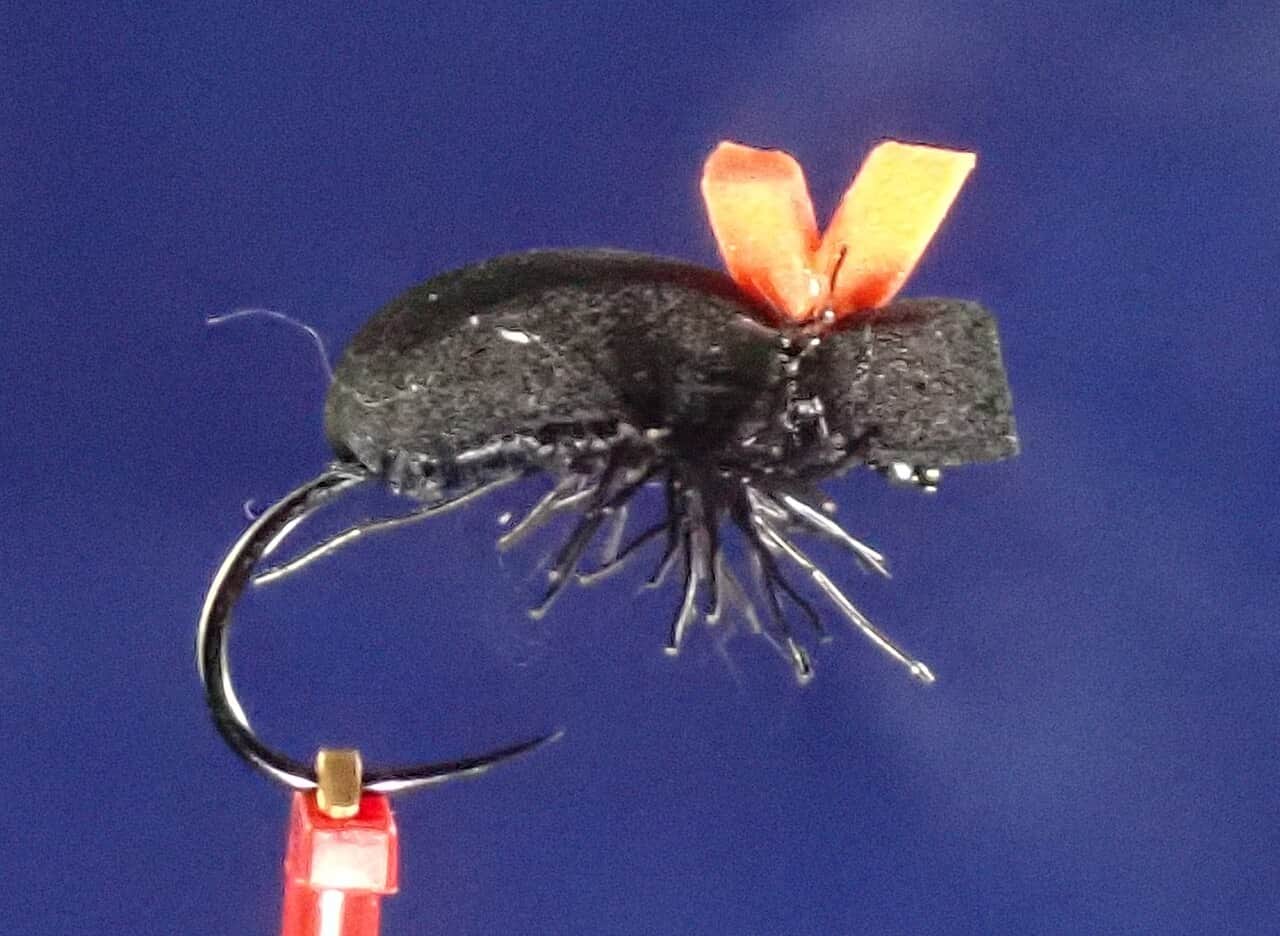
Foam hopper, ant, beetle, popper, baitfish streamer, crayfish

October-December

Steelhead egg and nymph windows with fewer warmwater opportunities

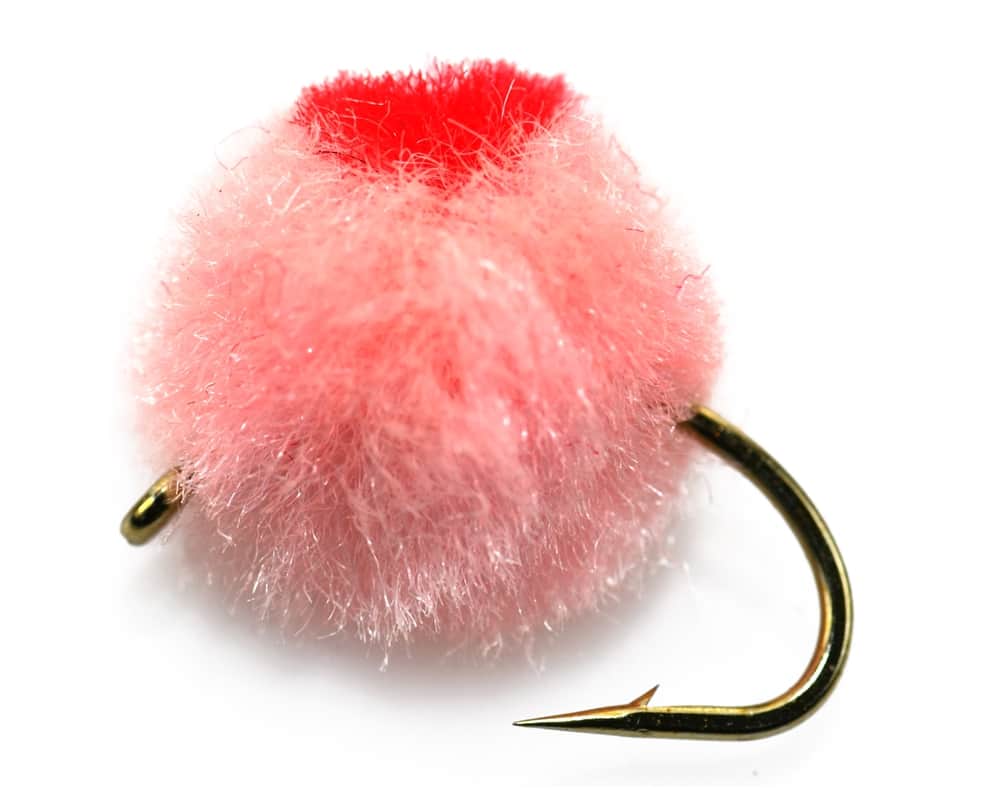
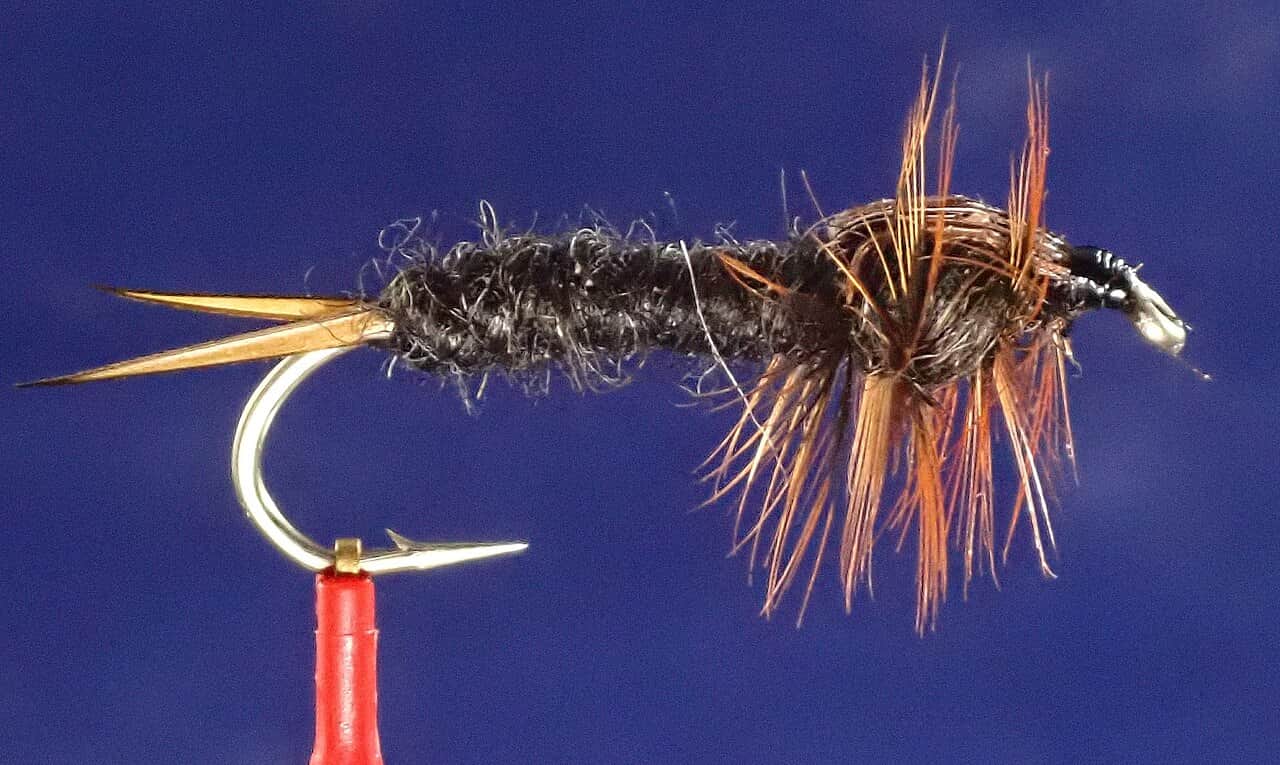
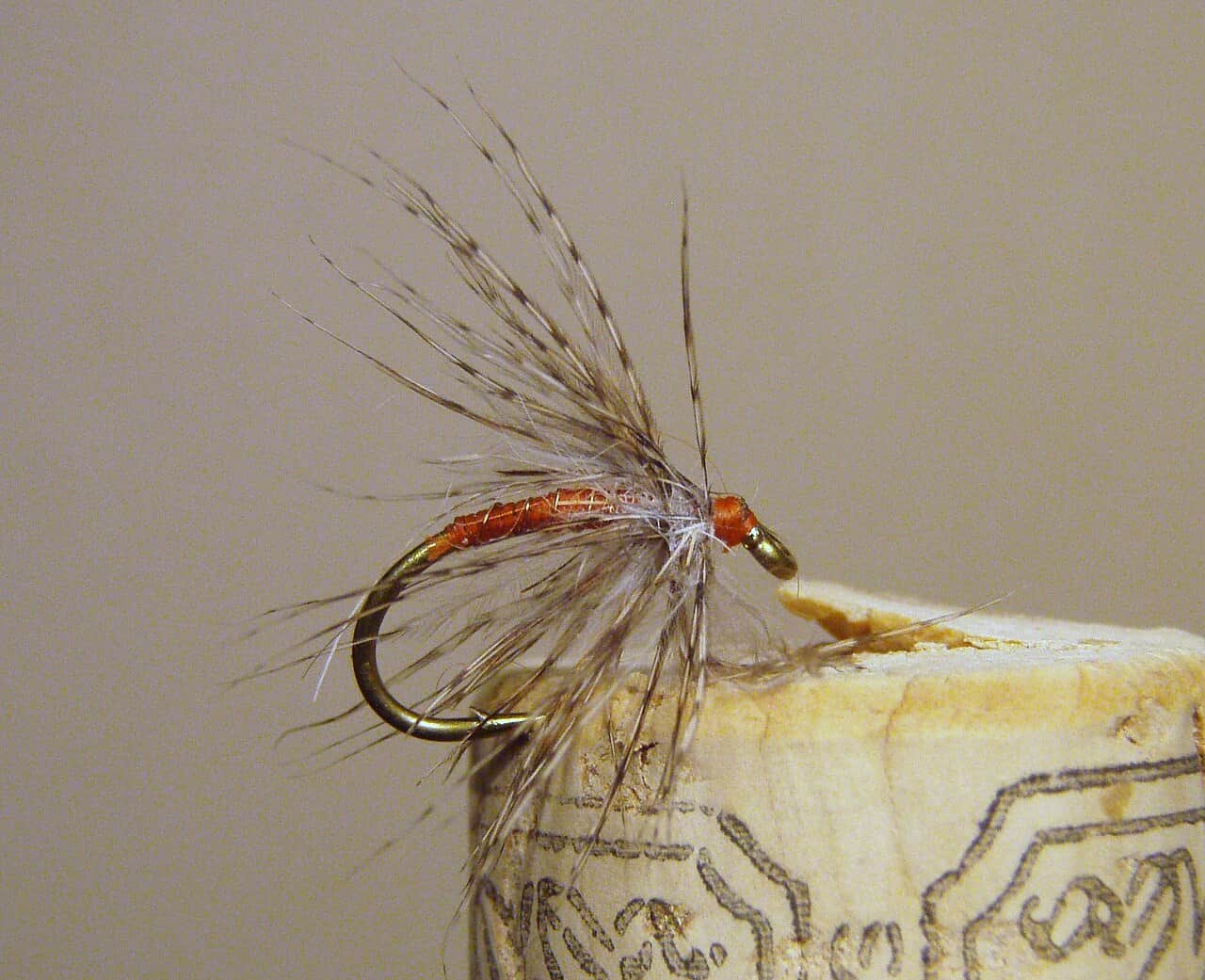
Egg pattern, stonefly nymph, soft hackle, black bugger, small intruder

Topwater

Deer-hair bug, foam popper, slider, gurgler

Best during warm low-light periods when smallmouth slide onto soft banks and current breaks.

Subsurface warmwater

Clouser, baitfish streamer, crayfish, woolly bugger, hellgrammite

Use on windier days, deeper buckets, or when fish stop showing on the surface.

Steelhead crossover

Egg fly, stonefly nymph, sparse wet fly, leech

Carry these when cooler fall flows bring steelhead planning back into the mainstem discussion.

Tactics

How to fish it

Pick your reach first and your flies second. Service Creek, Cottonwood Canyon, and lower-basin access do not fish like one uniform river mile after mile.

On warm-season days, probe soft inside bends, shade lines, and broken banks with poppers first, then slide to baitfish or crayfish patterns once the surface slows down.

When the river has extra color, cover deeper current breaks and eddies instead of forcing long open-bank casts.

If you are planning around steelhead, confirm the current rules and target that cooler-season travel water honestly instead of pretending the whole river fishes the same year-round.

Rigging

Rod, leader, and setup notes

A 6-weight with a floating line covers most John Day smallmouth work, especially if you carry a short sink tip for deeper banks.

Use stronger leaders than you would on a trout tailwater so you can pull fish away from wood and move them quickly in warm water.

Bring enough leader material to switch between topwater, baitfish, and a limited steelhead crossover box without rebuilding your whole setup at the truck.

If you float, rig your day around safety and shuttle simplicity, not around the idea that you can stop and wade every promising seam.

Access

Access and planning notes

McDonald Ferry gauge

Lower-basin flow decision

Wade / float / trail

RiverReports / USGS / float and bank planning

When to pick it

Start here when flow trend, color, and lower-basin pace decide whether the day is realistic.

Caution

The gauge does not confirm launch permits, take-outs, wind, heat, or local bank access.

Service Creek and Cottonwood Canyon

Mainstem access base

Wade / float / trail

BLM / state park / float / bank

When to pick it

Use these when the access plan is confirmed and the river supports smallmouth or seasonal steelhead tactics.

Caution

Long distances, hot canyon weather, and limited exits make casual improvising a poor choice.

BLM Wild and Scenic corridor

Permit and safety screen

Wade / float / trail

Permit / launch / float planning

When to pick it

Check this before any boat-supported plan or multi-access canyon day.

Caution

Permit, group, toilet, fire, and boating requirements are part of whether the trip is actually fishable.

BLM permit requirements apply to popular boating sections of the Wild and Scenic corridor, so do not assume every float plan is a casual launch-and-go day.

Wind, heat, and distance between legal stops matter on the John Day more than they do on many trout rivers.

The easiest public access is not always the best fishing water, but it is the safest place to start learning the river honestly.

Regulations

Check before fishing

Check current ODFW zone guidance and updates before fishing the John Day, especially if your day includes steelhead, hatchery-versus-wild fish decisions, or any shift away from simple warmwater catch-and-release bass planning.

Primary base

Service Creek, Condon, Fossil, or Cottonwood Canyon area

Best day style

BLM launch sites, canyon pull-ins, state-park access, and float-supported water

Check first

RiverReports, USGS 14048000, ODFW Northeast Zone guidance, BLM access and permit rules, and the NWS forecast

Safety

Canyon heat, long shuttle distances, changing flows, cold swims in current, and permit-managed boating sections

Gear

Helpful gear for this water

6-weight rod

A practical one-rod choice for poppers, Clousers, and windy canyon afternoons.

Sink-tip or intermediate line

Useful for deeper current breaks and baitfish presentations.

Sun and heat kit

Bring more water and shade than a small trout creek day would require.

Wading boots with solid gravel grip

The John Day is easier to fish from banks and soft bars than from risky mid-river crossings.

Nearby water

Other water to research

Backup logic

High or muddy water

Wait for the McDonald Ferry trend to settle or compare Deschutes and Crooked options.

Extreme canyon heat

Fish a short low-light smallmouth plan, move to colder trout water, or skip the float.

Permit or shuttle uncertainty

Use a simpler signed access, switch to bank fishing, or choose a route without canyon logistics.

Steelhead-rule uncertainty

Confirm current ODFW rules before building a seasonal steelhead plan.

Deschutes River

A larger Oregon river where trout and steelhead planning are more hatch- and reach-specific.

Crooked River

A cooler technical trout option when canyon heat makes the John Day less appealing.

Metolius River

A spring-fed backup when you want trout water instead of warmwater mileage.

FAQ

Fast answers

Is John Day River fishable today?

John Day River looks very fishable right now. The live score is 96/100, based on current flow, weather, public alerts, and the report's planning context. Recheck the linked gauge and forecast before leaving because conditions can change quickly after rain, heat, access changes, or flow swings.

What flow is best for John Day River?

Stable or gradually dropping lower-basin flow that lets you read inside banks and soft current breaks without turning every move into a muddy push or a dead-low summer grind.

When should I skip John Day River?

Skip the trip when heat is extreme, the river is muddy after weather, or your day depends on uncertain permit, launch, or take-out details.

Is John Day River safe to wade right now?

The fishability score is not a wading guarantee. Wade only where your chosen access has safe edges, clear footing, legal entry, and no forced crossings; high, rising, stained, or storm-affected water should be treated conservatively.

What should I check first before fishing the John Day River?

Start with the McDonald Ferry flow trend, then confirm your actual access or float segment with current BLM and ODFW information. Shuttle, heat, and legal launch details matter here almost as much as the hydrograph.

Is the John Day River mainly a trout river?

Not for this route. The mainstem John Day page is built first around warm-season smallmouth bass planning, with seasonal steelhead context when current rules and conditions support it.

Can I wade the John Day River?

Yes in selected bars and edges, but the river makes more sense as a bank-and-float system than a constant crossing game. Choose conservative entries and avoid treating a broad canyon river like a small trout creek.

When should I skip the John Day plan?

Skip it when the river is muddy, the canyon is dangerously hot, your shuttle is uncertain, or you cannot confirm the permit and take-out details for the reach you want to fish.