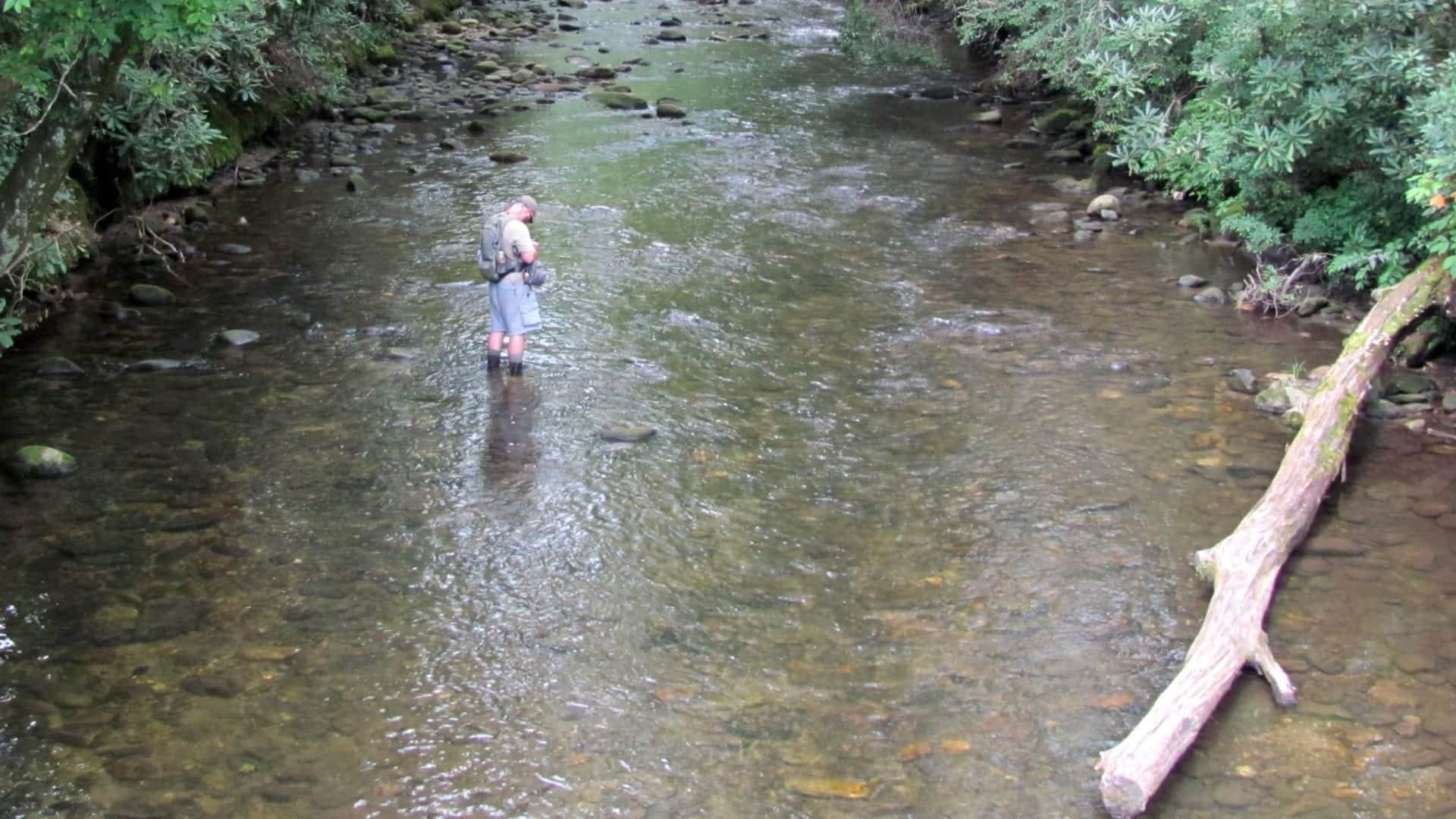
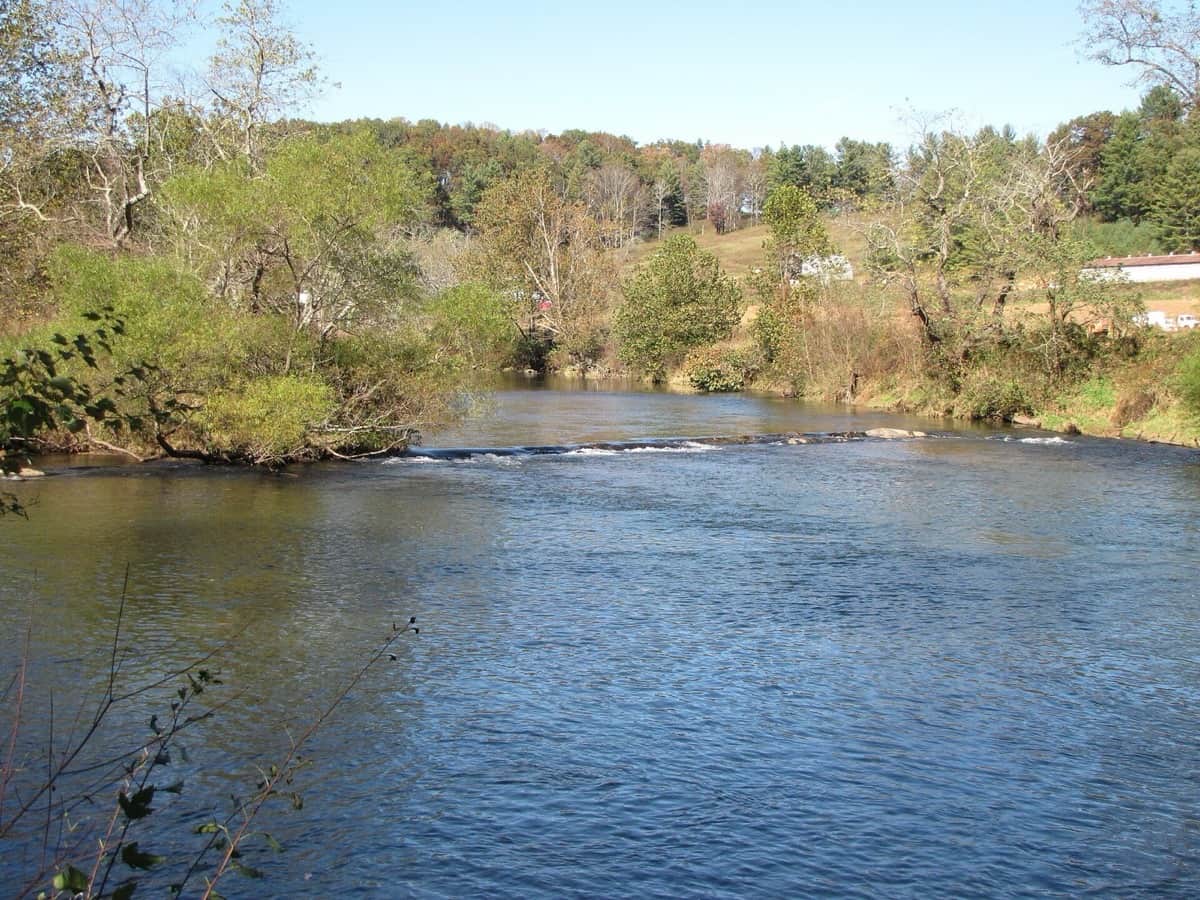
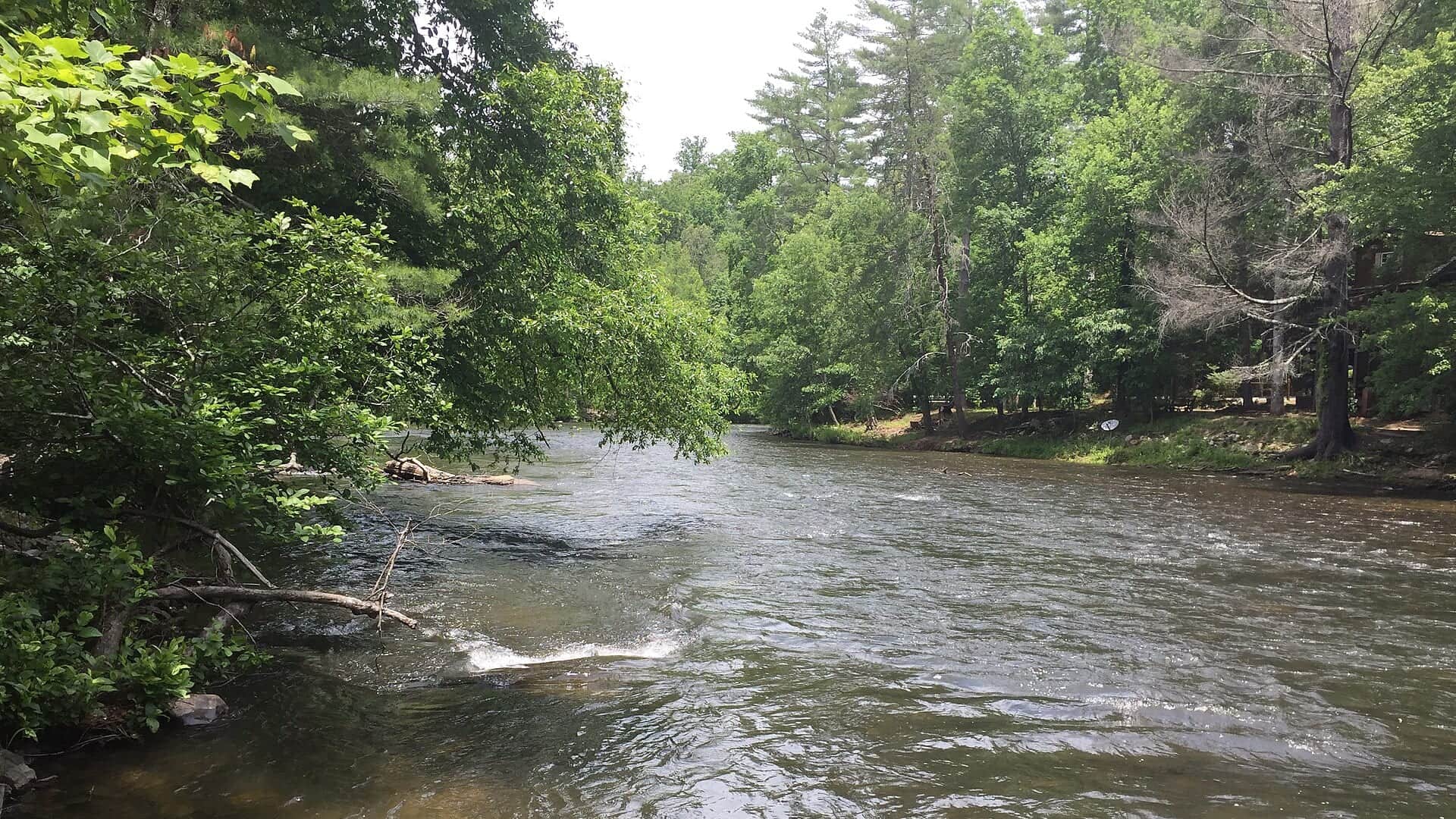
Nantahala River water in western North Carolina

North Carolina / Southeast

Nantahala River

A Nantahala report for lower gorge flows, upper delayed-harvest context, release safety, public trout rules, access, hatches, and tactics.

Image: Nantahala River canoeist 2009 / CC BY-SA 2.0 / anoldent

Fishability now: Nantahala River fishability today

GreatData confidence: High

96/100

Fishable now because the live gauge is stable, weather is usable, and no public alert is active.

Flow observed

5:15 PM UTC

Weather observed

6:00 PM UTC

Score calculated

6:16 PM UTC

Why this rating

Flow

Weather

Public alerts

Next 6-12 hours

Hold

Stable live data supports staying with the plan, but recheck the gauge and forecast before leaving.

More planning details: flies, flow bands, and live source checks

Fish it today

Start here

Choose upper or lower Nantahala first. Then check Hewitt/Rainbow Springs context, NC Wildlife rules, USFS access, weather, and a second access before rigging.

Best flow clue

Use RiverReports Hewitt and USGS 03505550 for the lower gorge trend, with USGS 03504000 as upper-river context. Match the gauge to the reach you actually plan to fish.

Skip trigger

Skip lower-gorge wading during generation, heavy raft traffic, high/stained water, or when you cannot confirm the current trout-water classification for the reach.

Flow decision bands

Low or technical upper-river water

Lower stable upper-river flows can still fish well, but short wade-first trout sessions and exact delayed-harvest or hatchery-support rules matter more than range-chasing.

Best stable Hewitt trend

Stable Hewitt flow with clear water and no release or raft surprise is the cleanest signal for a practical Nantahala trout plan.

Release, pushy gorge water, or traffic

Generation, heavy raft traffic, or current that removes safe edge water should move the day off the lower gorge instead of forcing a marginal wade.

Rule or reach confusion

A fishable graph still becomes a poor trip when upper-versus-lower reach rules, public-water classification, or the actual access choice are not clear.

USGS flow

646 cfs

Open

Current trend: flow stable, so weather, temperature, and access checks drive the next change.

Live USGS flow

646 cfs / stable

Live NWS forecast

77F / Sunny

Water temperature not verified

Heat guidance uses weather and river type unless an official water-temperature value is available.

No NWS alert flag

No active NWS alert was returned for this forecast point.

Primary waterLower Nantahala Gorge near Hewitt with upper delayed-harvest context
Flow checkRiverReports Hewitt with USGS 03505550 fallback/source
Access styleUSFS gorge access, hydropower release planning, delayed-harvest reach context, and roadside water
ReviewedMay 31, 2026

Use Hewitt flow for lower gorge planning and Rainbow Springs for upper context.

Check NC Wildlife classifications before choosing flies or harvest expectations.

Hydropower releases and raft traffic can make wading unsafe or impractical.

Carry both small trout flies and heavier nymph or streamer options.

Editorial review

How this report is maintained

This report is maintained from current regulation, access, flow, weather, and public planning sources so anglers can make better trip decisions than a raw gauge or generic overview would allow.

Byline

BlueStreamFly editorial team

Reviewed by

BlueStreamFly source review

Maintained by

Mountain Brook Run LLC

Last material review

2026-05-31

Report confidence

Good confidence

87/100

Good confidence: RiverReports, two USGS gauges, NC Wildlife trout sources, gorge access context, and weather support the page. Confidence is moderated because release timing, raft traffic, and reach-specific classifications still need day-of checks.

Regulations

NC Wildlife trout resources and the public mountain trout water search support delayed-harvest and reach-specific rule checks for the Nantahala.

Access

Nantahala Gorge and Ferebee Memorial access context support public planning for the corridor, with exact bank choice still requiring caution.

Flow and weather

RiverReports Nantahala near Hewitt, USGS 03505550, USGS 03504000, and the National Weather Service point support lower-gorge, upper-river, and weather checks, but release timing still changes the practical call.

Fishing usefulness

The page now separates upper-versus-lower reach choice, release timing, raft traffic, trout-water rules, and backup-water decisions.

Fishability dashboard and source review

2026-05-31 / material content or source review

RiverReports Nantahala near Hewitt, USGS 03505550, USGS 03504000, NC Wildlife trout resources, the public mountain trout water search, Nantahala Gorge and Ferebee Memorial access context, and the National Weather Service point were checked before updating the current-fishability decision layer.

2026-05-31

Updated Nantahala River to the current fishability-page standard with reach-split flow bands, access cards, backup cues, stable fishability SEO, and confidence signals.

2026-05-29

Added Nantahala River trip-fit guidance, Hewitt gauge framing, upper and lower reach planning, delayed-harvest and public mountain trout water reminders, gorge release and raft-traffic safety nuance, backup-water suggestions, editorial review signals, and a page-specific report-confidence meter after source review.

2026-05-24

Initial source-reviewed report published with flows, weather, hatches, flies, tactics, access, regulations, and FAQs.

Angler planning edge

Local details that change the plan

Best for

Western North Carolina trout anglers choosing between upper delayed-harvest water and the lower release-driven gorge, Trips where the first decision is reach and flow, not fly pattern, Anglers who can check hydropower-influenced conditions, raft traffic, and public mountain trout water rules before wading, Spring and fall trout plans that need a colder-water backup when nearby freestones are warm or muddy

Wade or float

Treat the Nantahala as two different plans. Upper trout water is mostly wade-first, while the lower gorge requires release, traffic, and safe-bank decisions before stepping in.

Best flows

Use RiverReports Hewitt and USGS 03505550 for the lower gorge trend, with USGS 03504000 as upper-river context. Match the gauge to the reach you actually plan to fish.

When to skip

Skip lower-gorge wading during generation, heavy raft traffic, high/stained water, or when you cannot confirm the current trout-water classification for the reach.

Local plan

Choose upper or lower Nantahala first. Then check Hewitt/Rainbow Springs context, NC Wildlife rules, USFS access, weather, and a second access before rigging.

Pressure

Pressure shifts by season and reach. Delayed-harvest water draws trout anglers, while the gorge can be dominated by whitewater traffic during release windows.

Access nuance

USFS gorge and picnic-area sources are useful anchors, but the river corridor is narrow and reach-specific. Avoid treating every roadside pullout as a safe fishing access.

Backup water

If the Nantahala is releasing, crowded, or rule-complicated, compare Davidson River, New River, or nearby Georgia tailwater reports before forcing the gorge.

About the river

Setting, character, and why it fishes the way it does.

The Nantahala River is one of western North Carolina's signature trout rivers, with upper mountain water and a lower gorge that is also famous for whitewater.

The upper river includes delayed-harvest and hatchery-supported context, while the lower river below hydropower influence requires careful flow and release planning.

A helpful fishing page should prevent the common mistake: showing up with one plan for a river that actually has several different legal, flow, and access personalities.

Target species

Rainbow trout

Important in stocked and managed trout water.

Brown trout

Present in deeper runs, cover, and lower river structure.

Brook trout

More likely in colder upper and tributary-influenced water.

Smallmouth bass

Possible in warmer lower watershed context, not the main trout report focus.

Reading the water

No/low generation

More wading options can open in the gorge, but still check footing and traffic.

Generation or high water

Avoid wading the main push; fish banks or choose upper water.

Upper delayed-harvest flow

Dry-dropper and nymph rigs can cover riffles and plunge pools.

Warm weather

Check temperature and fish early or higher/colder water.

Best seasons

Spring

Delayed-harvest stocking, caddis, BWOs, sulphurs, and active nymphing.

Summer

Early, shaded, or release-aware windows; watch heat and rafting pressure.

Fall

Delayed-harvest and cooler water create good trout opportunities.

Winter

Midges and nymphs can work when access and roads are safe.

Preferred flow source

Nantahala River near Hewitt

RiverReports is the preferred chart source when coverage exists. When a matching USGS gauge exists, keep it open as the official backstop for station data and current hydrograph context.

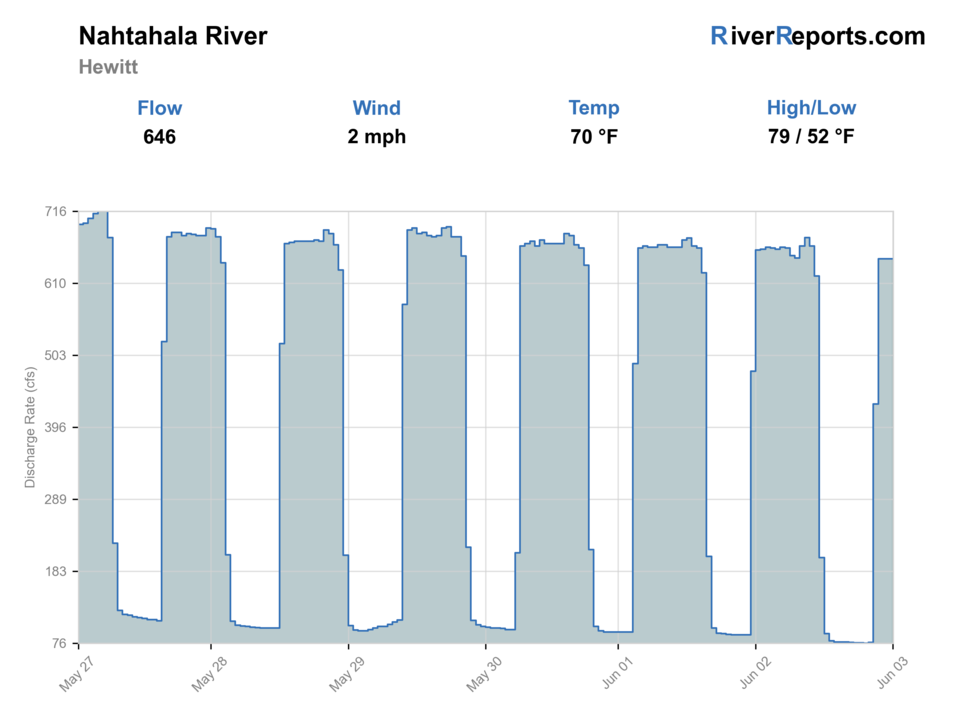
Nantahala River near Hewitt RiverReports flow chart

USGS data chart

Official USGS trend

Streamflow over the latest USGS reporting window.

Latest

646 cfs

Jun 3, 4 PM UTC

Site

03505550

Low / high

76 / 720 cfs

Source

Open USGS

Weather

River weather report

Weather can change wading safety, road access, water temperature, hatches, and the best time of day to fish.

Live forecast loads as you reach this section

This keeps the report fast while still using the official National Weather Service forecast point.

Hatches and flies

Hatch chart and fly picks

February to March

Midges, early black stones, BWOs, and early caddis

Zebra midge, black stonefly nymph, BWO emerger, caddis pupa

April to May

Caddis, sulphurs, March Browns, yellow sallies, and golden stones

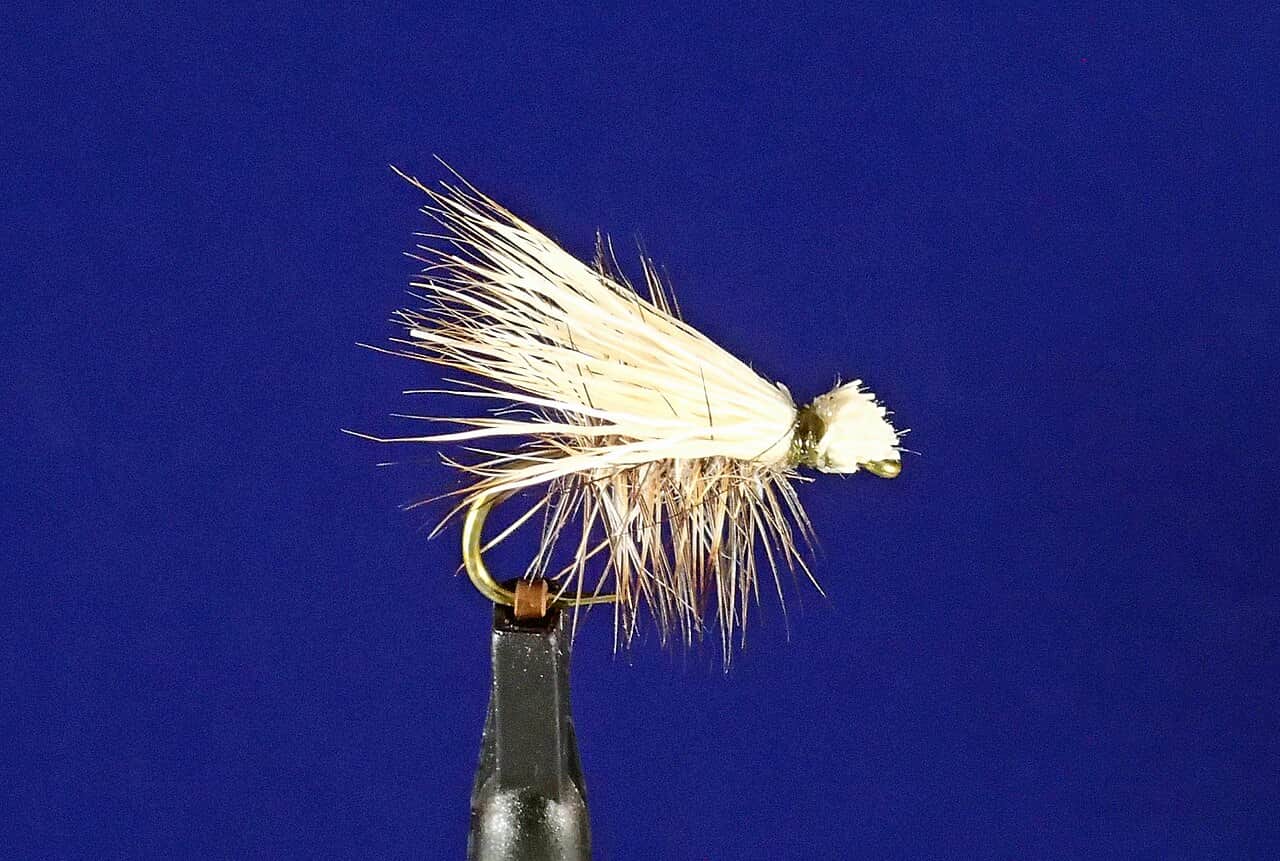
Elk hair caddis, sulphur emerger, March Brown, yellow sally, Pat's rubber legs

June to August

Terrestrials, small caddis, midges, and attractor dry-dropper food

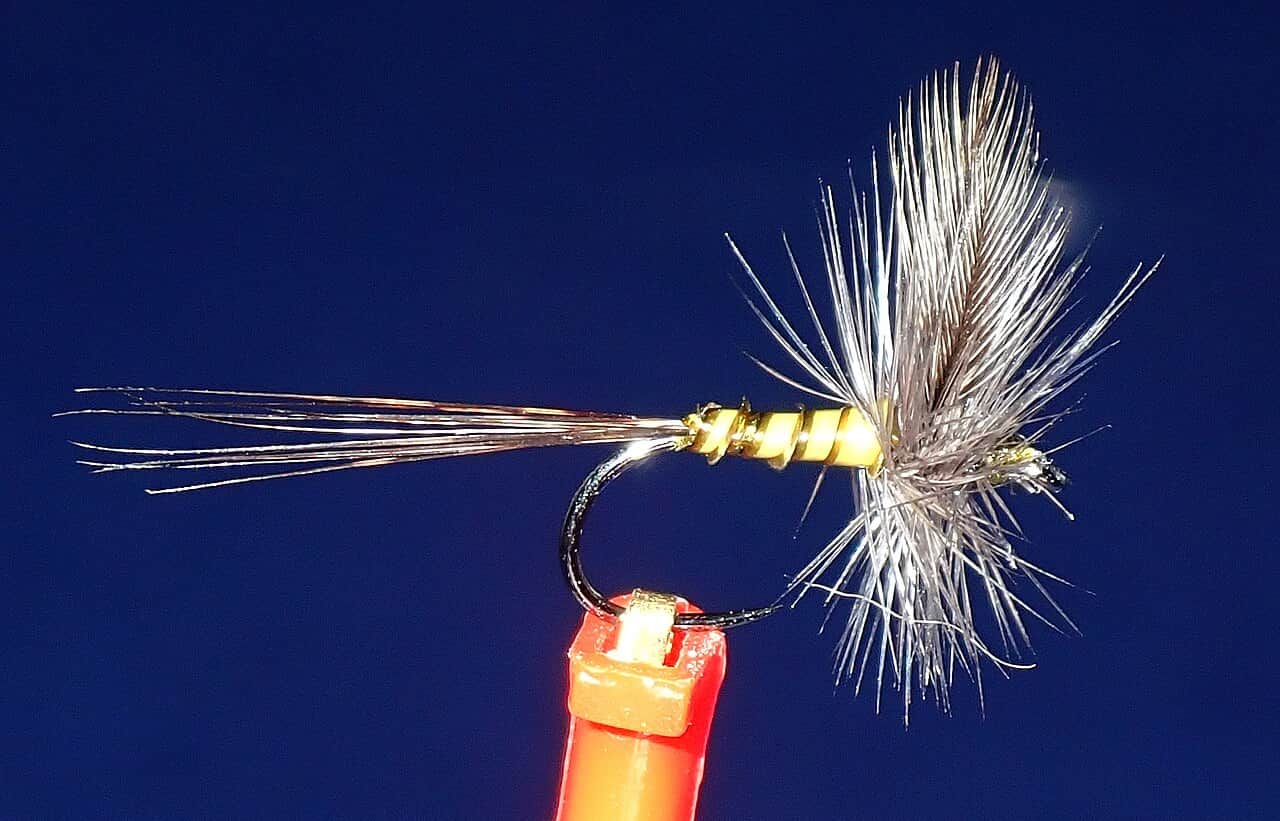
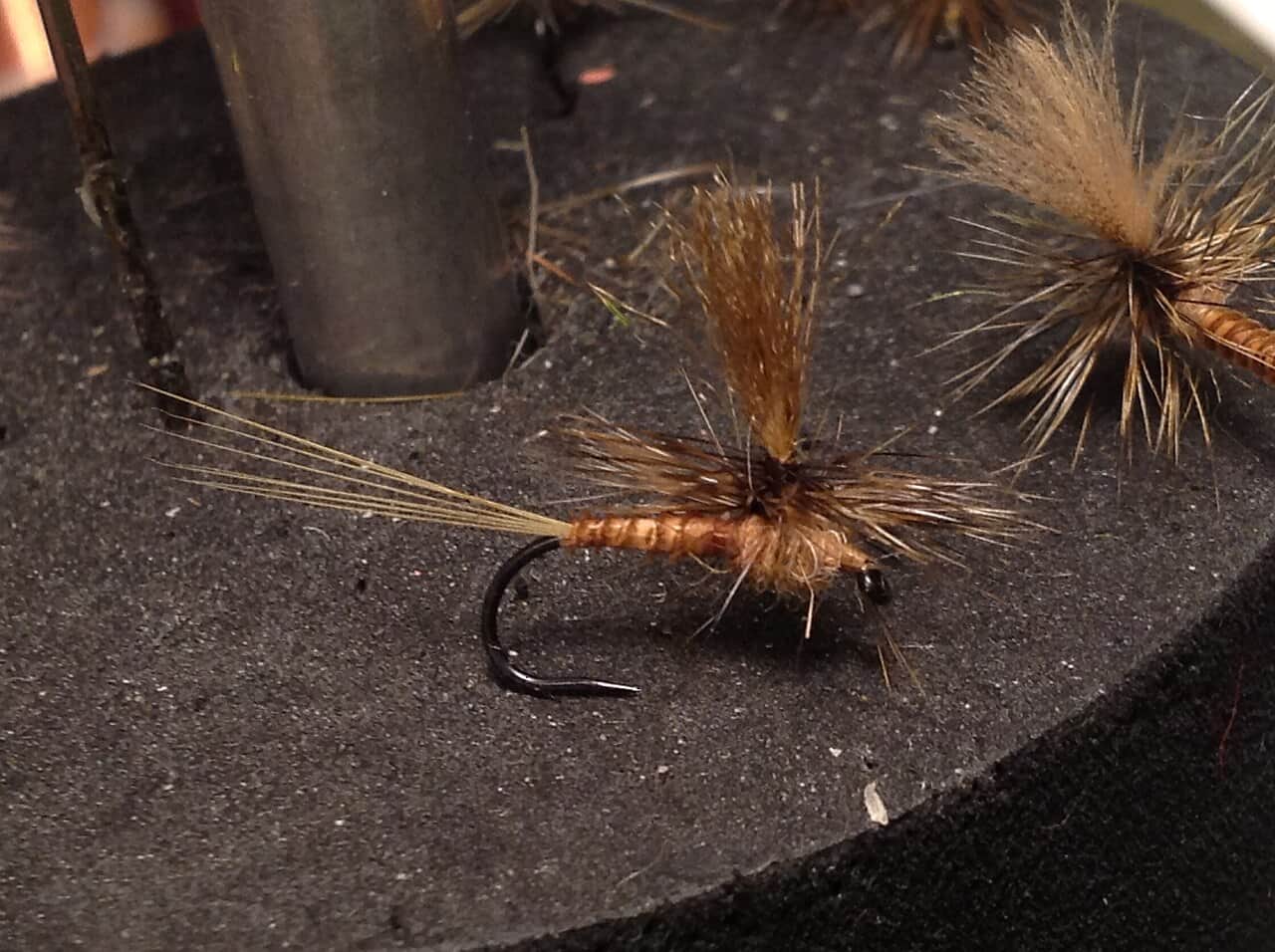
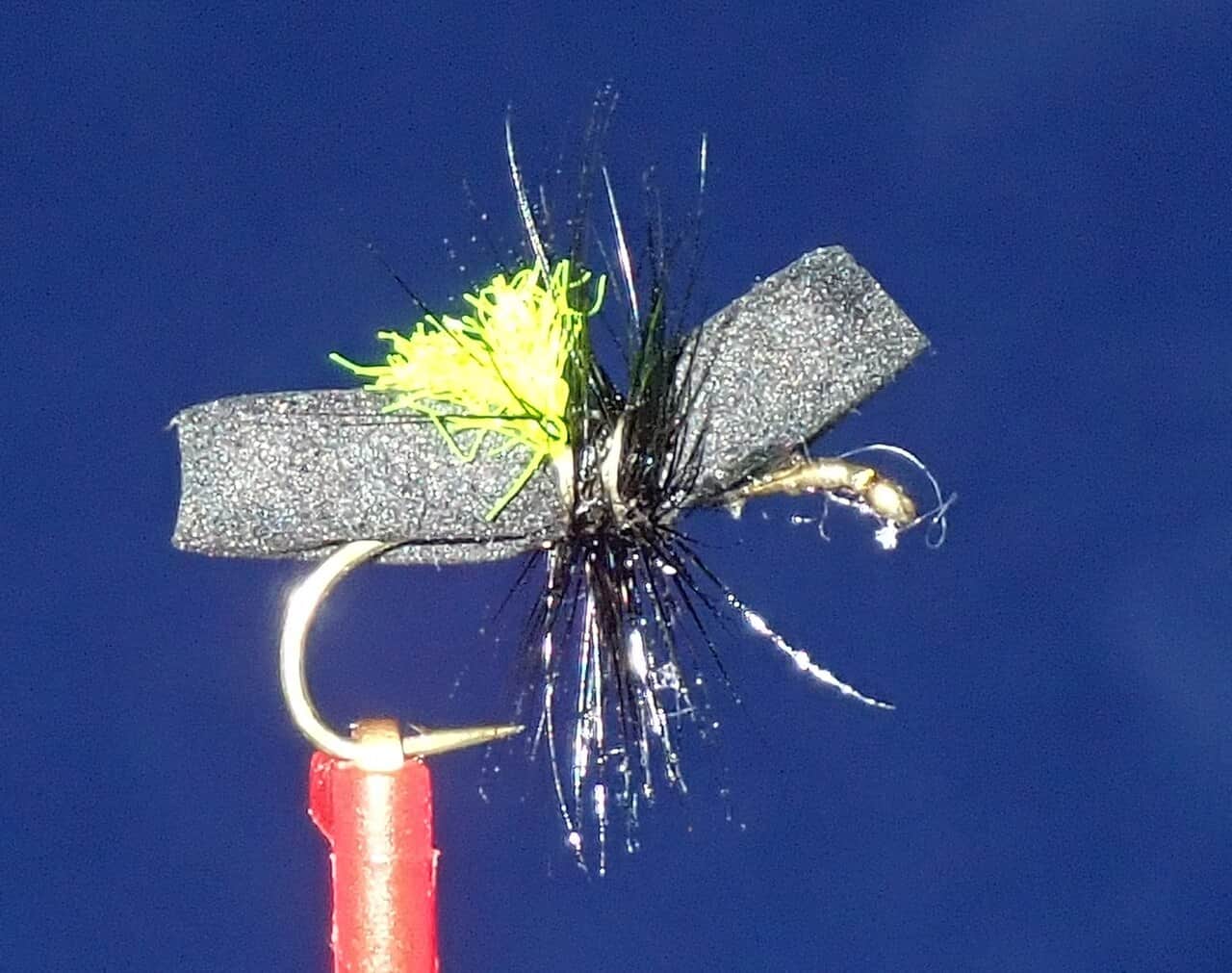
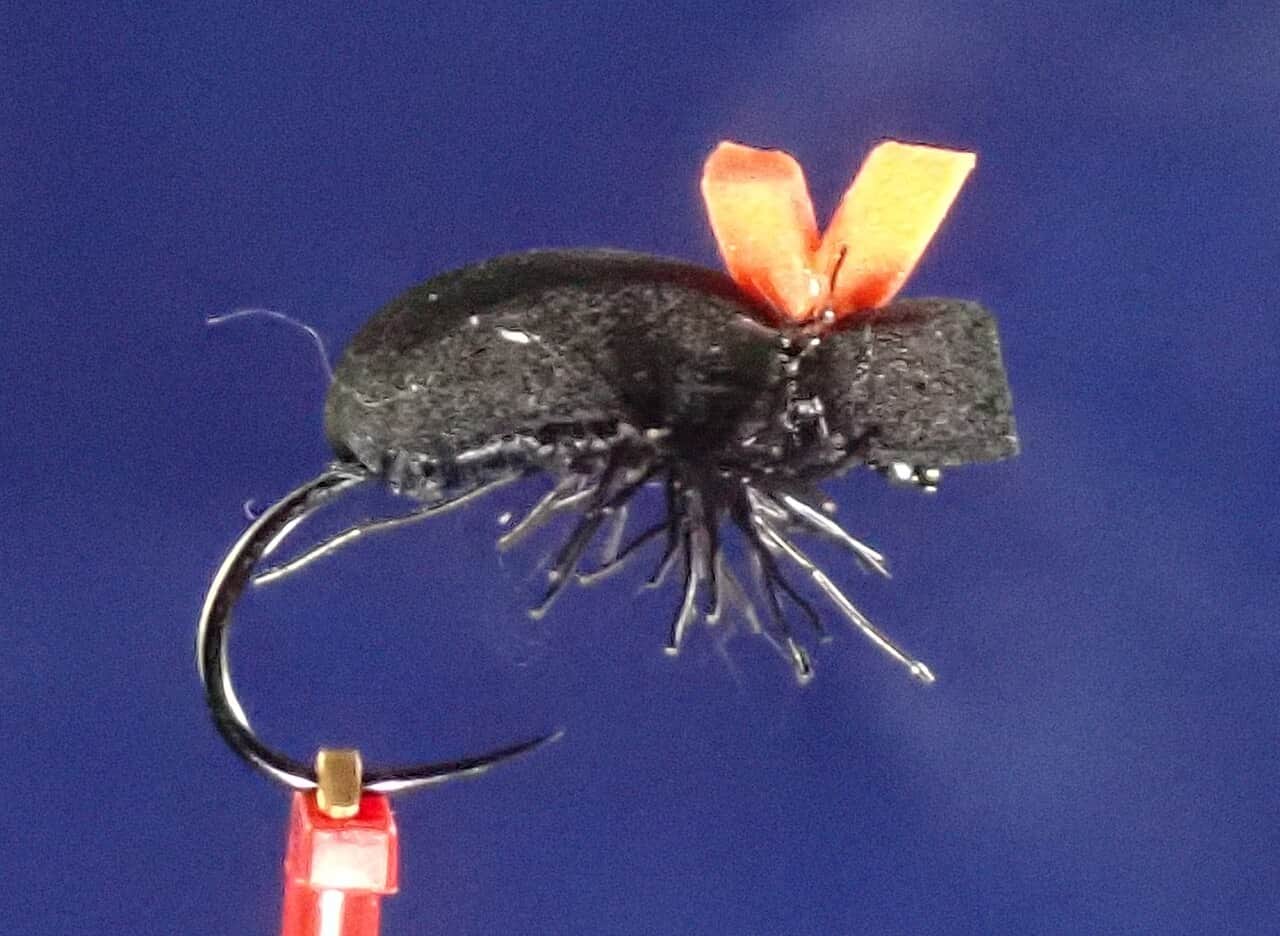
Foam ant, beetle, small hopper, parachute Adams, pheasant tail dropper

September to November

BWOs, October caddis, midges, and streamer windows after rain

BWO emerger, October caddis, zebra midge, soft hackle, small sculpin

Nymphs

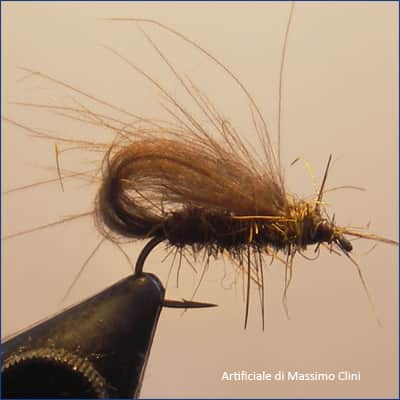
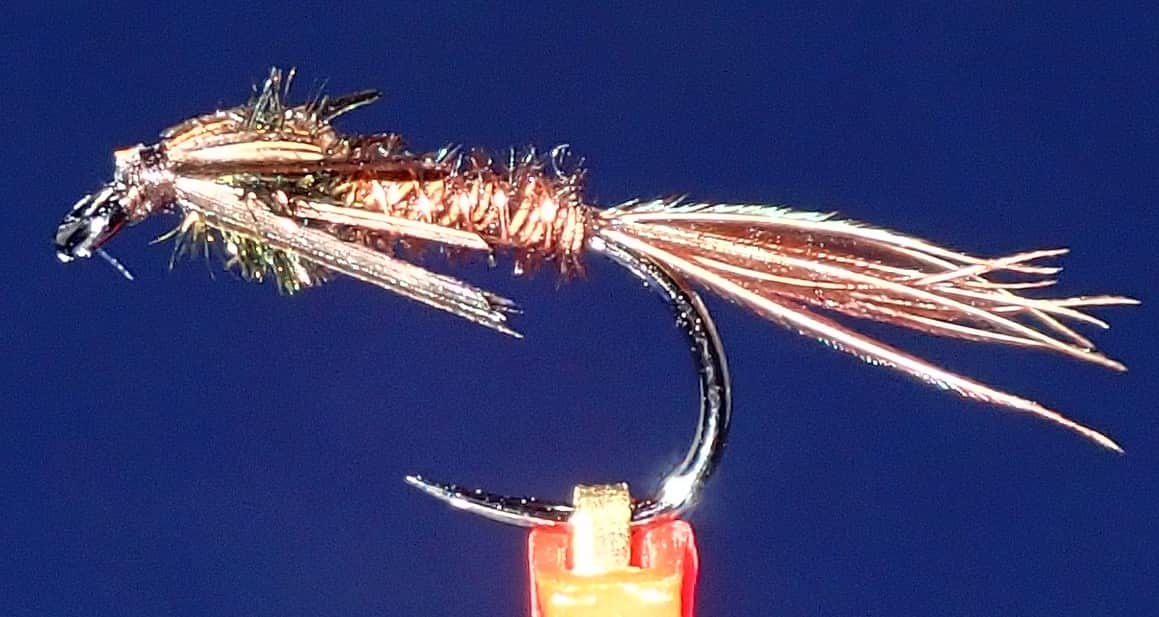
Pheasant tail, hare's ear, caddis pupa, zebra midge, perdigon

Use when trout are low, current is broken, or the hatch has not started.

Dry flies

BWO, caddis, parachute Adams, sulphur, terrestrial

Use when fish rise, bugs collect in soft seams, or shaded banks are active.

Streamers

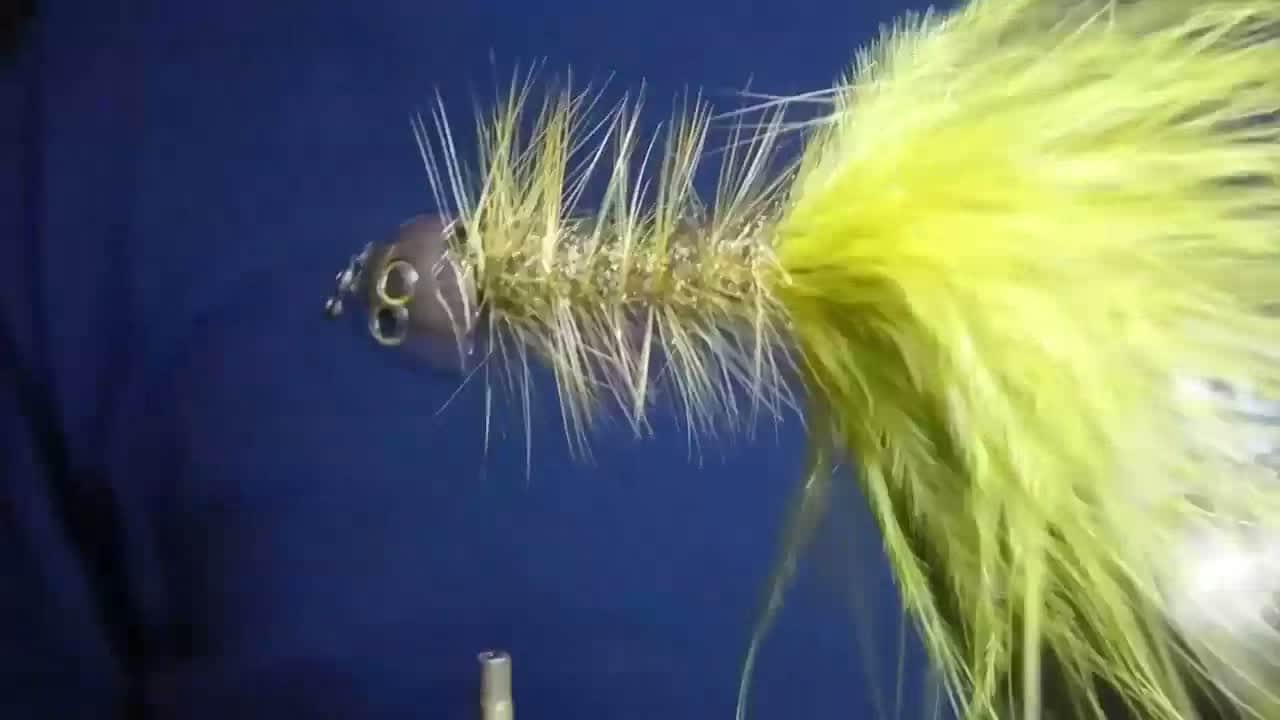
Sculpin, leech, woolly bugger, small baitfish

Use in stain, cloud cover, higher water, or deeper edge water.

Soft hackles

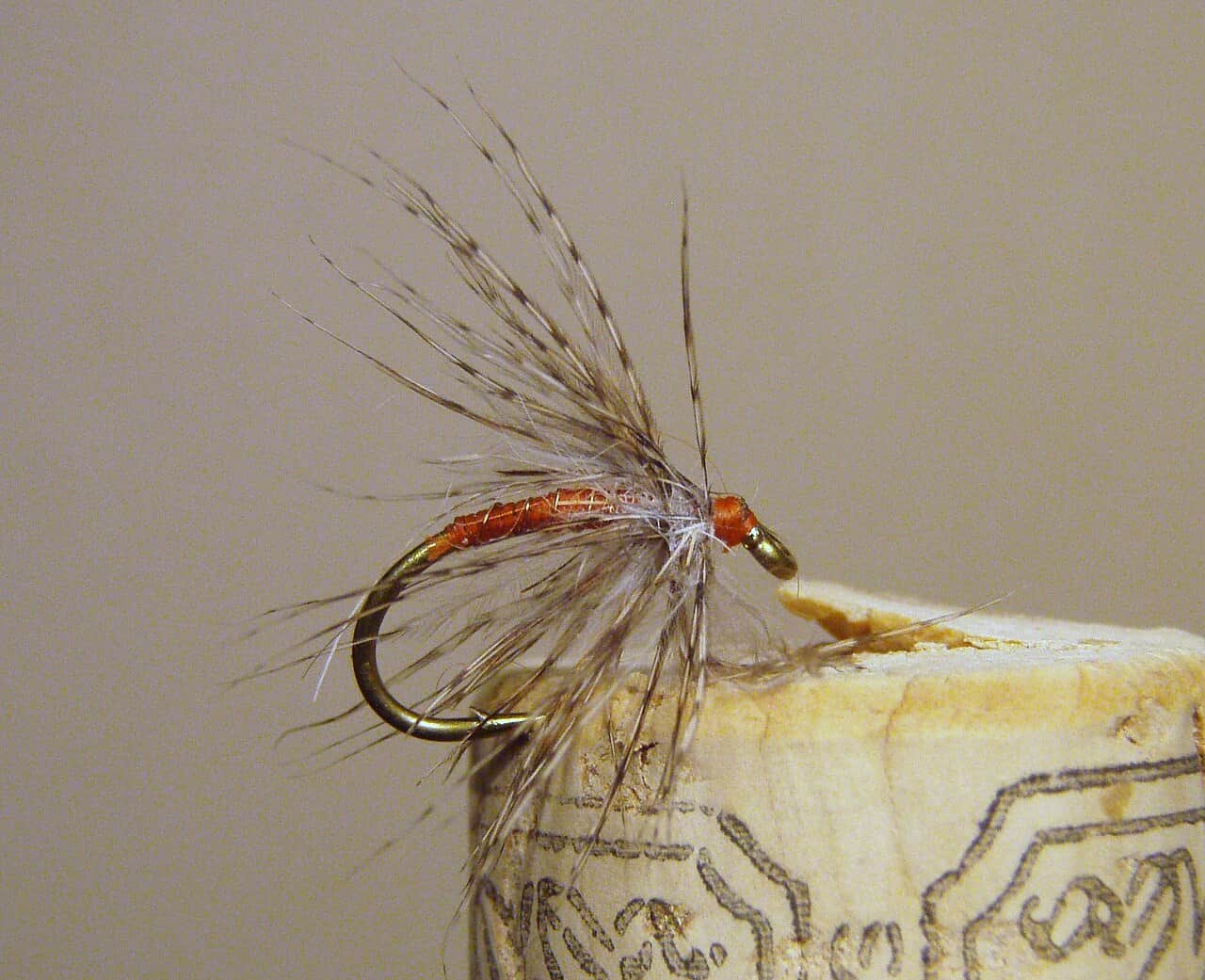
Partridge and orange, pheasant tail soft hackle, caddis soft hackle

Swing riffles, tailouts, and current tongues when insects are moving.

Tactics

How to fish it

Separate upper river, delayed-harvest, and lower gorge plans before rigging.

Fish small nymphs and dry-droppers in upper pocket water.

Use heavier nymphs or streamers in the gorge only when flows allow safe presentations.

Avoid standing in main current during generation or raft releases.

Scout pull-offs and trails before committing to a long roadside walk.

Rigging

Rod, leader, and setup notes

A 4-weight works well for upper trout water; a 5-weight is better for the gorge.

Carry indicator and dry-dropper rigs for changing depth.

Use 4X to 6X tippet for trout; go heavier for streamers in faster water.

Bring a wading staff and secure pack in the gorge.

Pack rain gear because mountain storms arrive quickly.

Access

Access and planning notes

Hewitt gauge and lower-gorge check

Primary lower-river decision

Wade / float / trail

Gauge / roadside scout

When to pick it

Start here when lower-gorge trend, current speed, and traffic decide whether the Nantahala should stay the main plan at all.

Caution

A useful gauge does not remove release timing, whitewater traffic, or tight-bank access concerns in the gorge.

Upper-river trout corridor

Wade-first technical plan

Wade / float / trail

Walk-and-wade / scout

When to pick it

Pick it when you want a simpler upper-river trout day and current rules and access are clearly confirmed for the reach.

Caution

Upper-water classifications and named public access still need current sign and map checks before rigging.

Gorge picnic and public-corridor access

Release-aware backup stop

Wade / float / trail

Roadside / walk-and-wade

When to pick it

Use it only when release timing, raft traffic, and safe bank access all line up for a shorter lower-river session.

Caution

Do not treat every roadside pullout as equal public access or safe wading just because the river is visible.

Upper and lower Nantahala reaches are not interchangeable; check rules and flow for the exact water.

Raft traffic can make midday lower-gorge fly fishing less effective and less safe.

USFS access can be affected by weather, road work, and storm recovery.

Regulations

Check before fishing

NC Wildlife public mountain trout water classifications apply by reach, including delayed-harvest context on the upper river. Confirm current signs before fishing.

Primary base

Bryson City, Franklin, Andrews, or Robbinsville

Best day style

USFS gorge access, hydropower release planning, delayed-harvest reach context, and roadside water

Check first

Hewitt flow, upper/lower reach choice, NC trout classification, release schedule, and raft traffic

Safety

Hydropower changes, cold water, raft traffic, slick boulders, and narrow gorge access

Gear

Helpful gear for this water

4-weight or 5-weight rod

Covers most dry-fly, nymph, and small-streamer work.

Thermometer

Important for summer trout ethics and reach selection.

Wading staff

Useful on slick cobble, ledge rock, and higher water.

Public-access map

Helps avoid posted land and makes the day more efficient.

Nearby water

Other water to research

Backup logic

Release or raft traffic

Move to Davidson, New River, or another cooler trout option instead of forcing the lower gorge during a bad window.

High or stained water

Let the river settle or pick an upper reach or another tailwater before forcing pushy current.

Warm water

Keep trout sessions centered on cool periods and stop handling fish when the coldwater margin disappears.

Rule or access issue

Treat unclear trout-water classification or public access as a stop signal before fishing either reach.

Davidson River

A technical Brevard trout option with a different access style.

New River

A mountain smallmouth plan when you want warmwater fishing.

Toccoa River

A southern trout river with tailwater and delayed-harvest planning.

FAQ

Fast answers

Is Nantahala River fishable today?

Nantahala River looks very fishable right now. The live score is 96/100, based on current flow, weather, public alerts, and the report's planning context. Recheck the linked gauge and forecast before leaving because conditions can change quickly after rain, heat, access changes, or flow swings.

What flow is best for Nantahala River?

Use RiverReports Hewitt and USGS 03505550 for the lower gorge trend, with USGS 03504000 as upper-river context. Match the gauge to the reach you actually plan to fish.

When should I skip Nantahala River?

Skip lower-gorge wading during generation, heavy raft traffic, high/stained water, or when you cannot confirm the current trout-water classification for the reach.

Is Nantahala River safe to wade right now?

The fishability score is not a wading guarantee. Wade only where your chosen access has safe edges, clear footing, legal entry, and no forced crossings; high, rising, stained, or storm-affected water should be treated conservatively.

What should I check before fishing the Nantahala River?

Check Hewitt flow, upper/lower reach choice, NC trout classification, release schedule, and weather.

Are there special regulations on the Nantahala River?

Yes. Rules vary by reach, including delayed-harvest and hatchery-supported water.

Can I wade the Nantahala River?

Sometimes. The lower gorge can be unsafe during generation or heavy raft traffic; upper water is a different plan.

What flies should I bring for the Nantahala River?

Bring the seasonal hatch box, a nymph box, a few streamers, and a backup plan for clear, high, warm, or crowded water.