North Carolina / Southeast
Linville River
A Linville River report for anglers checking gorge access, steep terrain, flows, NC trout rules, hatches, and when to choose a safer backup plan.
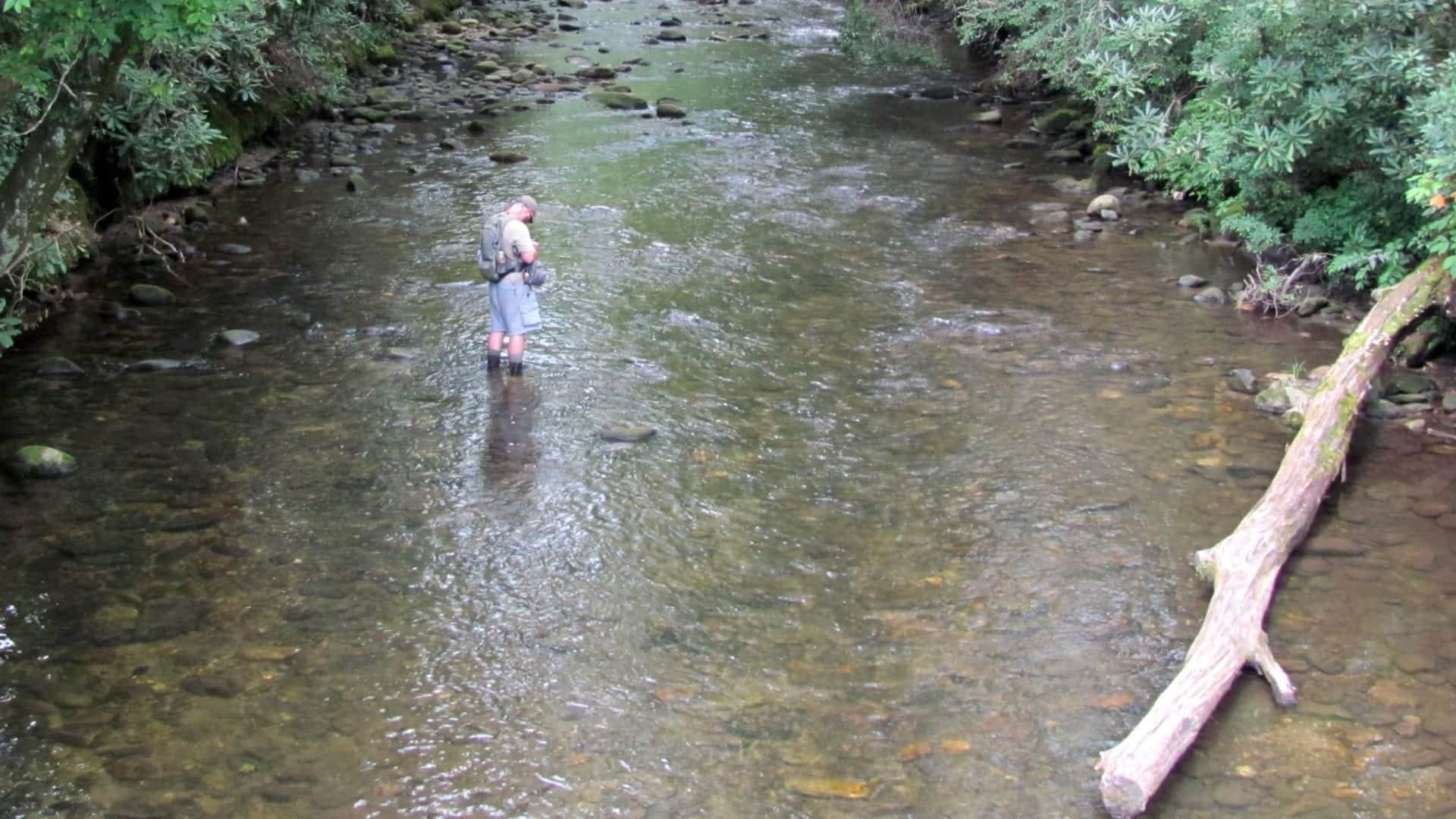
Image: Generated regional planning image for Linville River / BlueStreamFly generated; not exact location / BlueStreamFlyFishability now: Linville River fishability today
GreatData confidence: High96/100
Fishable now because the live gauge is falling, weather is usable, and no public alert is active.
Flow observed
5:45 PM UTC
Weather observed
5:00 PM UTC
Score calculated
6:15 PM UTC
Why this rating
Flow
Weather
Public alerts
Next 6-12 hours
Improving / hold
A falling gauge and usable weather should keep the next 6-12 hours in play unless tributaries stain or heat builds.
USGS flow
83 cfs
Current trend: flow falling, rating likely holding strong unless weather or clarity changes.
More planning details: flies, flow bands, and live source checks
Fish it today
Start here
Base near Linville Falls, Marion, Morganton, or Nebo; check the gauge and Forest Service conditions before choosing access.
Best flow clue
Clear moderate flows that leave safe entries and enough pocket-water depth without making crossings dangerous.
Skip trigger
Skip during high water, storms, poor trail conditions, late starts, or limited daylight.
Flow decision bands
Stable Nebo flow
Stable or slowly falling USGS Nebo flow with clear water is the best signal for careful pocket-water trout plans.
Best gorge-access window
Mild weather, enough daylight, safe trail conditions, and confirmed rules make the Linville most useful.
High, stormy, or pushy
High water, thunderstorm risk, poor crossings, or pushy gorge current should move the plan to a safer backup.
Terrain or daylight problem
Late starts, primitive trail uncertainty, closure issues, or weak exit plans are enough to skip the route.
USGS flow
83 cfs
Current trend: flow falling, rating likely holding strong unless weather or clarity changes.
Live USGS flow
83 cfs / falling about 18%
Live NWS forecast
74F / Sunny
Water temperature not verified
Heat guidance uses weather and river type unless an official water-temperature value is available.
No NWS alert flag
No active NWS alert was returned for this forecast point.
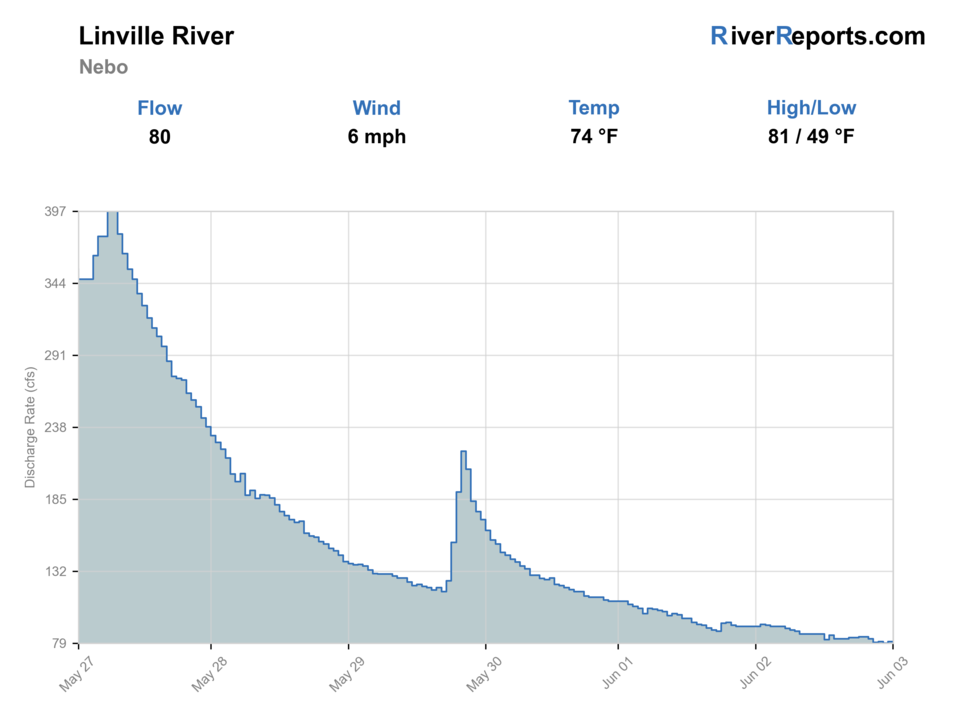
RiverReports is the quick chart, backed by USGS 02138500 Linville River near Nebo.
Linville Gorge Wilderness access can involve steep trails, primitive routes, closures, and wet crossings.
NCWRC rules and trout-water classifications should be checked for the exact water you plan to fish.
High water, storms, or washed-out trail access make this a poor place to improvise.
Editorial review
How this report is maintained
This report starts with official regulation, access, flow, weather, and public-land sources, then adds practical planning guidance for fly anglers.
Byline
BlueStreamFly editorial desk
Reviewed by
BlueStreamFly source review
Maintained by
BlueStreamFly
Last material review
2026-06-02
Report confidence
Good confidence
88/100
Good confidence: RiverReports, USGS Nebo flow, NCWRC regulations and trout resources, Forest Service Linville Gorge Wilderness information, weather coverage, image disclosure, and route-specific terrain guidance support the page. Confidence is moderated by primitive access, weather, closures, daylight, and gorge-specific hazards.
Regulations
NCWRC fishing regulations and trout resources support the current rule and classification-check path.
Access
Forest Service Linville Gorge Wilderness guidance and NCWRC access resources support the public-access framework, with trail status and closures still requiring current checks.
Flow and weather
RiverReports coverage is backed by USGS 02138500 near Nebo, and the National Weather Service point supports storm and heat decisions.
Fishing usefulness
The page now separates Nebo flow, gorge terrain, trail access, safe crossings, daylight, warm-water restraint, and backup-water choices.
Fishability dashboard and source review
2026-06-02 / material content or source review
RiverReports, USGS 02138500 near Nebo, NCWRC fishing regulations, NCWRC trout and where-to-fish resources, U.S. Forest Service Linville Gorge Wilderness guidance, National Weather Service point data, and image-disclosure sources were checked before updating the current-fishability decision layer.
2026-06-02
Updated Linville River to the current fishability-page standard with Nebo trend bands, gorge-access cards, terrain and storm backup cues, stable fishability SEO, and confidence signals.
2026-05-26
Published a new Linville River report with gorge access planning, flow checks, hatches, tactics, and safety guidance.
Angler planning edge
Local details that change the plan
Best for
Gorge-access planning, Mountain pocket water, Safety-first flow checks
Wade or float
Wade only in safe, stable water. The gorge is a foot-travel and terrain judgment plan, not a casual float plan.
Best flows
Clear moderate flows that leave safe entries and enough pocket-water depth without making crossings dangerous.
When to skip
Skip during high water, storms, poor trail conditions, late starts, or limited daylight.
Local plan
Base near Linville Falls, Marion, Morganton, or Nebo; check the gauge and Forest Service conditions before choosing access.
Pressure
Easy overlooks and trailheads can be busy. The harder water should still be approached with safety first.
Access nuance
Gorge access may involve primitive trails, closures, permits, and wet crossings. Confirm details before fishing.
Backup water
Catawba, Davidson, and Nantahala pages give safer alternatives when Linville is too high or the access window is poor.
About the river
Setting, character, and why it fishes the way it does.
The Linville River drops through one of North Carolina's most rugged Blue Ridge landscapes. In and around the gorge, fishing is tied directly to terrain, footing, and how far you can safely move.
This is not a casual roadside trout stream once you commit to gorge access. A useful plan includes the gauge, current Forest Service conditions, map skills, water, daylight, and an exit plan.
When conditions are right, the river offers classic mountain pockets, runs, plunge water, and boulder edges where short, careful presentations matter more than long casts.
Target species
Trout
Check NCWRC trout-water tools for current classifications and rules by reach.
Smallmouth bass
More relevant in warmer lower river context than in colder mountain water.
Sunfish and other warmwater species
Possible lower-river targets when conditions shift away from trout.
Reading the water
Clear and moderate
Best for careful pocket-water nymphing and dry-dropper fishing.
High gorge flow
Avoid wading and steep descents. The terrain raises the consequence of a bad decision.
Low clear water
Fish shaded pockets, long leaders, and quiet approaches.
Storm threat
Leave early or choose another river; gorge escape routes take time.
Best seasons
Spring
Good hatches, but rain and runoff can make access serious.
Summer
Early and shaded windows matter; heat and storms can narrow the day.
Fall
Often the best mix of cooler weather, lower water, and better hiking conditions.
Winter
Cold, technical, and safety-limited.
Preferred flow source
Linville River near Nebo
RiverReports is the preferred chart source when coverage exists. When a matching USGS gauge exists, keep it open as the official backstop for station data and current hydrograph context.

USGS data chart
Official USGS trend
Streamflow over the latest USGS reporting window.
Latest
83 cfs
Jun 3, 5 PM UTC
Weather
River weather report
Weather can change wading safety, road access, water temperature, hatches, and the best time of day to fish.
Live forecast loads as you reach this section
This keeps the report fast while still using the official National Weather Service forecast point.
Hatches and flies
Hatch chart and fly picks
March-April
Midges, early mayflies, stoneflies
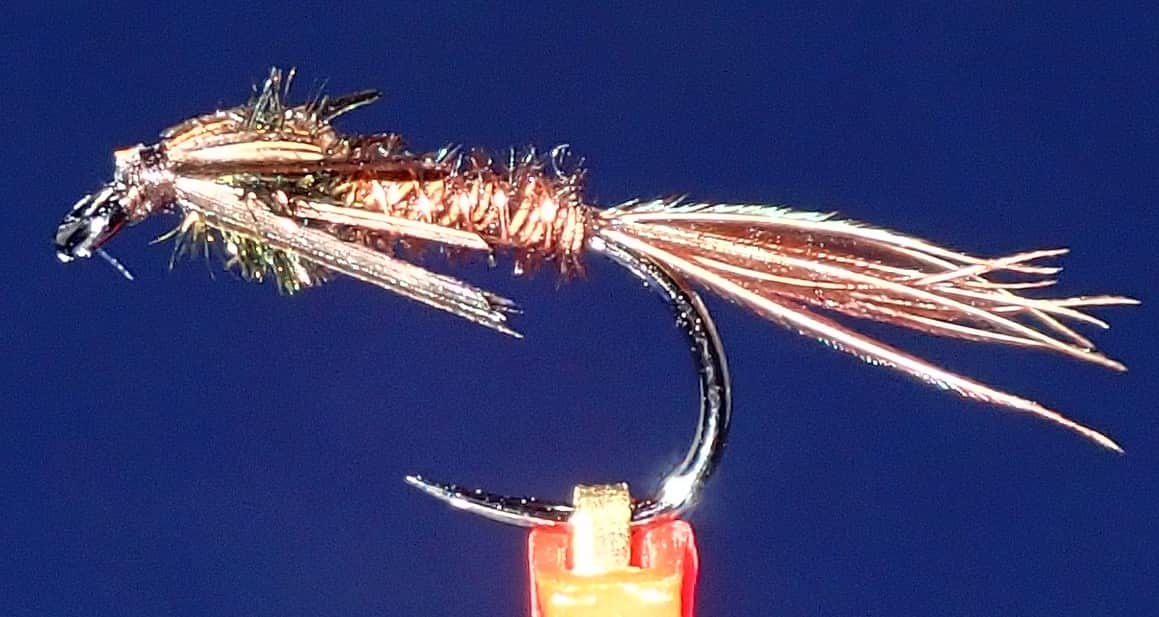
Zebra midge, pheasant tail, small stonefly
April-June
Caddis, March brown-style mayflies, yellow sallies
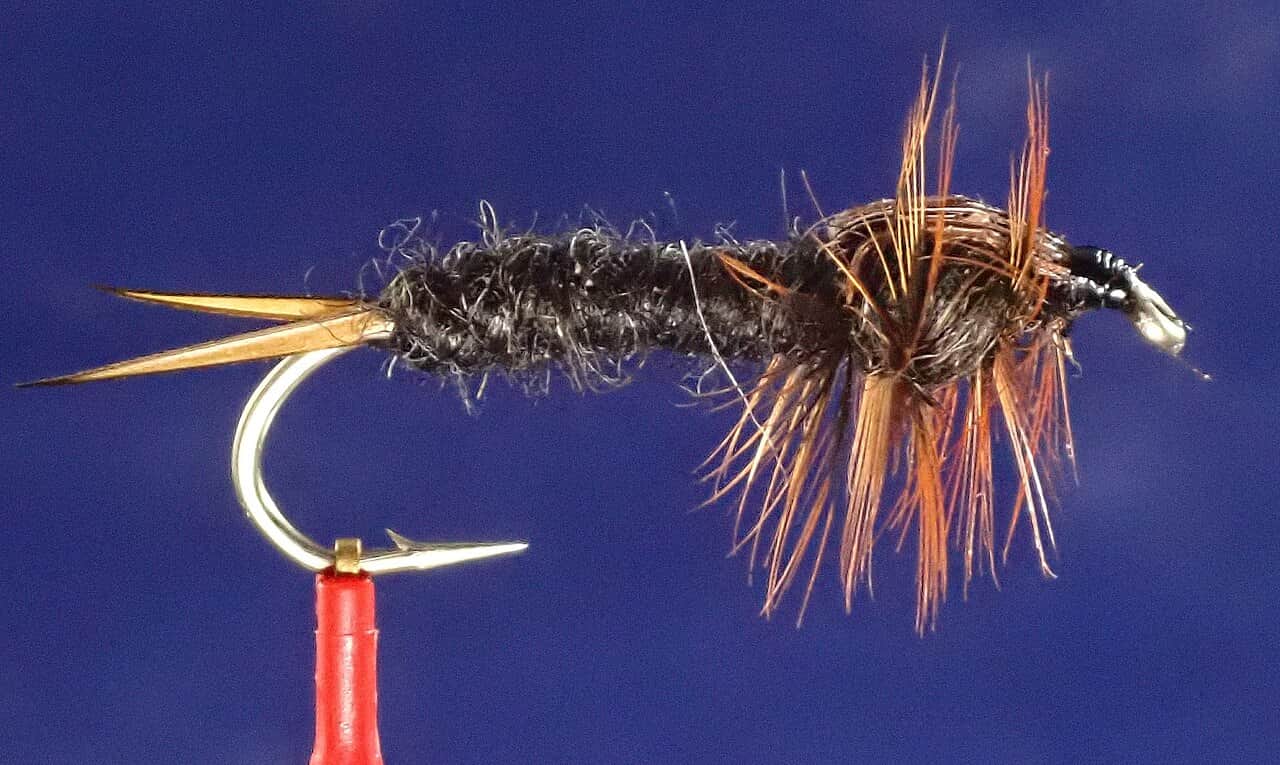
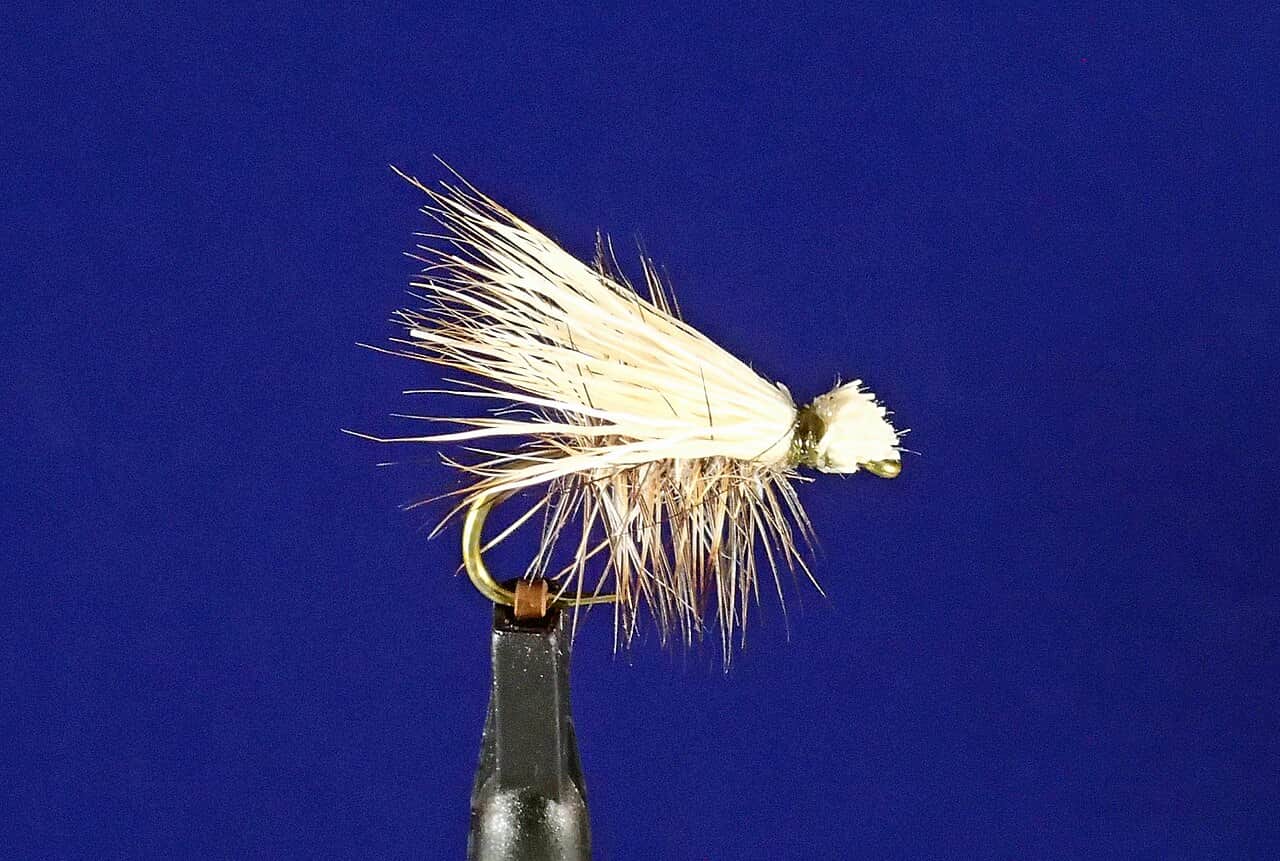
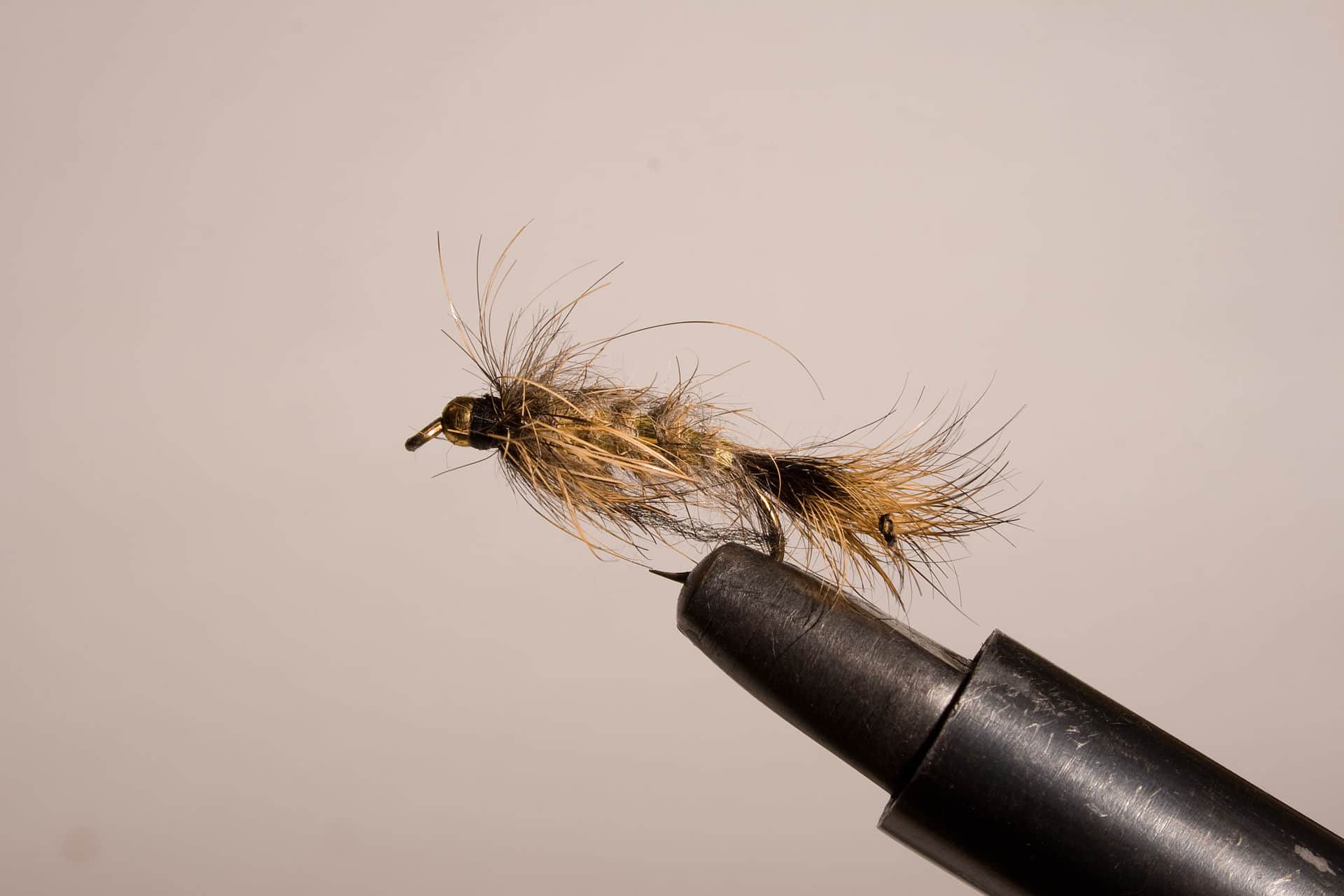
Elk hair caddis, stimulator, hare's ear
June-August
Terrestrials, caddis, small mayflies
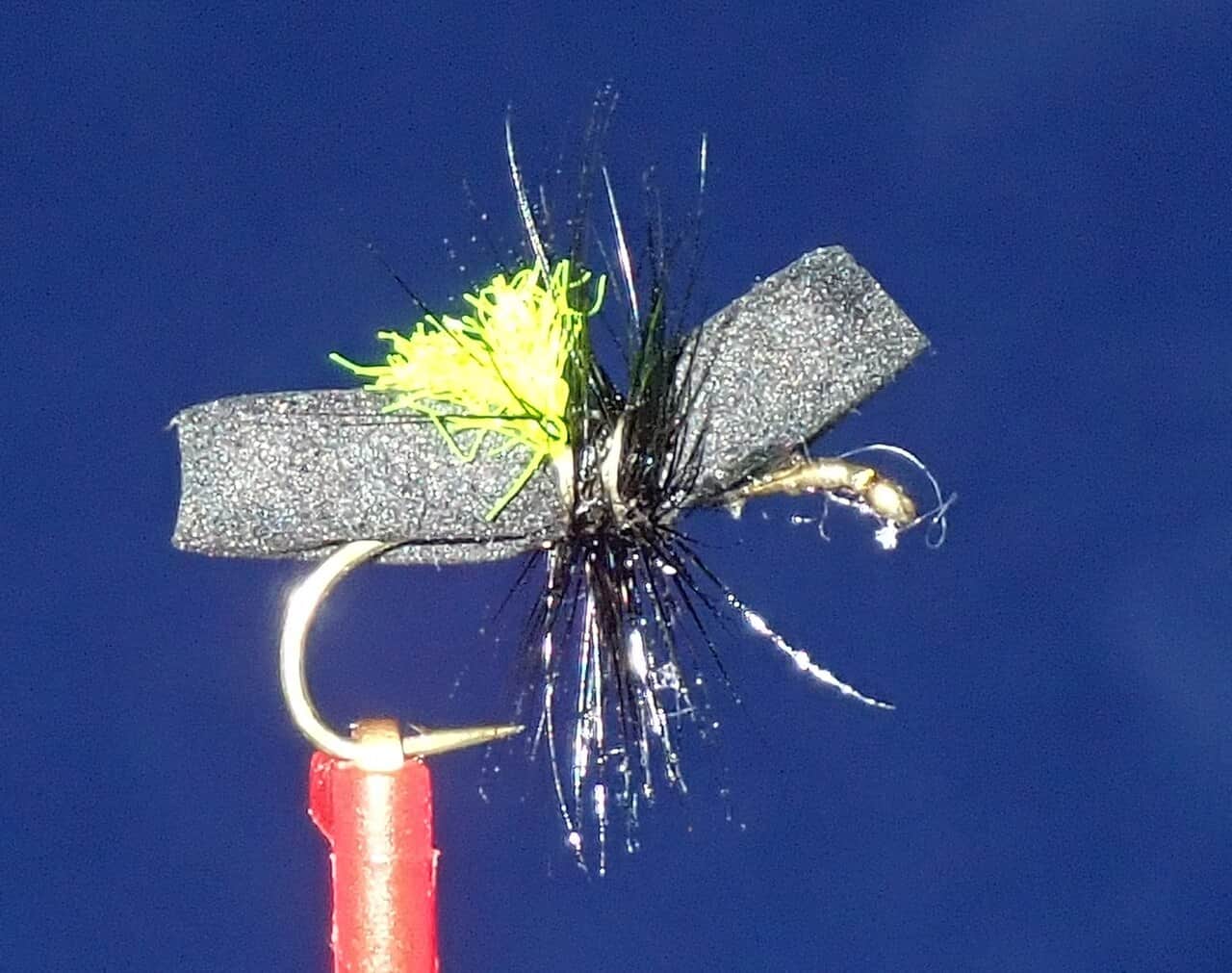
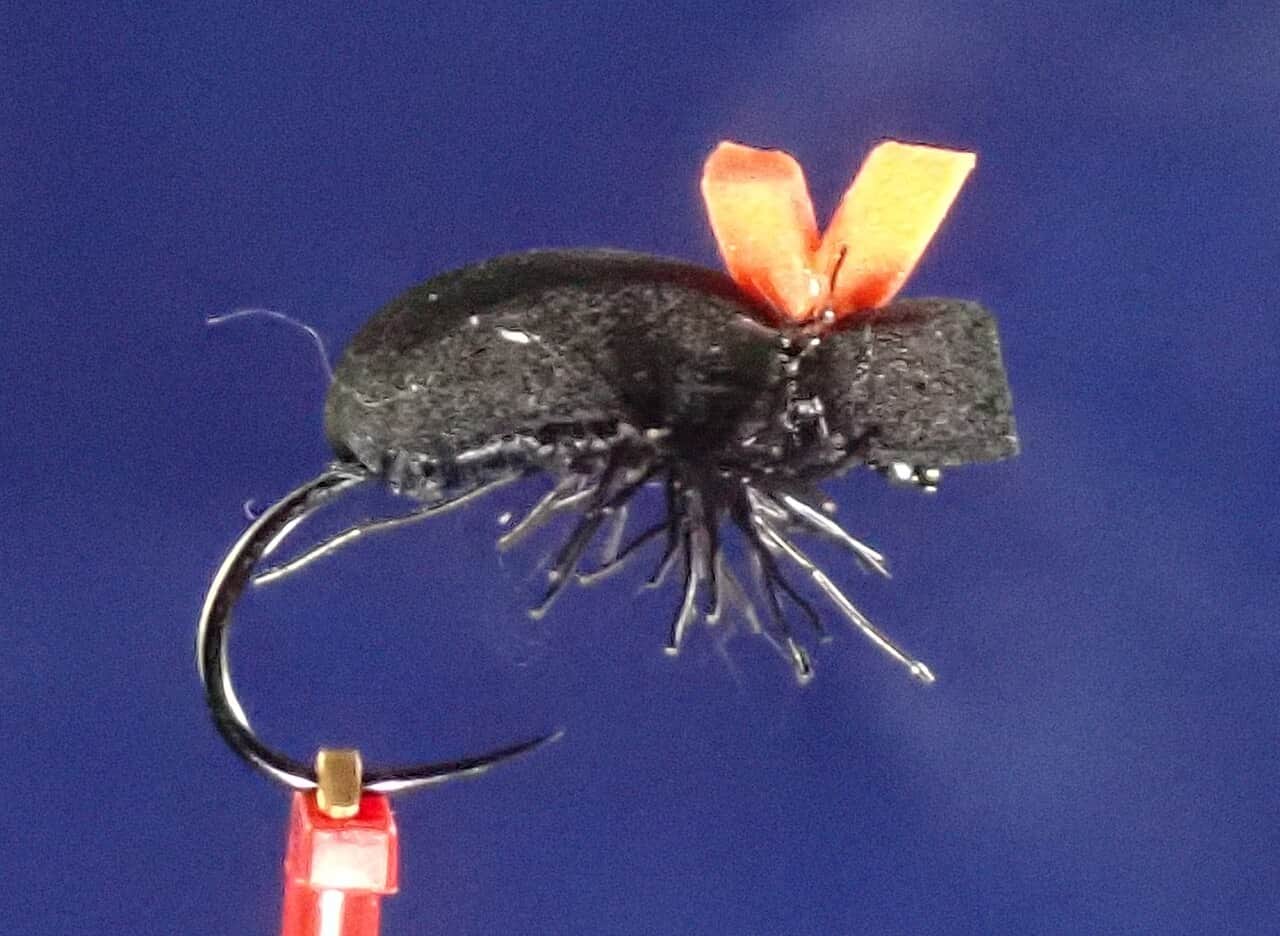
Ant, beetle, foam dry-dropper, perdigon
September-October
BWOs, caddis, midges
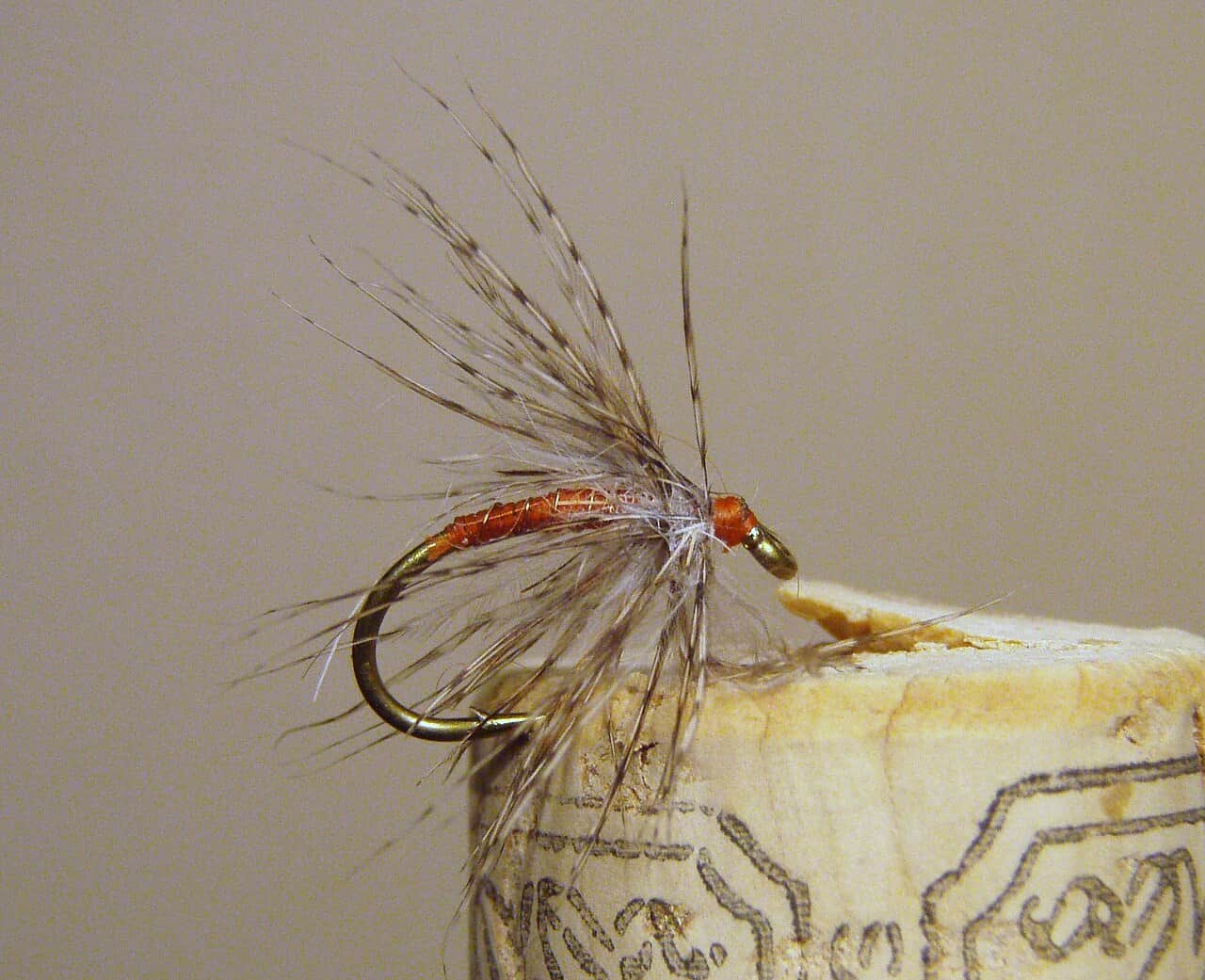
BWO emerger, soft hackle, zebra midge
Pocket-water dries
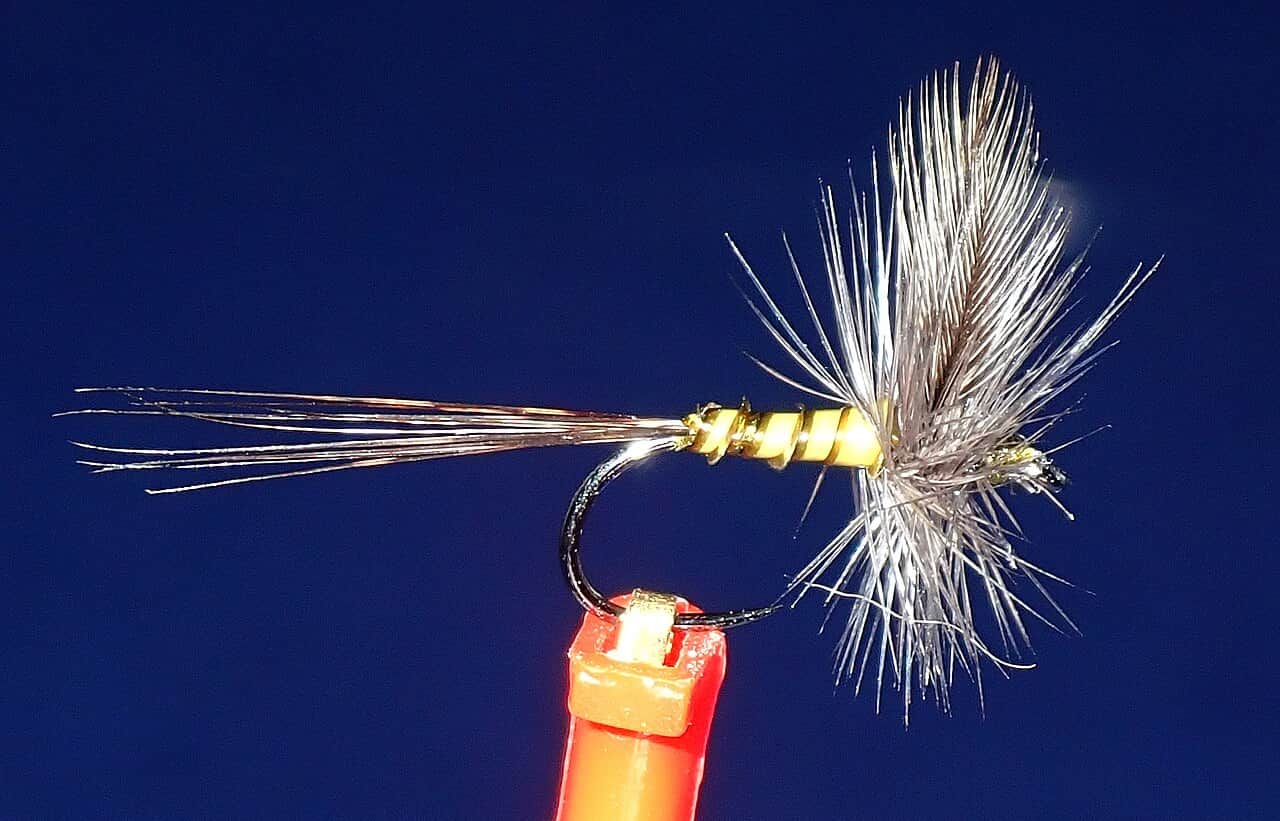
Stimulator, elk hair caddis, parachute Adams, beetle
Clear broken water lets fish look up.
Mountain nymphs
Hare's ear, pheasant tail, prince, perdigon
Cold water or fast pockets keep trout deeper.
Small streamers
Olive bugger, black bugger, small sculpin
Cloud cover or stained water gives fish cover.
Tactics
How to fish it
Decide whether the access is safe before deciding what to fish.
Fish short pockets and boulder edges from stable footing; do not chase one more cast into unsafe current.
Move slowly and fish upstream where possible to avoid spooking clear-water fish.
Turn around early if weather, daylight, or trail conditions change.
Rigging
Rod, leader, and setup notes
A 3- to 5-weight rod works; choose shorter rods for tight trails and brush.
Carry 4X through 6X for dries and nymphs, plus 3X or 4X for small streamers.
Use compact boxes and a light pack because terrain makes excess gear expensive.
A wading staff, map, rain shell, water, and headlamp matter more here than extra fly boxes.
Access
Access and planning notes
Linville River near Nebo gauge
Primary gorge-flow trendWade / float / trail
RiverReports / USGS gauge / trout
When to pick it
Start here when flow stability and crossing safety decide whether the gorge plan is reasonable.
Caution
The gauge does not confirm trail conditions, closures, daylight, or your exit margin.
Linville Gorge Wilderness
Terrain-first public accessWade / float / trail
Forest Service / trail / wade
When to pick it
Use it when weather, trail status, and water level all support a serious foot-travel plan.
Caution
Primitive routes, steep terrain, wet rock, and limited exits make improvising a poor choice.
NCWRC trout and access tools
Rule and reach checkWade / float / trail
Regulation / access planning
When to pick it
Check these before assuming trout classification, public access, or harvest rules for the exact reach.
Caution
Classification and access context do not remove the gorge safety decision.
Gorge trails are steep, primitive, and not always signed or blazed.
Some routes require wet crossings or may be affected by storm damage.
Carry more time, water, and exit margin than you would on an easy roadside stream.
Regulations
Check before fishing
Check NCWRC regulations and trout-water classifications before fishing. Forest Service access rules, closures, and wilderness restrictions also matter.
Primary base
Linville Falls, Marion, Morganton, or Nebo
Best day style
Steep gorge, trail, and roadside planning with serious terrain and weather judgment
Check first
RiverReports, USGS 02138500, NCWRC trout resources, Linville Gorge conditions, and NWS weather
Safety
Steep trails, primitive routes, wet crossings, high water, thunderstorms, limited cell coverage, and daylight constraints
Gear
Helpful gear for this water
Light 4-weight rod
A strong all-around gorge and mountain-river choice.
Wading staff
Useful on boulders, crossings, and steep entries.
Map and headlamp
Important if trail travel takes longer than expected.
Compact rain shell
Storms can make both fishing and hiking more serious.
Nearby water
Other water to research
Backup logic
High or stormy water
Compare Catawba River, Davidson River, or Nantahala River before entering the gorge.
Trail or daylight problem
Use a safer roadside trout route instead of starting late or guessing at primitive access.
Warm trout conditions
Fish only a cooler responsible window or pick colder mountain water.
Rule or access uncertainty
Confirm NCWRC and Forest Service information before stepping in.
Catawba River
A broader foothill option when Linville access or flows are too serious.
Davidson River
A clearer trout-focused Pisgah option with easier access but more pressure.
Nantahala River
A colder mountain river plan with its own release and access considerations.
FAQ
Fast answers
Is Linville River fishable today?
Linville River looks very fishable right now. The live score is 96/100, based on current flow, weather, public alerts, and the report's planning context. Recheck the linked gauge and forecast before leaving because conditions can change quickly after rain, heat, access changes, or flow swings.
What flow is best for Linville River?
Clear moderate flows that leave safe entries and enough pocket-water depth without making crossings dangerous.
When should I skip Linville River?
Skip during high water, storms, poor trail conditions, late starts, or limited daylight.
Is Linville River safe to wade right now?
The fishability score is not a wading guarantee. Wade only where your chosen access has safe edges, clear footing, legal entry, and no forced crossings; high, rising, stained, or storm-affected water should be treated conservatively.
What gauge should I use for the Linville River?
Use RiverReports for the quick chart and USGS 02138500 near Nebo for the official gauge reference.
Is Linville Gorge easy access?
No. Many routes are steep, primitive, and condition-dependent. Check Forest Service information before committing.
When should I choose another river?
Choose another river during high water, storm threats, poor trail conditions, late starts, or when your group is not prepared for gorge travel.
Sources
Source set for this report
Reviewed 2026-06-02